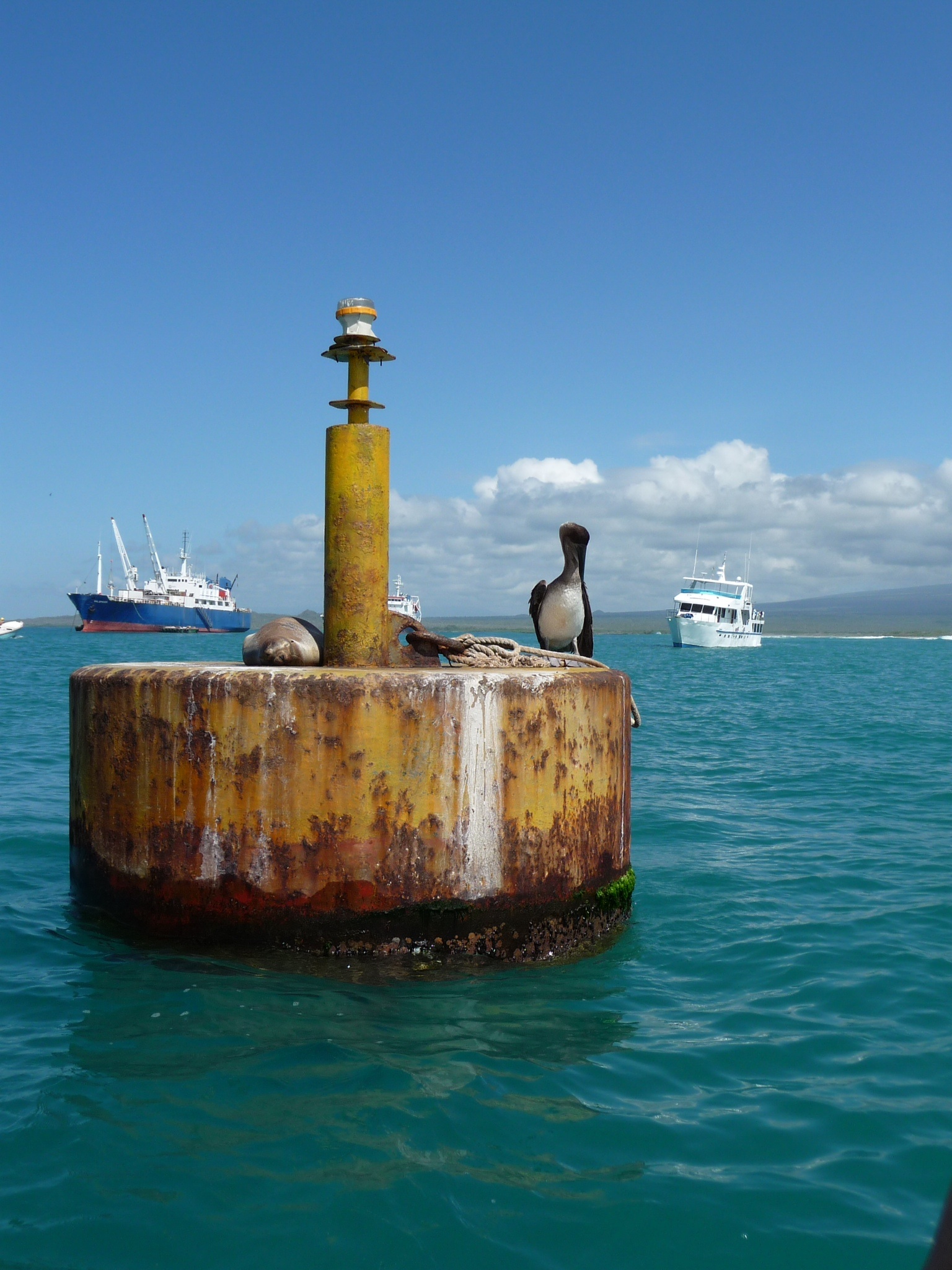
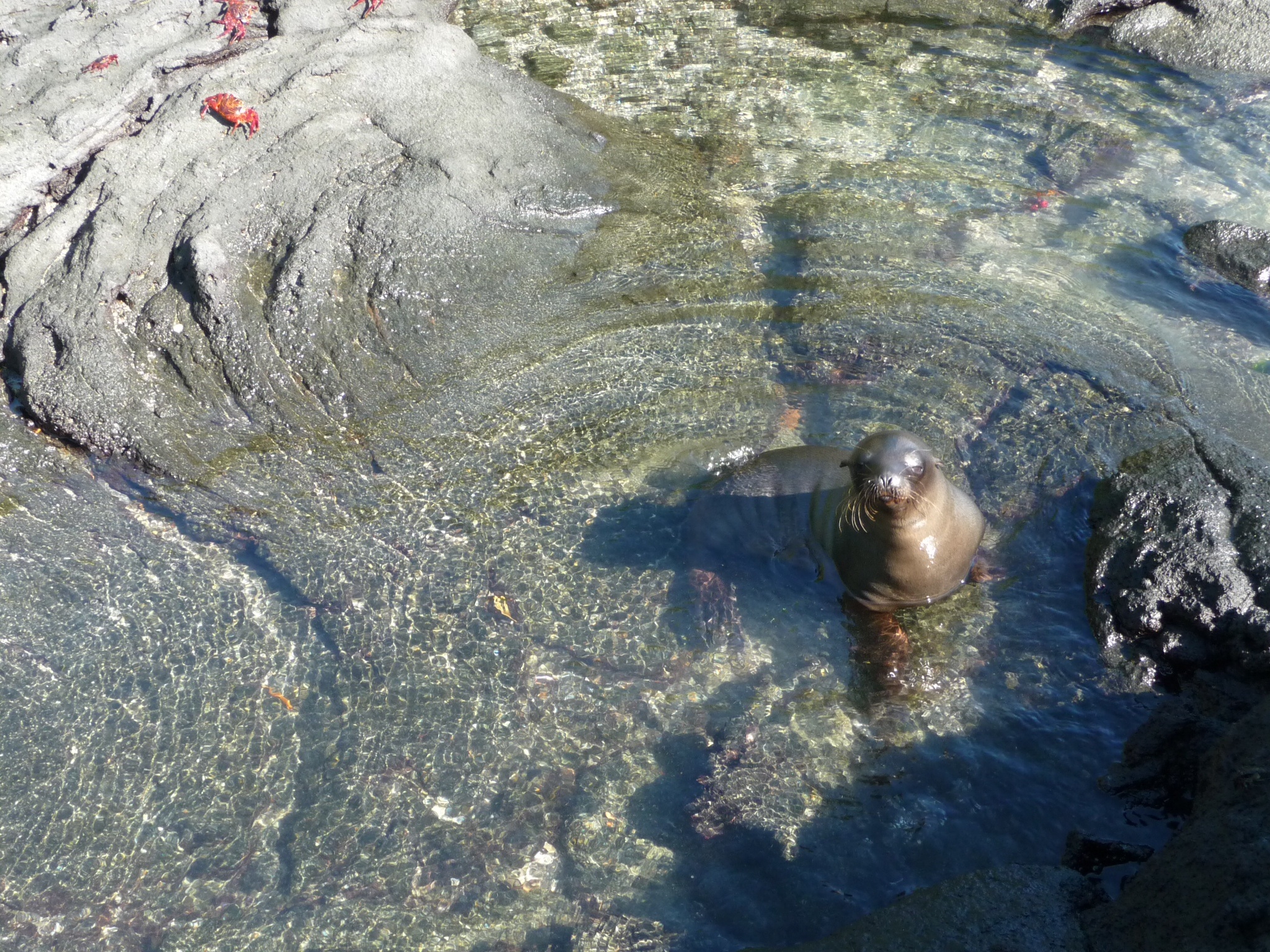
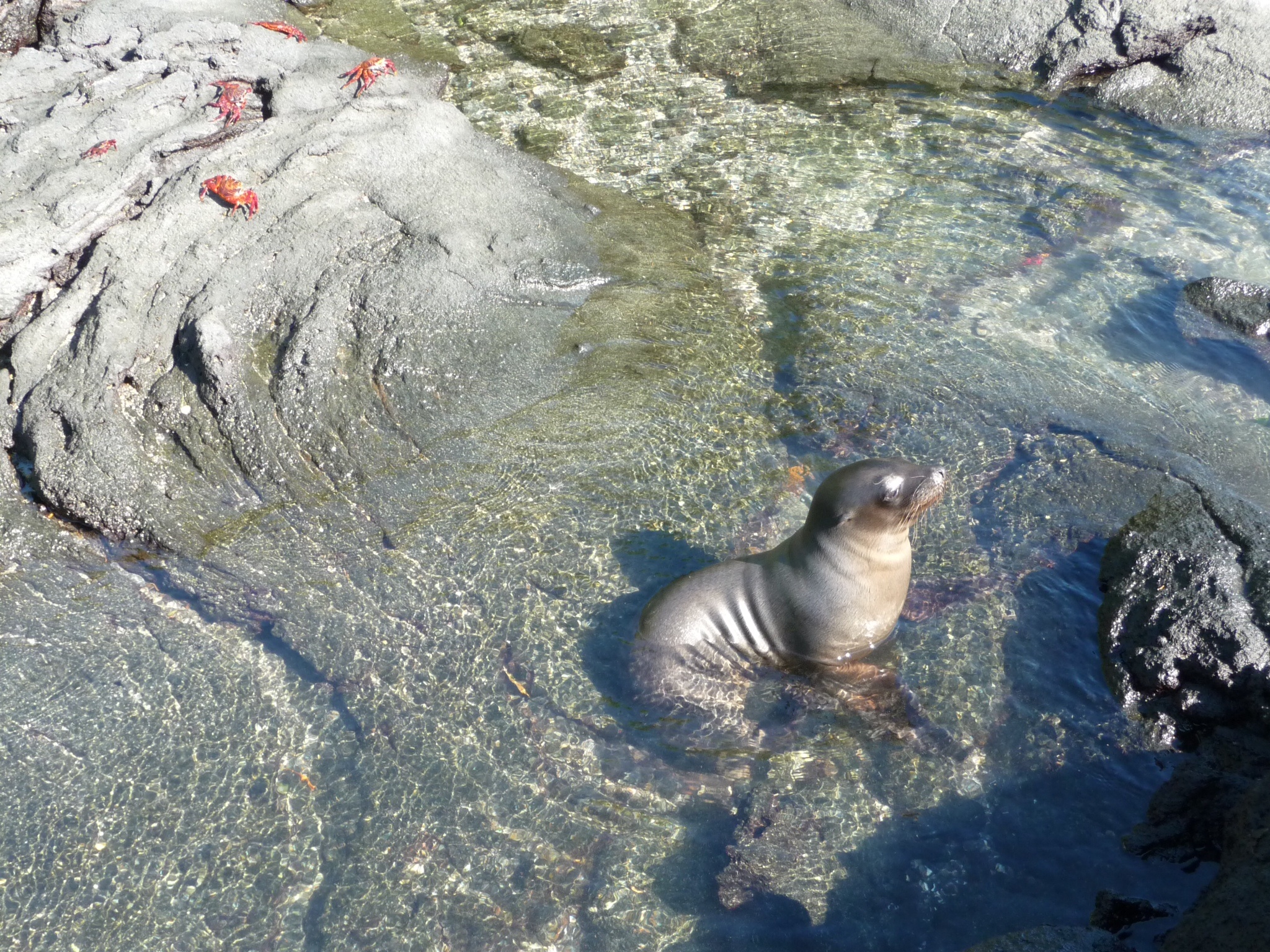
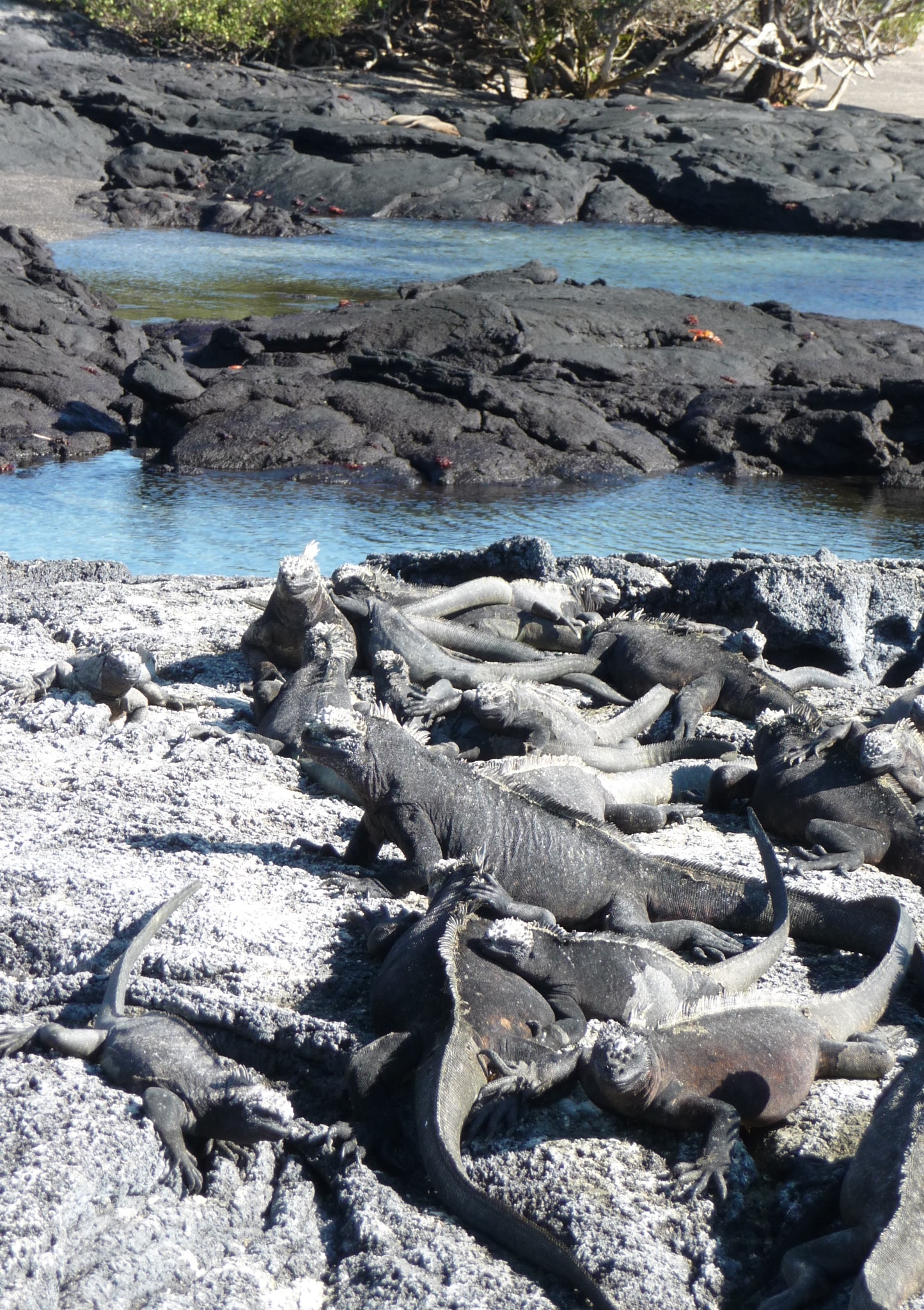
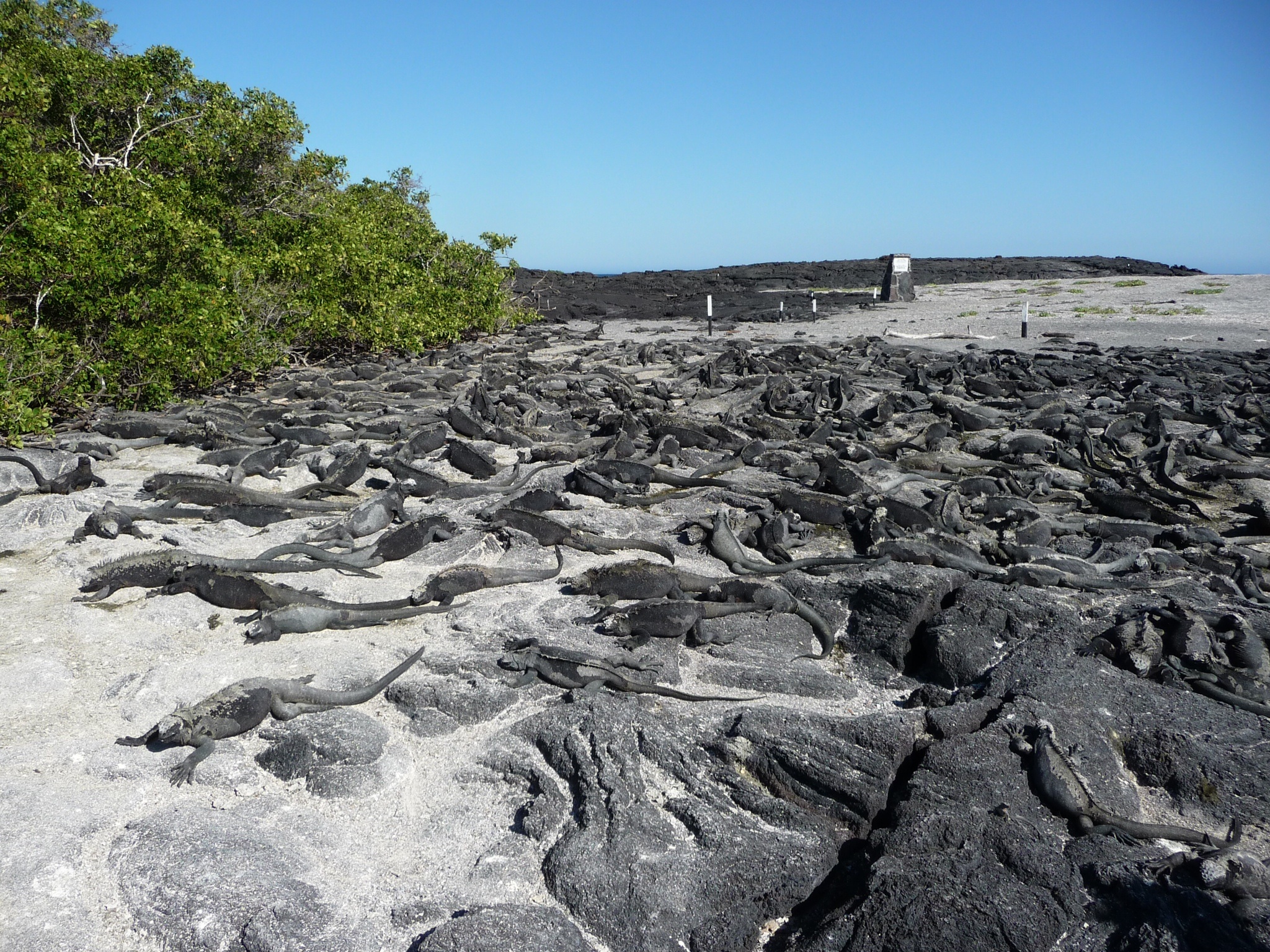
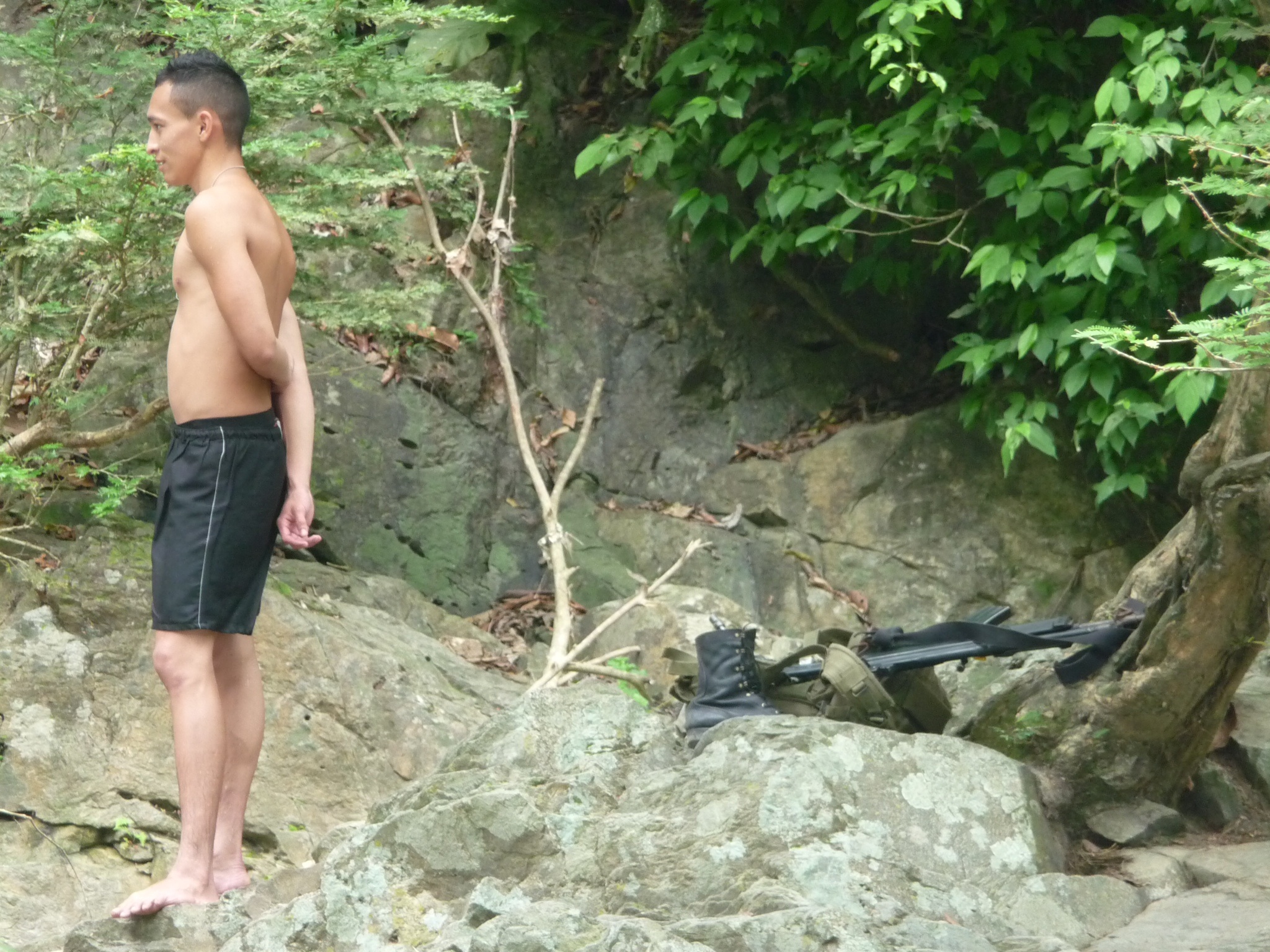
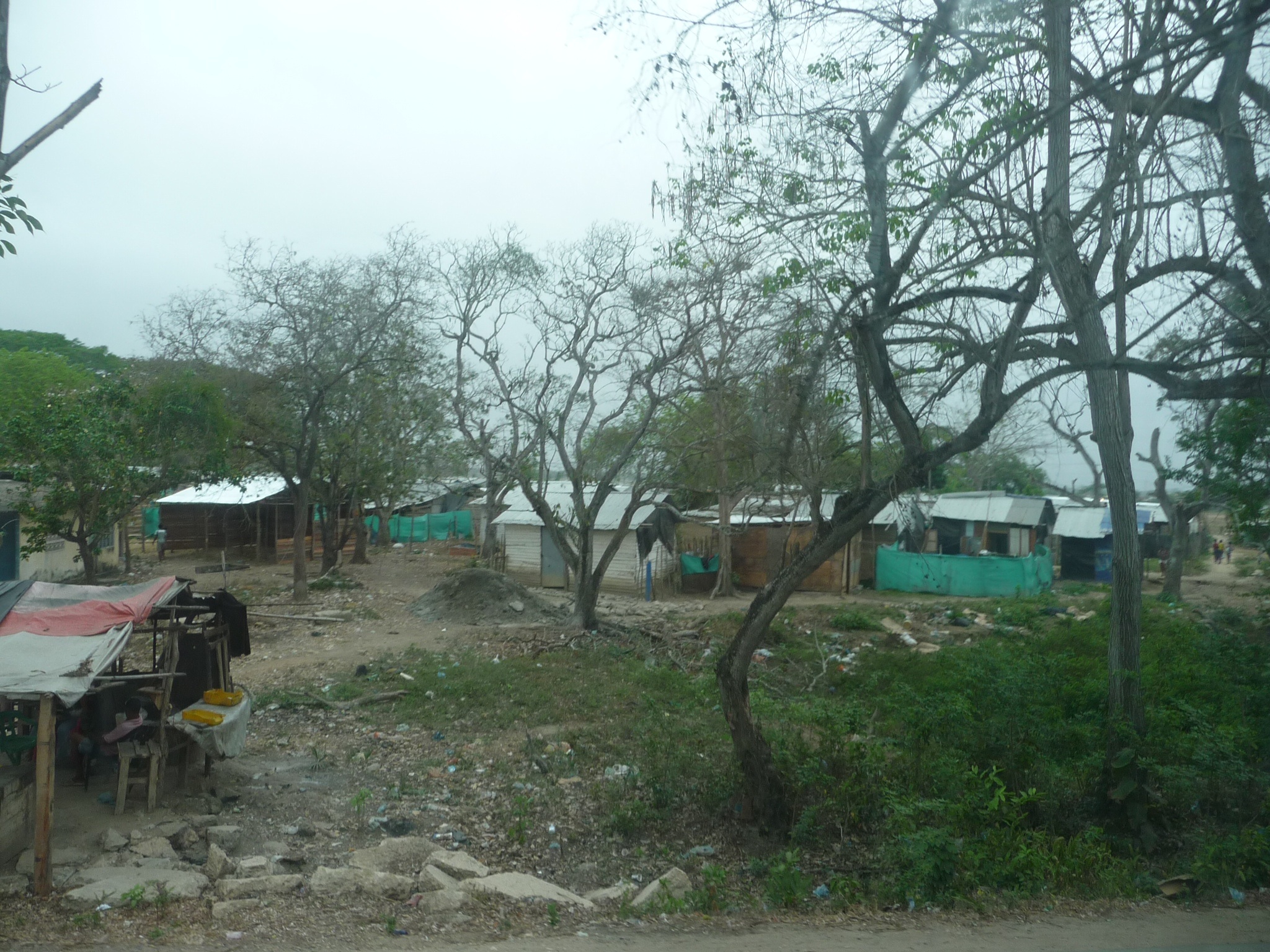
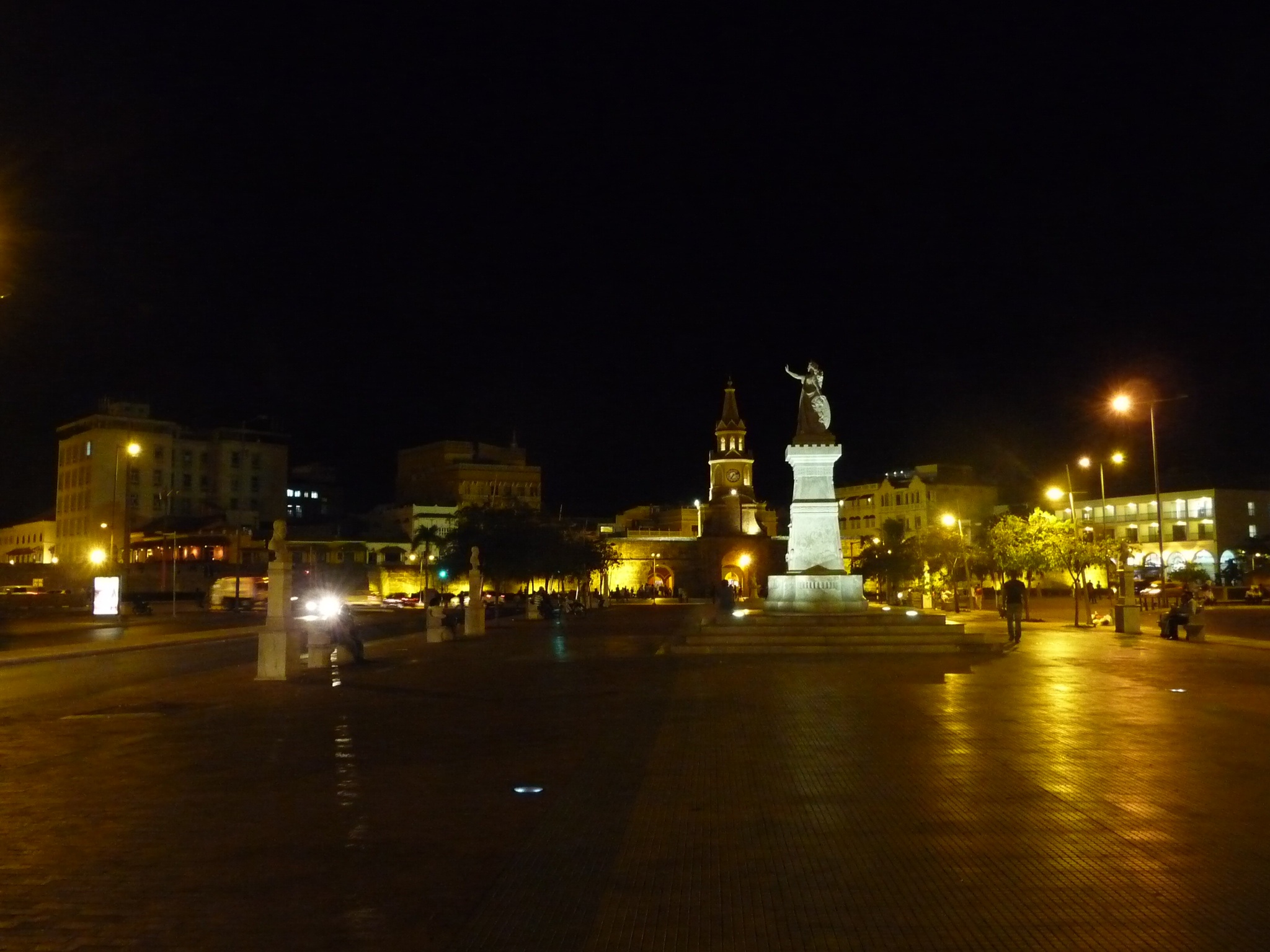
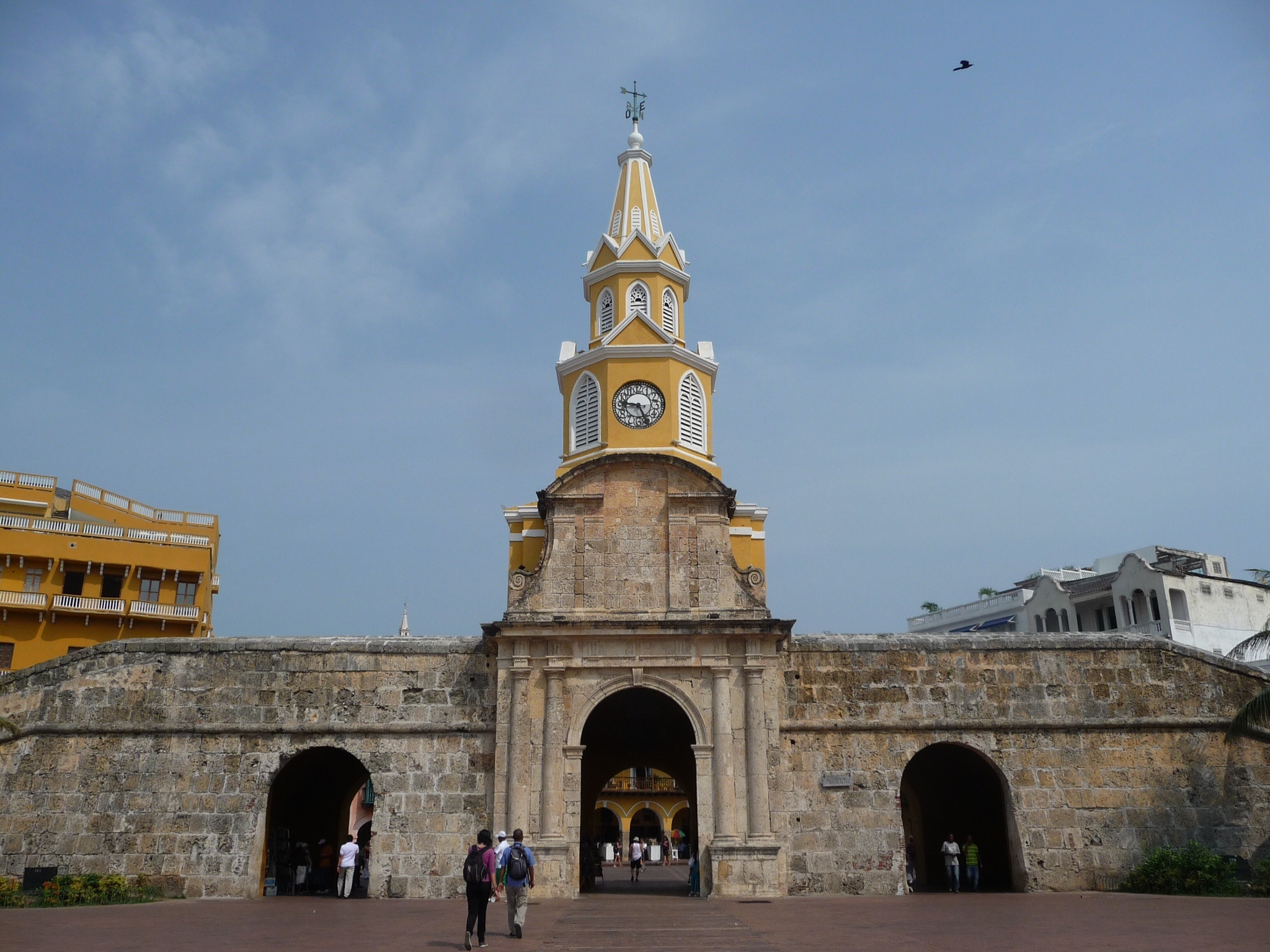
Up close and personal with the Brazilian and non-Paraguan wildlife

Cristina was right – a lengthy border crossing into Paraguay.  A one hour wait in a line at the Bolivian Border office and then an hour and a half wait at the Brazilian border office. While it was a long time standing we all got through without problems (although I think all of our nerves had been tested after limited sleep on our overnight train) – some of the locals were less lucky with many a woman emerging from the office in tears.
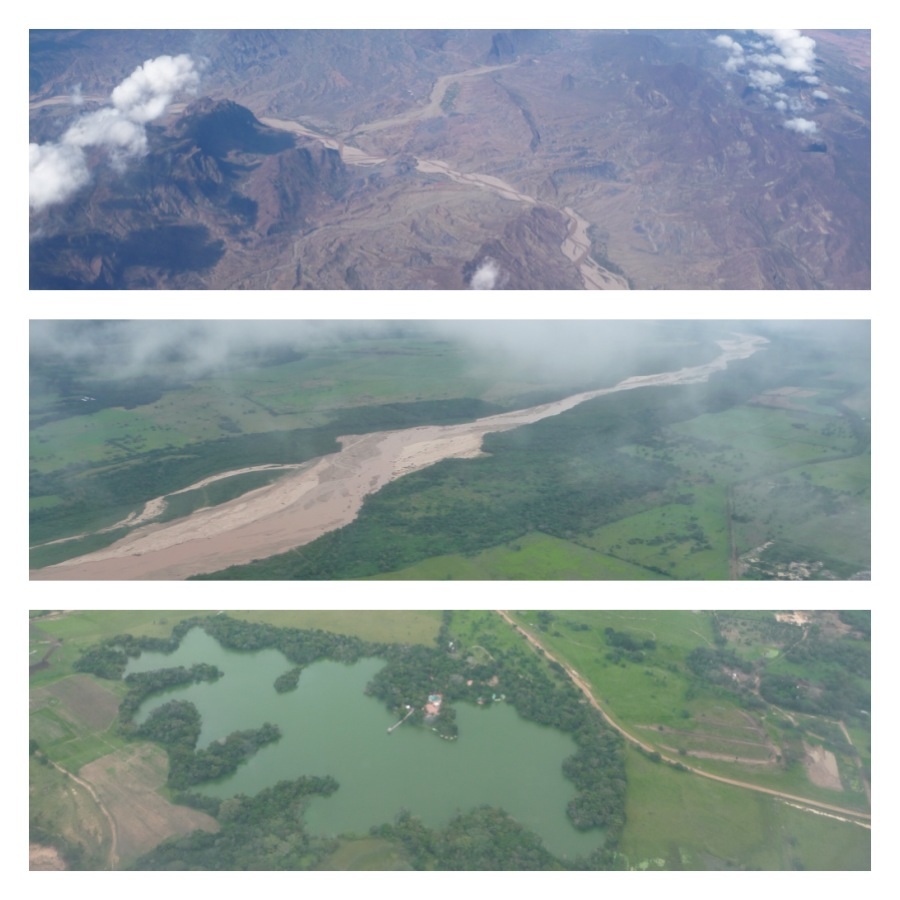
We the had a two hour drive from Corumbà to our lodge accommodation in the Pantanal. We were staying in the south west part of Mato Grosso do Sul.
En route we had an interesting police check with an officer (complete with moustache, black leathers, knuckle gloves and slouchy leather cap – yes think biker from the village people) deciding to strike up a conversation – very smooth. You could see his younger colleagues were in awe of the ease with which he struck up the jovial conversation with someone who couldn’t speak his native tongue.
The trip was enjoyable with us passing cows, buffaloes, donkeys and birds along the way until the torrential rain set in!  We were on dirt roads so we were a little concerned about the ability of our minibus to make it through but it powered on without a problem.
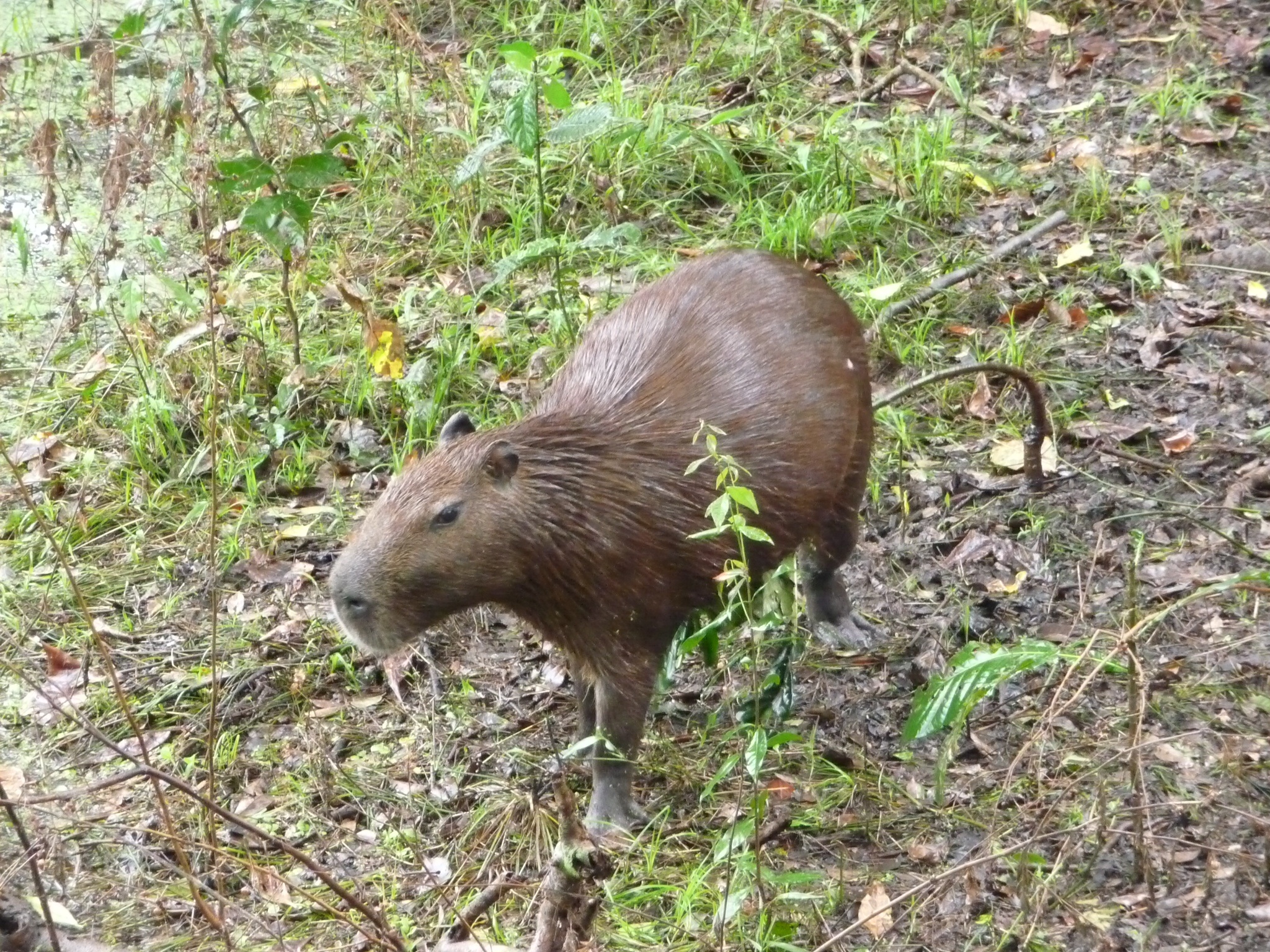
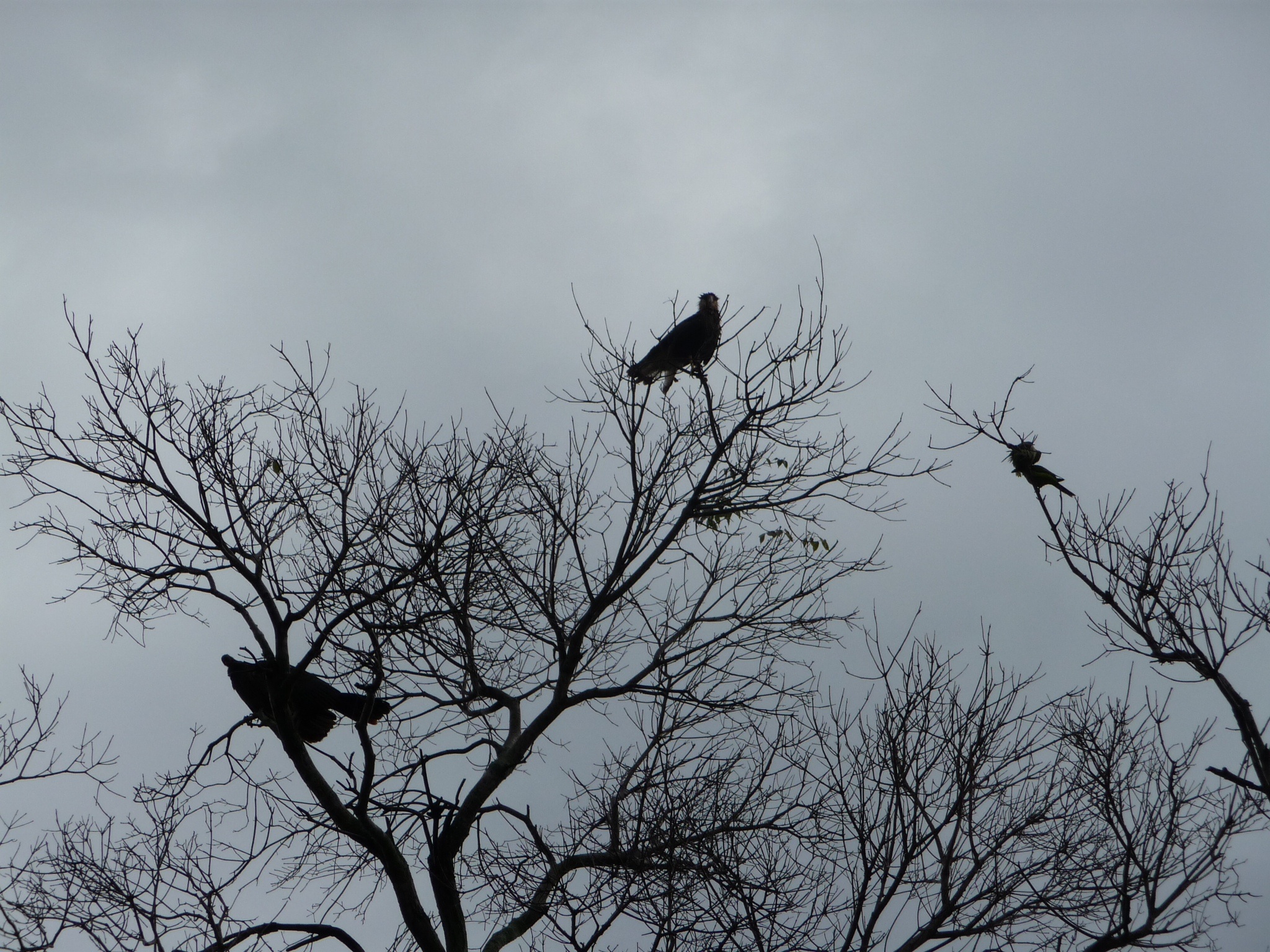
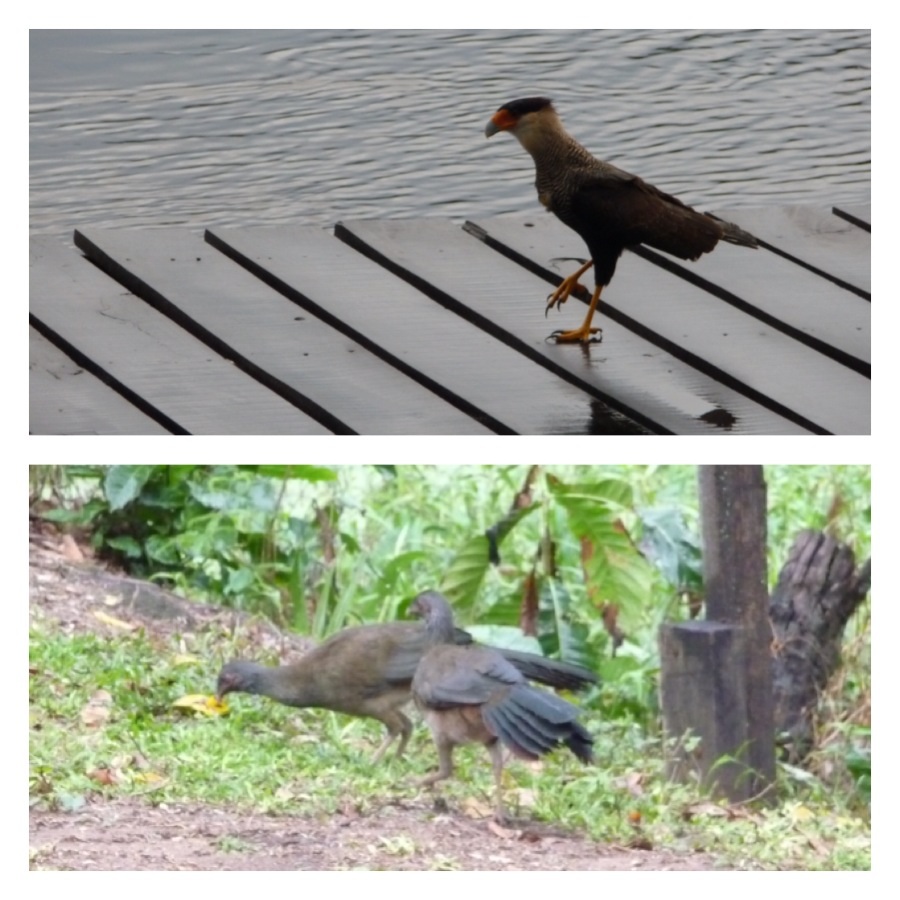
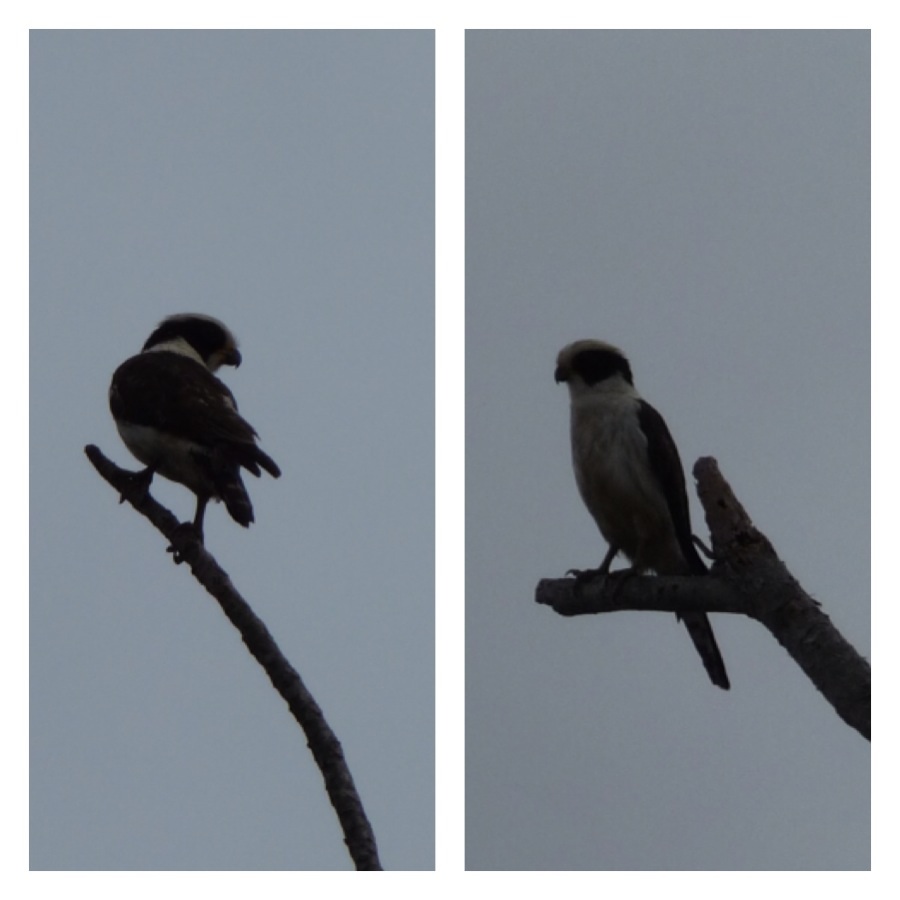
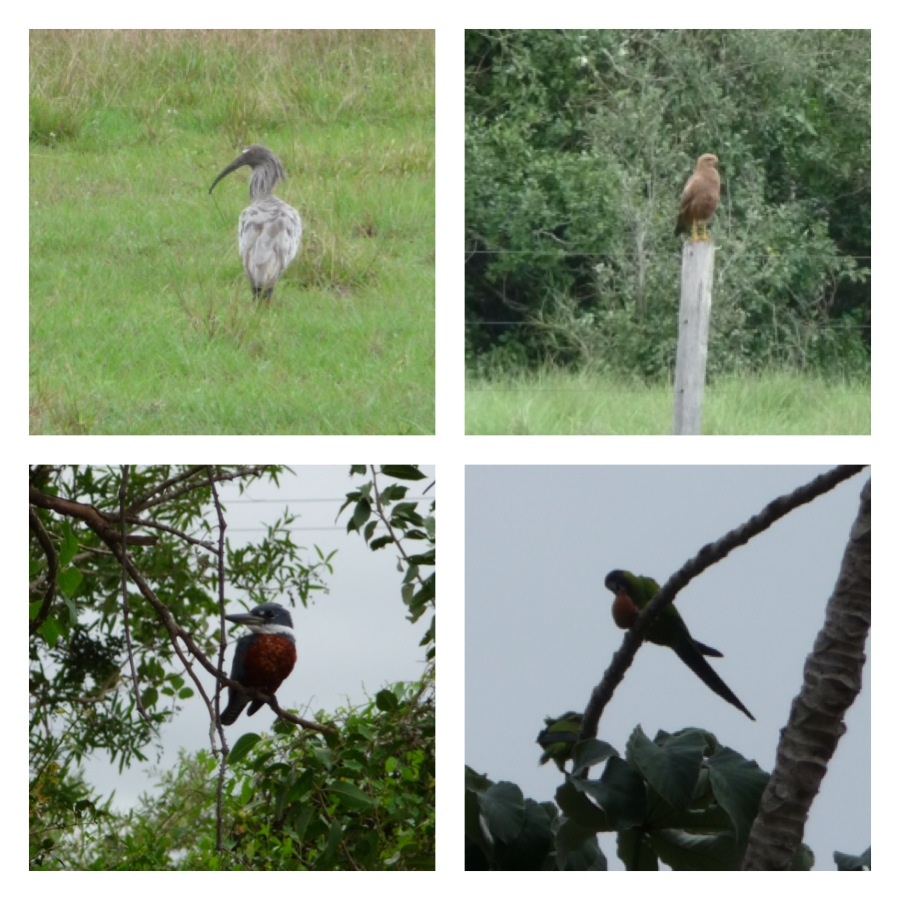
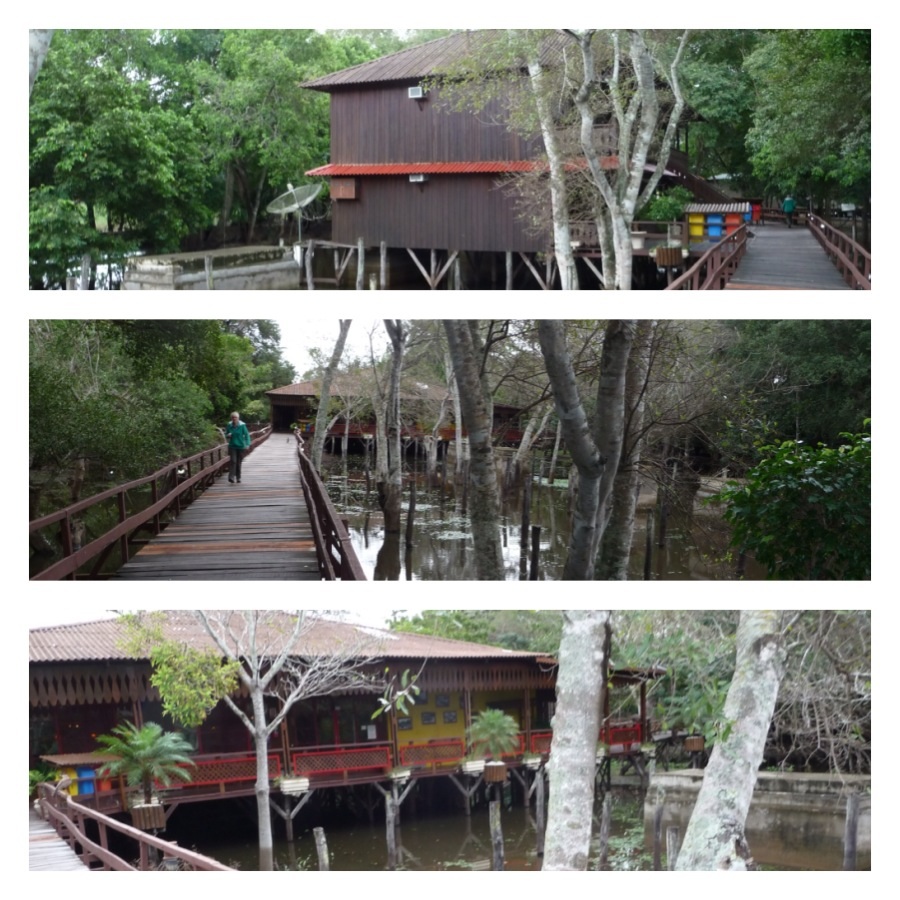
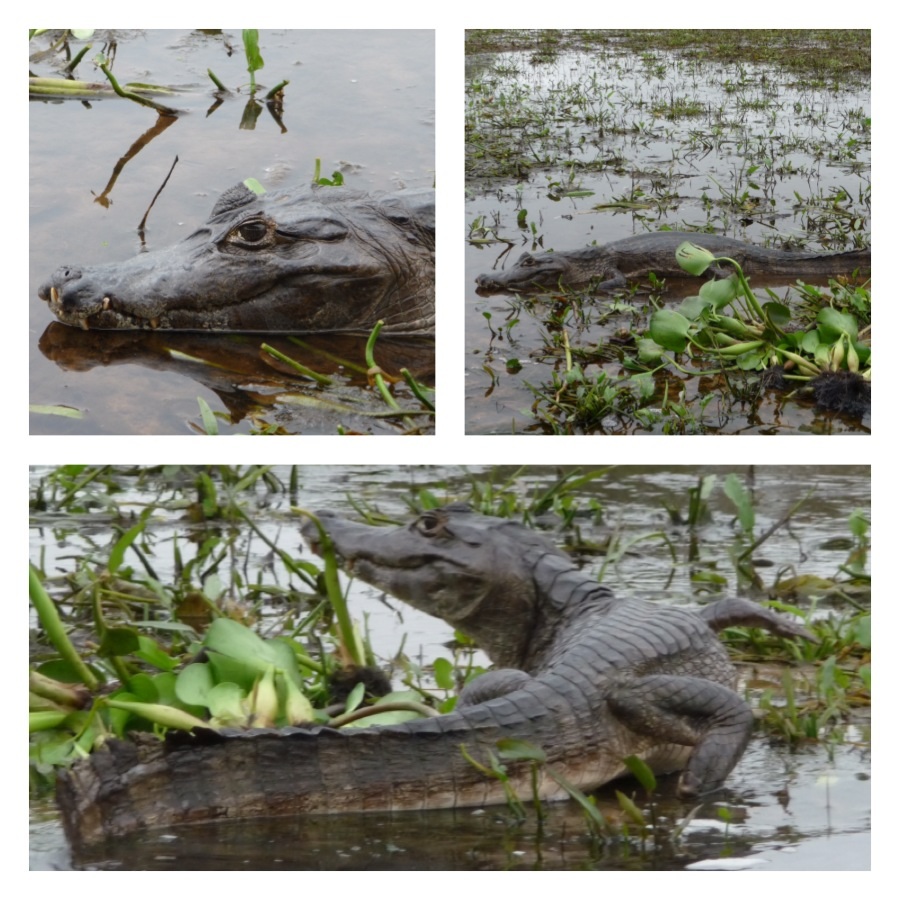
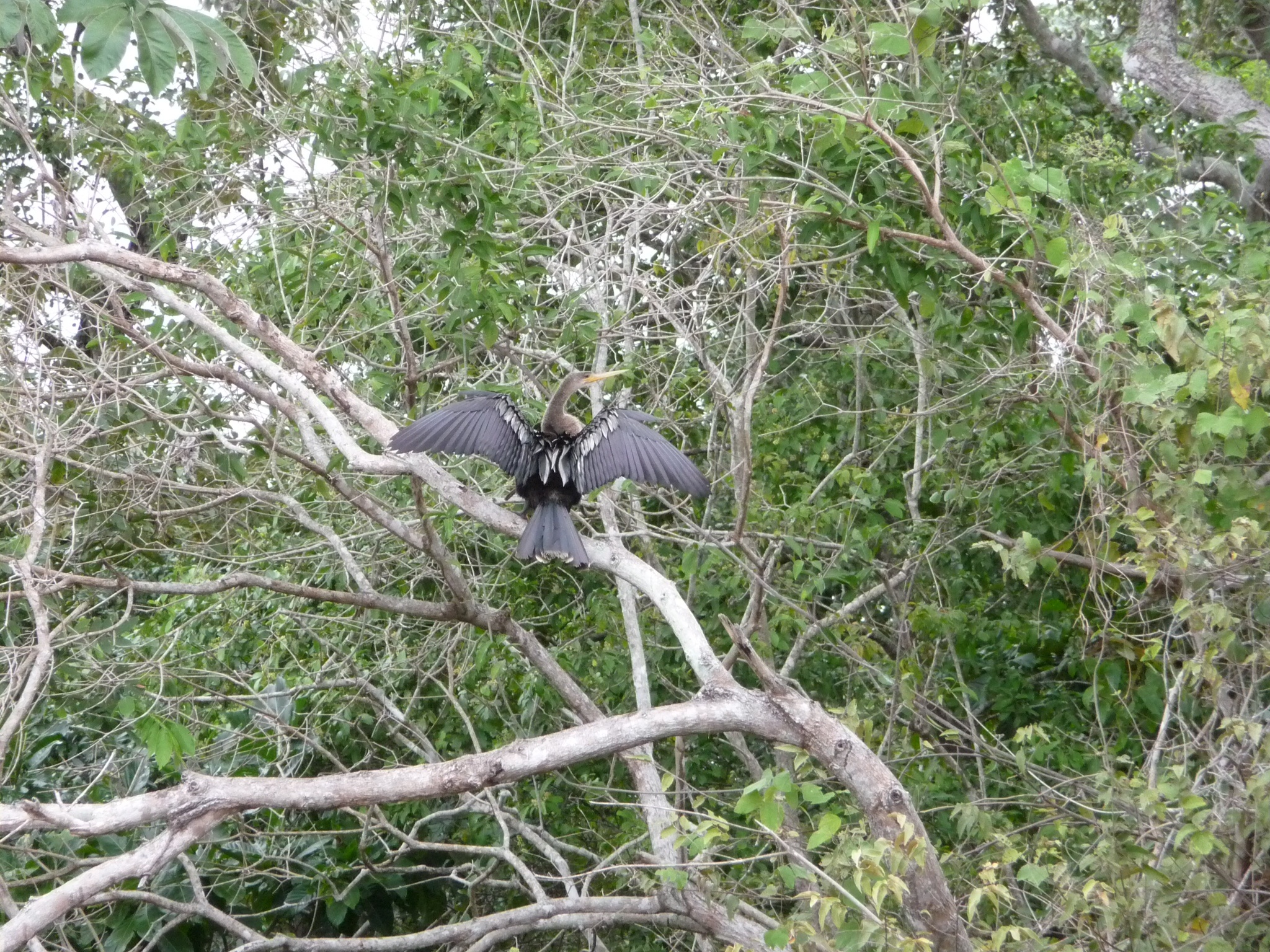
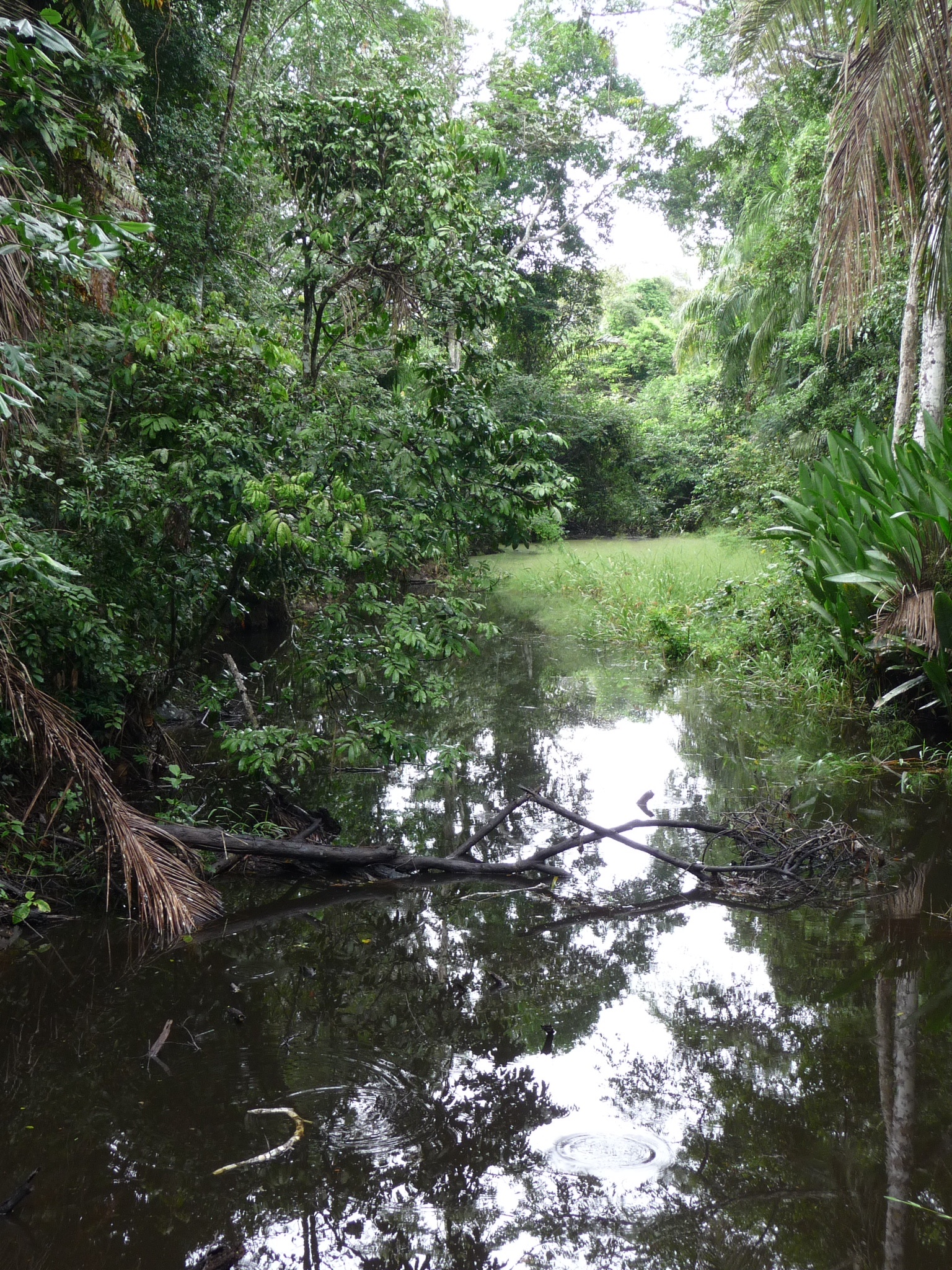
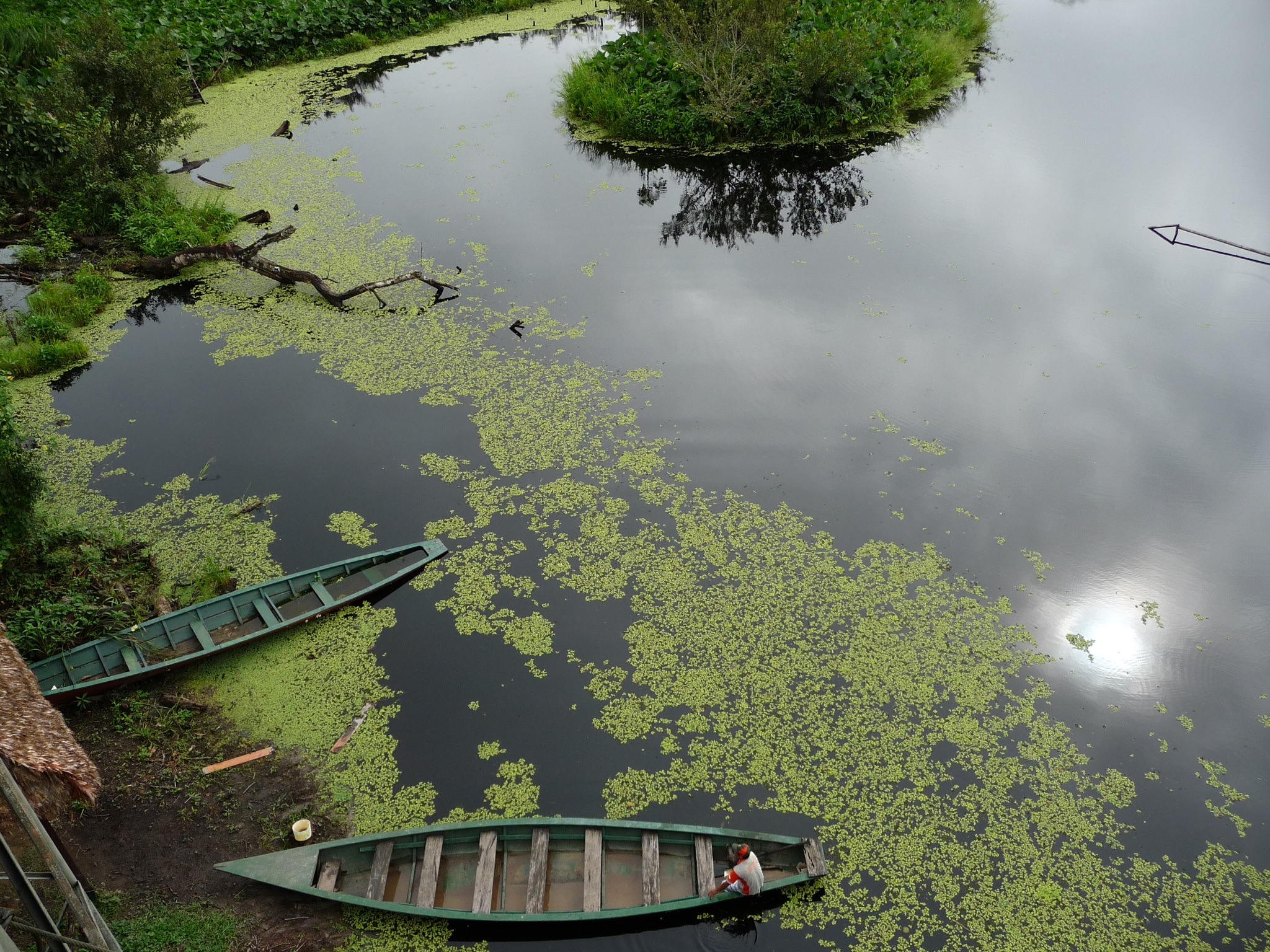
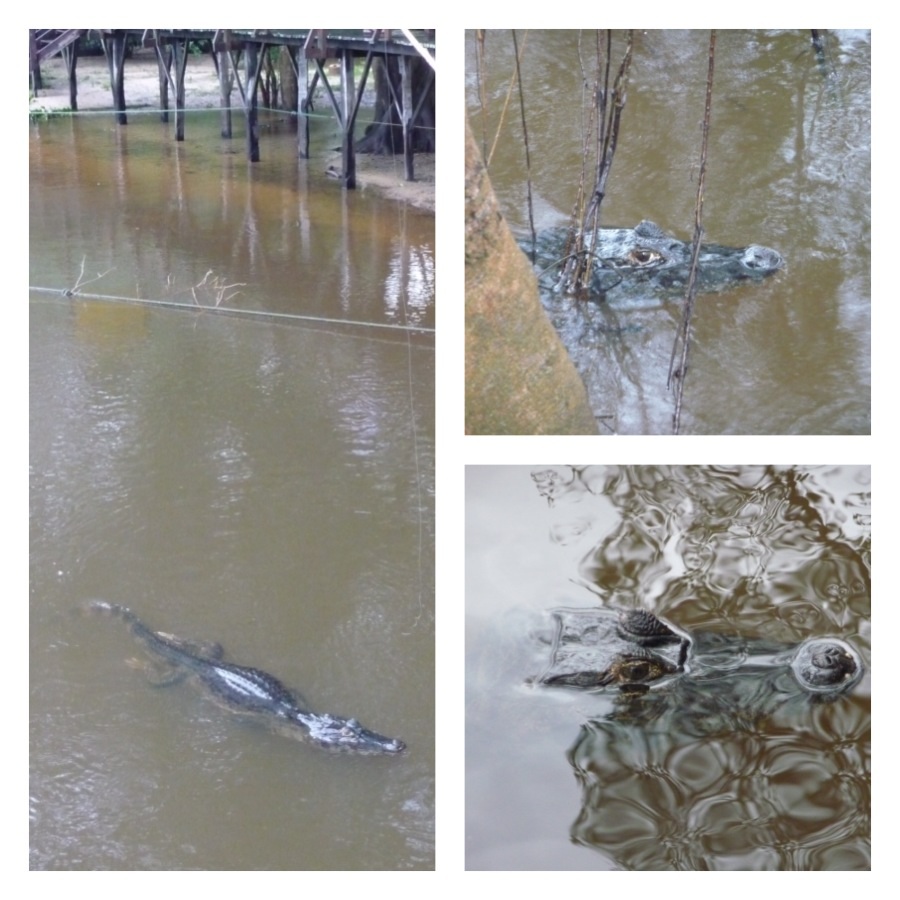
Our lodge was lovely – the entire place was a series of pavilions perched above the wetlands, which were full of caymans, capybaras (like a large water wombat) and piranhas! We saw lovely birds (caracaras, cardinals, parakeets and ibises) as we wandered around the lodge grounds and it was then onto trying our hand at piranha fishing – with the promise our catch would be cooked up for dinner. I managed to hook a small fish (not a piranha) but it fell off as I was about to grab him. My technique may have faltered by the distraction of seeing giant otters frolicking on the other side of the river!
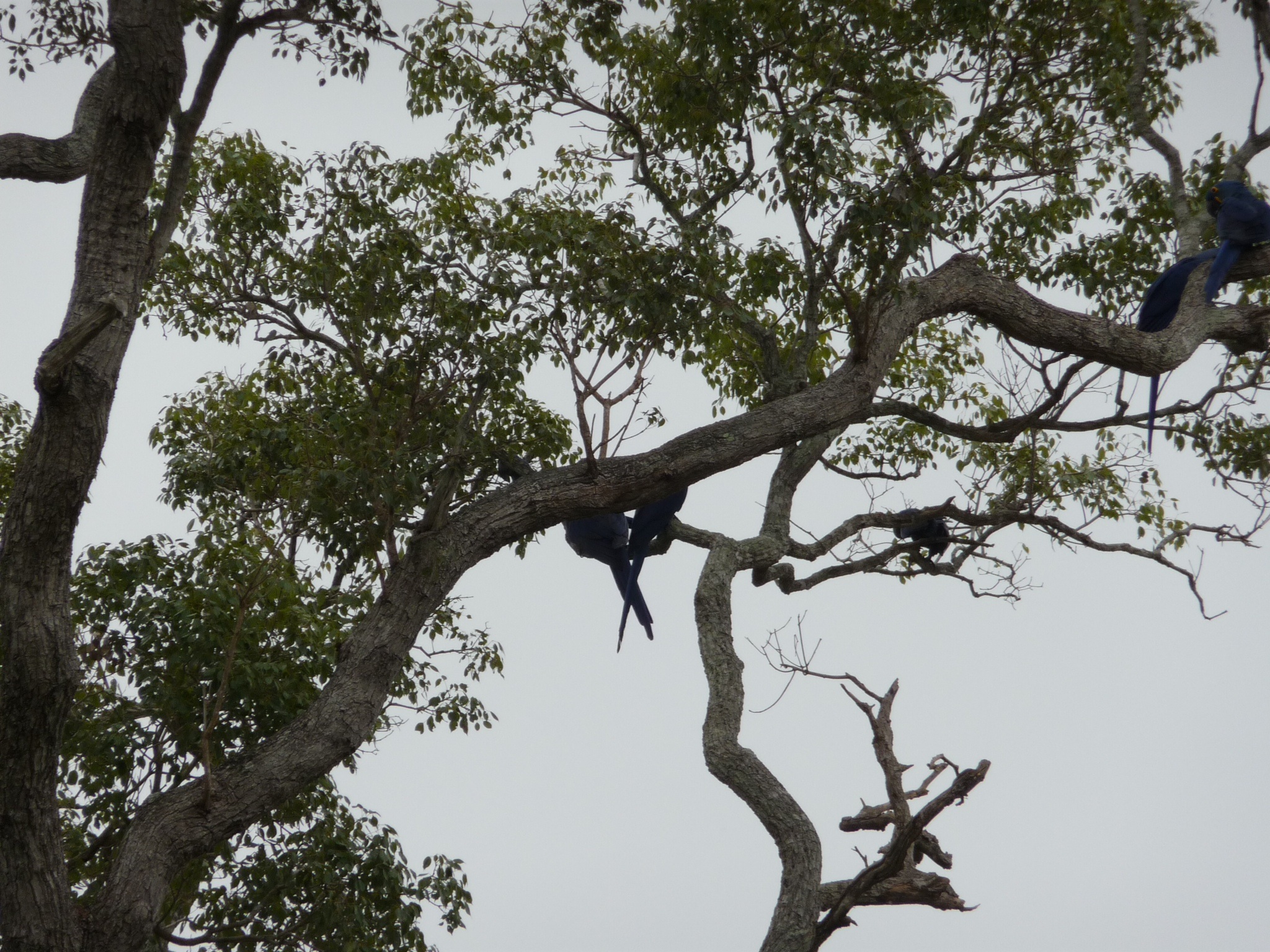
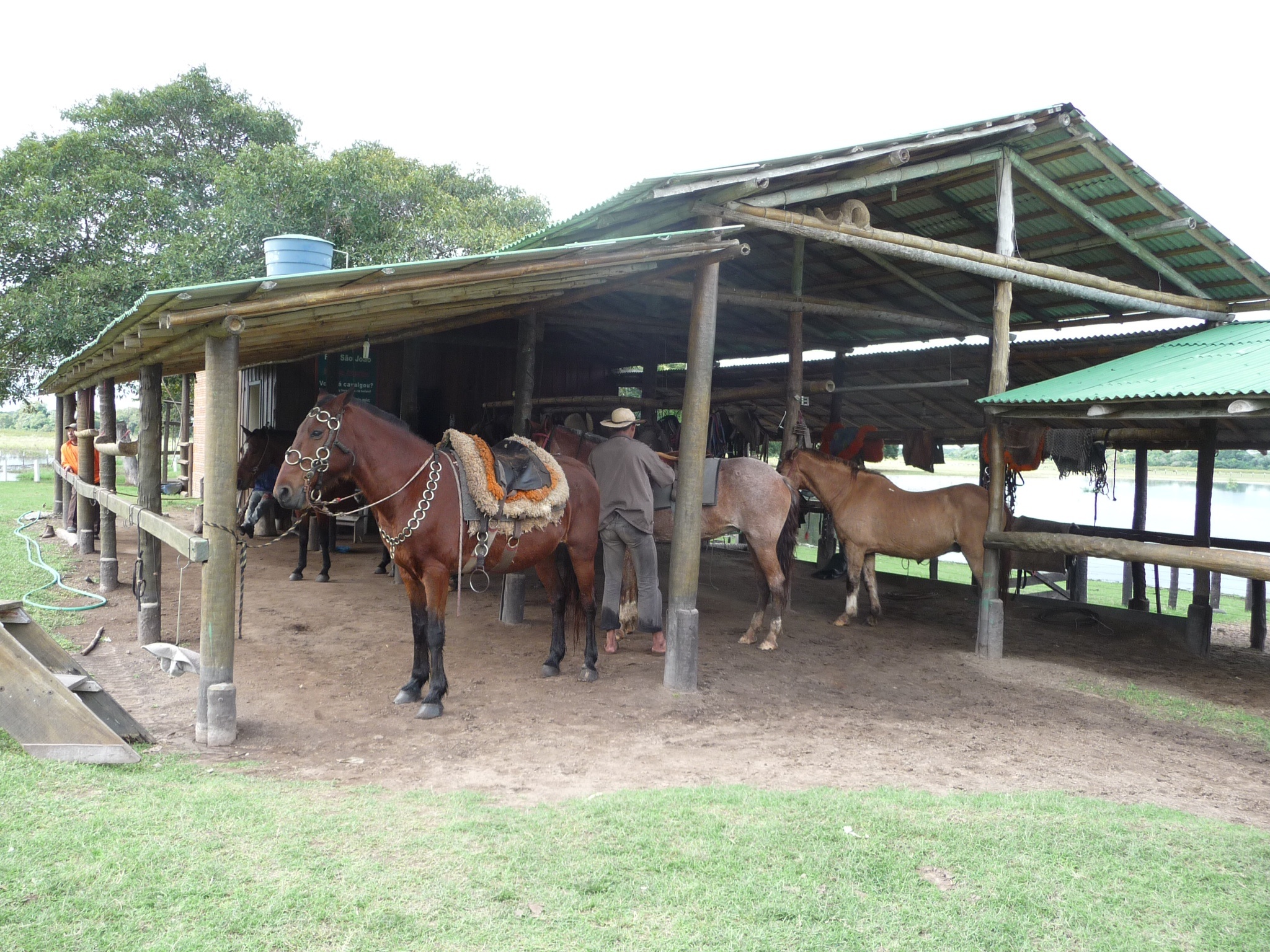
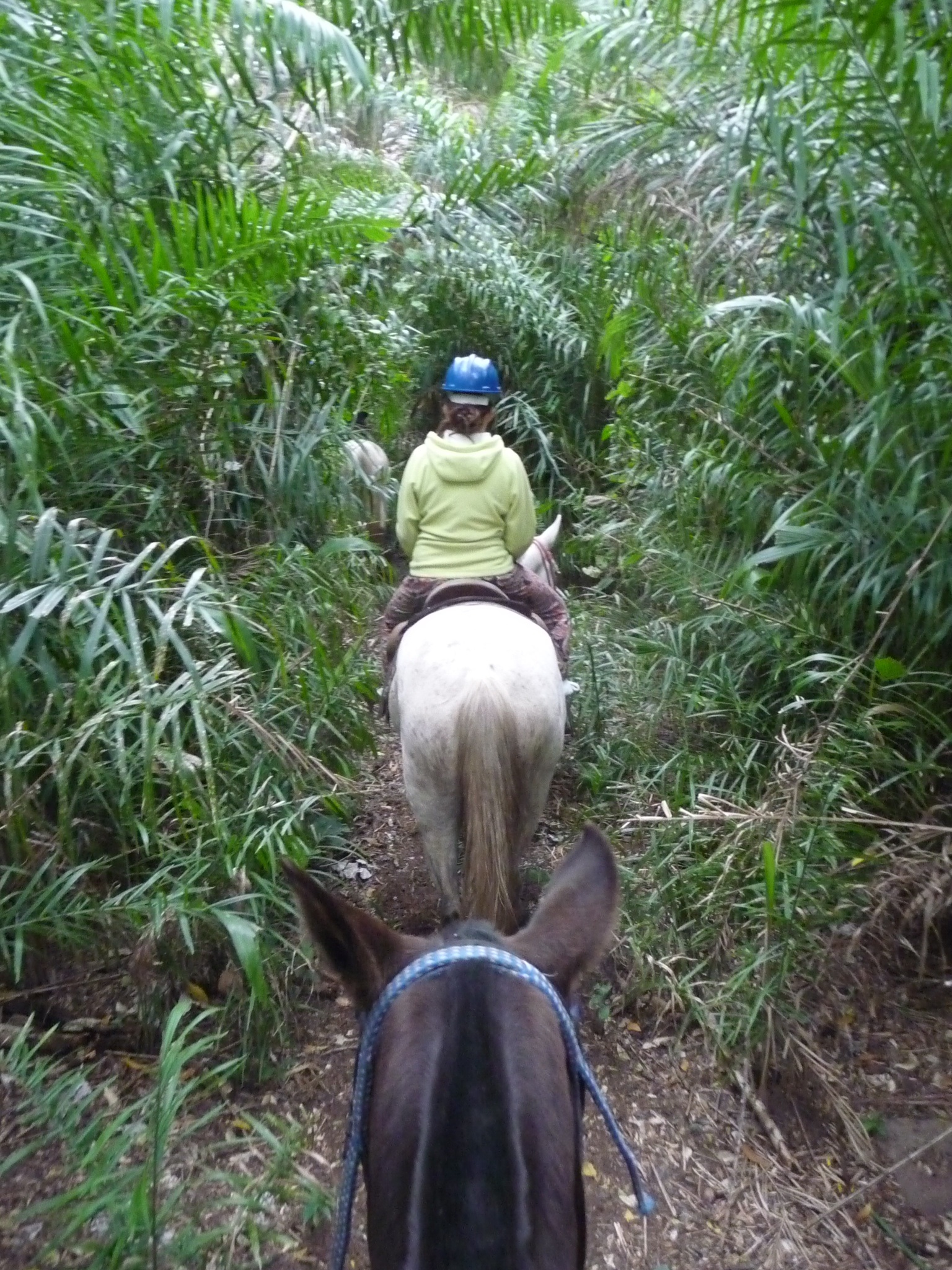
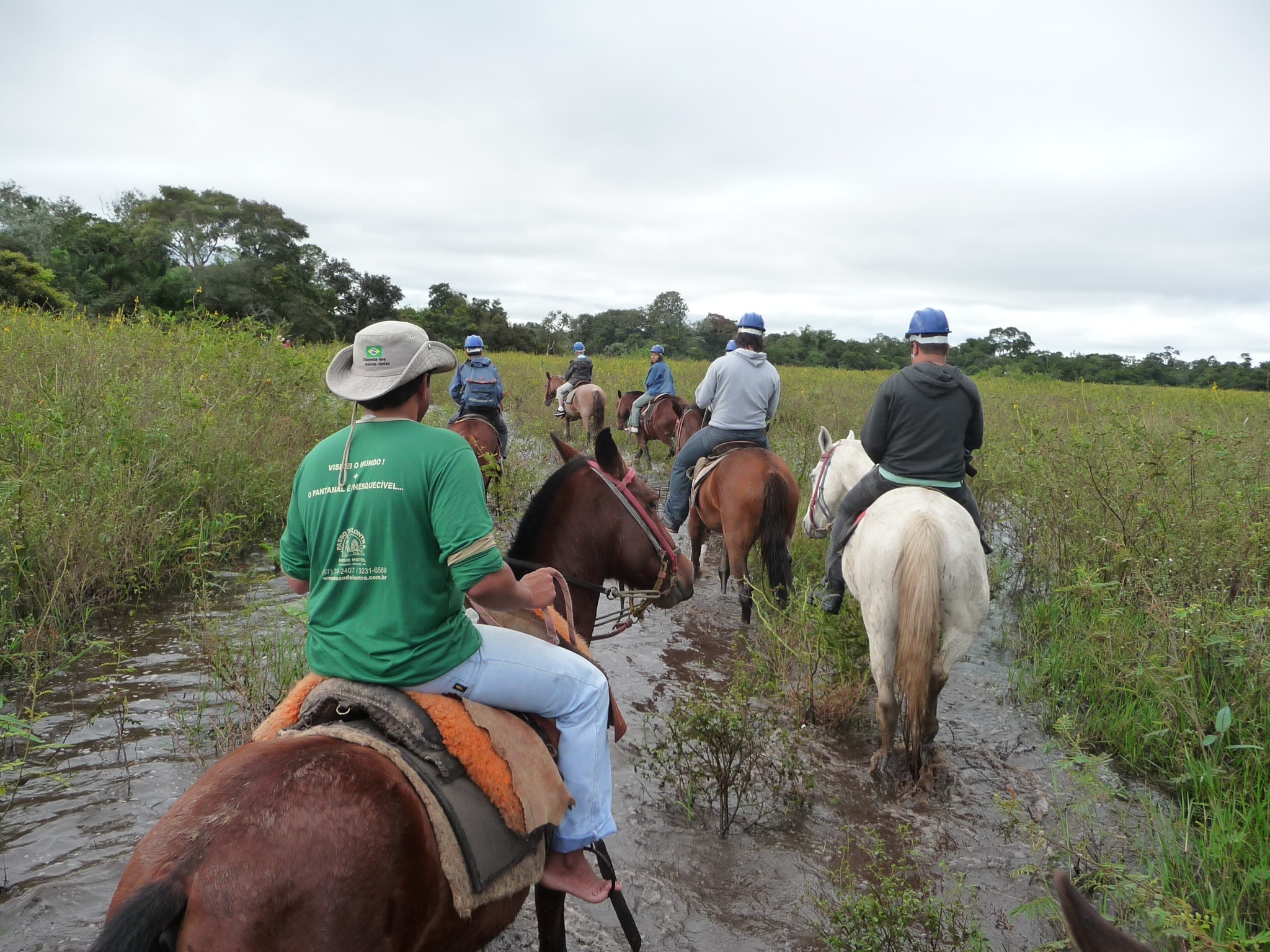
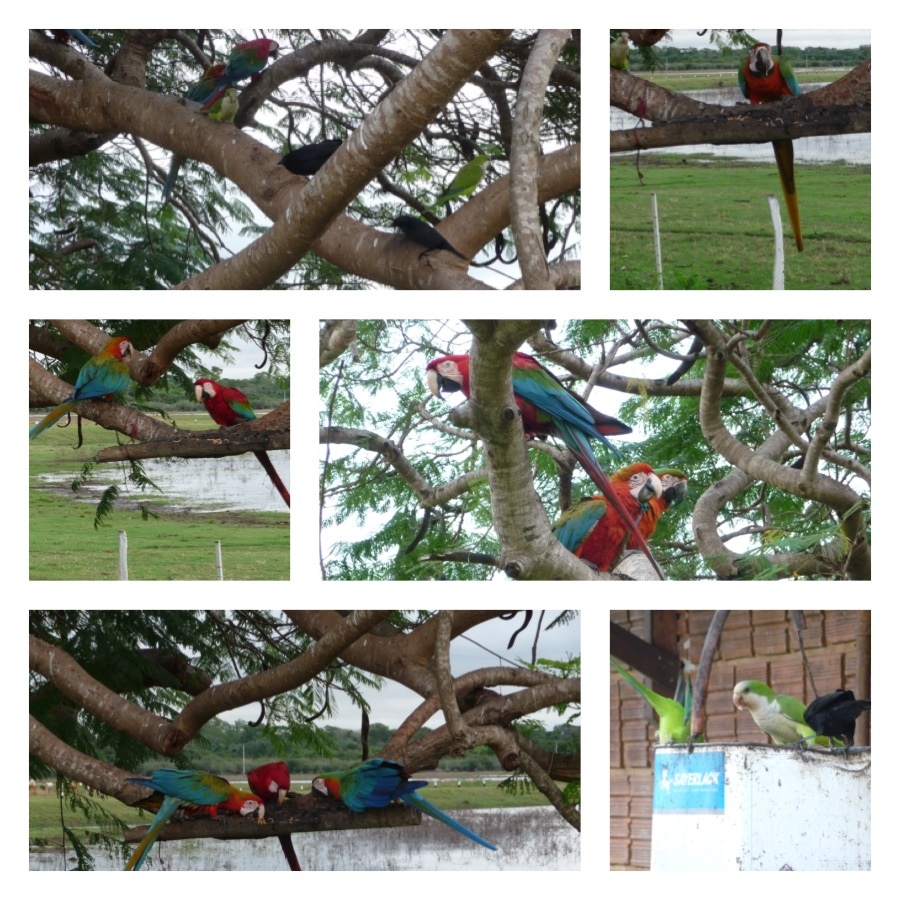
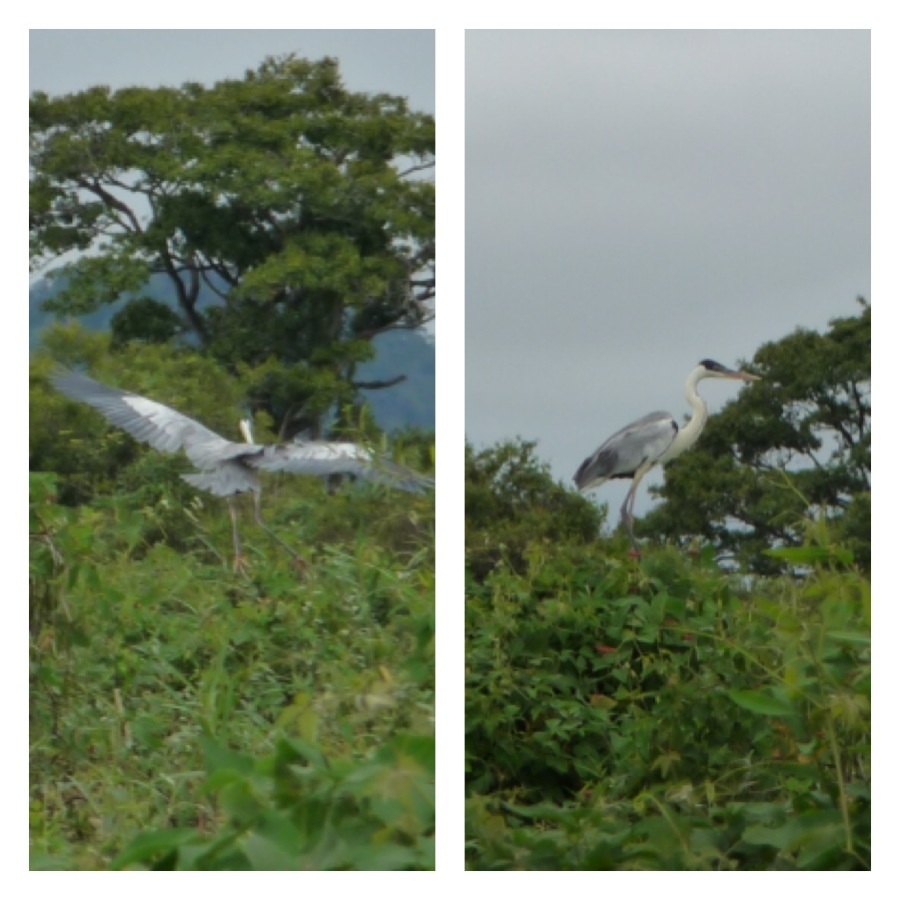
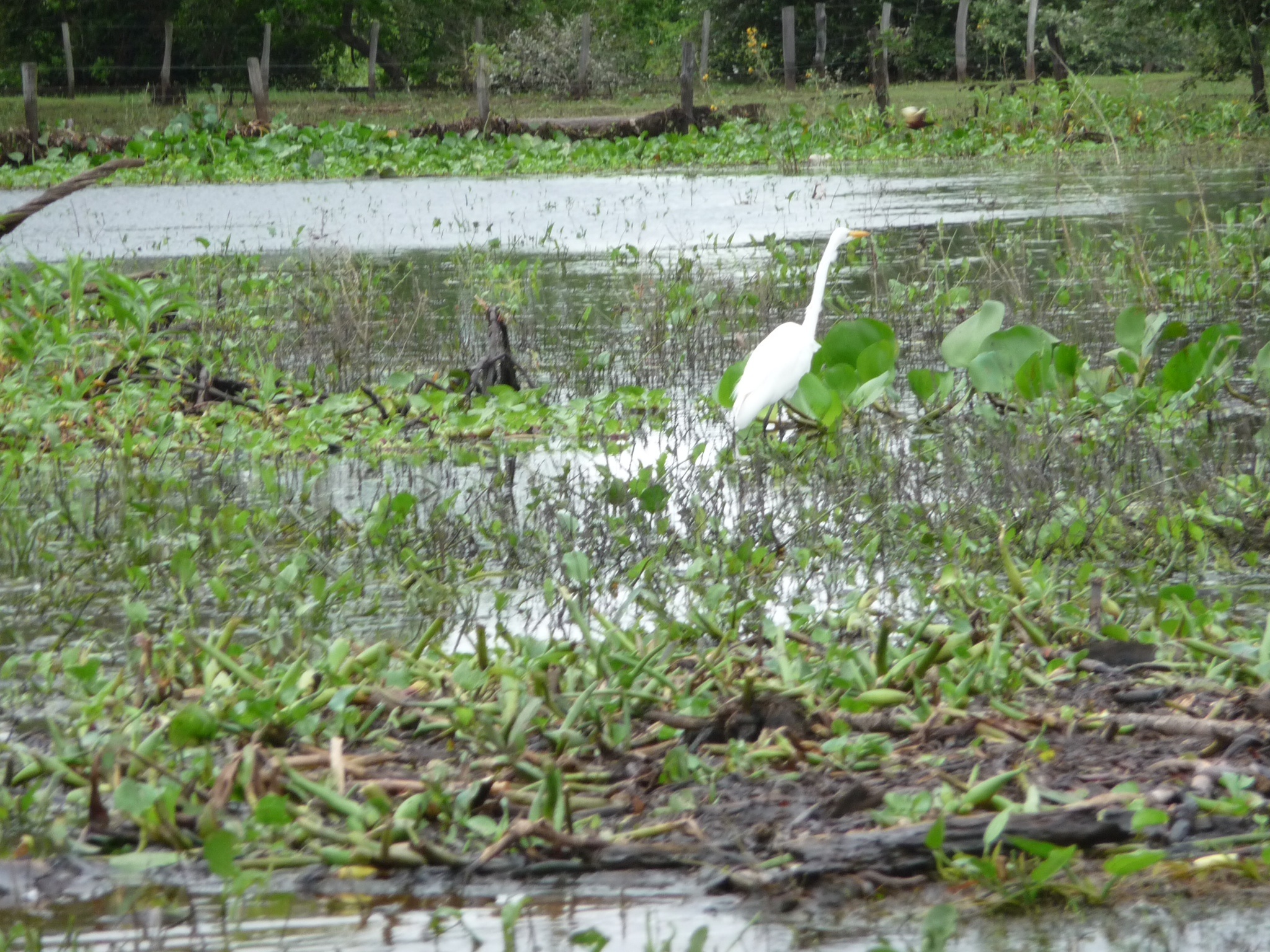
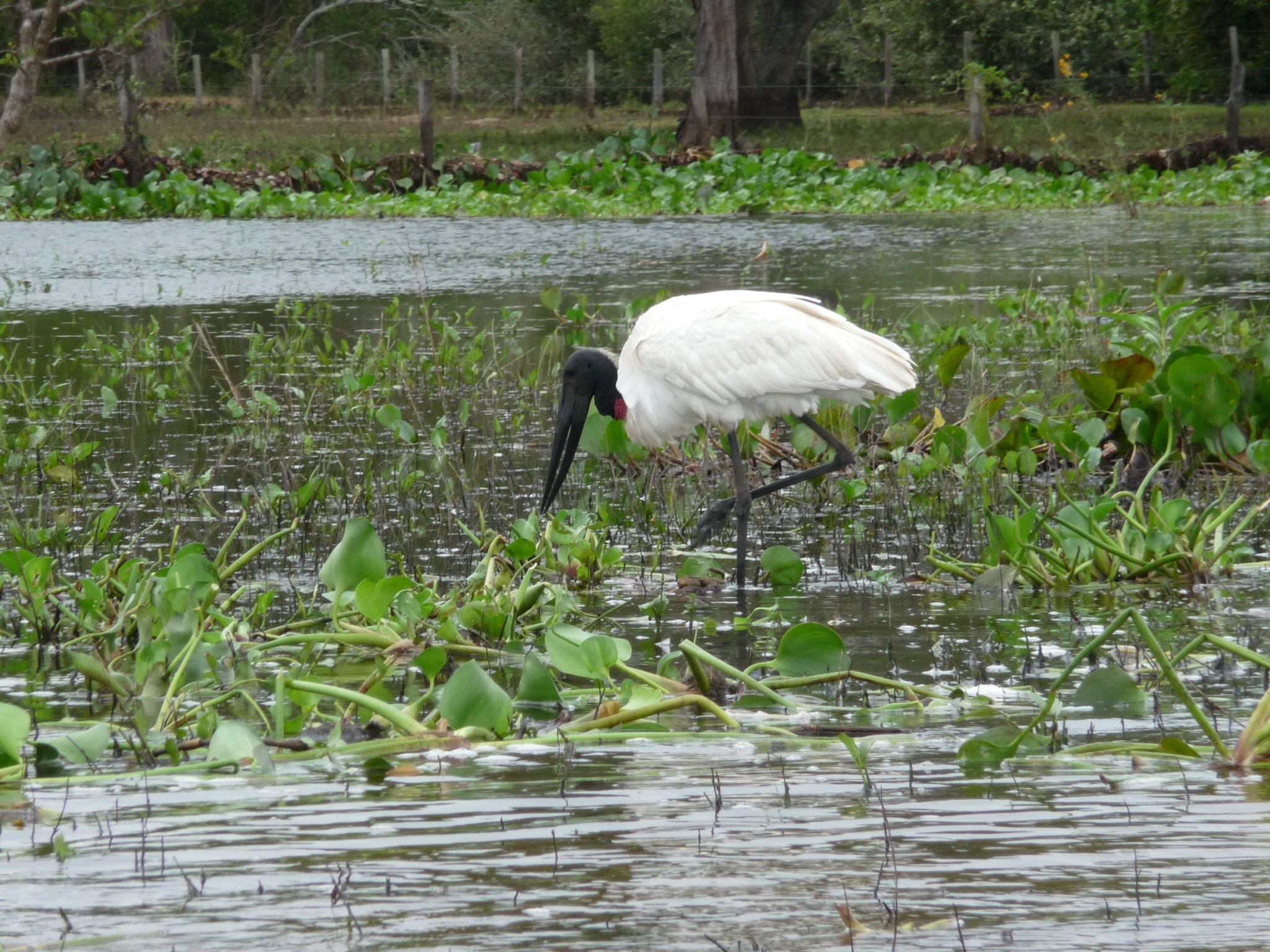
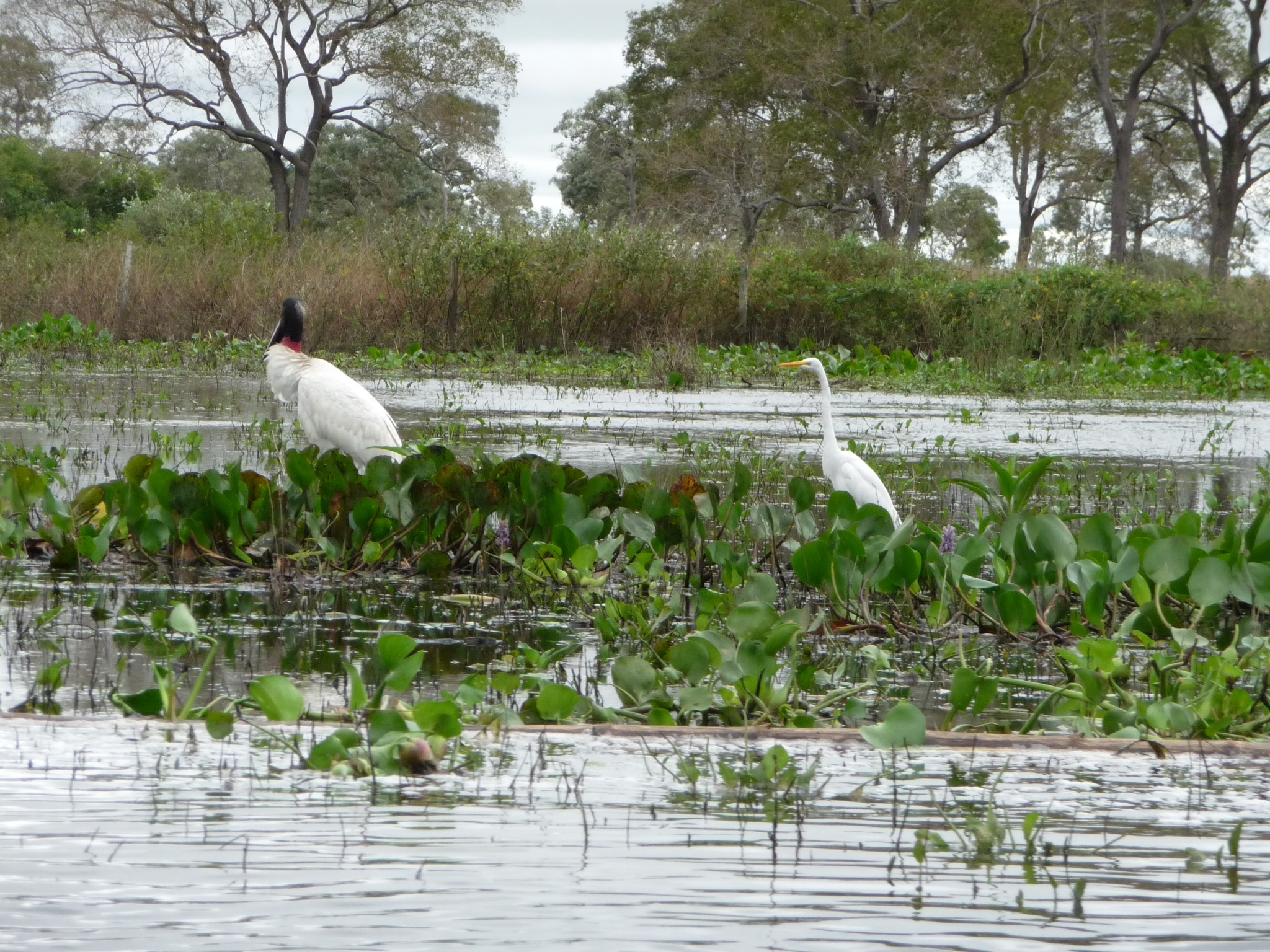
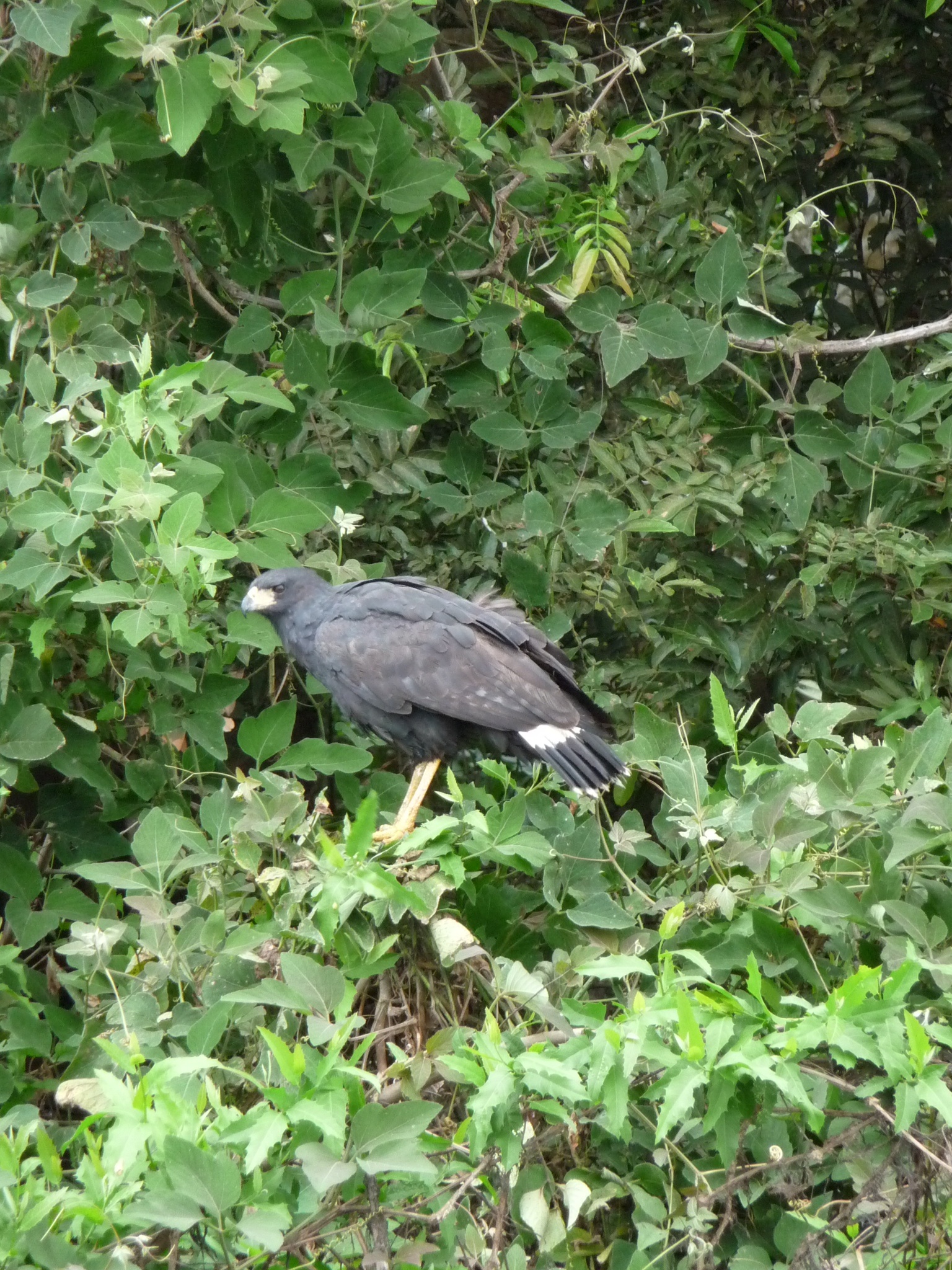
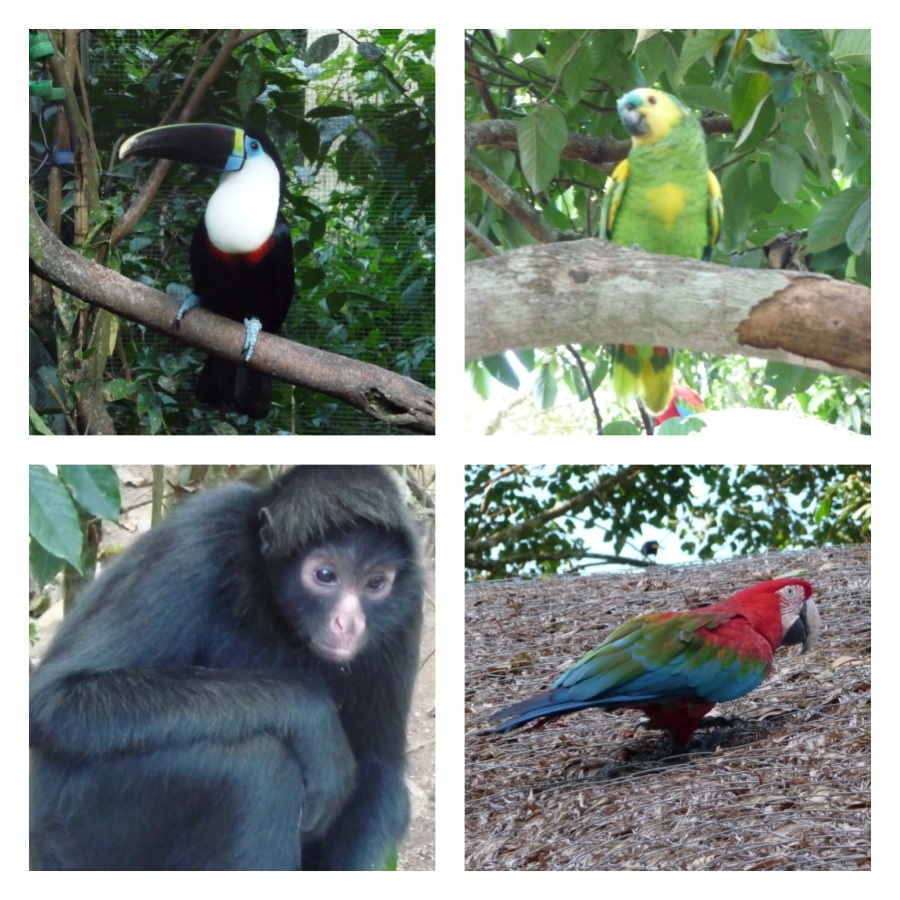
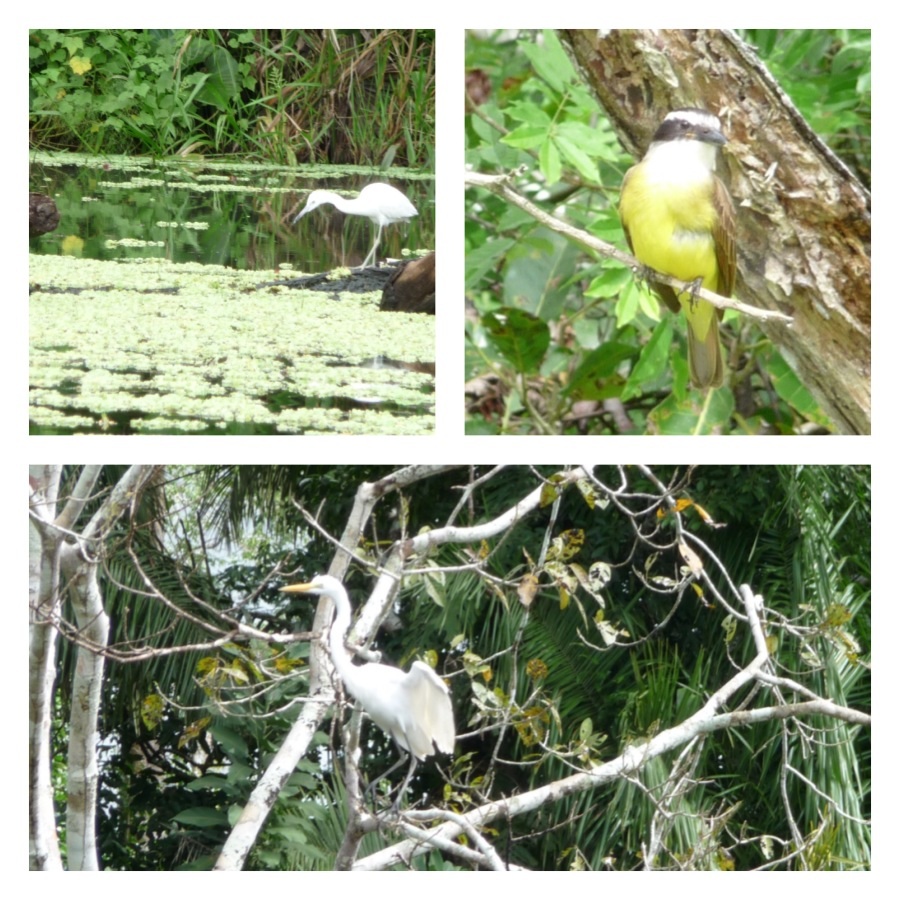
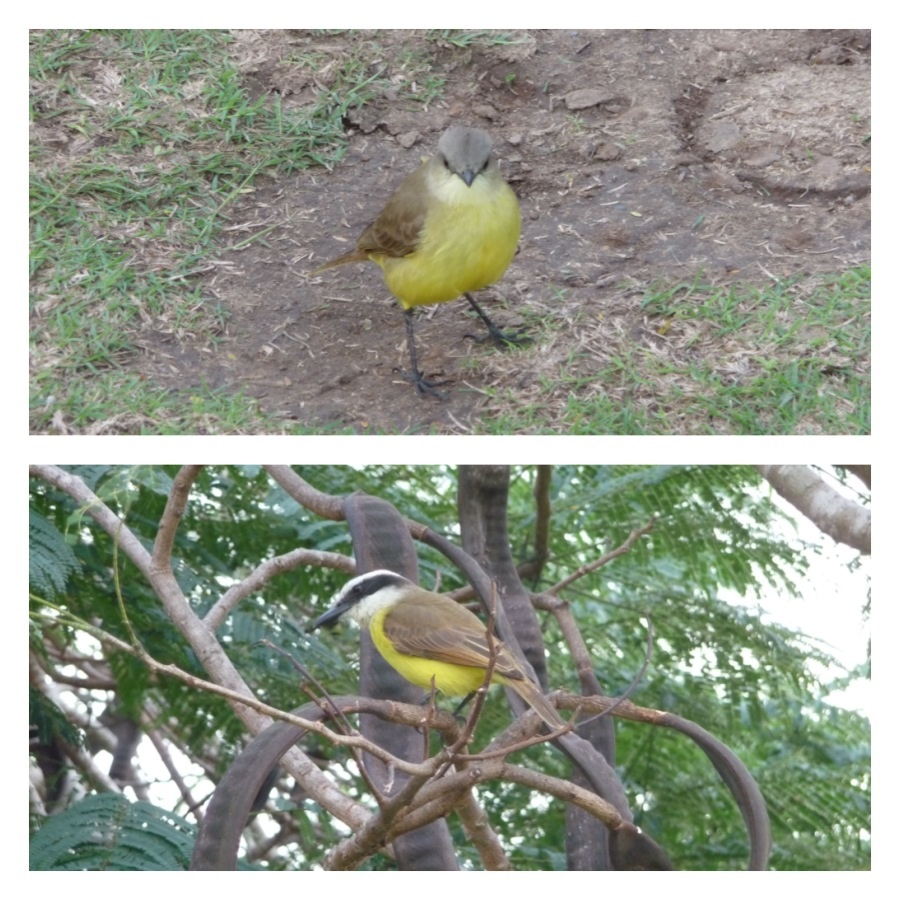
The next day we were off in the back of a truck for a visit to a local farm – giving us a great vantage for spotting the wildlife on the way (the toucans are quite a sight in flight with their long beaks). We were amused at the farm by a walk and then horse ride through the marshy land spotting red and greens macaws, blue and yellow and hyacinth macaws, savannah hawks, falcons, hawks, flycatchers, jabirus (the symbol of the Pantanal), jacanas and egrets and listening to the odd howler and capuchin monkey.
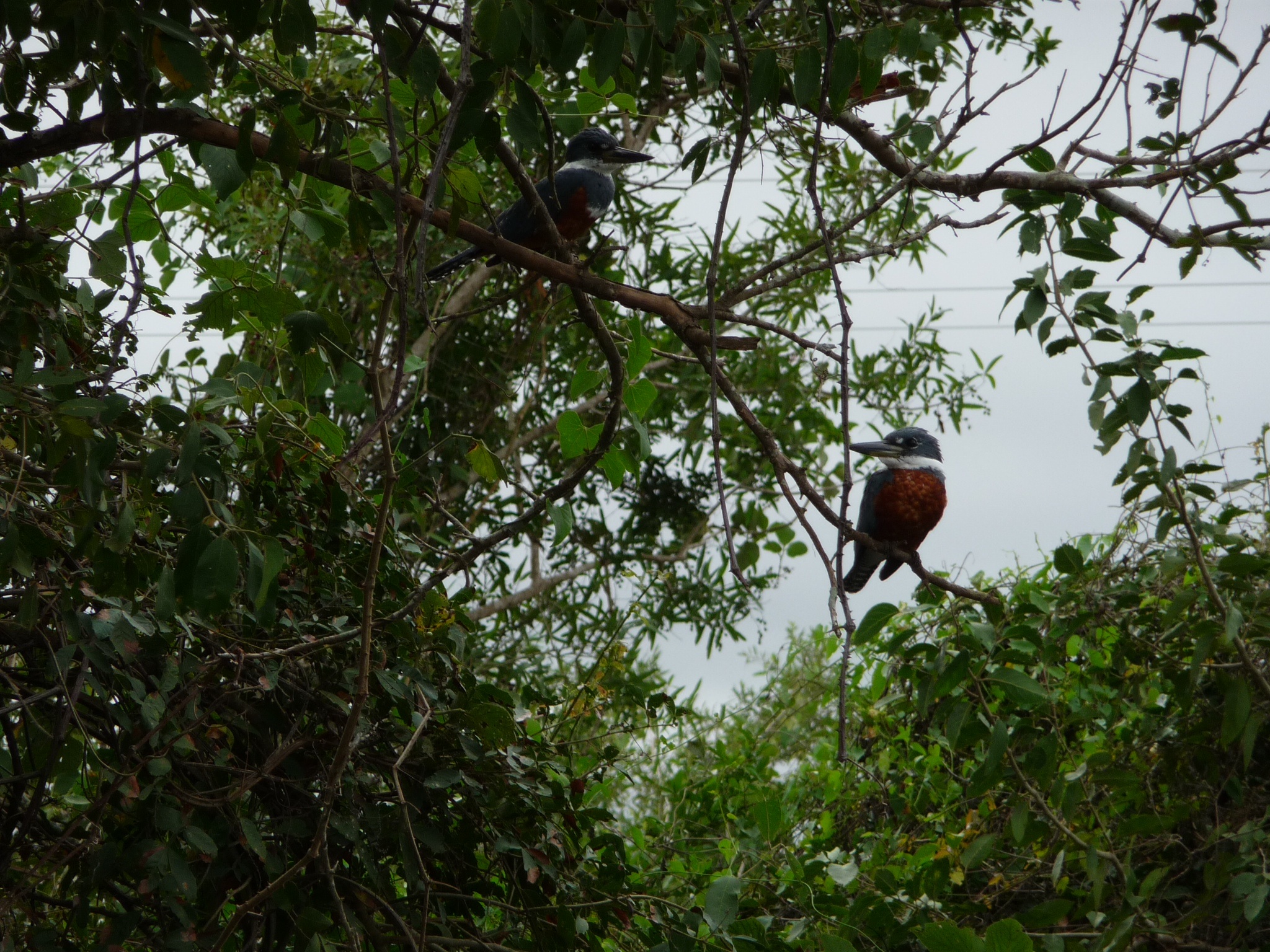
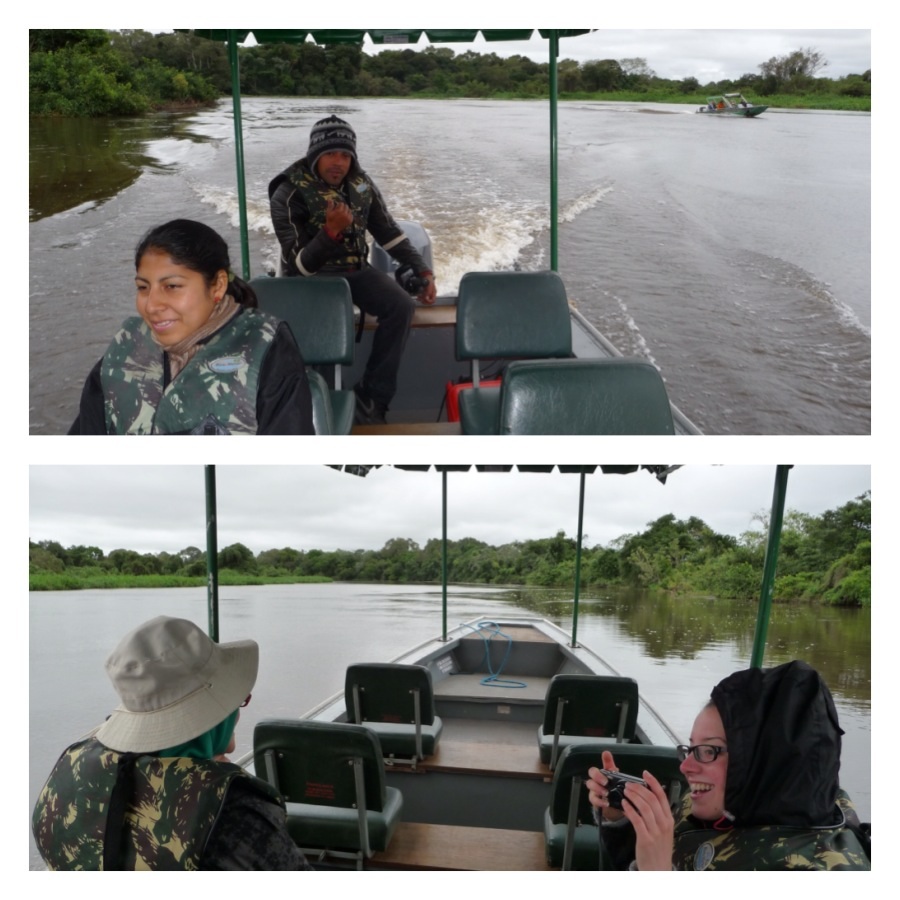
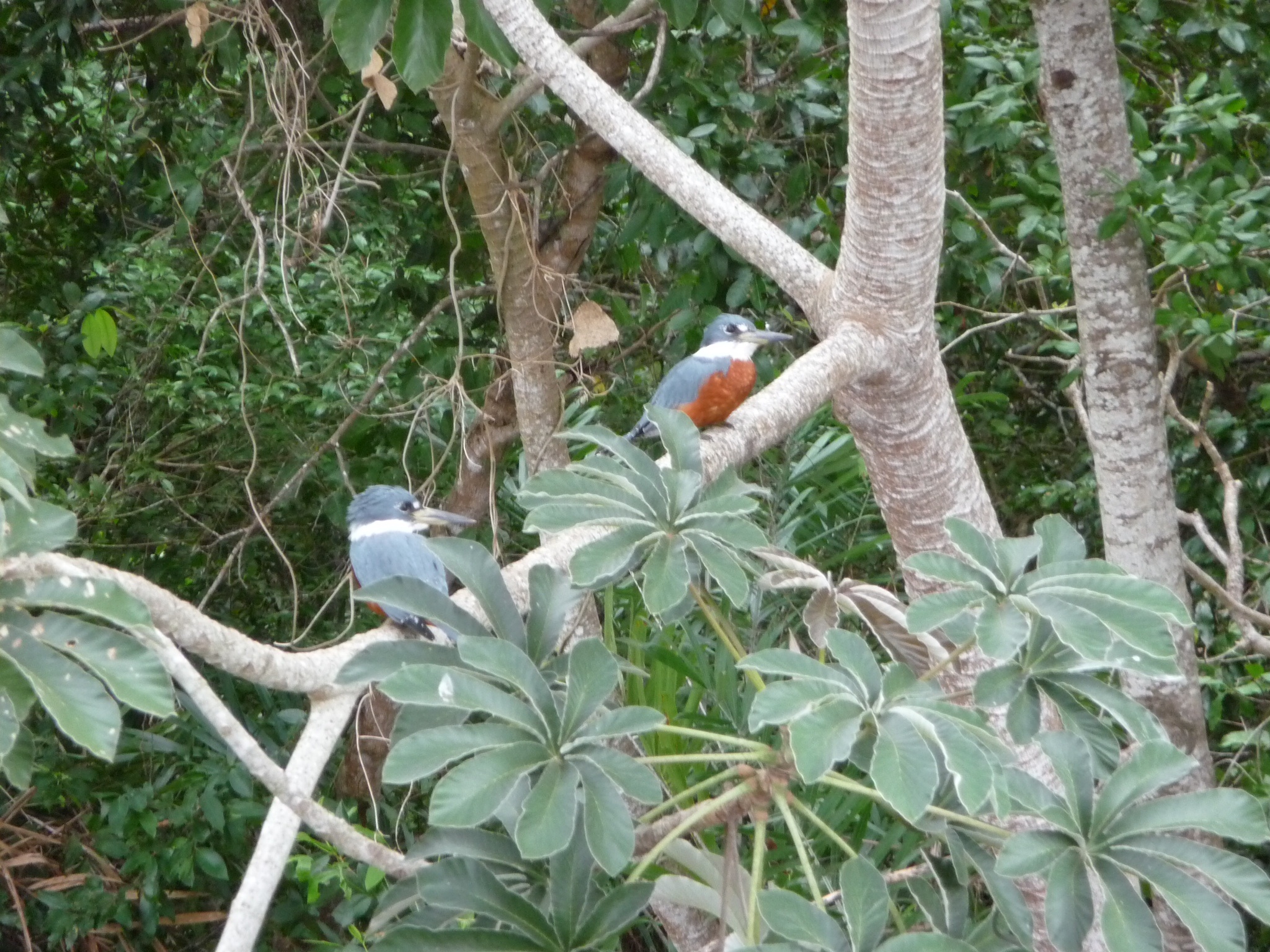
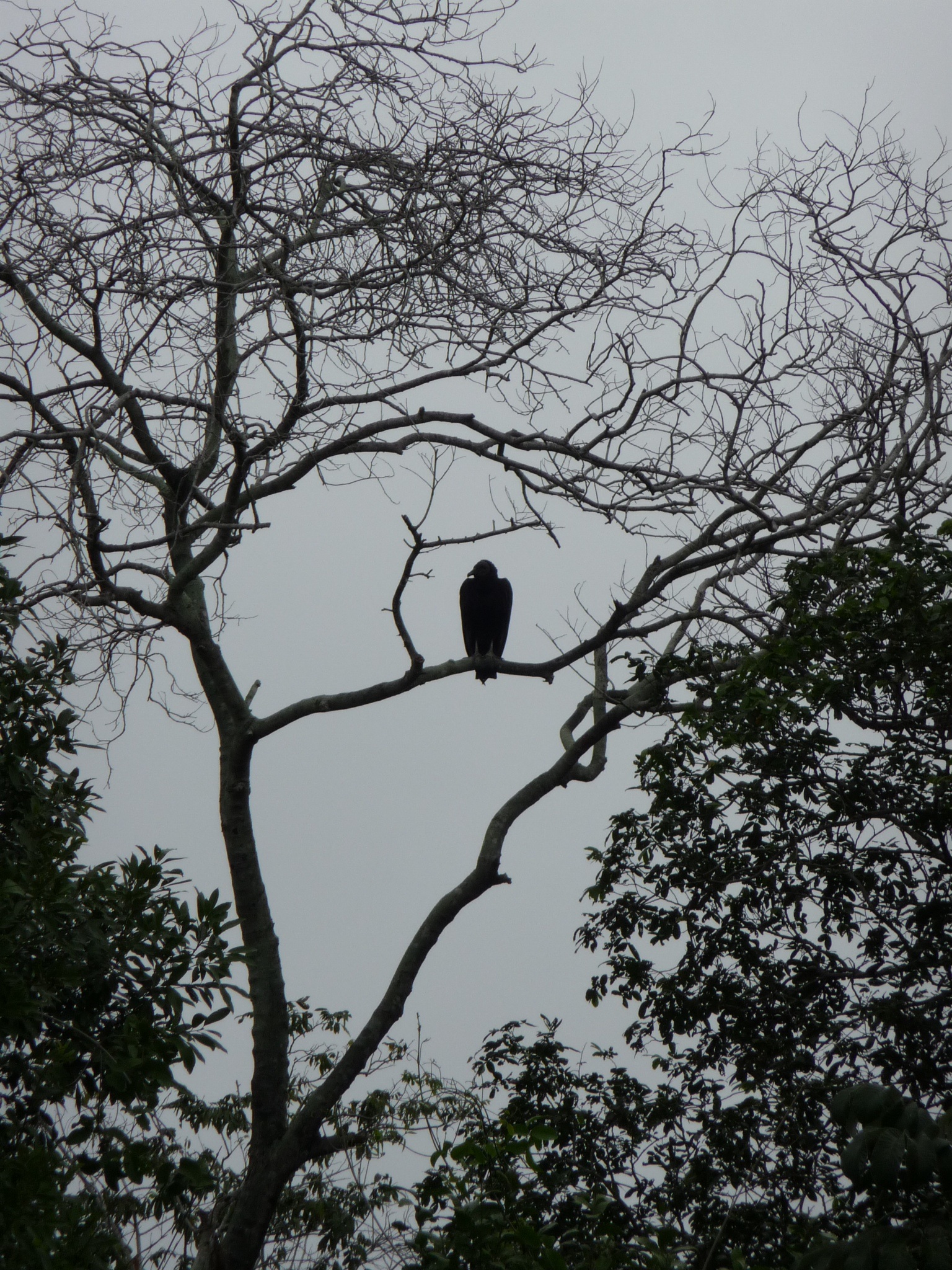
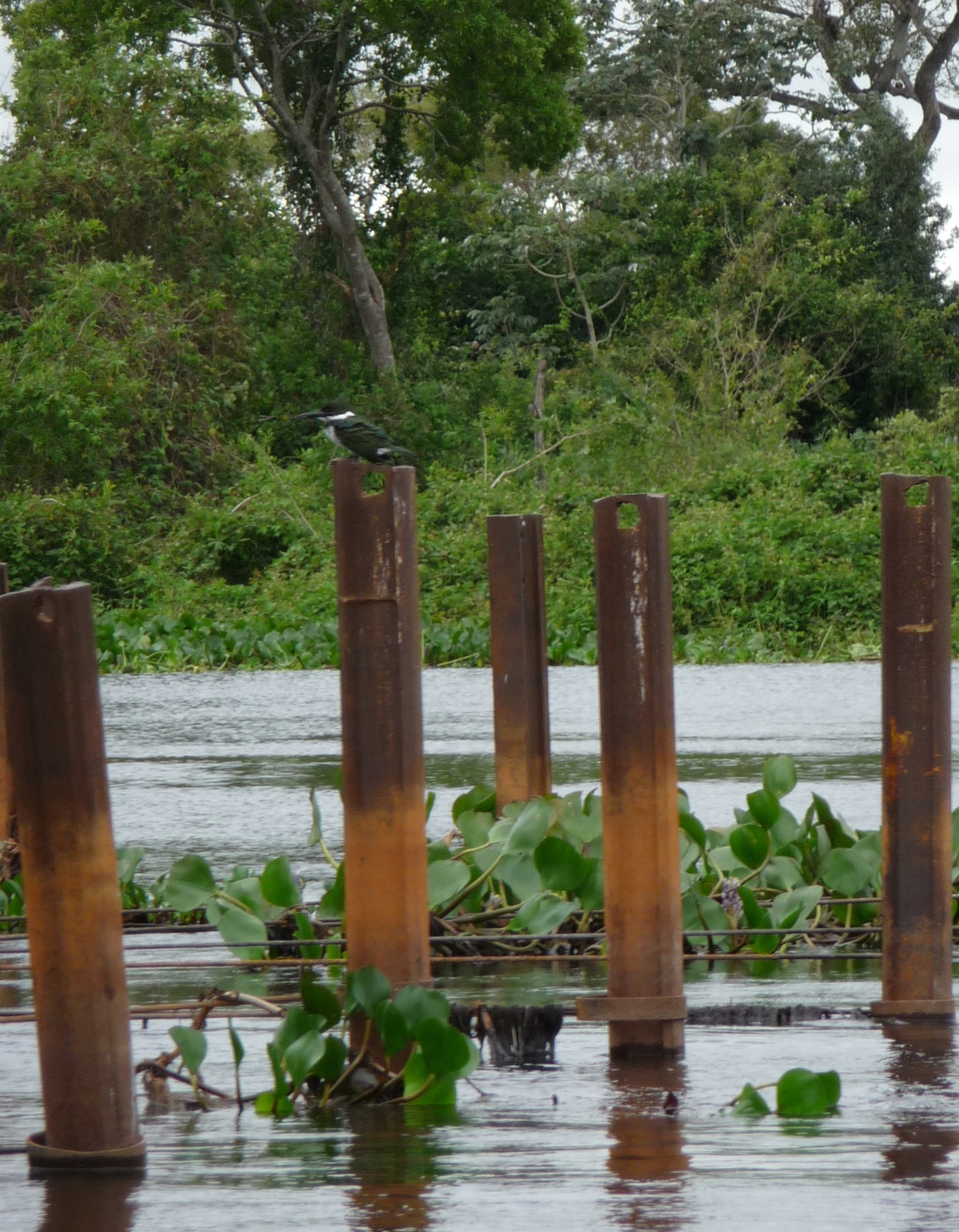
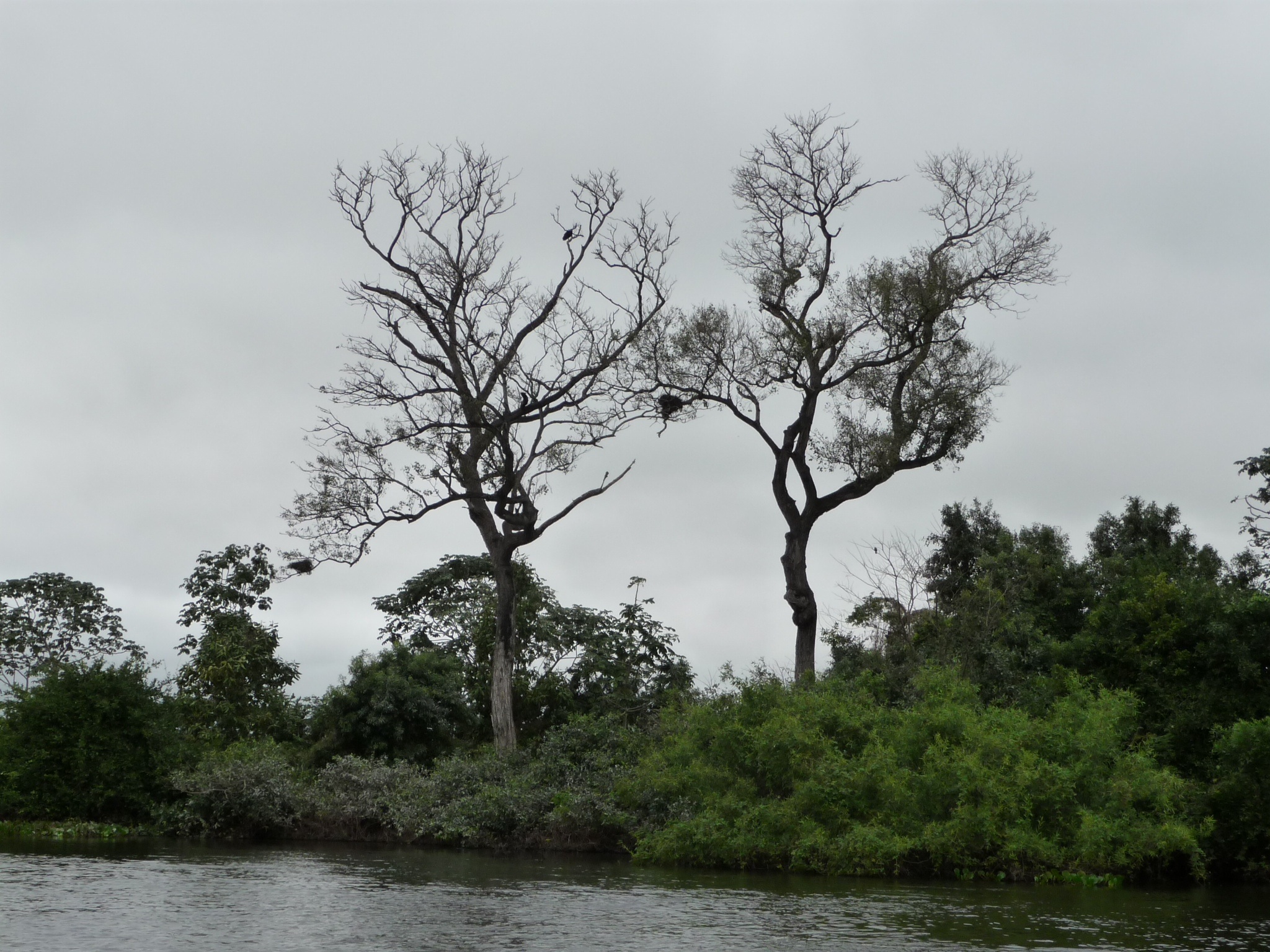
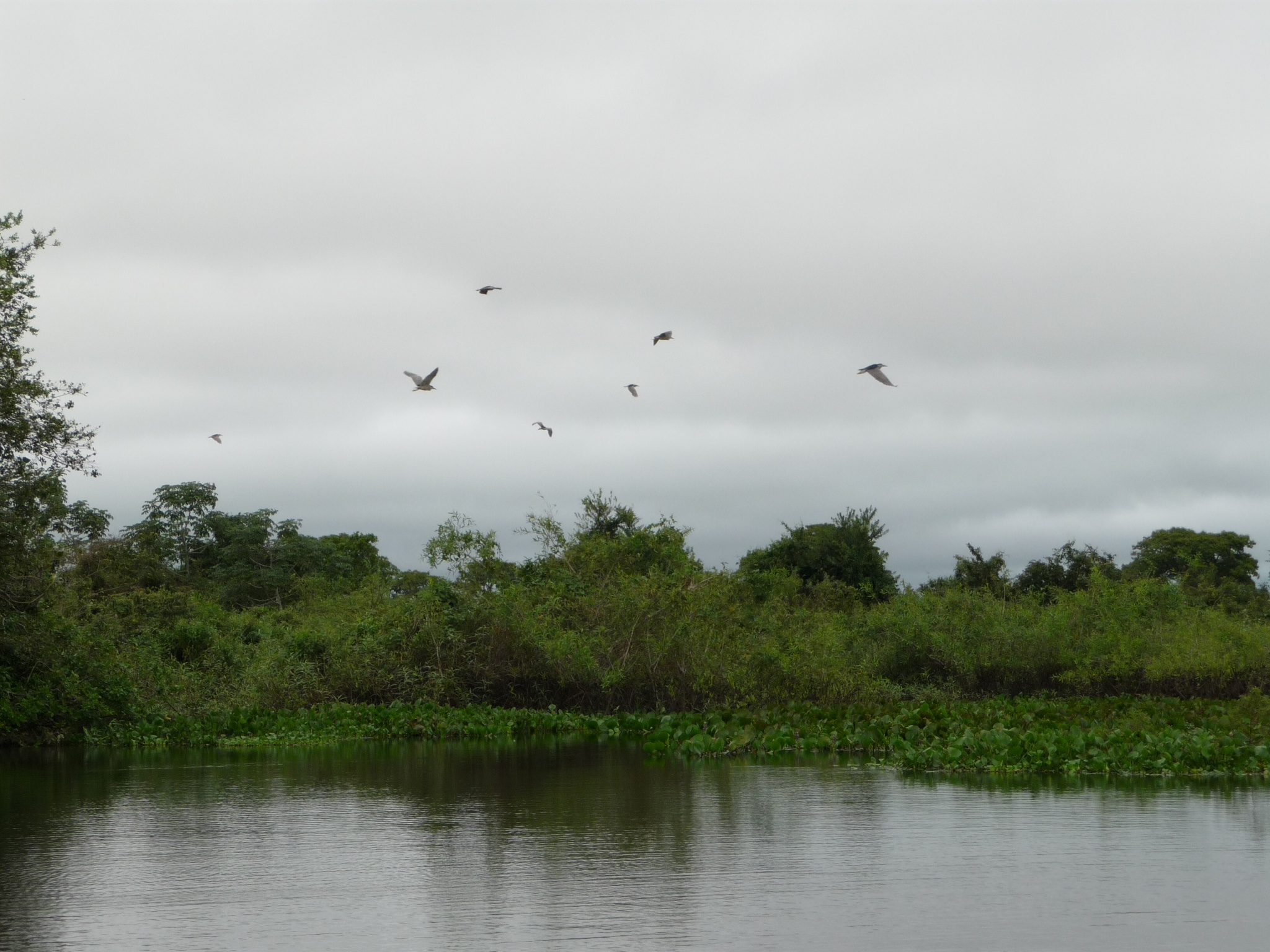
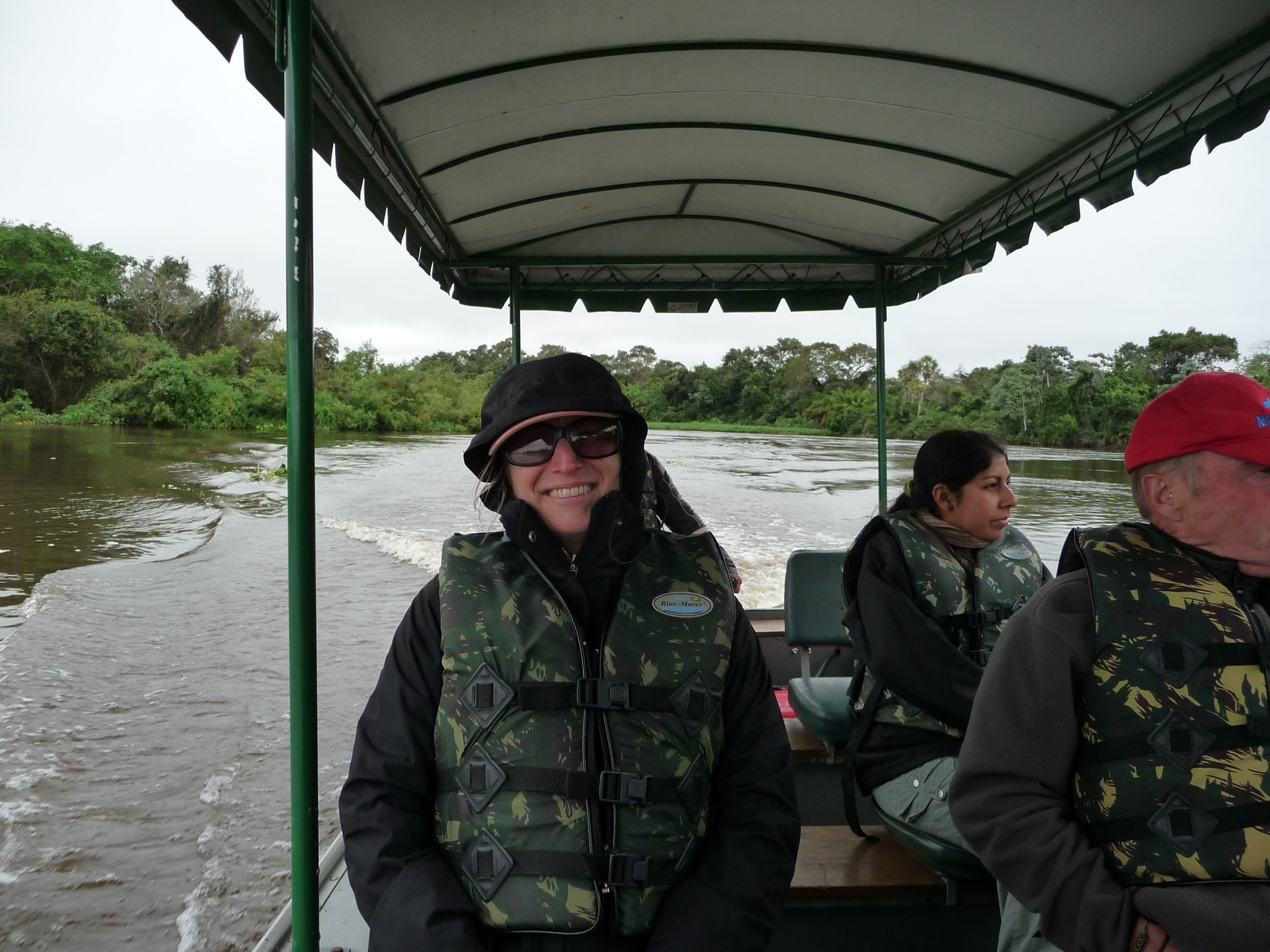
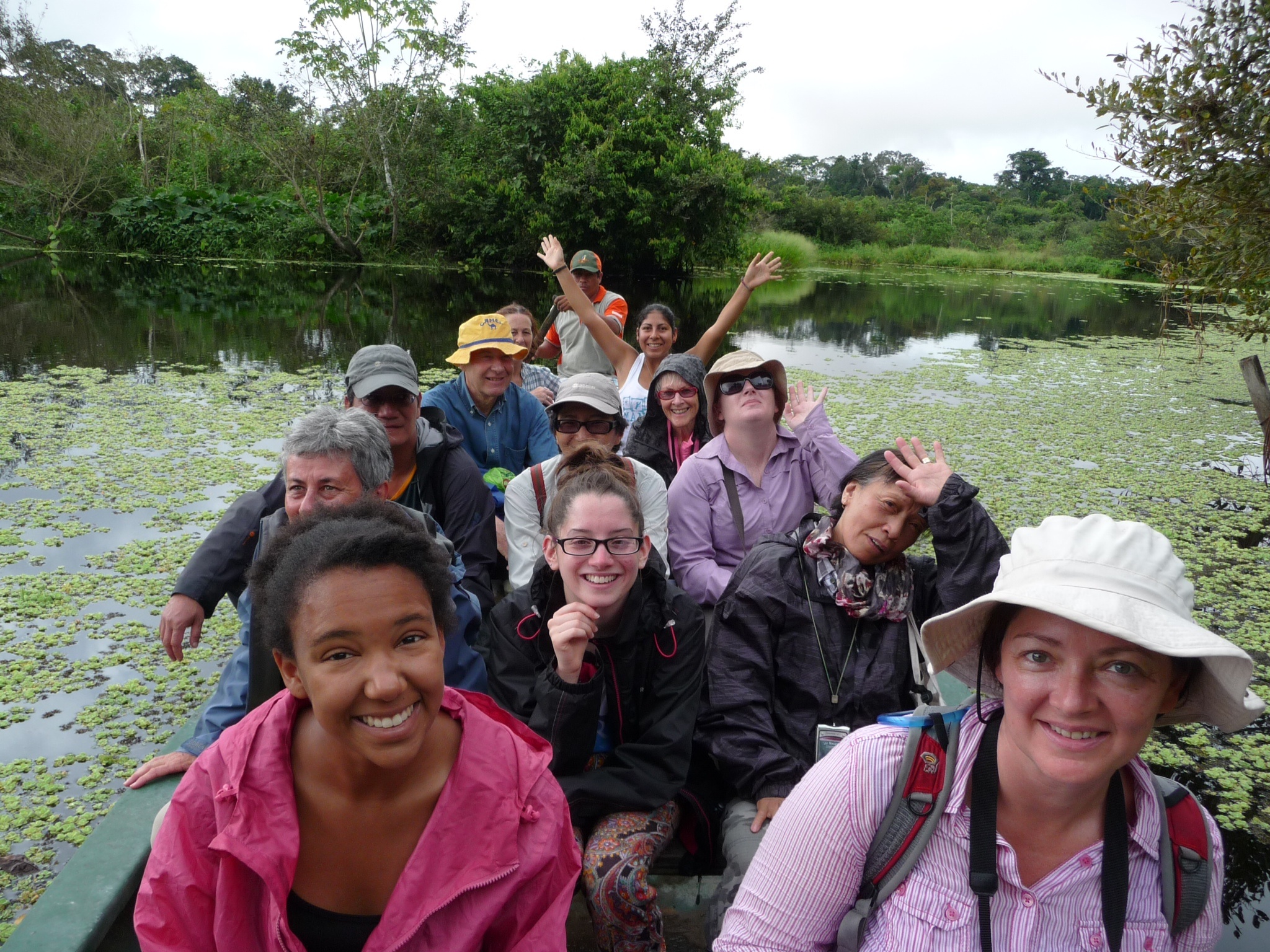
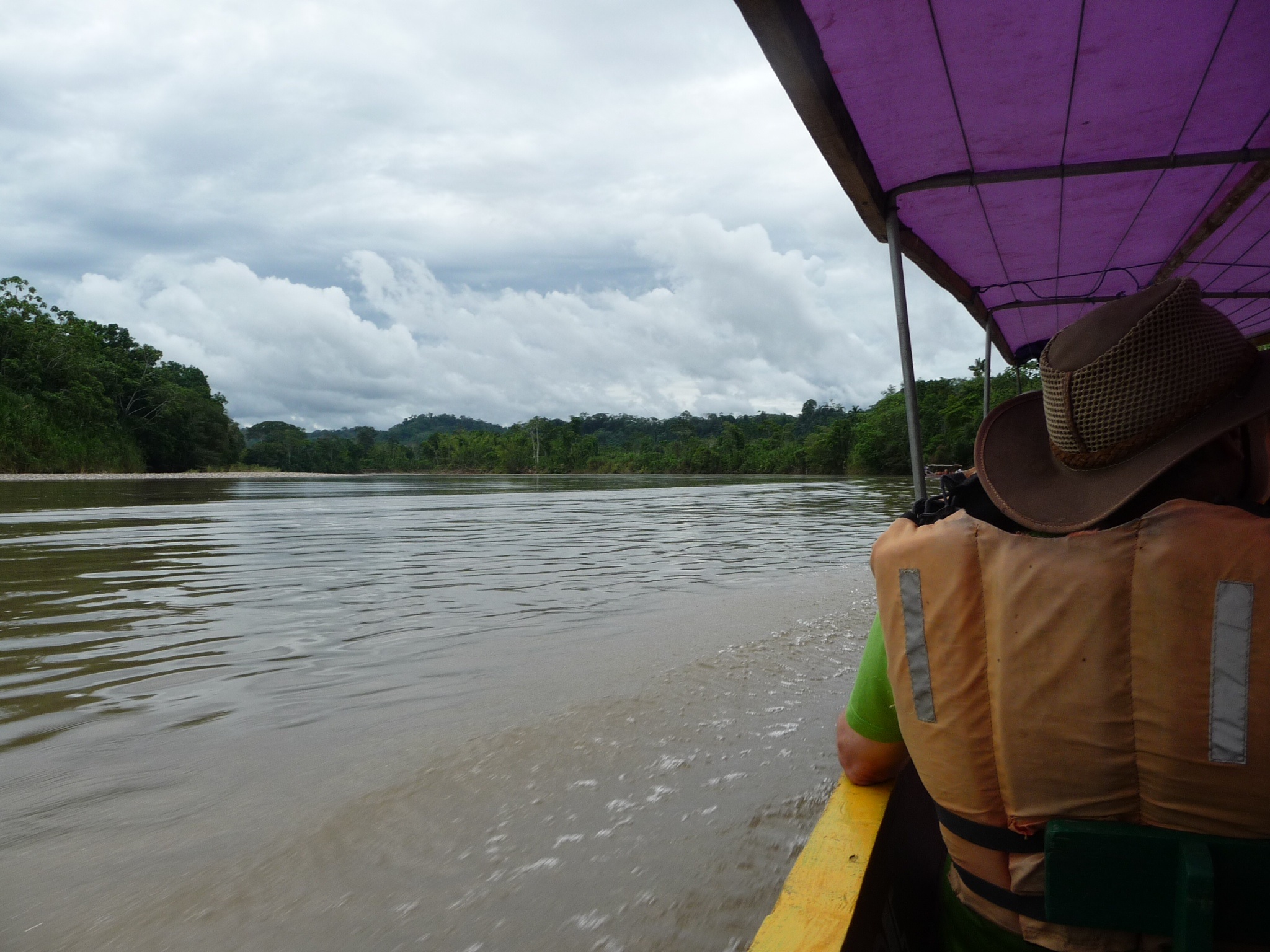
Before leaving the Pantanal we took a boat ride up the river, spotting caymans and capybaras along the riverbanks and a great range of birds (particularly kingfishers) darting across the rivers – the ever present vultures soaring above.
It had been unseasonably cold (and wet) while we had been in the Pantanal, which had made the wildlife a little less abundant for spotting than is usual. It also meant the colours of the birds were not as bright against the grey skies. Nonetheless, it had been wonderful to visit – the vast savannahs providing a larger array of birds and animals than what we had seen in the jungles of the Amazon.  Although we hadn’t seen an anaconda (thankyou Pachamama), anteater or jaguar – perhaps an excuse to come back one day??
Our next destination was Bonito and we were all hoping we would arrive to fine weather as it’s the place we had heard that there was some great snorkelling to be done. Alas it was 15 degrees when we arrived.
Bonito is a relatively young town, having grown when the locals discovered the bounty of Rio de Prata (Prata River). I was undecided about the snorkelling even after asking a group of fellow travellers how the water had been that day (I ferreted out the aussie in the group but being a male I wasn’t sure he had the same cold thresholds as me). When I found out that Isabella was sitting back waiting to hear if I would do the snorkelling before she would commit I decided to harden up and sign up!
By the next morning Rosie had also decided to come snorkelling as the swelling of her hand from a Pantanal wasp sting had finally come down. Off went, the three musketeers.
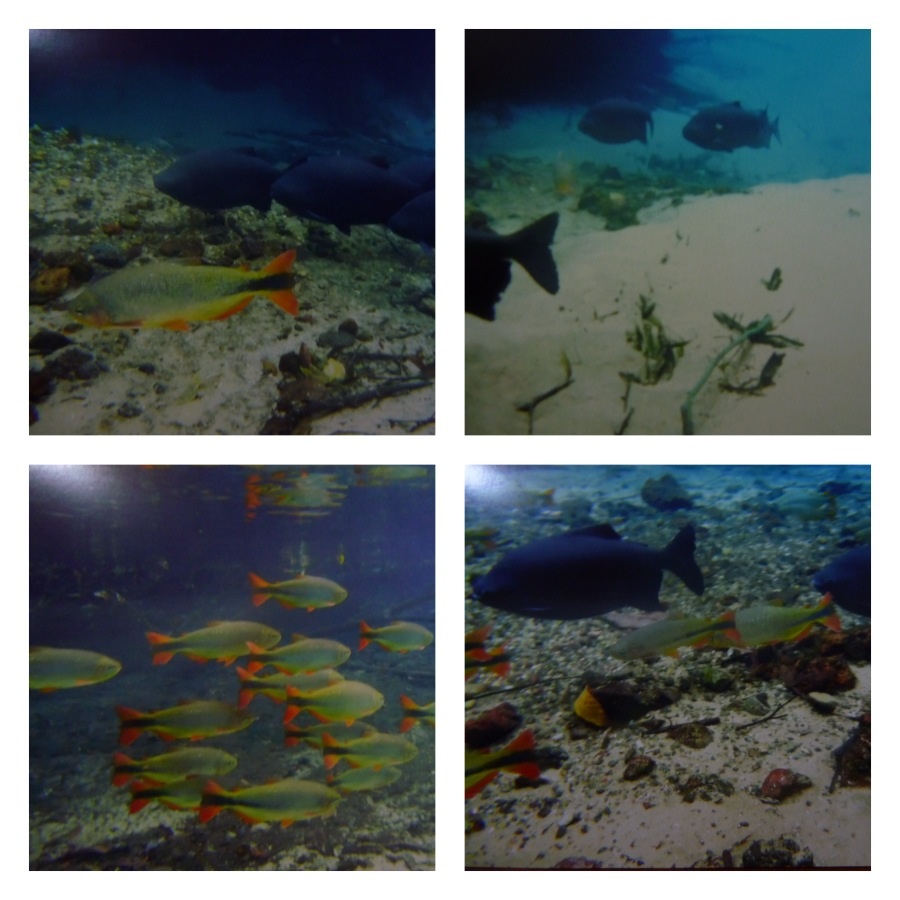
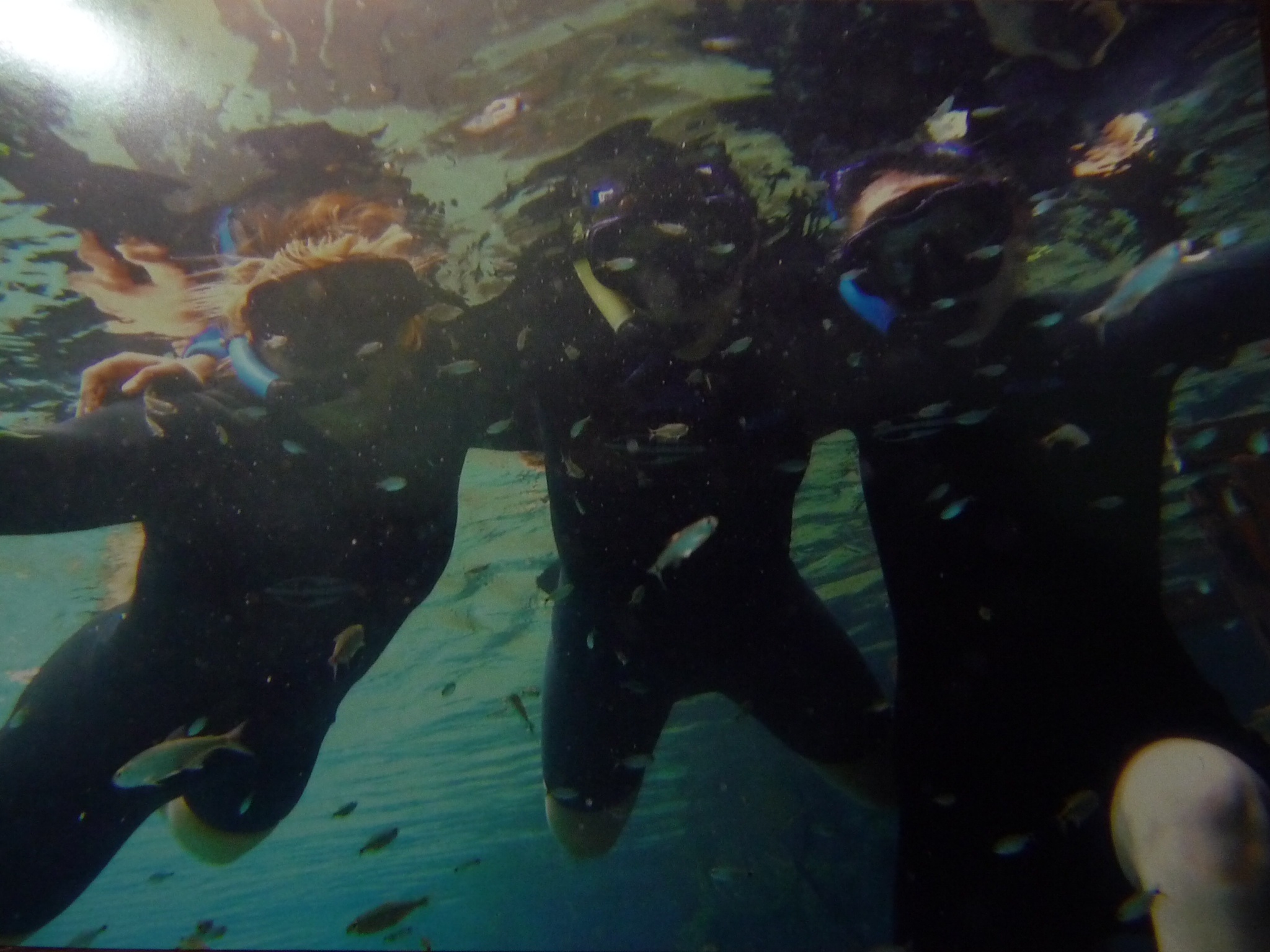
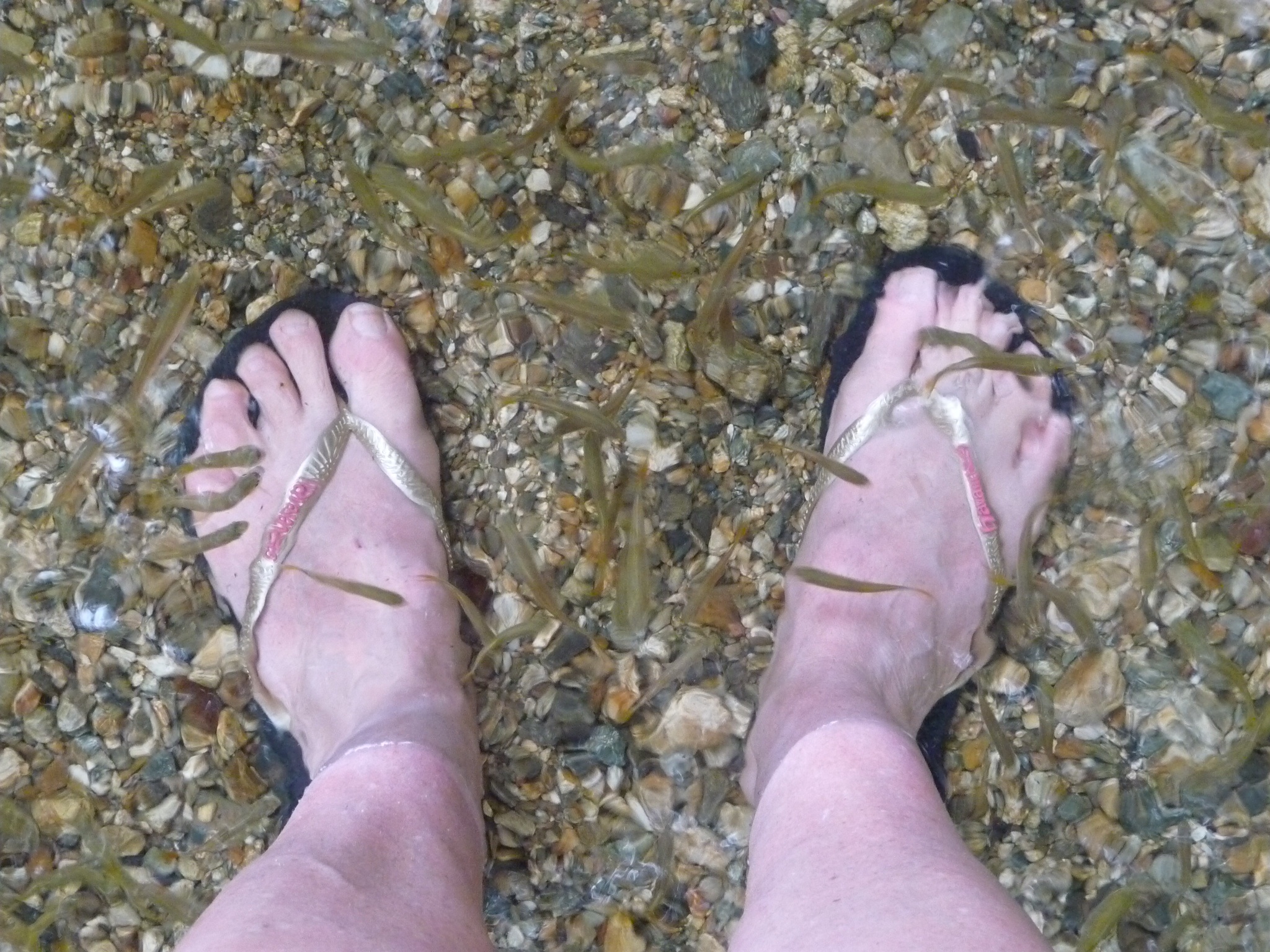
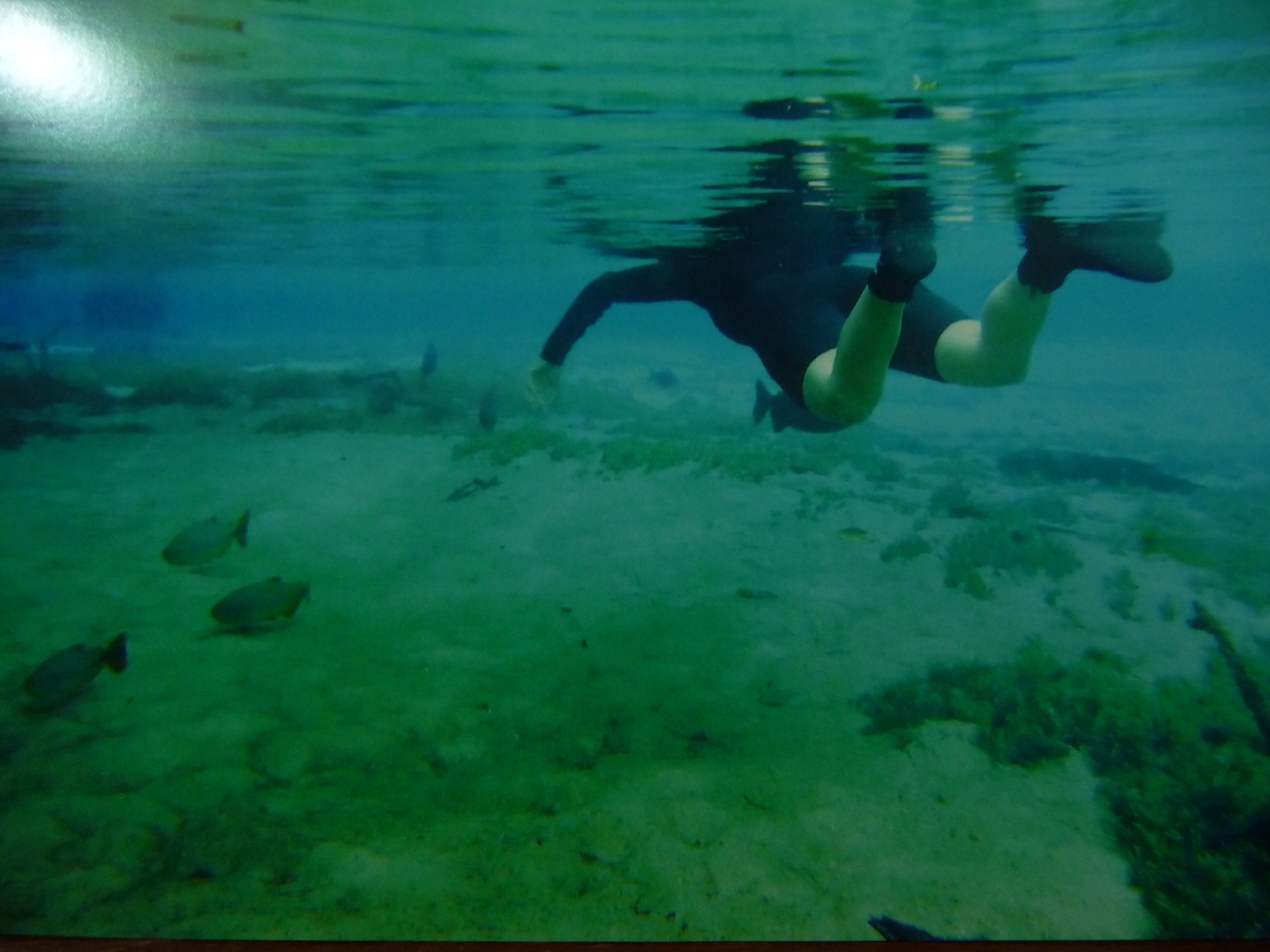
I was certainly glad I had decided to go. We squeezed into our wetsuits with the warning that peeing in them while in the water would attract anacondas – might have been a warning more suited to kindergarden age kids but it worked on me!  The water was around 24 degrees while the ambient air temperature was 15 so the trick was to stay underwater, which wasn’t hard to do given how gorgeous the schools of fish were. You got the bonus of an exfoliation from the little fish whenever you stopped – others managed to get a kiss from fish as there were that many and they were that close!  Some of the fish were quite large even discounting the magnification from the masks.
The other bonus was the lovely bird and monkey sounds as you snorkelled. The truck ride back was another opportunity for wildlife spotting this time it was rheas, secretary birds and an anteater (right at the moment I told the guide I was disappointed I hadn’t yet seen one – I thought he was joking when he replied with a pointing finger and said “there’s one”)!
On our arrival back to town the square was starting to fill with locals who were joining the nationwide protests about living costs rising to pay for the infrastructure costs associated with next year’s World Cup. It was a peaceful protest with the town returning to its relaxed and safe state by the following morning.
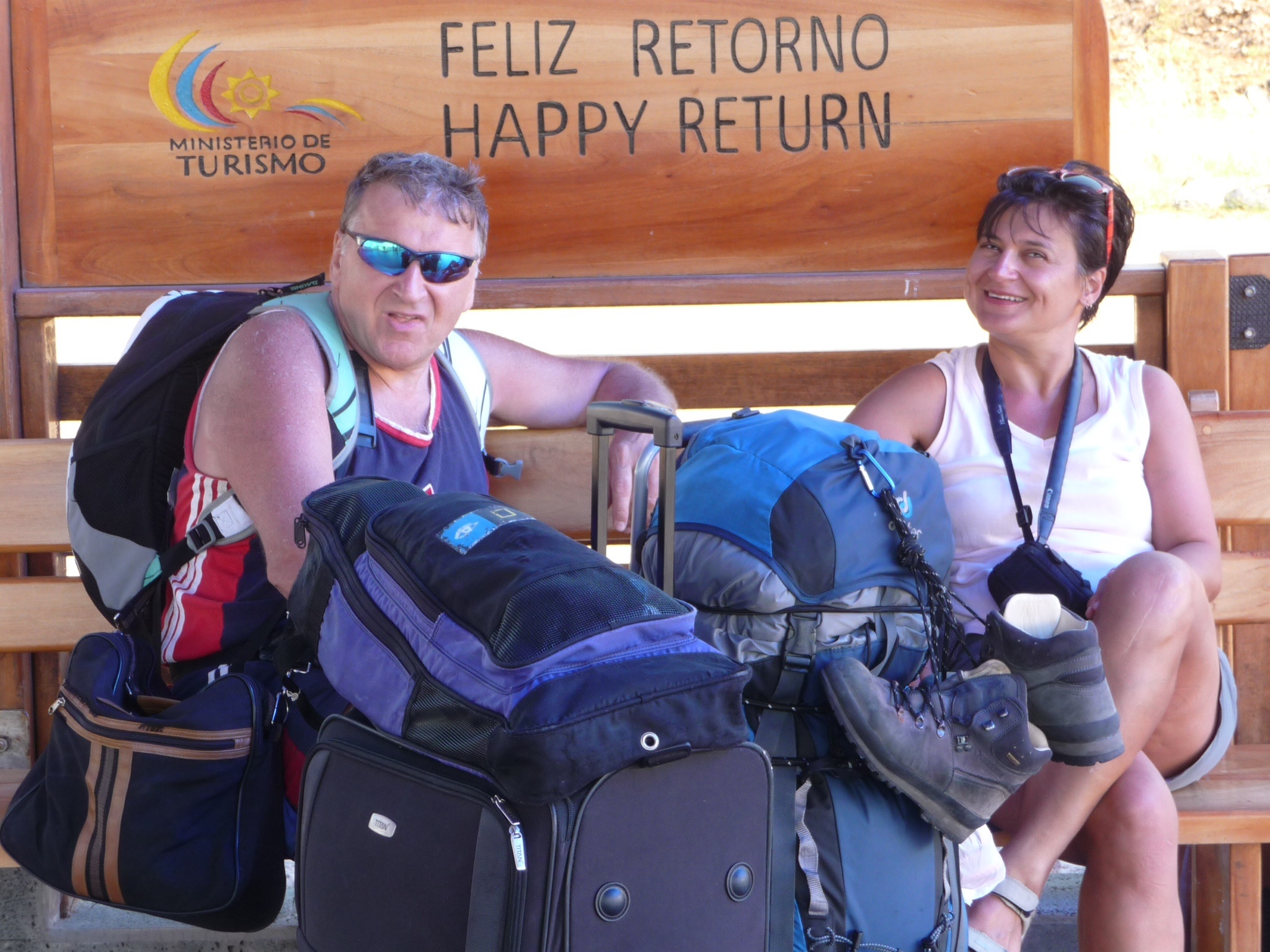
Back onto a bus – this time bound for the Paraguay/Brazil border town of Ponta Pora. I was looking forward to our trip to Paraguay as I was missing Spanish – putting aside the numbers and general greetings, Portuguese was just too hard!  It was just a stopover town for us to sort out immigration but rather funny having the countries separated only by a road and everyone wandering between the countries at their leisure!  Accordingly it was a very relaxed and quick border crossing with us staying in Paraguay territory for a number of hours after we had, according to the paperwork, left Paraguay and entered Brazil!
The rain wasn’t leaving us – it poured most of our bus trip to Asunción, capital of Paraguay. They say Asunción looks fine on a sunny day and positively sombre on an overcast day – I would fully support that view. Asunción is only a small city with its 1.2 million population and survives through its commerce with Brazil and Argentina. It borders with Bolivia, Brazil and Argentina and has a sad past with it having lost a good part of its male population during the 19th century War of the Triple Alliance (a war against the combined might of Brazil, Argentina and Uruguay).
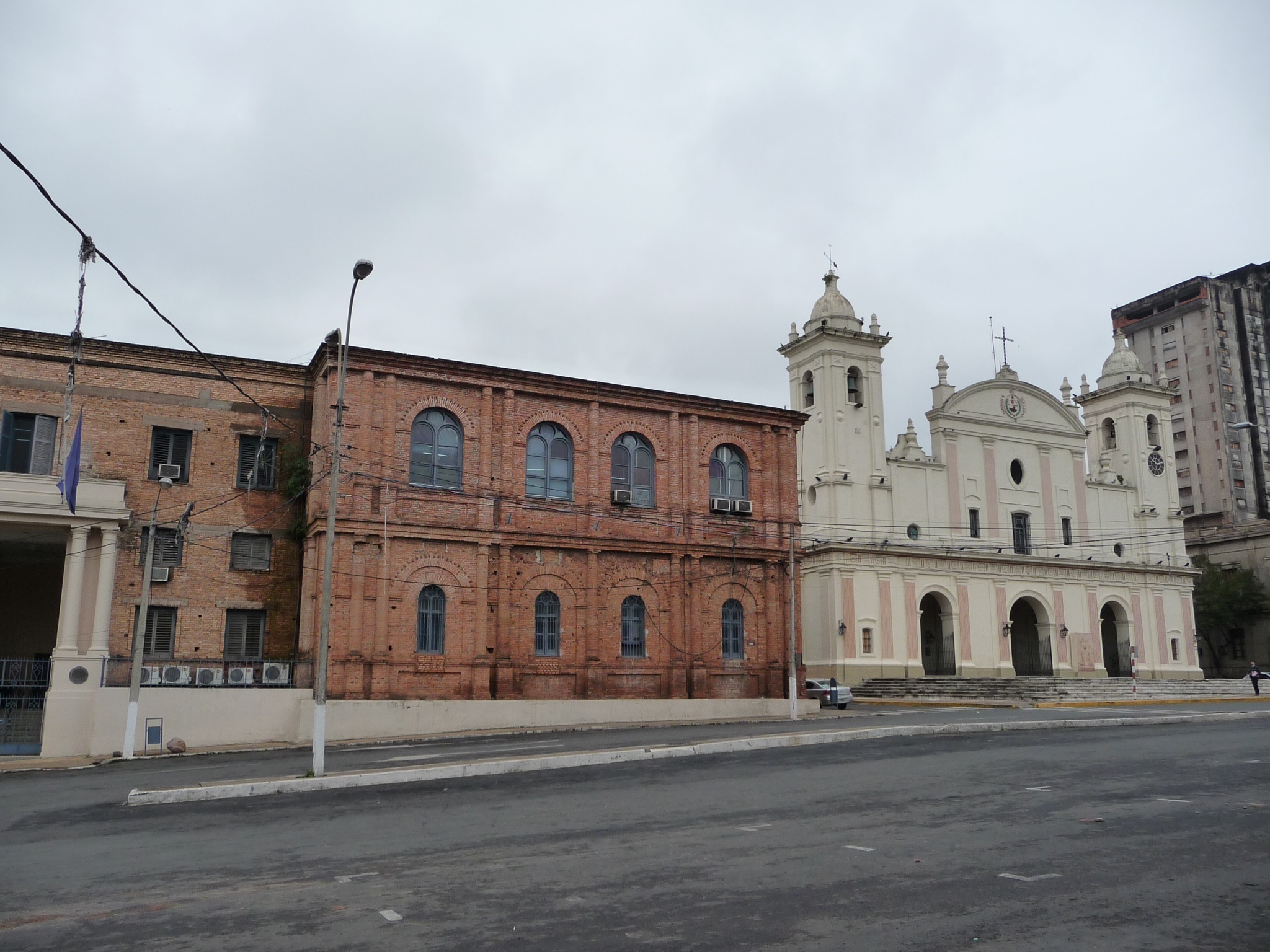
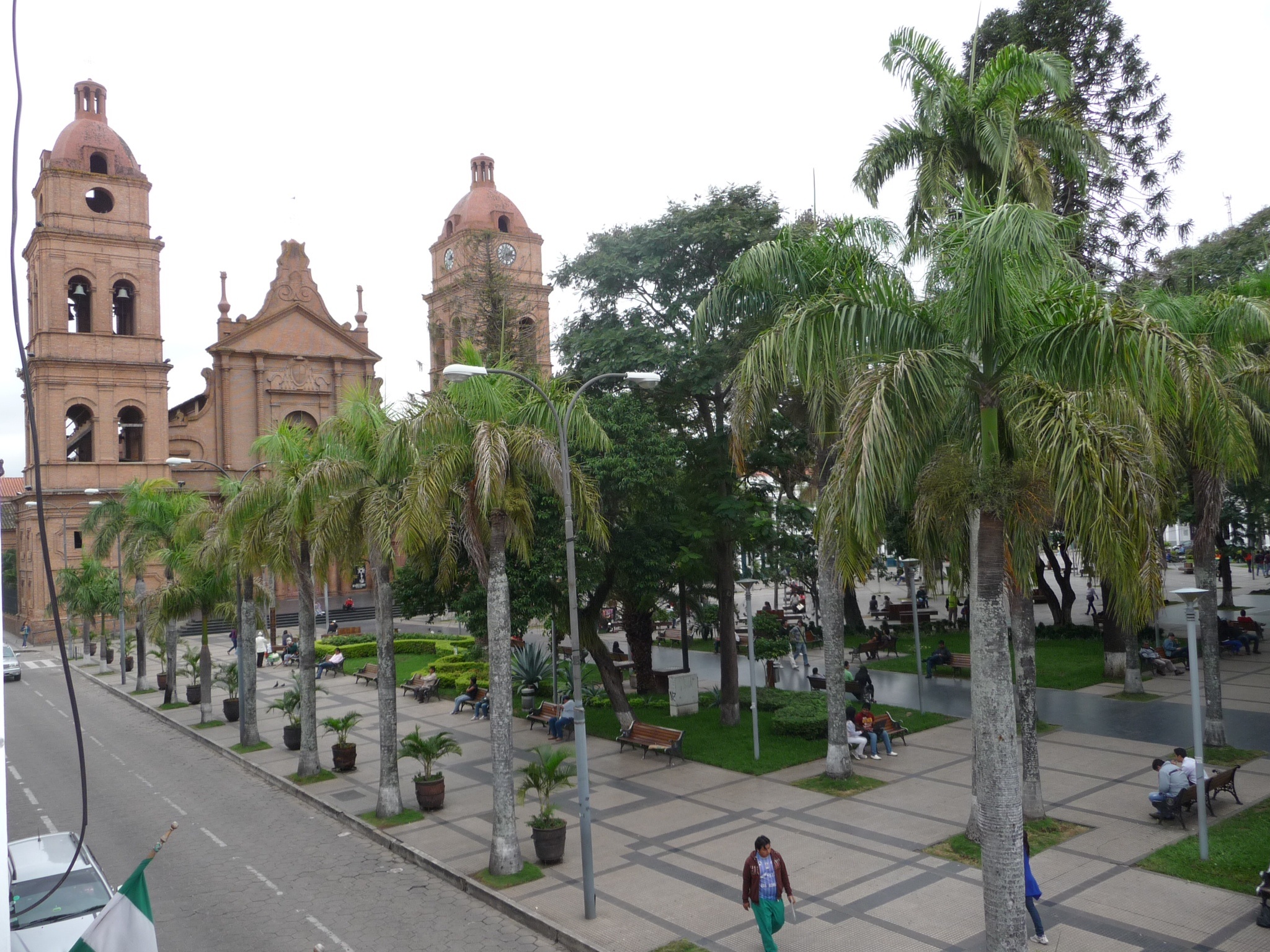
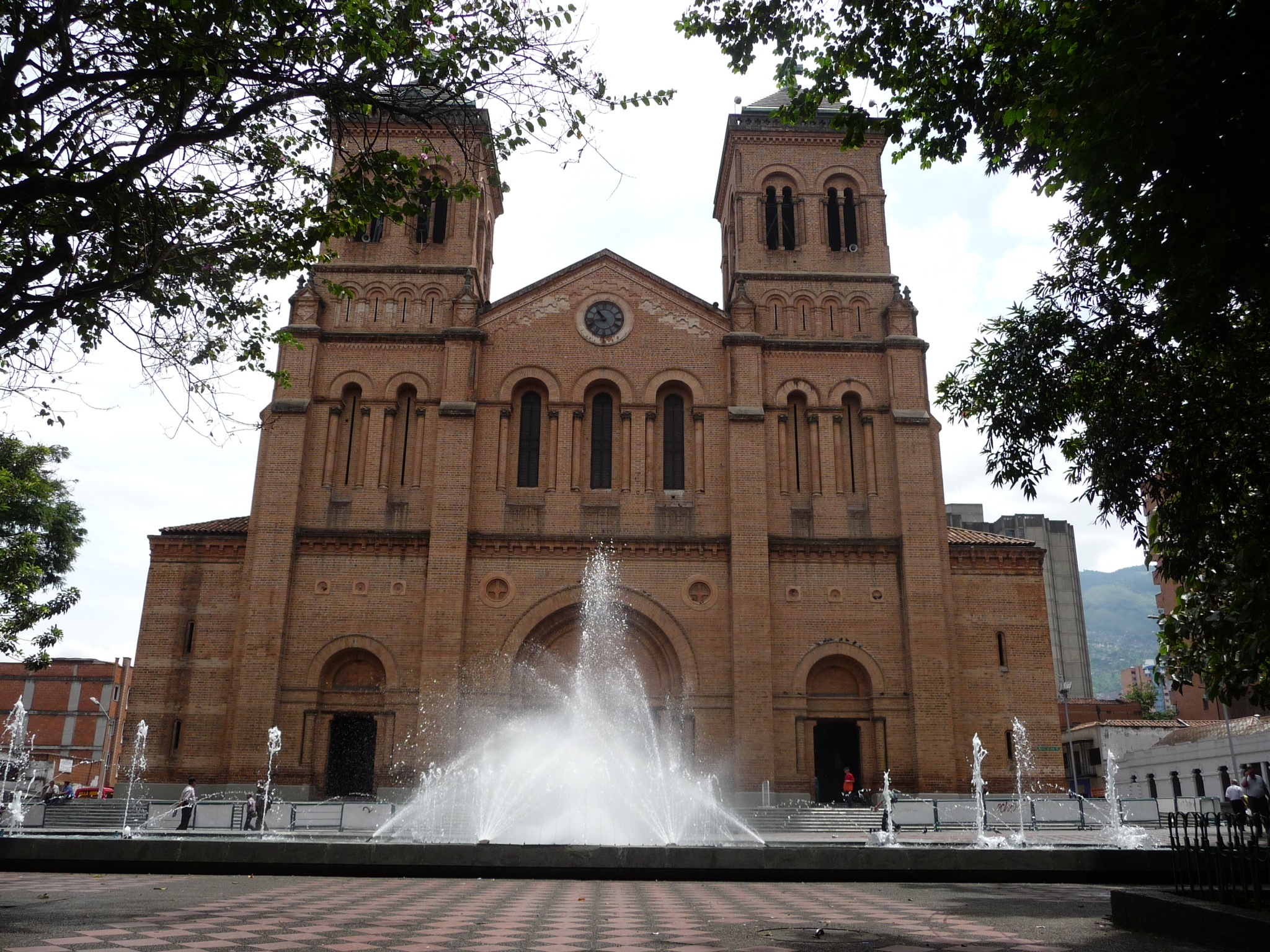
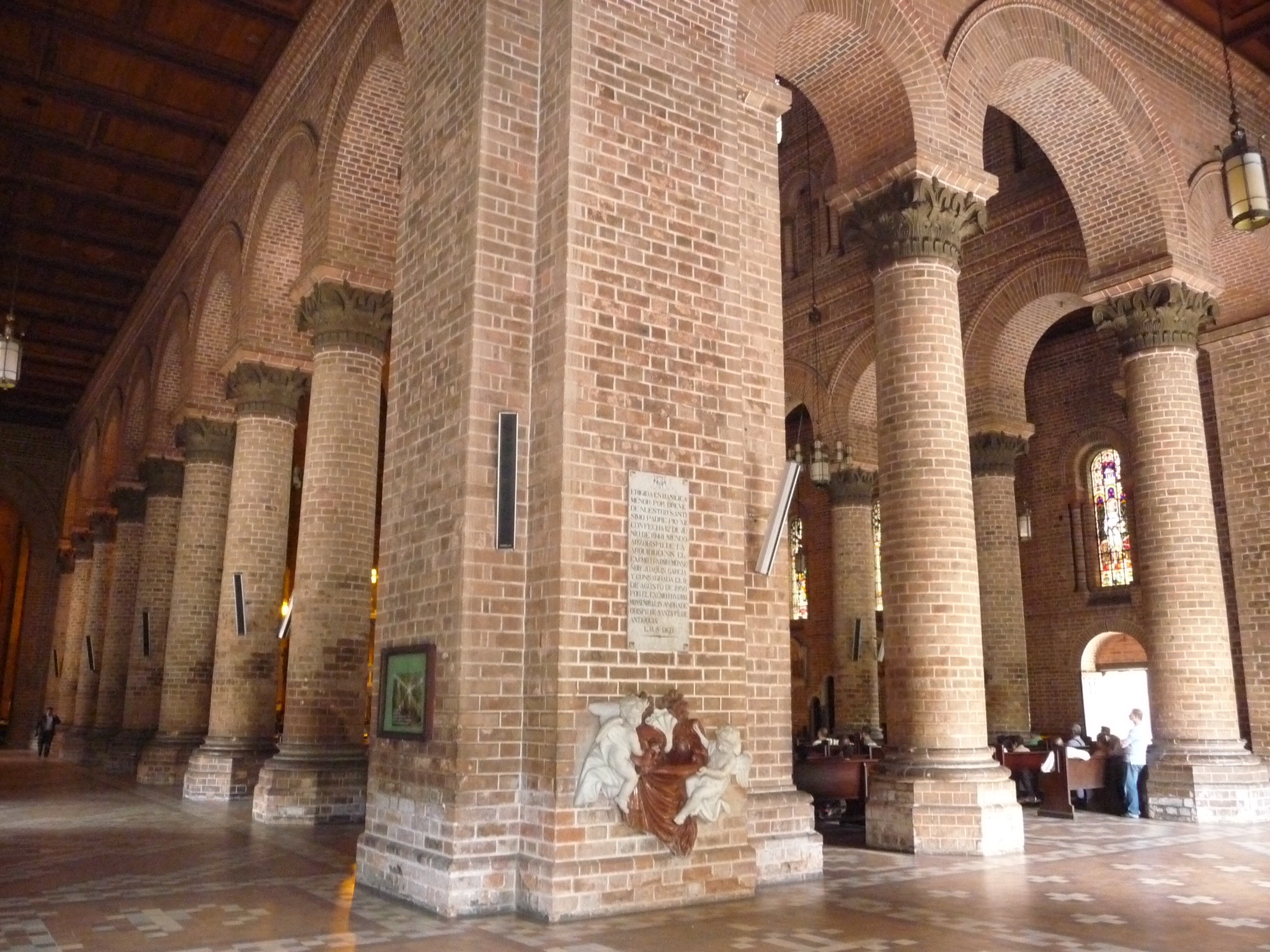
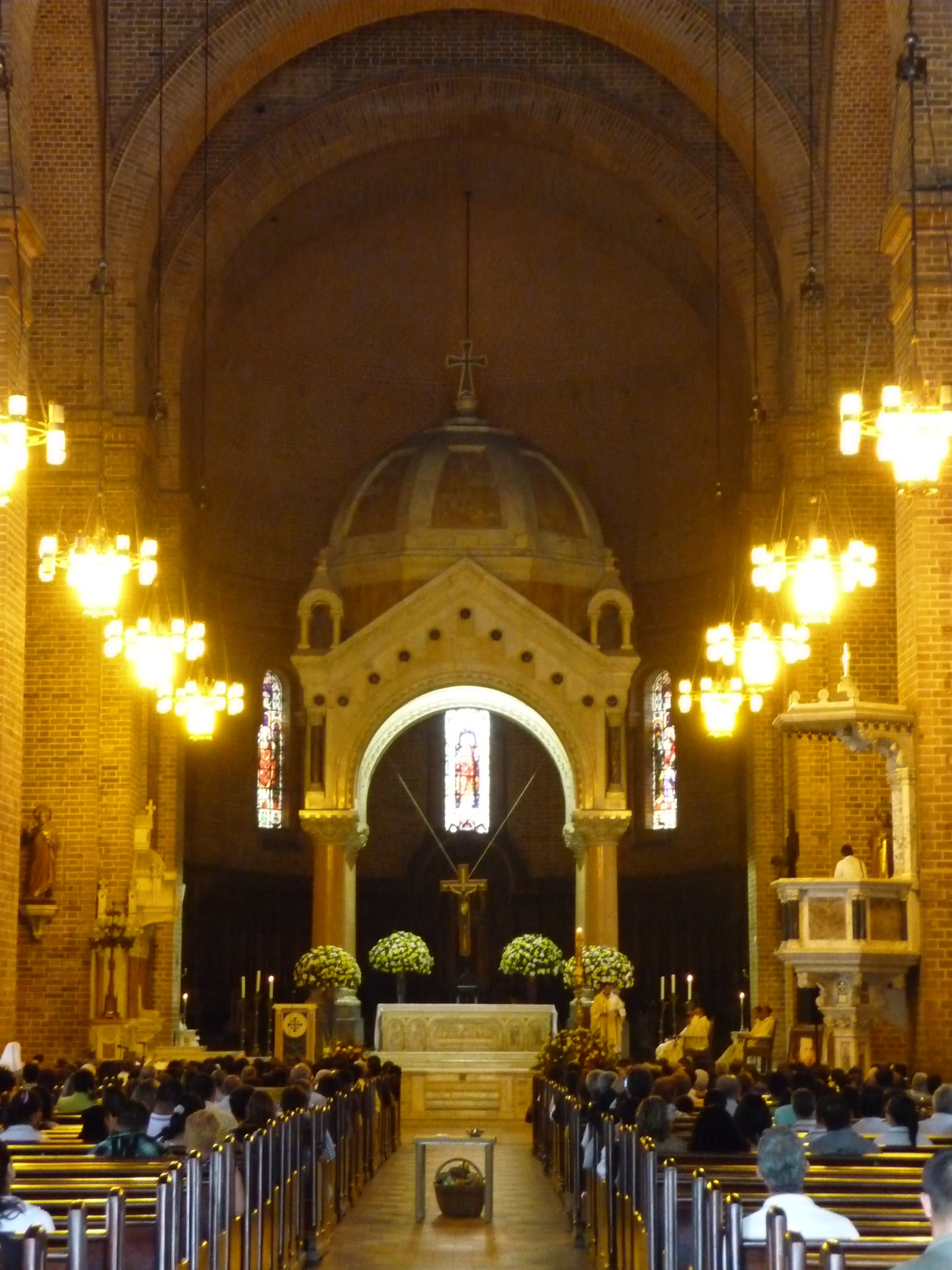
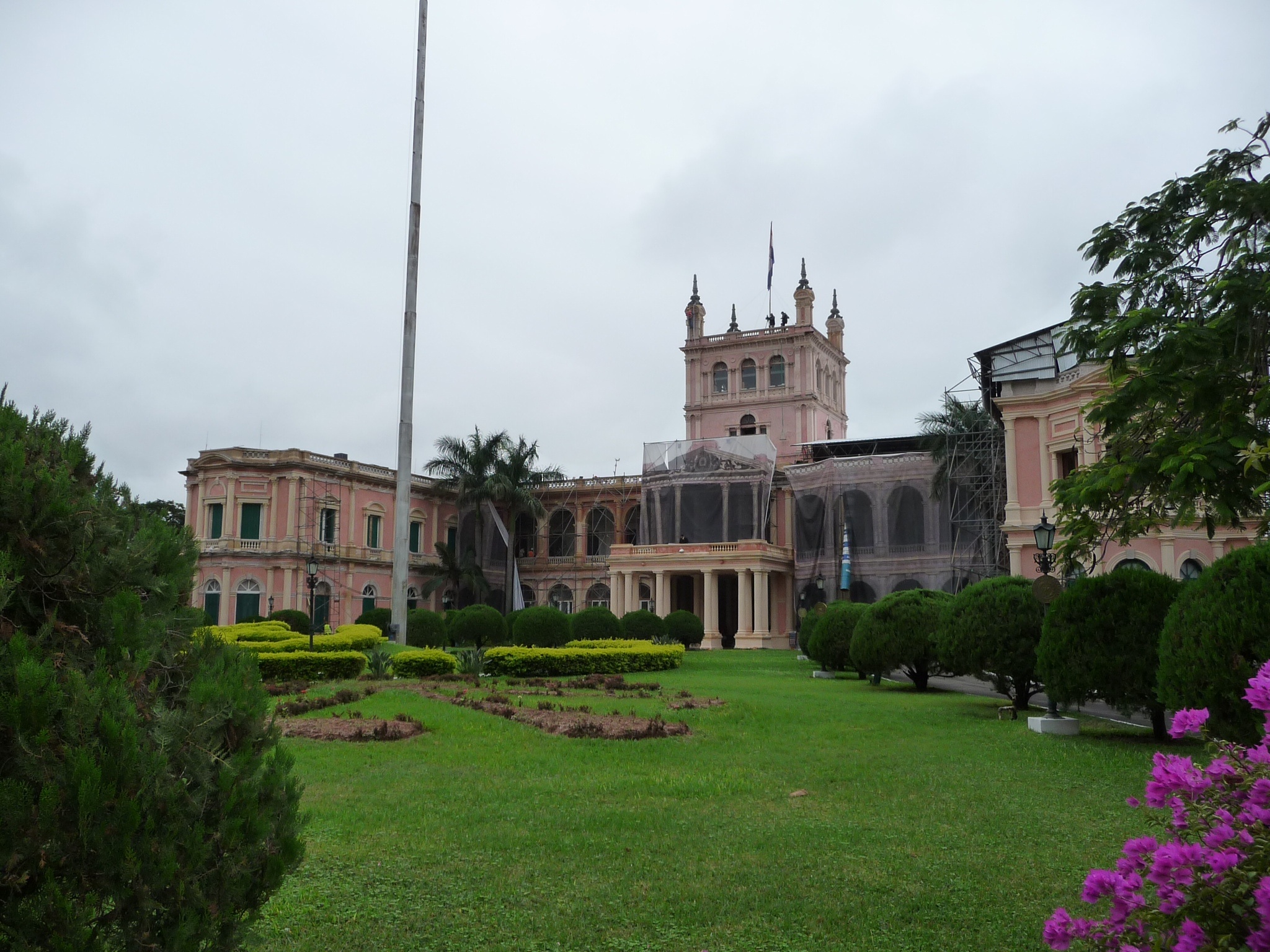
The city of Asunción has quite a lot of potential with its location on the lovely Rio Paraguay but unfortunately the slums are sandwiched between the river and Plaza Indendencia. A walk around Plaza had us seeing the cathedral with its brick construction reminiscent of the one in Santa Cruz and the rather plain legislative palace.  The presidential palace had a bit of work being done on it but you could certainly see its grandeur and why it had earned the reputation of being a mini (very mini) Versailles.
After some unsuccessful shopping I headed out to Jardin Botanico with Isabella and Rosie. A nice respite from the hustle and bustle of the city. It was here that we stumbled upon the park’s zoo, with its very non-native animals of Bengal tigers, lions and elephant. We were too late to get entry into the bird display so only got to peek through the fences to see the owls.  It was a rather bizarre way to end our couple of days in Paraguay!
The mighty Foz do Iguaçu awaits. Again we depart on a bus back into Brazil with high hopes of the weather clearing!  I’m sure I’ll spend a bit of the journey pondering how Australian politics will develop over coming months following the news this morning of the change in leadership.
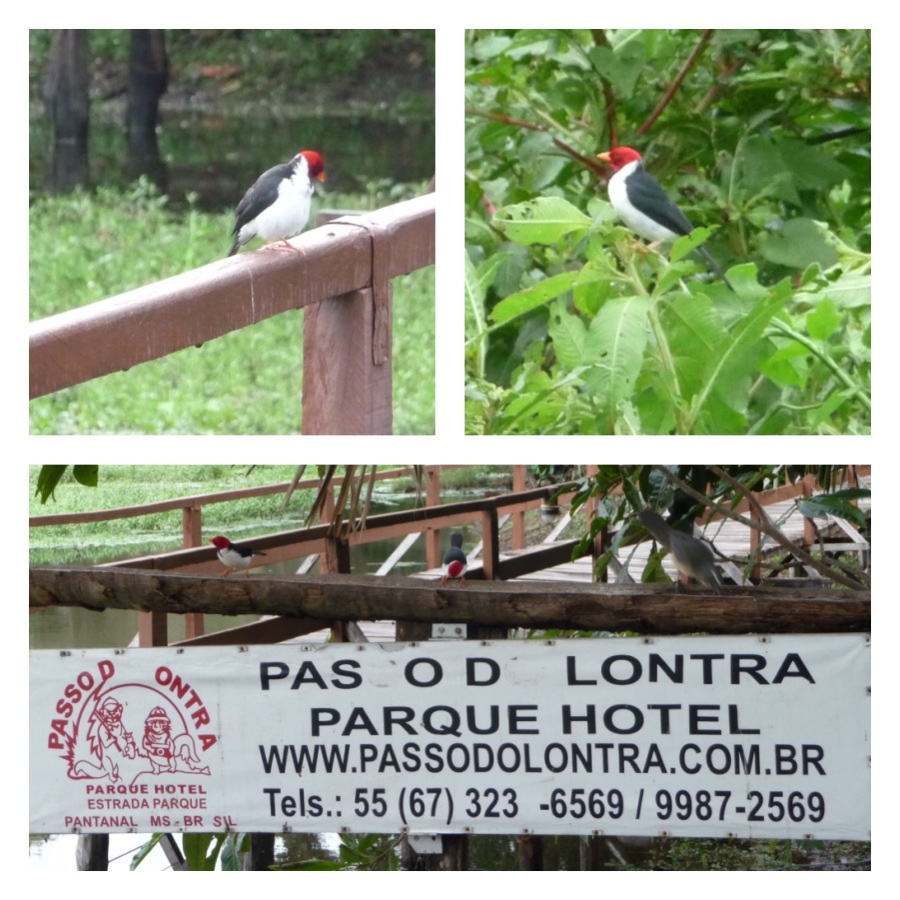
Passo do Lontra - Pantanal, Brazil

Passo do Lontra – Pantanal, Brazil

image

Capybara

Capybara

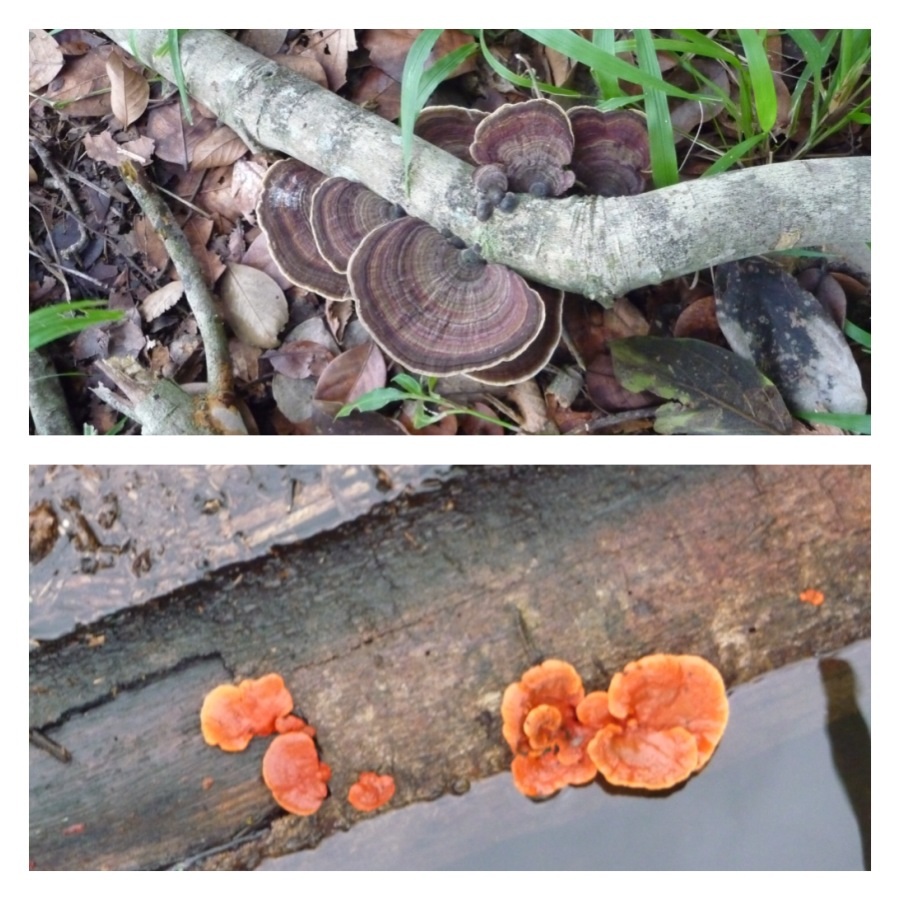
Termites going to town!
Termites going to town!

image
image
image

Cayman

Cayman

image

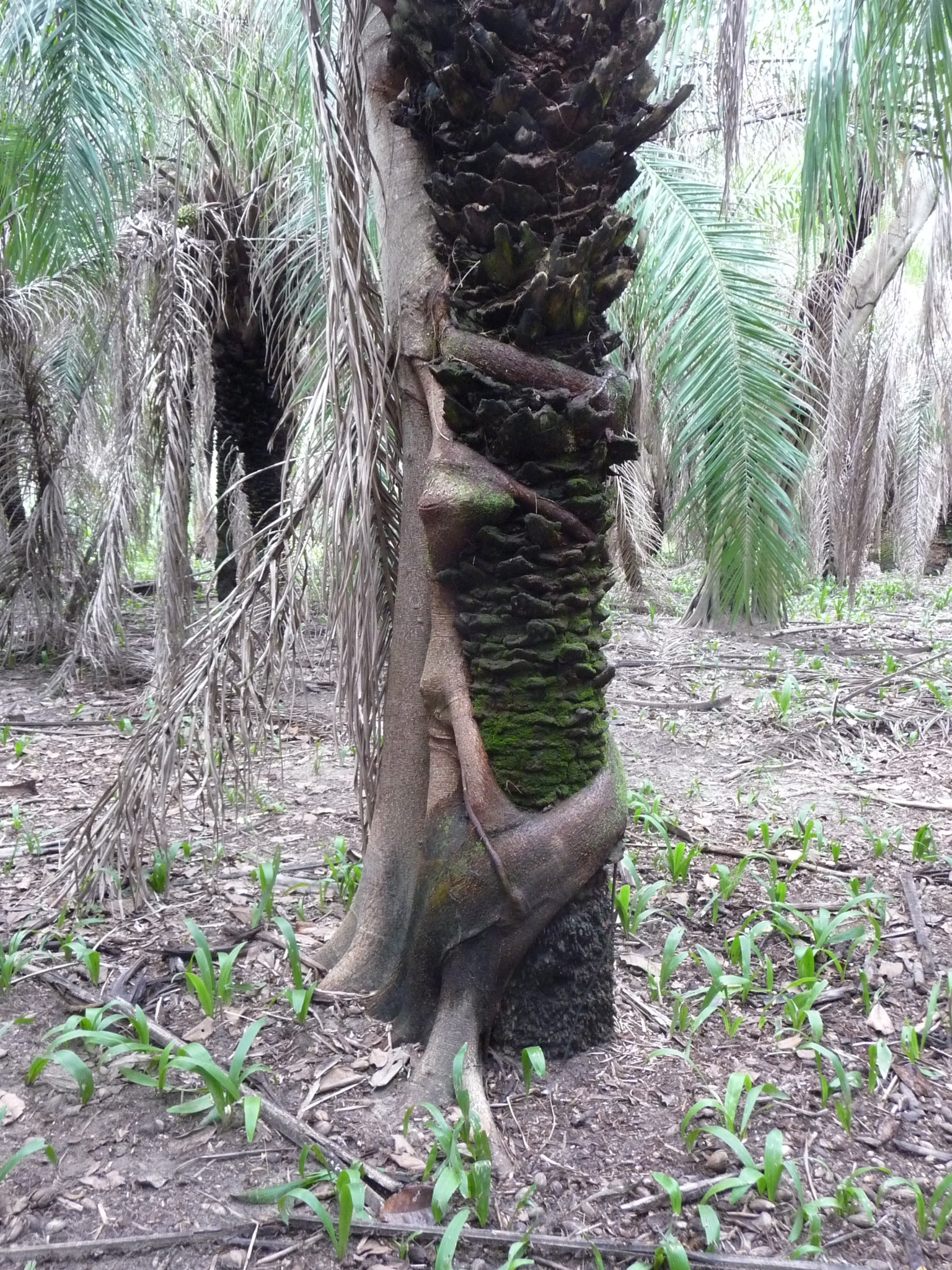
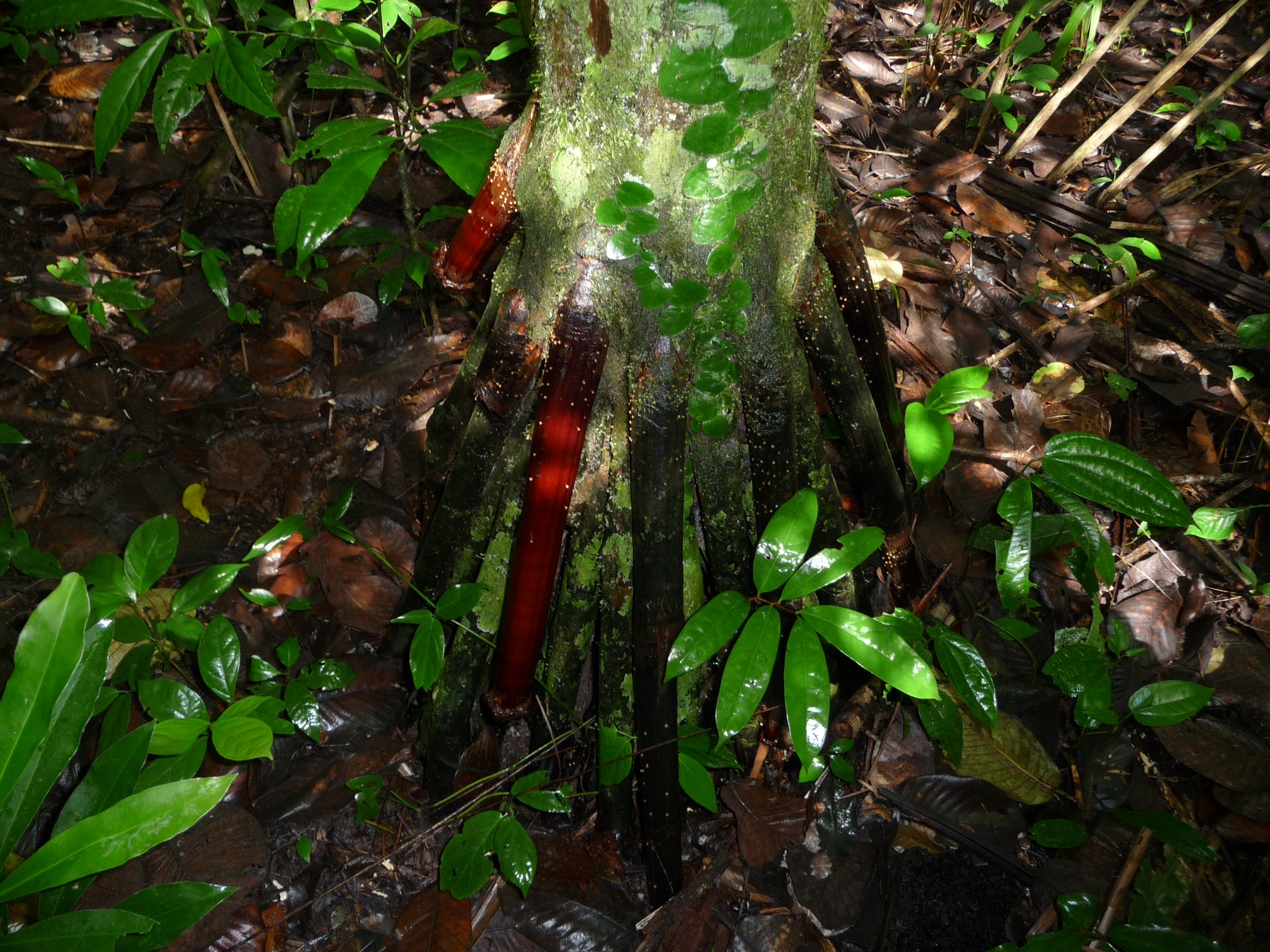
Strangled palm

Strangled palm

image

image

image

image

image

image

image

image

image

I didn't ask about the presence of cayman until after the ride - glad too!

I didn’t ask about the presence of cayman until after the ride – glad too!
image

image

image

image

image

image

image

image

image

image

image

image

image

image

image

image

image

image

image

image

image

image

Heading off to snorkel with Rosie and Isabella
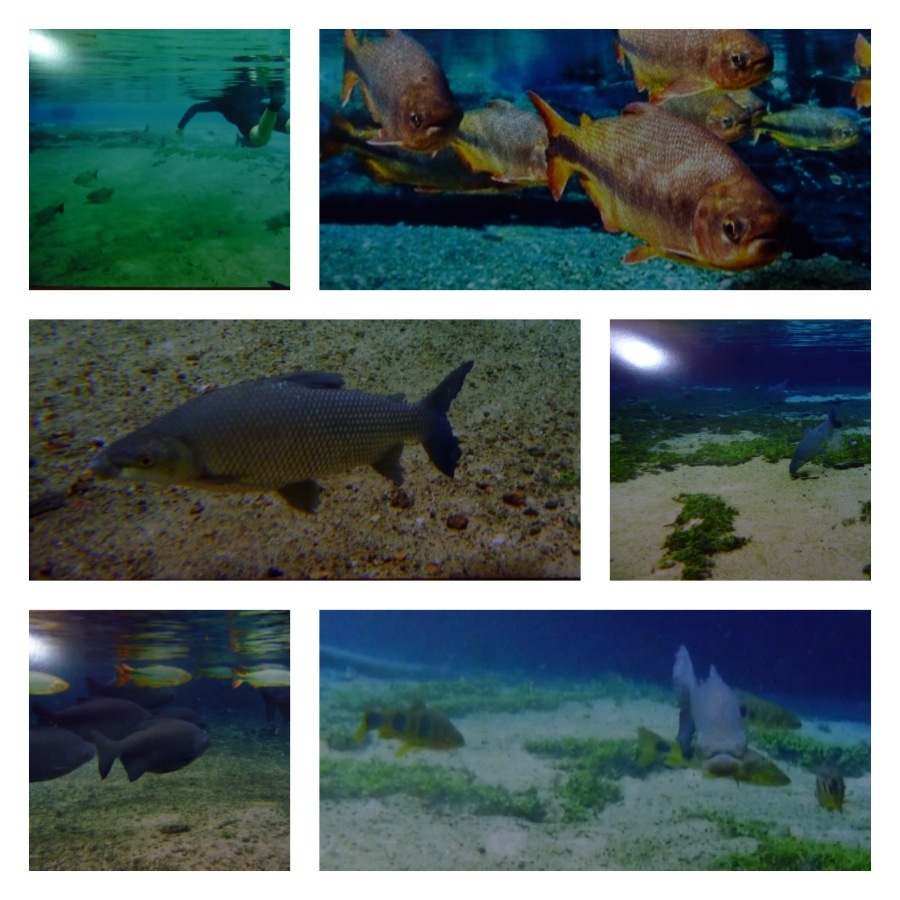
Heading off to snorkel with Rosie and Isabella
image

image

image

image

image

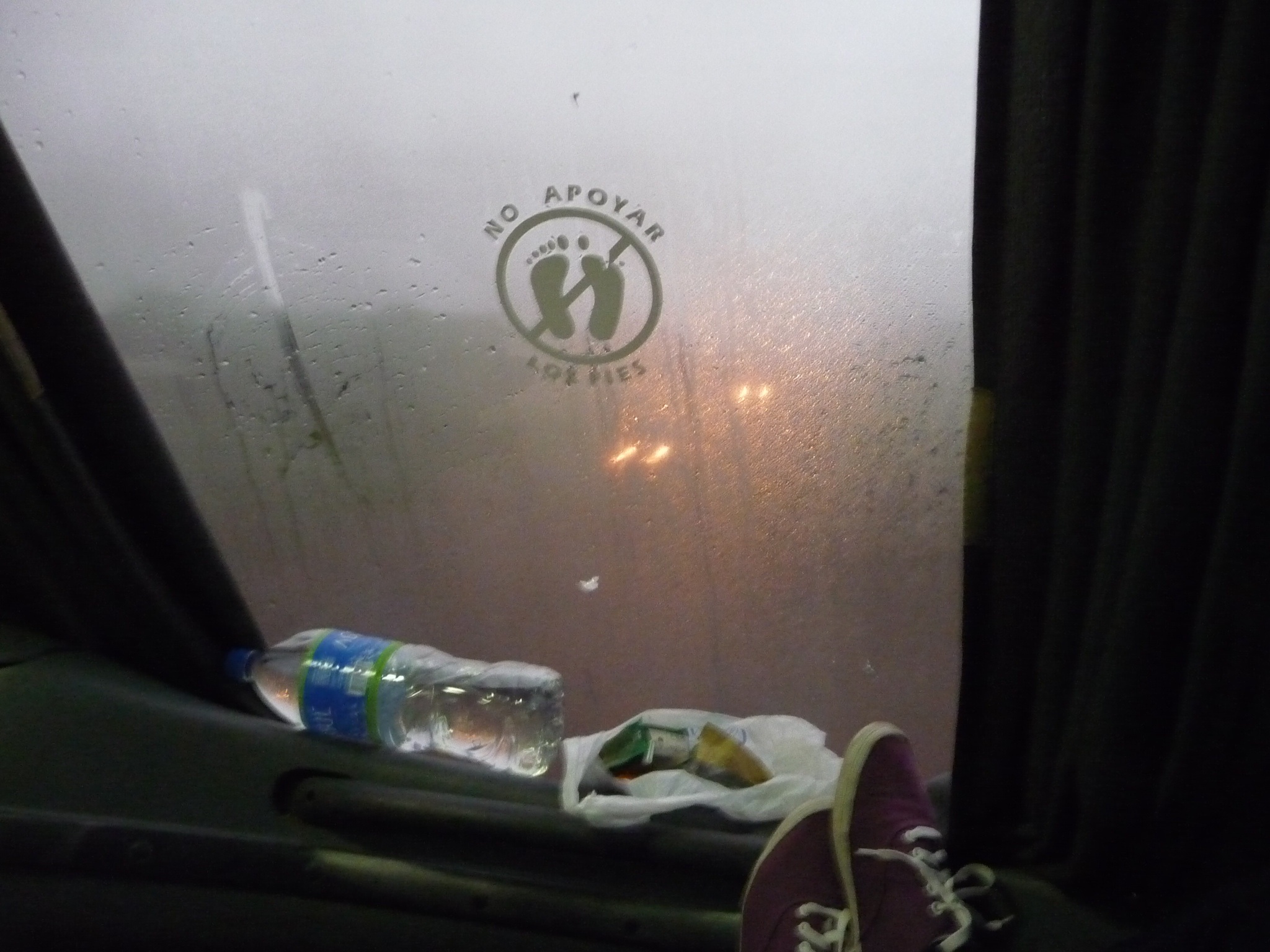
Great day for a bus trip!

Great day for a bus trip!

The Cathedral of Asunción
The Cathedral of Asunción

Presidential Palace under renovation

Presidential Palace under renovation
image

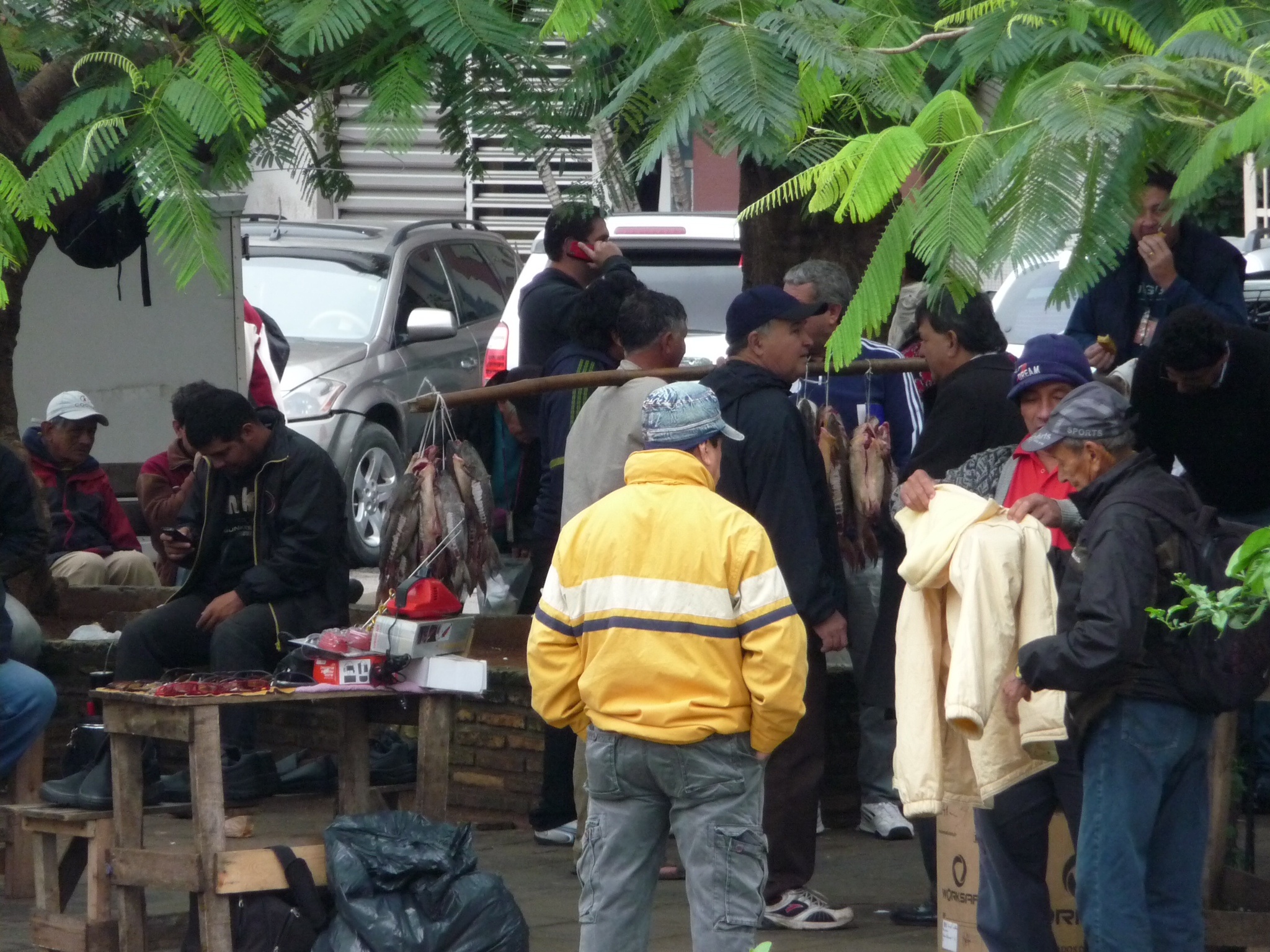
Fish anyone?

Fish anyone?

Rio Paraguay

Rio Paraguay

Pantéon Nacional de Los Heroes (inspired by the Parisian Les Invalids)

Pantéon Nacional de Los Heroes (inspired by the Parisian Les Invalids)

p
Posted in Uncategorized | 2 Comments

Finding descents in Bolivia

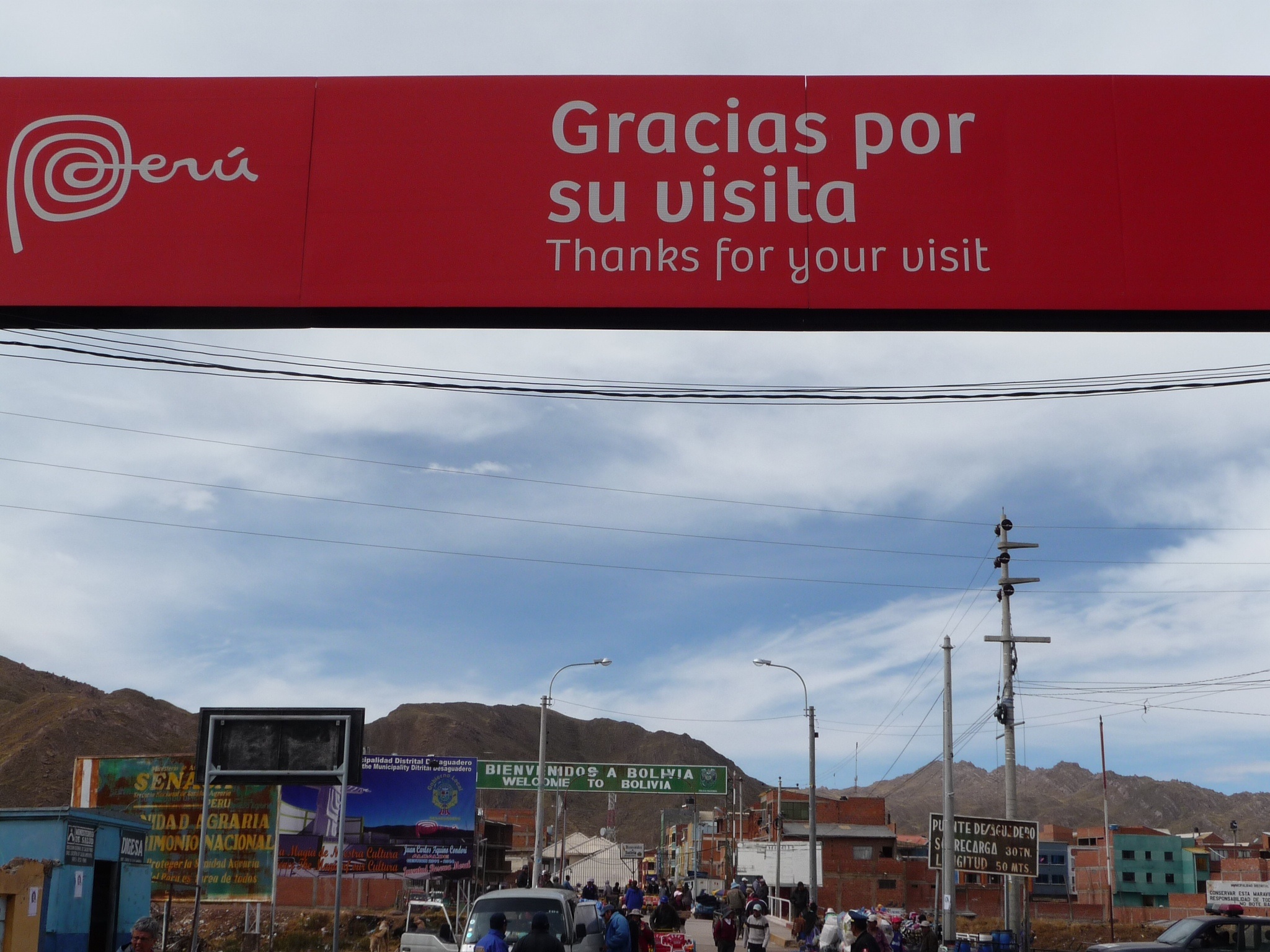
The border crossing between Peru and Bolivia was a bit of a laugh. We were travelling by public bus so everyone on the bus were let off at the Peru immigration office to then walk across the bridge to the Bolivian immigration office. We couldn’t work out whether the street vendors on the bridge were Peruvian or Bolivian. We were then collected on the other side of the bridge to continue our journey to La Paz.
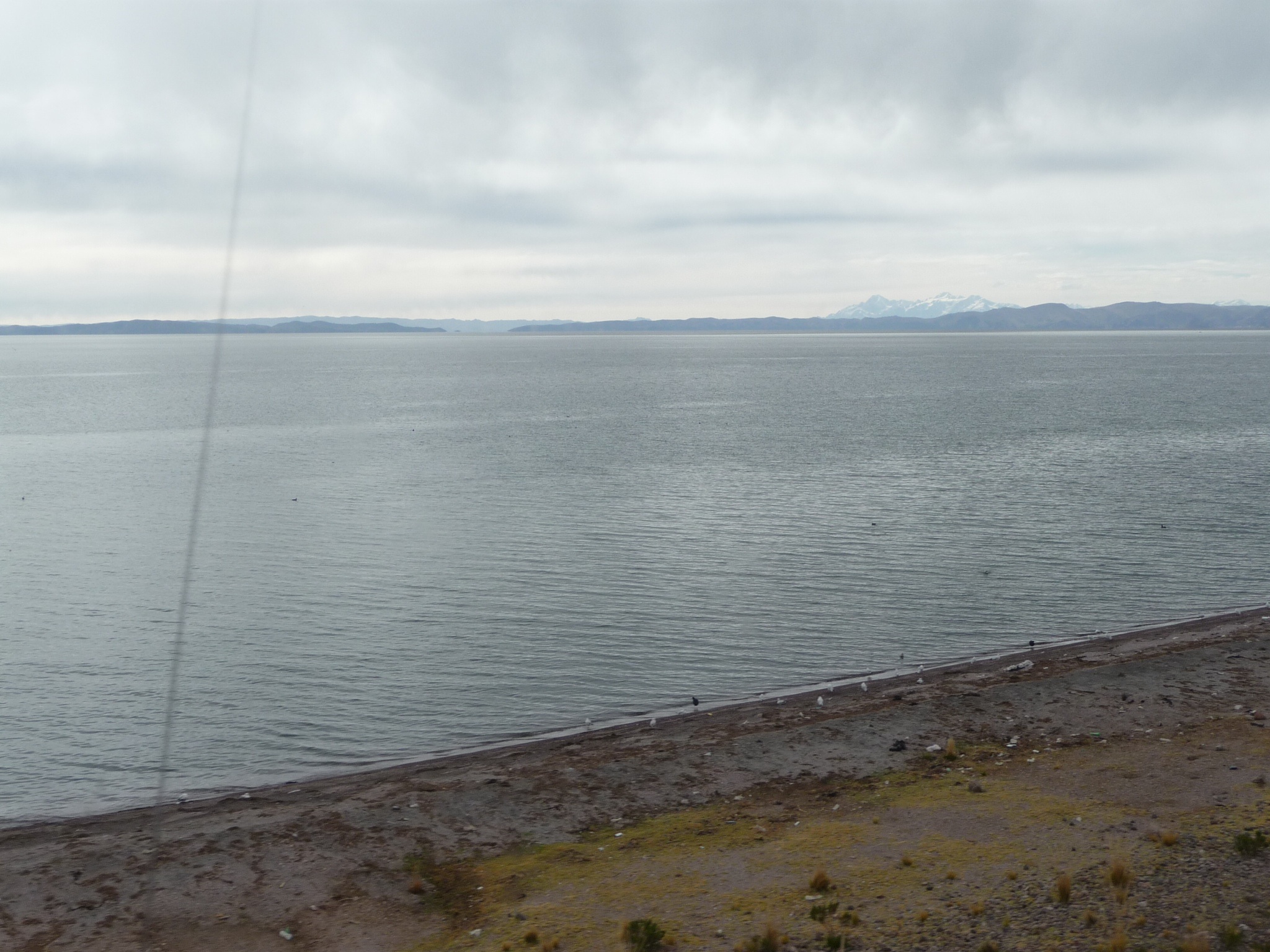
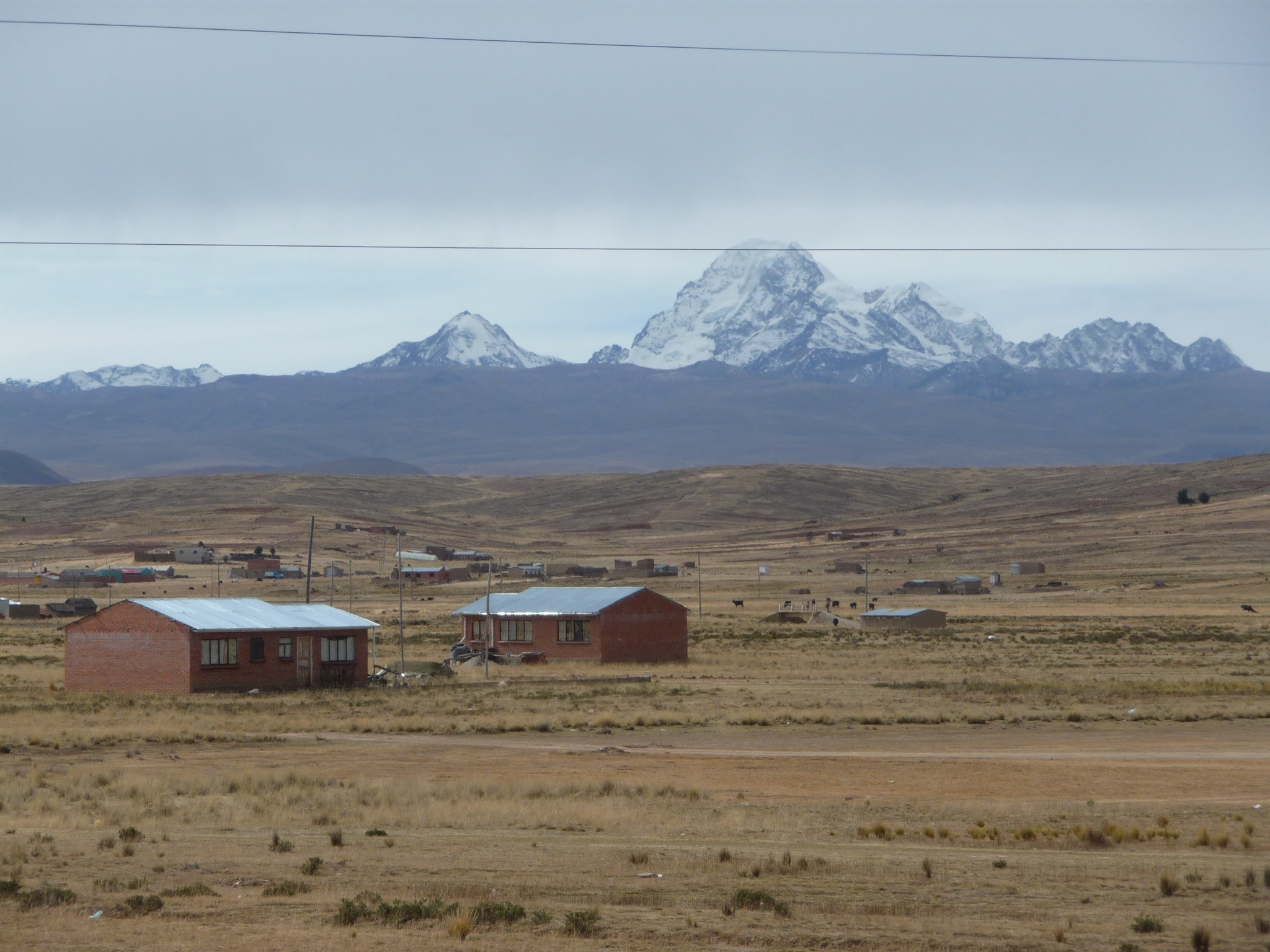
The countryside didn’t disappoint with us running parallel with the snow capped mountains and Lake Titicaca a good part of the way.
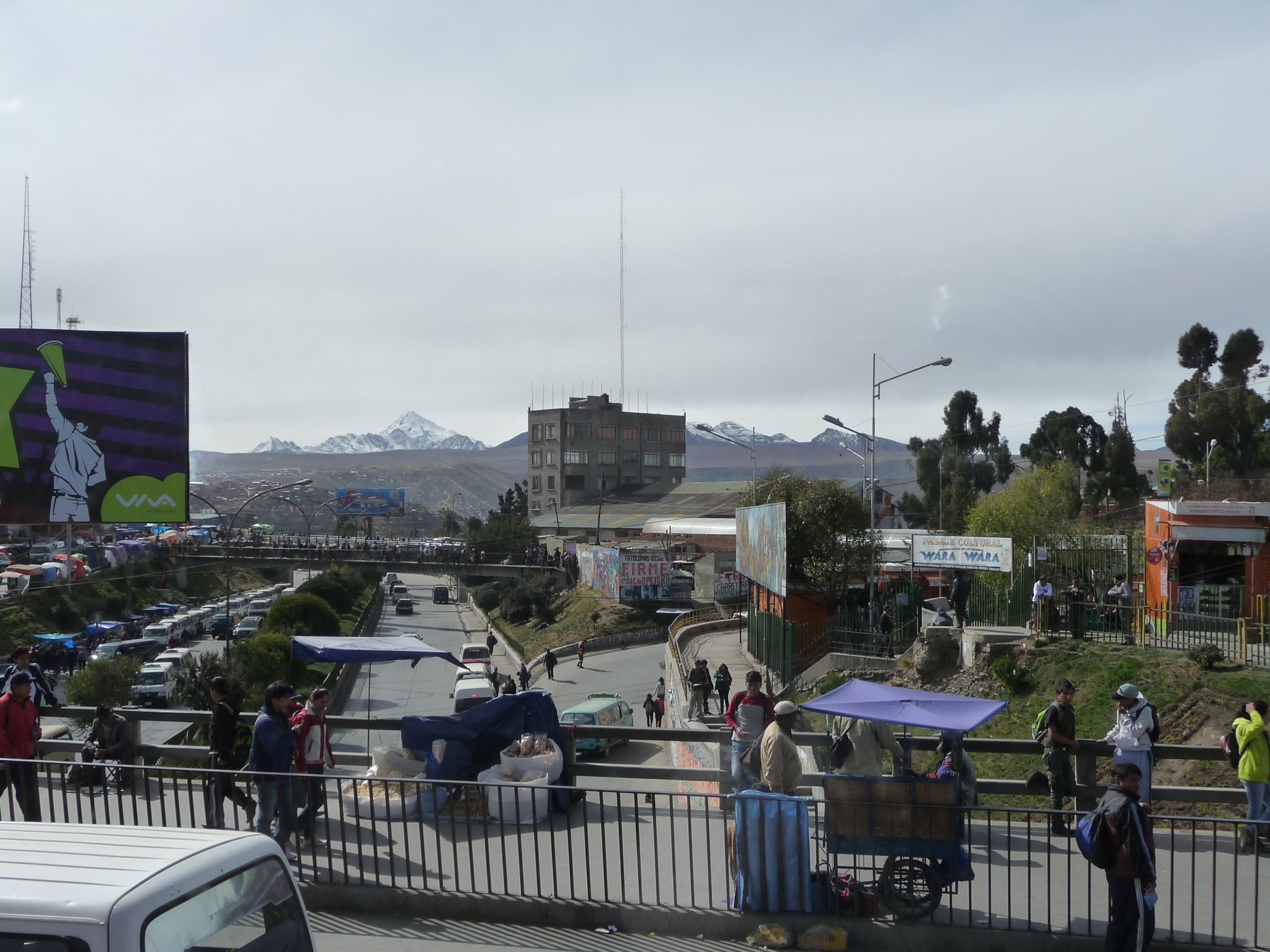
We arrived into the bustling city of La Paz – an attractive hilly city (just what you need at 4000m above sea level).
The main industry of Bolivia is mining – silver, copper, gold and mercury.
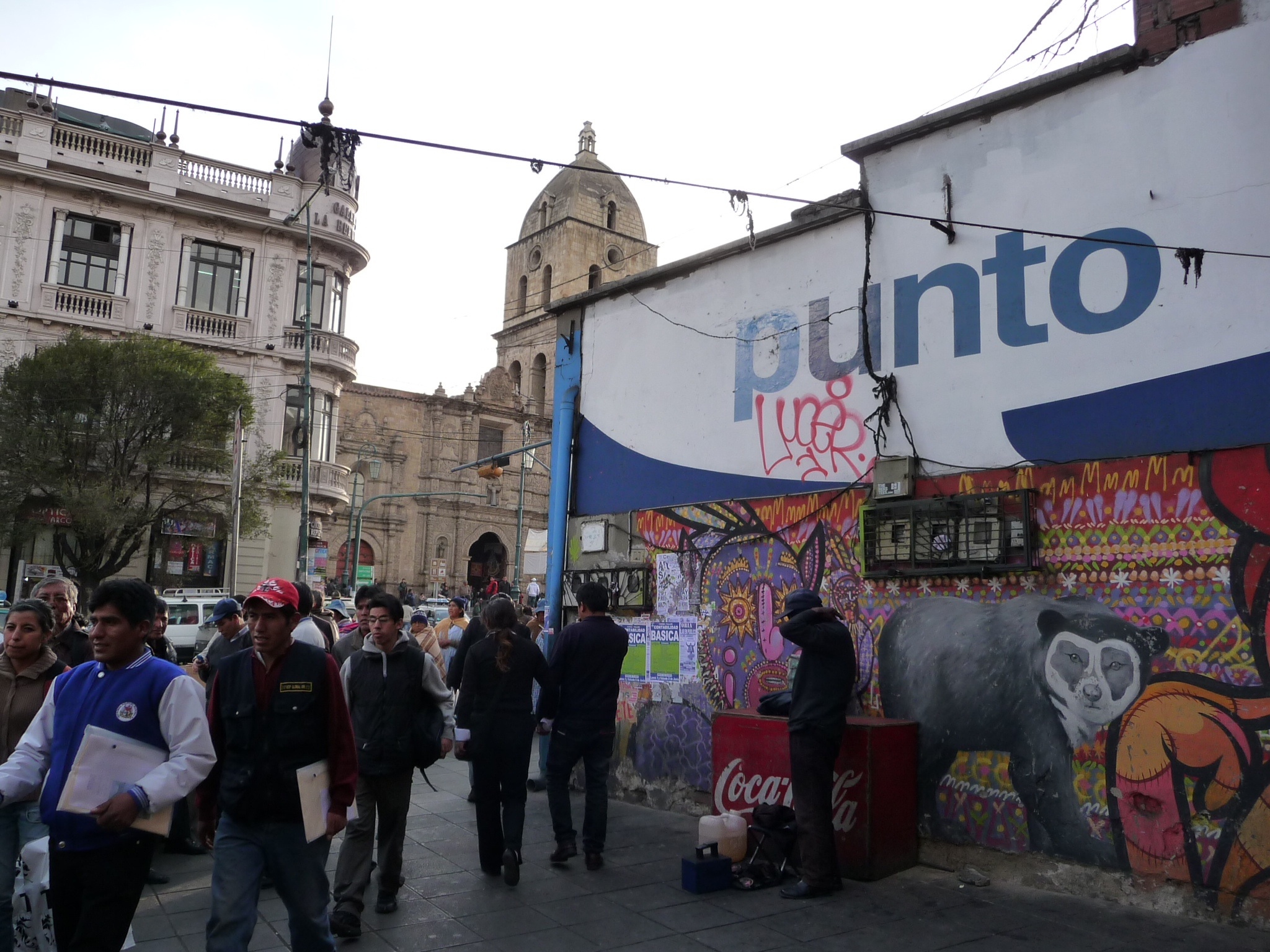
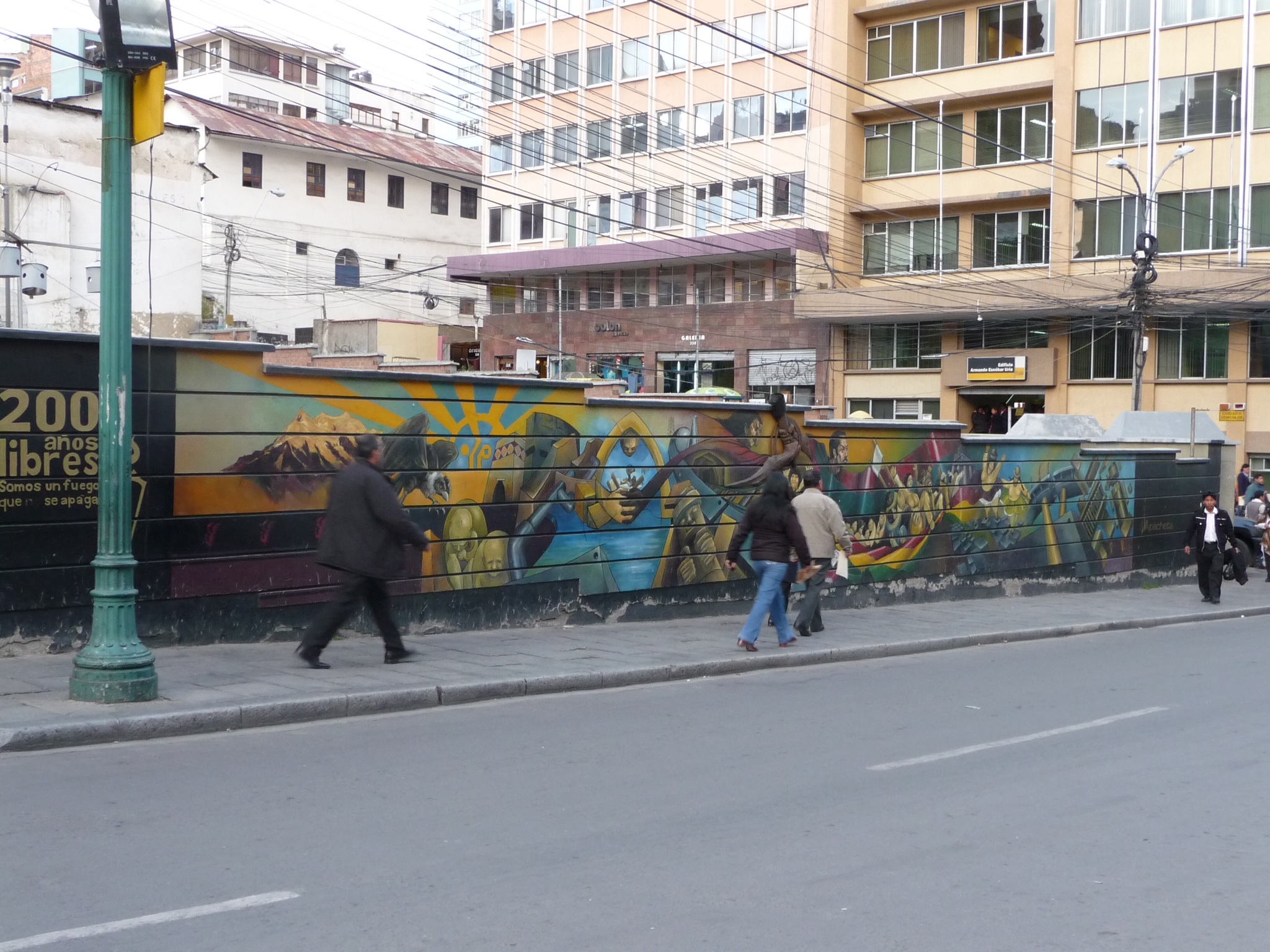
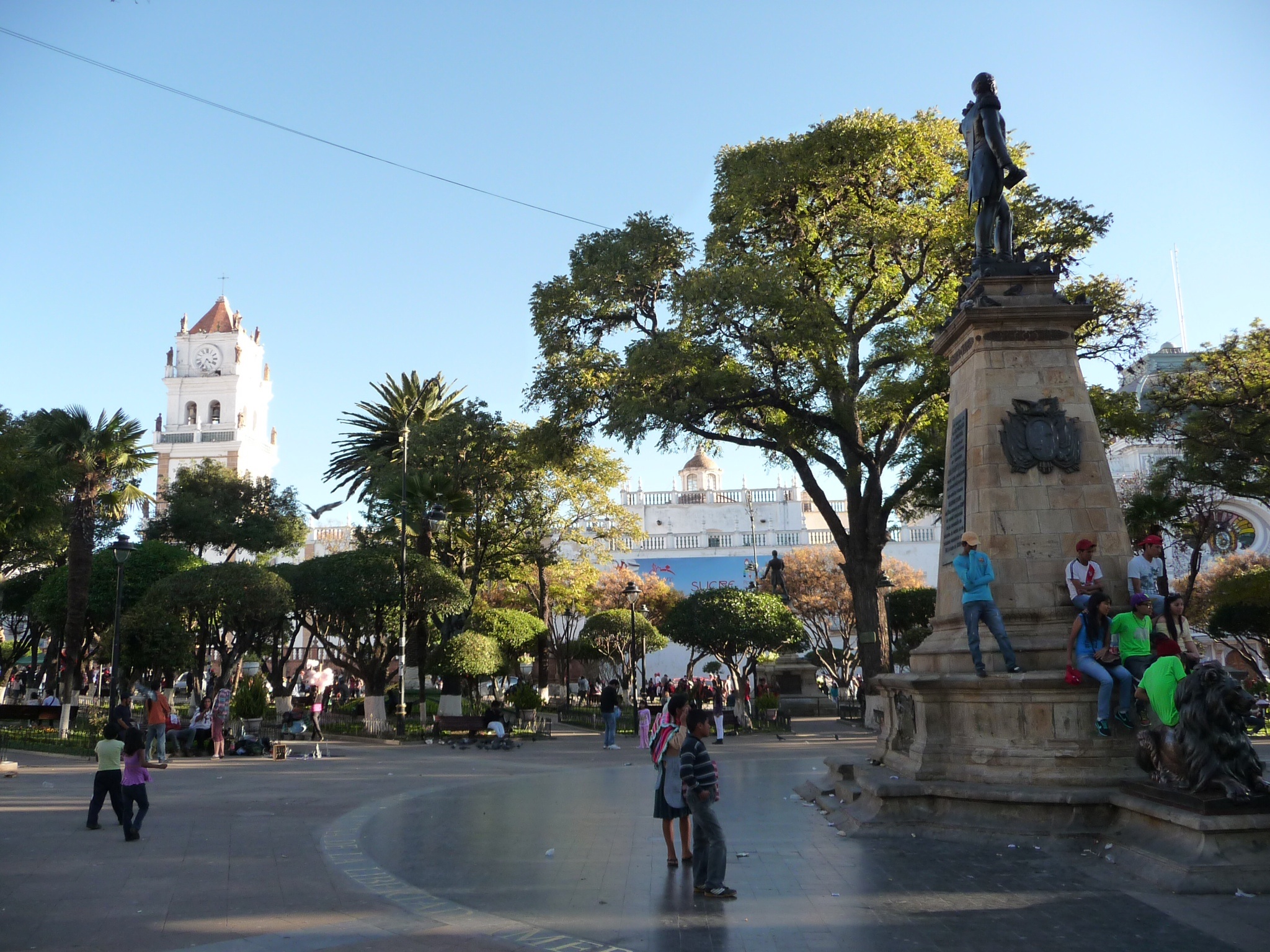
A walk around the city saw us wander past the San Francisco church, a dominant church at the base of the witches markets (the markets selling everything from baby alpaca knits to llama foetuses). The main plaza, Plaza de Armas, contained a statue of Murilla (the leader of Bolivia’s independence) and hundreds of pidgeons and was surrounded by the Cathedral and the presidential palace. Due to the population size of the city and the extent of political decision making made in La Paz, it is considered the administrative capital of Bolivia (but is not recognised as the capital in Bolivia’s constitution).

That evening we had a lovely farewell dinner as the majority of the group were heading home or onto new travel adventures over coming days. Cristina convinced me to venture out with her to a ‘great’ club that had been recommended to her. Was a bit of a disappointment to us as the bar was full of very young, drunk and smoking backpackers. We decided instead to head over to the Hard Rock Cafe – yes even Bolivia has one!
The next day was spent sorting out my Paraguay visa – a long drawn out process that took most of the day but left me enough time for a spot of shopping at the witches markets. Note to family – you’ll be pleased to know that I opted for handicrafts rather than the foetuses and other witchy potions!
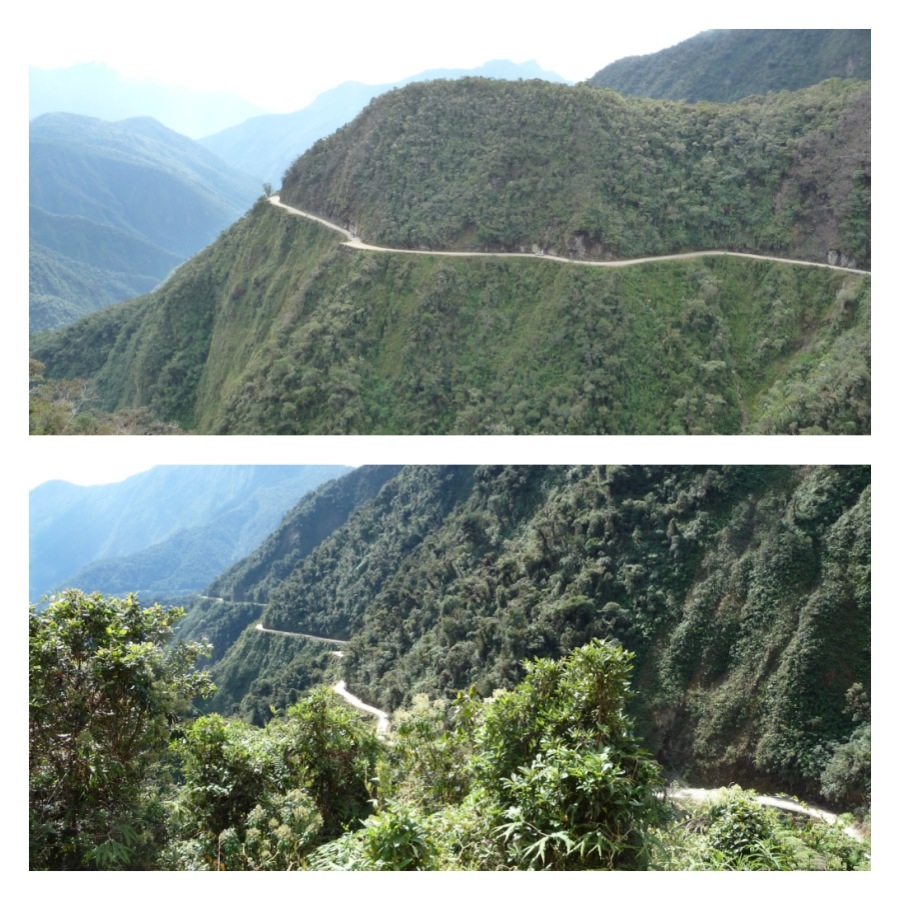
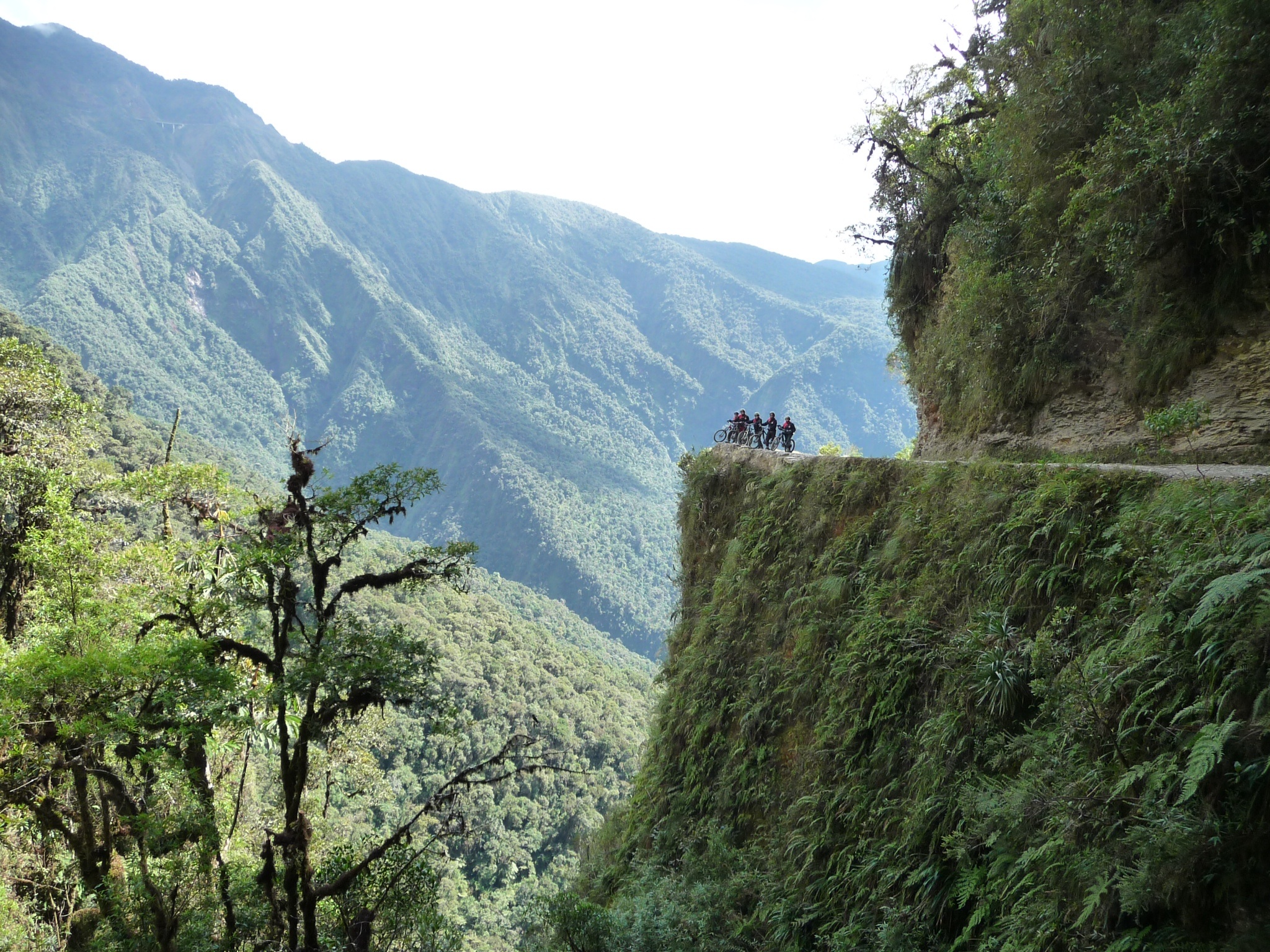
Then it was game on – Death Road. I had signed up for it with Megan, Rosie, Isabella and Finn. A 64km ride with 25kms paved and the remainder unpaved (which was actually the death road). The road started to be built before the end of the war between Paraguay and Bolivia. The Bolivians brought the Paraguay prisoners up to finish the road after the war.
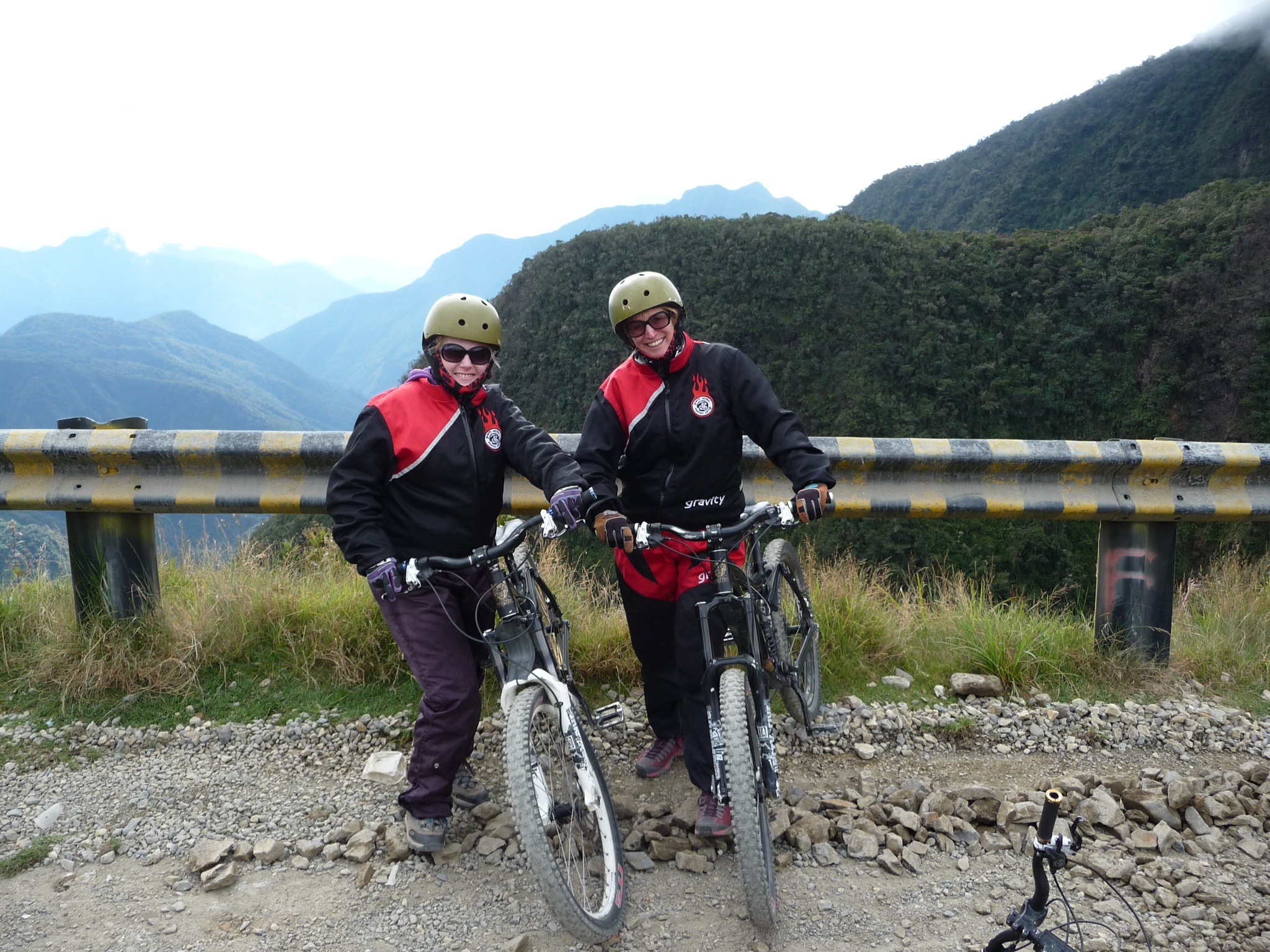
Suited up we got our instructions on how to use the bikes (particularly on the rocky corners) and then did our ritual to Pachamama – a splash of the 96% alcohol on the earth, a splash on the front wheel and then a nip for each of us – certainly took our breath away but shook out some of the nerves.
And then we were off from 4700m above sea level – it was freezing – as evidenced by the ice on the mountainside as we passed (thankfully none on the road).  As we approached the drug control point our guide, Raf, advised that if we were carrying drugs now was the time to “pop it or drop it”.
We got a taster of what was ahead when we took a dirt road to avoid a tunnel. Not having done any serious mount biking in my time and encountering serious loose gravel, rocks and washouts, it was at this point that I seriously questioned why I had signed up (let alone paid) to do this ride. Gave myself a Chopper Reed talking to and pushed on.
The Death Road was very rocky and narrow in places with constant blind corners but had some lovely little waterfalls that we rode through. We were warned not to look at the drop offs as it would likely scare and distract us. By the time we reached the last part of the ride we had all gained heaps of confidence on our bikes so enjoyed the view of the coca fields.  Amazing how much your head and hands can hurt after hours of riding on corrugated roads.
Not satisfied with the challenge of the death road we signed up for some more adventure in the form of zip lining across some of the ravines – three lines covering more than one and a half kilometres. I hadn’t done it before and really enjoyed the sensation of soaring through the air. Perhaps I’ll have to try the paragliding in Rio?
The lunch spot was at an animal rescue centre which had lovely birds flying in and out of the Centre and resident spider monkeys and tortoises.
We then drove back up Death Road in our van – it took nearly two hours to drive it and it was just as scary in a car. Looking down over the fog that had rolled in we were all happy when we were off the road.
Farewelled Megan that evening, which was sad.  We’d been great travel mates with lots in common and sharing our Aussie sense of humour – would have been great if she had of also been going through to Rio but alas her partner and work were calling her home.  No doubt we’d meet up again in Sydney sometime.
We were now down to six with Cristina. I was looking forward to ease of travelling in a smaller group.
Before leaving La Paz I thought it a good idea to buy some fruit for the journey.  During my shopping trip I went to help a woman who I thought had fallen into a gutter only to find tgat she was purposely holding out the layers of her skirt so they wouldn’t get wet while she peed!  Another memory etched into the brain.
Off we went to Oruro on a bus and then boarded a train for Uyuni. We almost missed the train trying to get a meal in the town of Oruro. From this experience I concluded that in Bolivia, despite what they advertise, there is no such thing as fast food.
It was a pretty rickety and slow old train ride. We arrived into Uyuni at 2:15am and so headed straight to the hotel for a sleep before our overnight trip to the Salar de Uyuni (salt plains).
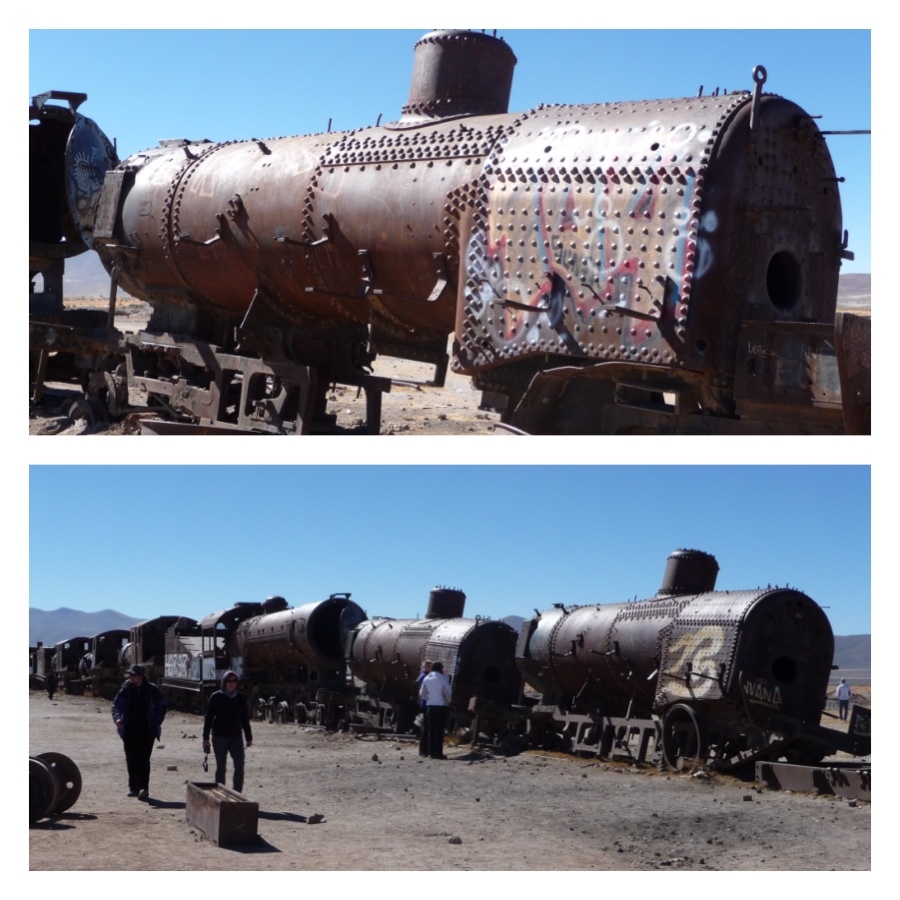
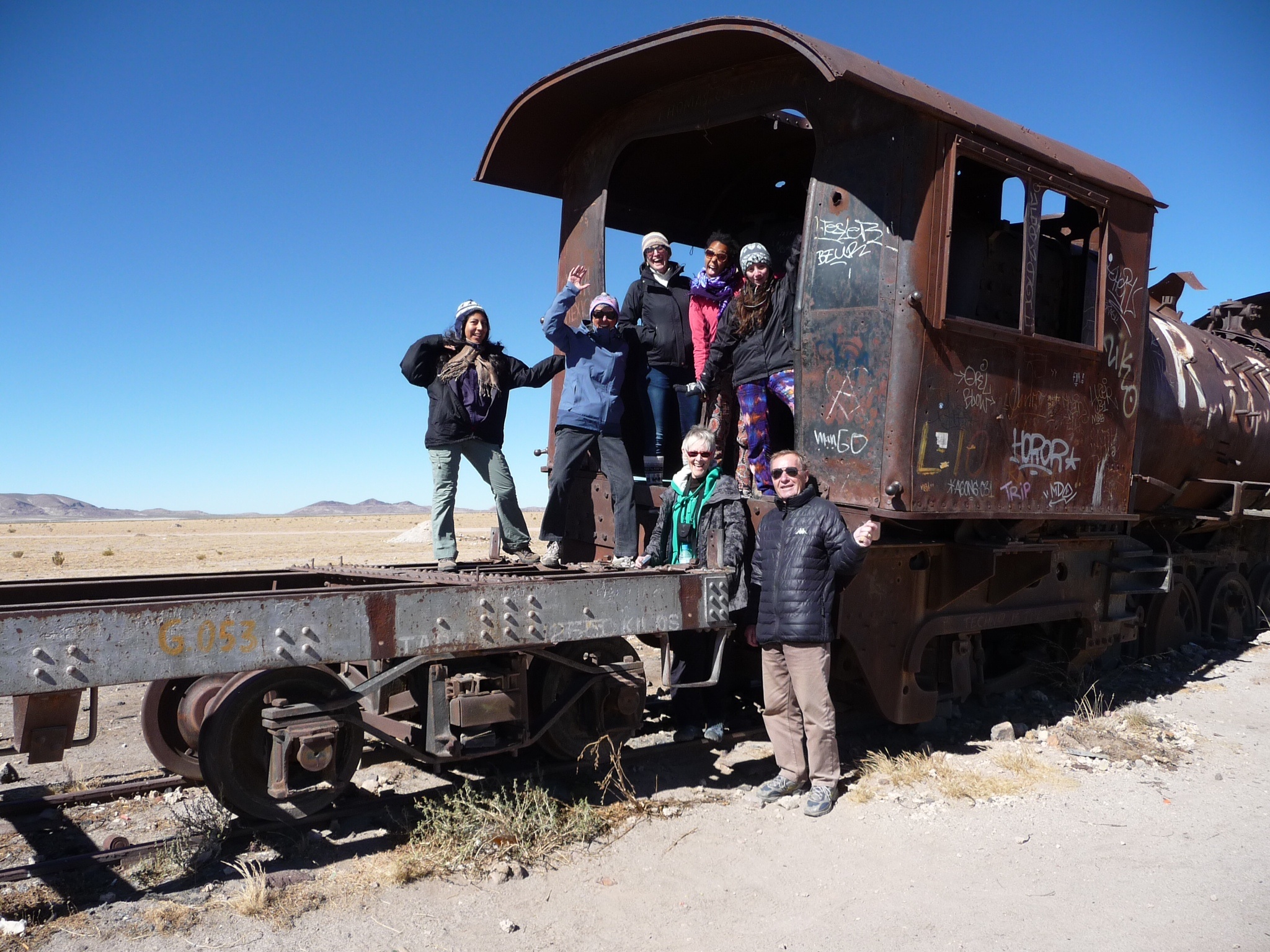
The first stop of our overnight trip was the train cemetery. Apparently all the trains were brought across from the UK and were used in Bolivia as far back as 1890. They were taken to this area for repairs until eventually they stayed!  Unfortunately everyone is so poor they are now having trouble with people pinching the metal to on-sell, which may see this little tourist attraction disappear eventually.
One of the main industries in the area (aside from salt processing) is the growing of quinoa, which is hard to believe in such an arid looking place.
The roofs had us intrigued with their channels of mud – seems it was there to hold the roof sheets down during the ferocious winds the area receives.
We were back in Vicuña territory; nice to see them out and about again.
The next stop was Colchani, a town of salt production. We were shown through a building used to undertake the process. Twenty five thousand tonnes are extracted from the Salar de Uyuni per year with 25 tonnes being produced in Colchani. They are the largest salt plains in the world but interestingly the salt is produced for use in Bolivia only.  It’s estimated that there are 10 billion tonnes of salt in the plains.
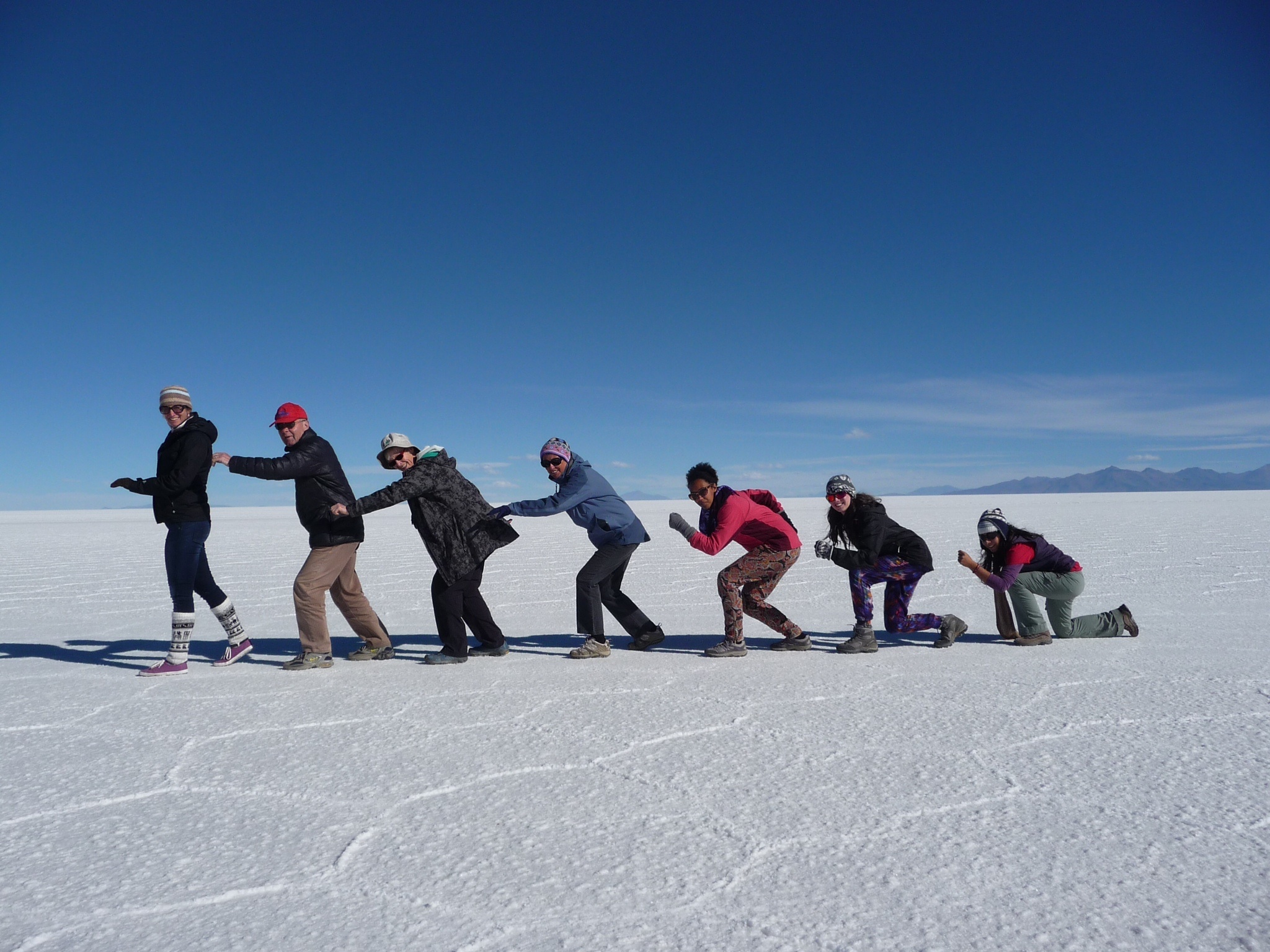
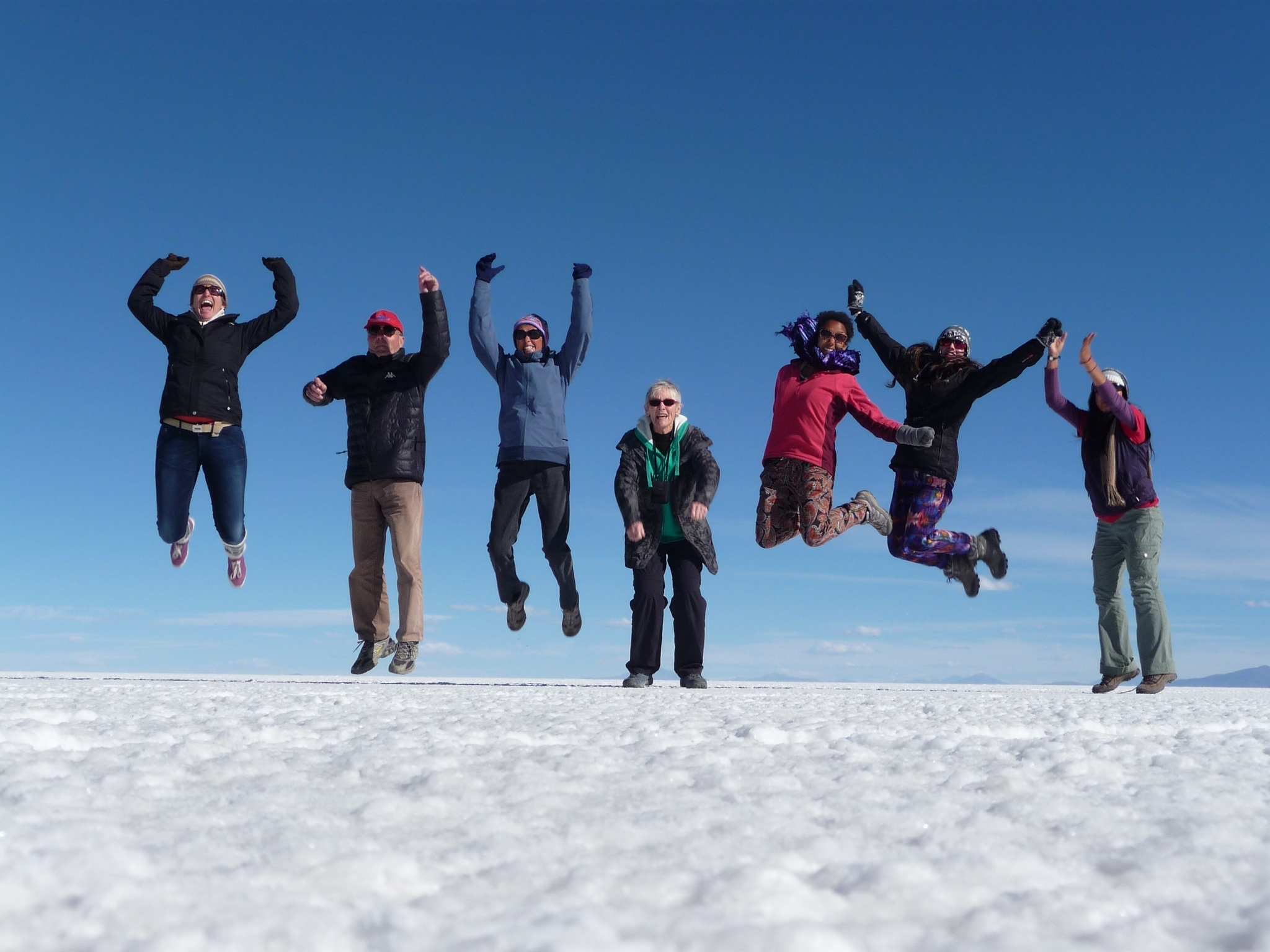
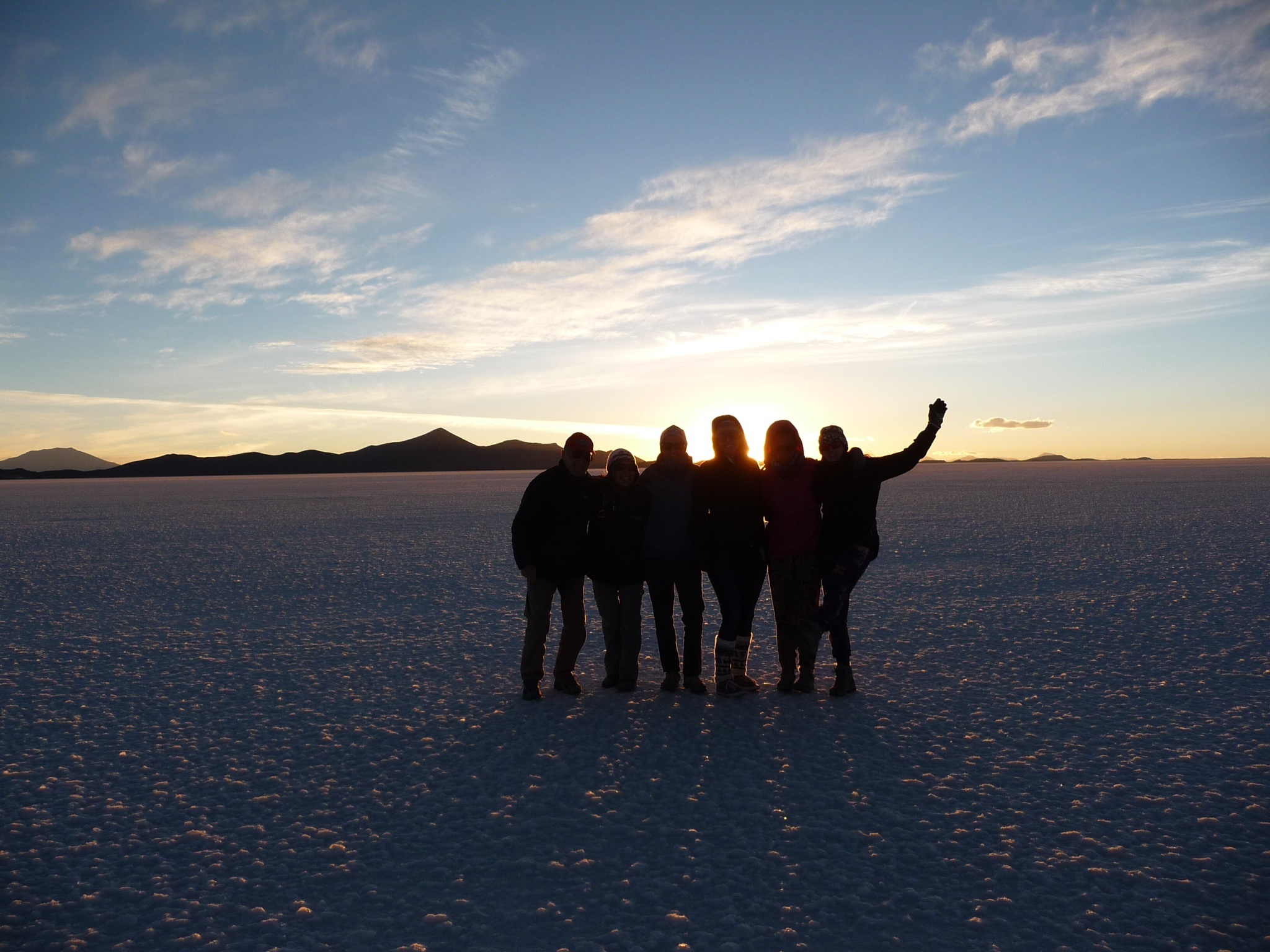
We were then onto the Salar itself. The salt is up to 25-30 metres deep in some places and is as vast as the eye can see.  After lunch in a building made of salt we headed out for some photos in this amazing landscape.  It was no surprise when we were informed that the Dakar rally would be coming to town in 2014 – seemed just the right scene for that race.
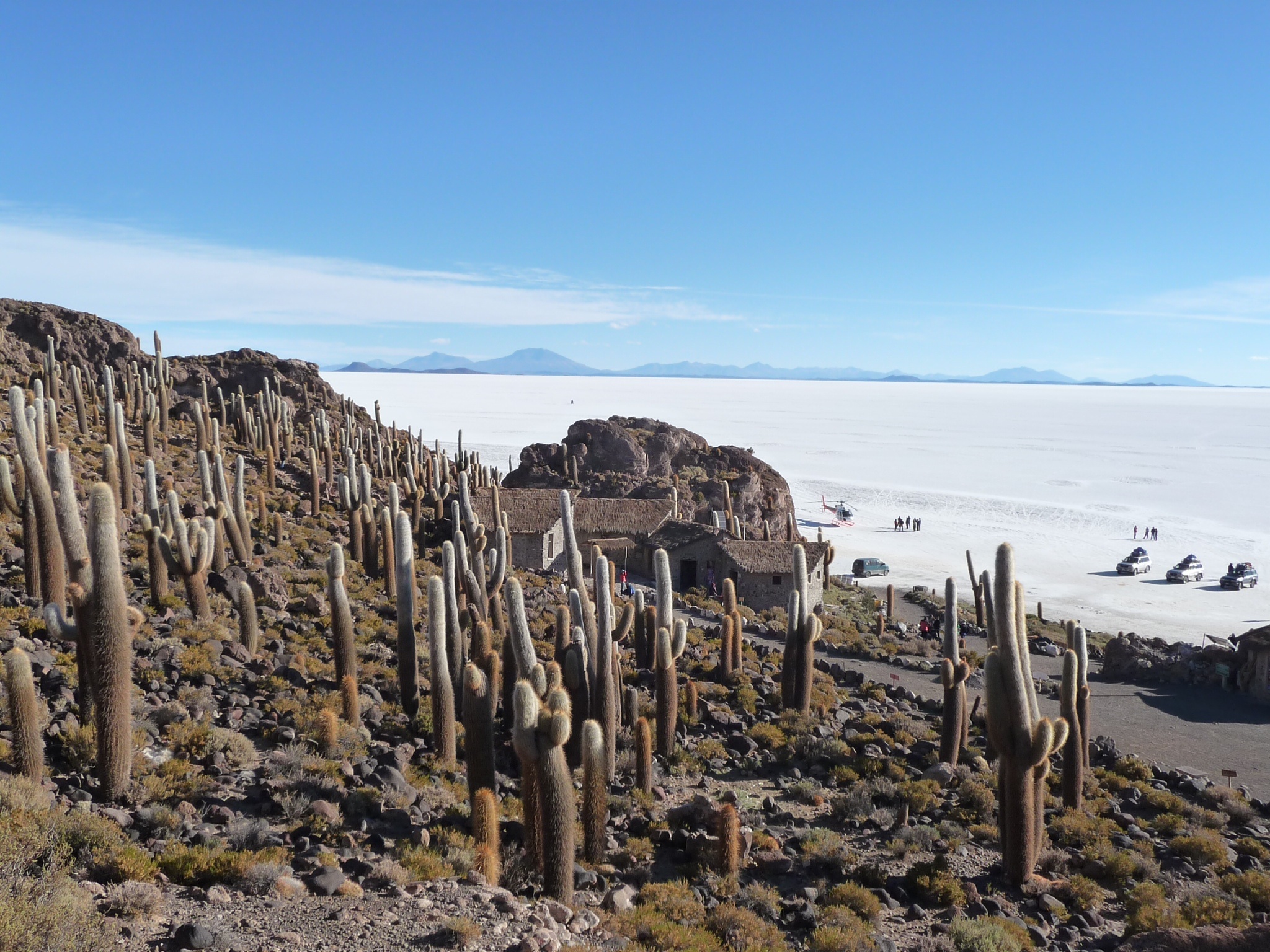
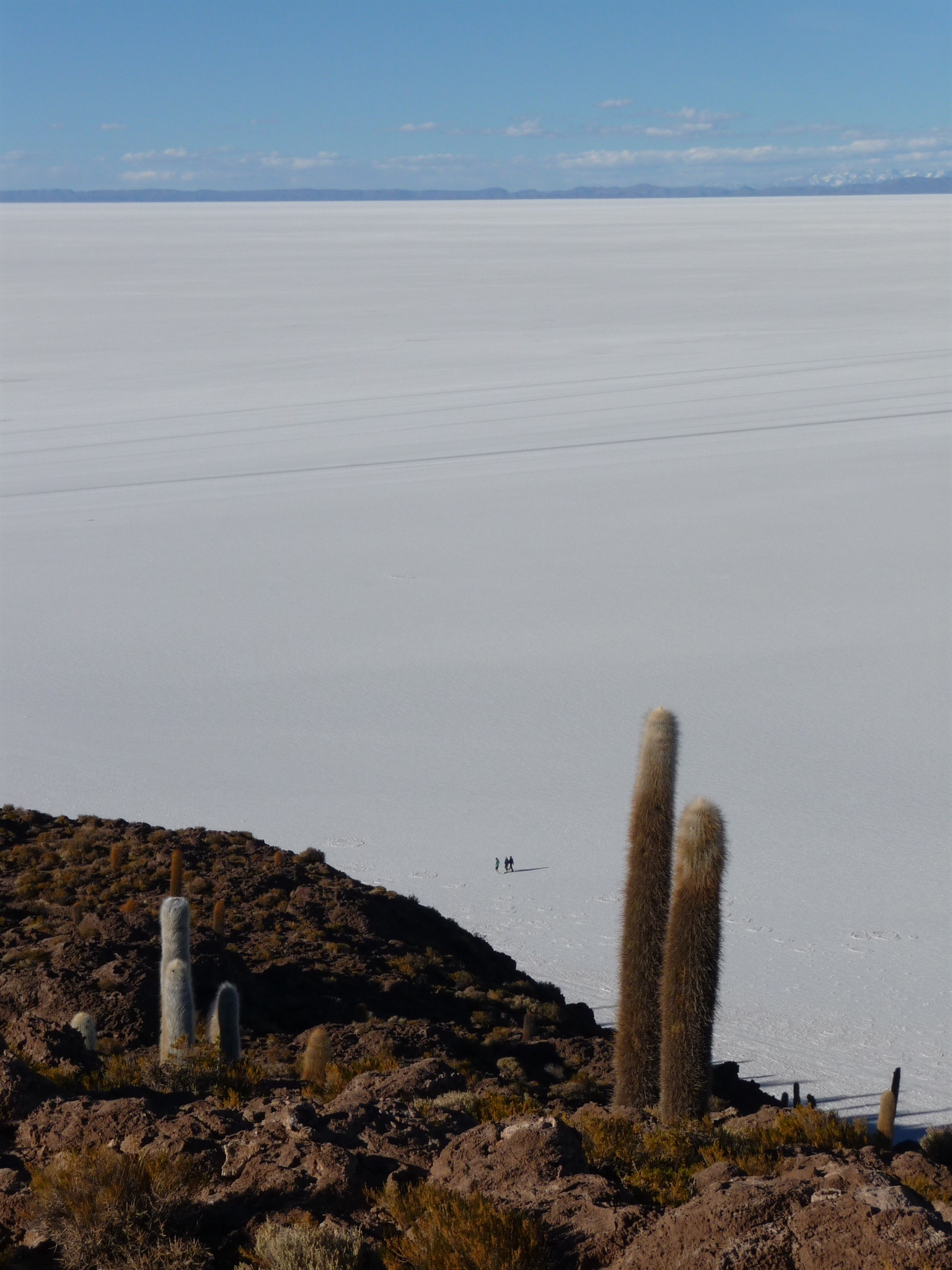
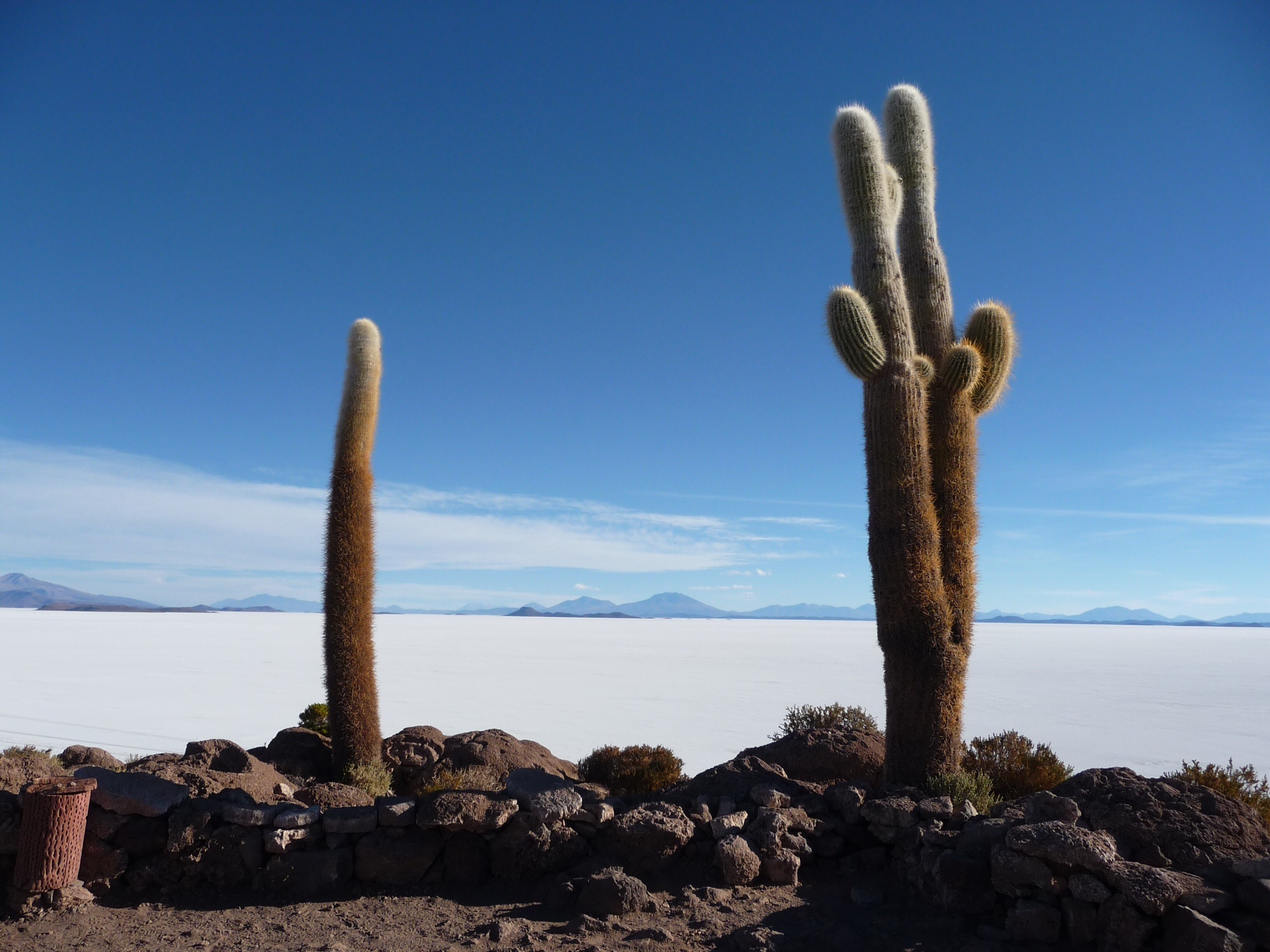
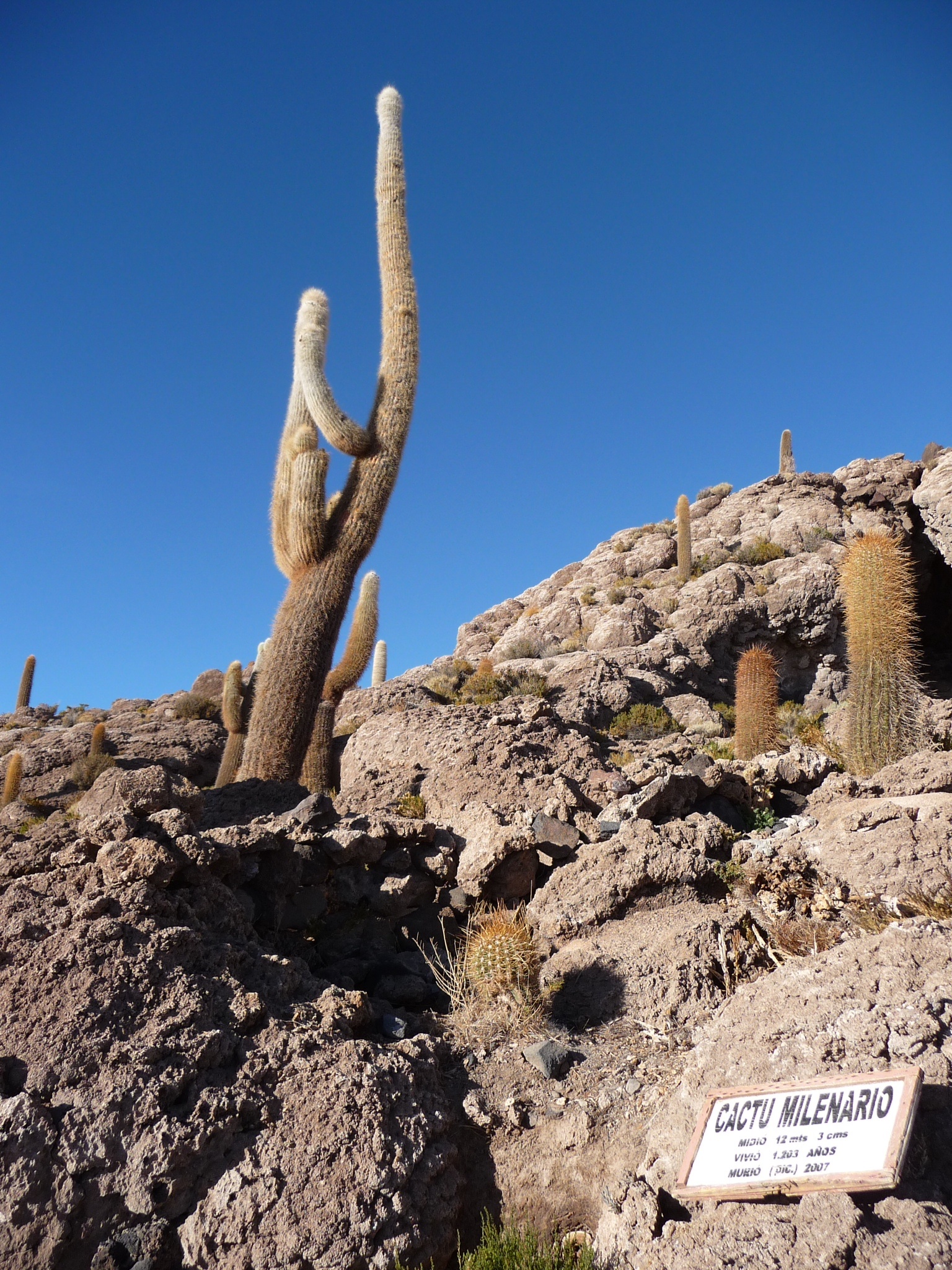
Incahuasi Island was the next stop with its island of cacti. There were some as high as 1200m – they grow a centimetre every year.
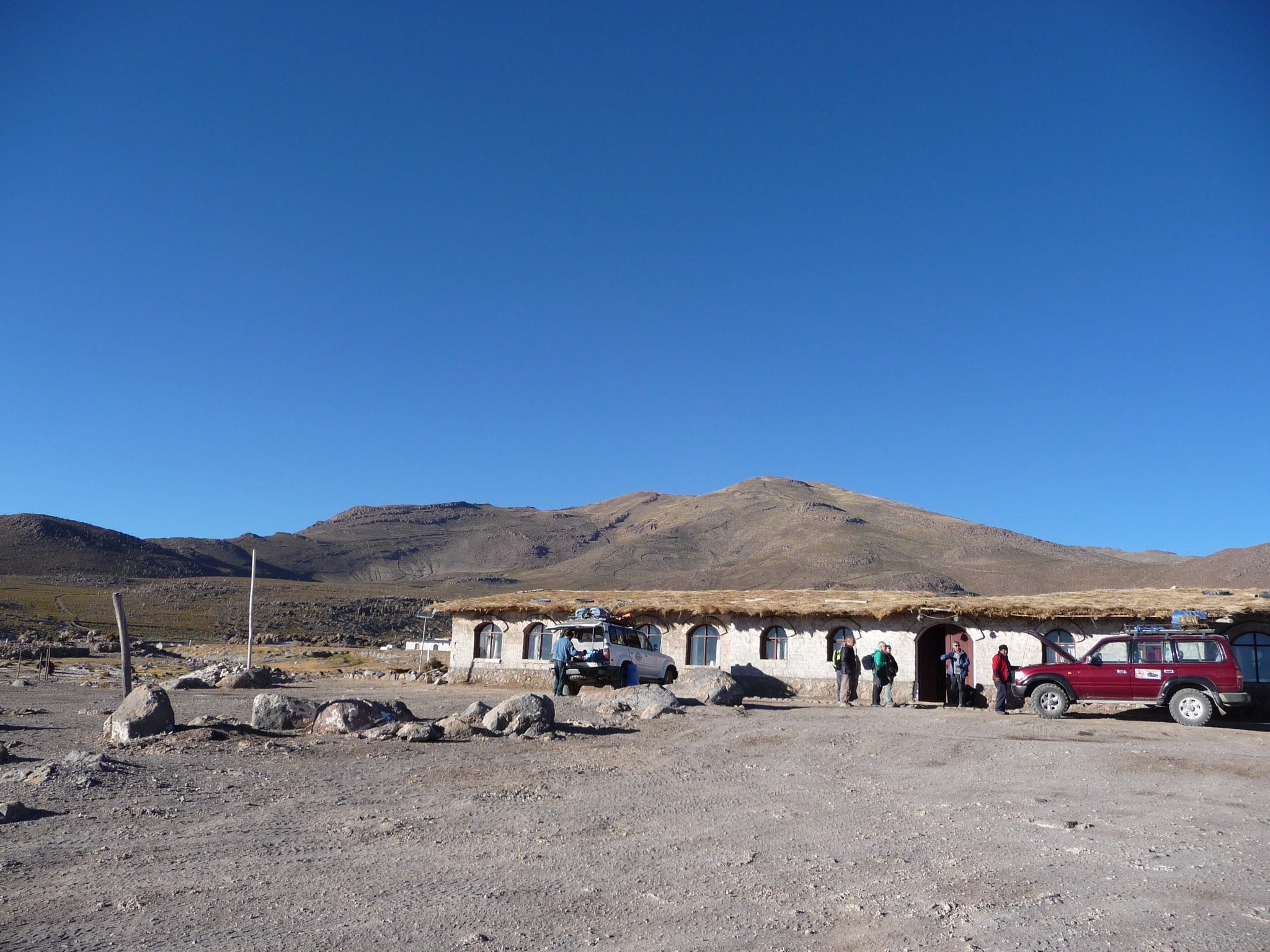
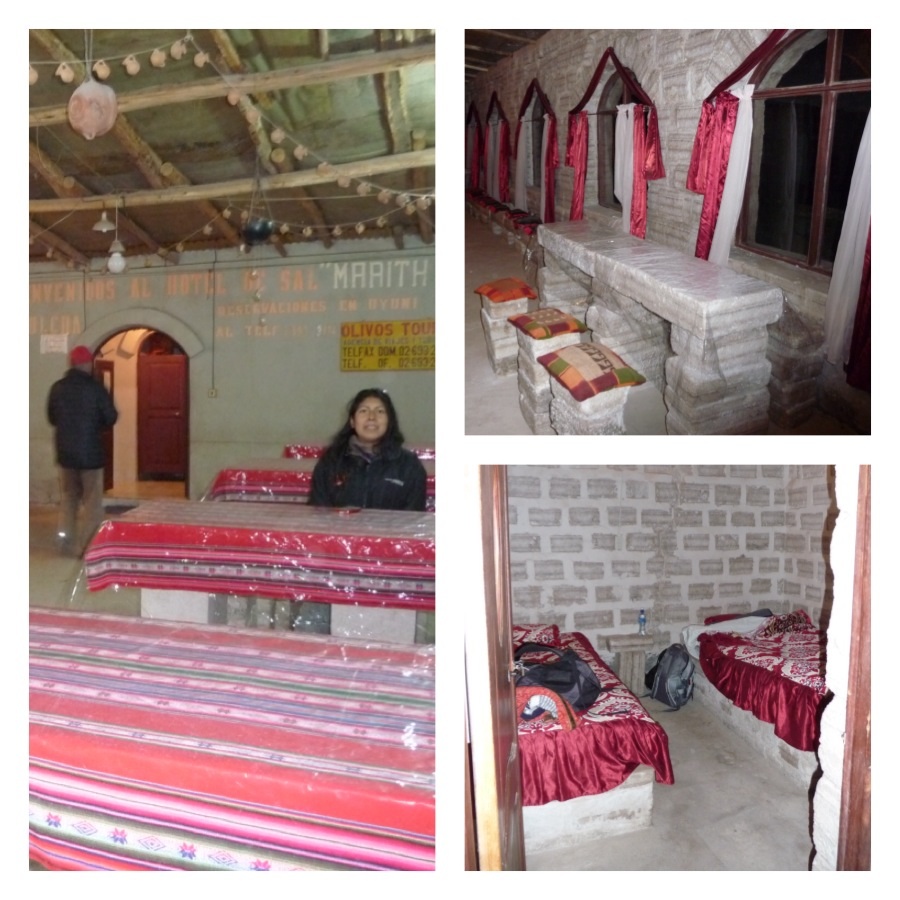
Our hotel for the night was made of salt. It was cold at one degree but thankfully not as cold as the minus 10 we had prepared for – cold enough when there’s no heating.
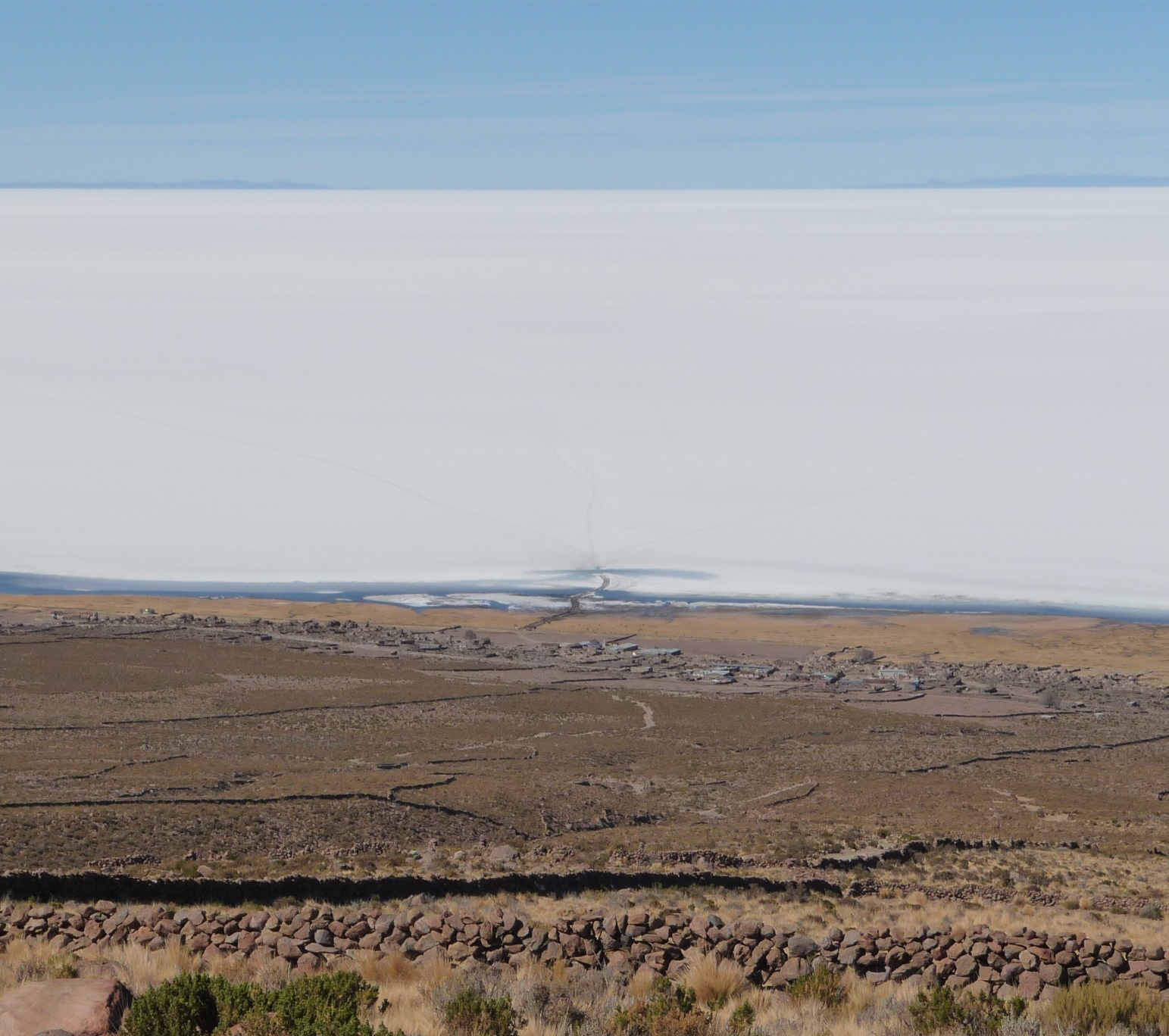
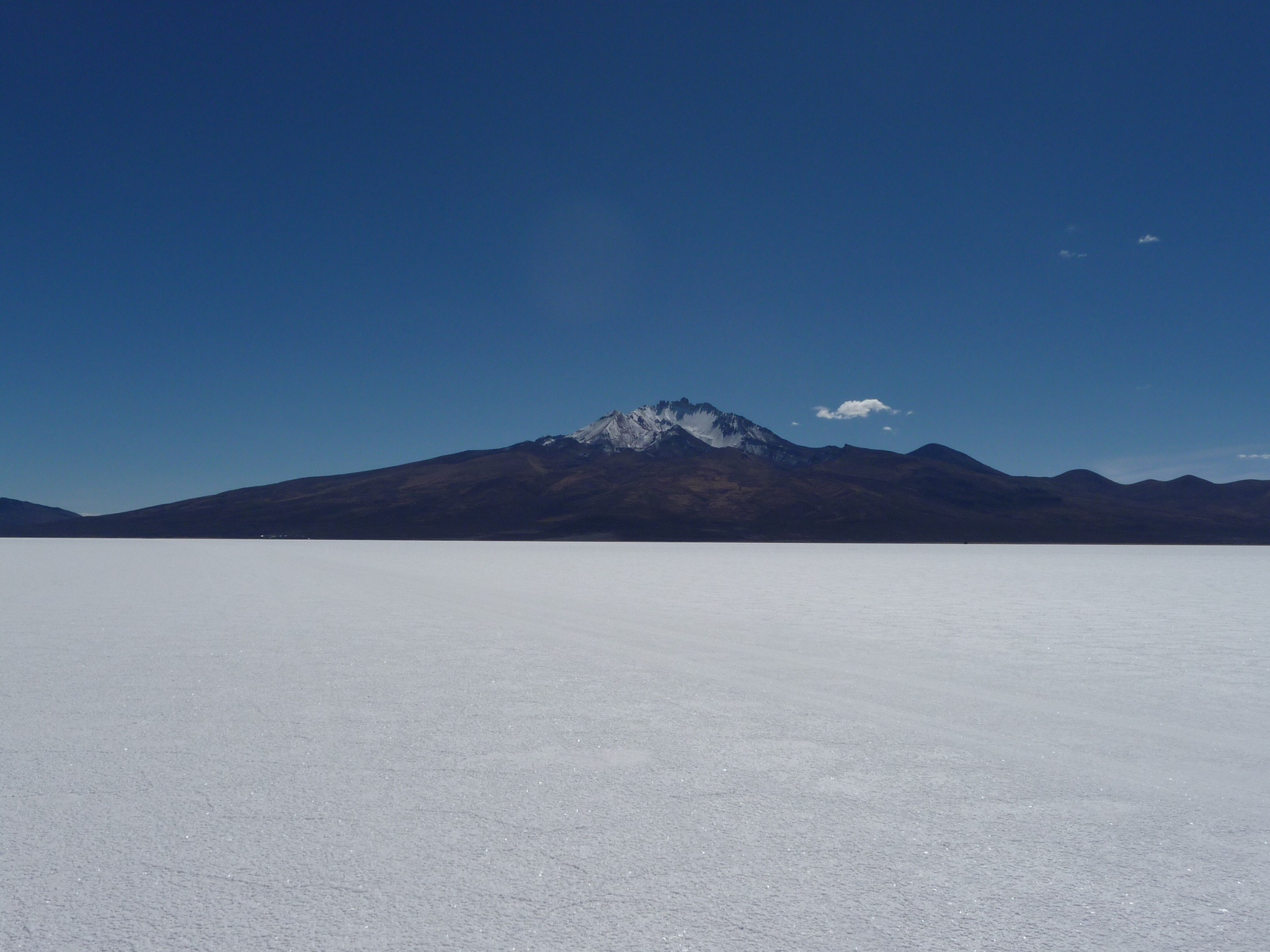
We drove across the salt plains toward Volcan Thunupa.  The vastness of the plains were quite incredible. There are no roads across the plains so our driver was skilfully lining up the rock formations to get to our desired destination – you can get caught on the wrong side of them if you aren’t careful as the salt creates an optical illusion. I was pleased we were travelling in two cars in case there were any mechanical issues.
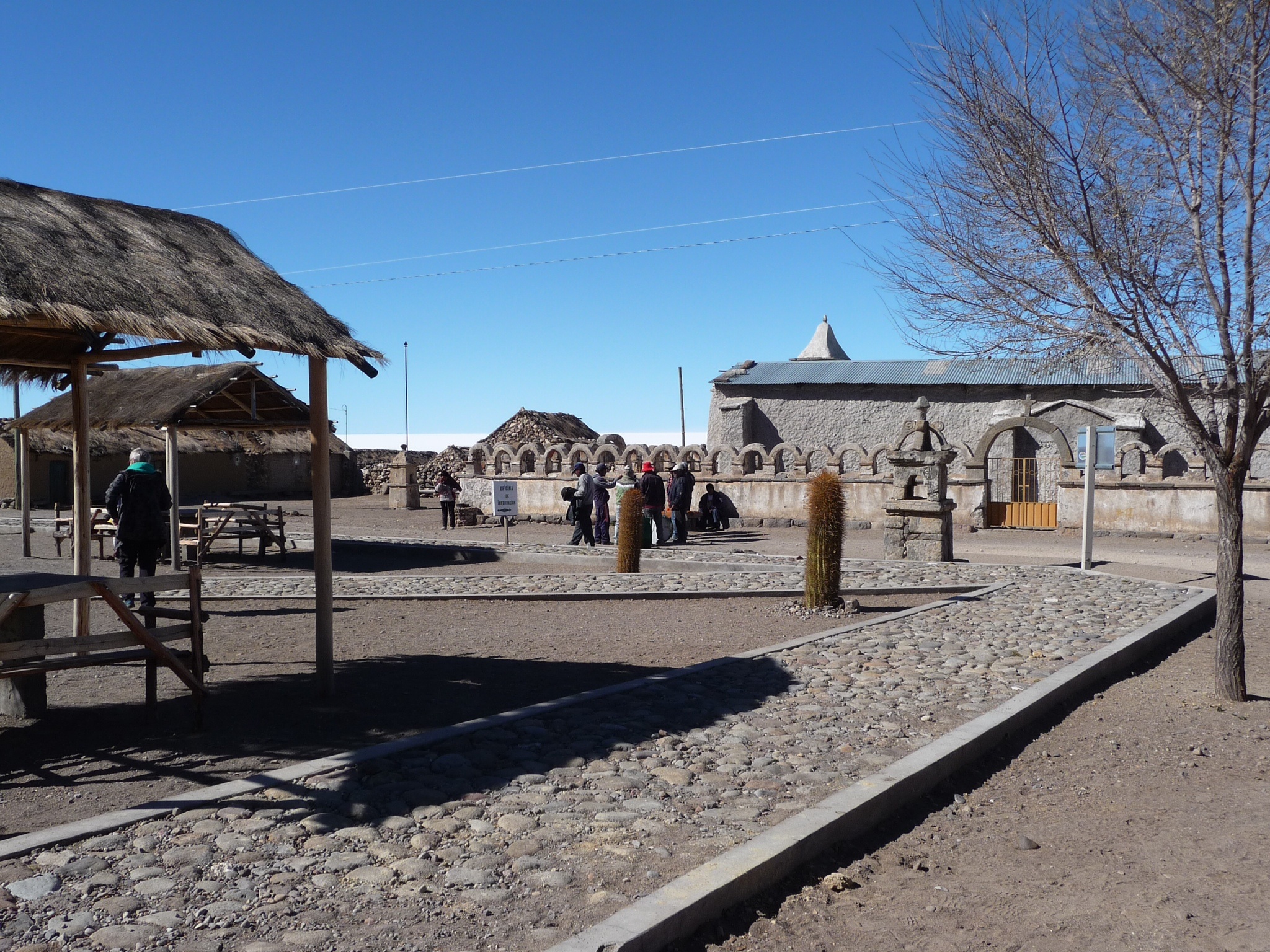
We drove through the little town of Coqueza (25 families), which had been celebrating its annual anniversary (created in 1990) for the last two days – hence they were pretty inebriated.
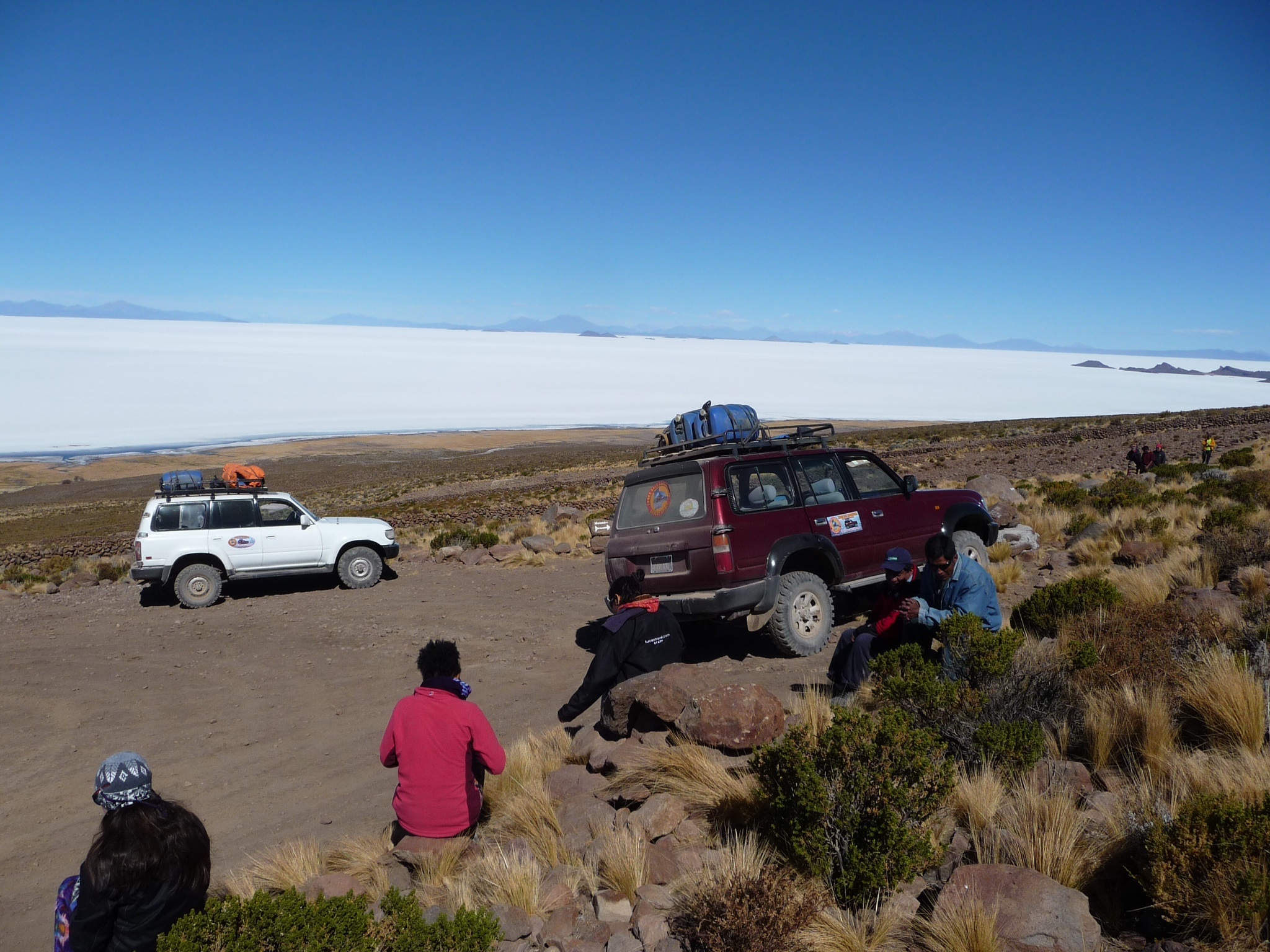
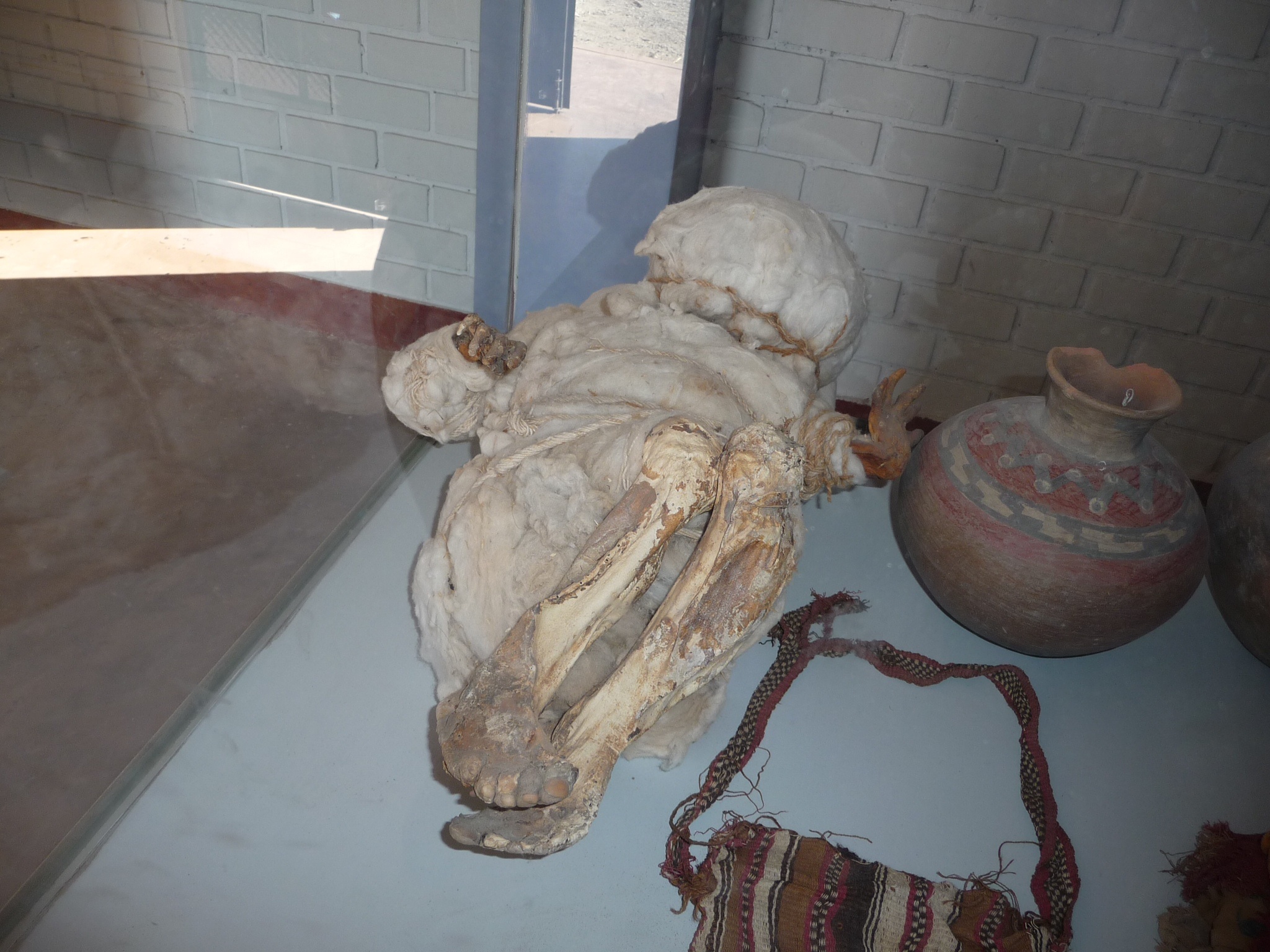
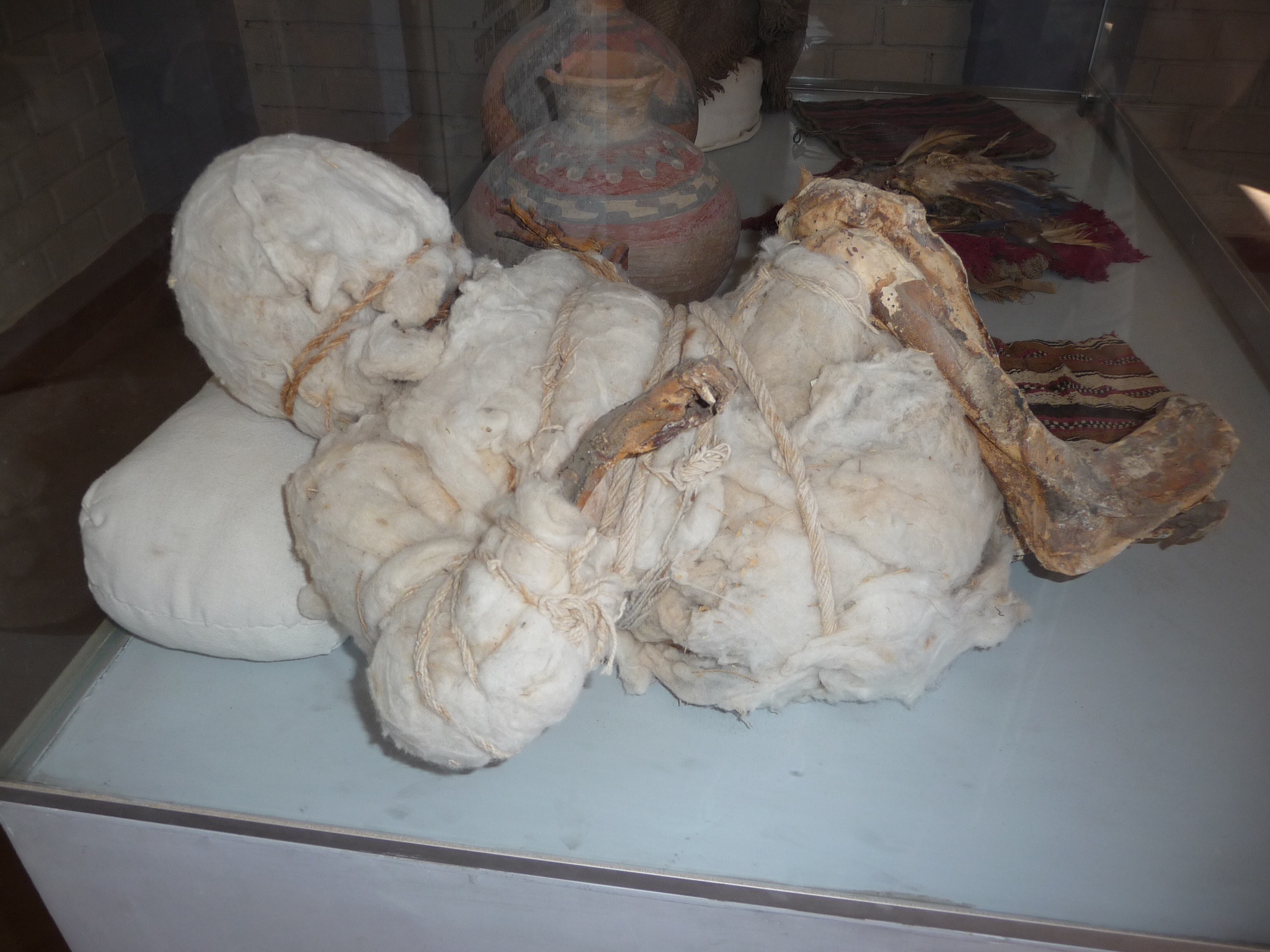
The high viewpoint behind the town was lovely and gave us access to a cave in which the locals had placed mummies that had been found in the area in the last 40 years. I had my doubts they were actually mummies believing they were more likely just bodies well preserved from the cold.
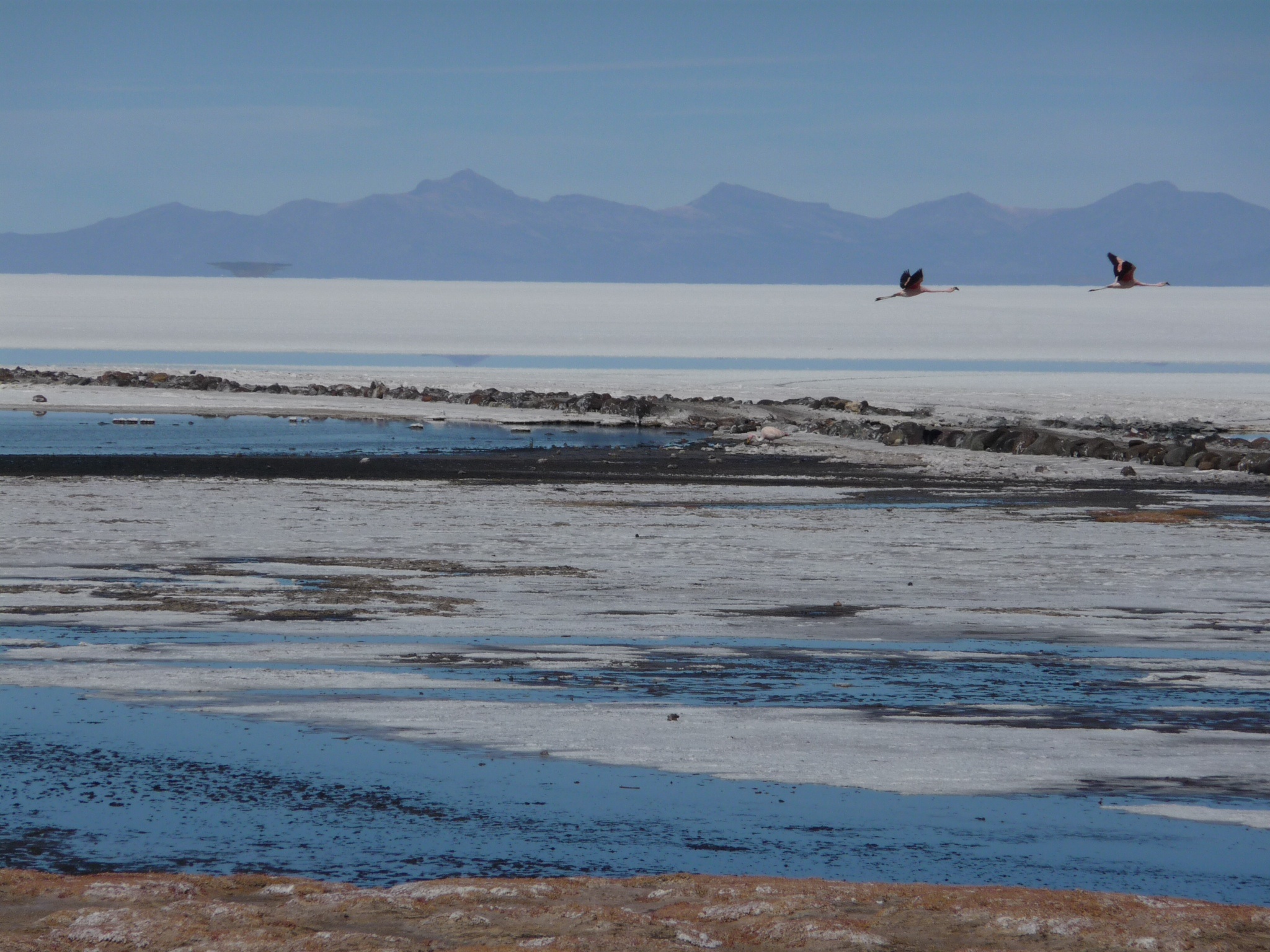
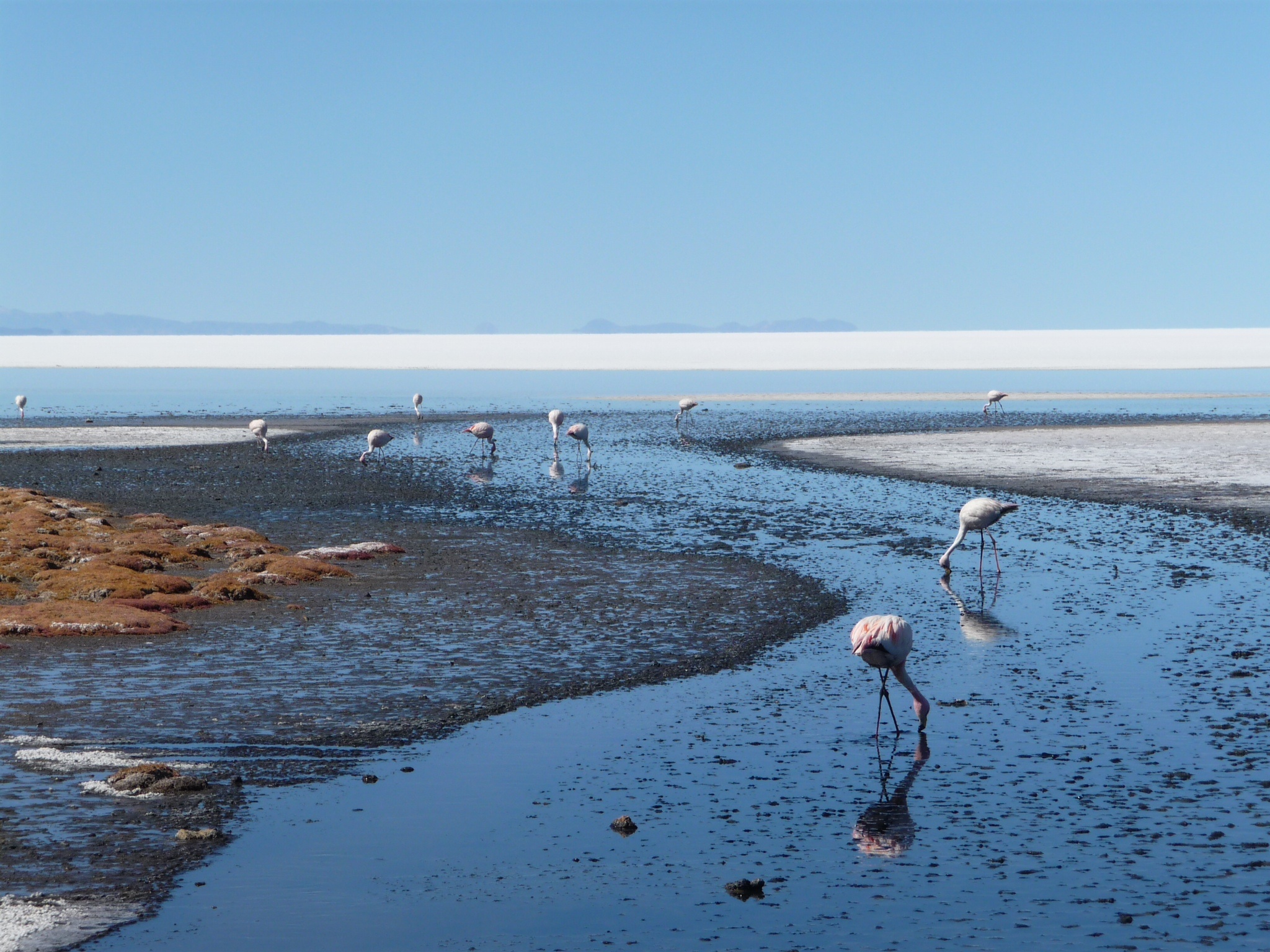
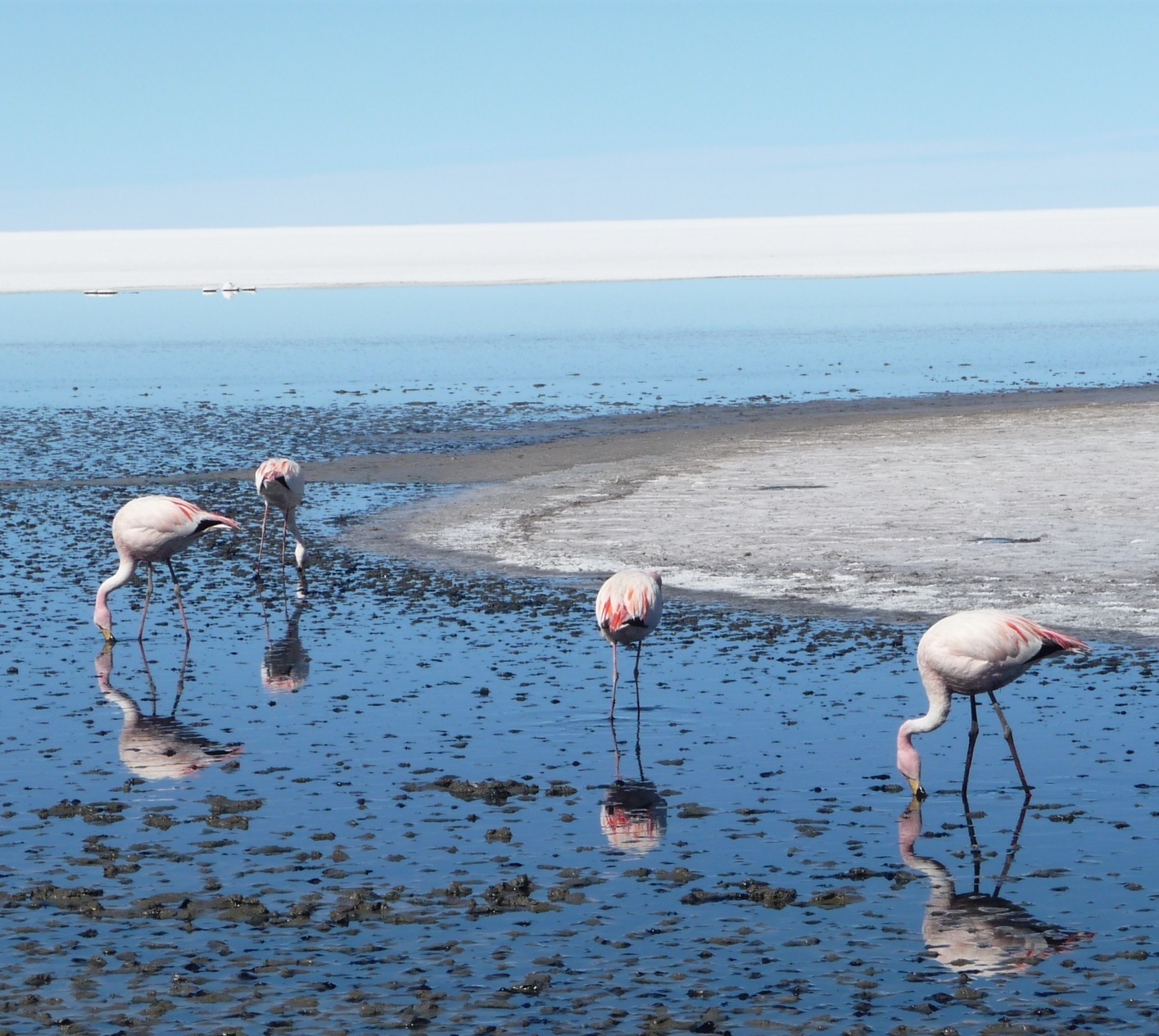
The lunch spot was lovely with us joining flamingoes who were lunching in a shallow lagoon surrounding the village and volcano. It took us another two and a half hours to drive back to Uyuni – spotting black dots in the distance which were other 4WD vehicles on the Salar.
On arrival back into Uyuni we heard crackers going off. On enquiries we found out they were from the families of people who were awaiting advice on their sentence for criminal convictions.  It appears they have a judicial system based on a reverse onus of proof and the non-appealable decisions are made by the authorities rather than any judicial member. Good place not to live!
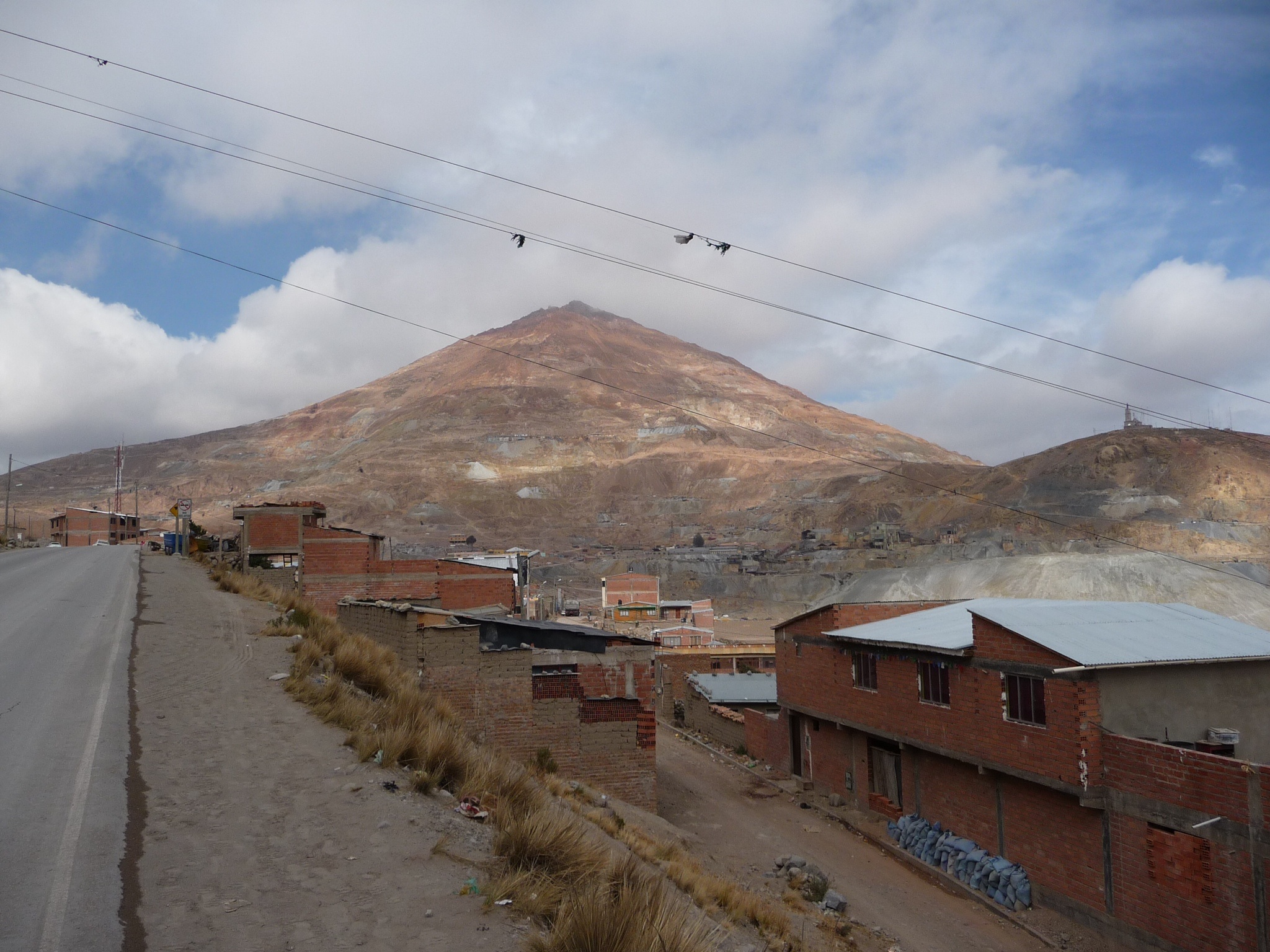
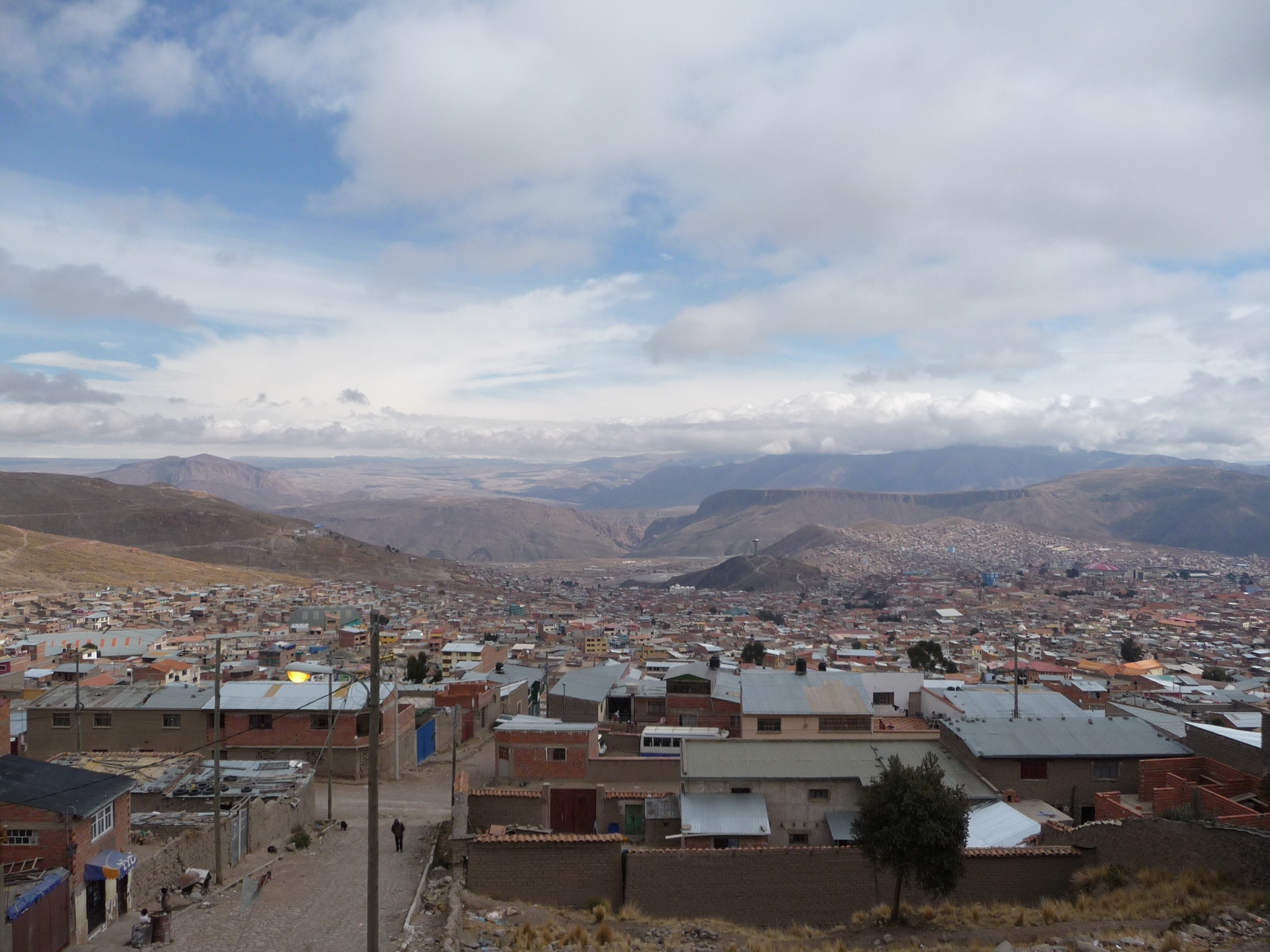
The bus trip to Potosi the following morning had us passing very arid land. I’ll remember Potosi for its diesel fumes – not what you want when your breathing is already challenged at 4060m.  The town is pretty hilly with Cerro Rico dominating the landscape reminding all of the surrounding mines.
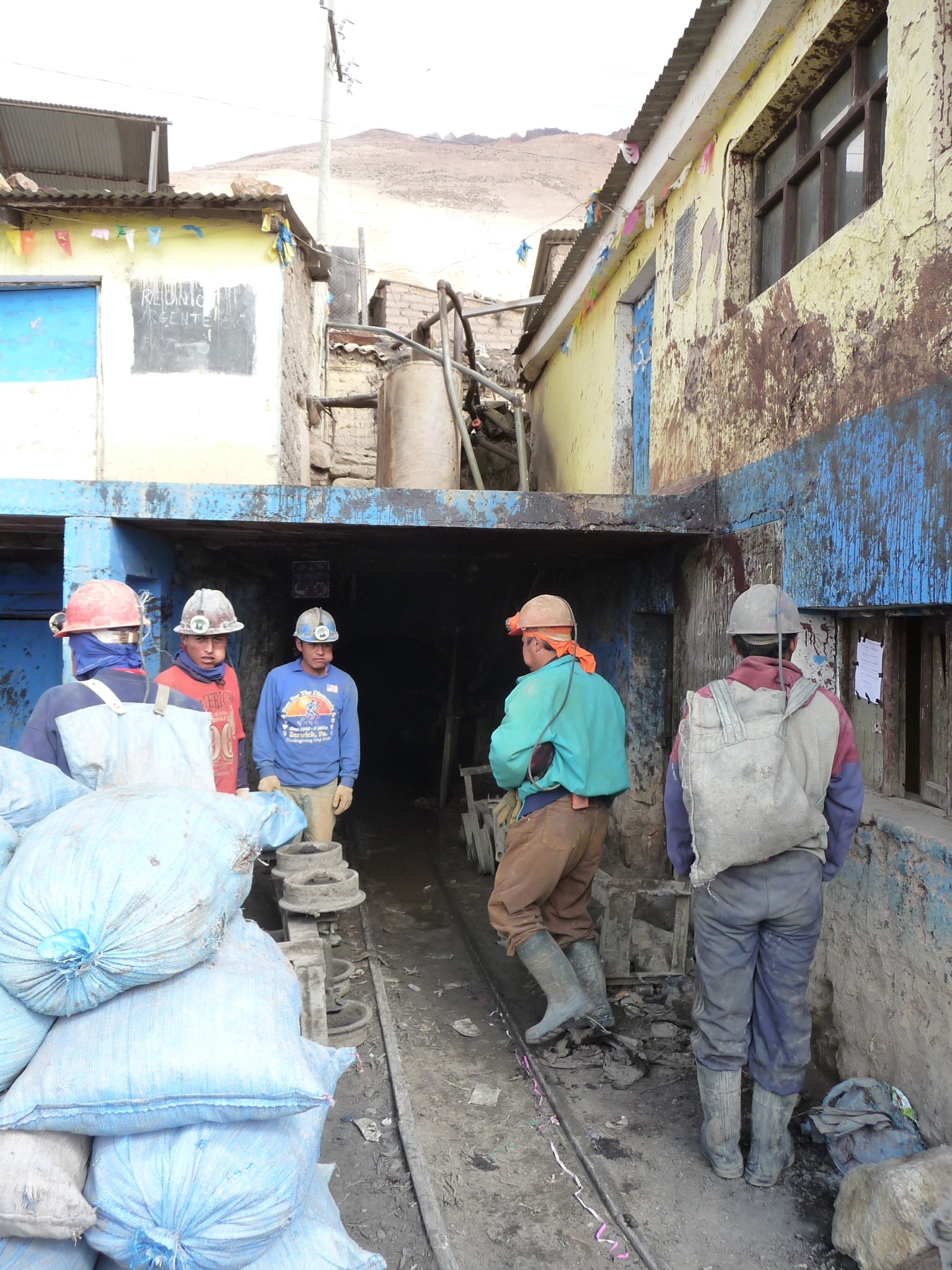
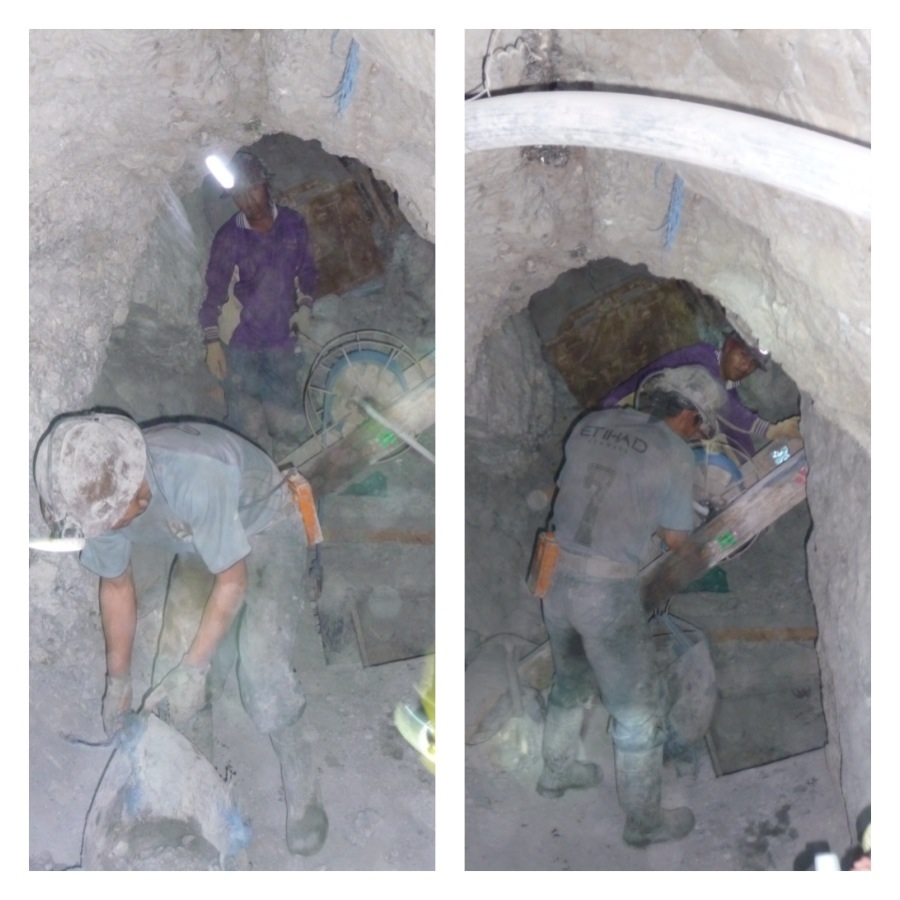
Potosi is a town of miners (16 thousand of them).  We got to see them first hand with a tour through a mine that has a total workforce of 500. Most mines are now run as cooperatives with the workers as a means of reducing the exploitation of the workers.
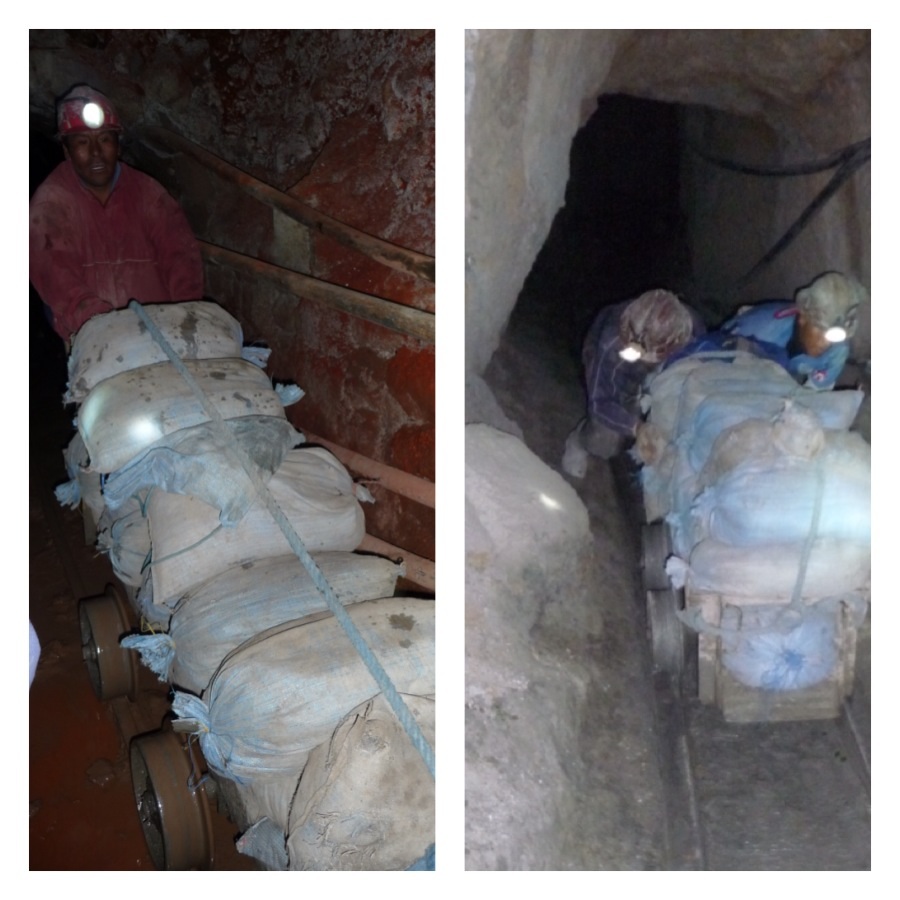
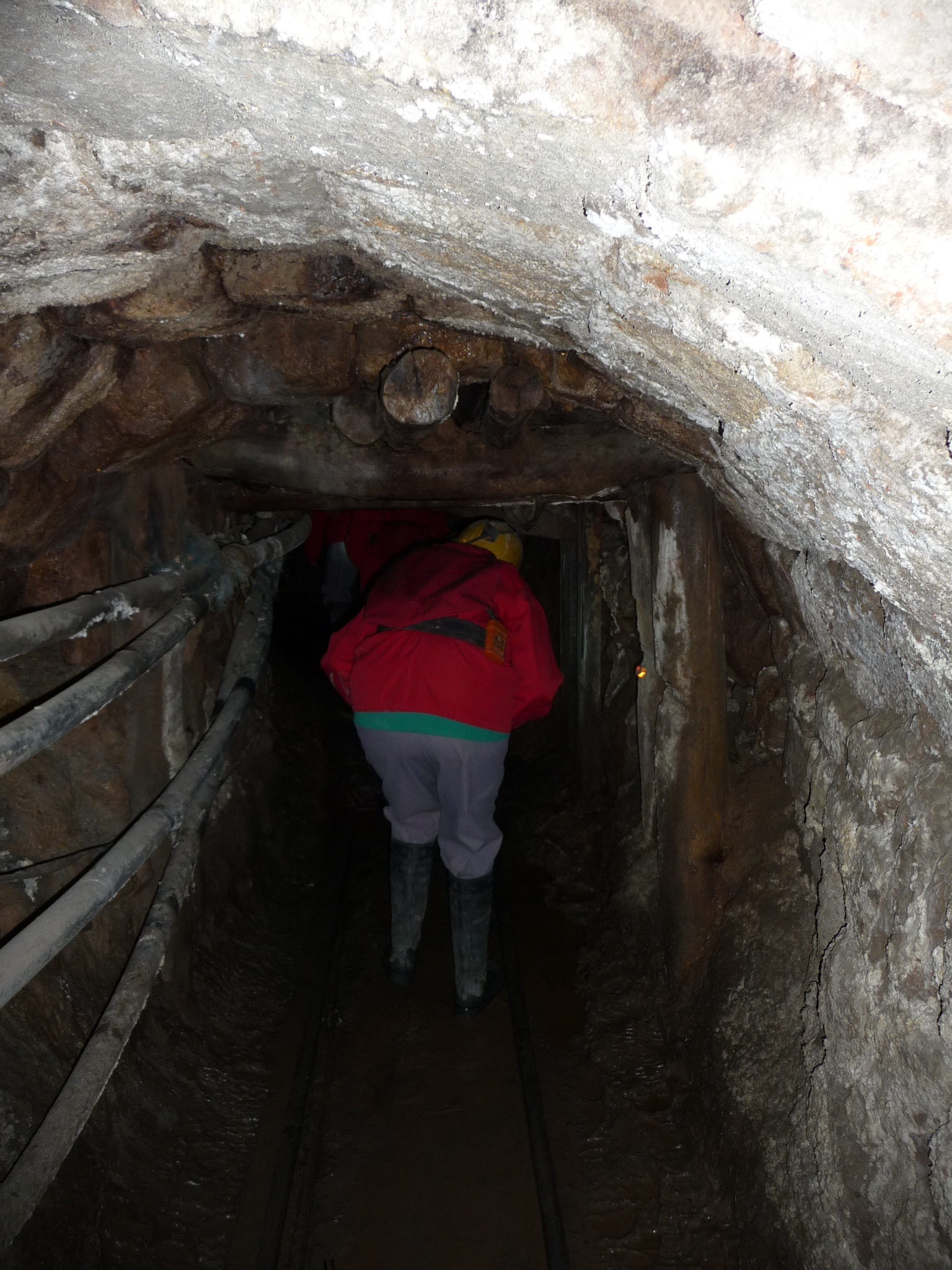
Bang, bang, bang – that’s the sound of my hardhat hitting the headers in the tunnels. The conditions were atrocious with the miners surviving on coca leaves to suppress their appetite and to help them manage fatigue caused at altitude. They also had a theory that chewing it helped filter dust they were forced to breathe – ludicrous. Everything was done manually from hauling up rocks by winches to pushing trolleys full of rocks.
I didn’t feel safe in the mine tunnels – light only from the torches on our hard hats, timber headers busted in more places than I like to think about and the sound of leaks from the drills’ compressed air lines all along the tunnels.  We passed a vigil to the god Tio; meant to keep away the evil underground spirits and help them strike silver and get through the day.
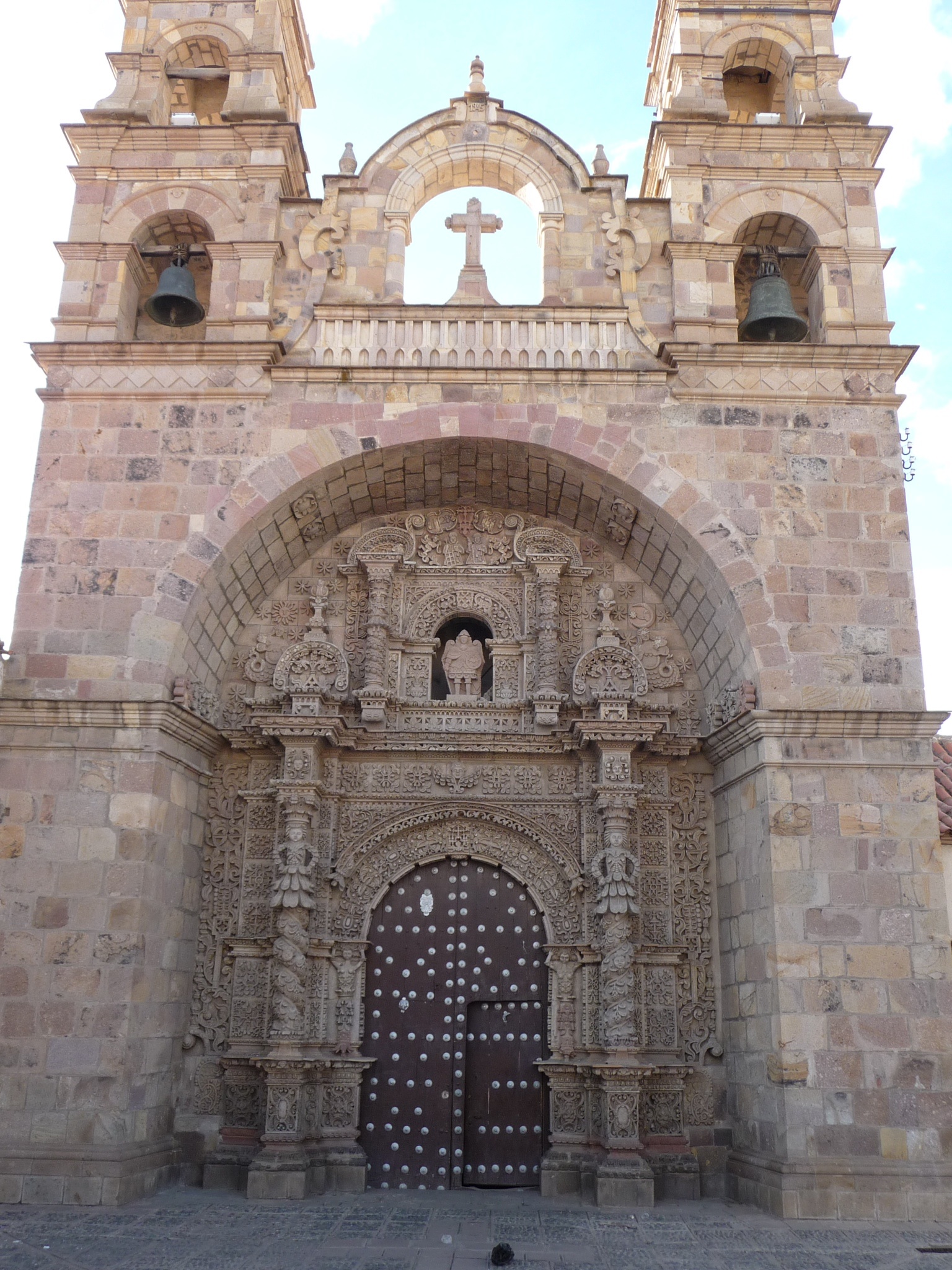
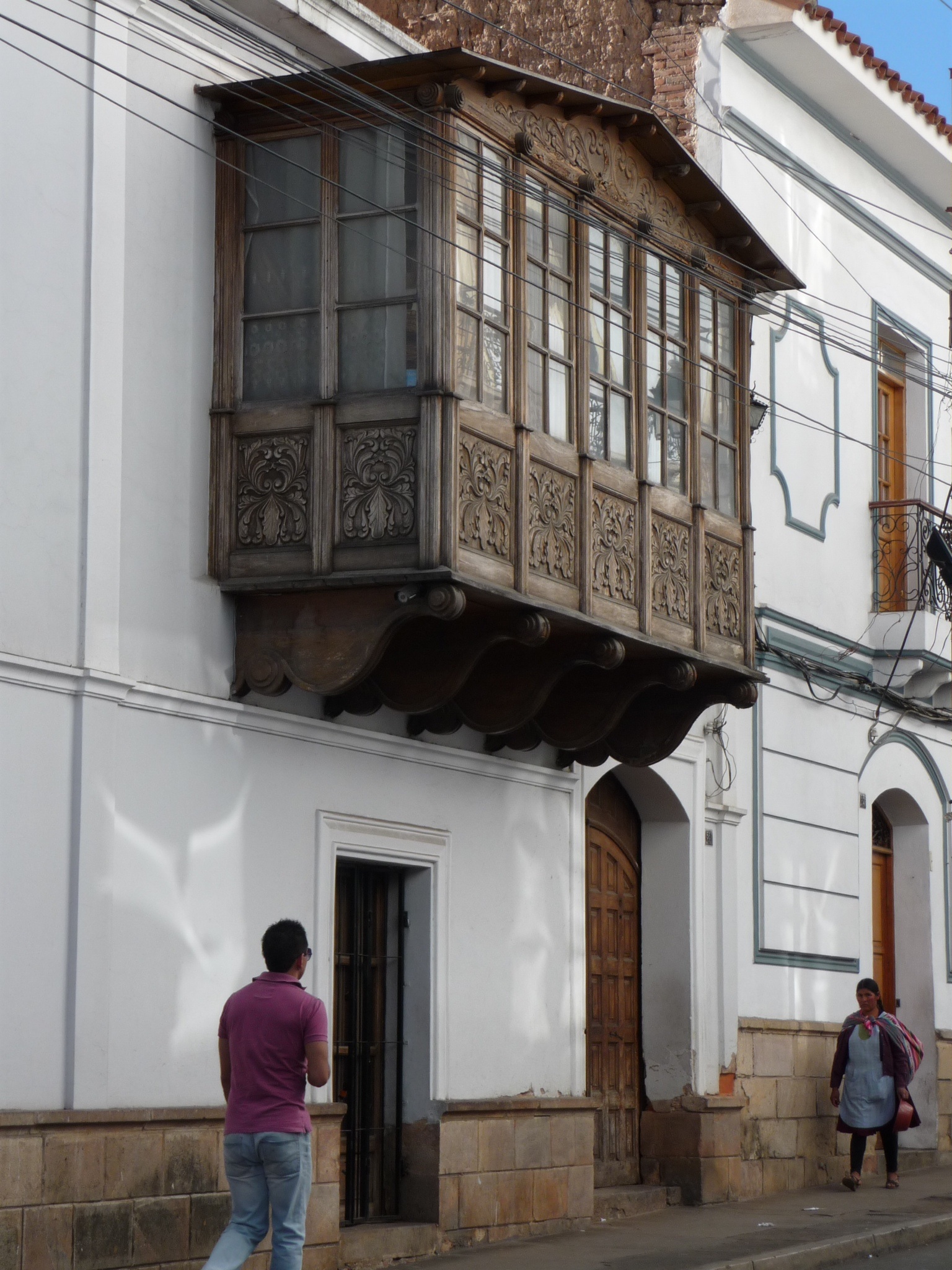
The buildings of Potosi were quite lovely (a great contrast to the mines) –  highlighting the wealth of this town at the time of the Spanish colonists; on the back of the natives and african slaves!  Carved stone was present on public, religious and private homes. A lot of the properties had changed from public buildings (hospitals, etc) to private homes and then back to public buildings over time.
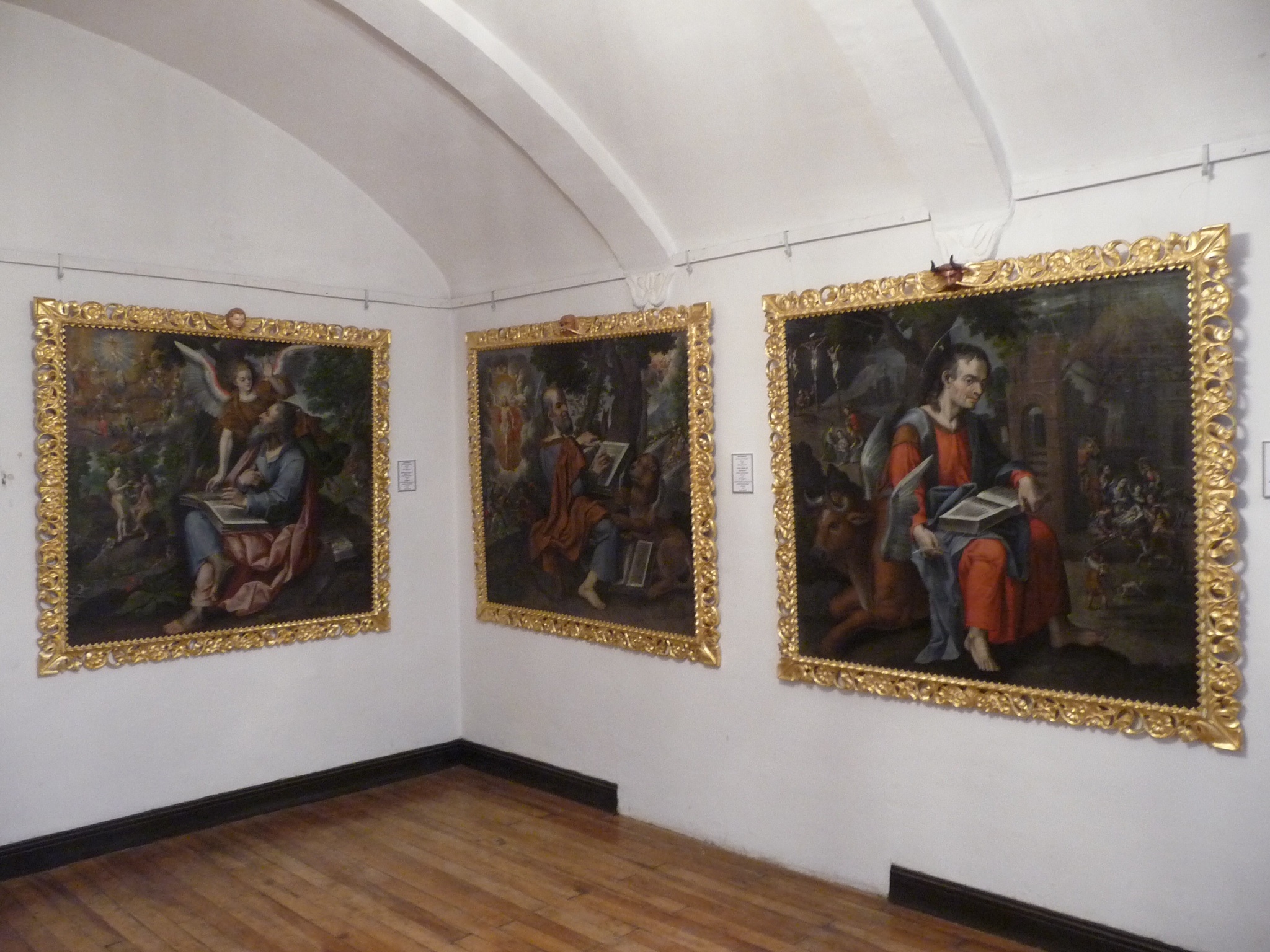
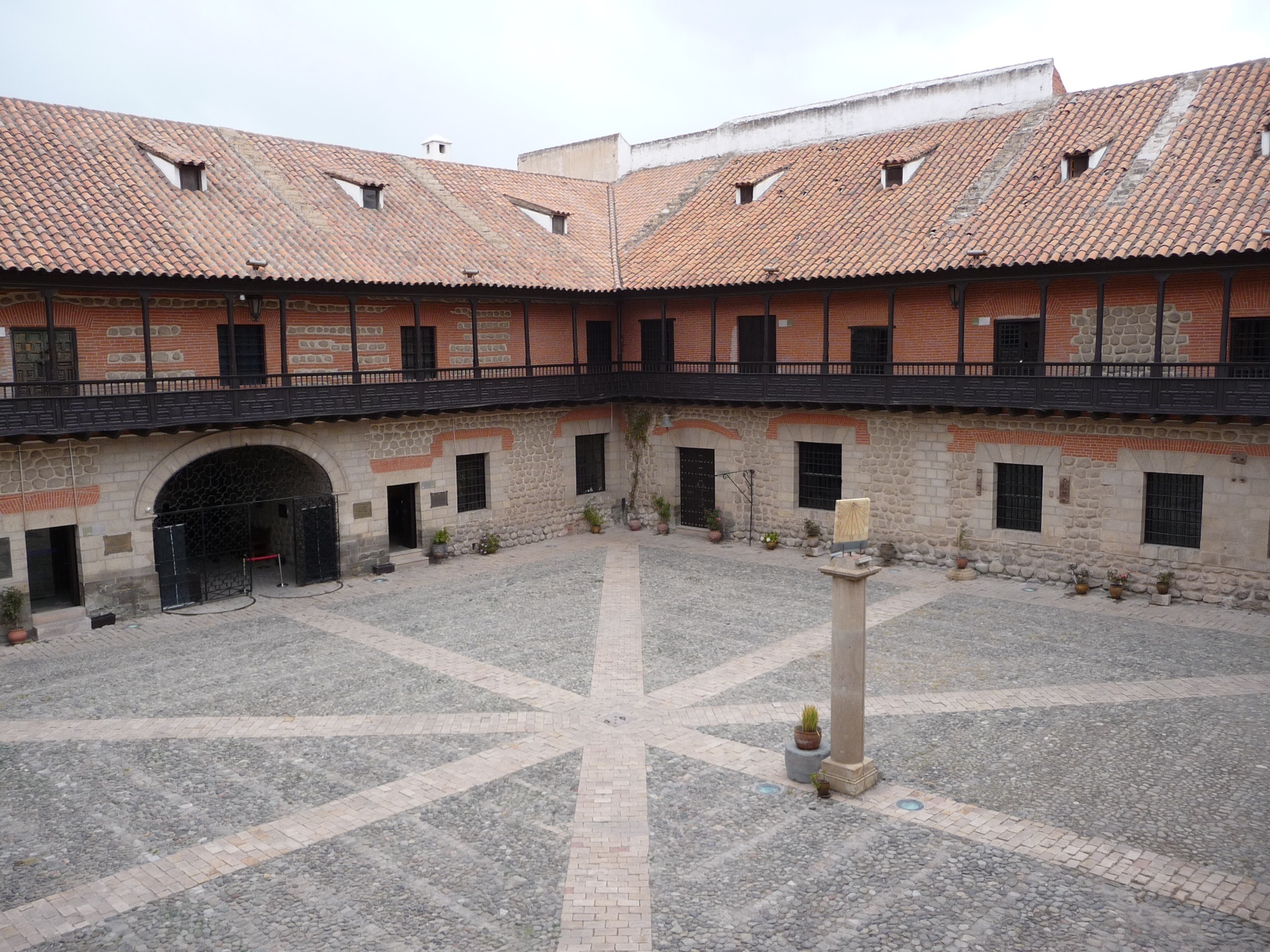
I headed along to check out the largest building from colonial times, which was the Casa de Modena – the mint.  Potosi was very cold, still being very high, but thankfully the guidebook had warned me that the mint gets extremely cold so I was dressed for the occasion.  Our tour guide was great, showing us through the lovely collection of art (donated by citizens when the museum opened) including some of the local artists such as Melchor Peréz Holguín. I particularly liked the painting of the virgin mary in the shape of Cerro Rico with a range of adornments blending the former native beliefs with Catholicism – the Spanish were masterful in their marketing of Catholicism to people with such deep seated alternative religions.
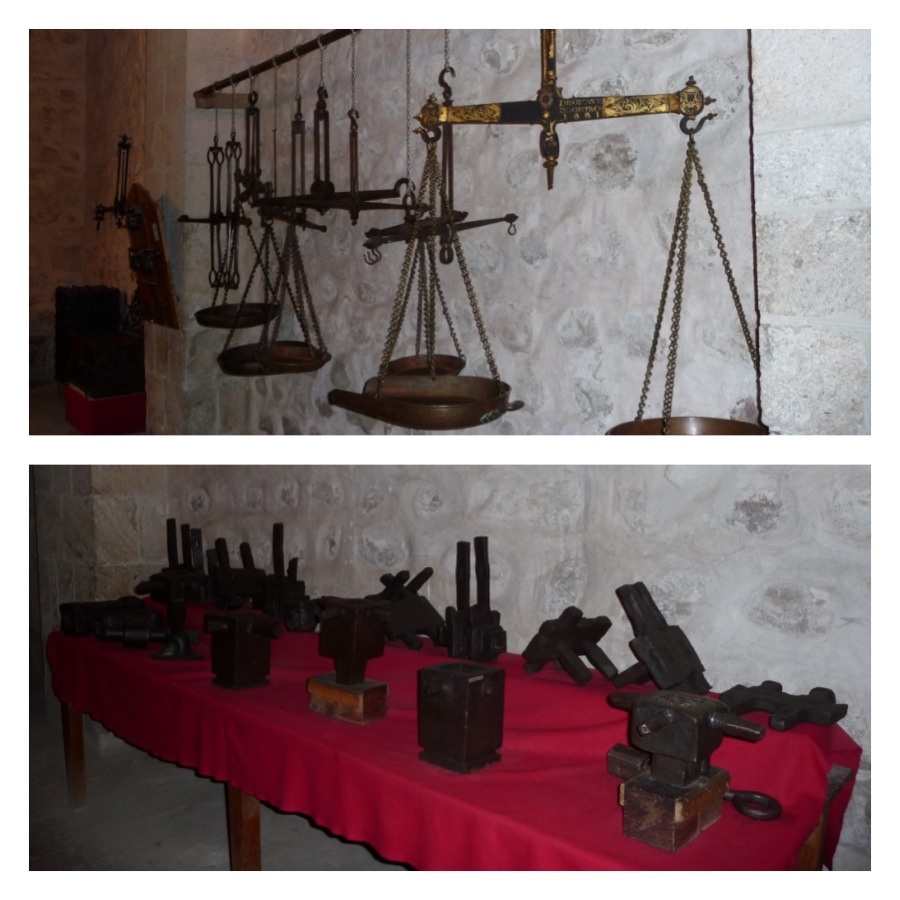
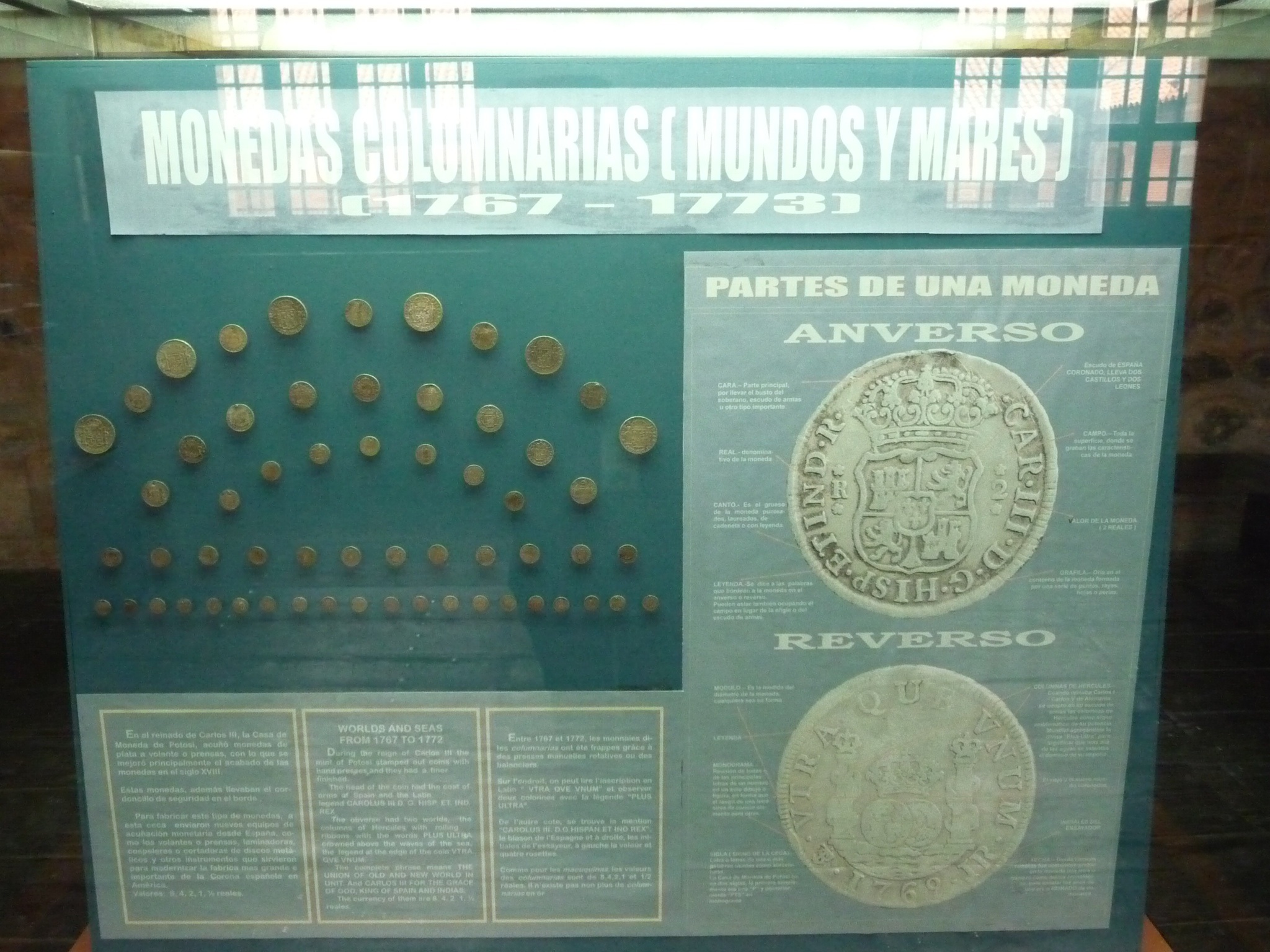
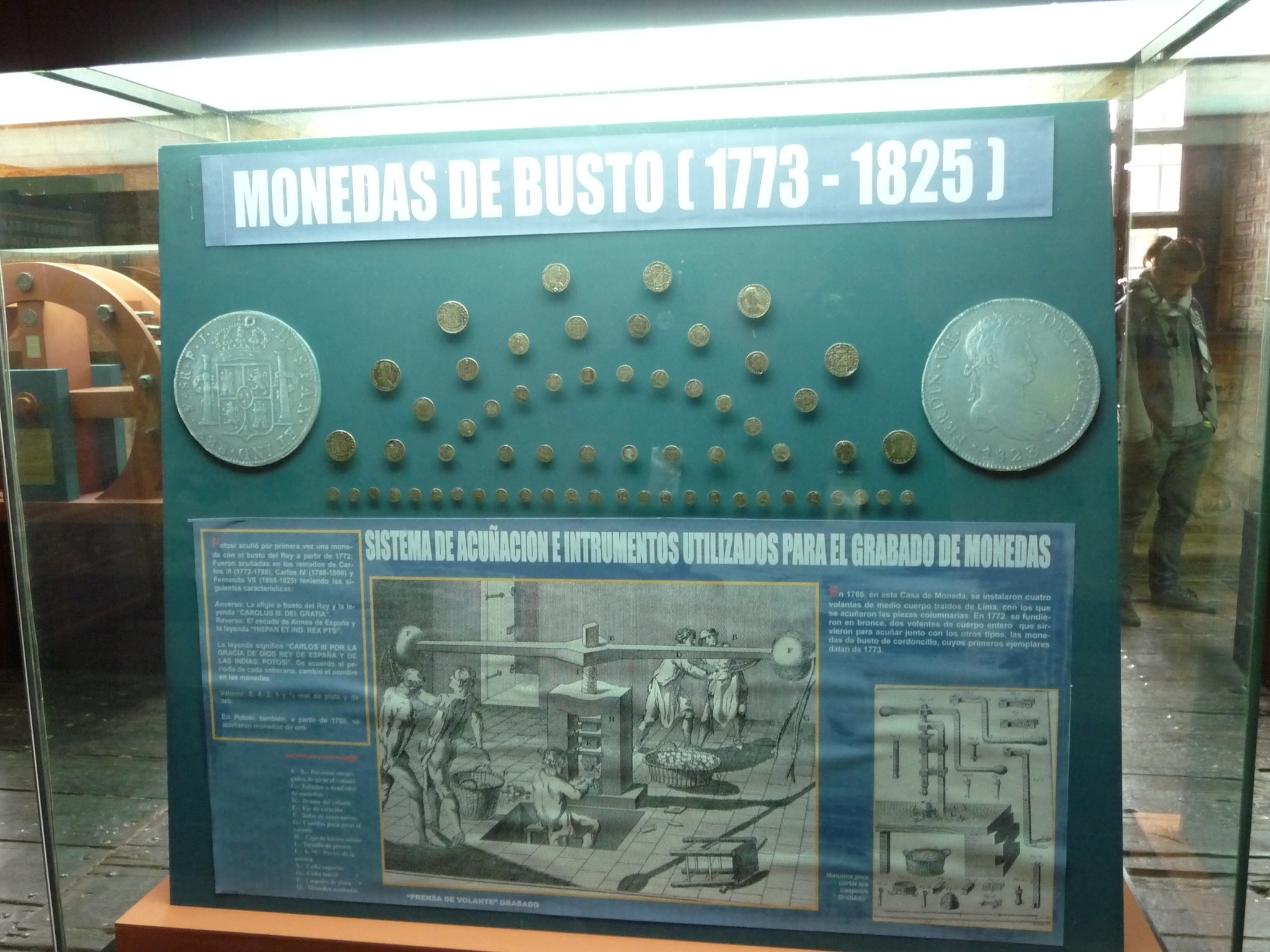
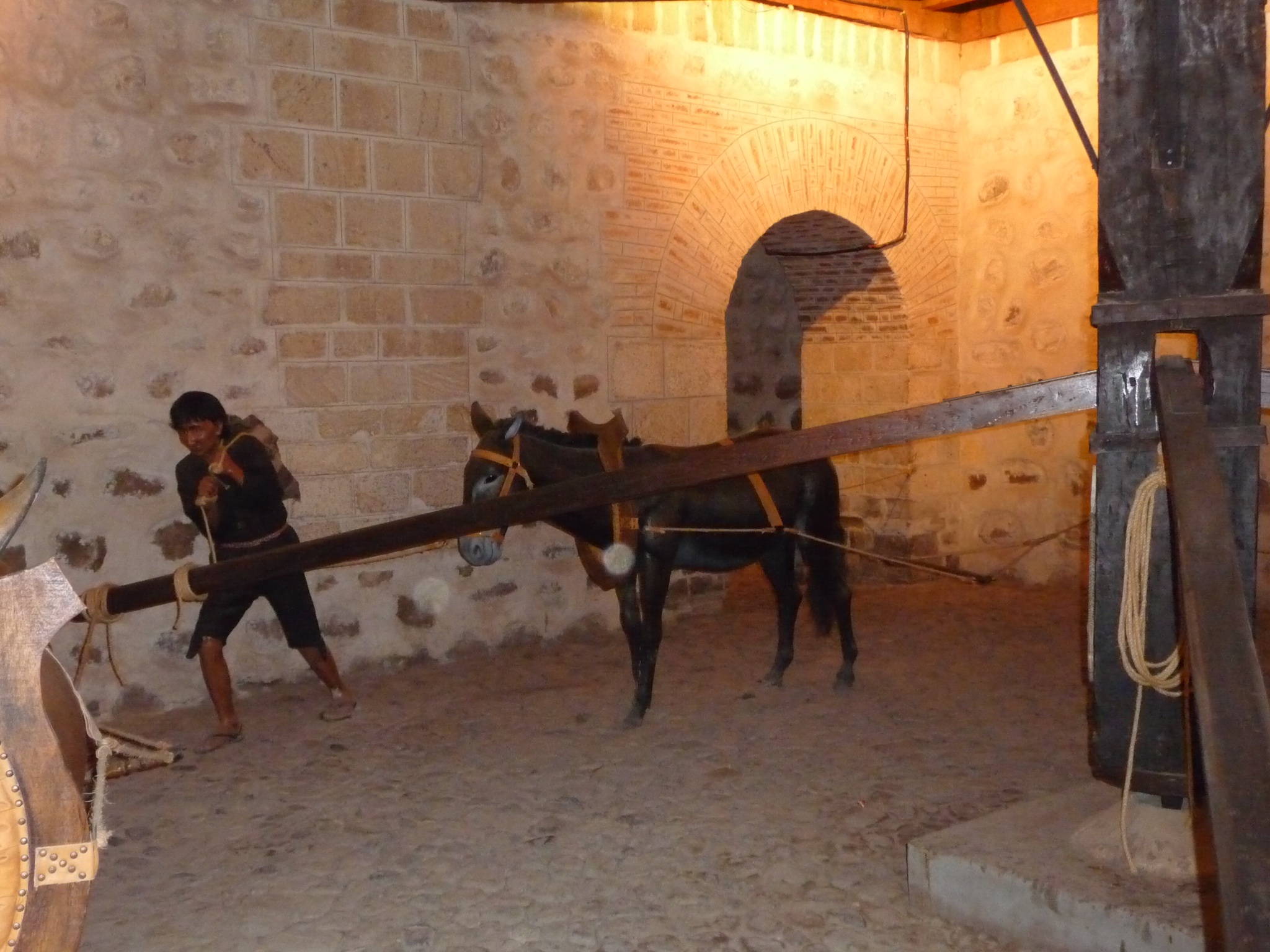
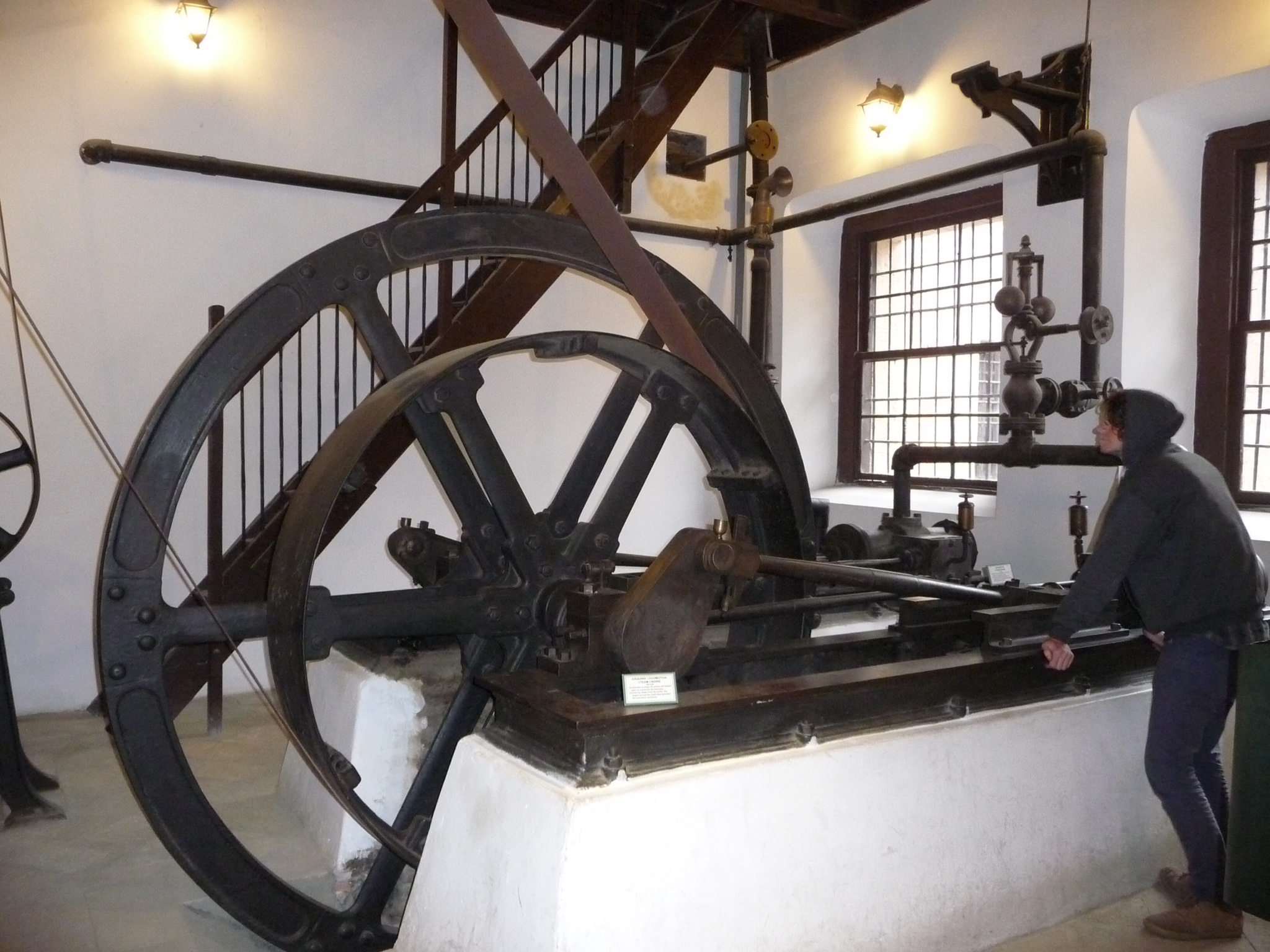
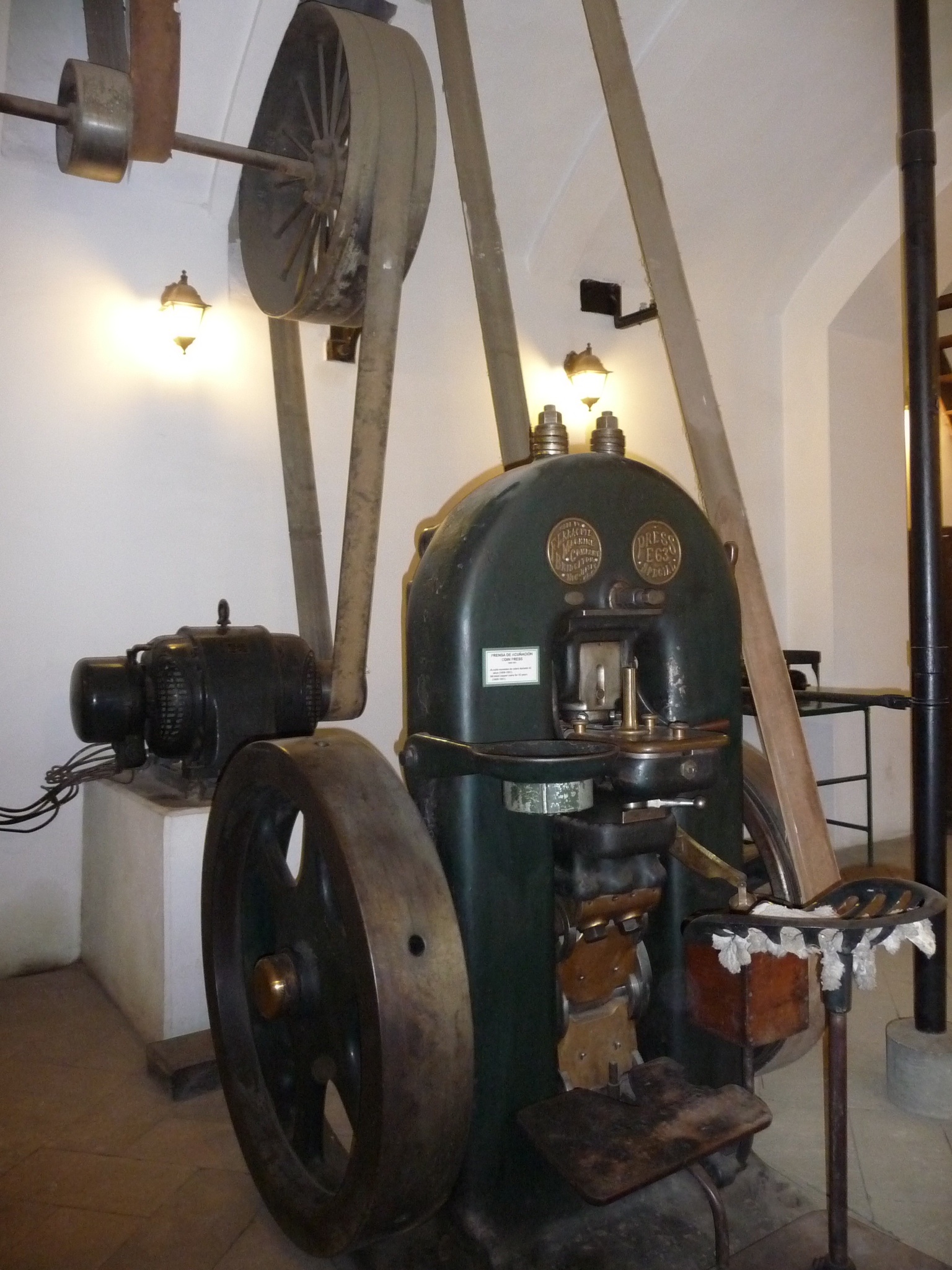
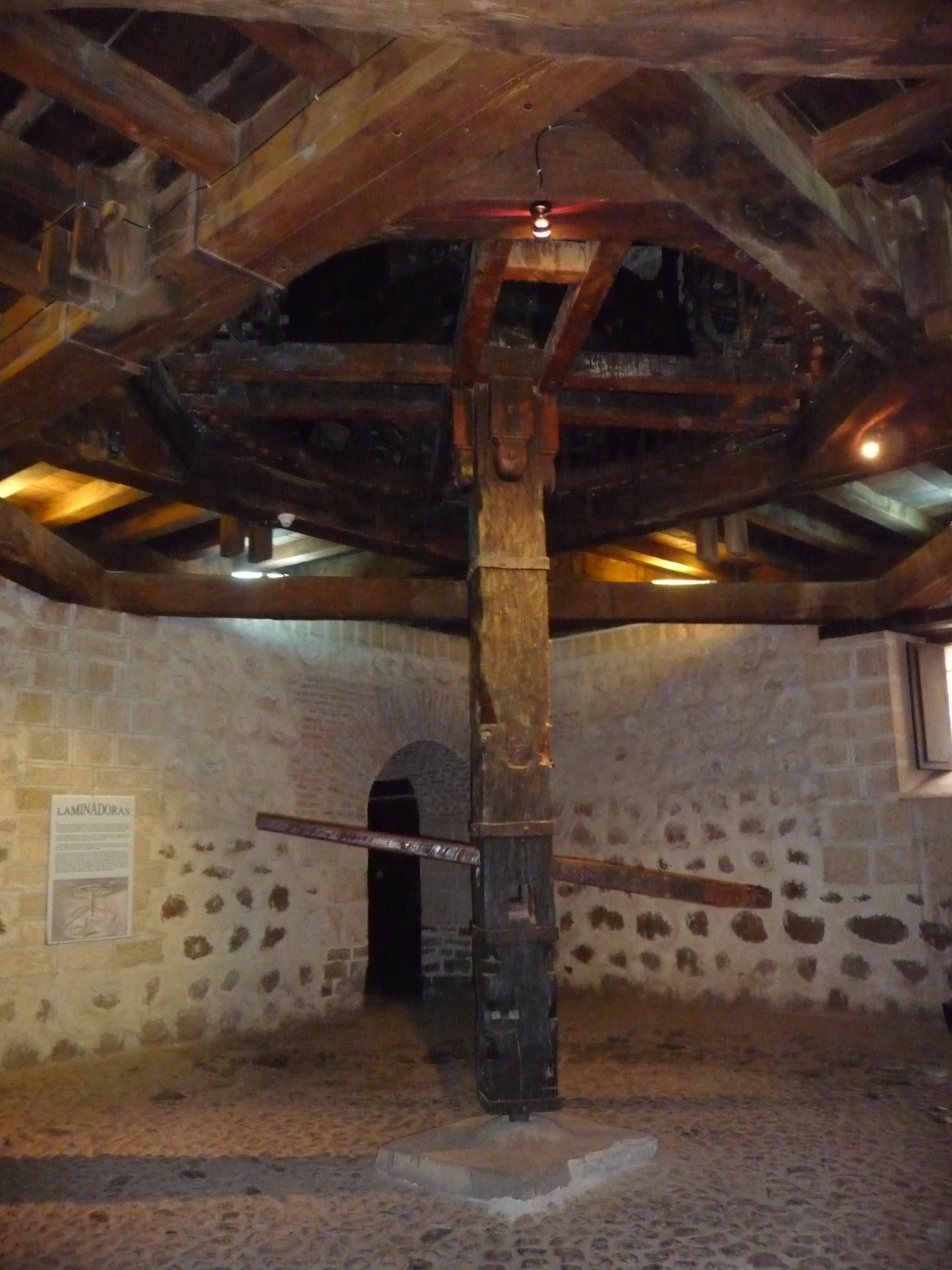
Of course the coin collection was a bit of a feature with them having minted their coins until early 1900s when nickel became the preferred metal for coins. It is quite ironic that after supplying mint around the world for 450 years (for the Spanish) Bolivia now obtains its currency from other countries!  The Potosi symbol used on its currency (like a maker’s mark) is still used today on some US currency. It was interesting to see the transition used for the production – went from mule driven silver rolling machines to steam driven machines to finally electric machines. A number of the machines had been designed by Leonardo de Vinci. The building itself is quite a work of art – beautiful block and rustic stone walls with a number of alleys and courtyards.
First time I had actually thought it would be good to be home; I was in a cold and miserable city. A call from my congregated family that night certainly lifted my spirits. I was up and ready for more adventures.
The next day we were on a promise – Sucre (constitutional capital of Bolivia) – lower ground and warmer!  The bus trip had its usual surprises, this time a busker!  It just won’t be the same catching a bus at home and not having vendors walk the aisles of the bus selling anything from roast chicken, boiled eggs, plantain chips and ice creams to drinks sold in packages that resemble condoms!
The trip was reminiscent of home as we passed hills dotted with gum trees – Australia has certainly left its mark on South America.
I had another “must be time for a trip to the hairdresser” experience, this time at the Sucre post office.  The guy at the post office was obviously a bit bored when I arrived in with my package – he invited me around to his side of the counter to sort it out for me. We then proceeded to get things underway with his very limited English and my very limited Spanish.  He asked me to wait while he went to photocopy my passport. At that moment a stream of customers chose to rock up to ‘my glass faced counter’ asking for various services. The first lot (Spanish speaking) were a little confused when I let them know in Spanish that I couldn’t understand them.  The second lot were Scandinavian and were quite amused when I let them know I didn’t work there and was waiting for the postal officer to return!  Lovely guy – just hope my package arrives home ok.
The visit to the Arte Indigena Museo rewarded us with a great display of local textiles. The Andean technique was more than 3000 years old in some cases. In pre-Colombian times the weaving was all done by the women on traditional weaving looms. The men began weaving once the Spanish pedestal looms were available (much less labour intensive) but they were unable to achieve the beautifully detailed designs achieved by the women.  The exhibitions of costumes and dress ornaments were excellent.  I really liked the horn tubes to hold hallucinogenic substances – these Andeans certainly liked their drugs!
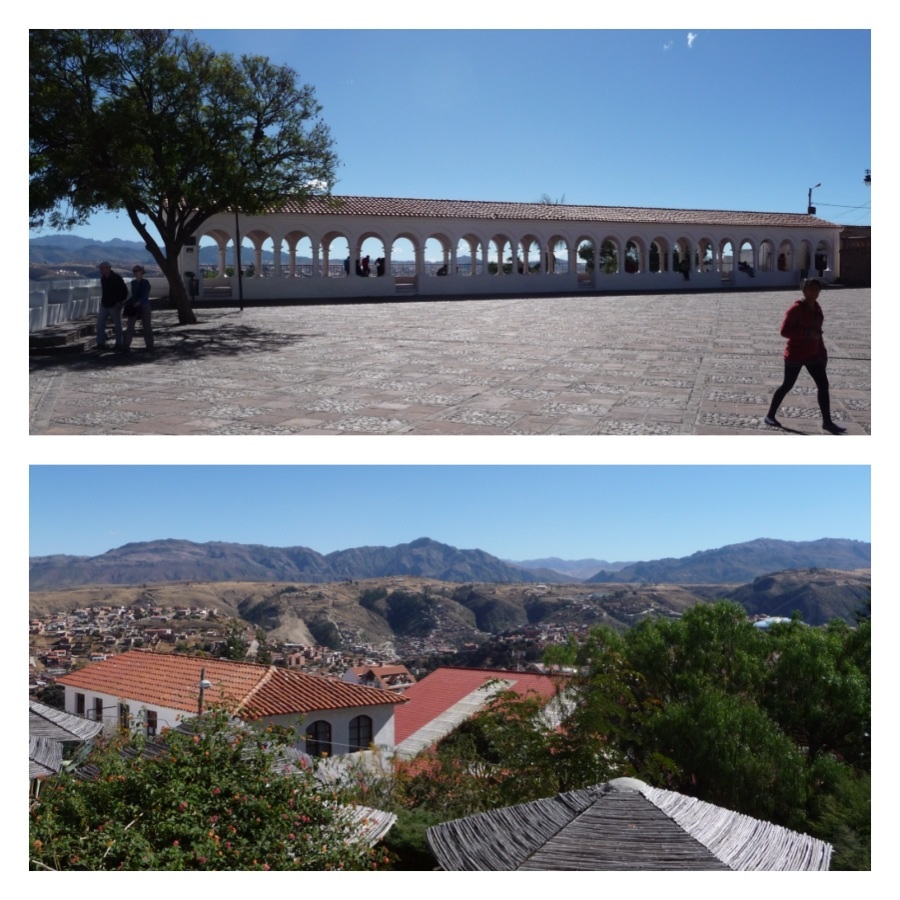
The afternoon was spent dodging the cars that had come to town for the annual rally car event. The city was abuzz with excitement but unfortunately it meant most of the museums were closed – not to mention it was hazardous getting across the road of our hotel which seemed to be the main straight for the race.  I headed up to La Recoleta Convent and the adjoining viewpoint of Sucre with Rosie and Isabella. We were shown a spot in the convent where a former president had been killed as well as a one thousand year old indigenous tree (cedar) – not sure who was keeping the log given the convent hadn’t been there that long.
I was then onto bigger and braver things – a trip to a hairdresser for a touch up of my naturally (?!?!? ) blonde hair in a town where 99.999% of the population have black or chocolate brown hair. Success – I think they had five people on it at one time; well worth the US$20 it cost!
The next day I should have been issued a pass to the nearest psychiatric hospital as I signed up for a trek back up at altitude – that’s how maddening the roar of the rally cars zooming around the city were.
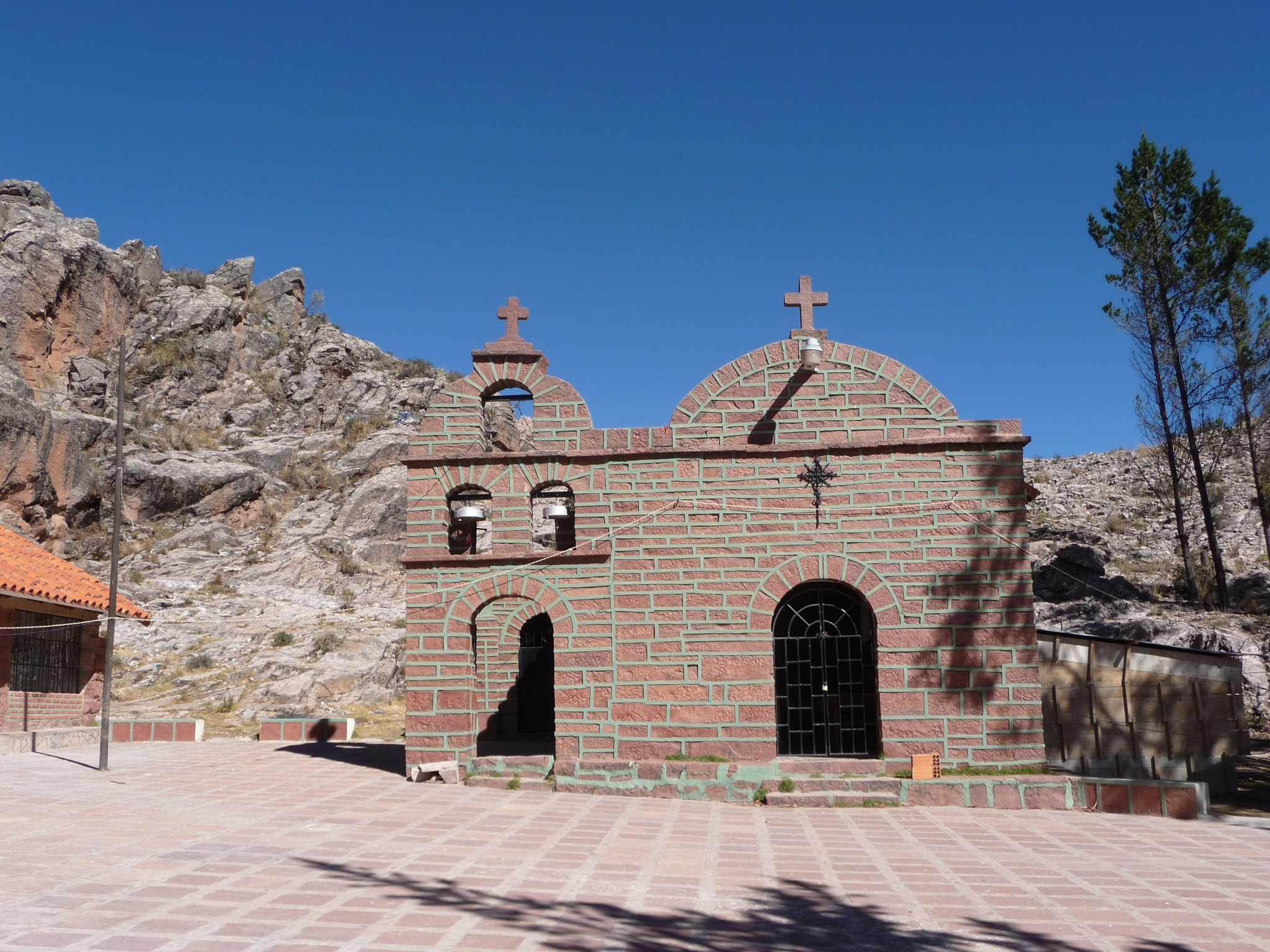
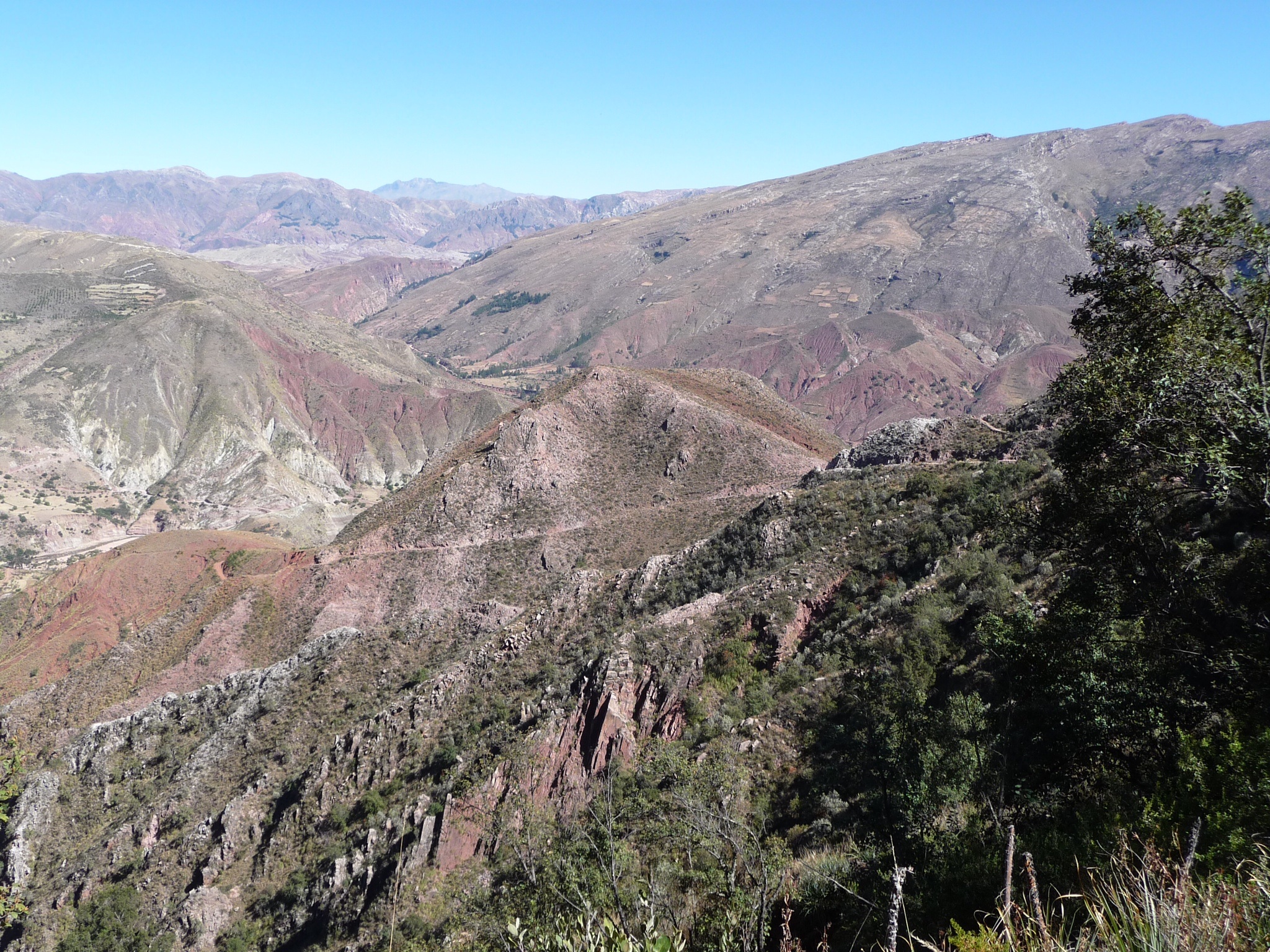
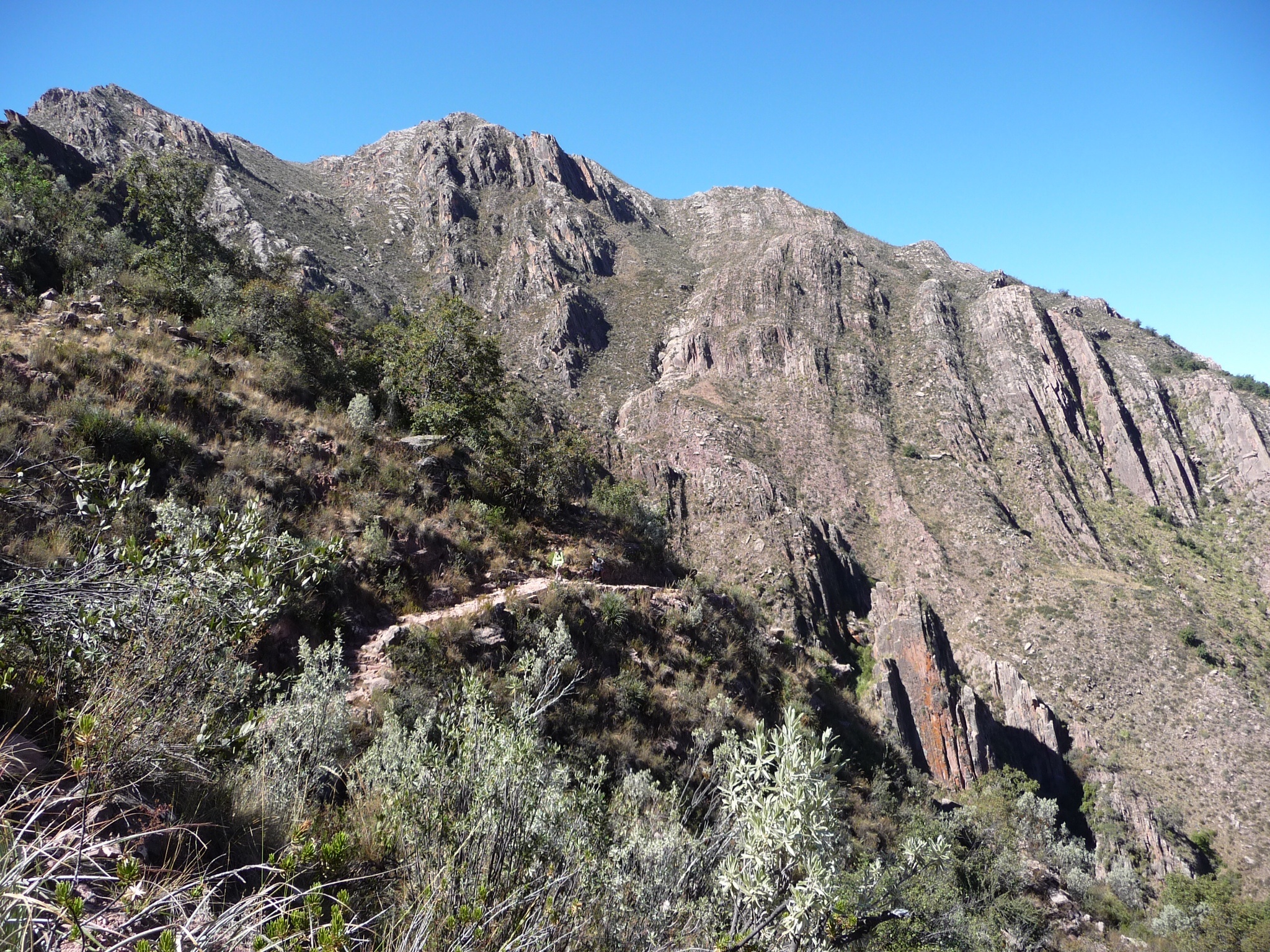
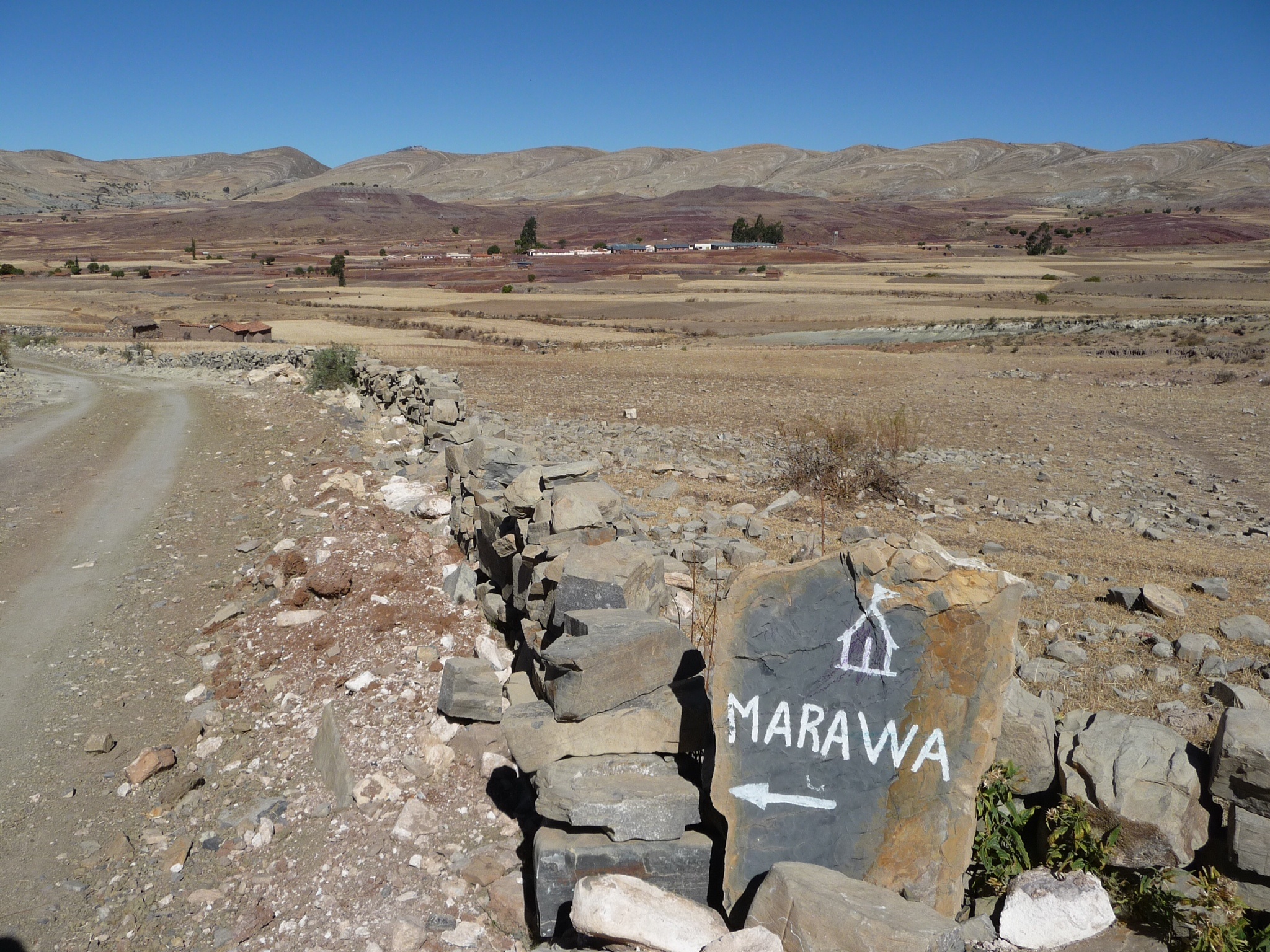
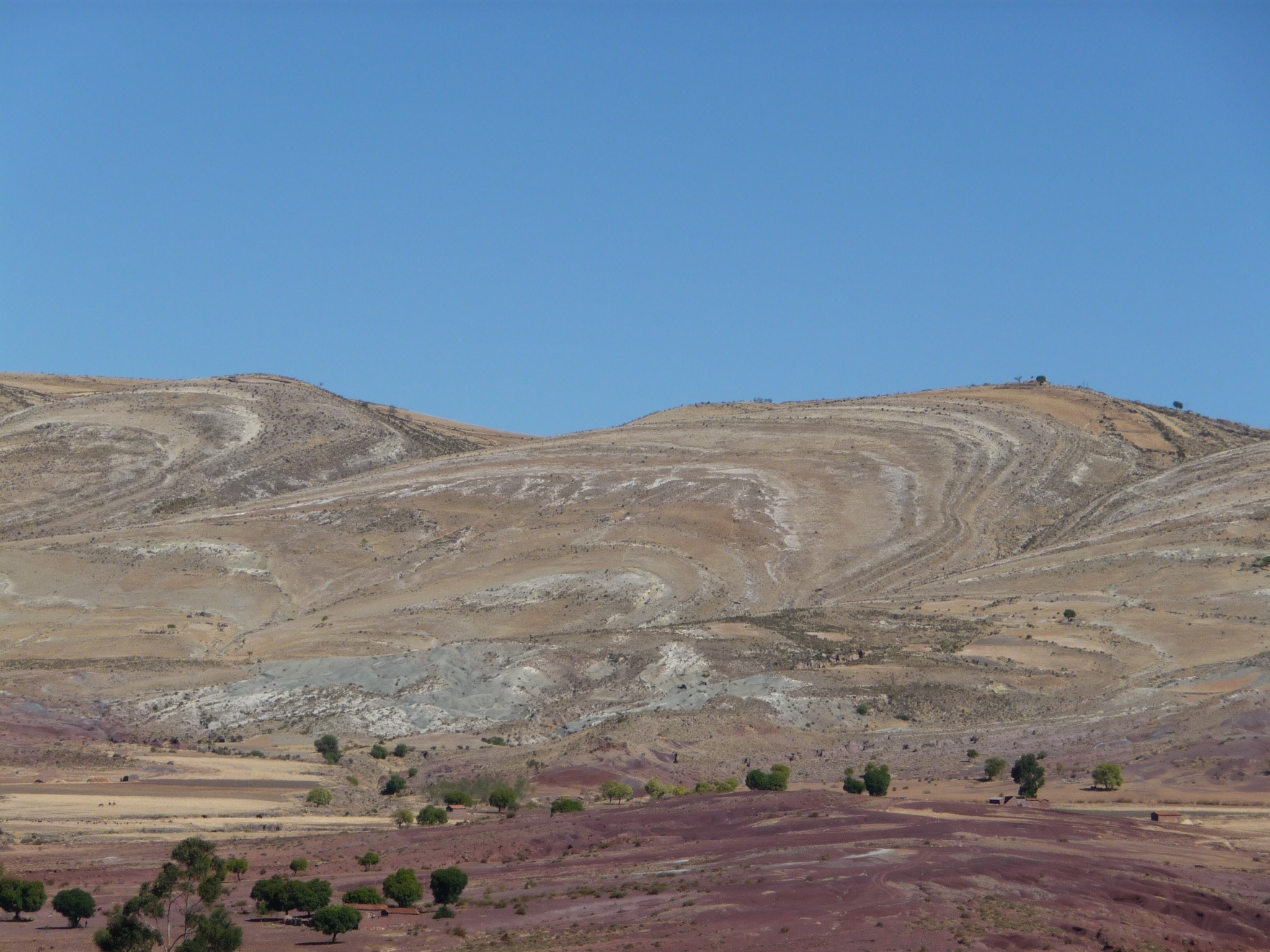
It was a lovely walk along an inca trail from the Chataquila plaza. Our lunch spot was by a dry riverbed surrounded by gum trees  – felt like we could have been in Australia!  We then ventured onto Marawa, which was a very small town built in a crater (they’re still not sure what caused the crater but the swirls on the surrounding hills had people guessing it was from a meteorite). Then it was back into Sucre, which had returned to being the lovely university city that it is.
The next day we were back onto a plane, this time for our last stop in Bolivia – Santa Cruz. Santa Cruz is renowned for its subtropical climate but it’s also very windy. As soon as we arrived we noticed the men were noticeably taller – turns out they’re Brazilians choosing the cheaper lifestyle of Bolivia.  There were plenty of Mennonites around town also – presumably from the States or Canada – enjoying the very fertile farming land.
There really wasn’t much to see or do in Santa Cruz just a bit of down time before our border crossing into Brazil. I did manage to catch The Great Gatsby (in English!) at the cinema with some tour buddies – another good one by Baz!
Our last night in Bolivia was spent on an overnight train to the Brazilian border. We were all snacked up and ready to finish our books before our arrival at 7am for what we had been warned would be a lengthy border crossing!
image
image
image

San Fransisco Church, La Paz

San Fransisco Church, La Paz

image

Plaza de Armas

Plaza de Armas

image

image

image

A new take on zebra crossings - not sure how safe it is for the zebras!

A new take on zebra crossings – not sure how safe it is for the zebras!

Farewell dinner, La Paz

Farewell dinner, La Paz

Preparing for Death Road

Preparing for Death Road

Death Road, Bolivia

Death Road, Bolivia

Megan and I contemplating our tactics for the ride - point downwards and hang on for dear life!

Megan and I contemplating our tactics for the ride – point downwards and hang on for dear life!

image

image

A little more sophisticated than the ones we put together in guides!

A little more sophisticated than the ones we put together in guides 

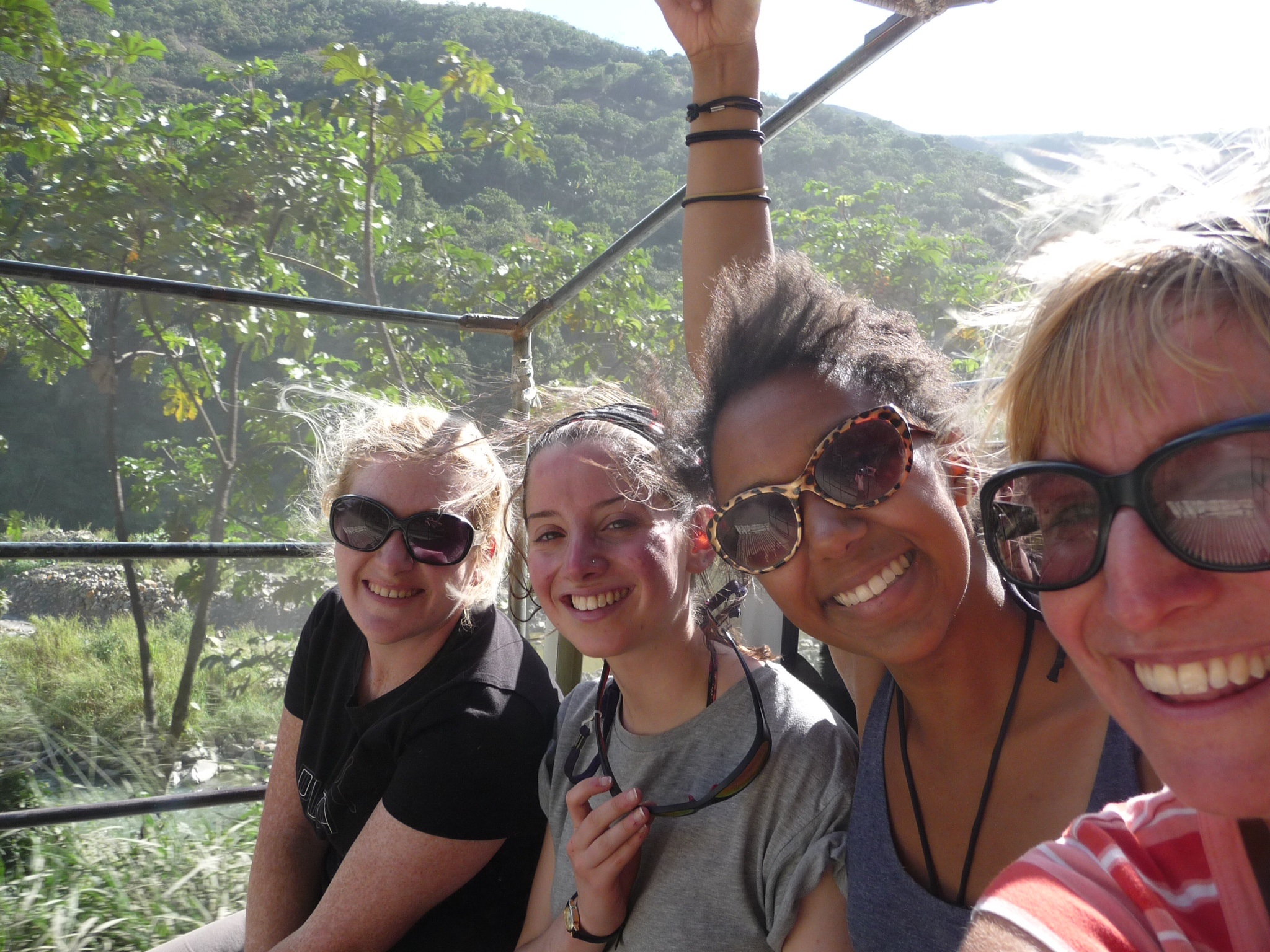
Catching a ride with Megan, Isabella and Rosie in the back of a truck to lunch

Catching a ride with Megan, Isabella and Rosie in the back of a truck to lunch

image

Hyacinth and yellow macaw

Hyacinth and yellow macaw

Glad to be off the road by the time we left!

Glad to be off the road by the time we left!

The train cemetery, Uyuni

The train cemetery, Uyuni

image

image

Mud to keep the roof sheets down?

Mud to keep the roof sheets down?

The local police office - mobility has its benefits I guess!

The local police office – mobility has its benefits I guess!

Salt processing in Colchani

Salt processing in Colchani

Salar de Uyuni

Salar de Uyuni

Lunch at the salt hotel

Lunch at the salt hotel

image

image

image

image

image

image

image

image

image

image

Incahuasi Island

Incahuasi Island

image

image

image

image

image

image

Affectionate cacti!

Affectionate cacti!

image

Our salt hotel accommodation

Our salt hotel accommodation

image

image

image

Coqueza

Coqueza

image

image

Cave of mummies on Volcan Thunupa

Cave of mummies on Volcan Thunupa

image

image

image

image

image

image

image

image

image

Big call for any bar!

Big call for any bar!

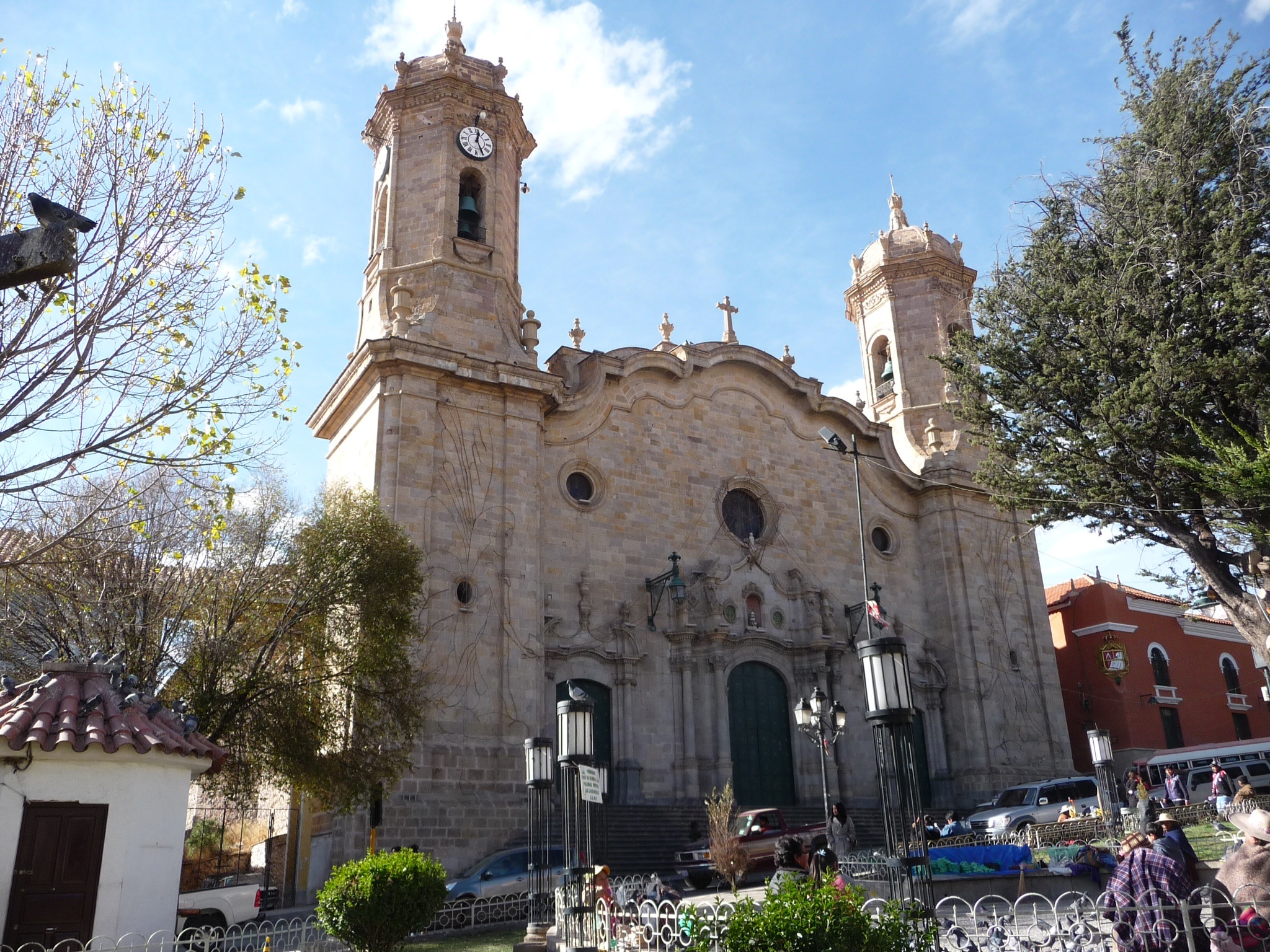
Potosi Cathedral

Potosi Cathedral

image

School anniversary celebrations

School anniversary celebrations

image

image

Cerro Rico

Cerro Rico

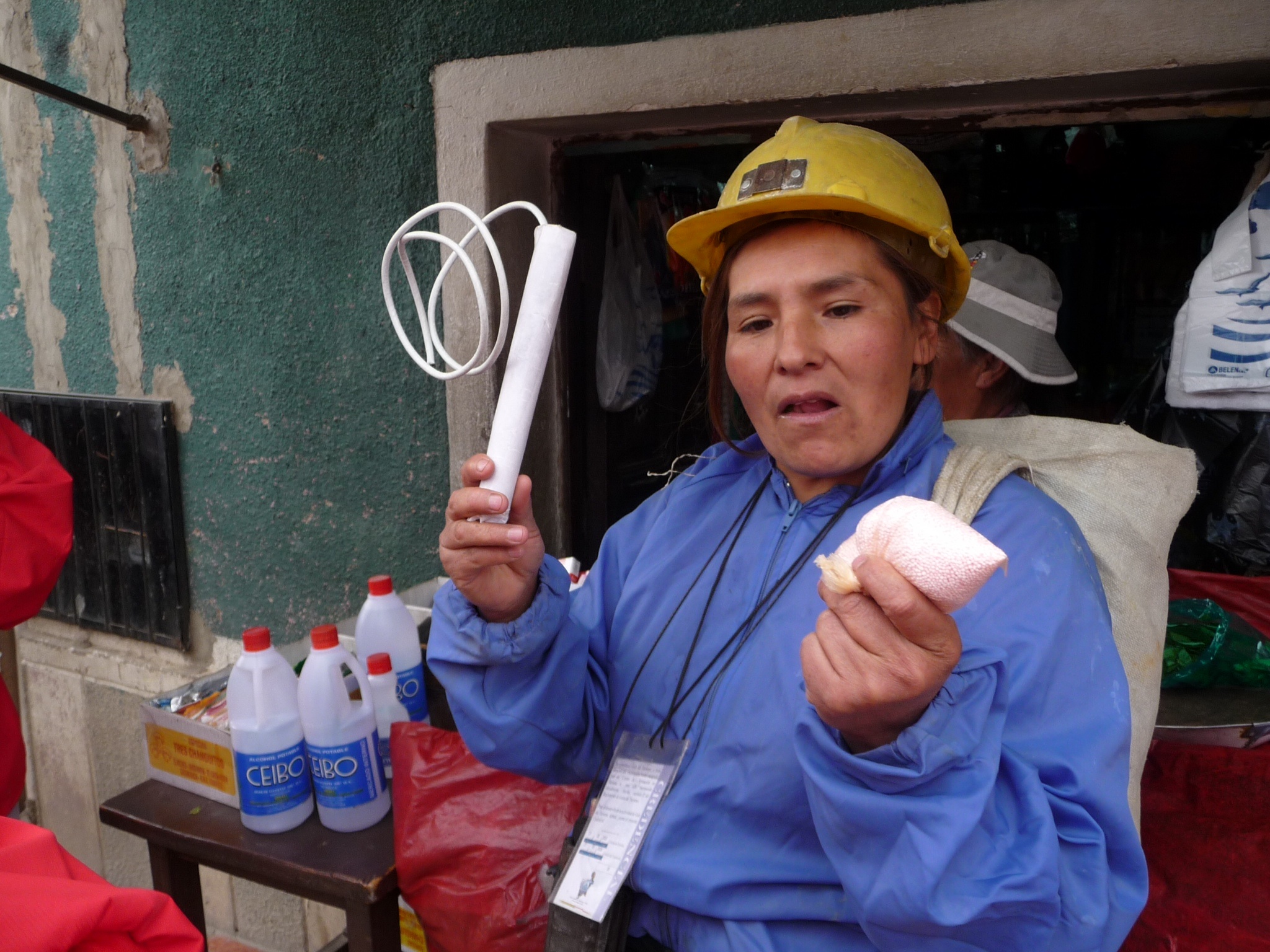
All the ingredients for dynamite!

All the ingredients for dynamite!

image

image

image

image

image

image

image

Worshipping Tio

Worshipping Tio

image

image

image

image

image

Casa de Modena

Casa de Modena

image

Merging Cerro Rico with the Virgin Mary

Merging Cerro Rico with the Virgin Mary

works by Melchor Pérez Hoguín

Works by Melchor Pérez Holguín

image

image

image

image

image

image

image

image

image

image

image

image

image

image

image

image

image

image

image

Onto Sucre

Onto Sucre

image

image

Annual car rally on the streets of Sucre

Annual car rally on the streets of Sucre

Plaza La Recoleta

Plaza La Recoleta

La Recoleta Convent

La Recoleta Convent

image

image

Plaza at Chataquila

Plaza at Chataquila

image

A more civilised inca trail

A more civilised inca trail

image

The vehicle road was possibly more challenging!

The vehicle road was possibly more challenging!

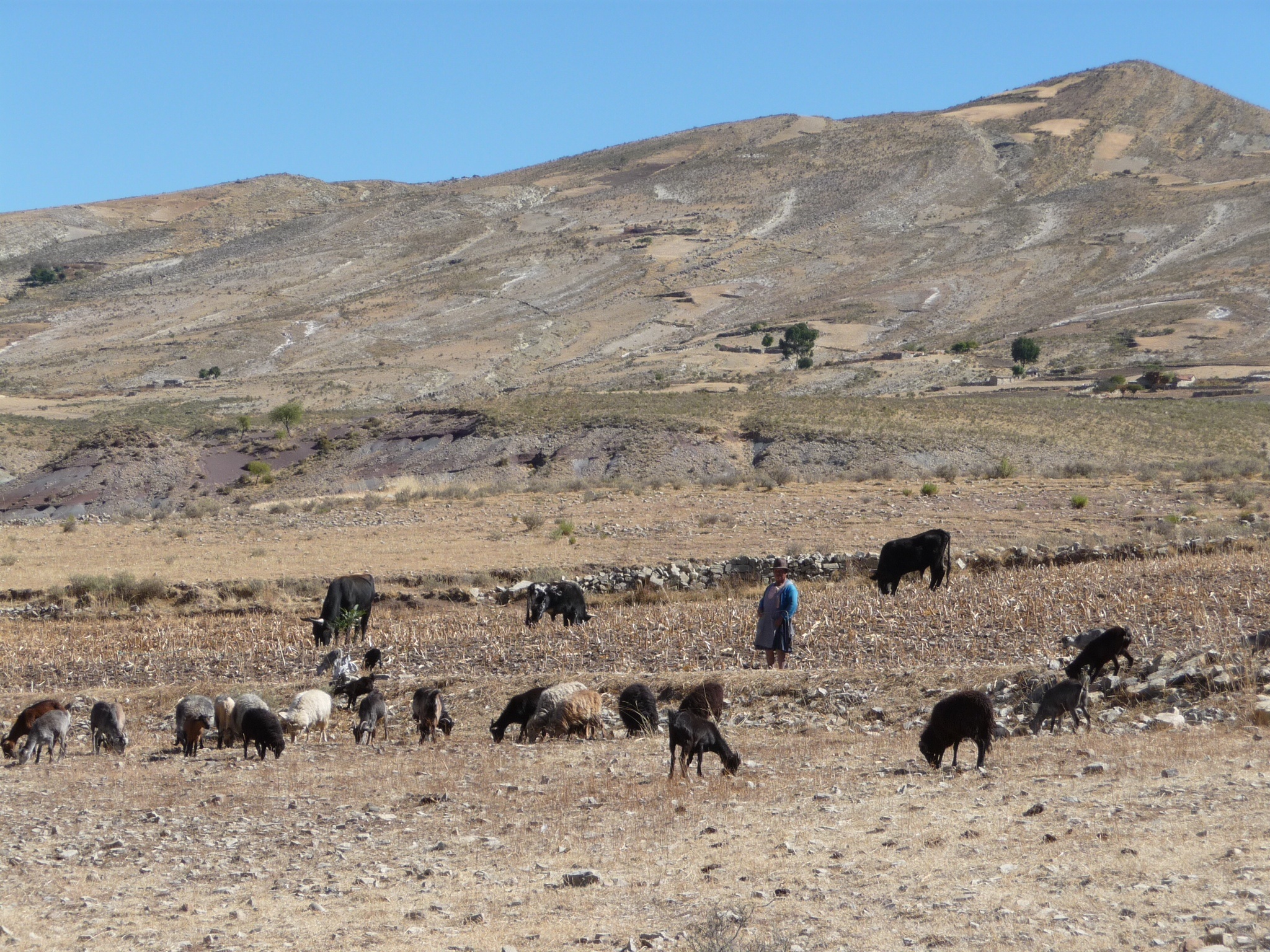
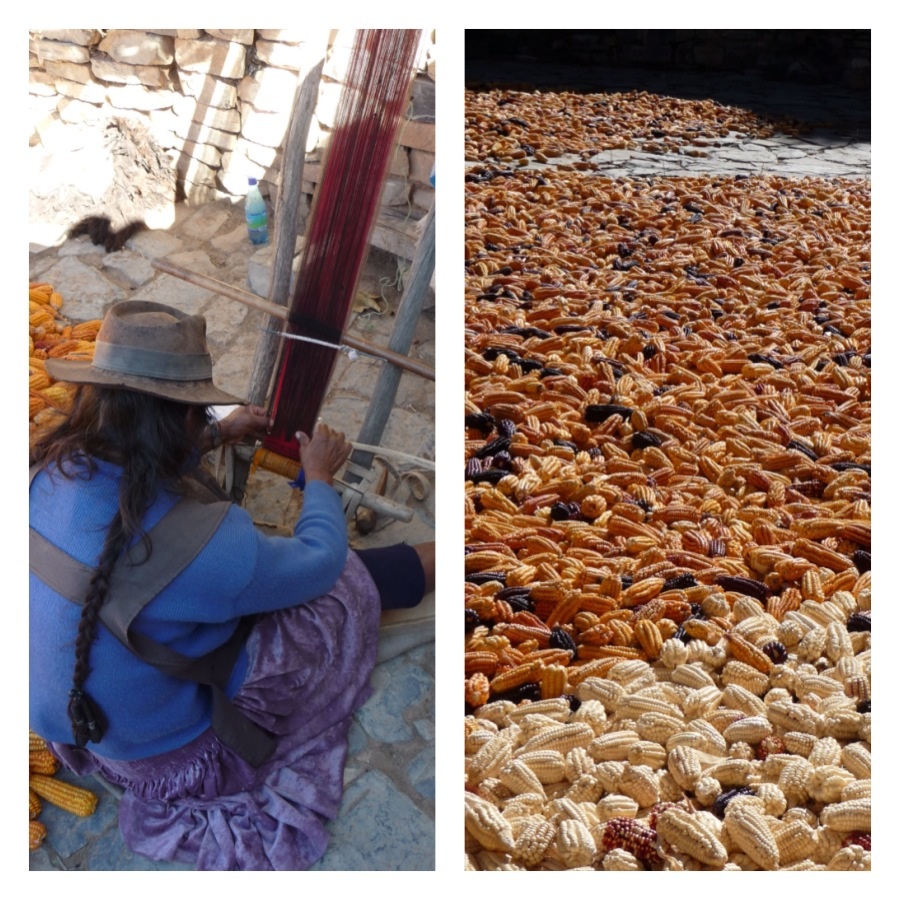
Drying the corn in a safe and sound location!

Drying the corn in a safe and sound location!

Marawa - town in a crater

Marawa – town in a crater

image

image

image

image

A classroom from the former school.

A classroom from the former school.

image

Sunday - washing day!

Sunday – washing day!

image

image

image

Sucre winds down after the car rally

Sucre winds down after the car rally

Arriving into Santa Cruz

Arriving into Santa Cruz

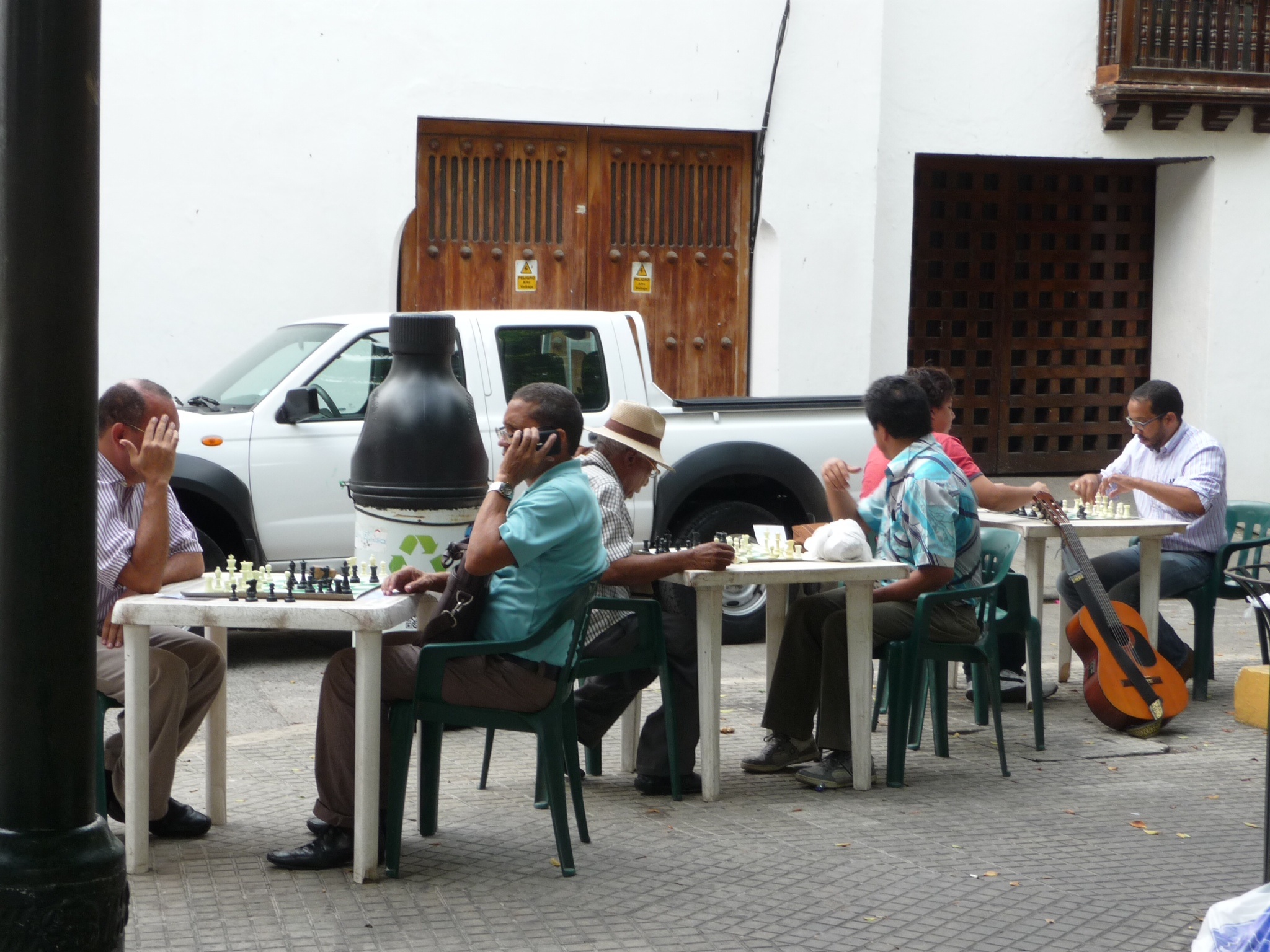
A pretty relaxed town - community chess.

A pretty relaxed town – community chess.


image

I don't understand why I'm gaining weight!

I don’t understand why I’m gaining weight!

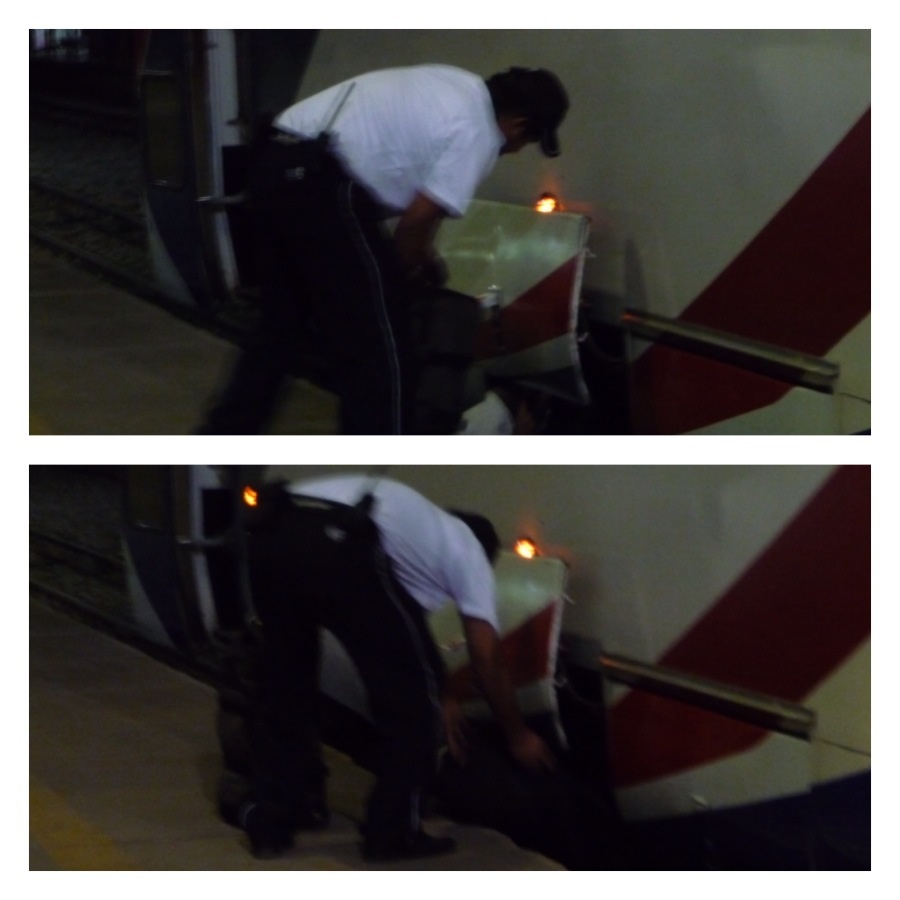
Most poorly designed luggage storage ever - takes a guy on the platform, a guy in the actual storage and a guy on the tracks between platform and storage to load it!

Most poorly designed luggage storage ever – takes a guy on the platform, a guy in the actual storage and a guy on the tracks between platform and storage to load it!

...and we're off to Brazil!

…and we’re off to Brazil!

Hyacinth and yellow macaw

Hyacinth and yellow macaw

Posted in Uncategorized | Leave a comment

A touch of jungle fever in between the Sacred Valley and Lake Titicaca

After the joy of the Inca Trail and Machu Picchu I was very excited to run into Mia and Lee, my Patagonian travel buddies, at the hotel in Cusco. A short chat and then we discovered we’d be at the same jungle lodge in coming nights – I was over the moon to see them again.
Three more travellers joined us (all going through to Rio with me, Isabella and Rosie) – Heather and Rose from Brisbane and Finn from Denmark.
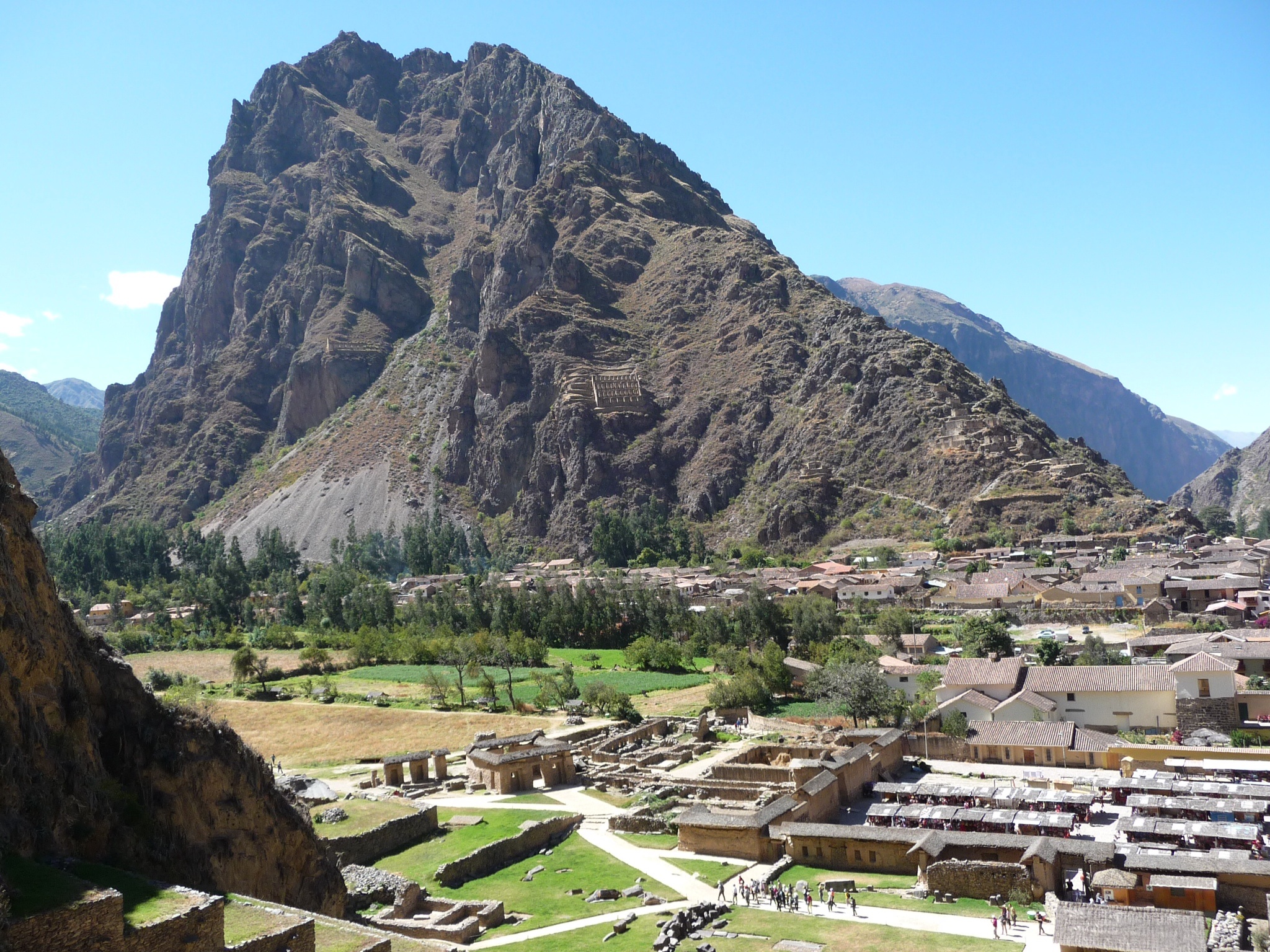
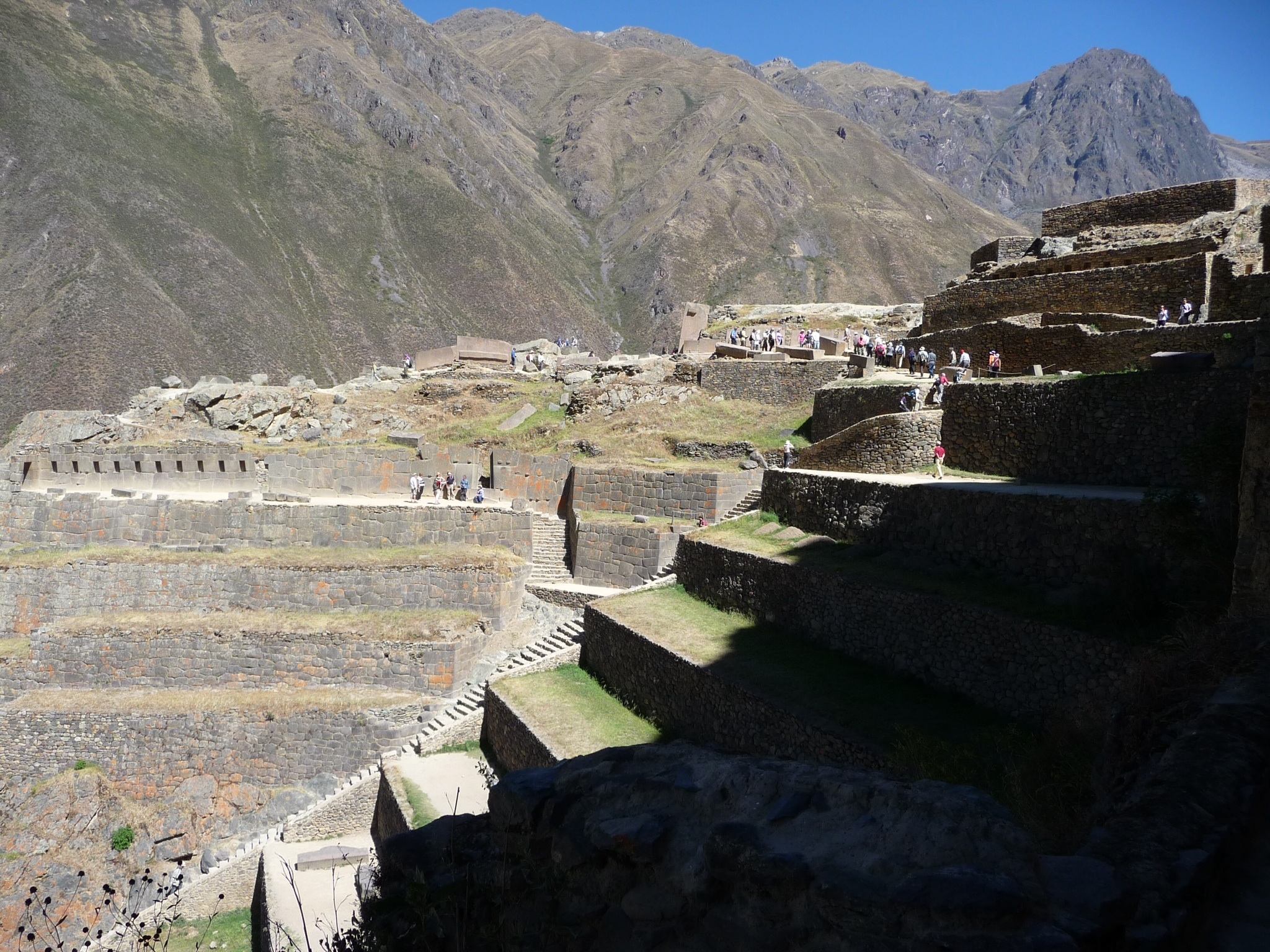
Our rest day after Machu Picchu was spent in Sacred Valley. We thought it was a cruel joke when we arrived at the ruins in Ollantaytambo to be confronted with a temple at the top of numerous terraces – more steps!  Nonetheless we made the climb, groans and all.
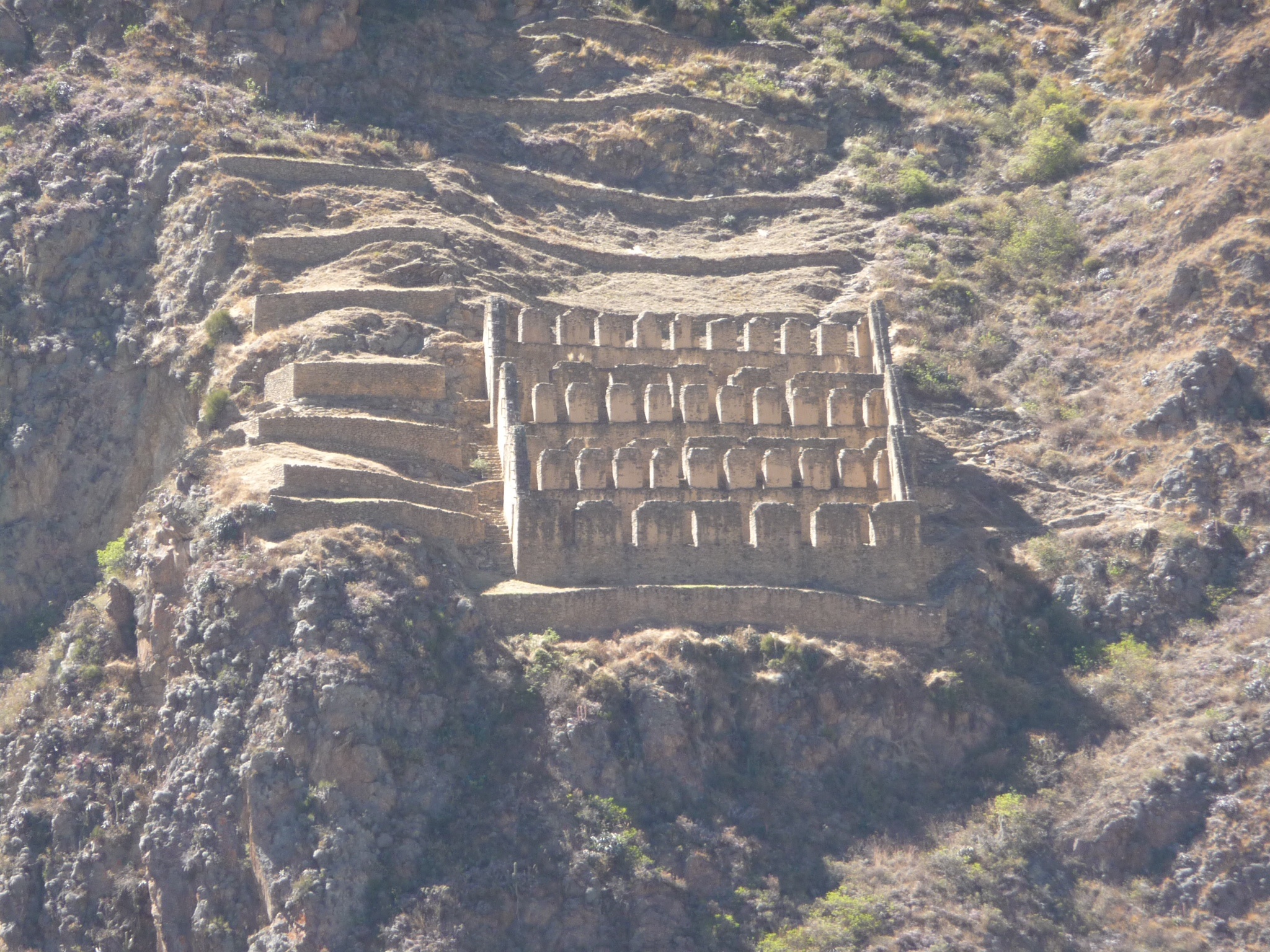
From the terraces we could see the food storage houses on the opposite mountain facing the terraces. That side had better conditions for preservation – particularly capturing the breezes. In the day, herbs were used in the storage houses to keep the insects away. Some of the food was preserved for up to 15 years; all fresh or dried – nothing was preserved by bottling.
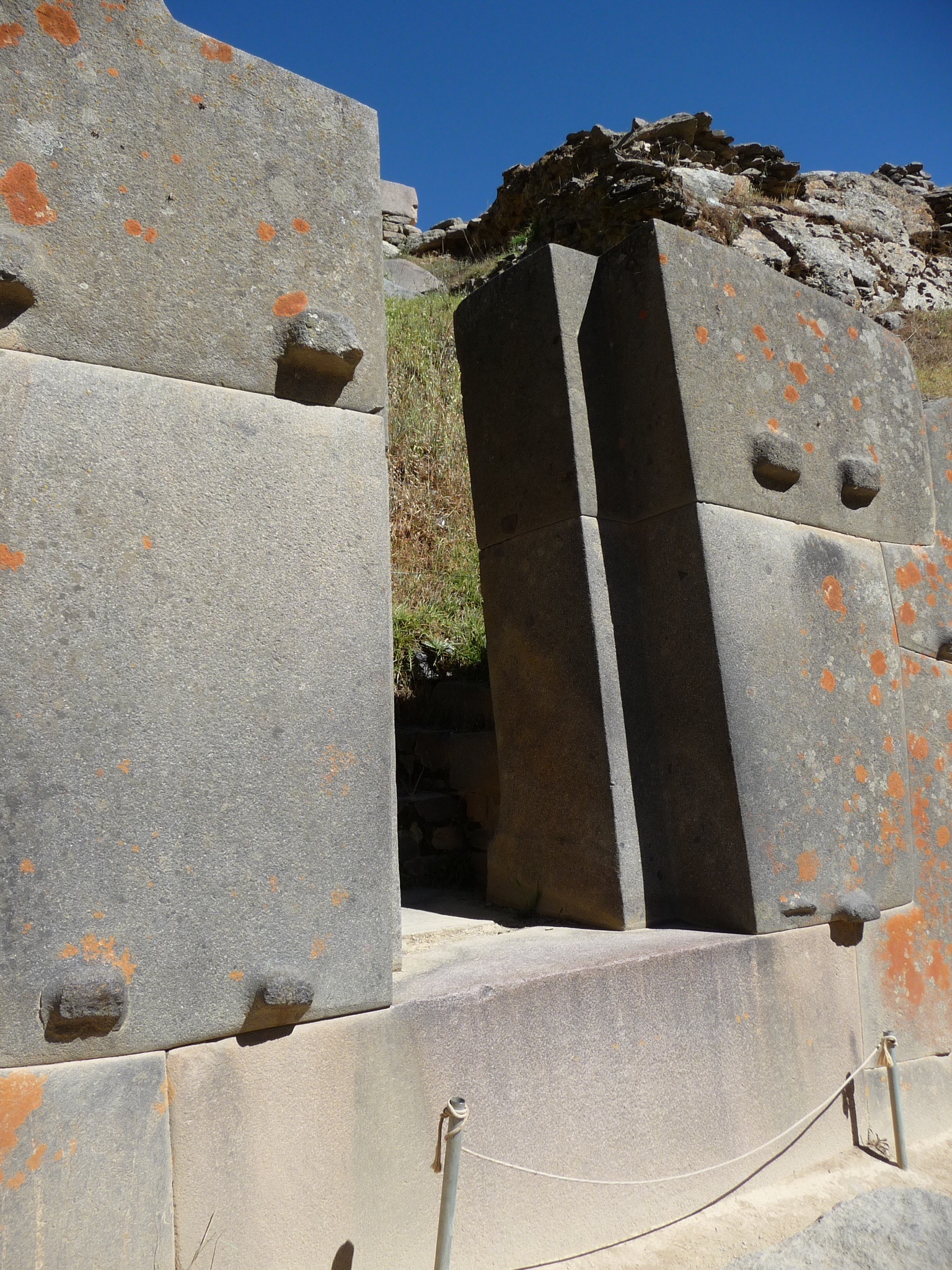
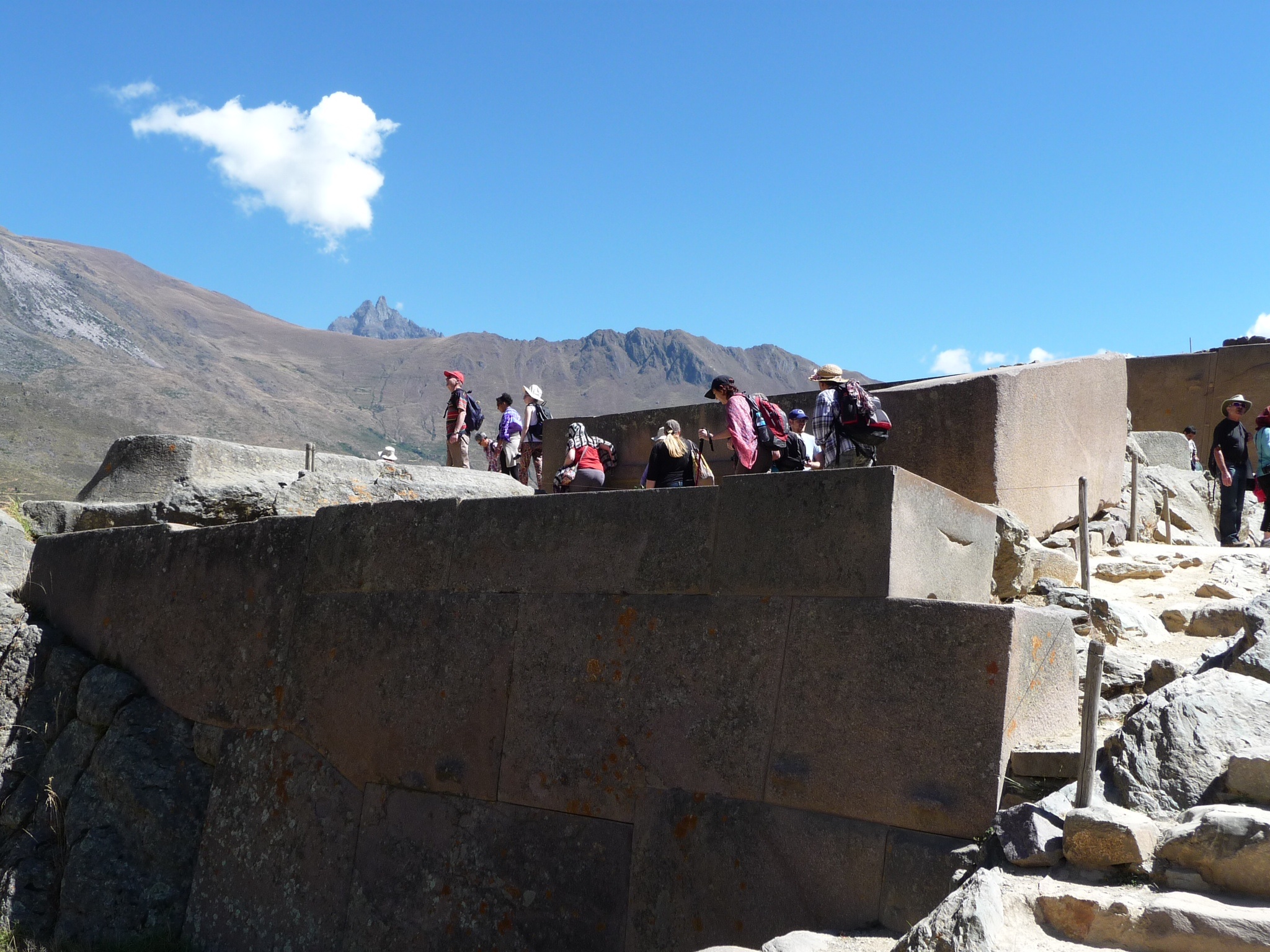
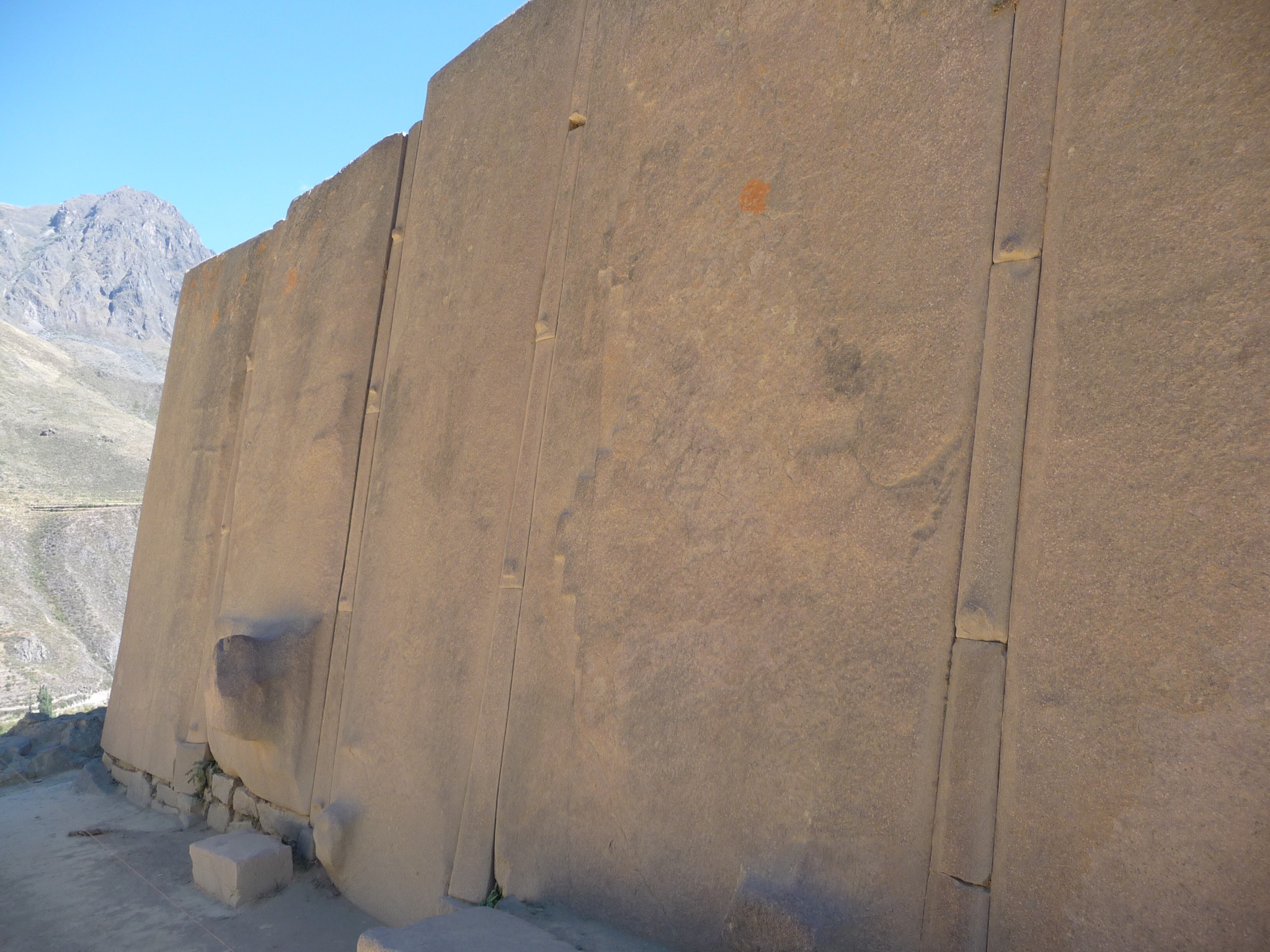
The buildings on the terraces had double door jambs indicating it had been an important place and the stone feature was that of concave and convex. The temple had carved rocks of up to 20 tonne begging you to question how they got them from the quarry below up to the top where the temple was located. It is believed they used a combination of rollers and ramps.
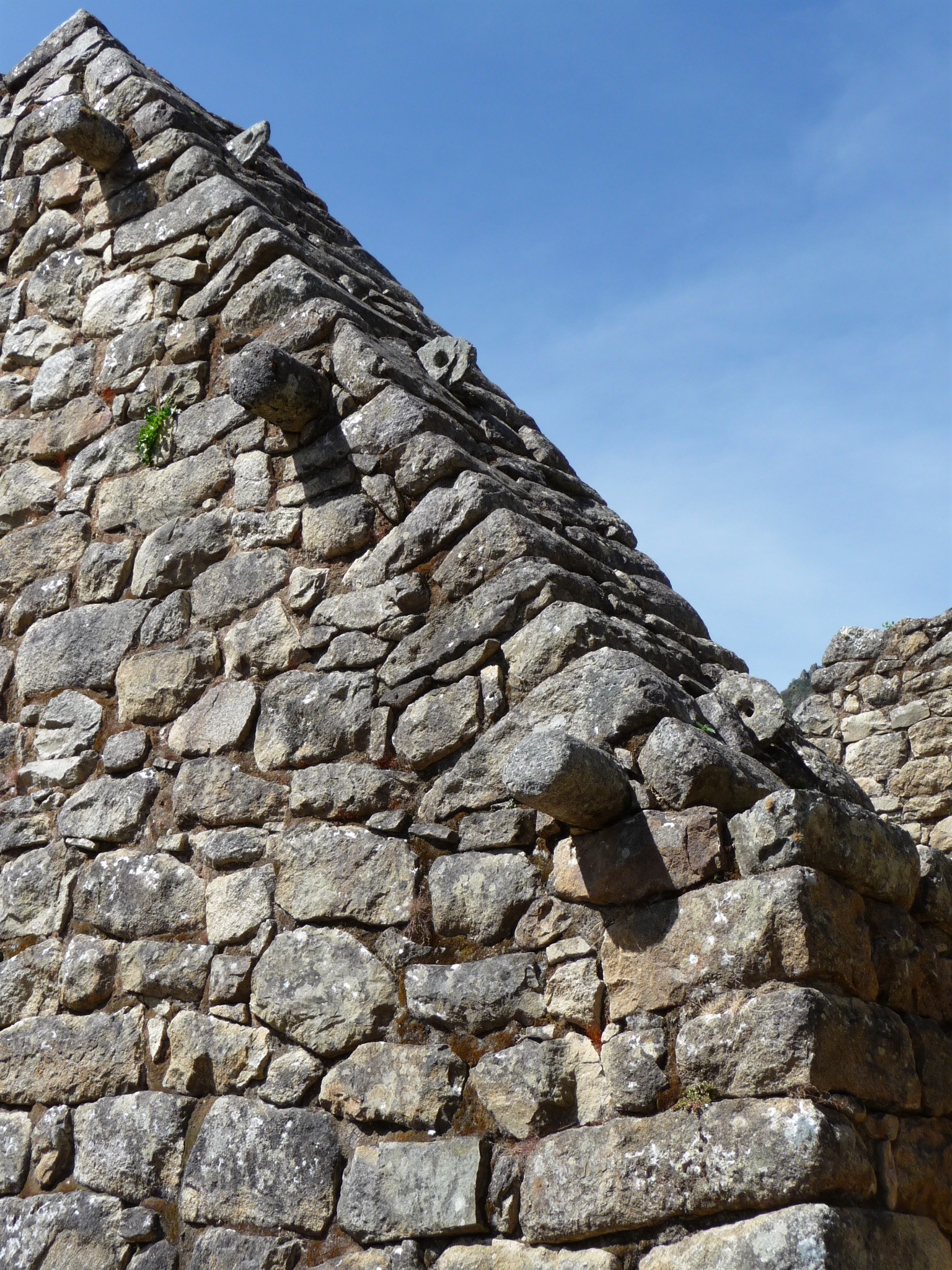
We were shown the variety of techniques used to create the impressive temple walls. Aside from convex and concave (and the pointing method we’d seen elsewhere) they also used a method where bronze clamps were used on the inner side of the blocks (melted into carved divots), a type of tongue and groove and  a dovetail method.
The walls containing expansion joints suggested that the constructors had planned to build a rectangular temple but it was unfinished.
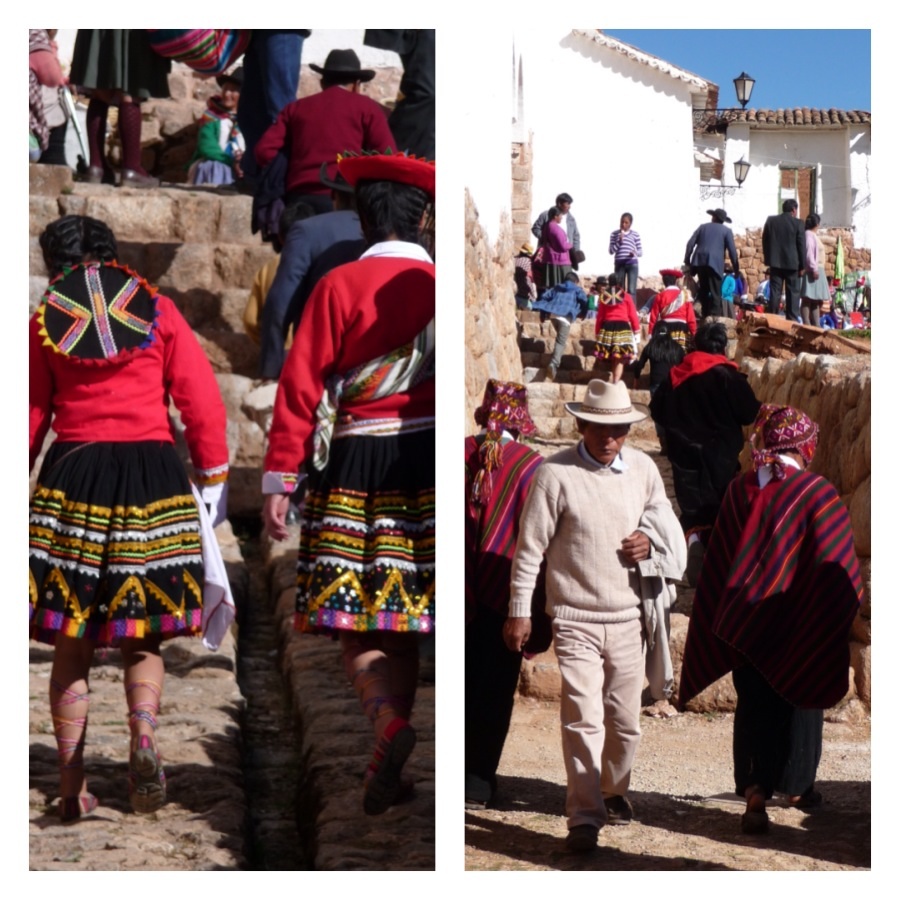
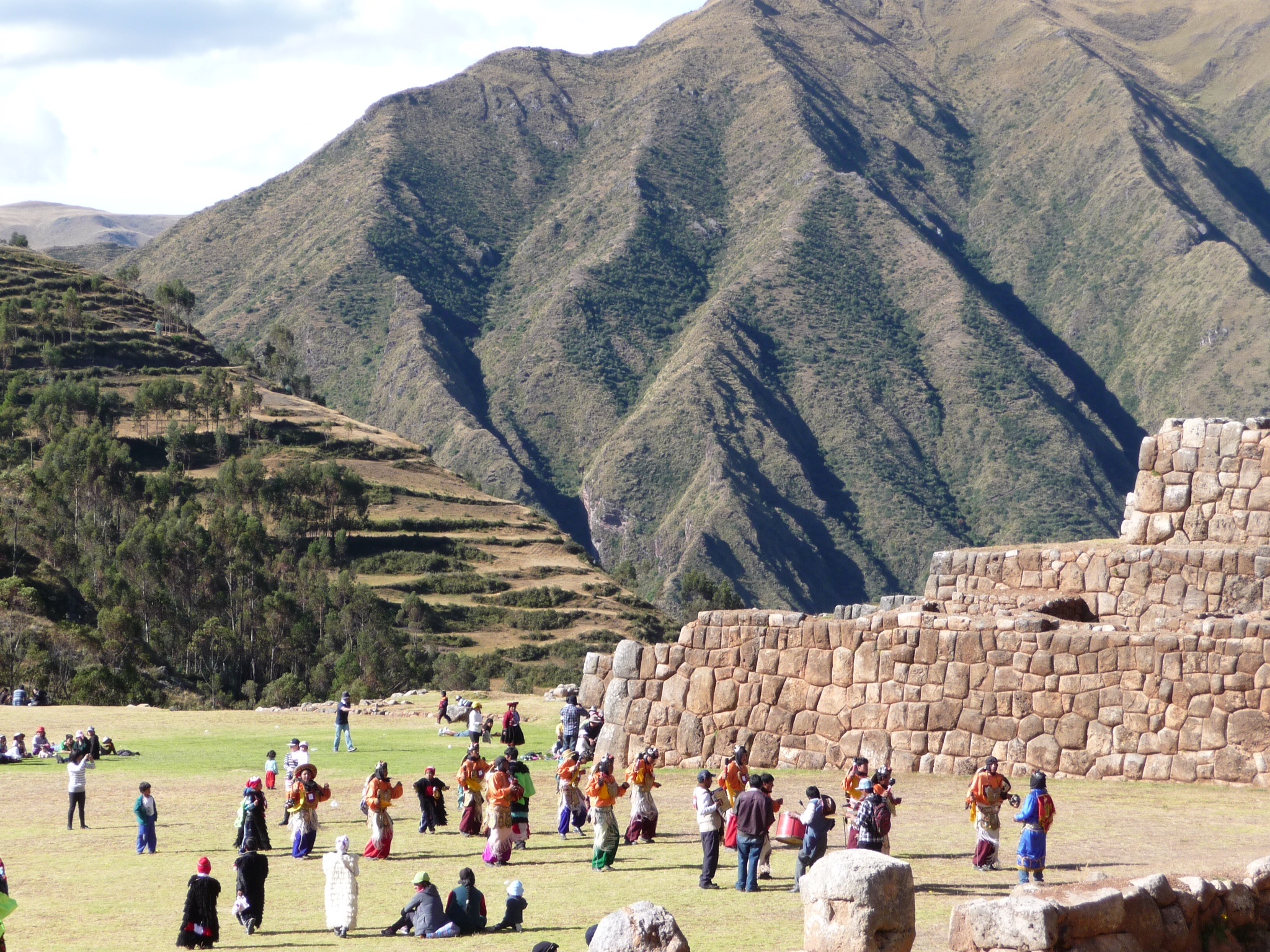
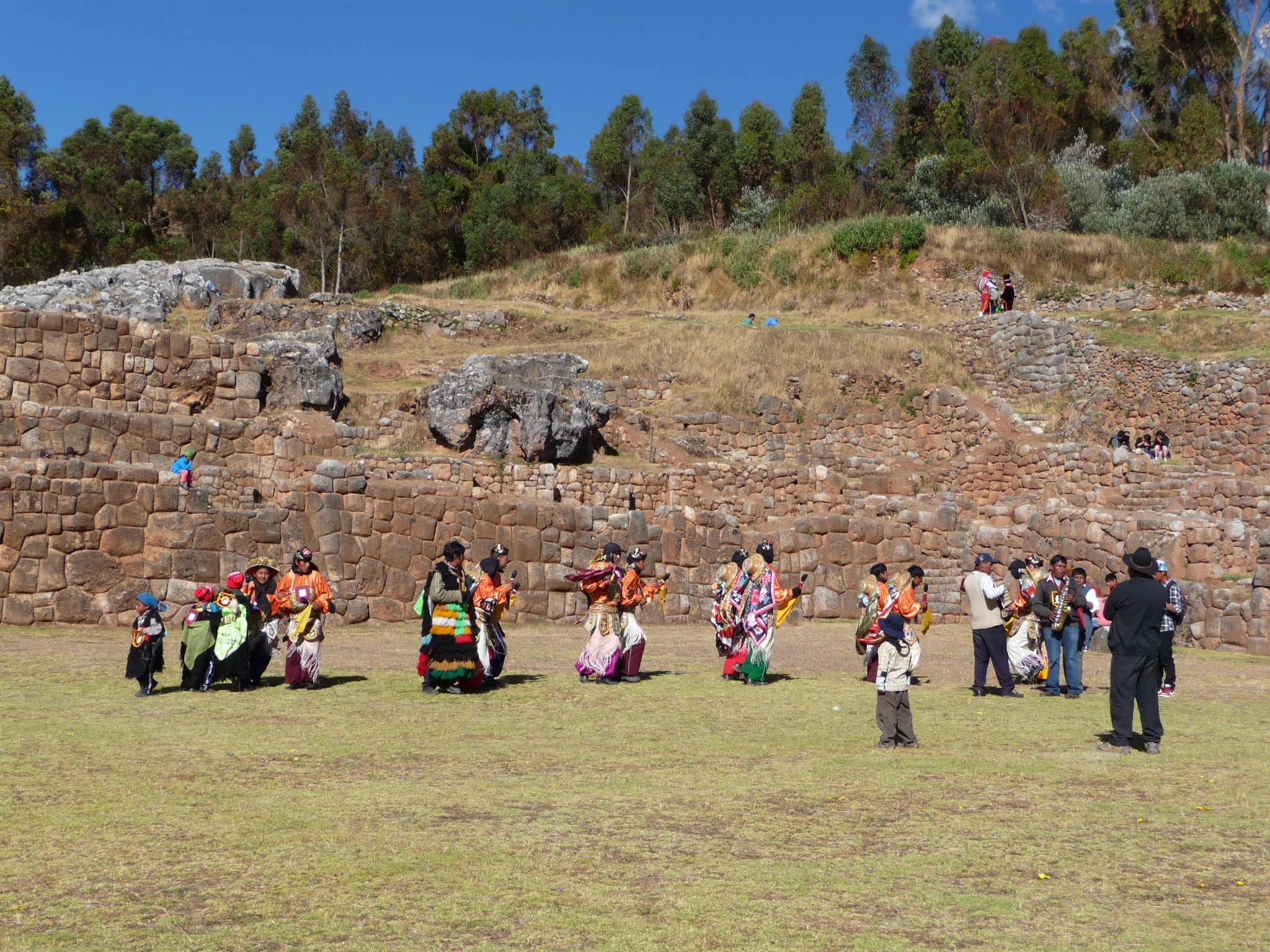
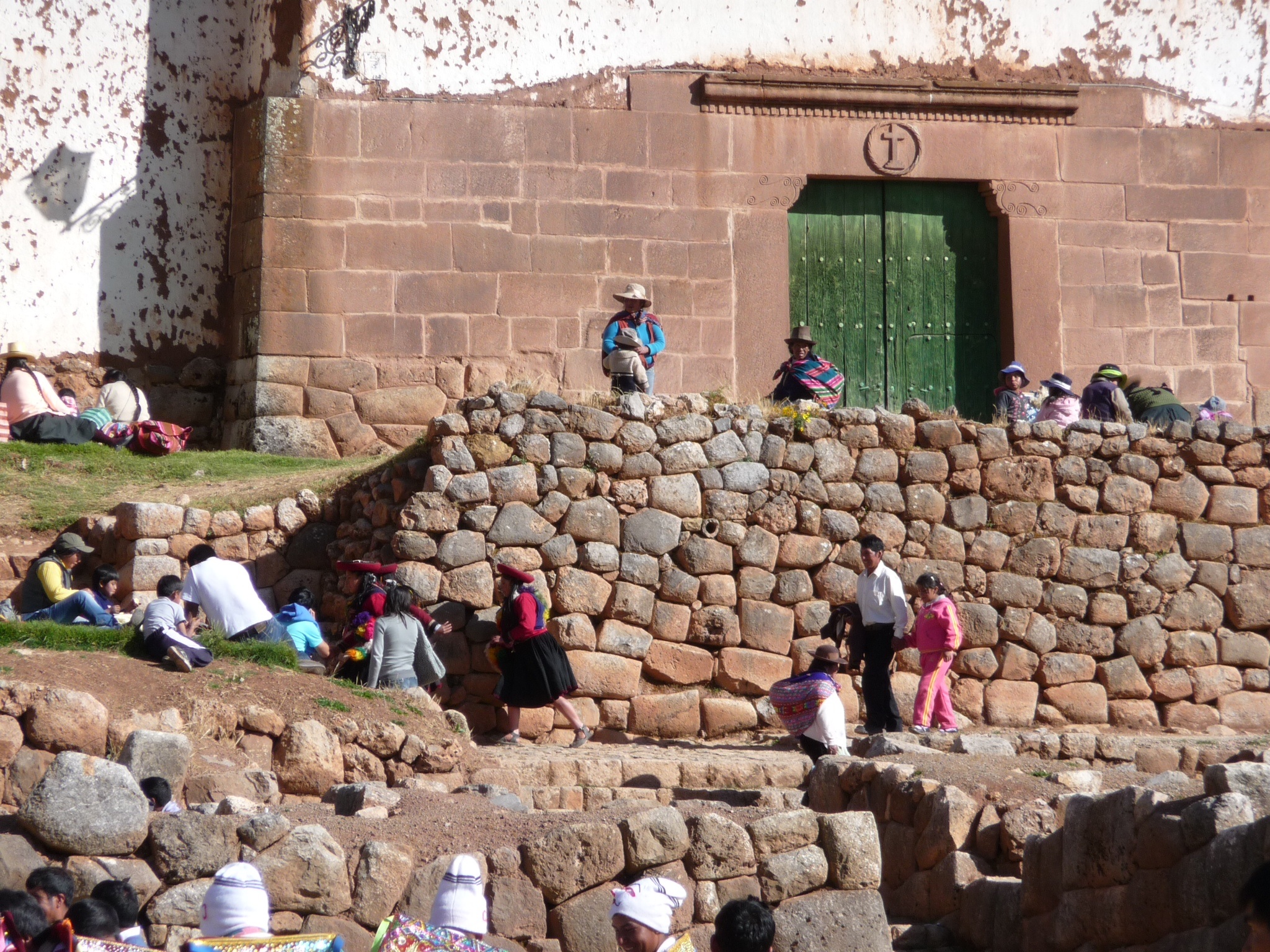
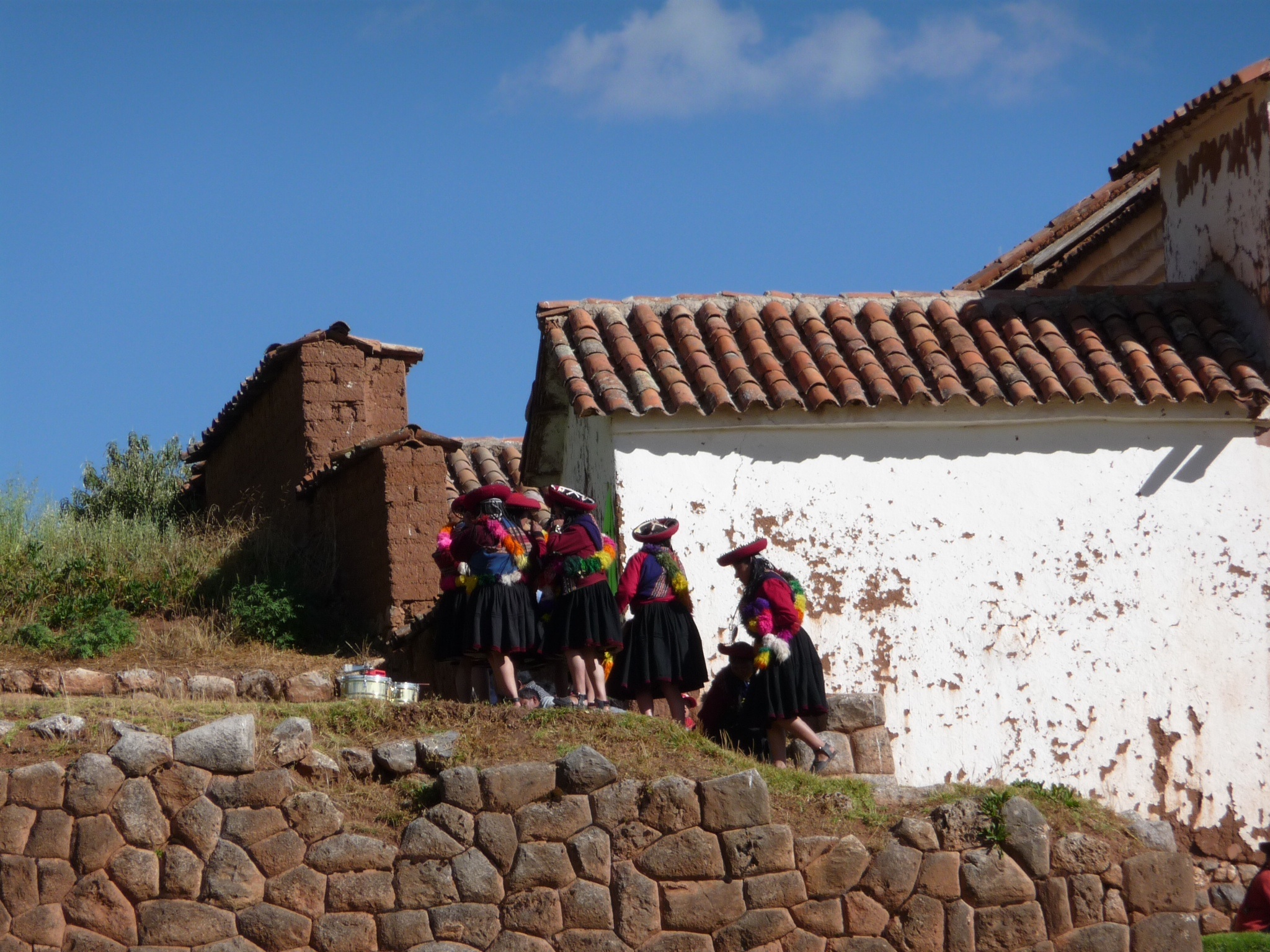
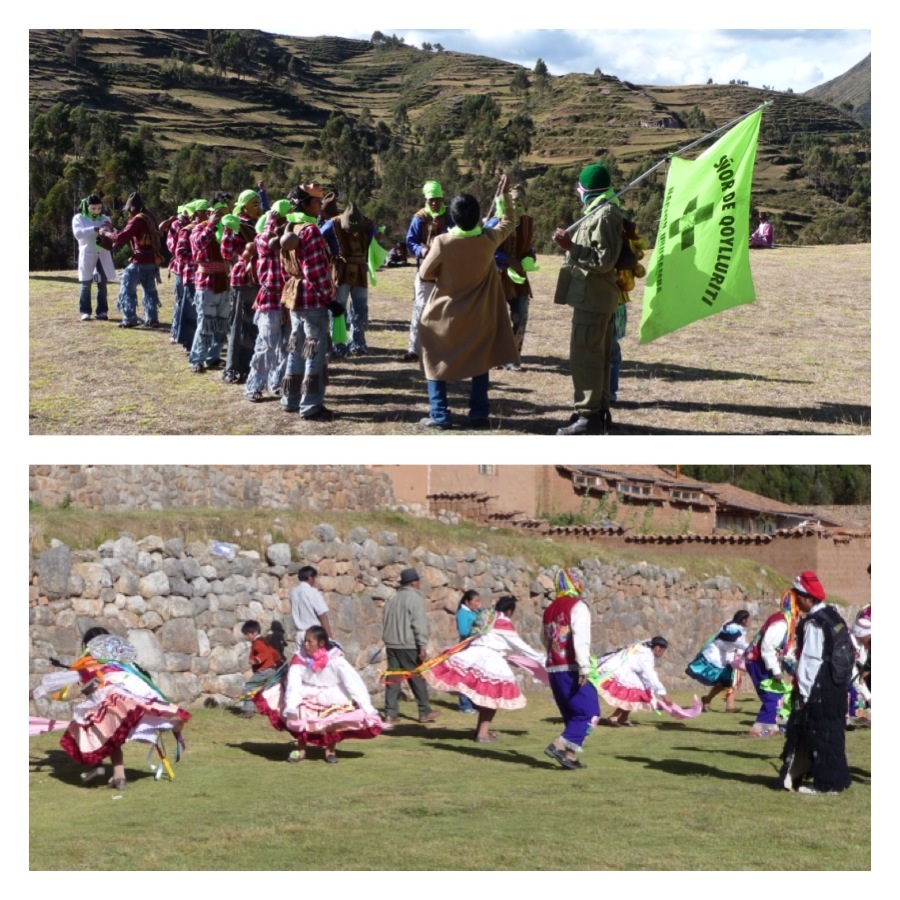
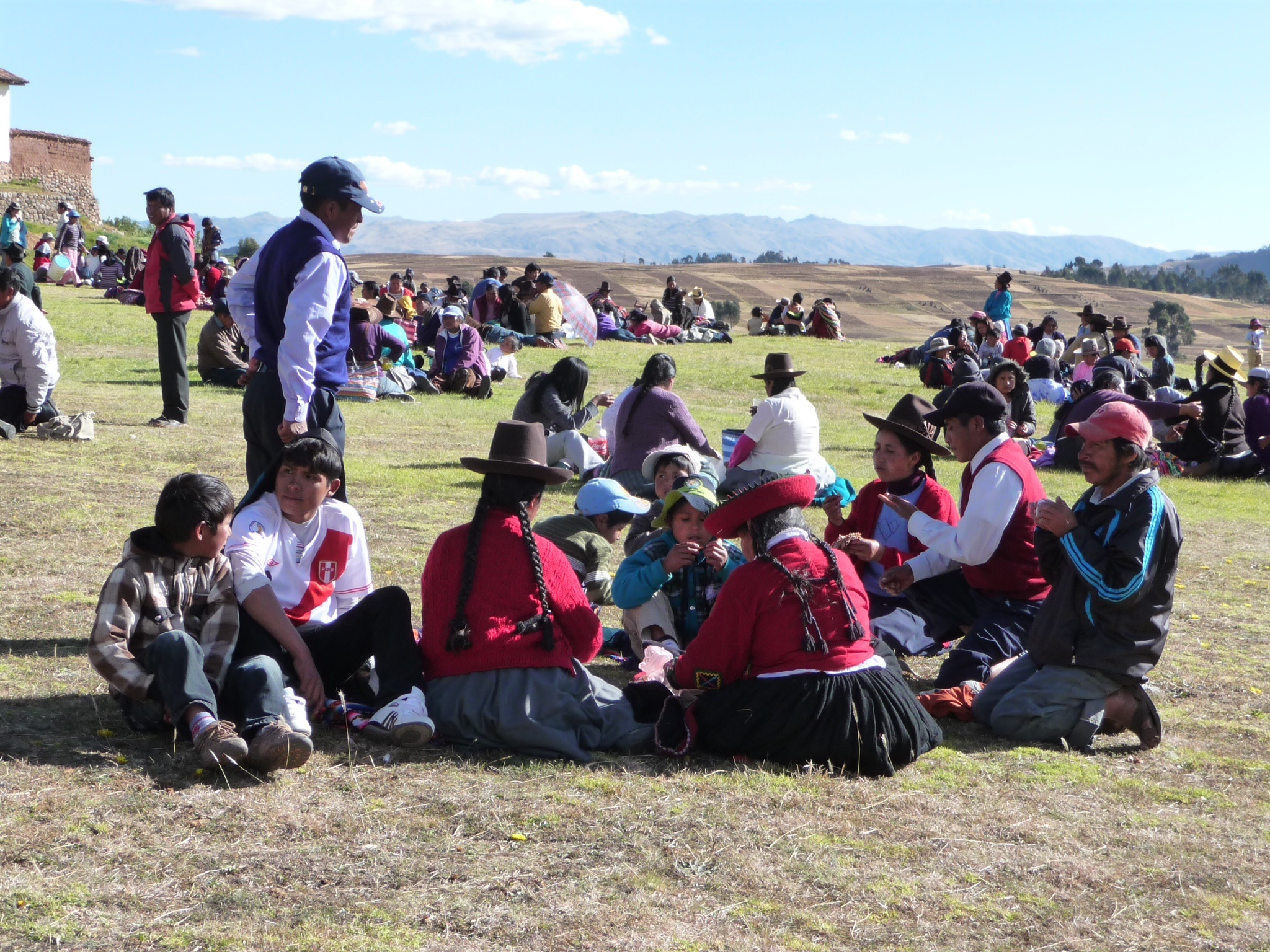
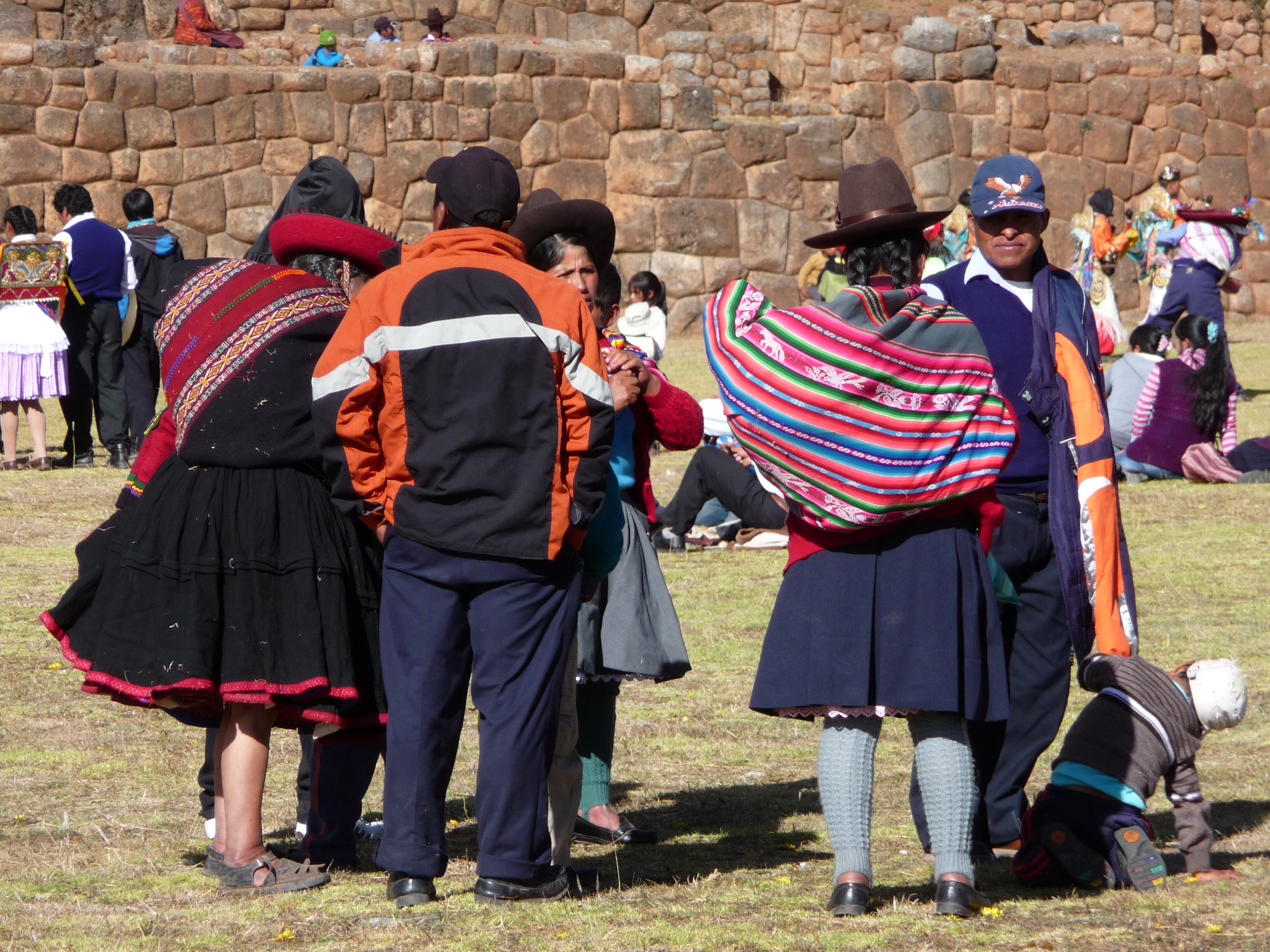
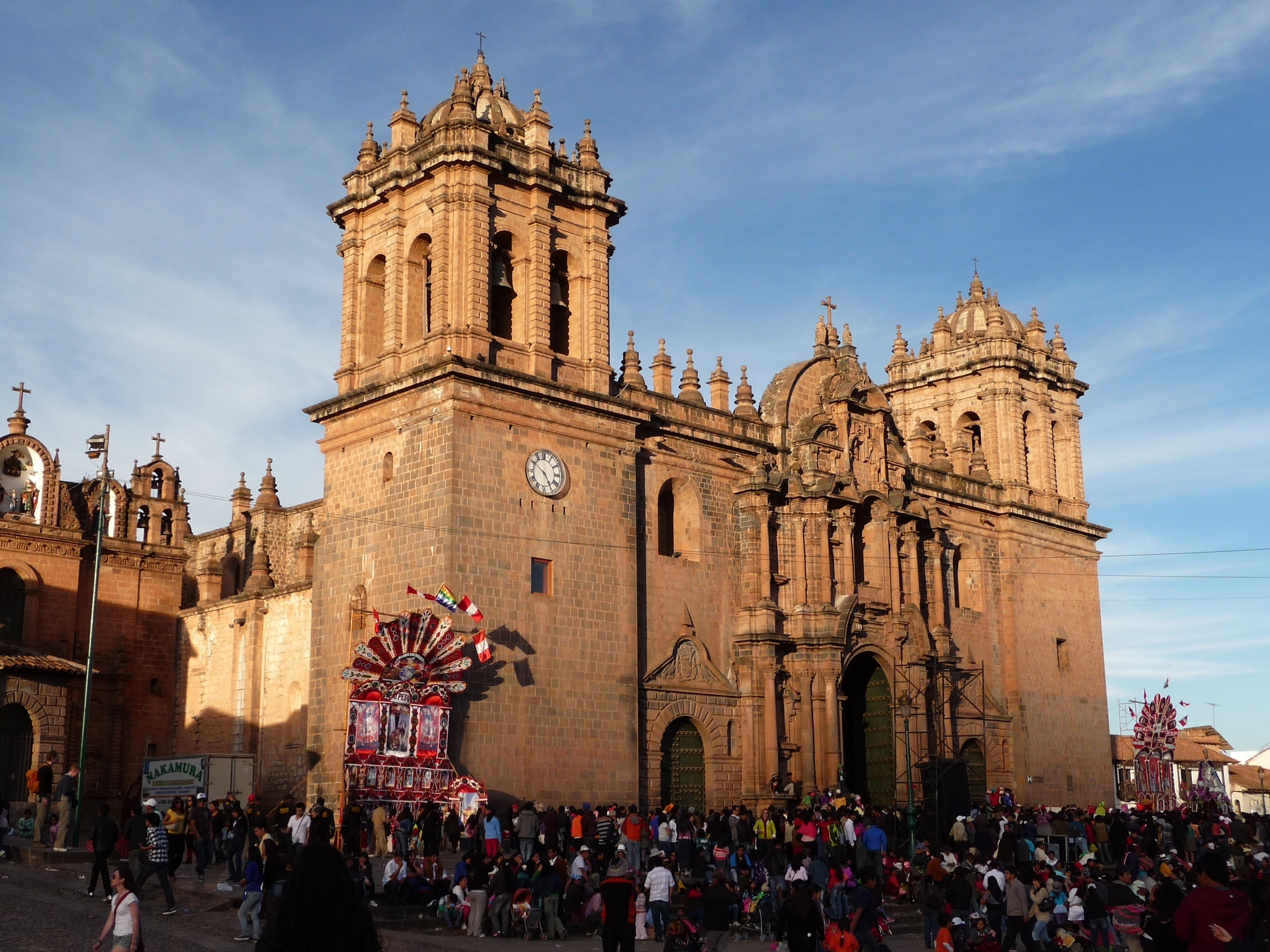
Chinchero was the next stop. It was a town with colonial buildings built on inca rustica walls (mud brick used on the top level).  The timing of our visit to this town was perfect. It was the day of the Corpus Christi celebrations – an Andean festival of the saints with similarities to the catholic celebrations of Corpus Christi. The Catholic church in the town had been built over an inca temple but like so many others contained both catholic and Andean religious images.
It was a colourful spectacle with the different clans practicing their dances on the archeological site surrounding the church. Each family or group of families choreographs their own dance – leading to a dance competition in the evening, led by a procession of the virgins (who were still in the church while we were there).
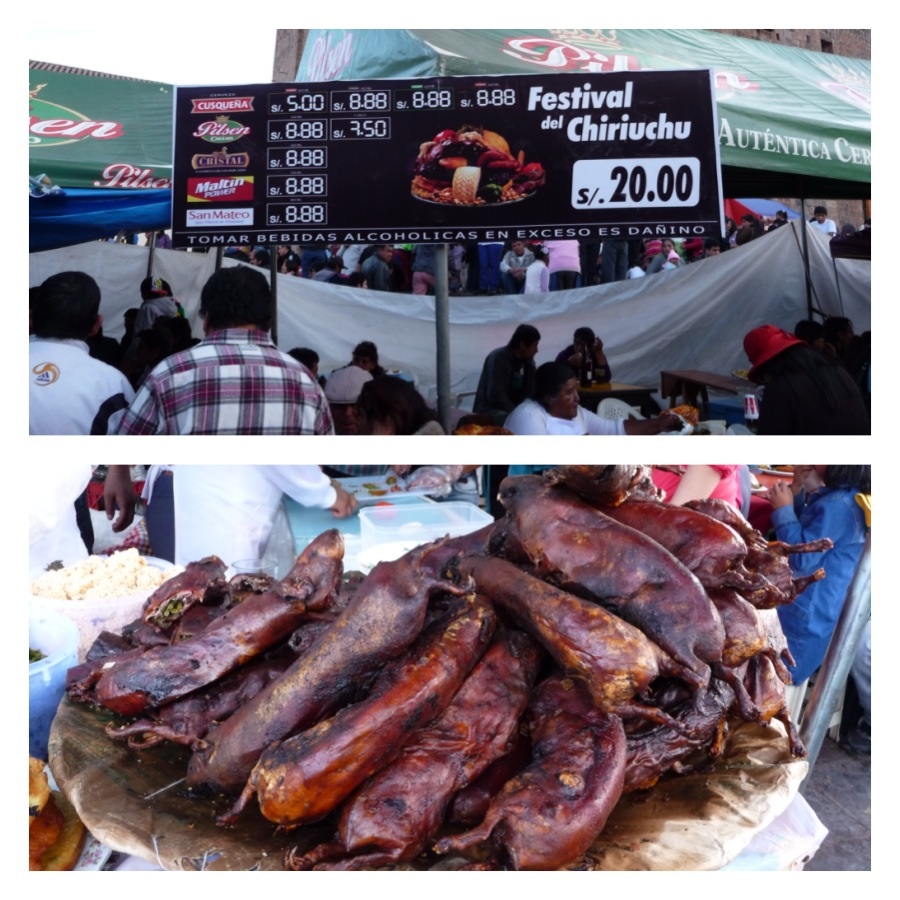
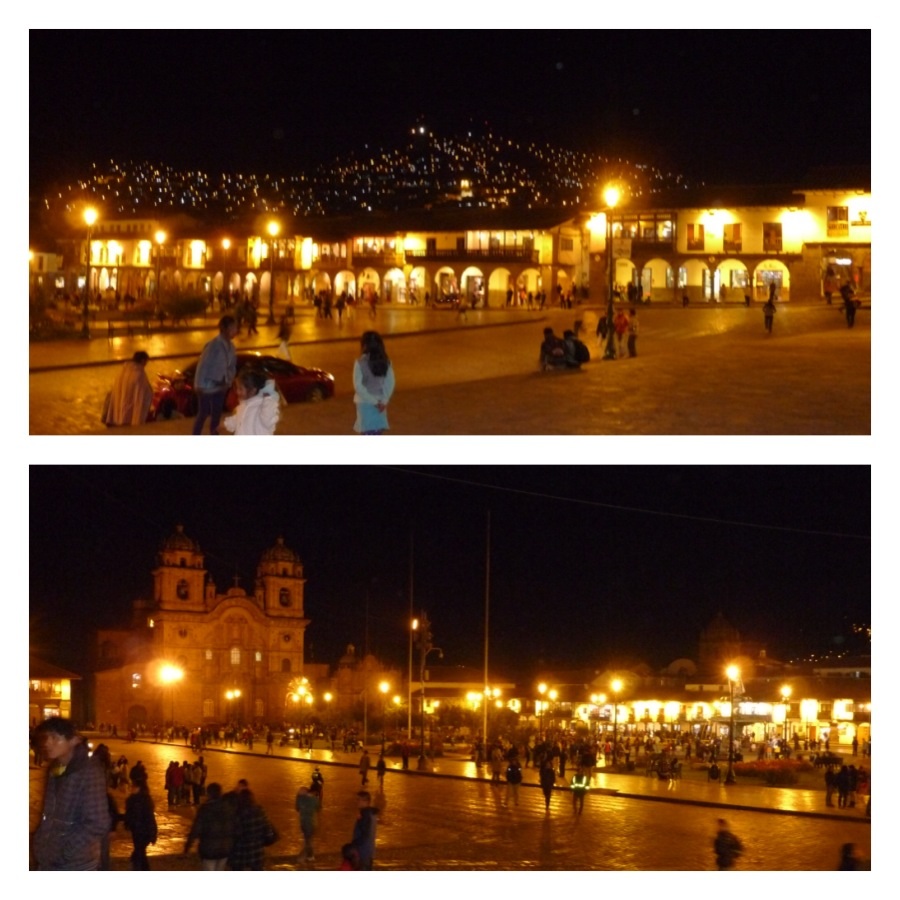
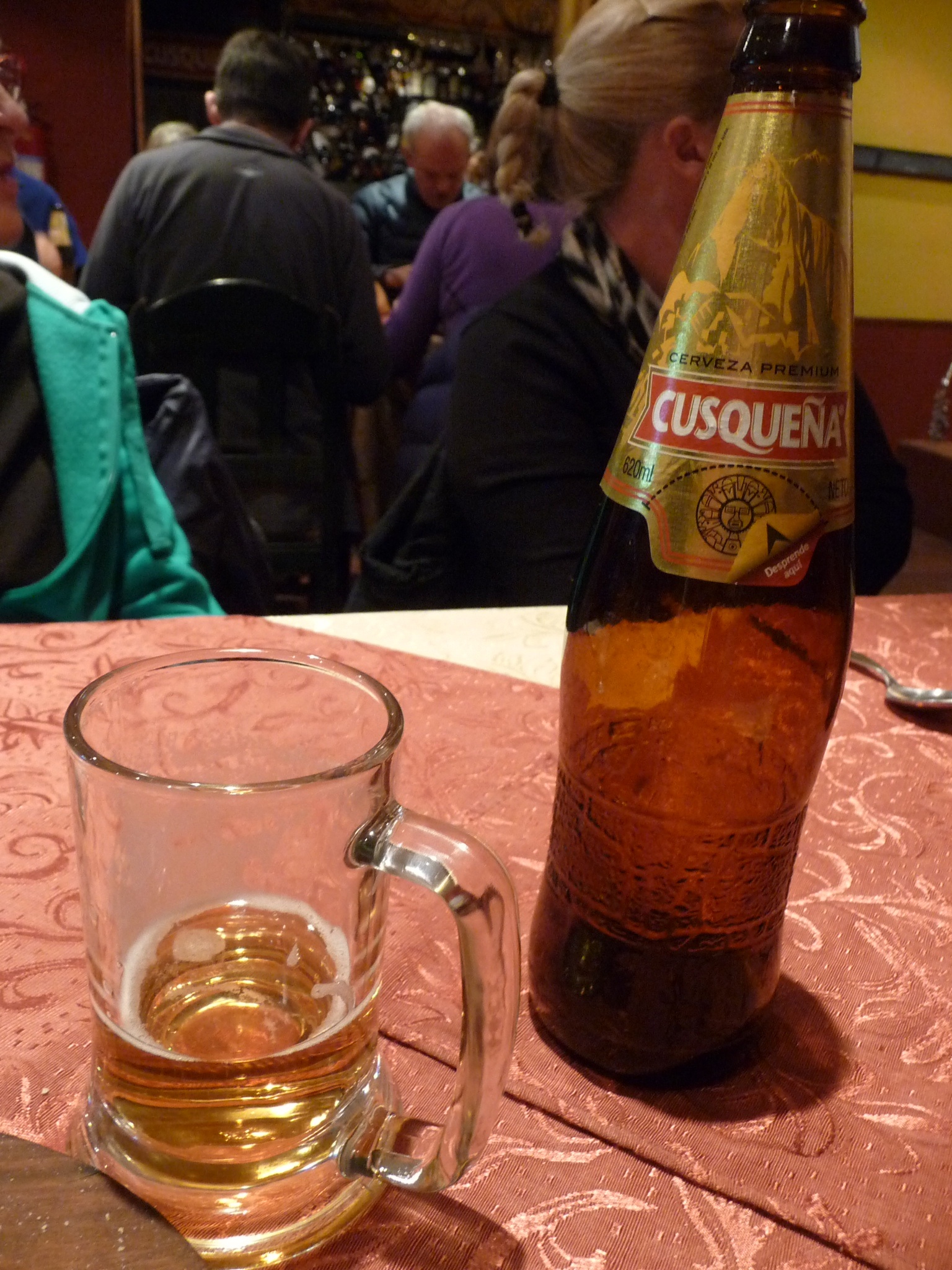
We arrived back into a very pumping Cusco, which was also celebrating Corpus Christi. The procession was just ending but the guinea pig and Cusqueña was flowing!  It was lovely to be there at such a happy time for the locals.
A spot of shopping and then it was back to the hotel to pack for the following morning’s flight to the Peruvian Amazon Jungle.
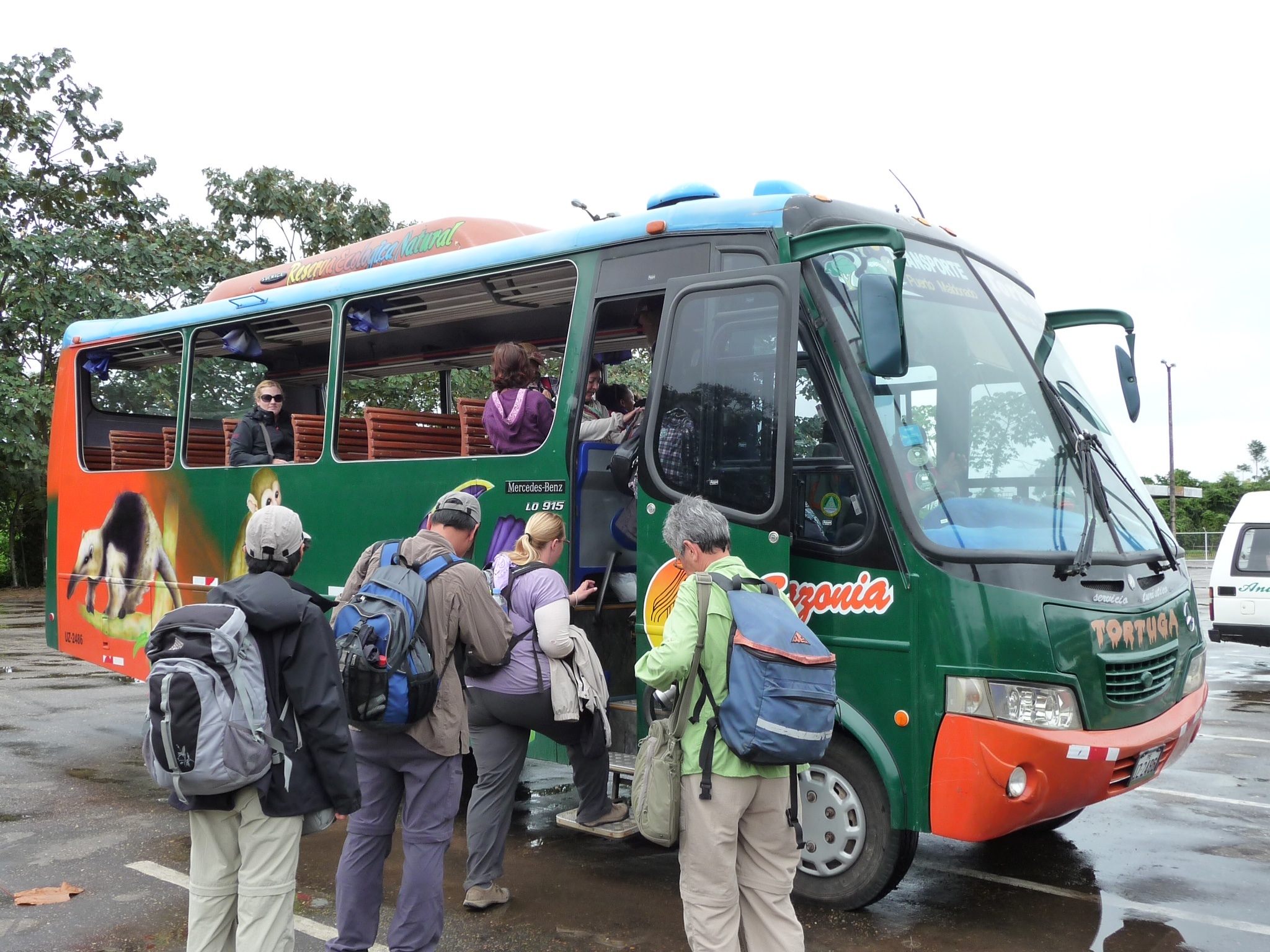
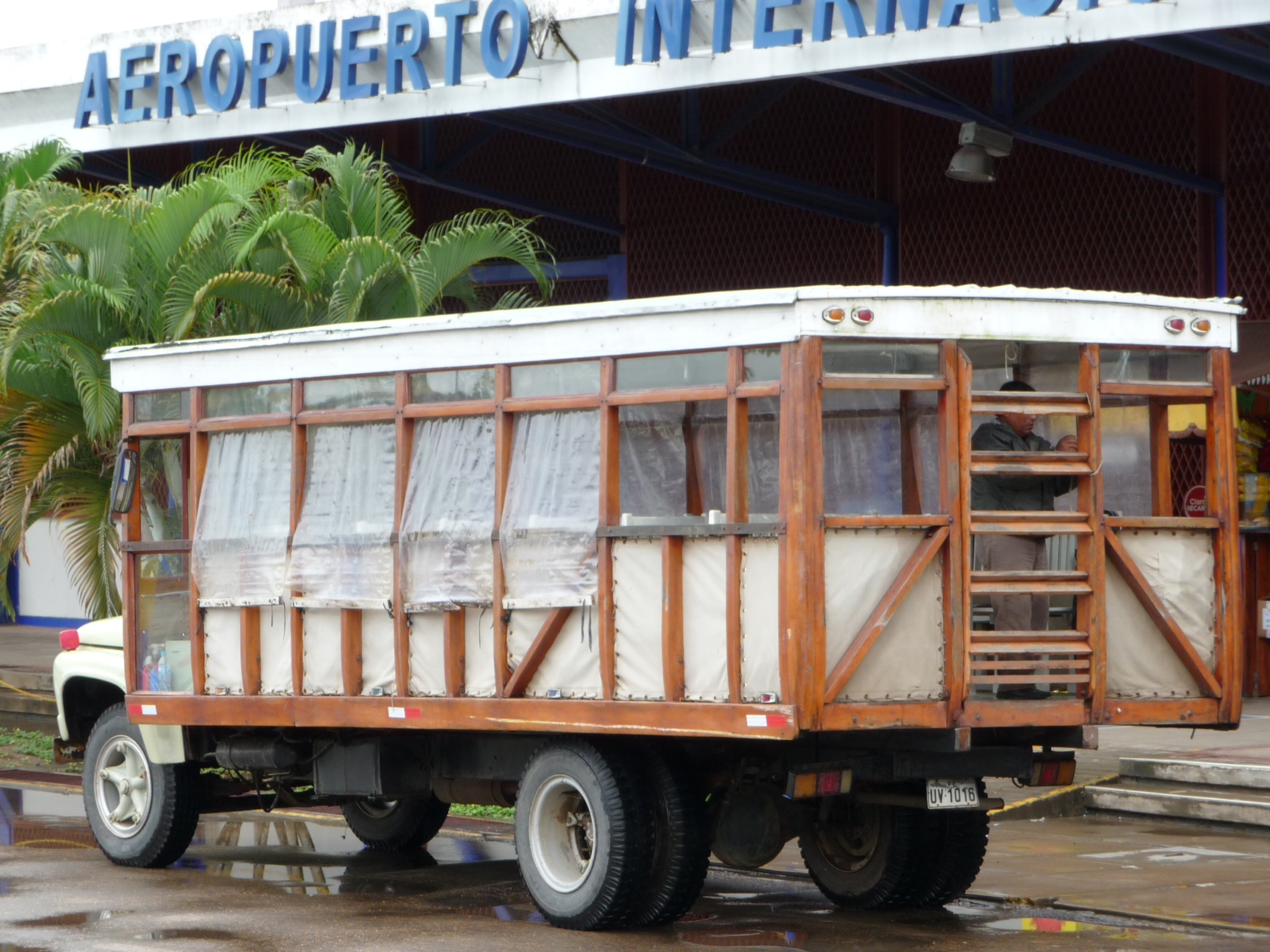
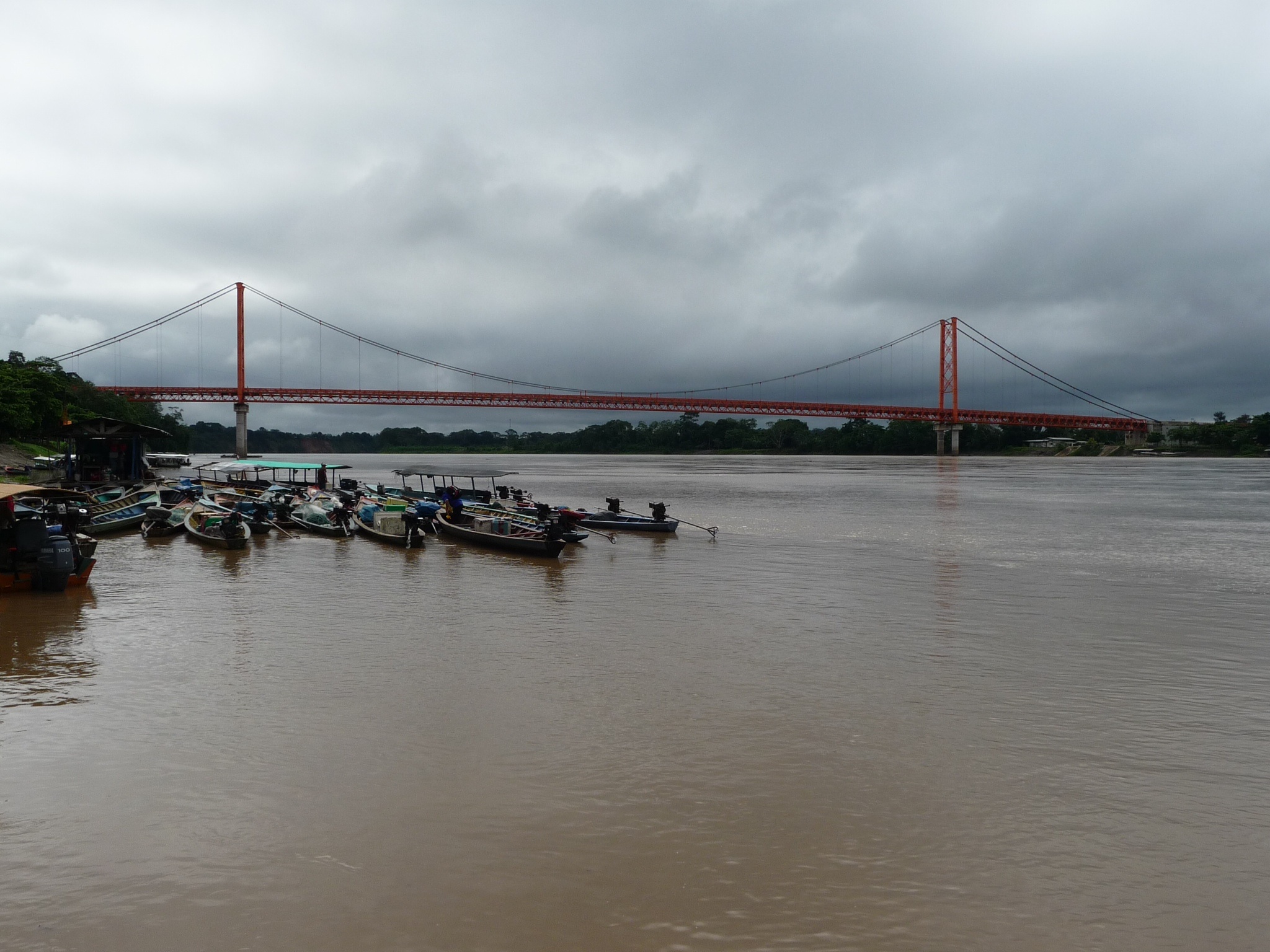
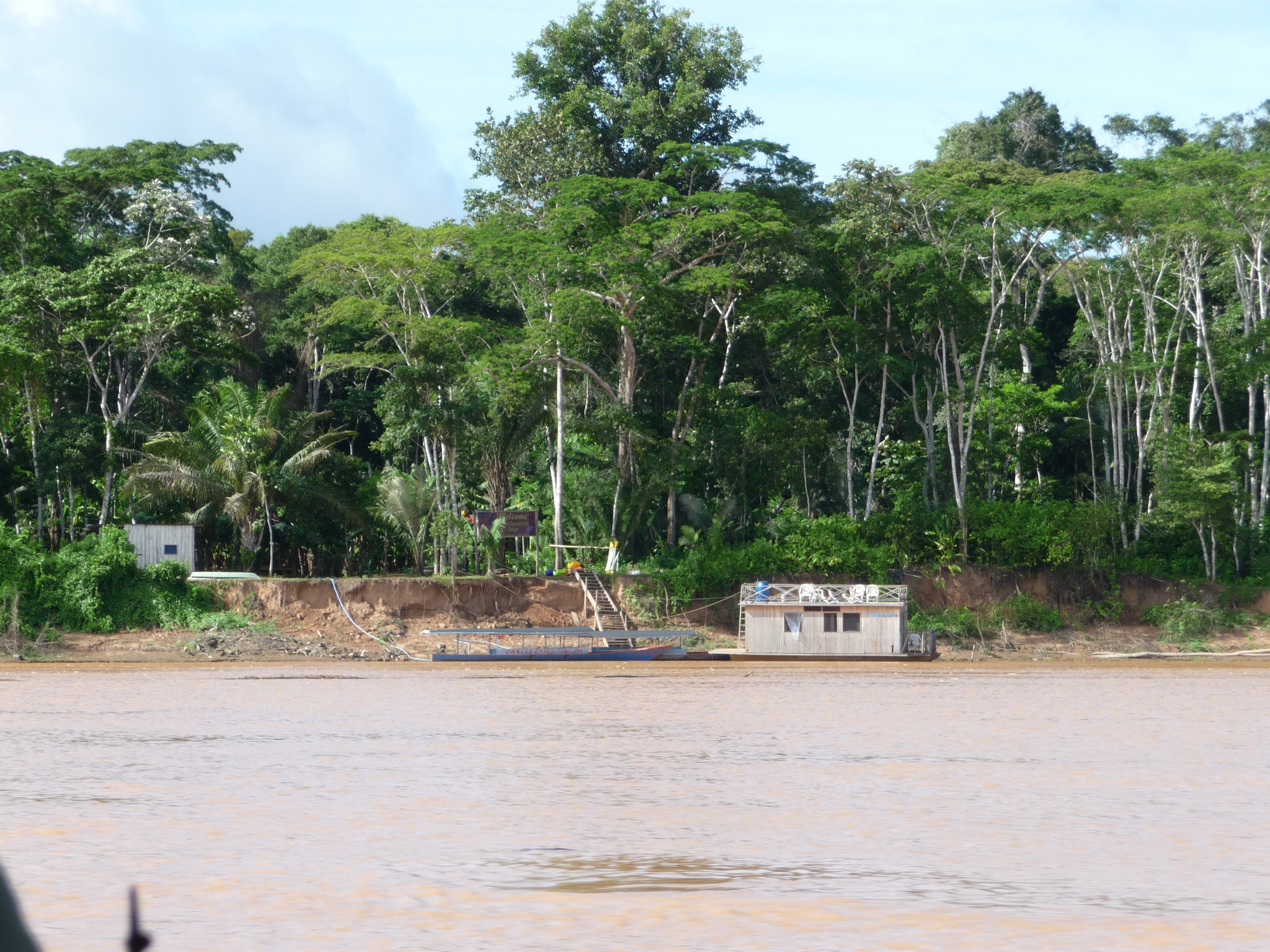
It was only a 30 minute flight to Puerto Maldonado – part of the Amazon Basin. The main industry in this town is gold collection from the rivers and agriculture (particularly Brazil nuts). It’s only a number of hours drive to Bolivia and Brazil from Puerto Maldonado. It also boasts Peru’s largest bridge – a mini Golden Gate.
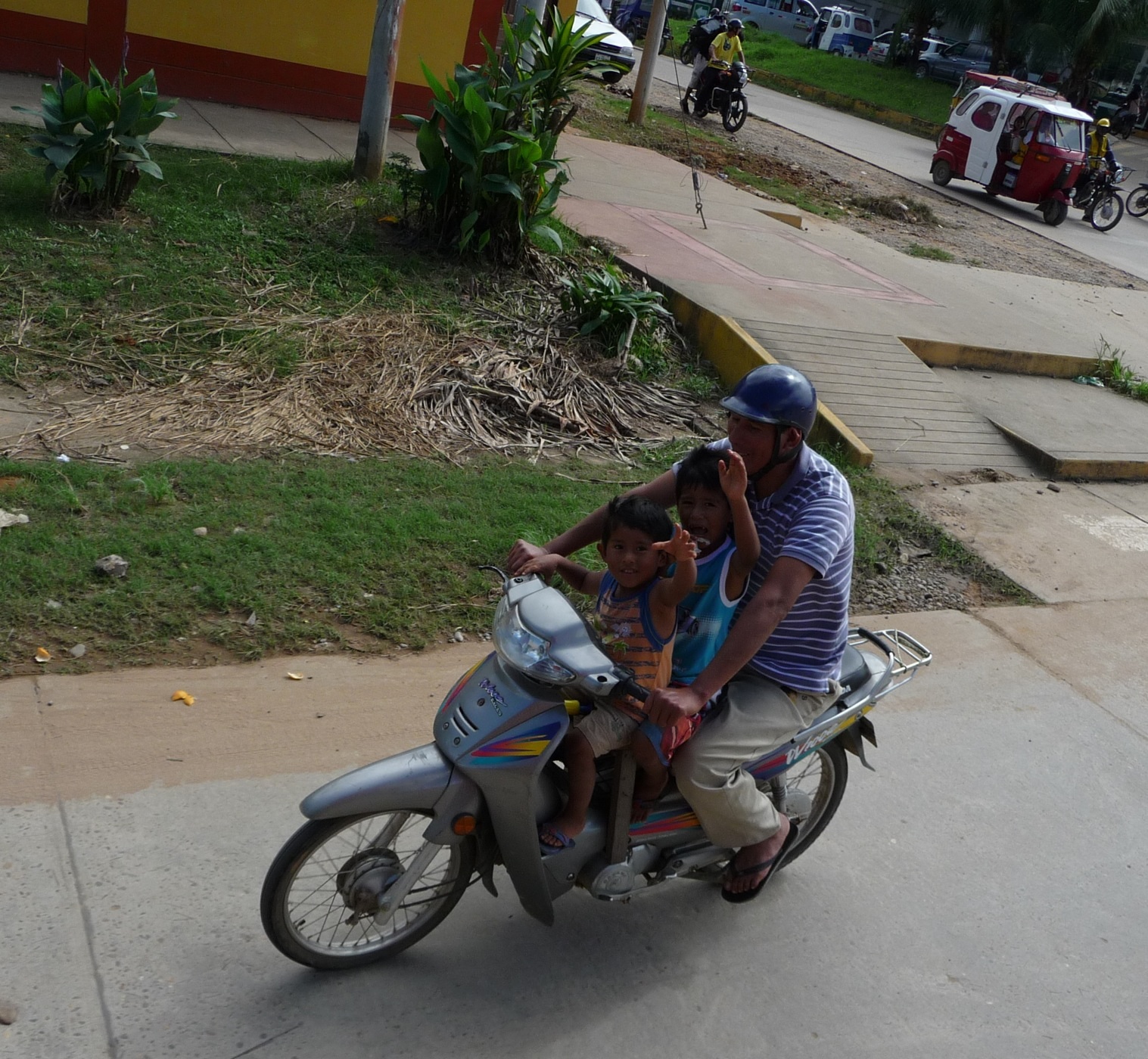
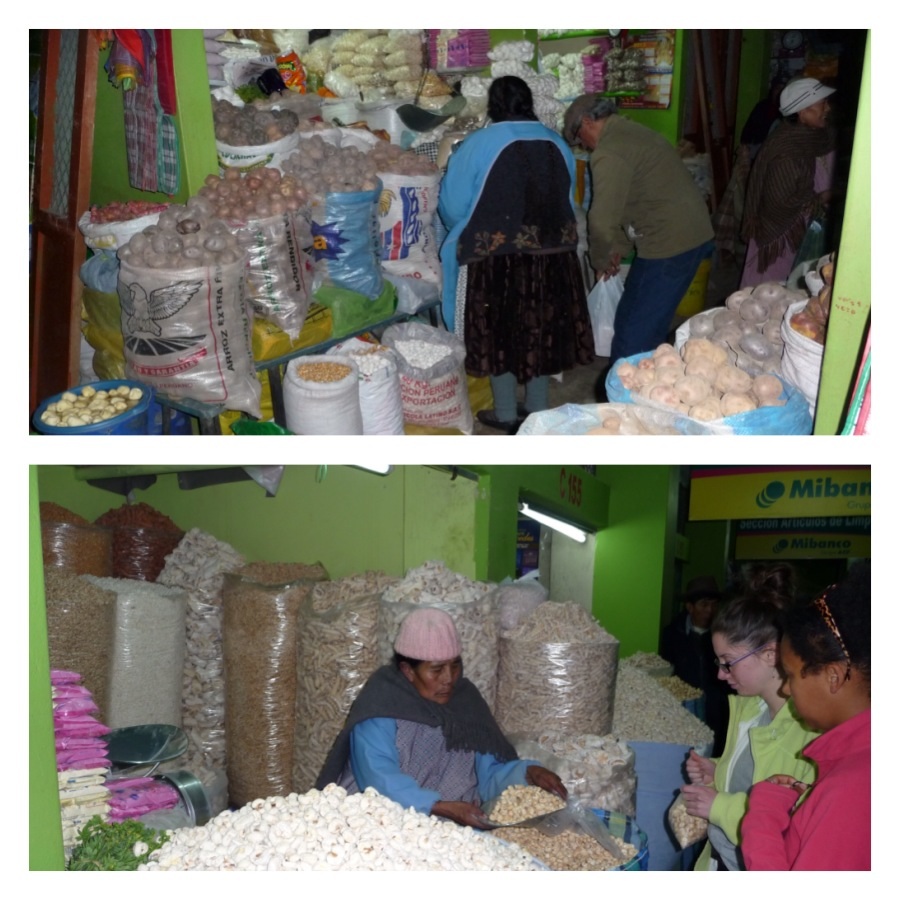
I loved the two taxi options – either a three wheel or two wheel bike. Unfortunately it’s BYO helmet. We had a quick walk around the markets before getting our boat to the lodge. The warnings from our guide to be careful with our handbags during the walk around town was useful – Patrina had a motorbike rider try to grab hers as we were crossing the street. Thankfully he only got away with ripping her shirt.
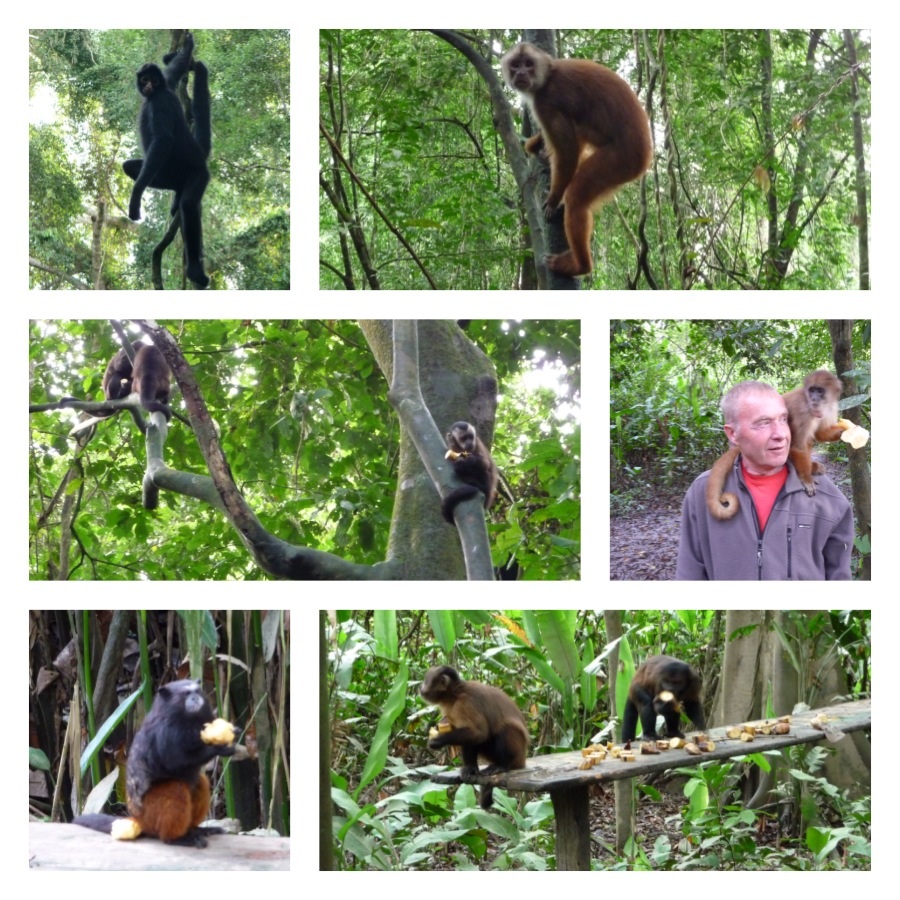
It was unexpectedly cloudy (given it wasn’t the rainy season) so we knew a trek in gum boots was likely.  After a very tasty lunch we got taken across the river to an island owned by the lodge that’s used as a monkey rescue centre. We got to see spider monkeys, white and brown capuchins and the only tamarind monkey on the island (who happens to be 20 years old but is as small as a possum).
I had been looking forward to the evening with Mia and Lee. We had plenty of laughs about the Patagonia leg and what we’d done in between that time. They were doing the reverse of the trip to me (Rio to Quito) so we both filled each other in on what was ahead. It was sad to farewell them again but I know I will see them again, if not when they return to Brisbane from London it will be for a trek in the Swiss Alps!
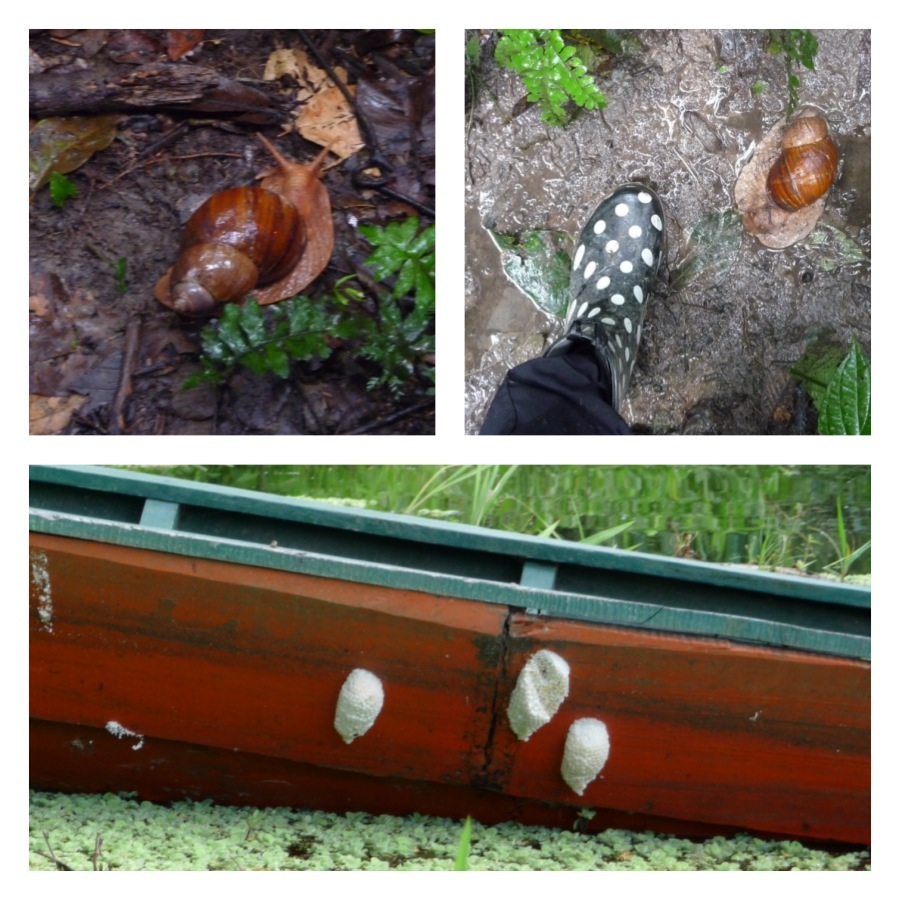
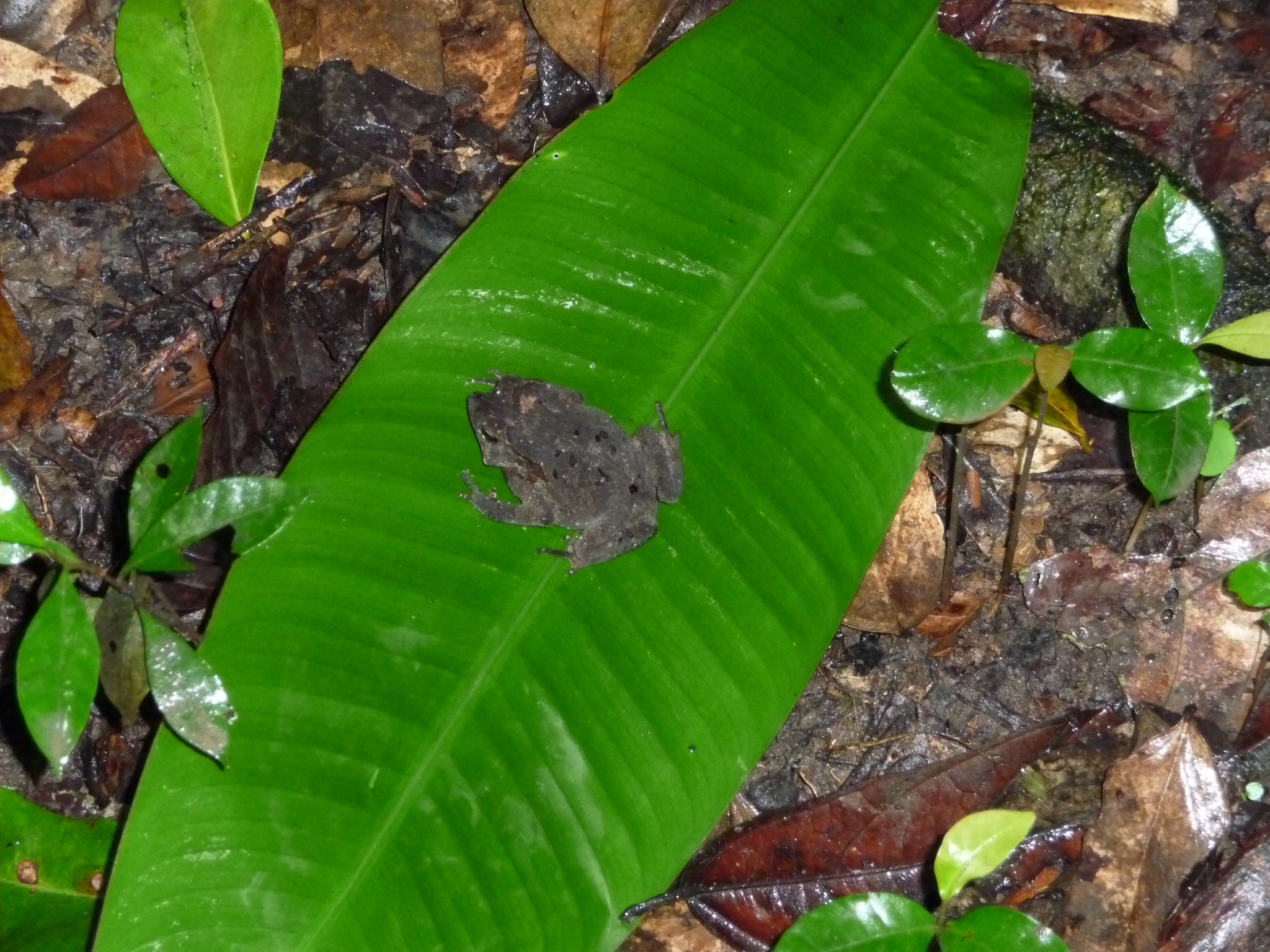
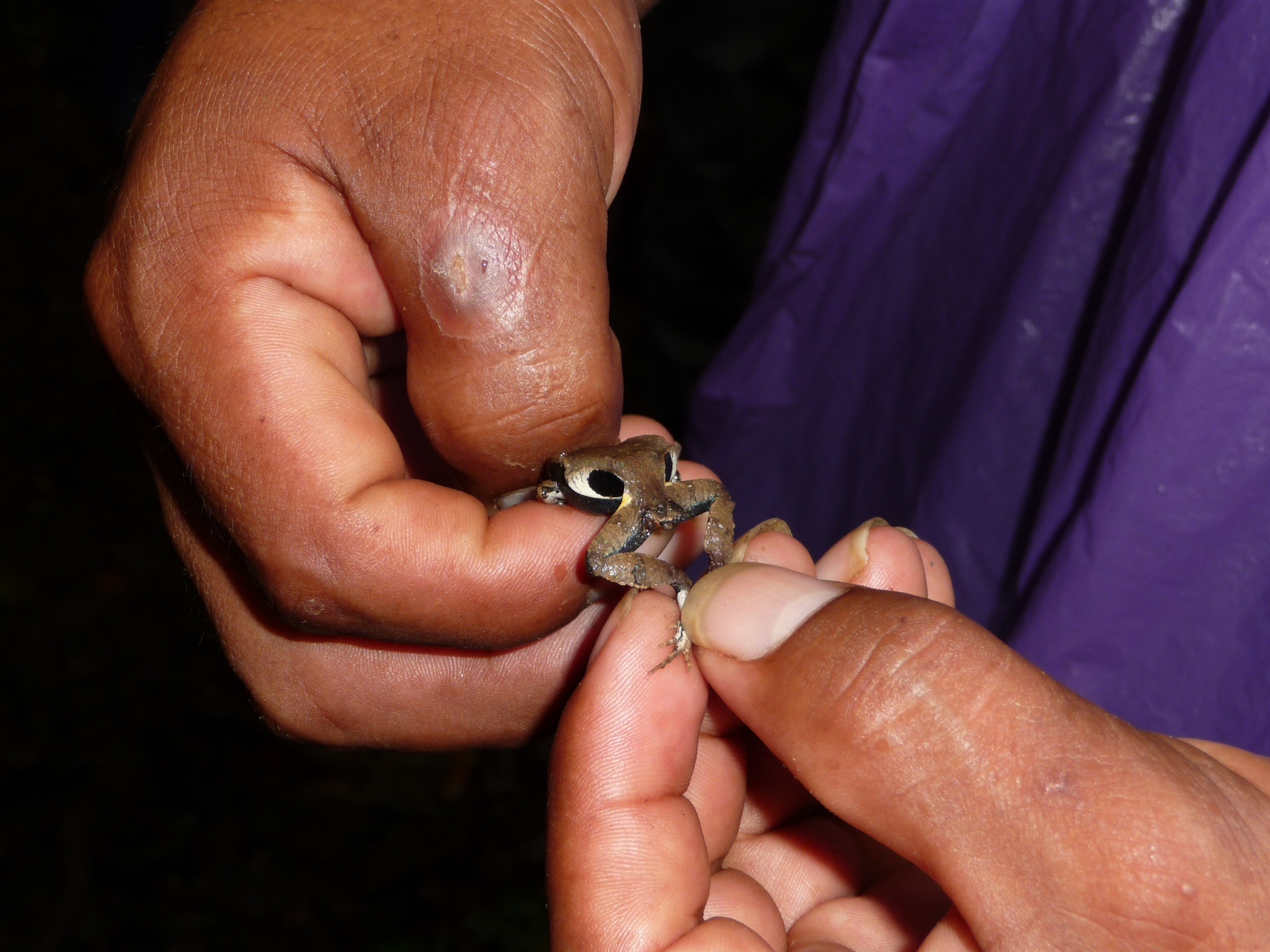
The next morning we had a trek through the jungle. It was very different to what we had experienced in Ecuador; the Peruvian jungle was very flat whereas the Ecuadorian very mountainous. Along our walk we saw giant snails and bundles of their eggs, squirrel monkeys and a very well camouflaged leaf frog. Trees such as the Ironwood were pointed out as the roots from these trees are often used by natives to take refuge during the night or in storms.
We arrived at Victor Lake for a spot of bird watching from a 20 metre viewing platform – we managed to see tucans in the trees in the distance, horned screamers and parrots.  A short boat trip around the lake resulted in seeing more birds – snowy egrets, weasels and social flycatchers.
It is the mahogany and cedar that is sought after in the Amazon – the area we were in and up to six kms on had already been depleted of all these trees.
The guide managed to lure a tarantula out of its ground nest – it was huge but very quick in returning to the nest.
On returning to the lodge I was delighted to find a farewell note in my hiking boots from Mia and Lee, and got a laugh from the bit about how nice it was to see my ‘purple’ hiking boots again!  I chose to hang about in the hammocks for the afternoon while a number of our group took off in a boat to try their hand at piranha fishing – unsuccessfully and in a storm to boot – was very pleased with my decision.
I enjoyed a few aquadeiño (local aniseed liquor) before bed and then it was up river again in the morning for the flight back to Cusco. It had been fun at the lodge – the cold showers and electricity only being available between 5pm and 10pm added to the authenticity of the experience. It had also been lovely to be away from the rabble of big cities instead waking to the sounds of woodpeckers and other melodic birds.
The next day we were off to Puno on a bus. Again the burden of the long bus trip was eased by the spectacular scenery. We followed a river through the base of a deep valley most of the way – it was lovely to see the beautiful blue sky and clouds reflected in it. Aside from the usual village houses we passed stacks of harvested crops and commercial operations – timber yards, quarries, etc.
Puno was a lovely little town and was to be our launch pad to the islands on Lake Titicaca. Puno’s main industry is mining – mainly copper and silver. They are also known for their tweaking of electronic equipment for sale on the black market. As usual the cathedral was perched above the main square – this one was 450 years old.
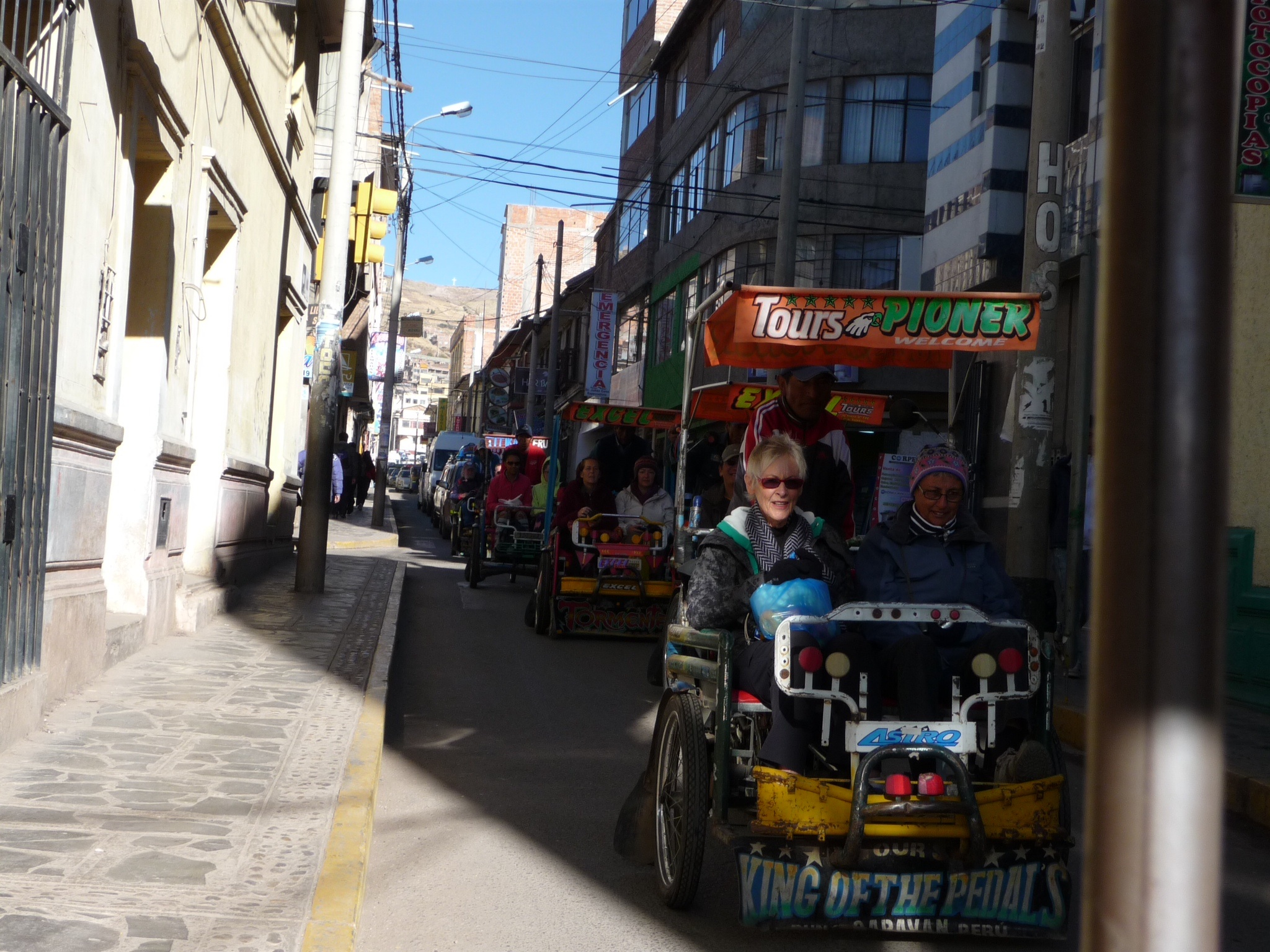
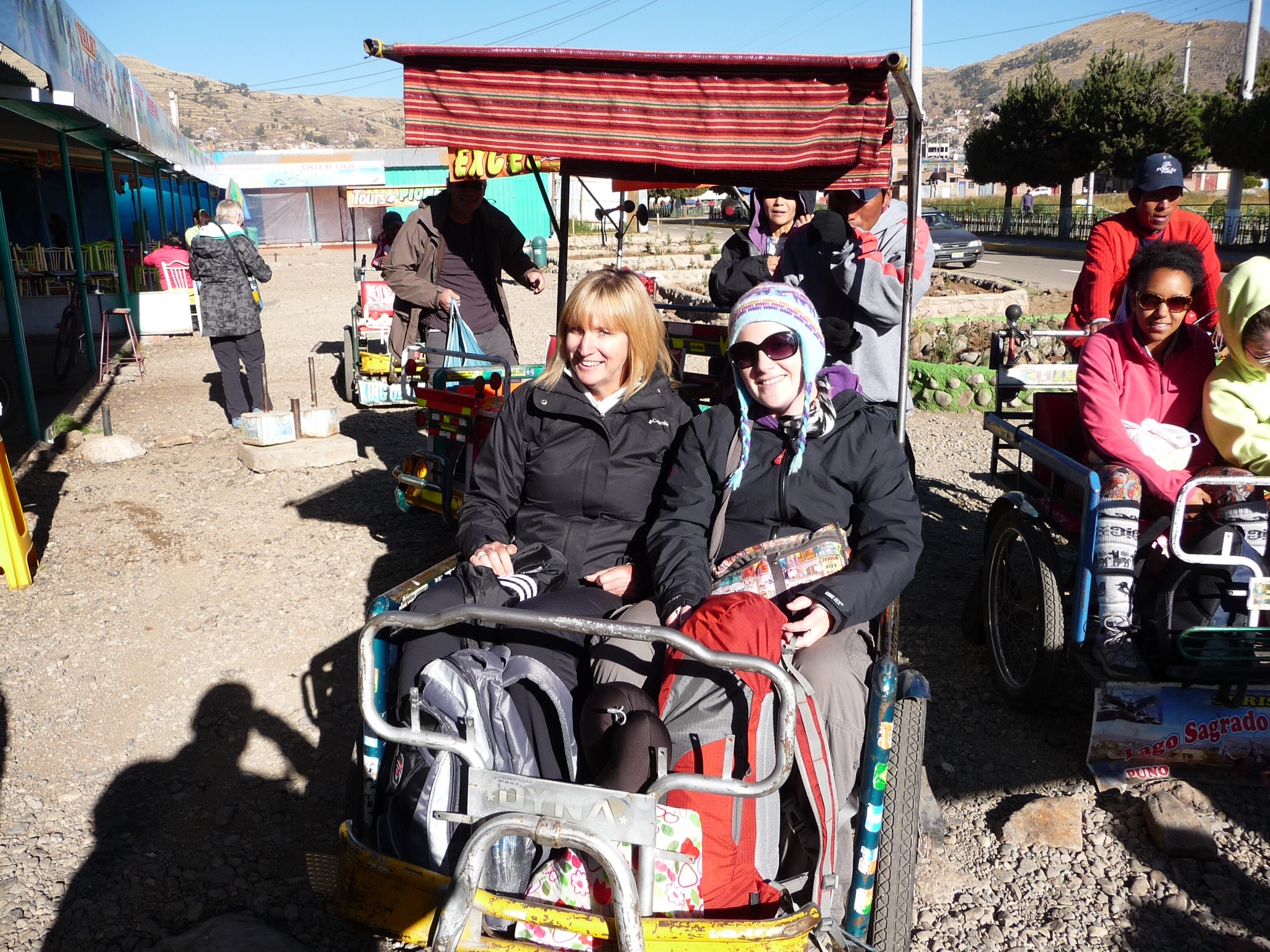
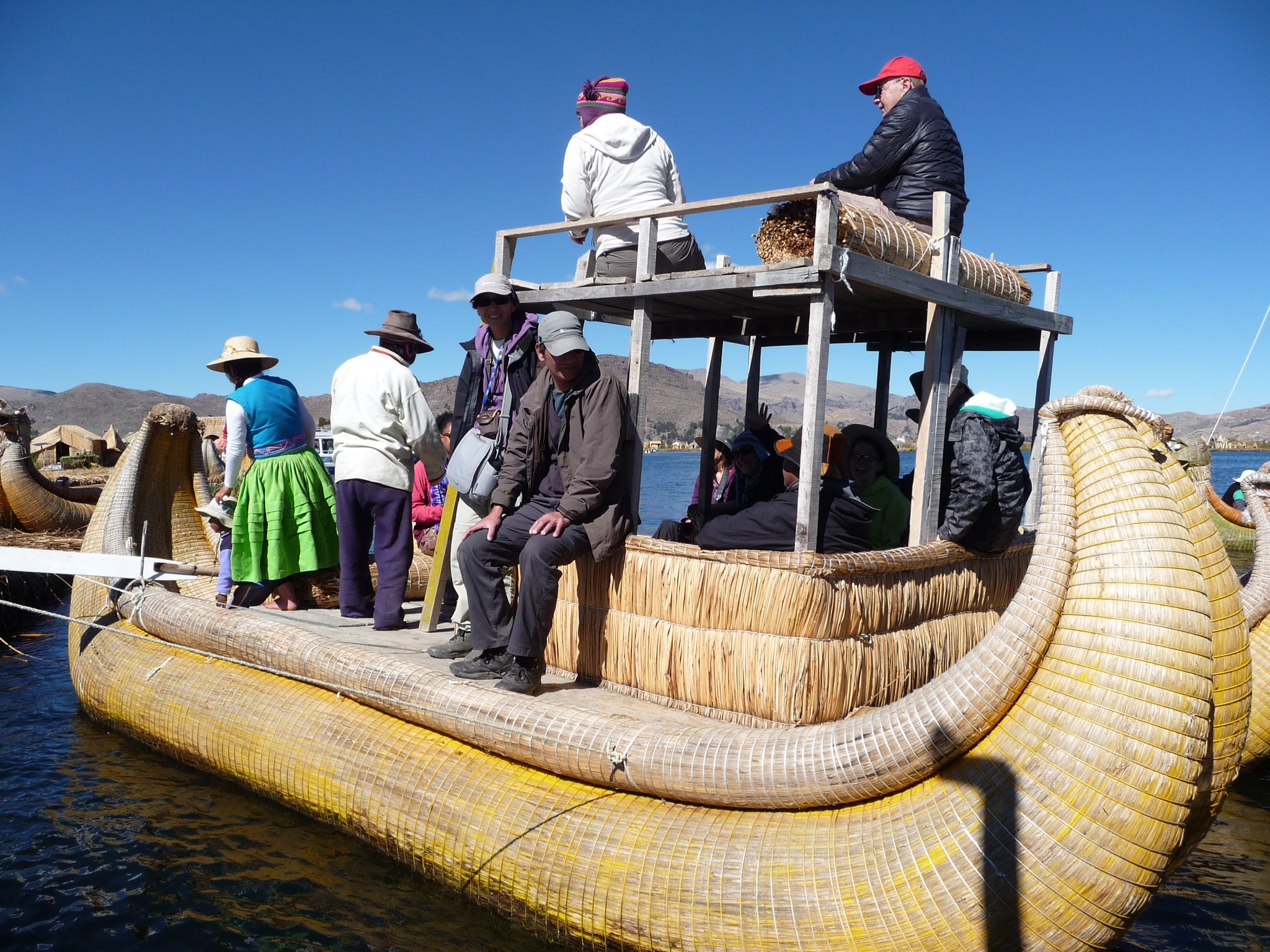
The following day we headed to the port in two passenger transport bicycles; fun as we encouraged our riders to dodge traffic to get us there first!  We were then onto our boat heading for Uros Islands. Lake Titicaca is the largest navigable lake in the world – 60% is in Peru and 40% in Bolivia. The lake is 4 000m above sea level.
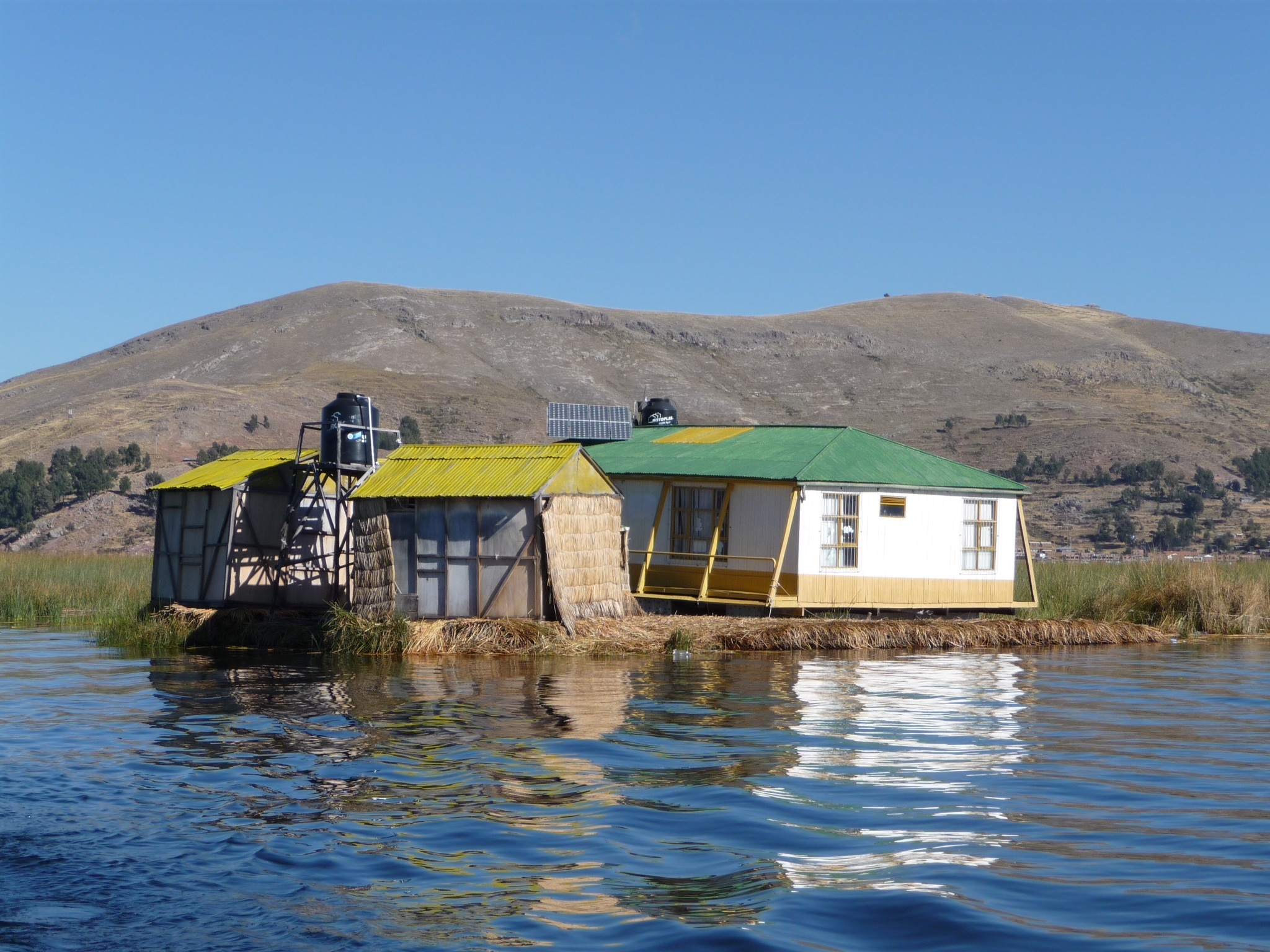
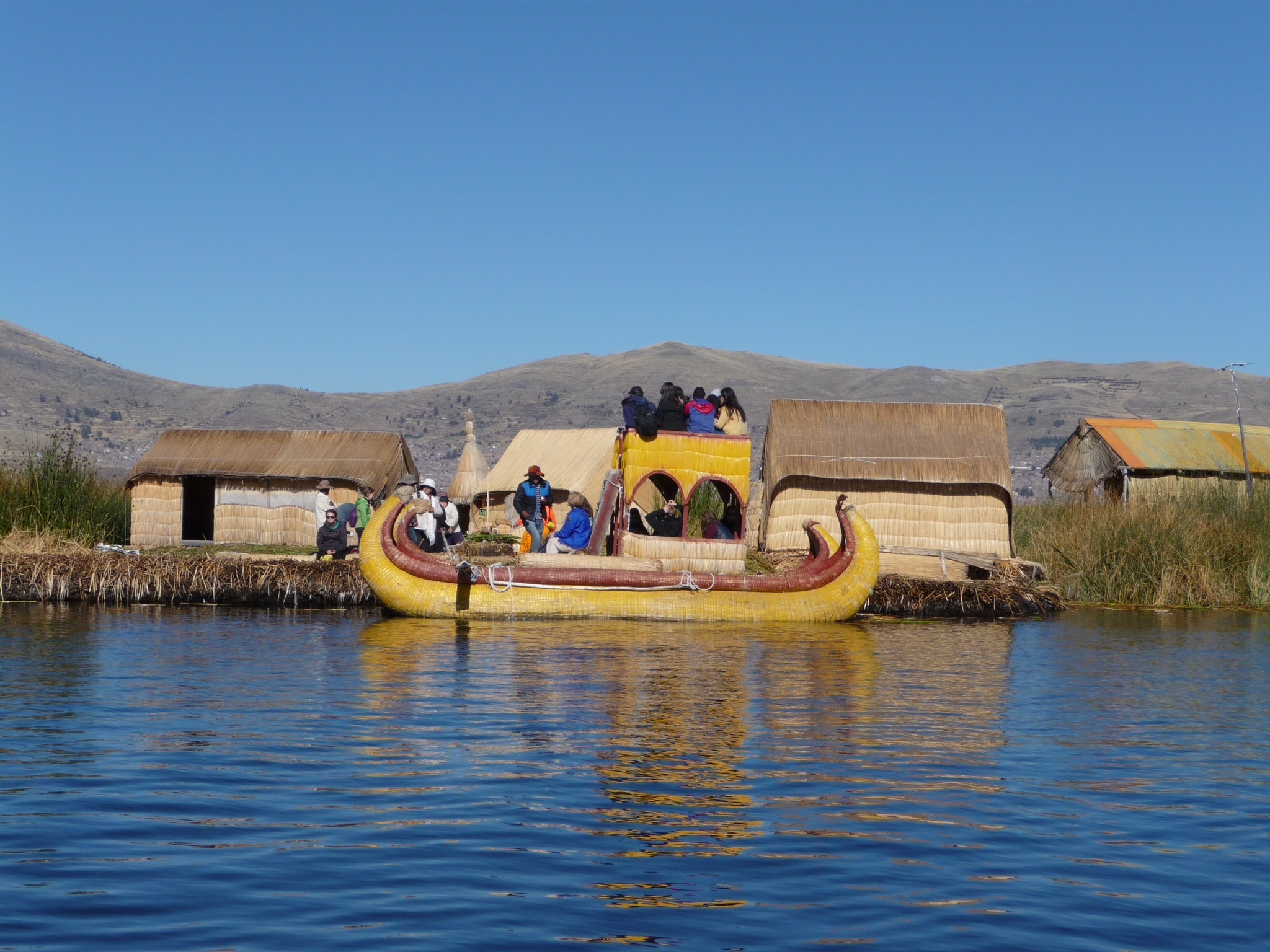
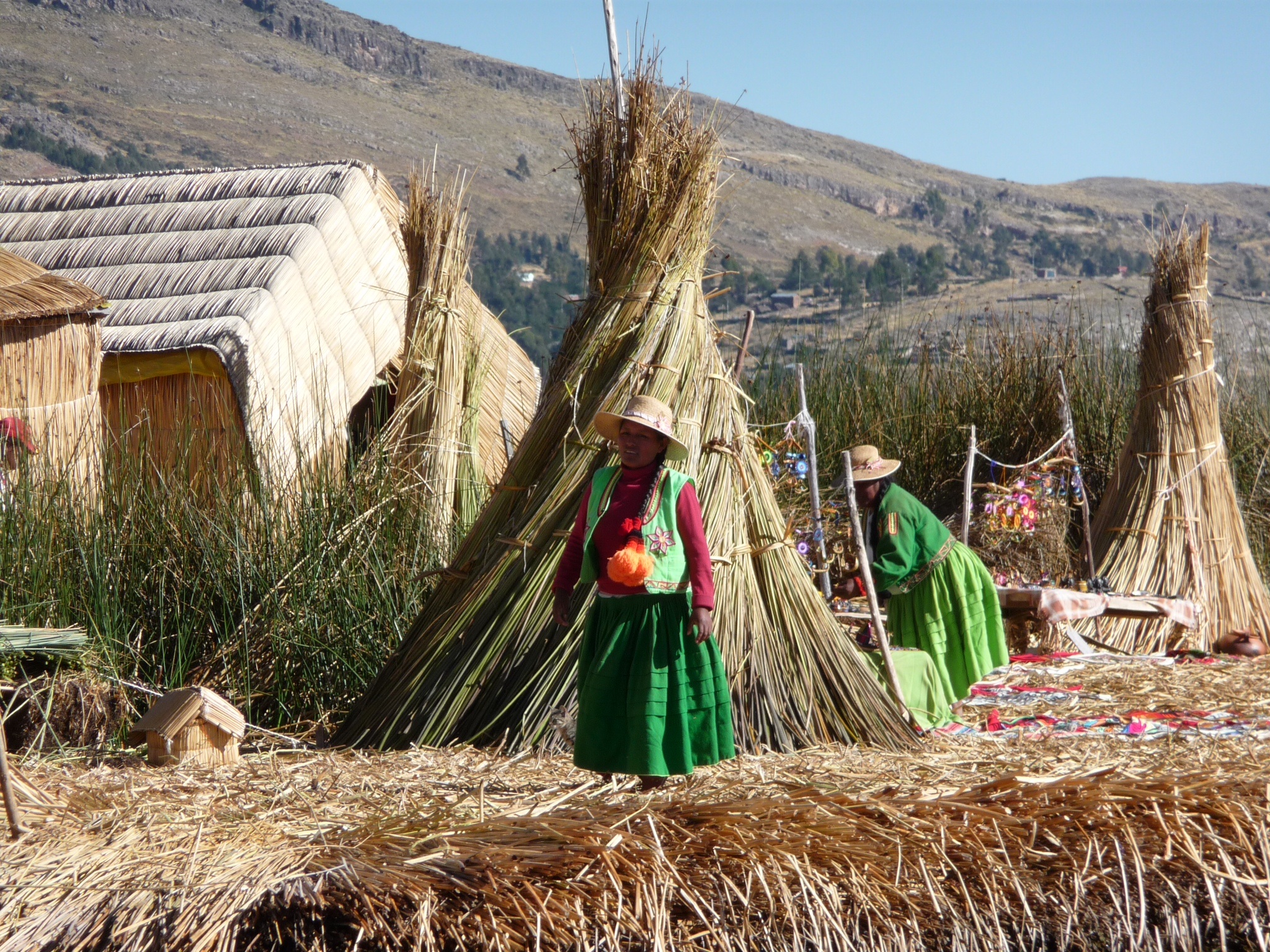
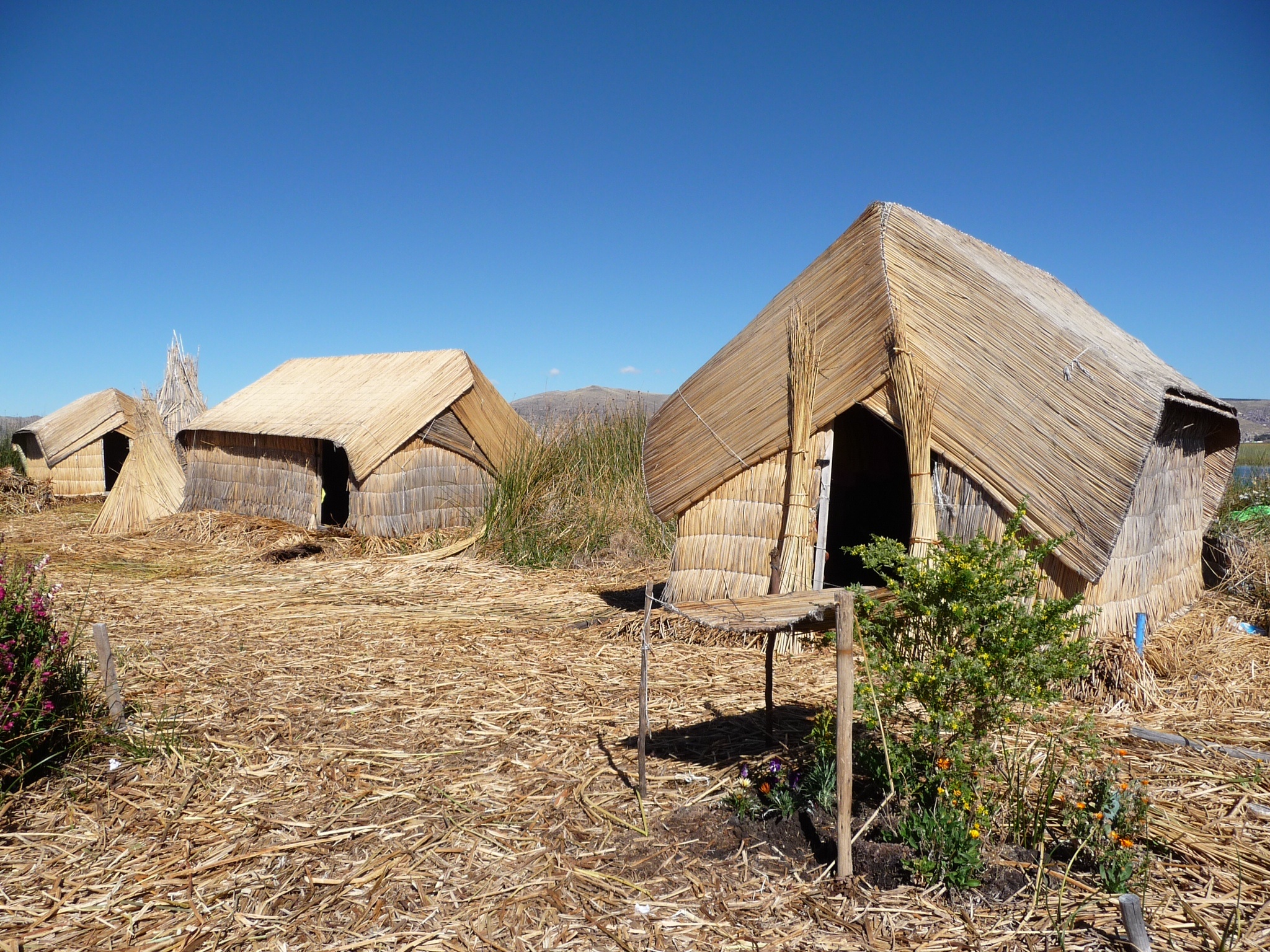
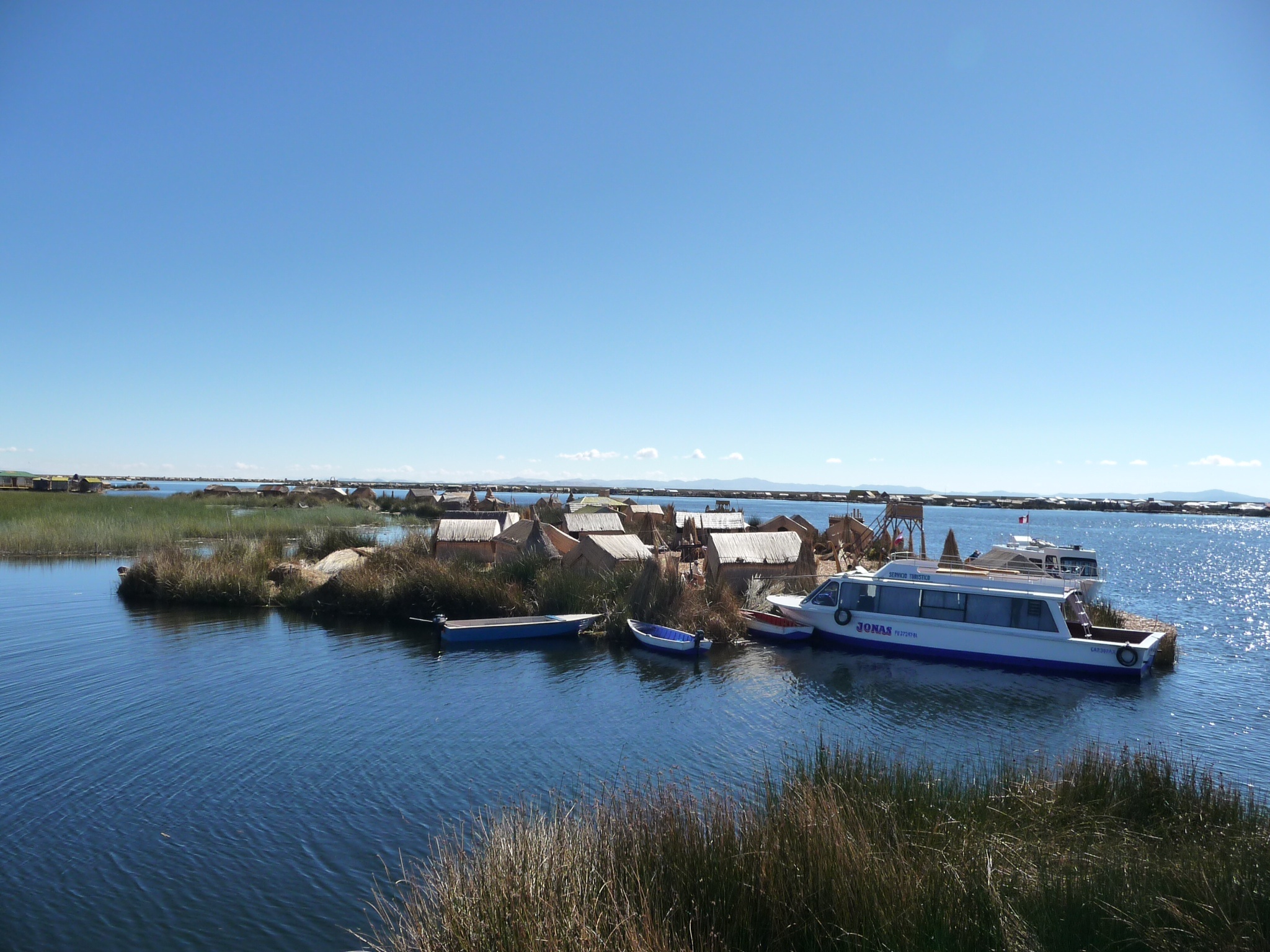
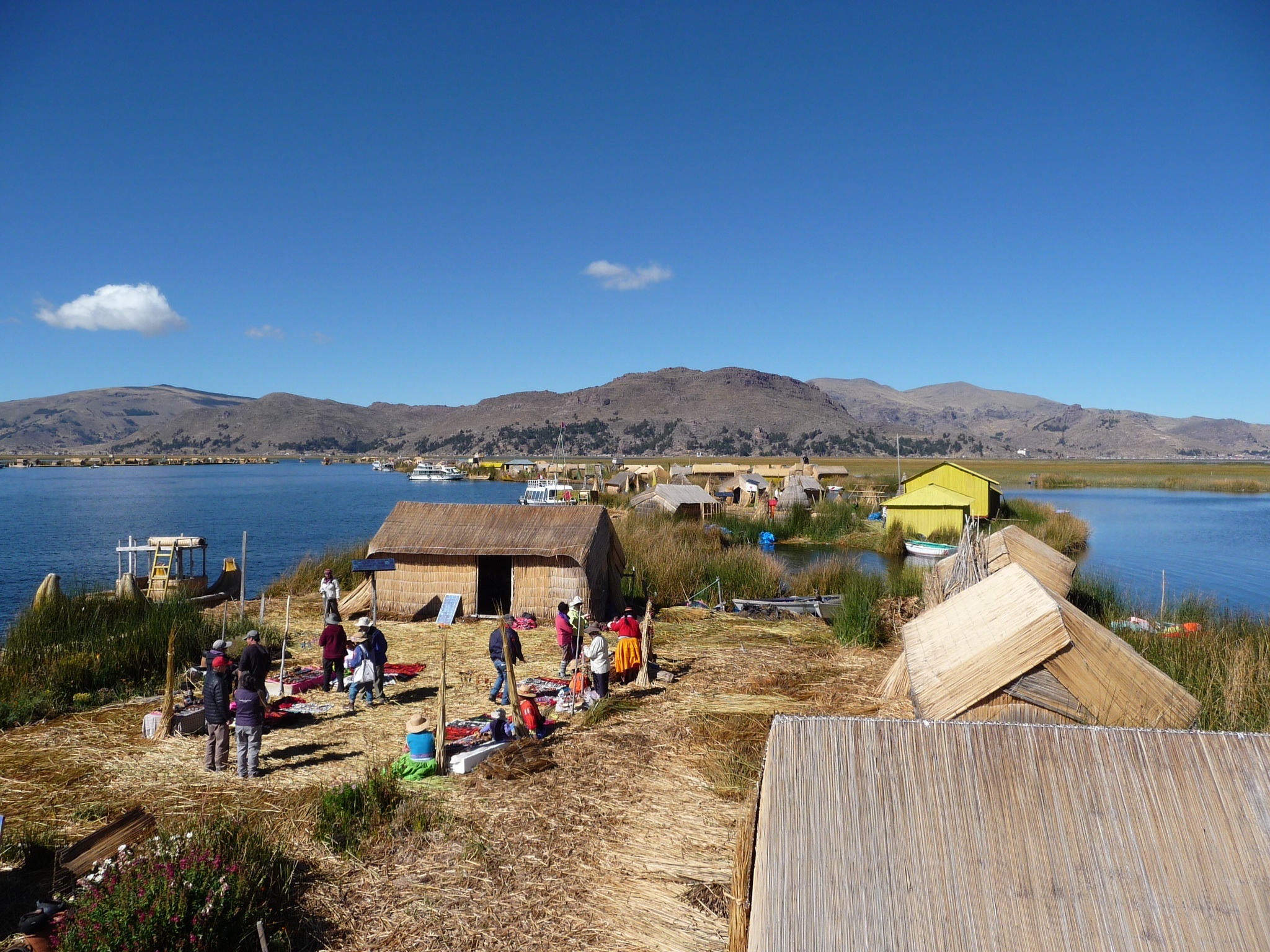
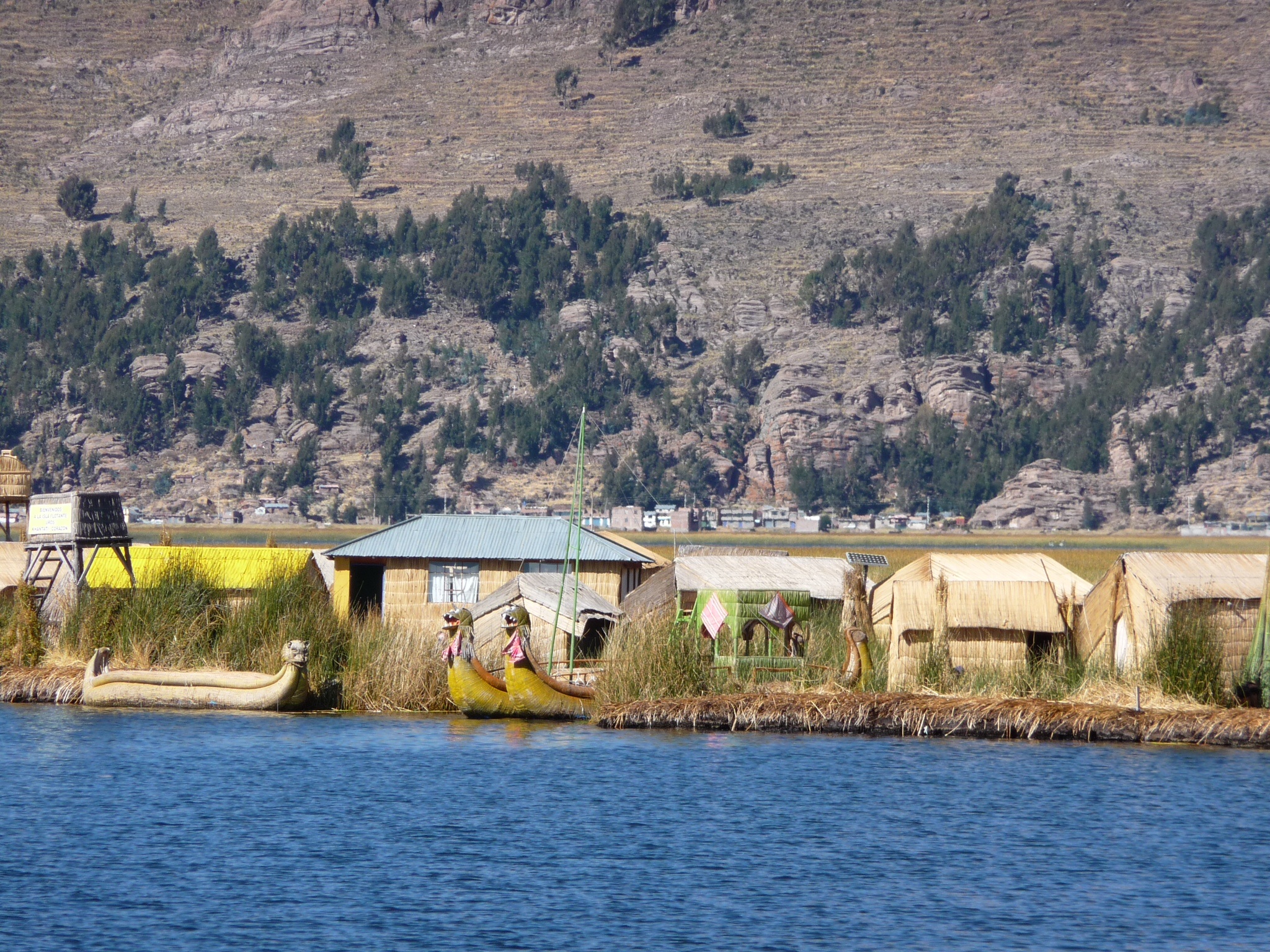
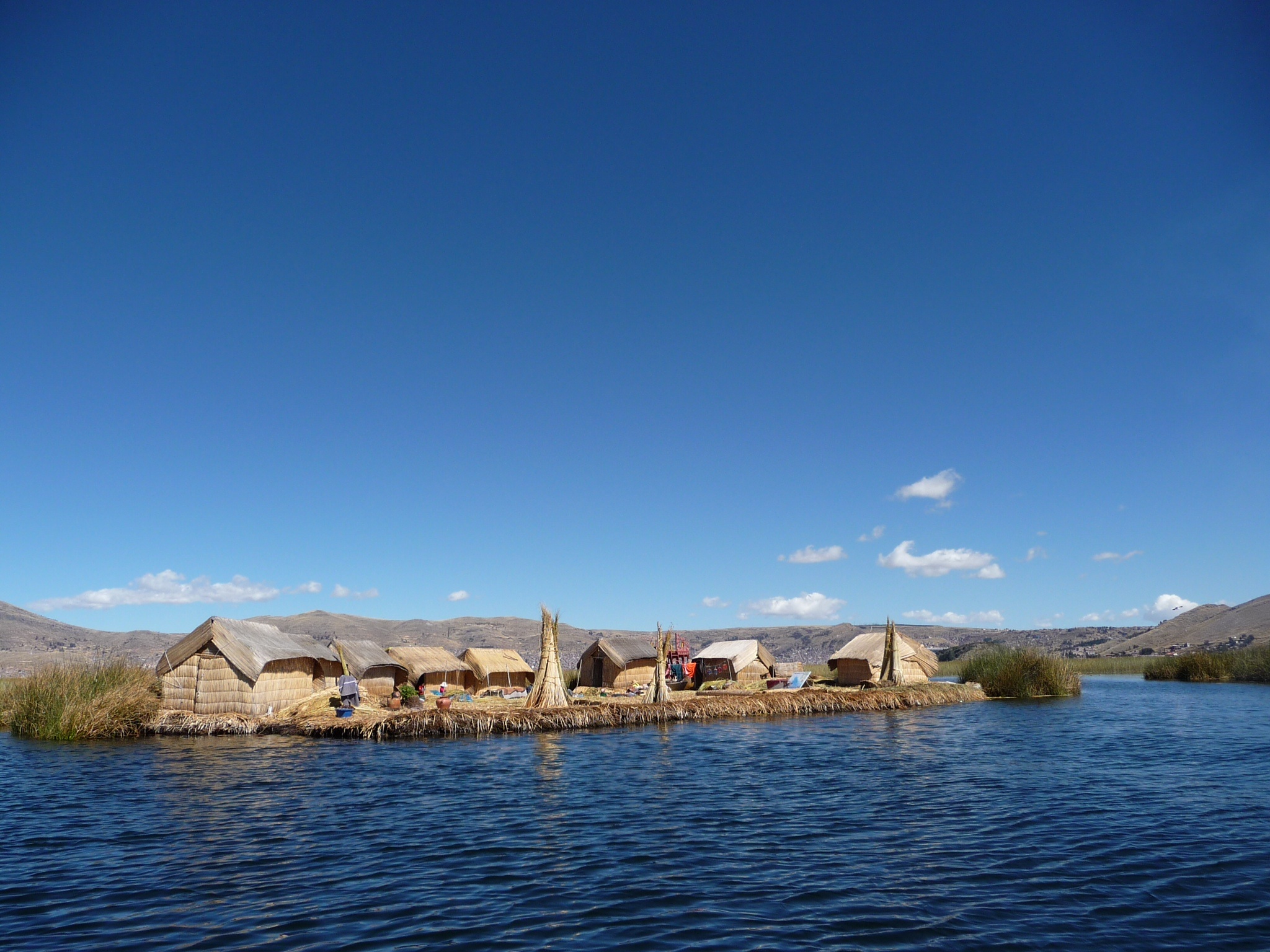
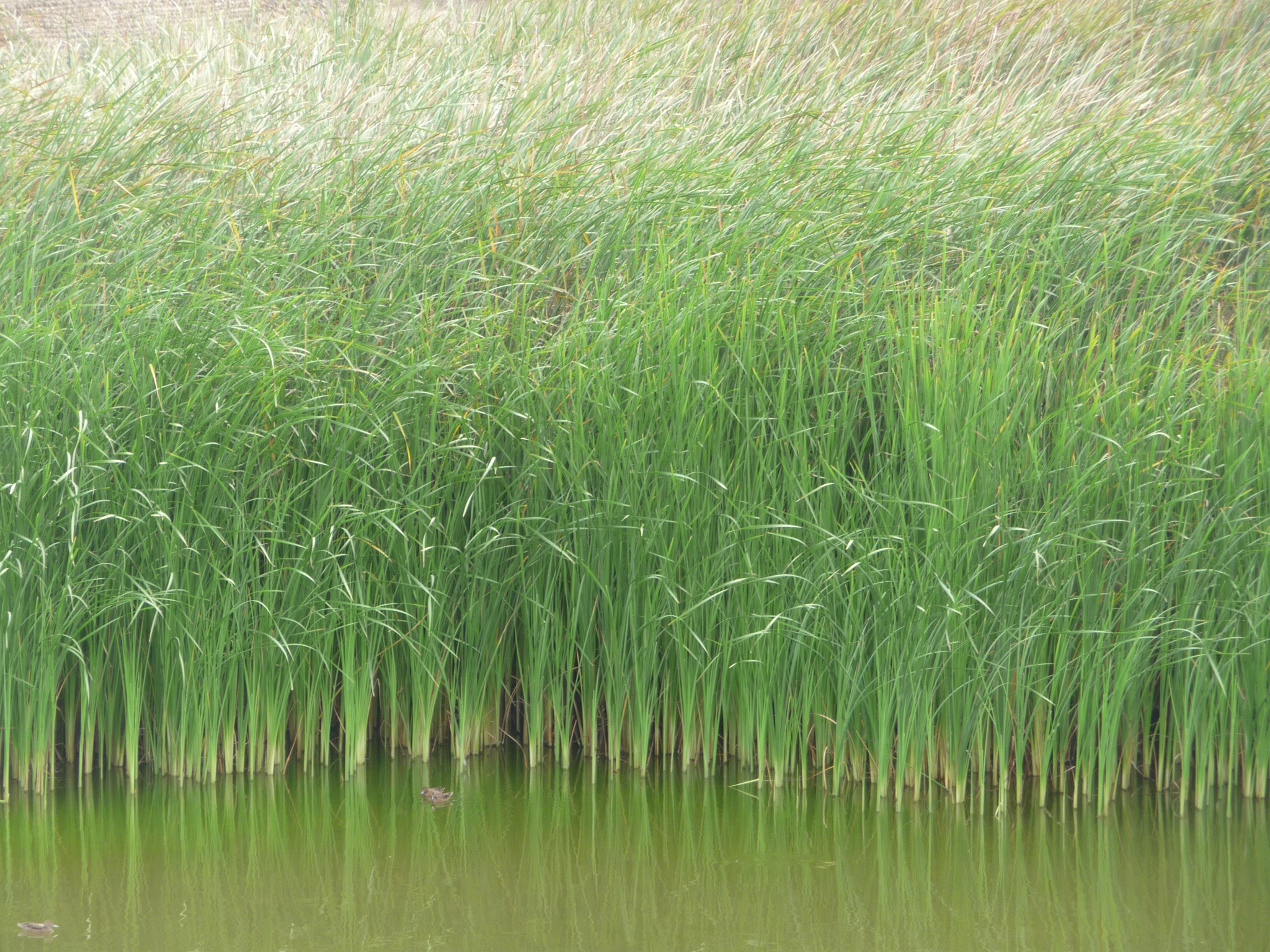
The Uros Islands were interesting being floating reed islands approximately three metres deep in reeds. There are about 2 500 people living in the Uros area of the lake. The inhabitants are from the pre-inca period, around 3 000 BC. The people originally lived on the mainland but came from the jungle. They fled to Uros, creating the reed islands, to escape the Spanish colonials who were forcing locals to work in the atrocious silver mines (Potosi).
There are around 75 floating islands now but there had been only 15 islands about 10 years ago. The islands are serviced by a medical centre, kindergarten and elementary school (all on floating reed islands).
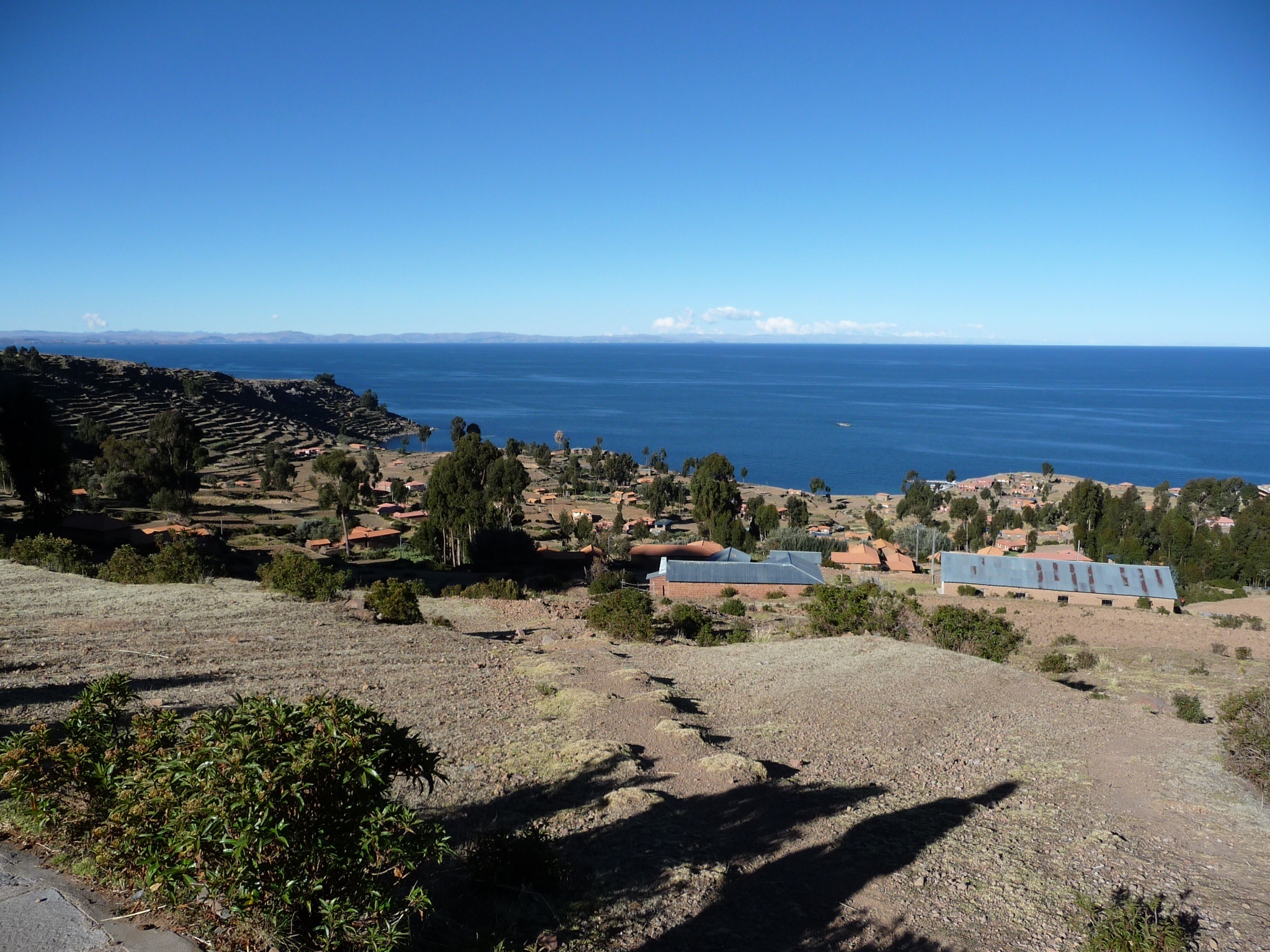
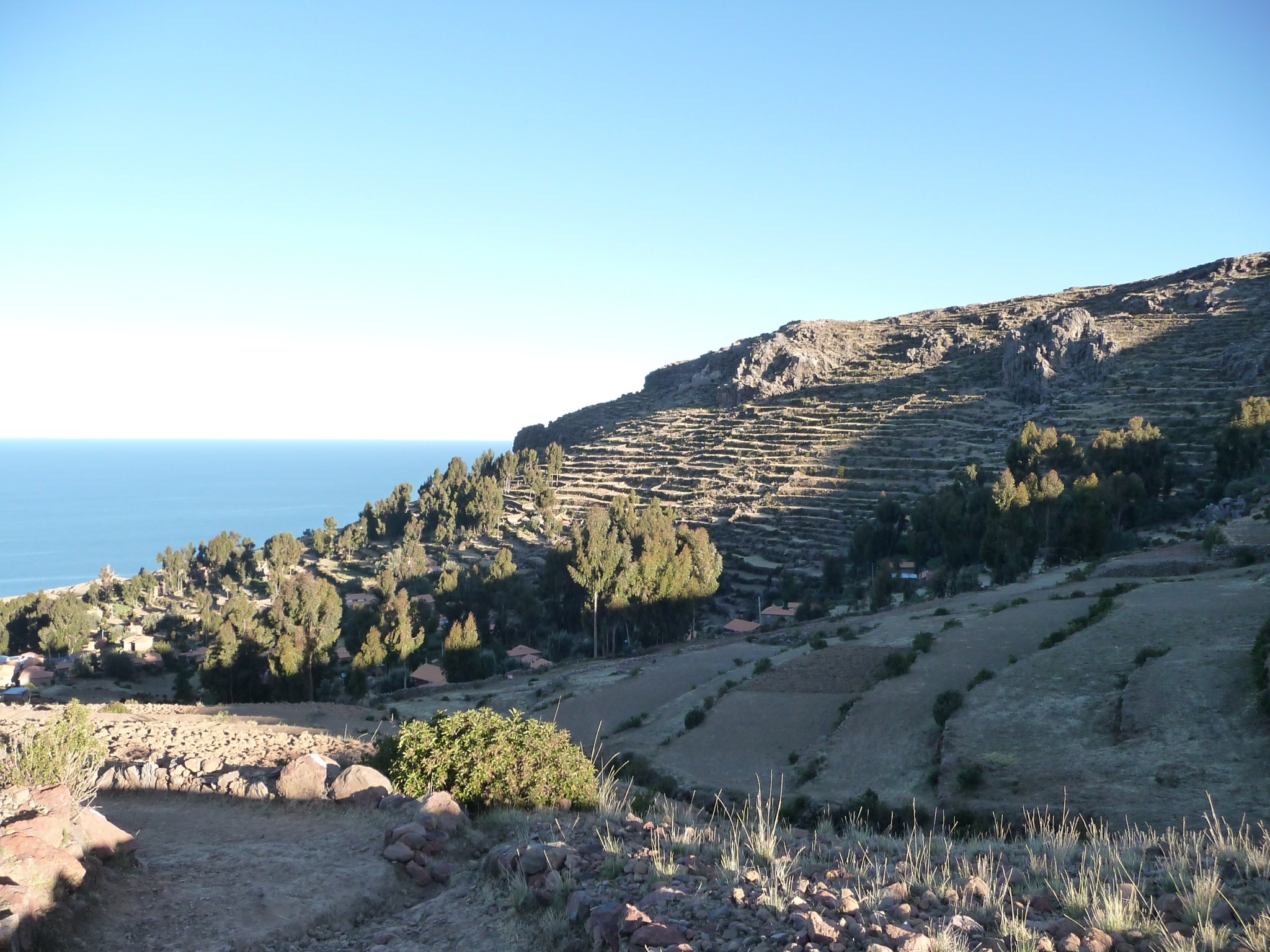
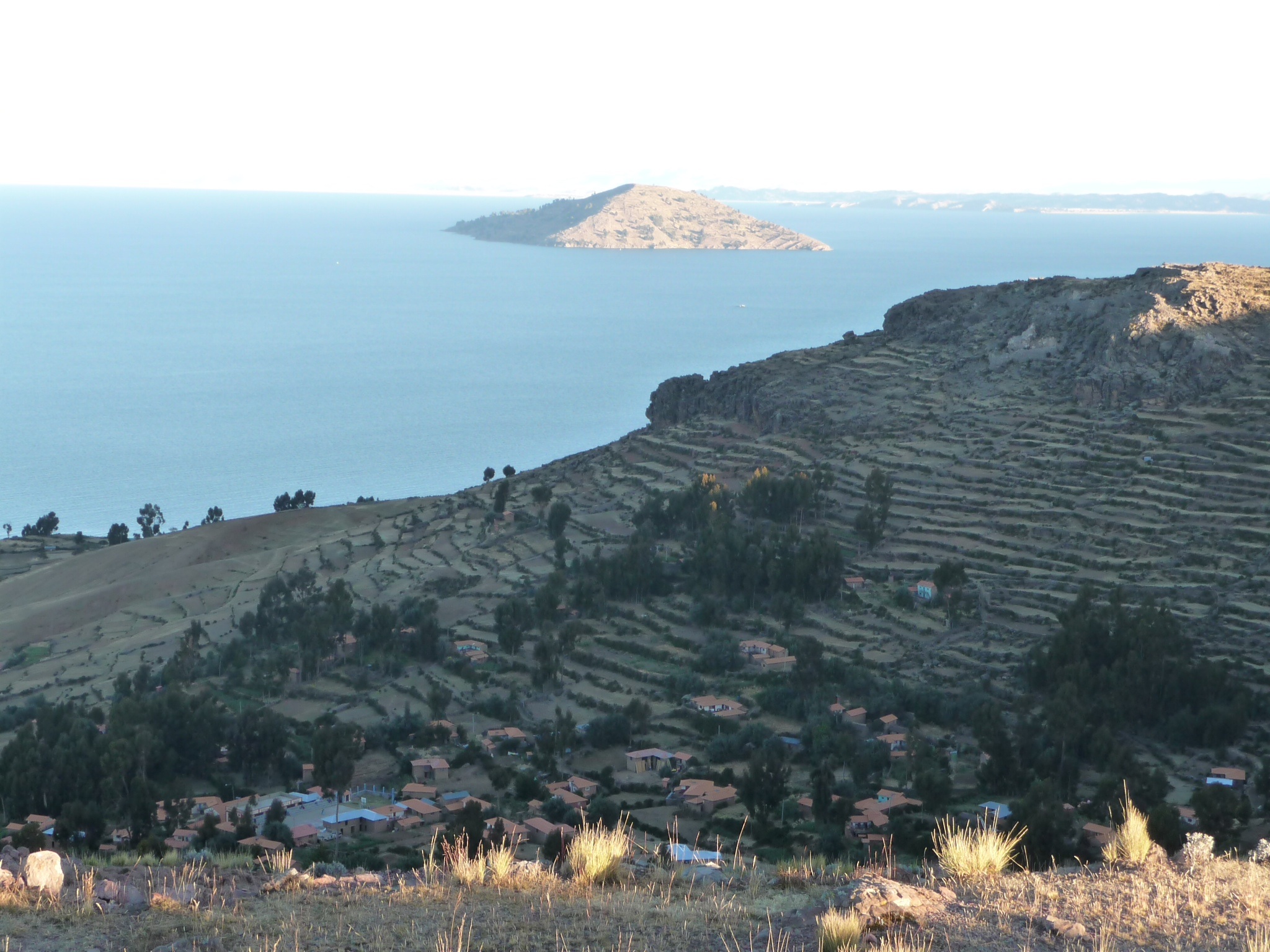
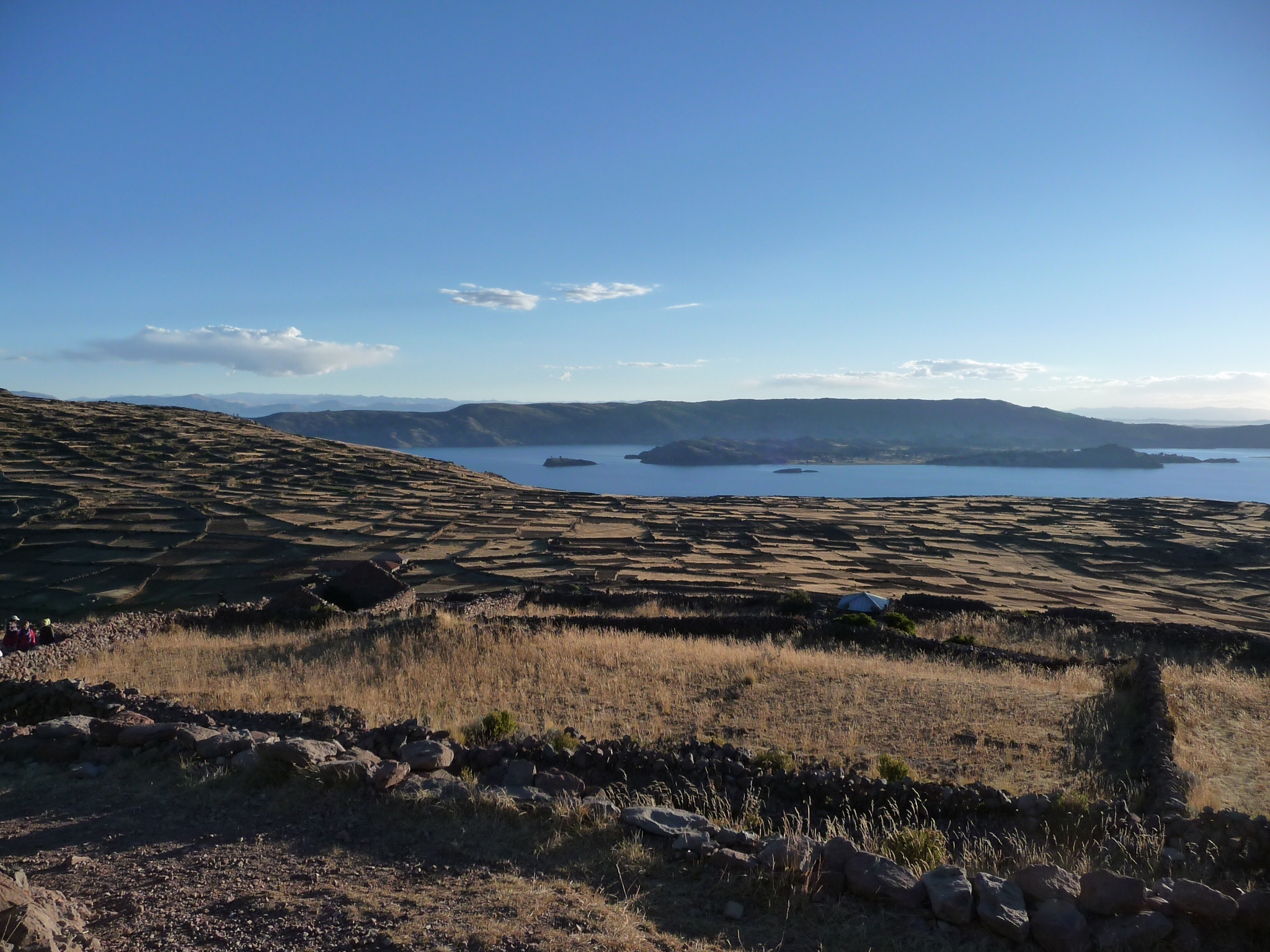
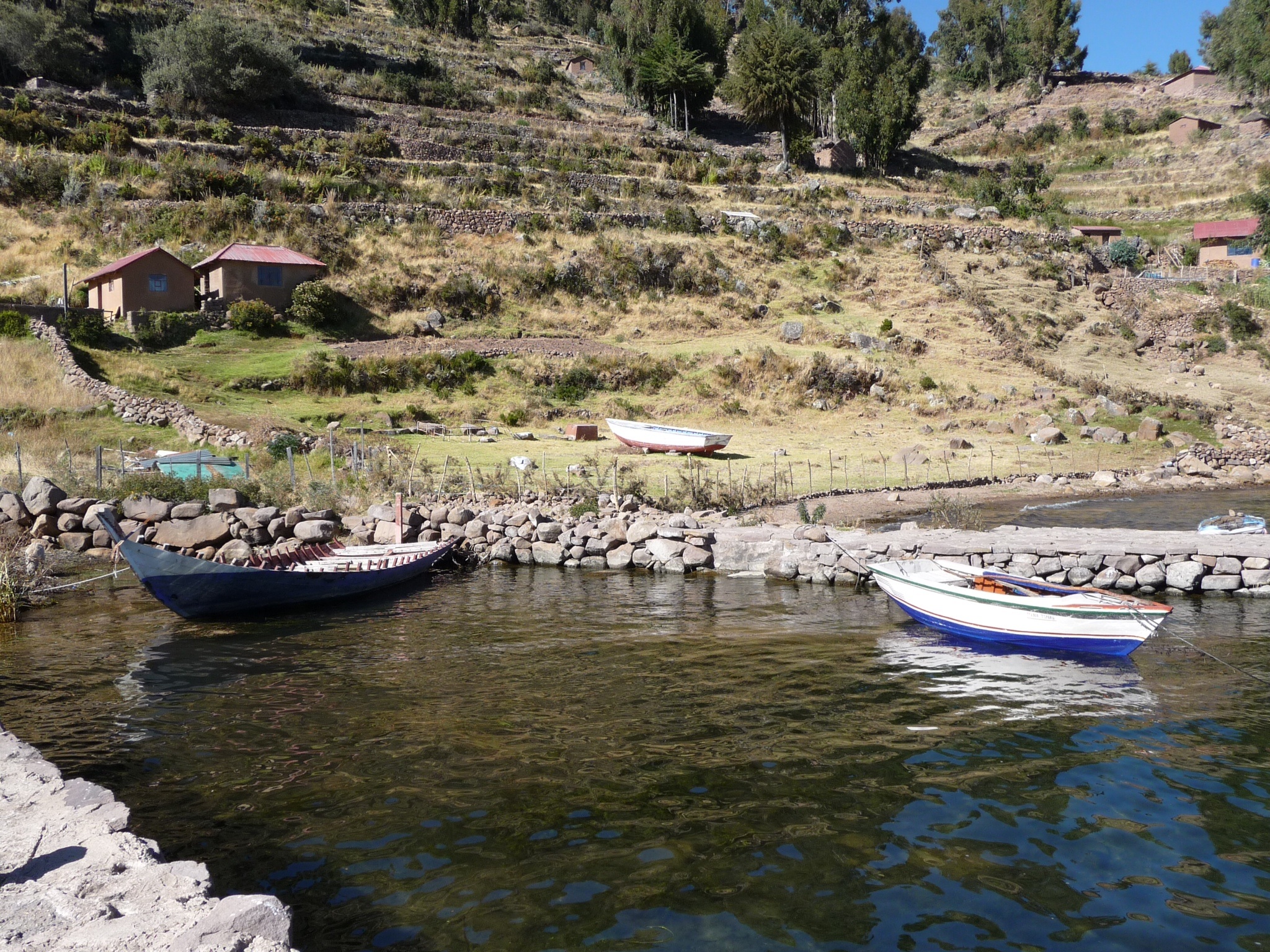
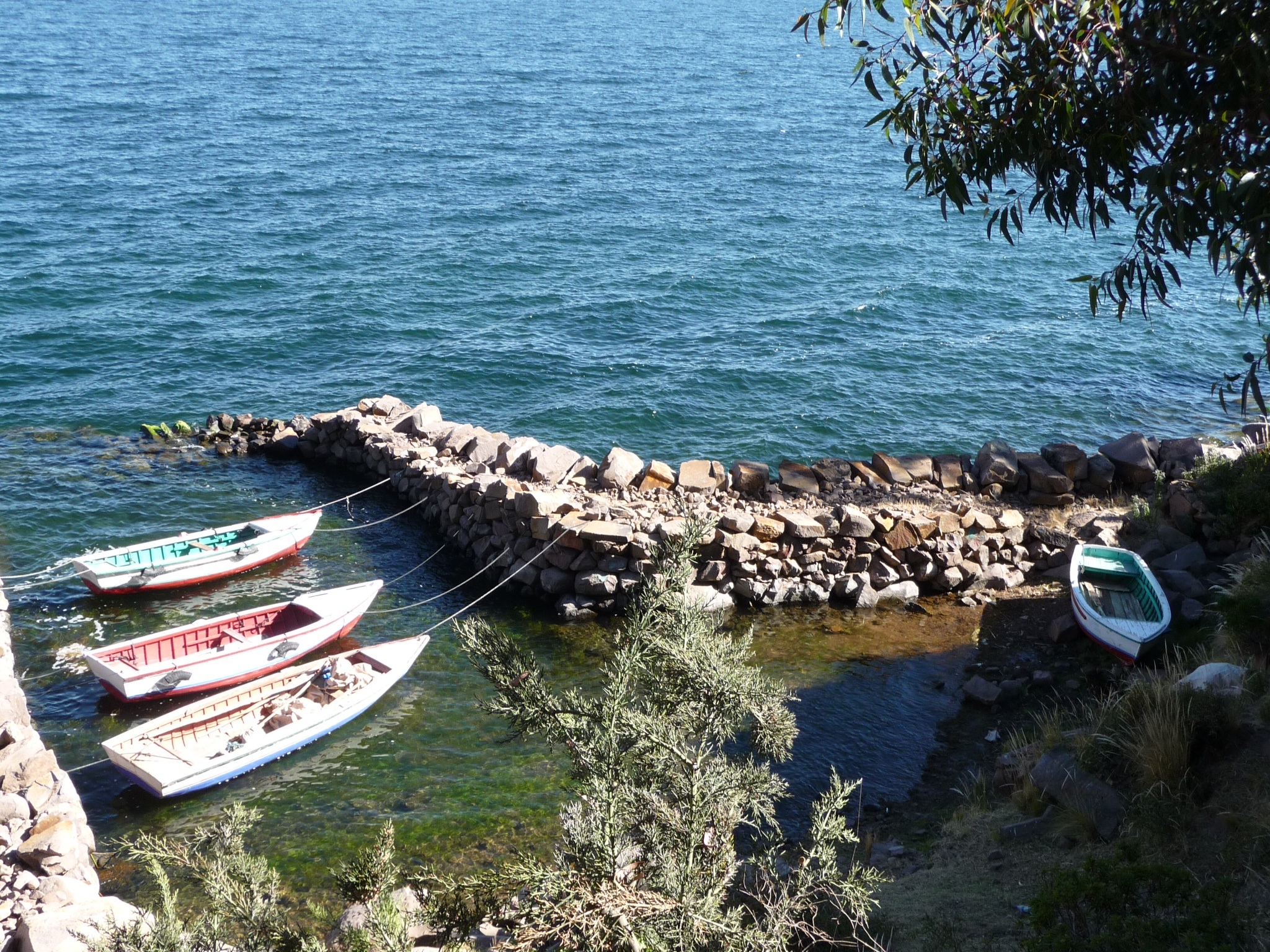
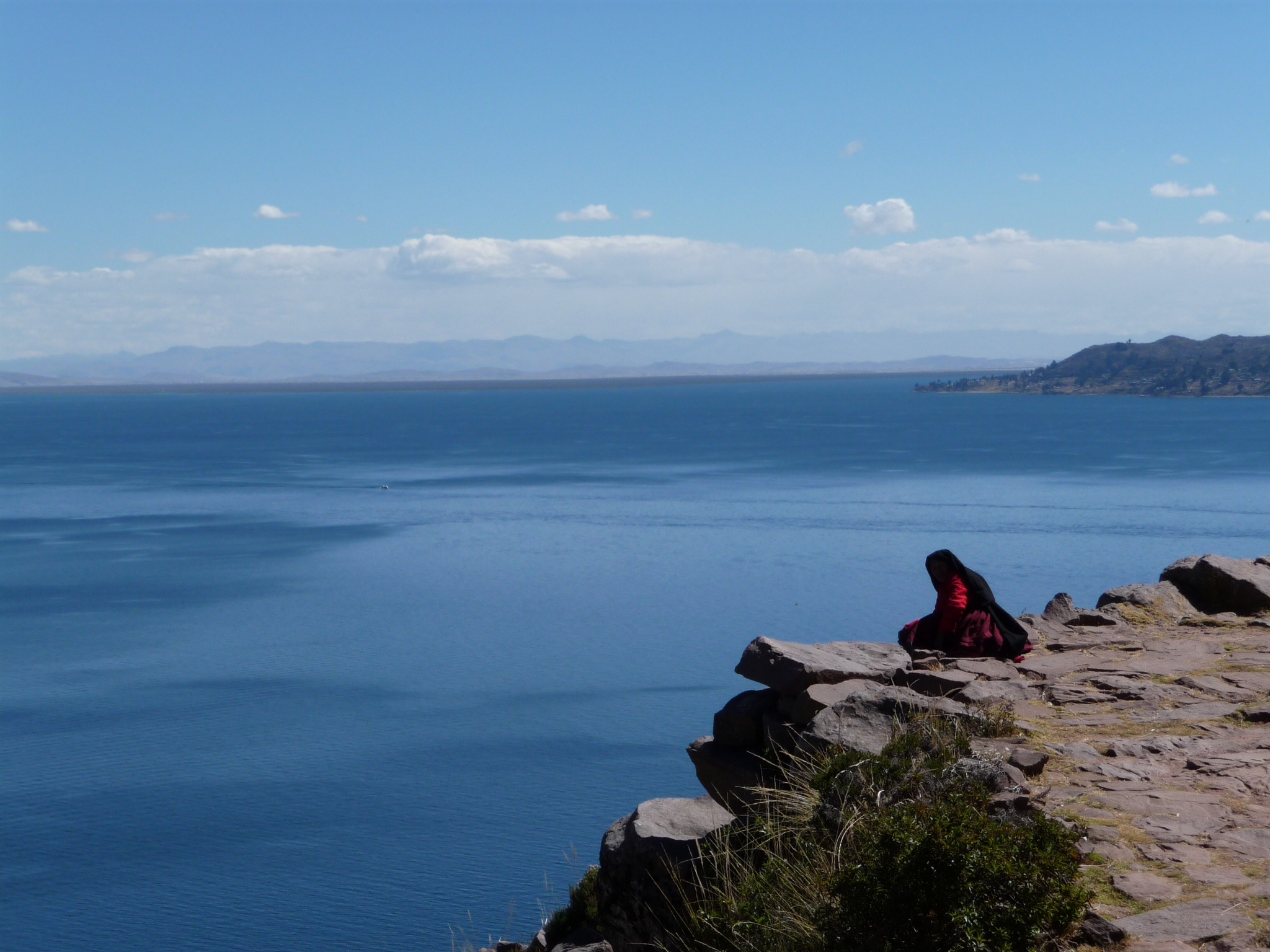
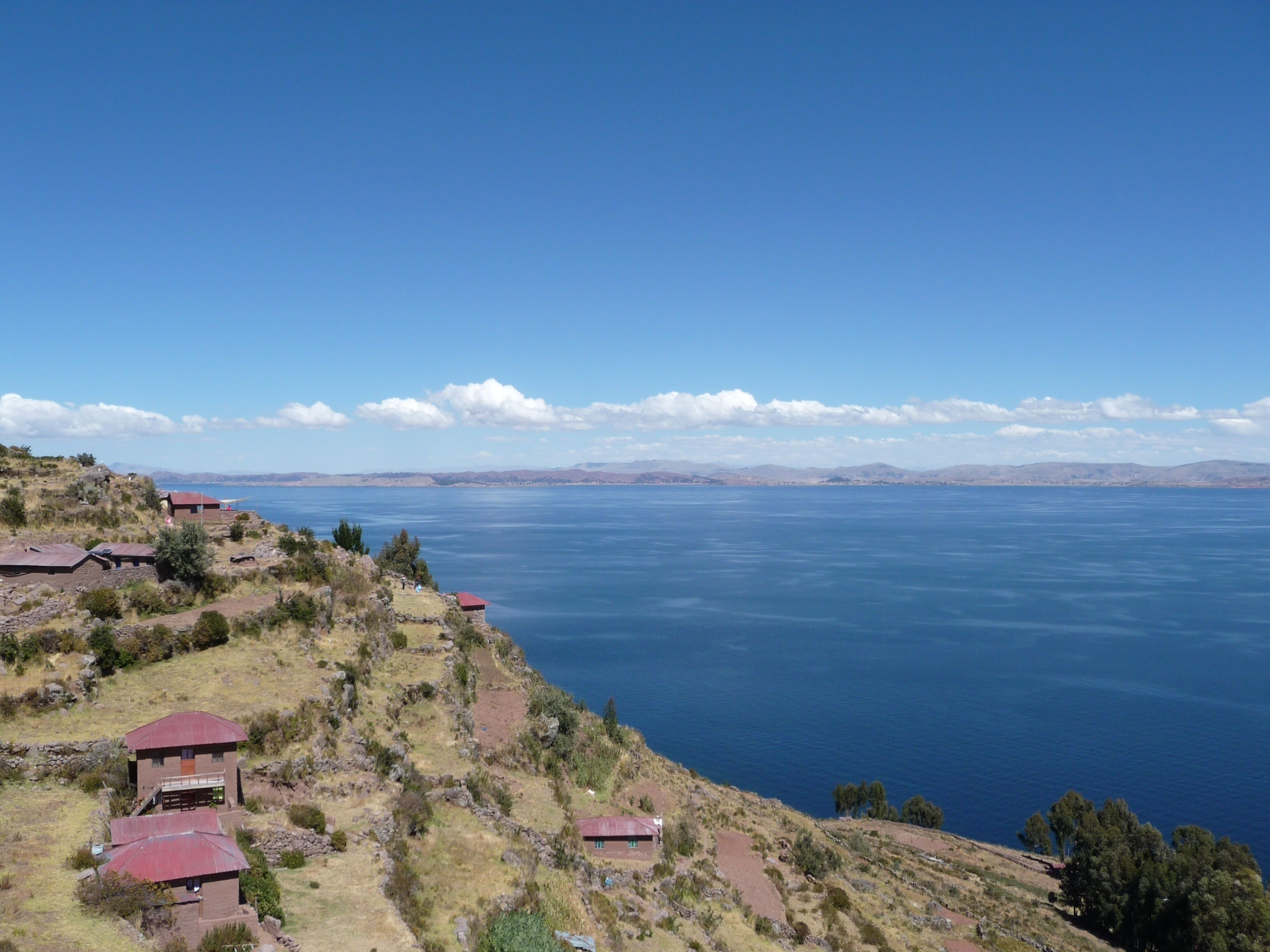
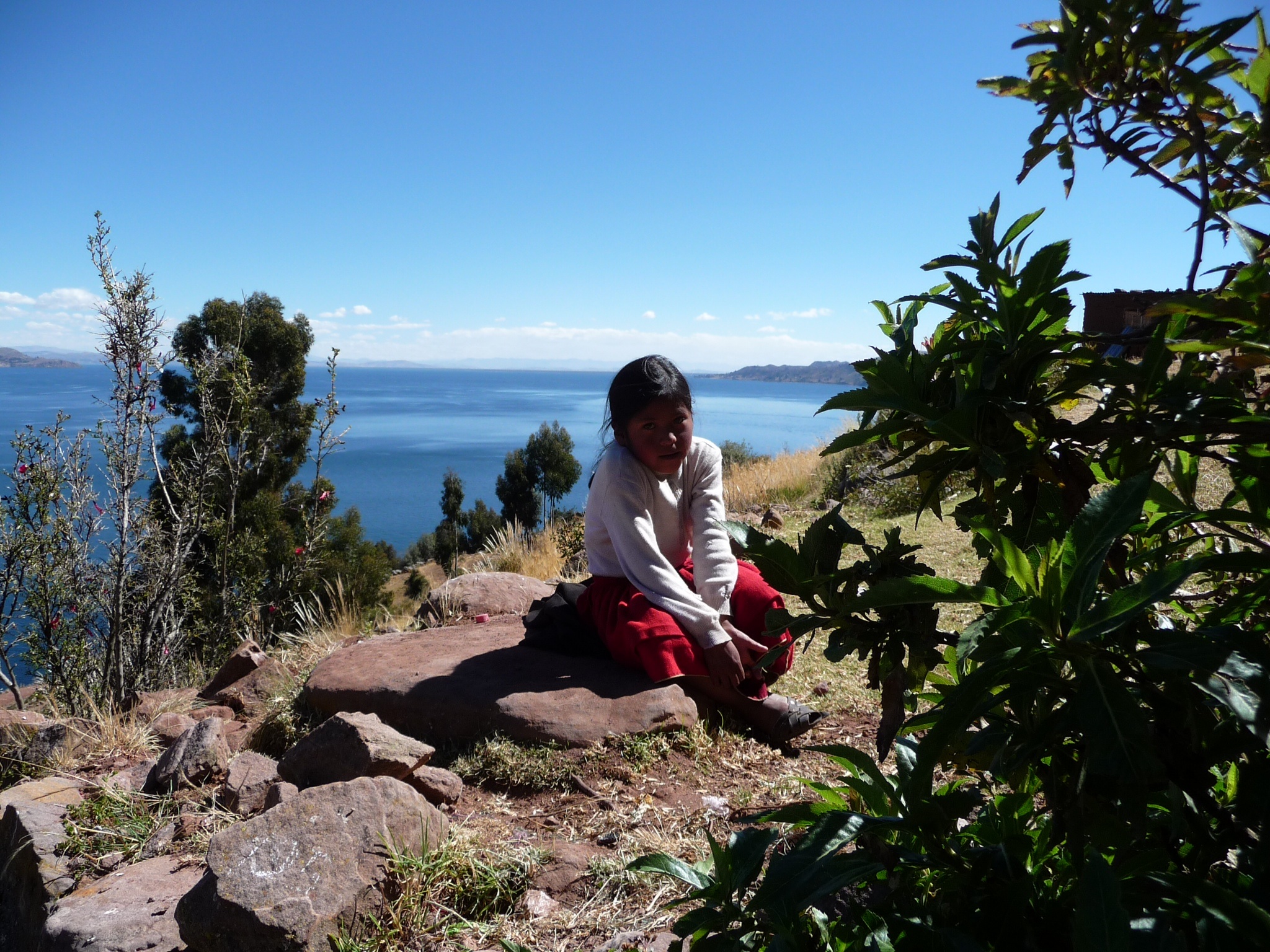
Lake Titicaca is truly magnificent – the water so blue and the size unimaginable – it makes Sydney Harbour look like a pond.  The land based islands have crop terraces rising from the waters edge up to the tops of the hills, particularly used for some of the 2 000 varieties of potatoes grown in Peru.  It was interesting to look over toward Bolivia to see the snow capped mountains – it was going to be cold!
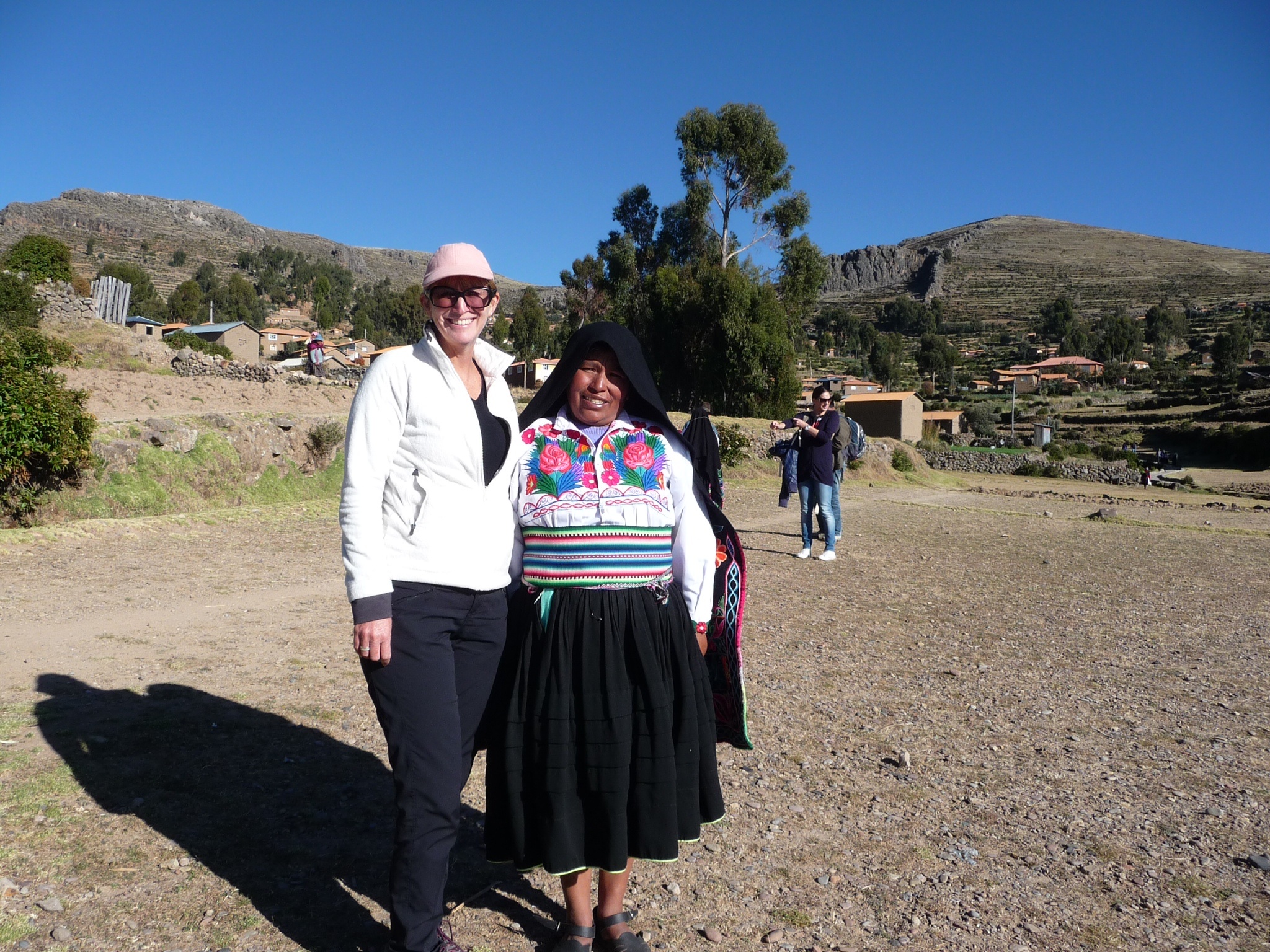
We then motored to Amantani Island, for our overnight home stay with a local family. There are ten communities on the Island, four elementary schools and one high school. The matriarch of our family, Rita, greeted Megan, Finn and me at the port in full local costume.
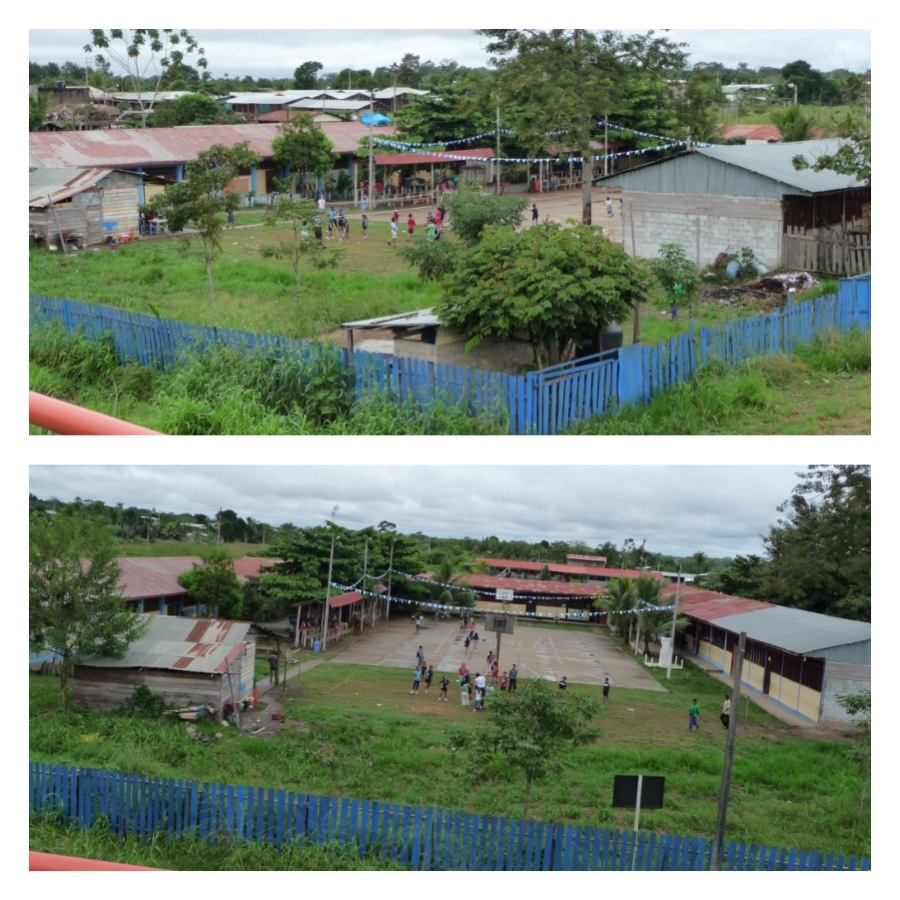
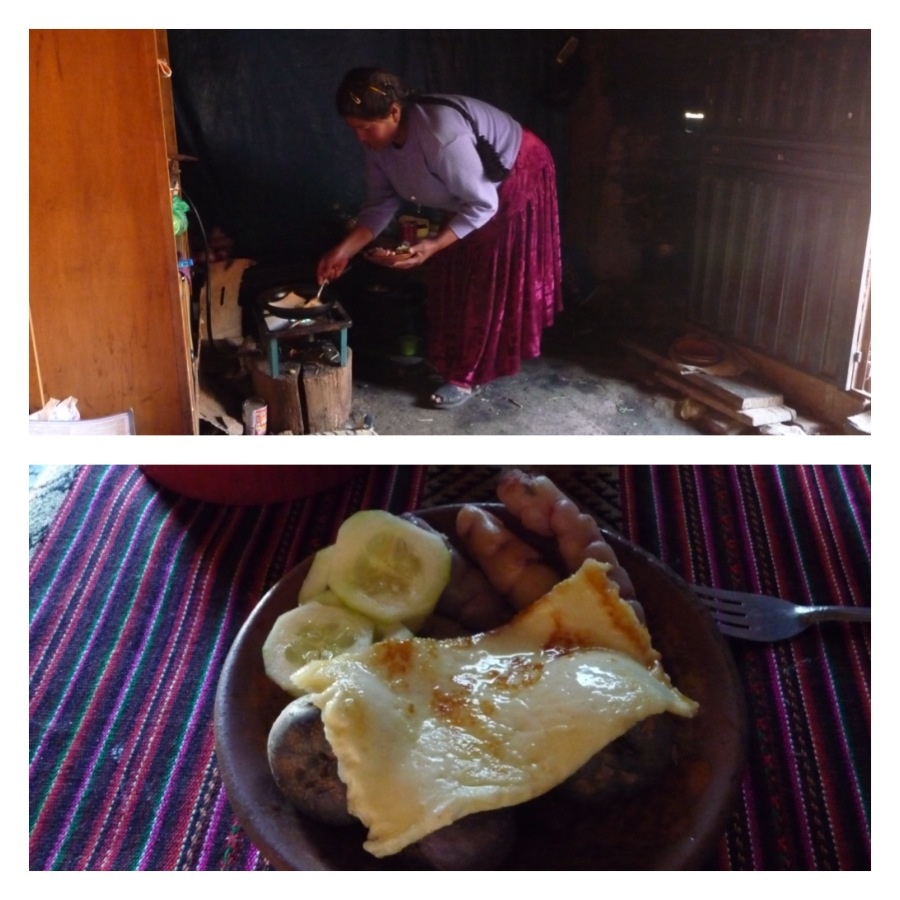
After settling into our room and a feed in the very basic detached kitchen (talking dirt floor and fire for cooking) we headed up to the communal sports court for some soccer with the locals. I was finding it hard to catch my breath so volunteered to be on the cheer squad. Apparently scouts come to the island for talent as the ability of these local kids to breathe so easily at this altitude makes them well suited for professional futball (soccer).
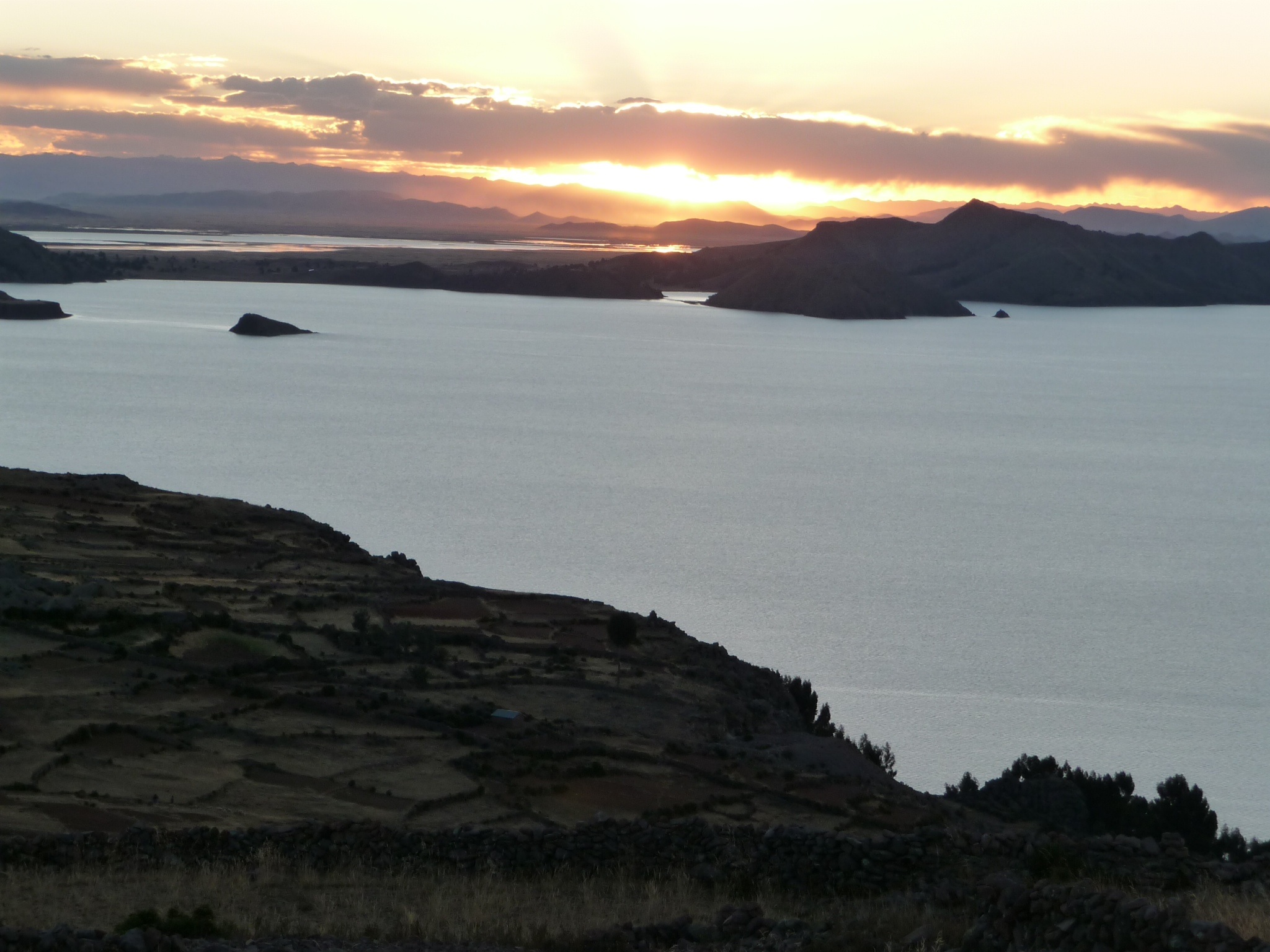
I decided to do the walk up to the ruins of the father-earth temple on the promise that walking around the temple at the top three times would grant us all a wish!  We waited for sunset and then headed back torches in hand to navigate the steps and paths through the crops back to our families for dinner. I was loving the food – they are vegetarian and big users of quinoa for soups.
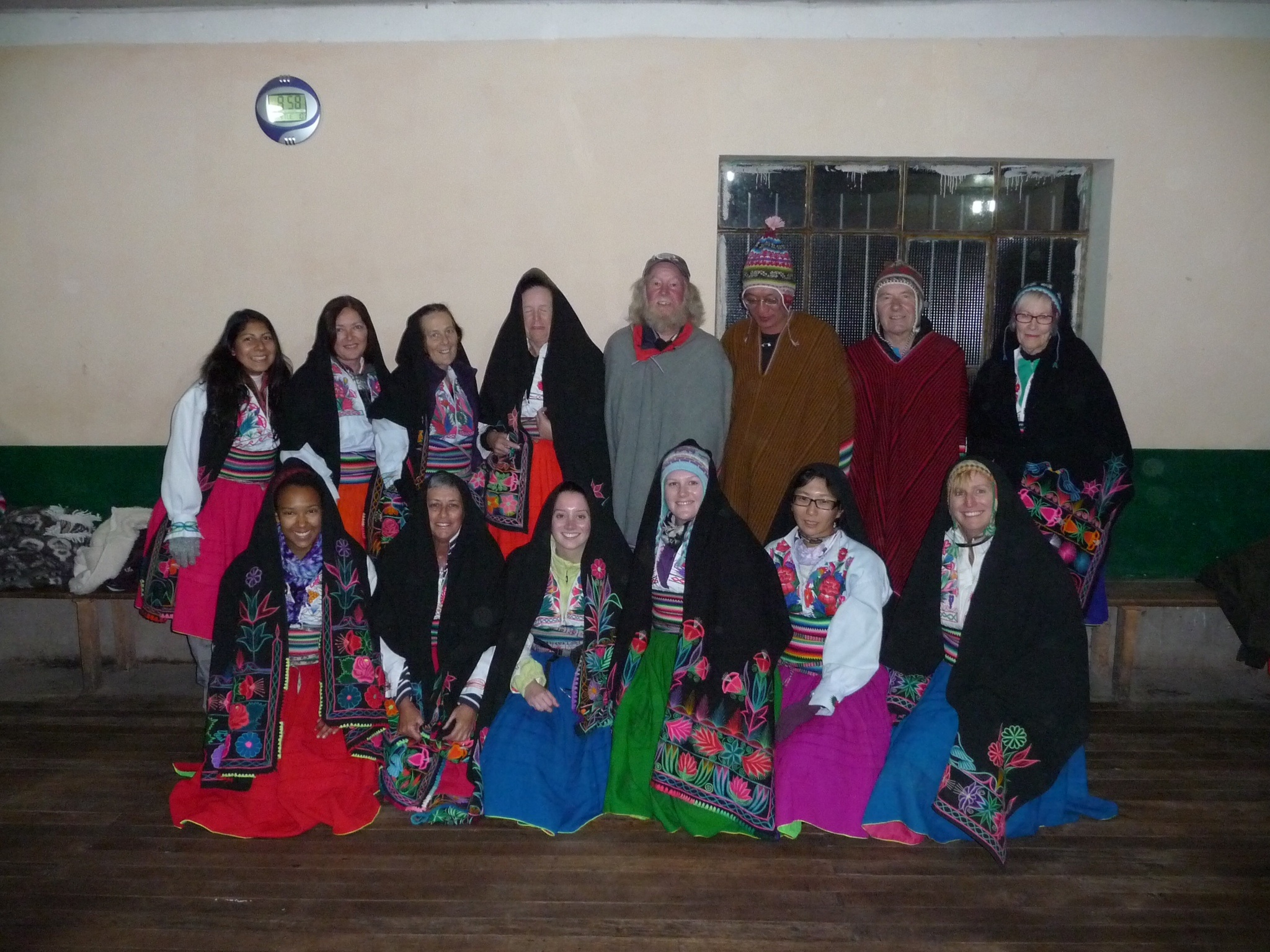
With a full belly we were offered the opportunity to dress in local costume for the ‘disco’ in the communal hall. We all looked hilarious dressed up with our layers of skirts and embroidered shawls. Out came our torches again for the trails across the terraces – the night sky was absolutely amazing with the Milky Way and other constellations so clear.
After a bit of coaching from Rita’s daughter we had the dancing down pat – there didn’t seem to be any technicality in the ones they were teaching us – more a combination of Greek dancing and a conga line!  We headed home for what we knew would be a very cold night.
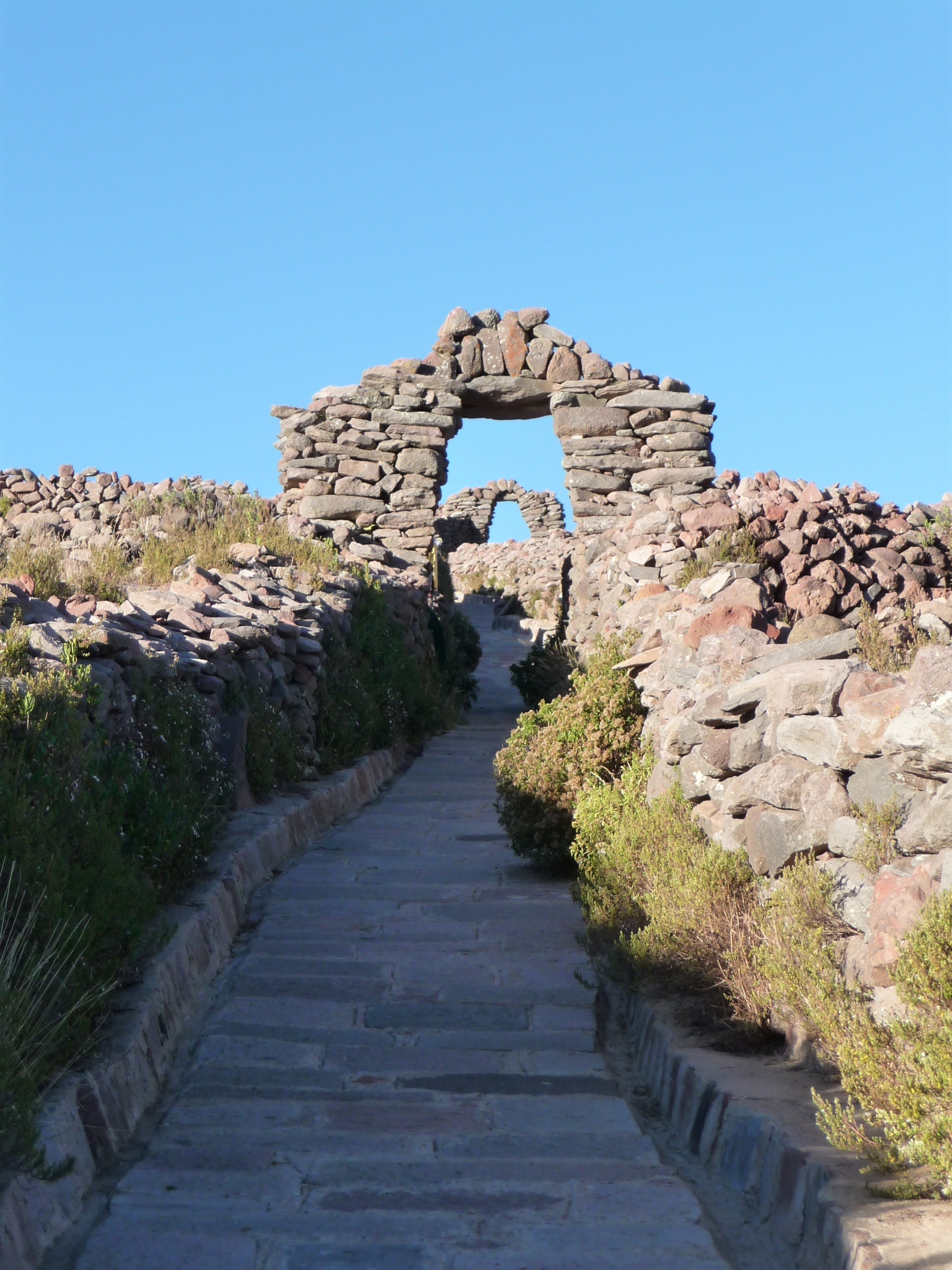
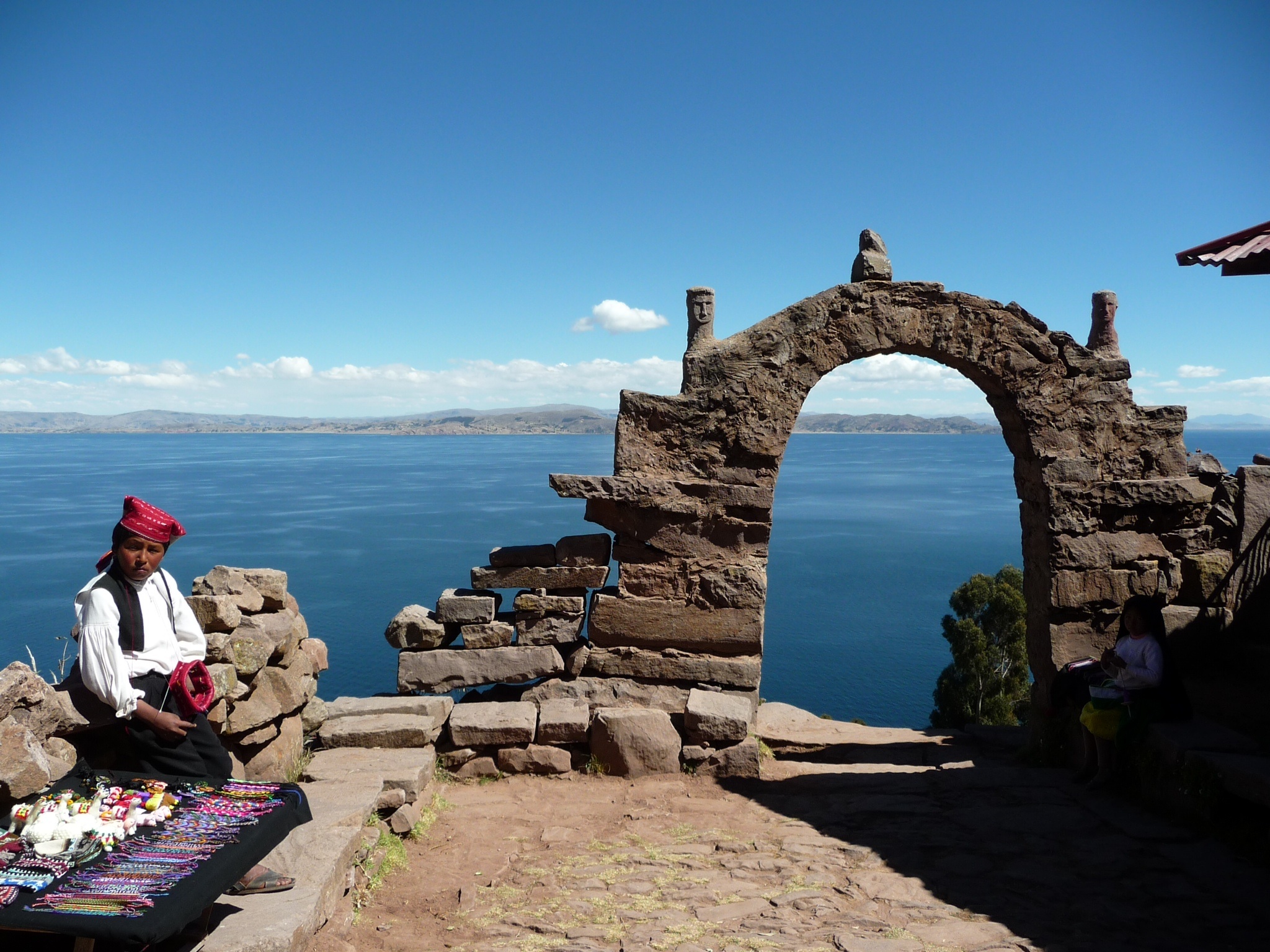
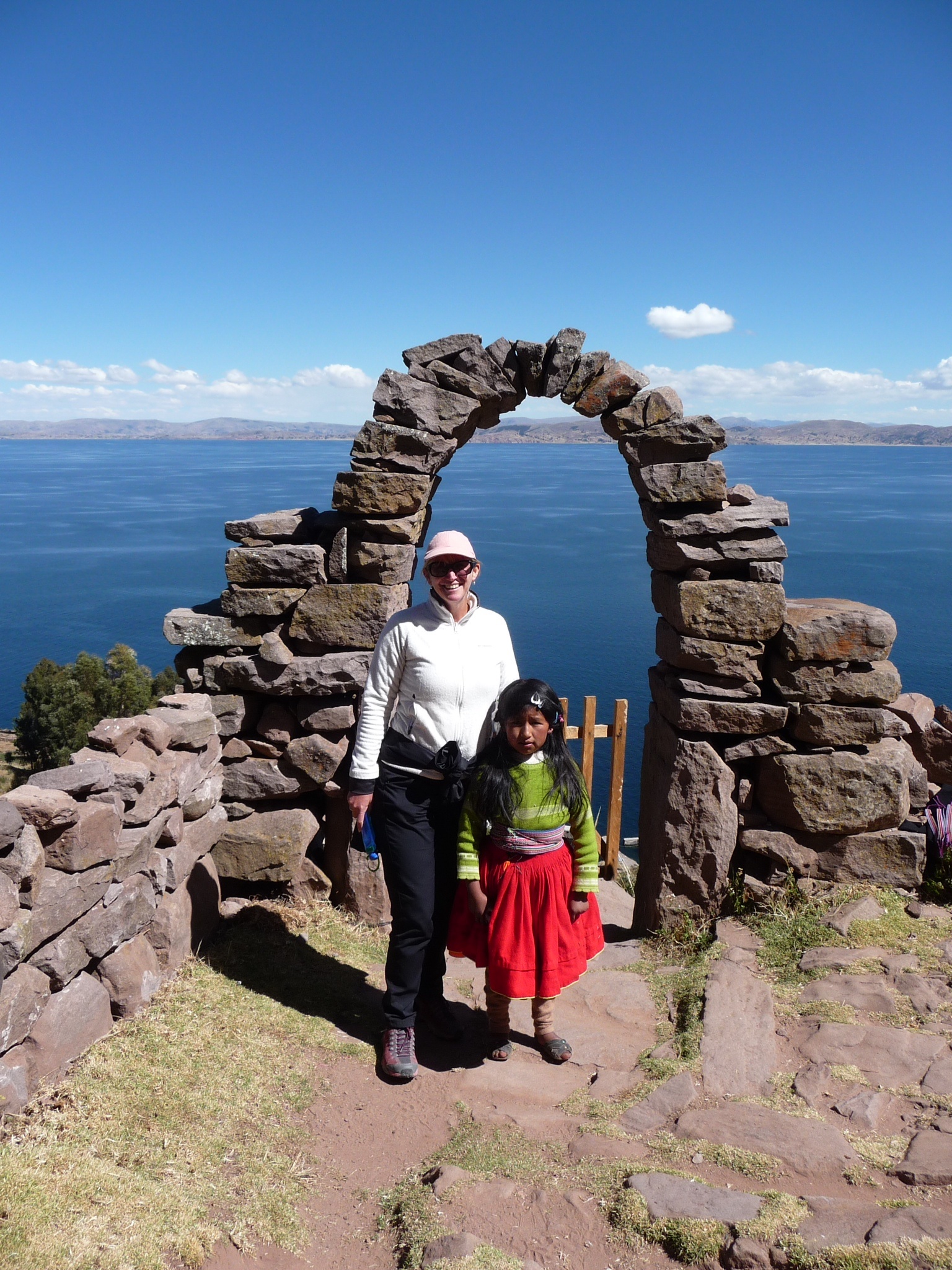
Another meal in the kitchen and then we were back to the port for our next stop of Taquile Island – known for the quality of its textiles. I was hoping this could be the place for something to take home as a memento of Peru.  This island was smaller than Amantani with only six communities. It was a very high walk passing through cute rock archways that symbolised a welcome from a new community.
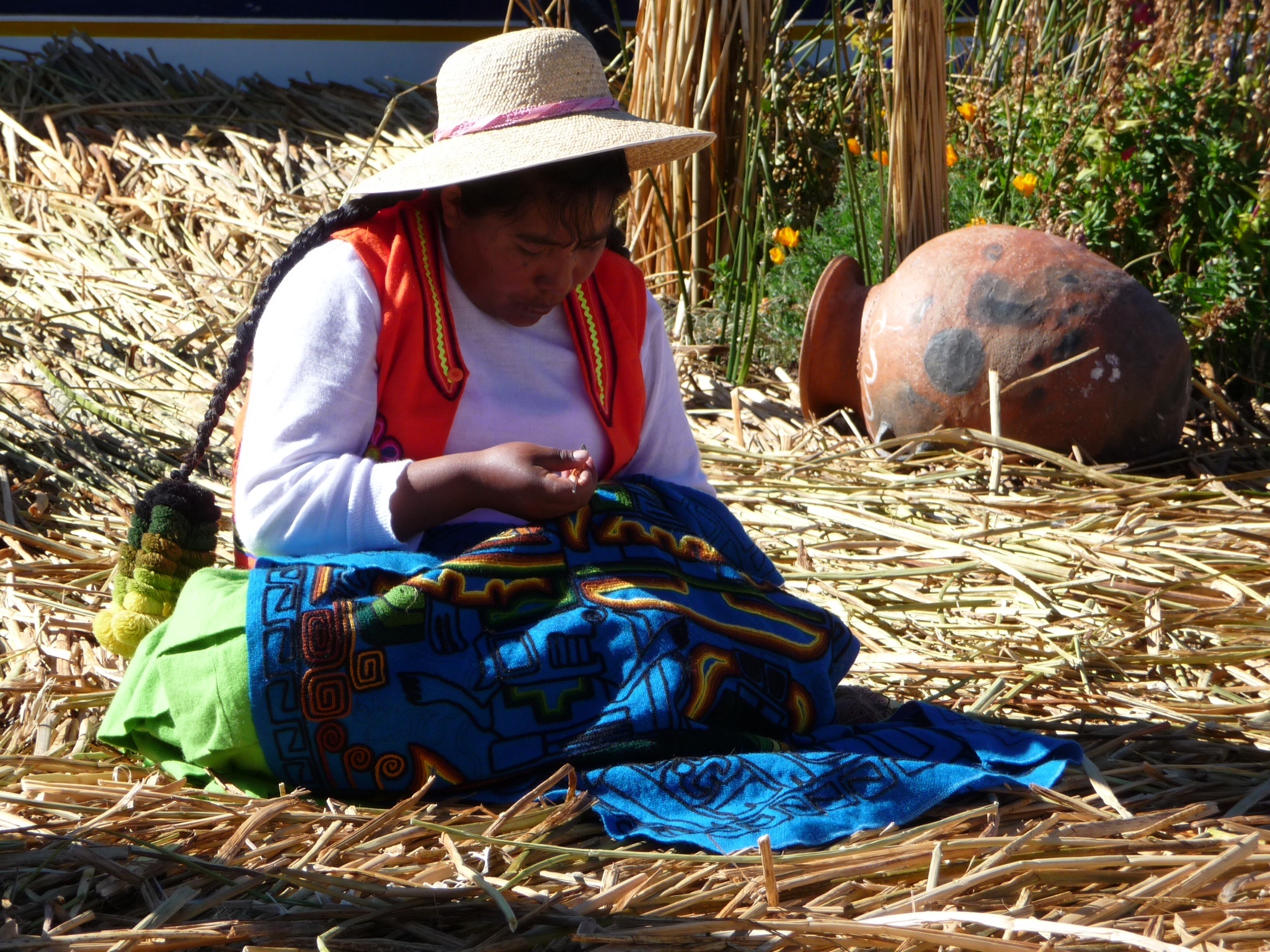
The weaving was a great disappointment – it’s done by the women whereas the knitting is done by the men. I was however impressed with the way they distinguished the status of people in the community. The married men wear red hats whereas the single men wear red and white hats. The married women have red pom poms adorning their layered skirts whereas the single women have multicoloured pom poms on their skirts. What a great dating system!  They also have special hats that are worn on the birth of a baby with different colours signalling the arrival of boys and girls.
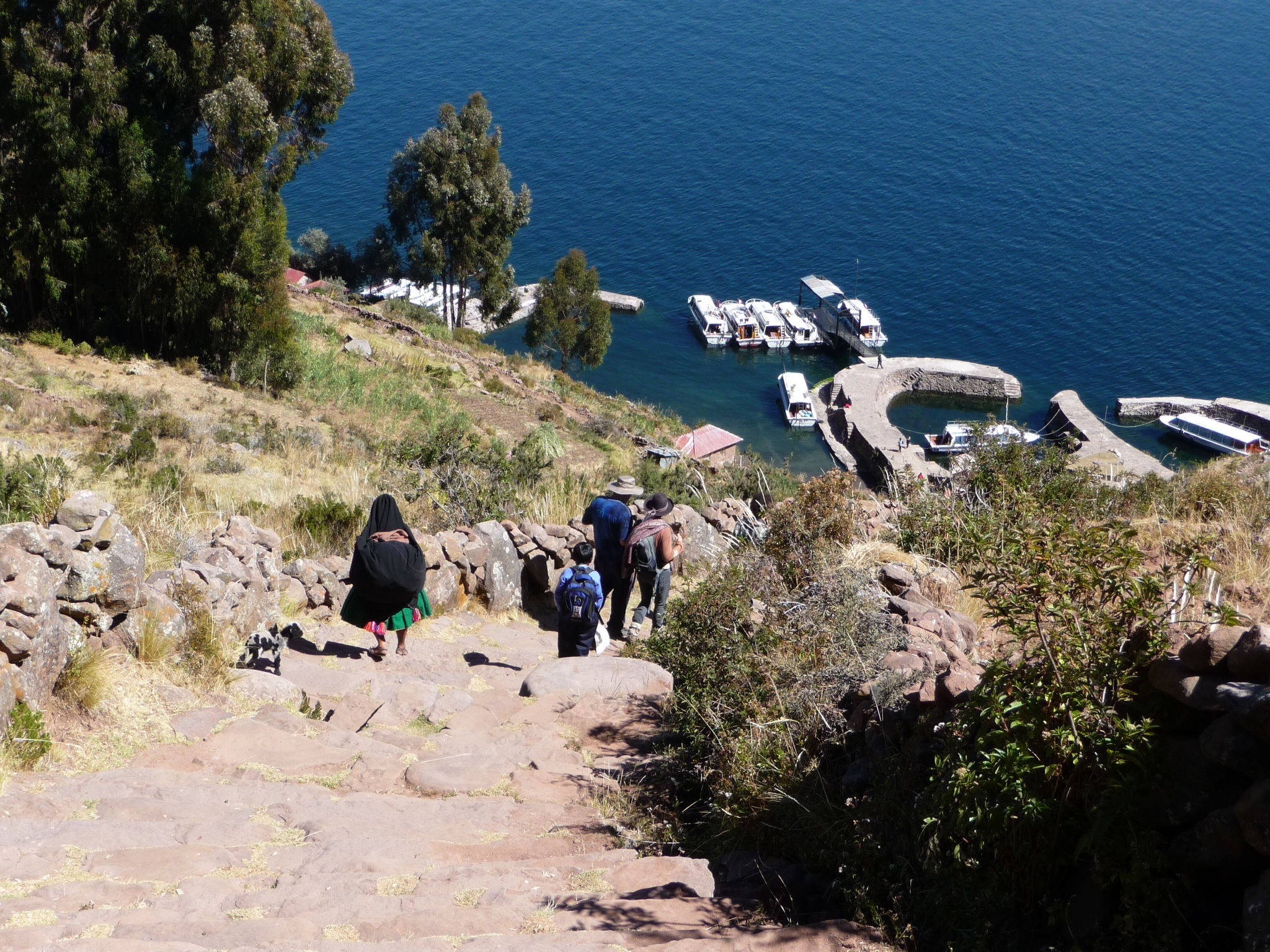
Our lunch was taken at a spot with breathtaking views of the Lake – if it wasn’t so cold you would think you were in the Mediterranean!  To get back down to the boat it was 540 steps – will this ever end!
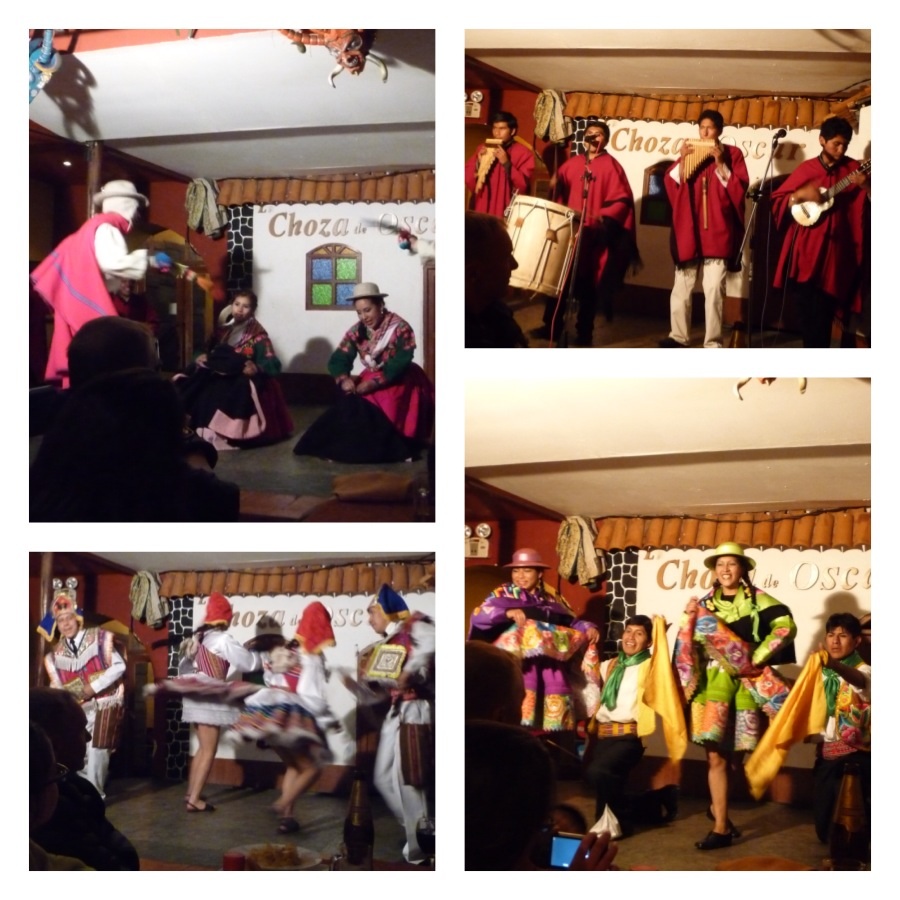
Once back in Puno a number of us decided to catch a show of the local folk dancing before we exited Peru the next day. It was a fun night with the dances showcasing the range of traditional dancing performed across Peru.
Time to leave Peru. It had been wonderful to visit a country with so much to offer but how apt that it should snow as we were getting into our bus; our final reminder of what life is like at altitude!
Ollantaytambo, Sacred Valley

Ollantaytambo, Sacred Valley

Storage houses

Storage houses

image

image

image


image

image

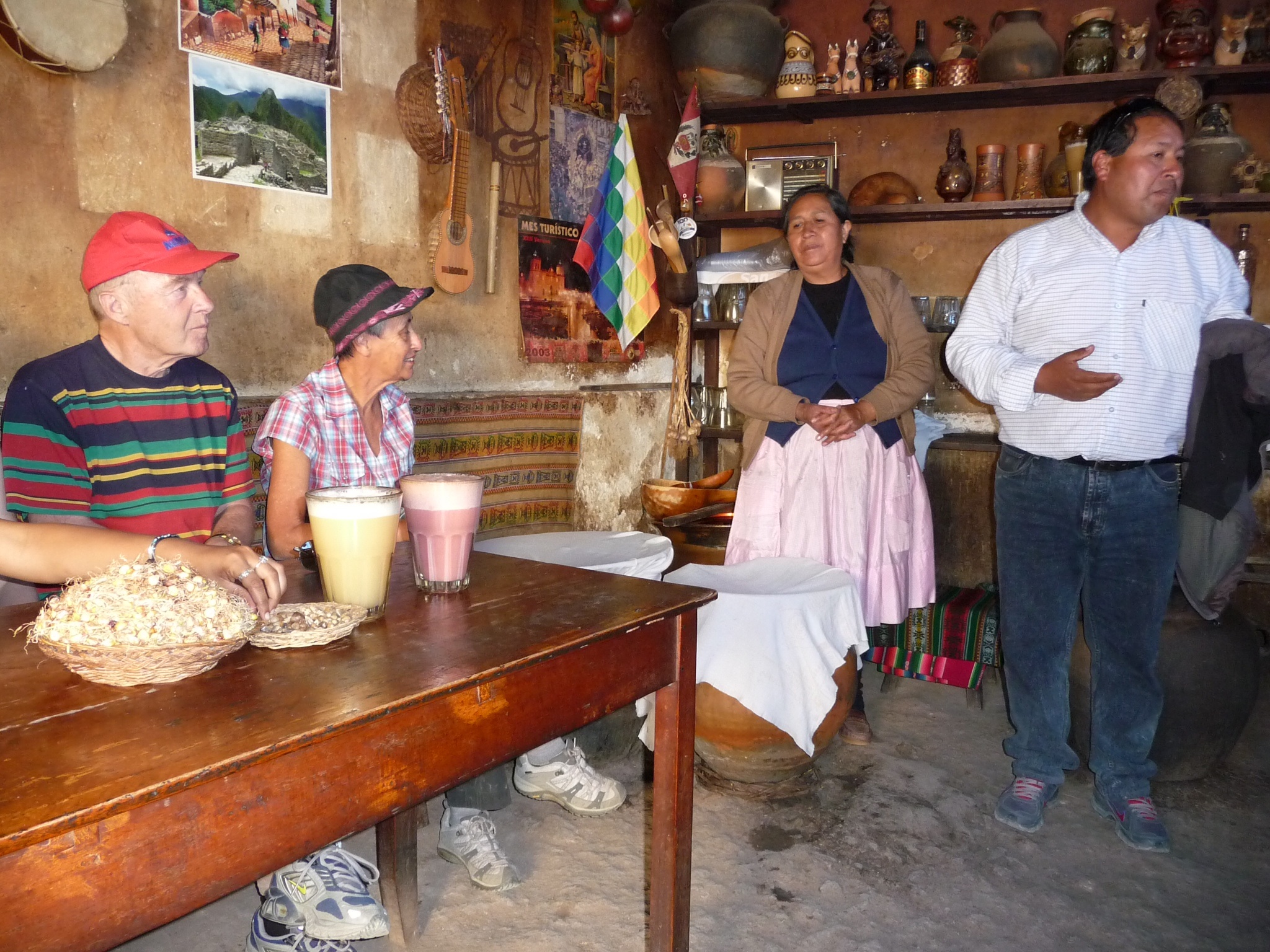
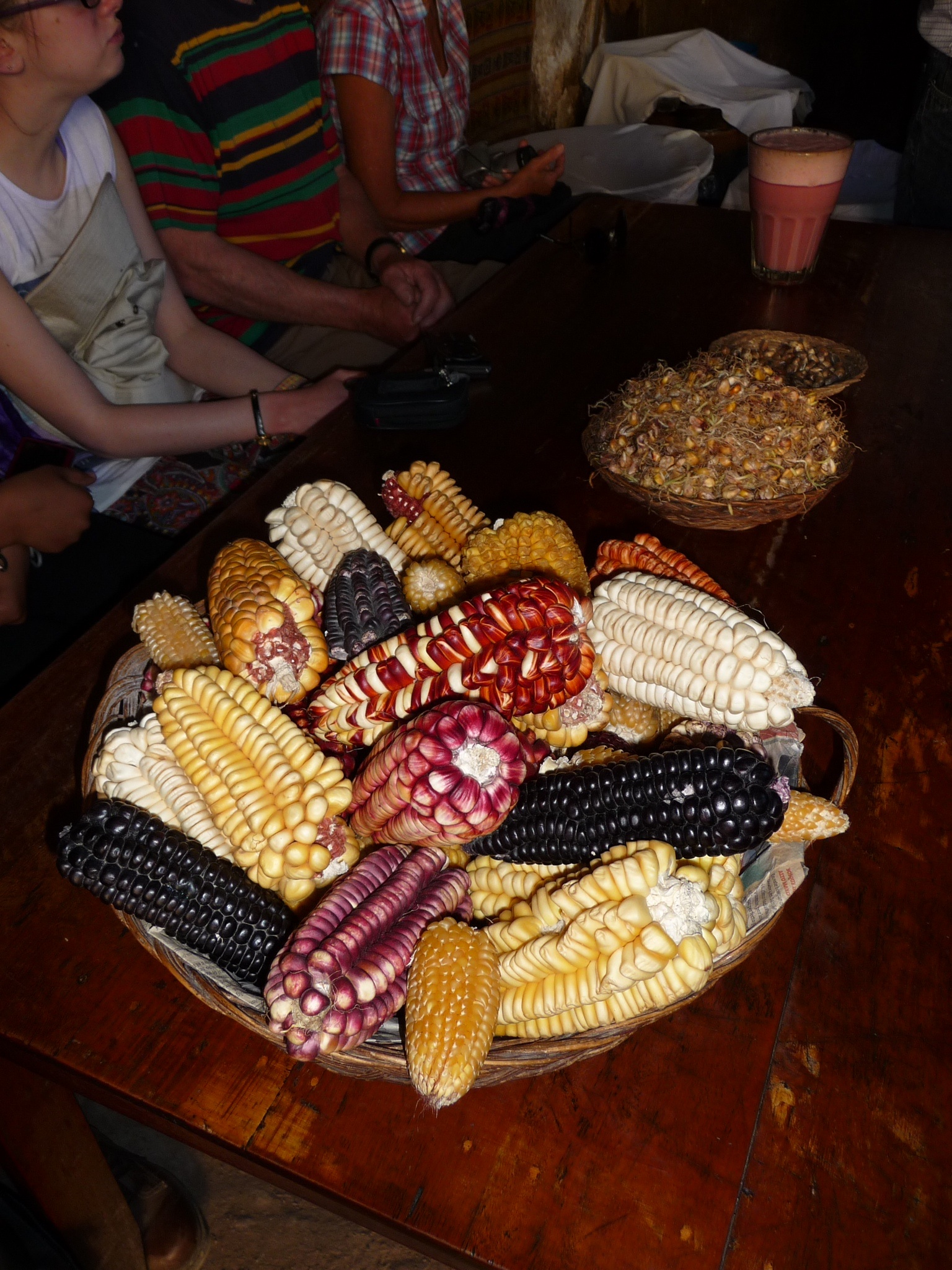
Enjoying chica (alcohol made by fermenting corn) at a local chiceria

Enjoying chica (alcohol made by fermenting corn) at a local chiceria

image

image

Chinchero

Chinchero

image

image

image

image

image

image

image

image

image

image

image

Guinea pig anyone?

Guinea pig anyone?

Back in Cusco

Back in Cusco

image

Arrival into Puerto Maldonado, Amazon Basin

Arrival into Puerto Maldonado, Amazon Basin

image

image

Peru's Golden Gate Bridge

Peru’s Golden Gate Bridge

image

image

image

Our lovely tropical lodge

Our lovely tropical lodge

image

Camouflaged!

Camouflaged!

Breed snails big in these parts!

Breed snails big in these parts!

Leaf frog - common name not just because I've photographed it on a leaf!

Leaf frog – common name not just because I’ve photographed it on a leaf!

image

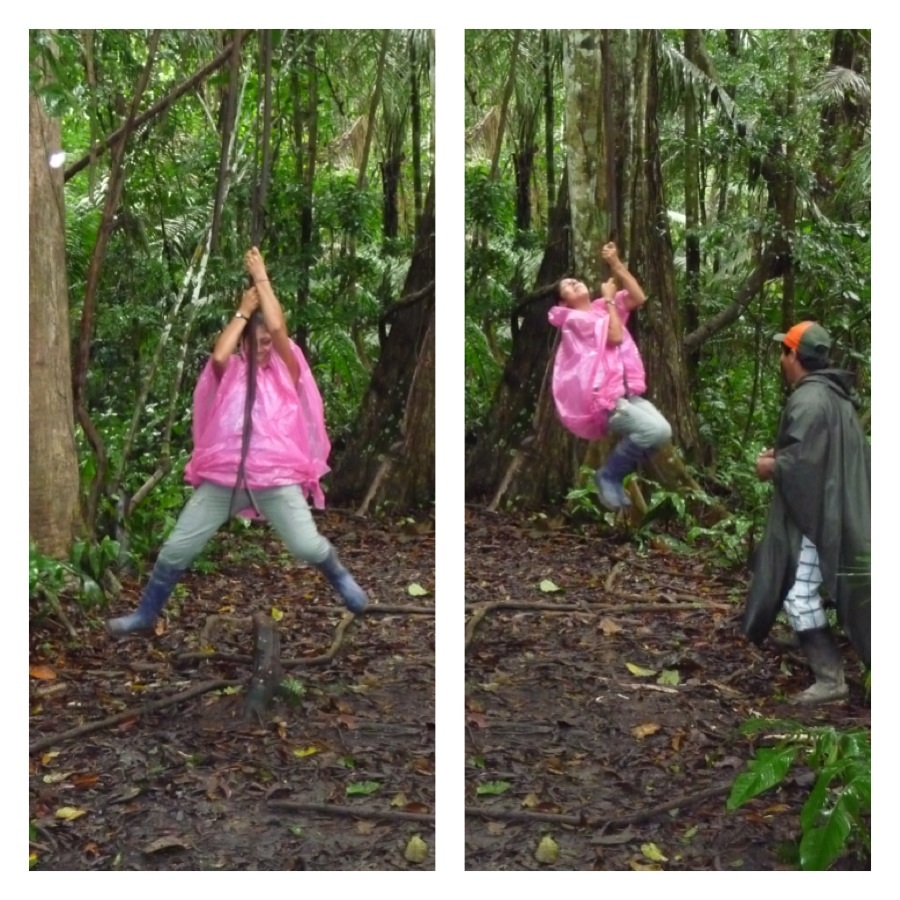
Cristina doing a Jane impersonation

Cristina doing a Jane impersonation

image

Victor Lake

Victor Lake

image

image

Camouflaged (again)!

Camouflaged (again)!

New walking palm roots

New walking palm roots

Don't want to walk into that one - spider lurking in the middle

Don’t want to walk into that one – spider lurking in the middle

Princess Rosie

Princess Rosie

image

Grand old camphor laurel

Grand old camphor laurel

image

I'm sure mum comes along sometimes too

I’m sure mum comes along sometimes too

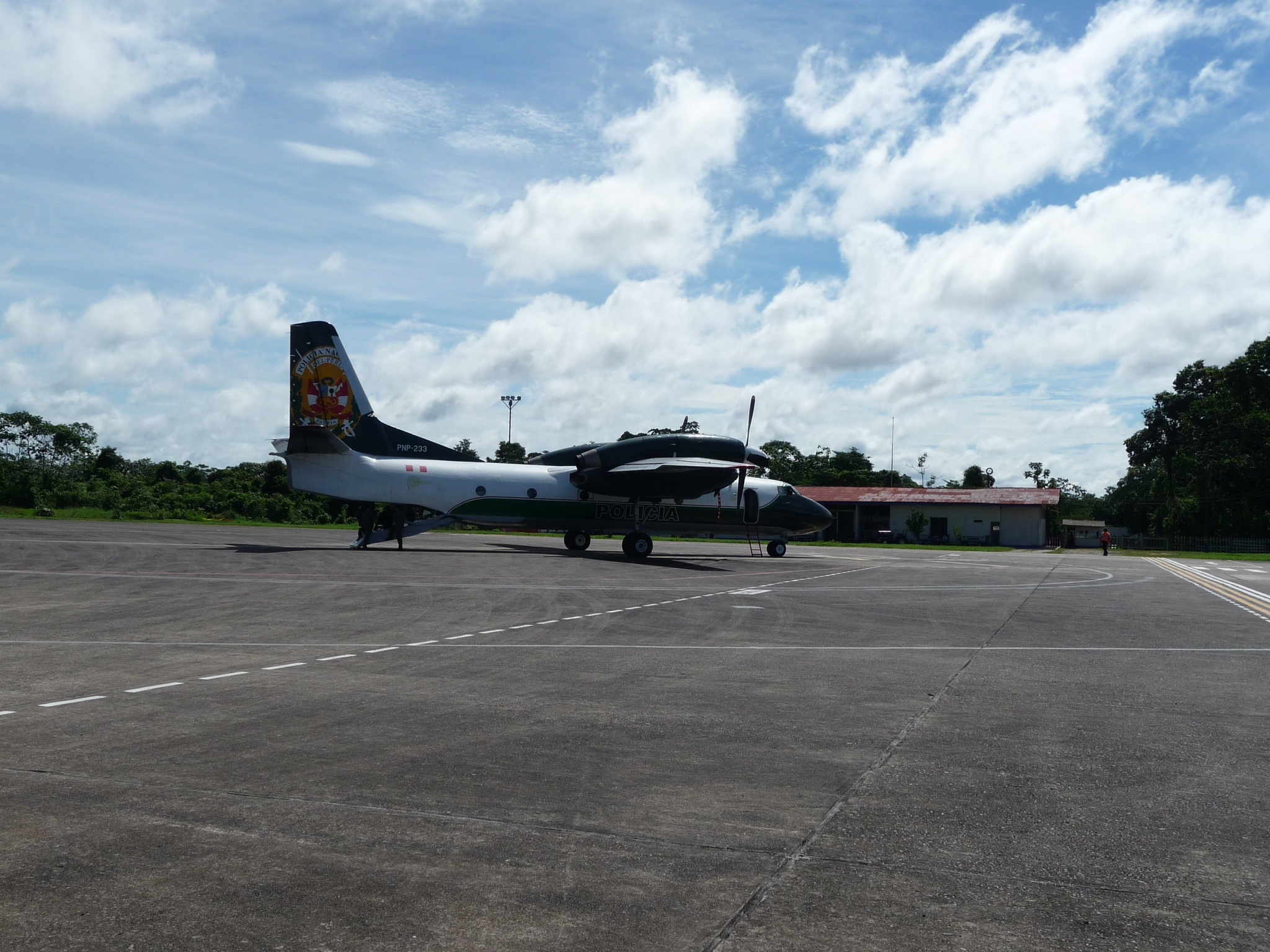
Police plane sitting alongside ours

Police plane sitting alongside ours

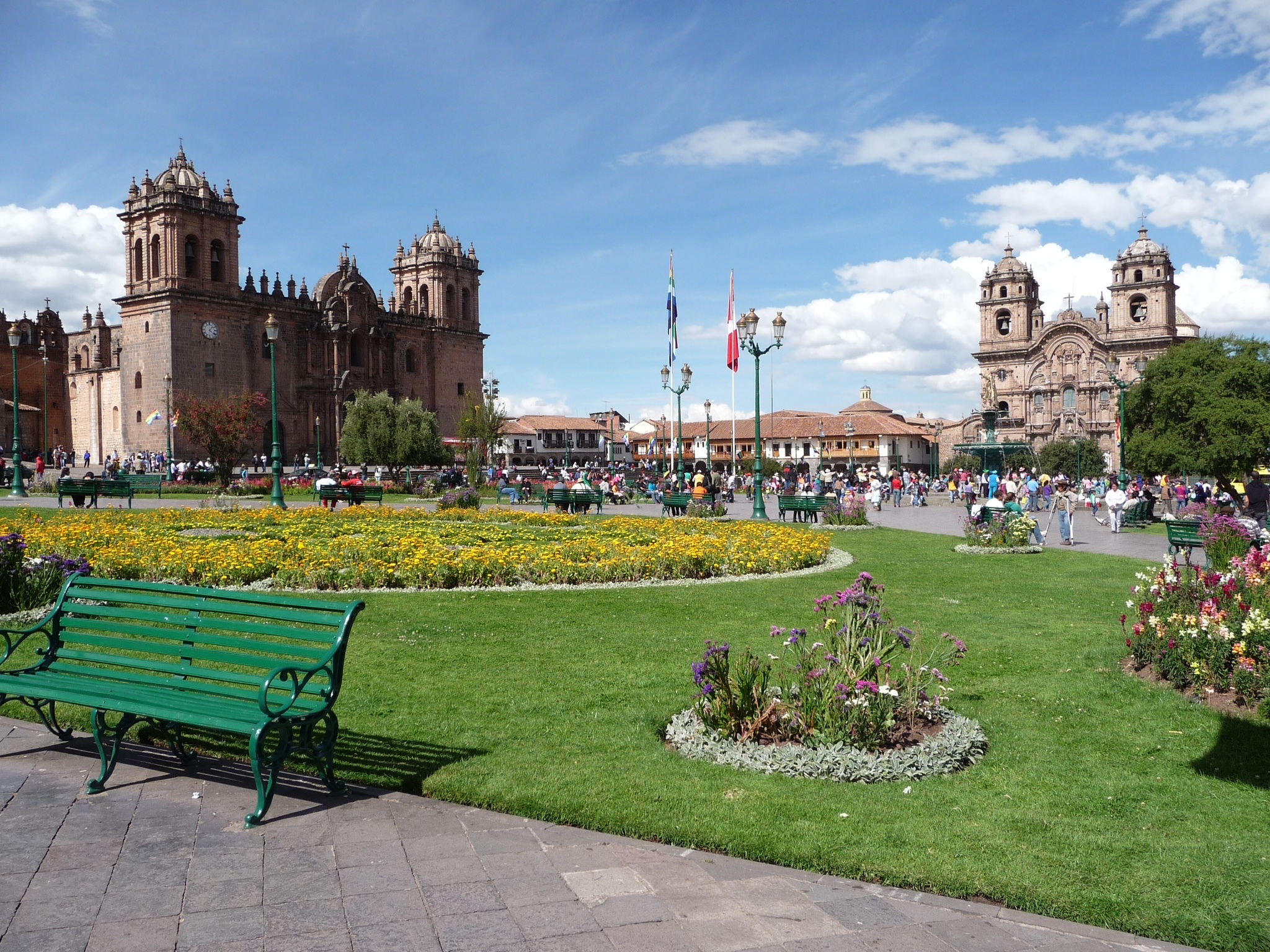
Back to Cusco for the last time

Back to Cusco for the last time

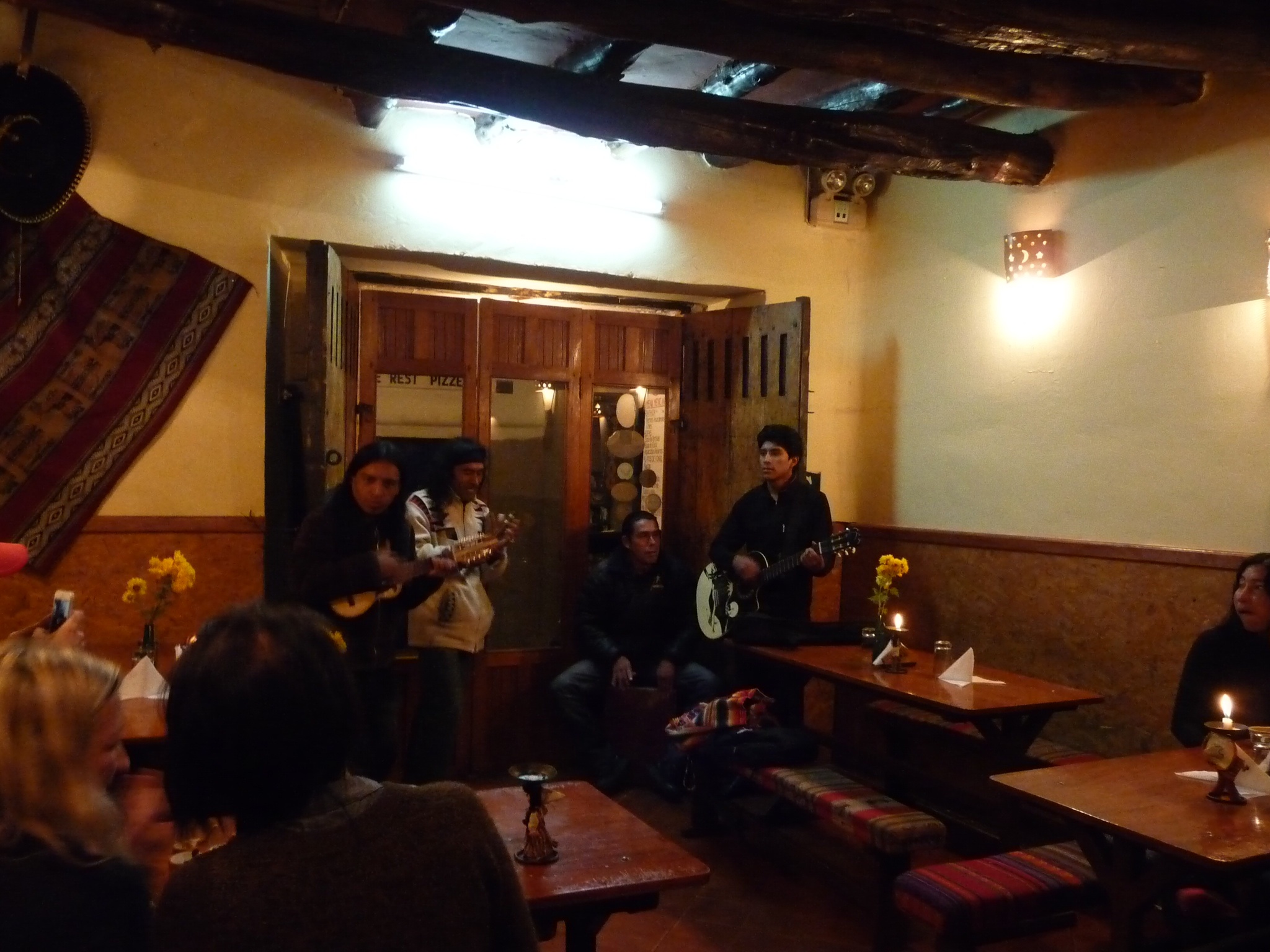
A bit of restaurant busking "...Pachamama..."

A bit of restaurant busking “…Pachamama…”

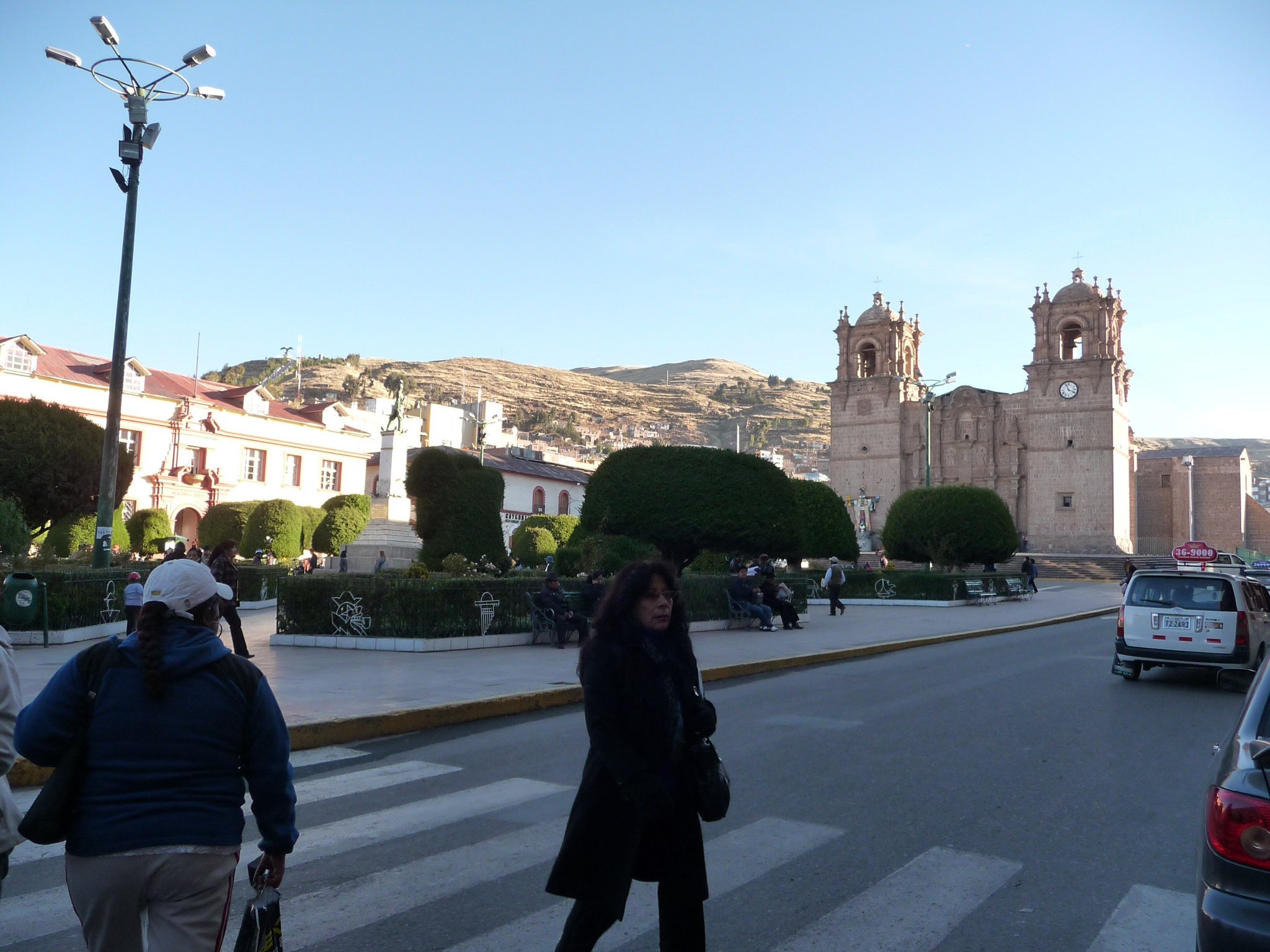
Puno plaza and Cathedral

Puno plaza and Cathedral

Picking up some groceries for our Amantani Island host families

Picking up some groceries for our Amantani Island host families

To the Port - off and racing

To the Port – off and racing

"We are the champions, we are ...."

“We are the champions, we are ….”

Medical Centre on Uros Islands, Lake Titicaca

Medical Centre on Uros Islands, Lake Titicaca

image

image

image

image

image

image

image

image

image

Rita prepares lunch for us

Rita prepares lunch for us

Million Bolivianos view from the garden

Million Bolivianos view from the garden

image

A walk up to the father-earth temple for sunset

A walk up to the father-earth temple for sunset

image

image

image

image

image

Dinner with our host family

Dinner with our host family

Frocking up for the party

Frocking up for the party

What a great looking bunch!

What a great looking bunch!

Farewelling Rita - the dress definitely more her look!

Farewelling Rita – the dress definitely more her look!

Arriving at Taquile Island

Arriving at Taquile Island

image

image

image

image

image

image

image

image

Folklorica show back in Puno

Folklorica show back in Puno

Farewell Peru

Farewell Peru

The snow capped mountains of Bolivia await our arrival!

The snow capped mountains of Bolivia await our arrival!

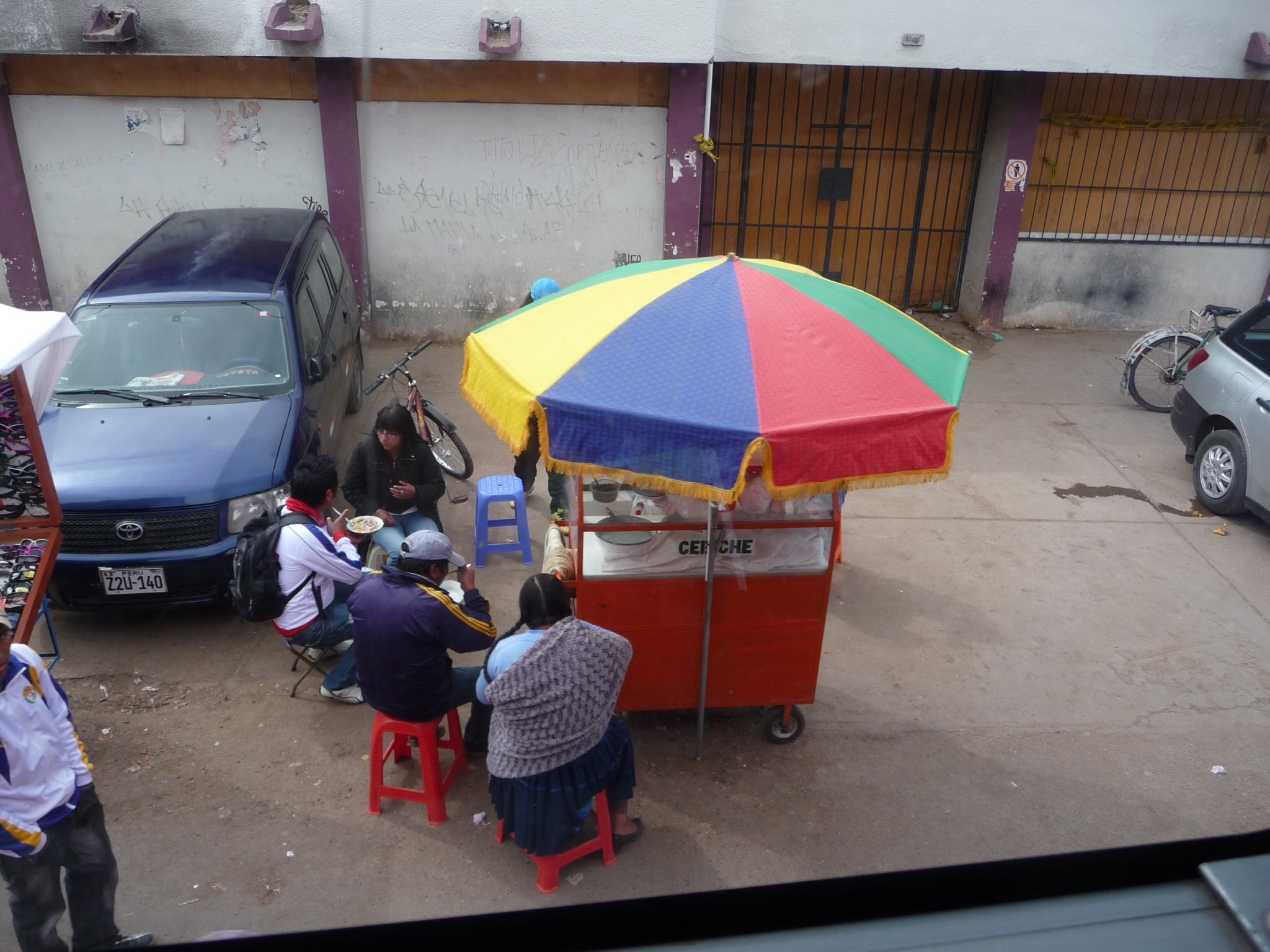
Border alfresco dining

Border alfresco dining

image


Posted in Uncategorized | Leave a comment

The Inca Trail to Machu Picchu

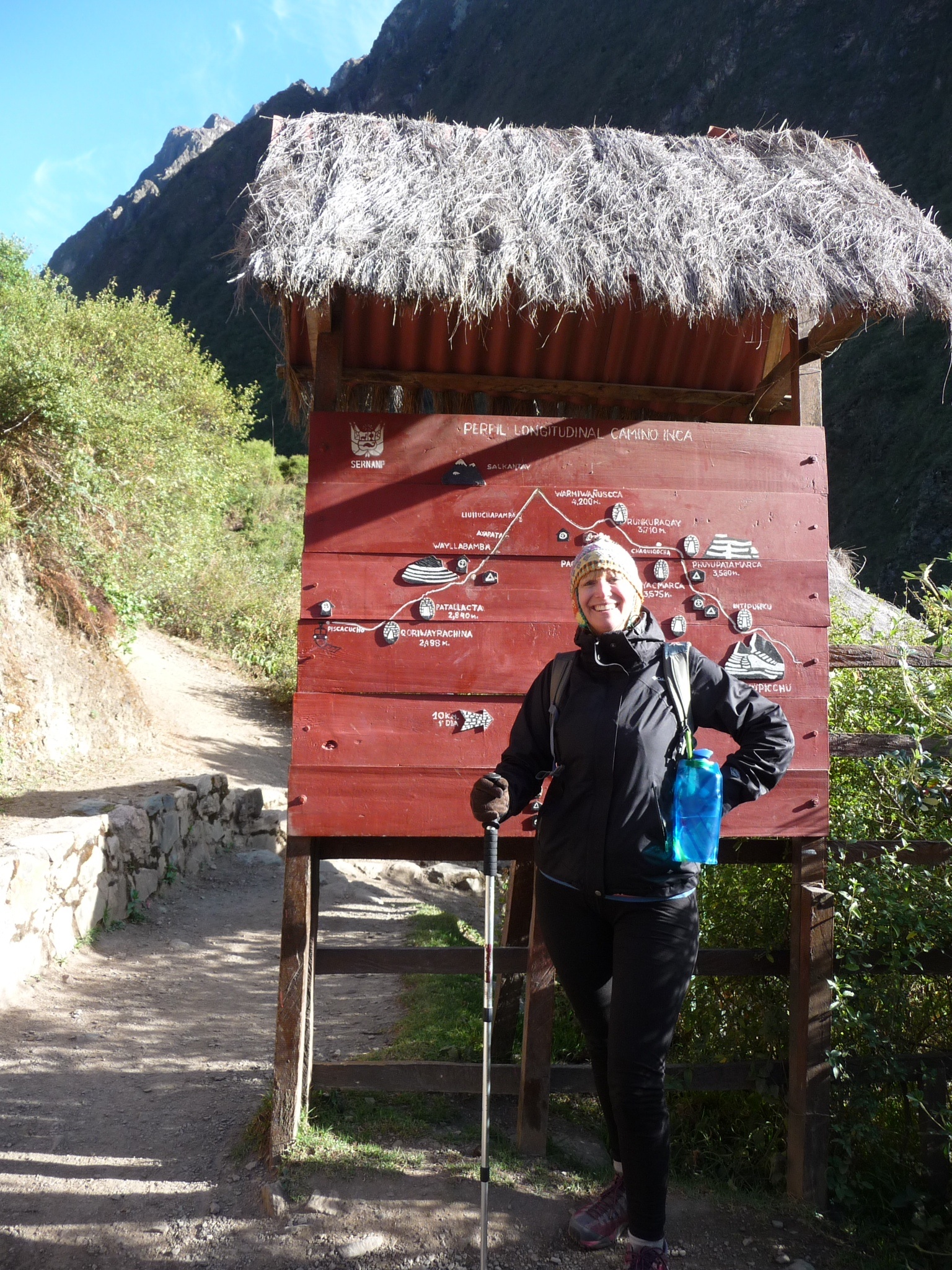
I struggled to pack my 5 kg for the trek. The erratic scales at the hotel and my hire sleeping bag weighing in at 2kg didn’t help!
We had an early start from the hotel with our guide and some of our porters. The first stop was Ollantaytambo where our bags were weighed again (the authorities allow the porters to carry up to 25 kgs each) and we passed through the 82 km checkpoint (the distance being that from Cusco along the train track).  Only 500 people are allowed on the trail per day (including trekkers and all tour operator staff) so it is a rigorous checking of identities before being let loose to trek.
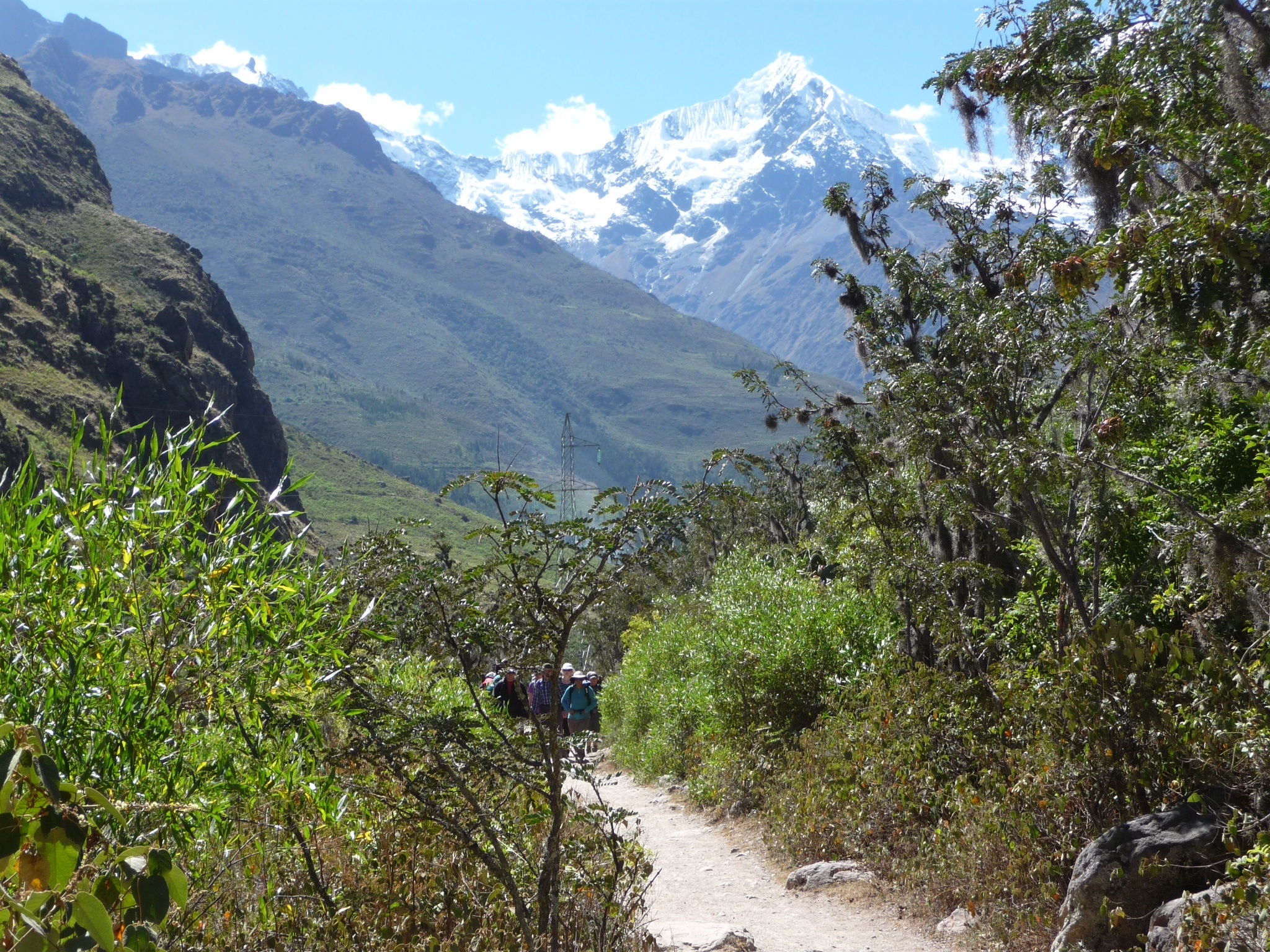
There are more than 25 000 kms of inca trails in Peru – ours being the most famed for linking Machu Picchu with the Sacred Valley.
We headed out for our first day of 12 kms with the impressive 5700m glacier laiden Veronica mountain behind us.
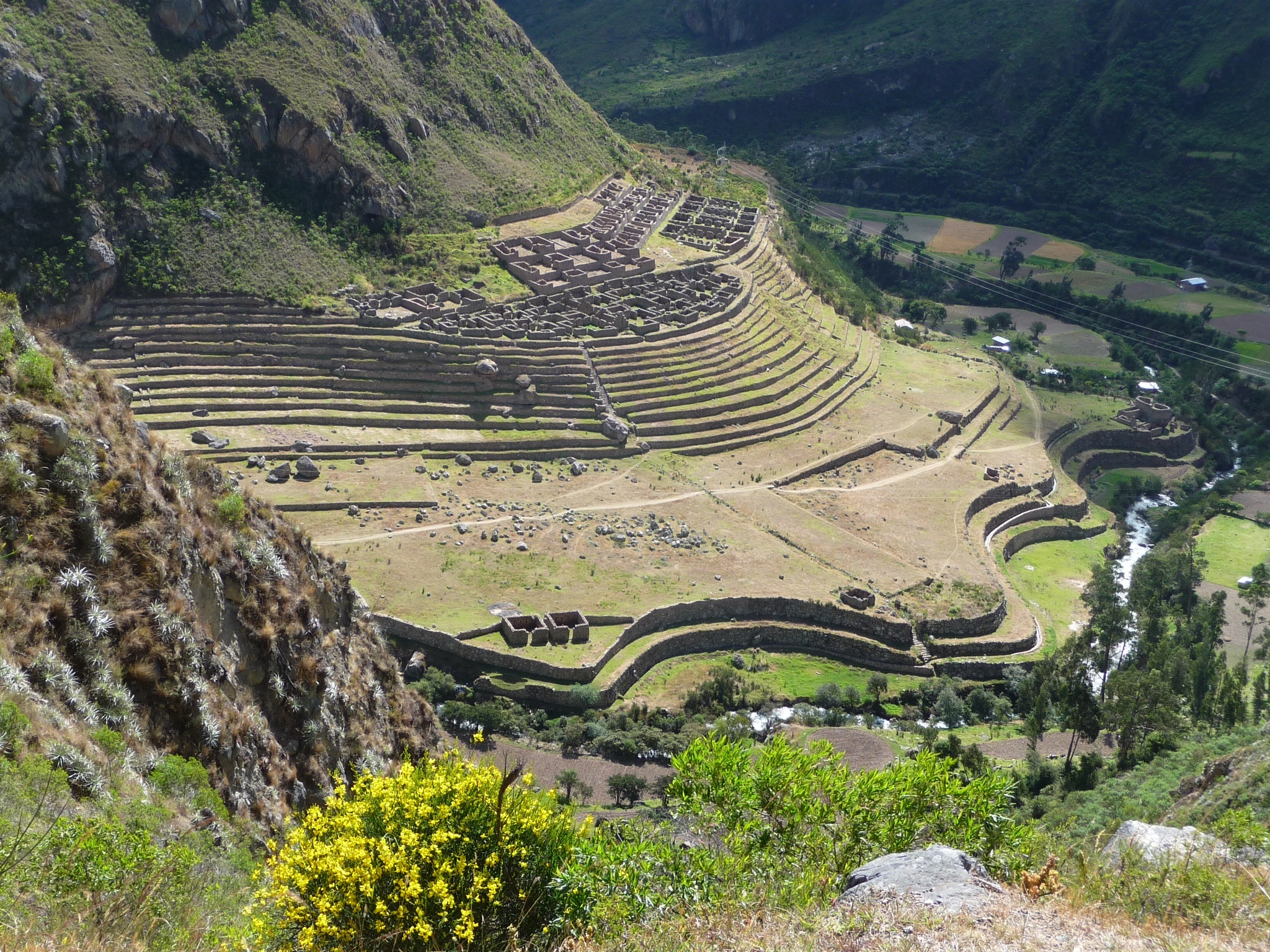
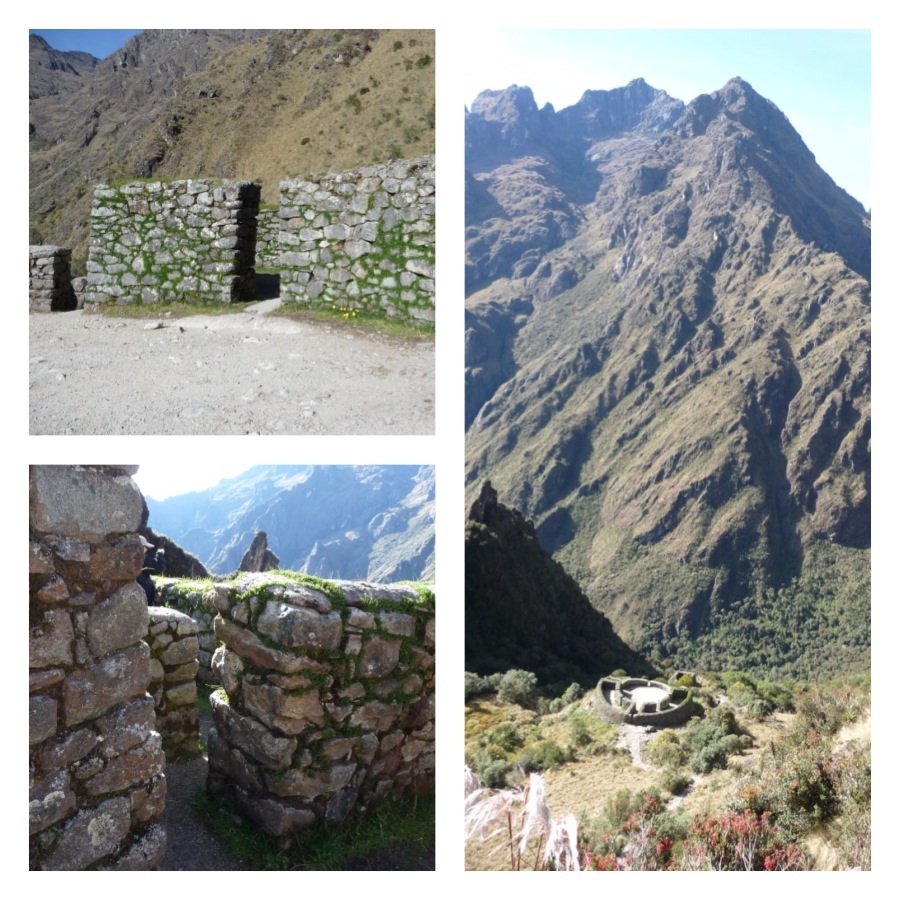
The beginning of the trail was relatively kind with us stopping at inca ruins along the way – the first being the inca village of Qhanabamba.
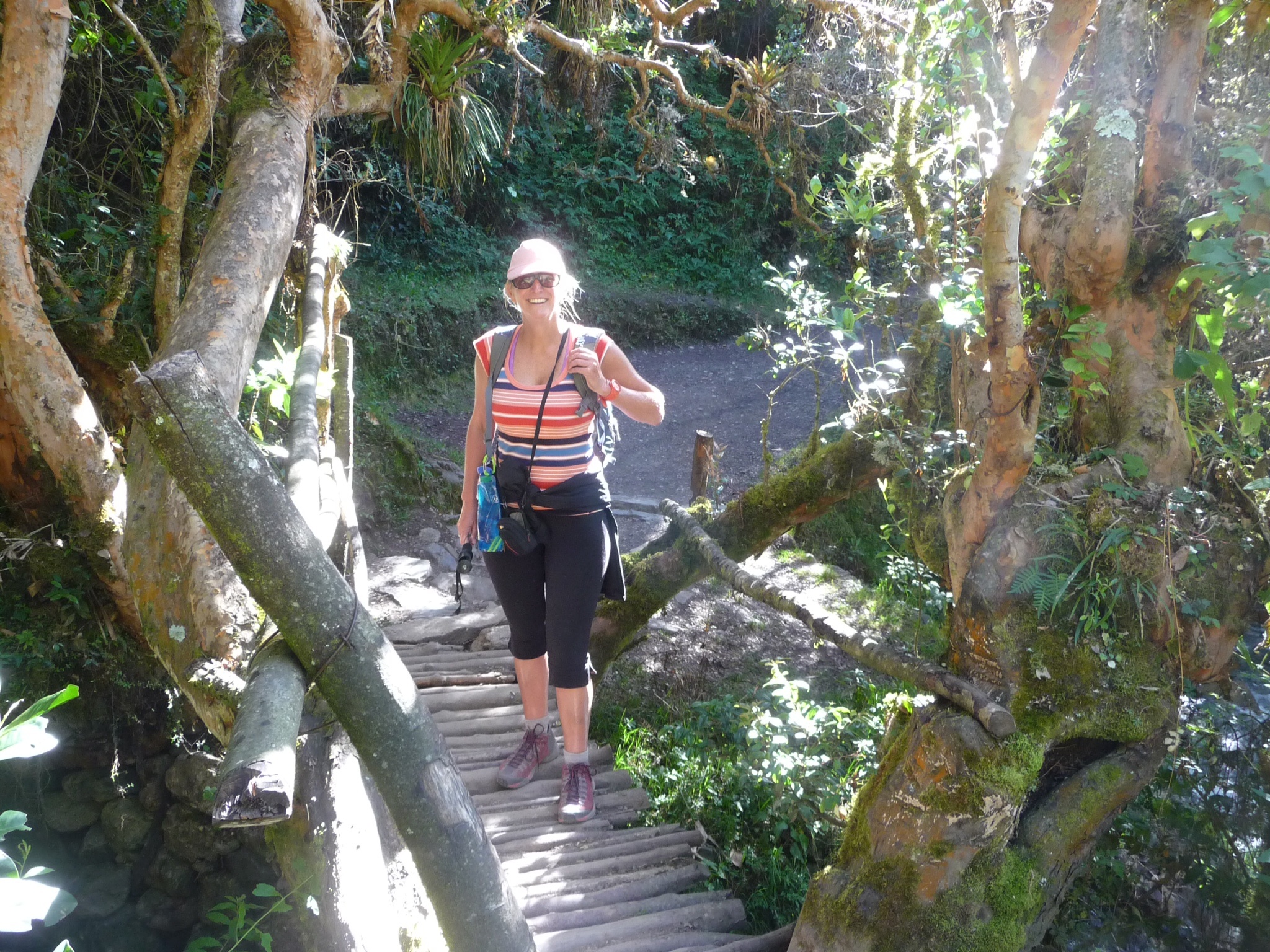
We then started to get a taster of what was in store for tomorrow with some ‘Peruvial gradual’ – it was up, up, up!  We were all pleased to reach the lunch stop to find our porters had set up a camp kitchen and tent for dining. We had a delicious Peruvian two course meal full of carbs – lupin beans and potatoes.
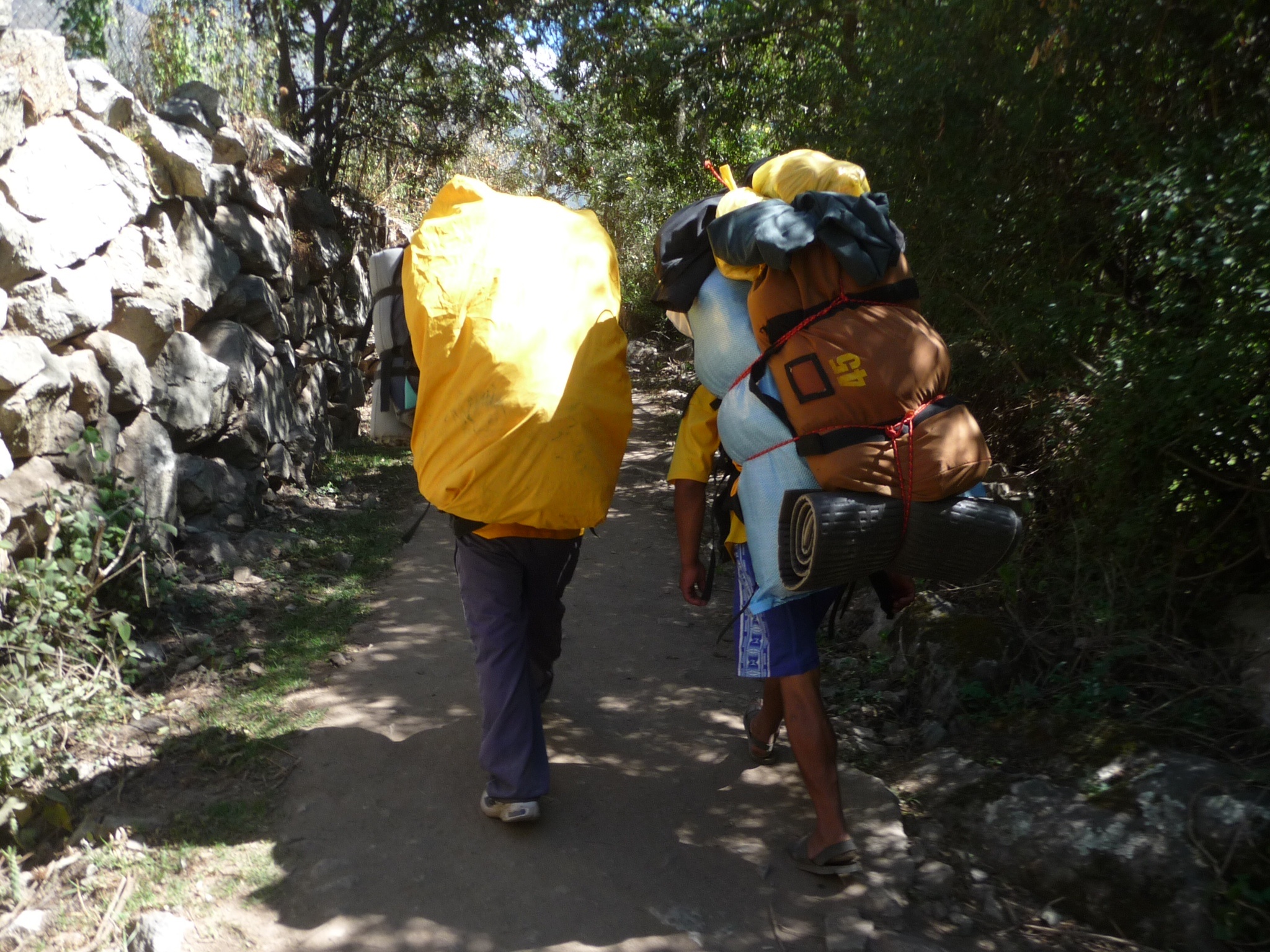
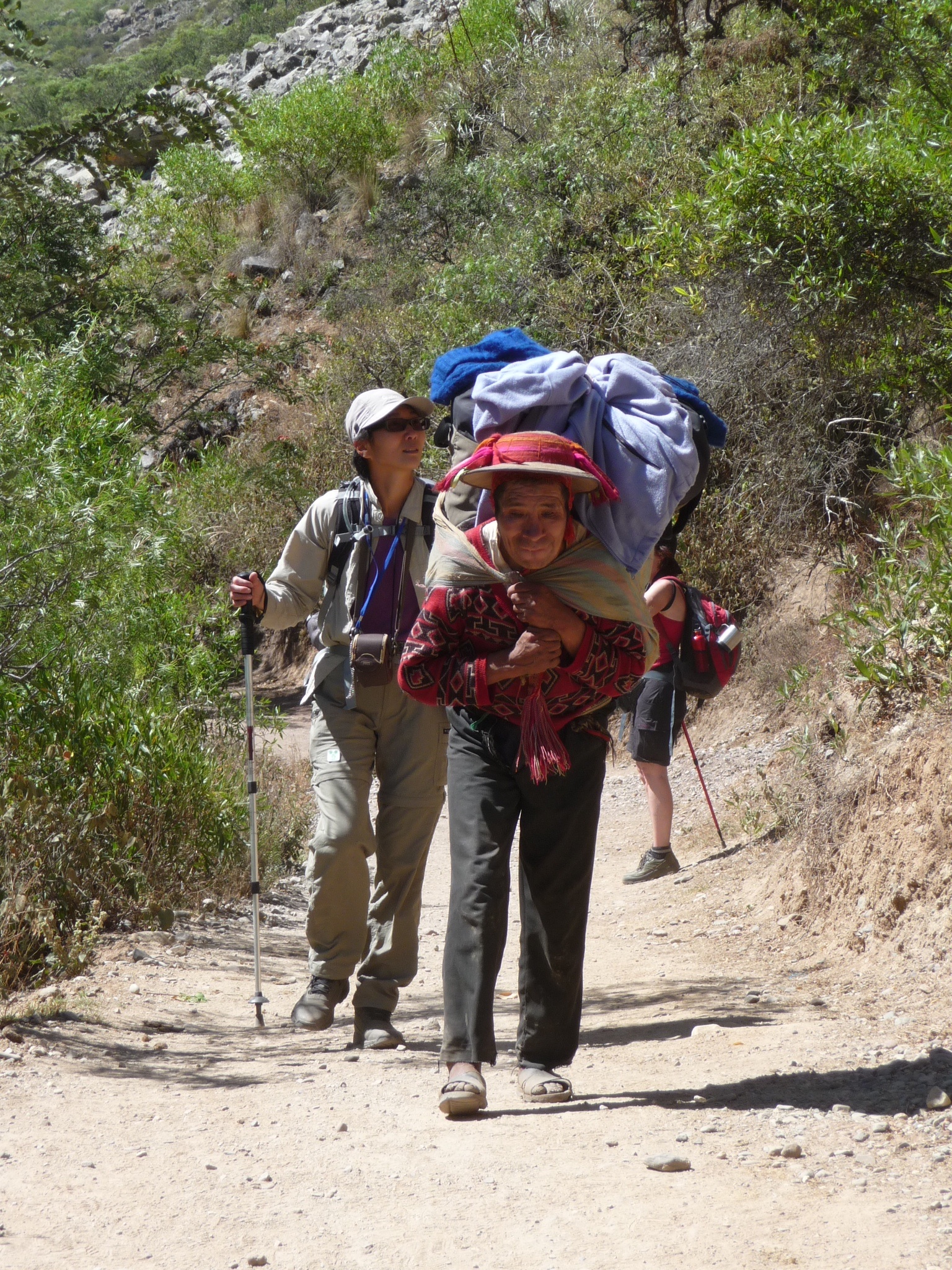
We set off leaving our porters with the job of packing everything up and transporting it to the campsite ahead of us. They all passed us on the way putting us to shame – them with their packs of 25kgs strapped to their backs (tents, cooking facilities, food, chairs, our duffle bags, etc) and us with our piddly day packs toting some water and snacks!  Most were wearing a type of roman sandal (something for the 80s kids) and all of us had hard core hiking boots/shoes.
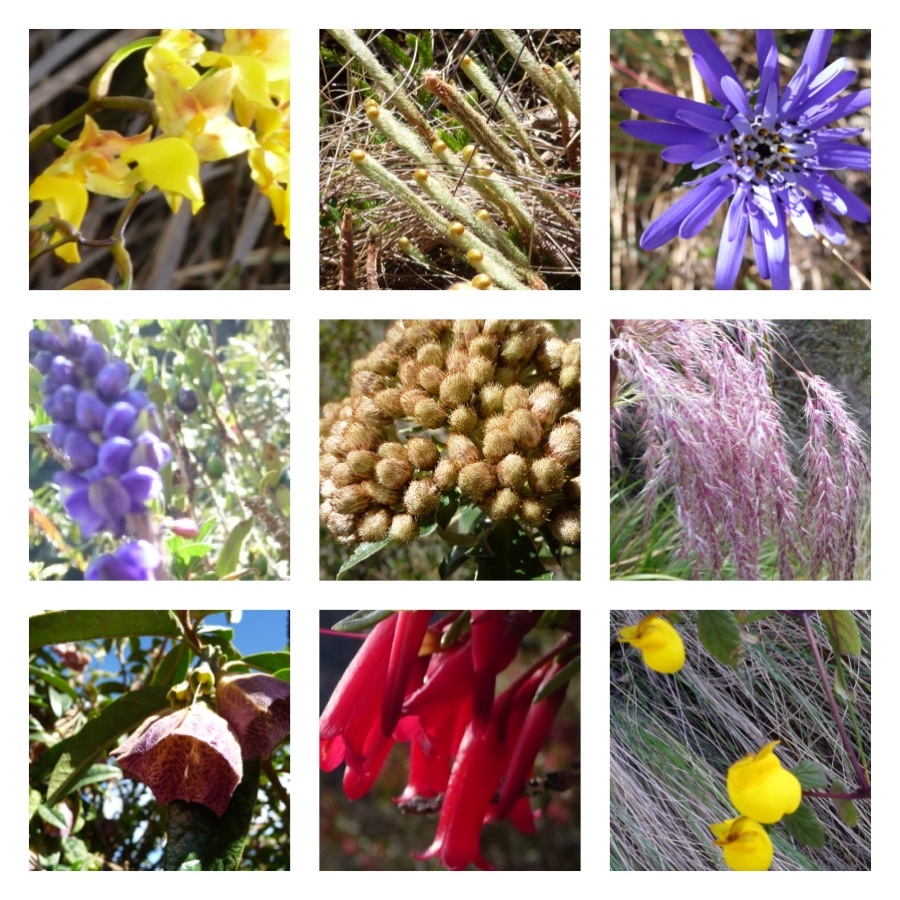
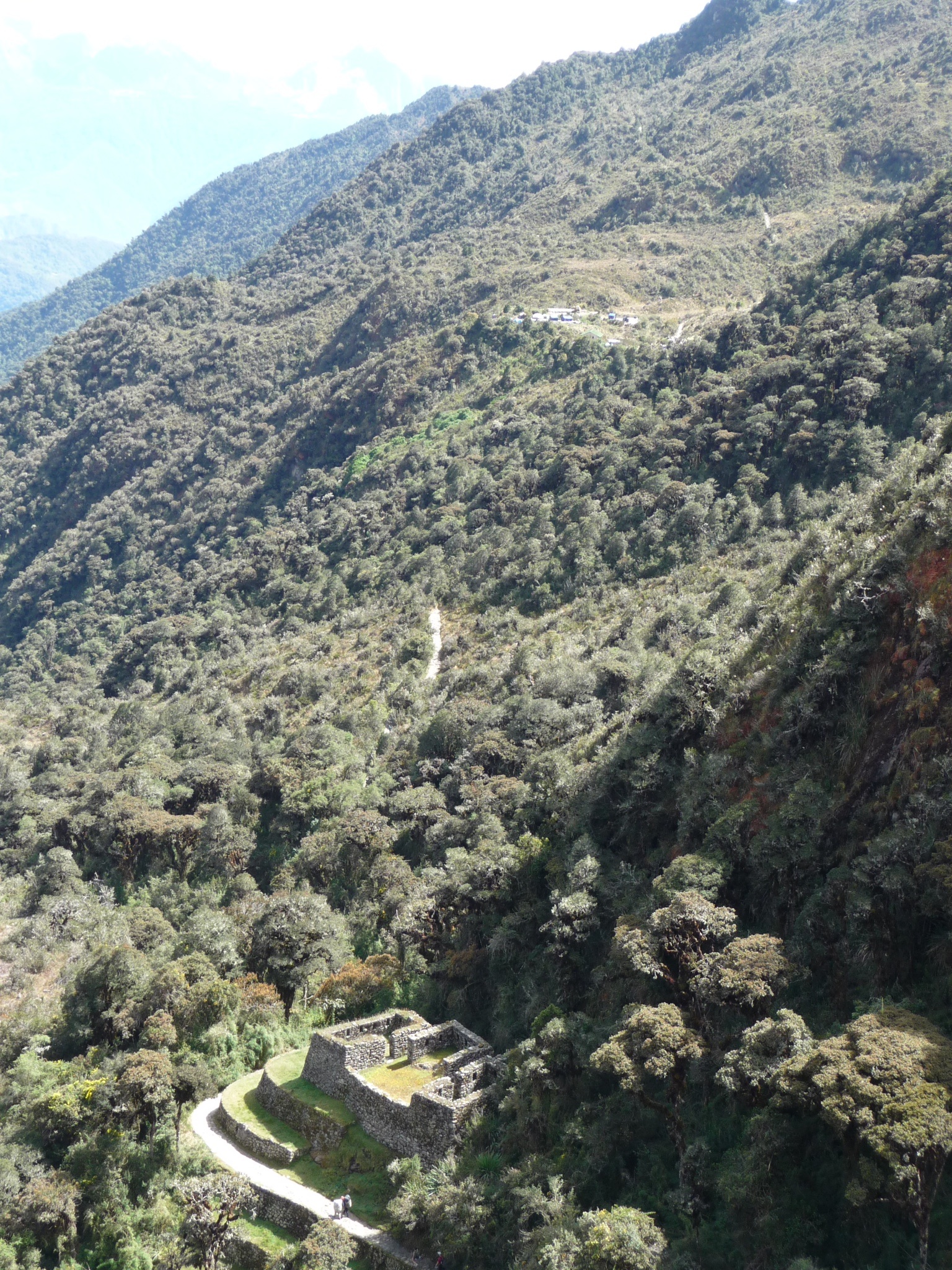
We got another rest as we stopped at another village – Willkarakay, which provided great views of Patallaqta Qentimarka. From then on Megan, my walking buddy, and I found a good way to distract us from the trekking – flower spotting.
On arrival to our camp our tents were already set up and we were each  presented with a hand basin of warm water to wash down – a real treat when we had prepared only for wet wipe showers for three nights!
It had been a relatively easy day but I managed to convince most to do some basic stretches knowing that the next day over Dead Woman’s Pass (Abra de warmi wañuska) would be the hardest for the trail. At that point I was thinking I could in fact end up being the dead woman!
It was an early start for day two (nine kms) with us receiving a wake up call at 5:30am. We had half an hour to pack up, then another half an hour to have breakfast before starting the formal introductions with the most important people on our trek – the cook and porters. They were funny, few speaking English, but all interested in everyone’s vocation and marital status (by translation from our guide, Ruben).
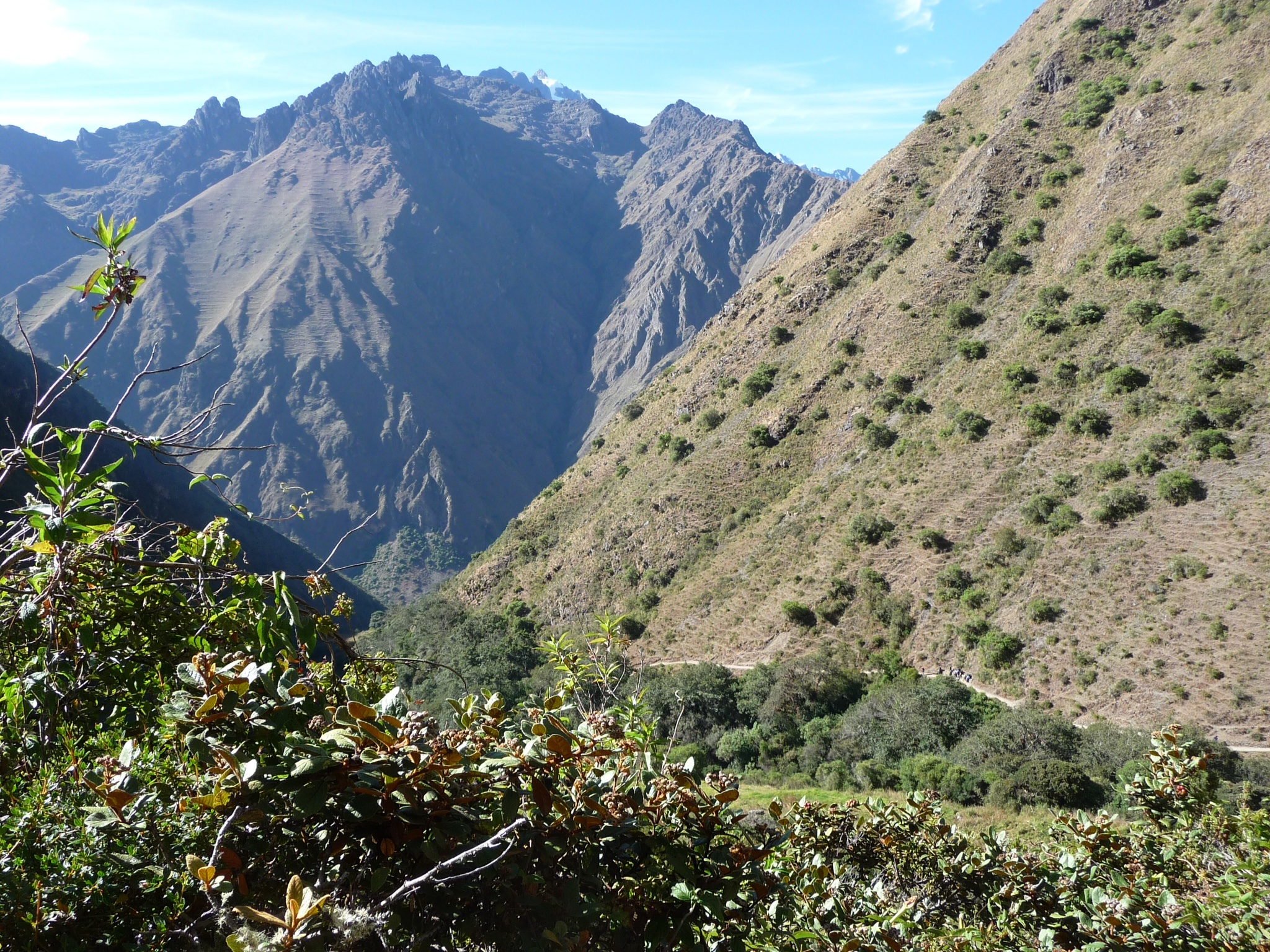
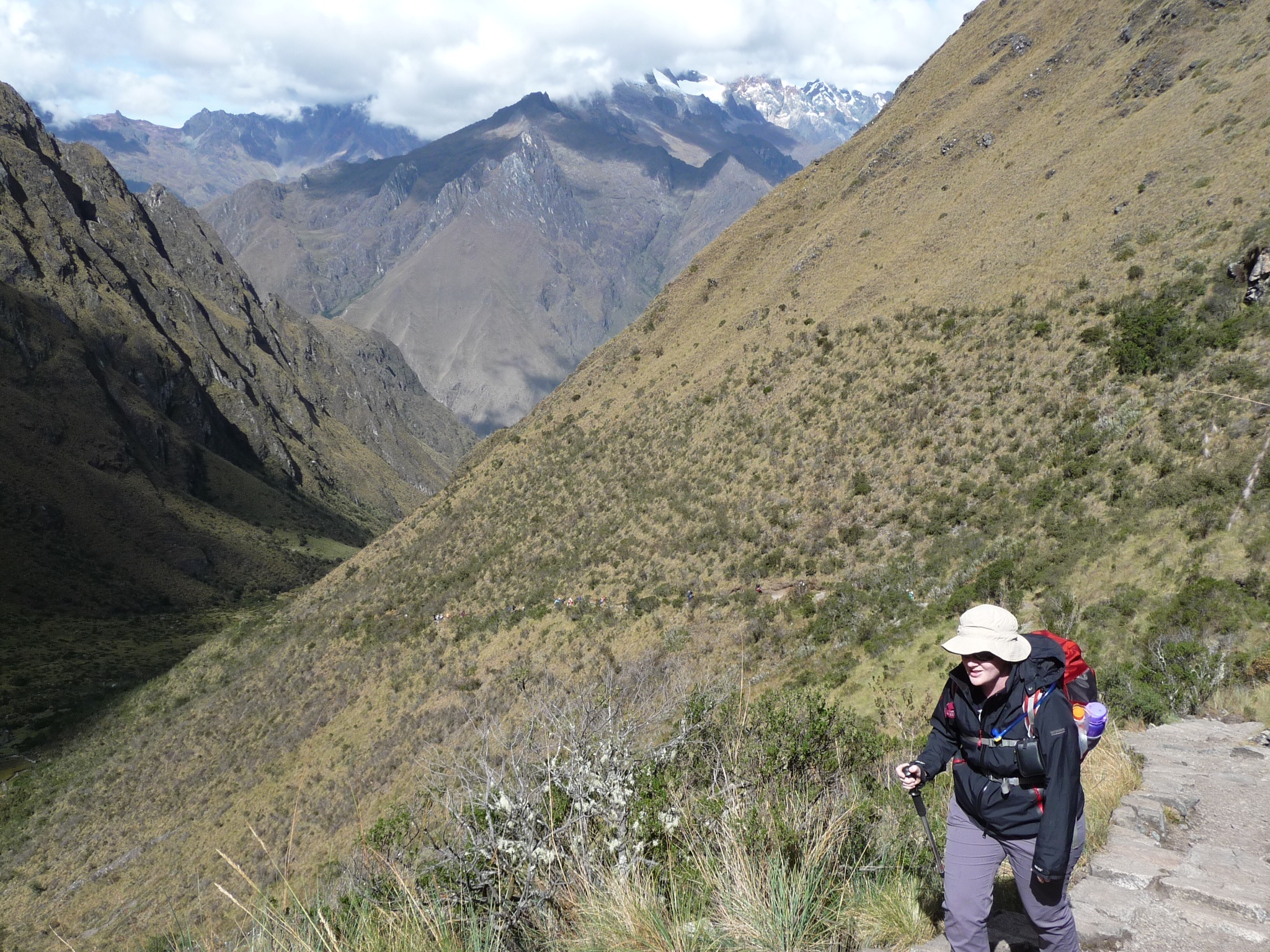
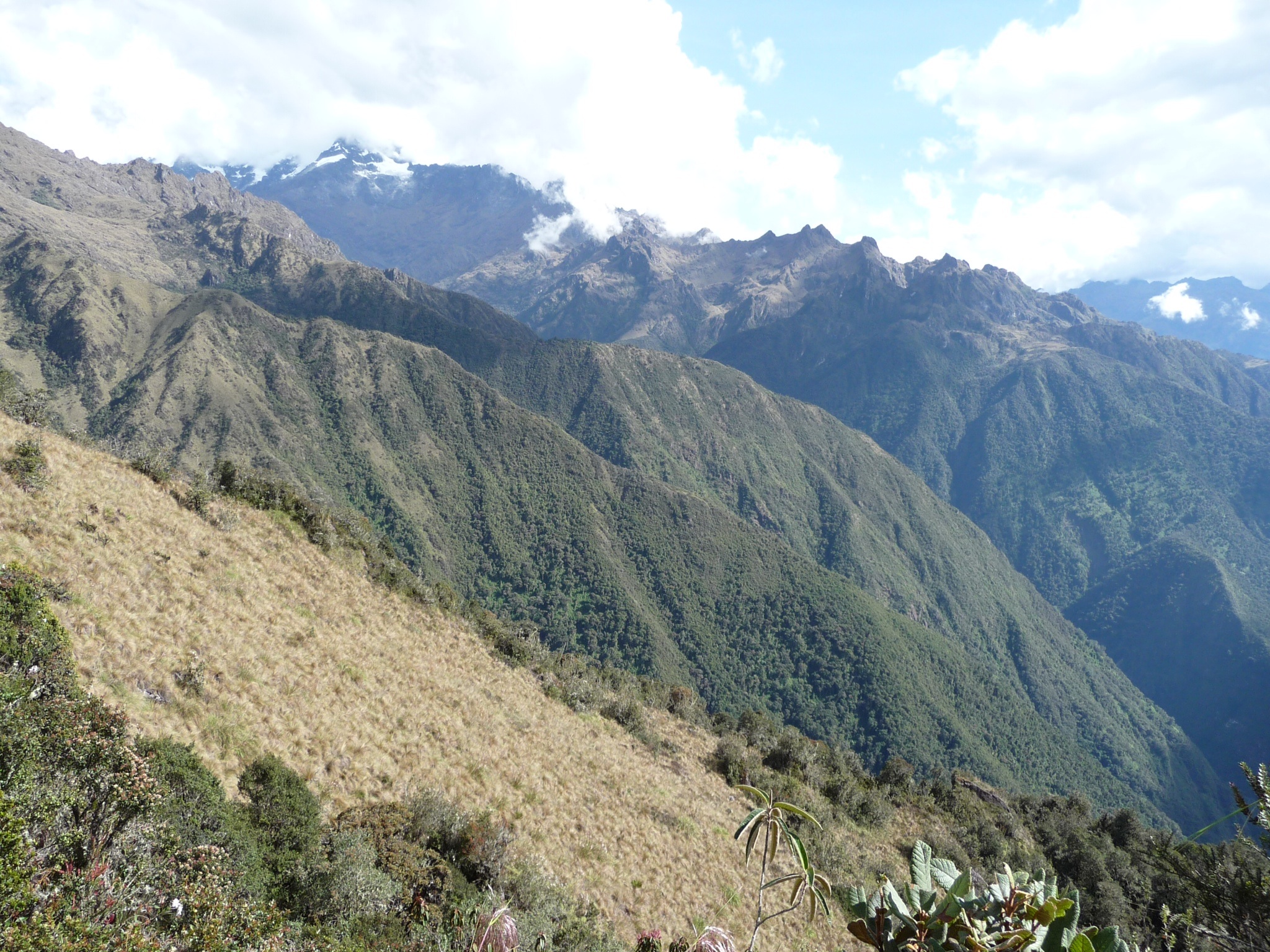
As promised by Ruben, the morning walk just went up, up and up via an endless number of rock steps. The scenery was beautiful and to see the trail ahead and behind full of people was a wonderful sight. Megan and I even managed to spot a deer while stopping in a quiet spot for a break and snack.
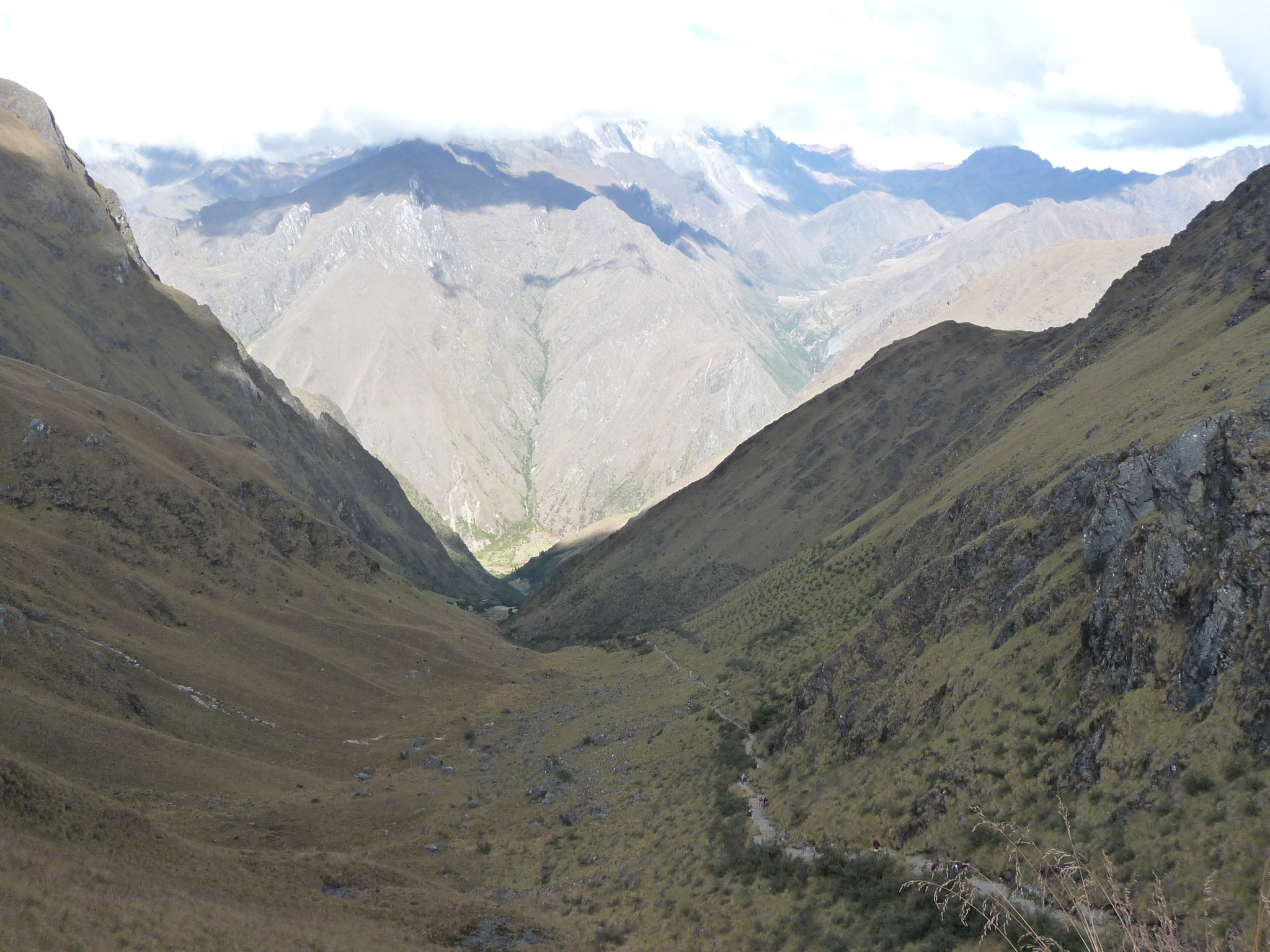
Another great camp lunch, this time perched high above the camp village we had left in the morning. Megan and I were making good progress allowing plenty of time for stretching and a rest before another fabulous lunch. We were then off to trek up to 4200m to the dreaded Dead Woman’s Pass and then downhill by deep steps all the way to the campsite. It was a tough day but the scenery made it all worth it.
Our basins of warm water arrived but this time we confined ourselves to our tent, stripped down and had a decent tub – much to the amusement of the porters. It was so nice to be clean for our dinner celebrating our accomplishments for the day. Then into bed by 8pm out of pure exhaustion.
Another 5:30am rise for our 16km trek.  It had been a very cold night and was still very cold without any sun shining into the valley of our campsite. It was a tough start – muscles sore despite the stretching.  To make things worse it was up hill first up as we headed toward the second pass.  There were more ‘F’ bombs dropped than in the Galápagos but for completely different reasons!
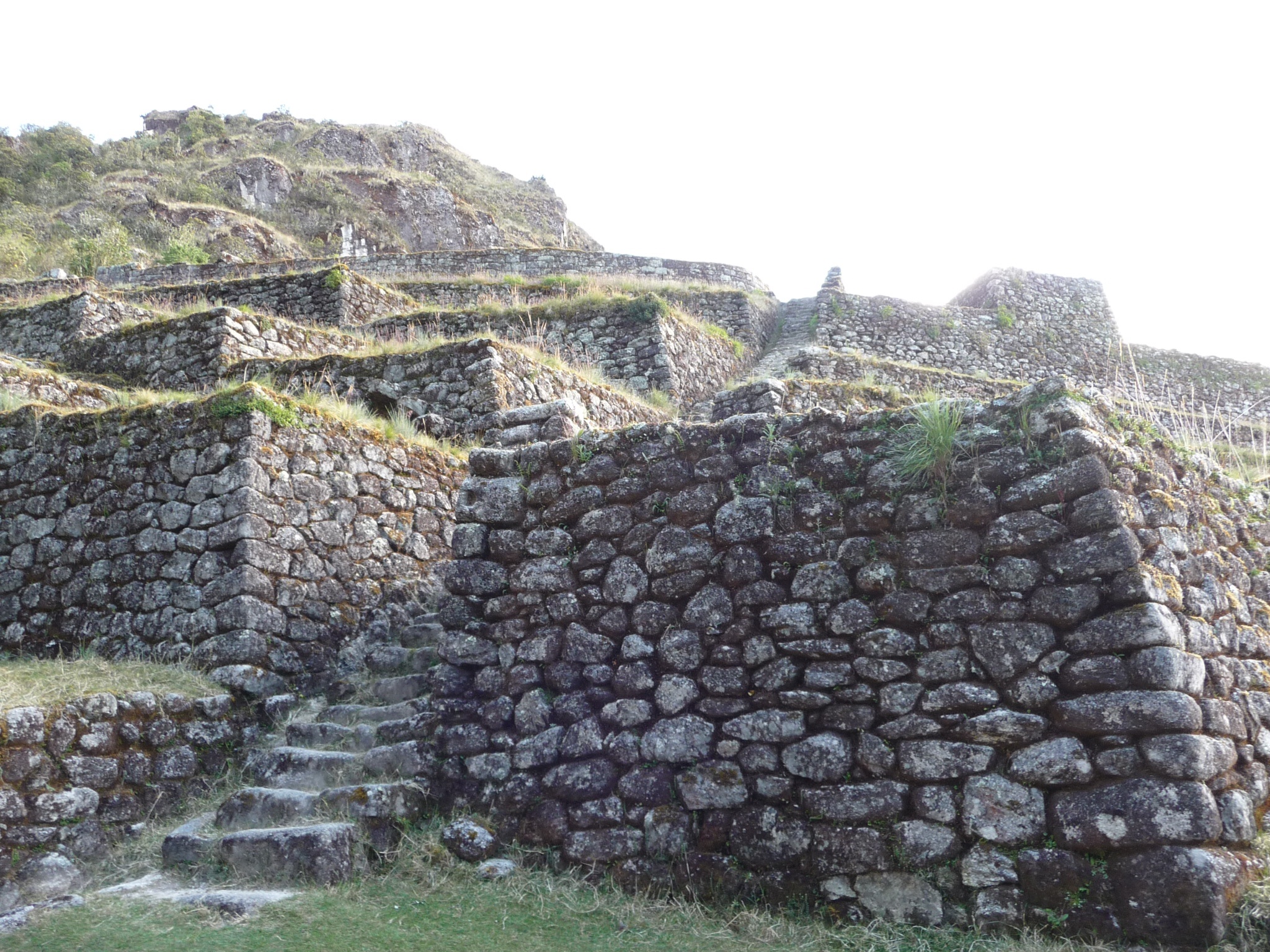
The first ruins for the day were Runkuraqay – a former control point for the incas using the trail.
We arrived at the second pass before lunch; another stop at 4 000m. I still wasn’t feeling the effects of altitude other than the standard breathlessness exacerbated by the trekking – the acclimatisation in the Colca Canyon had obviously worked.
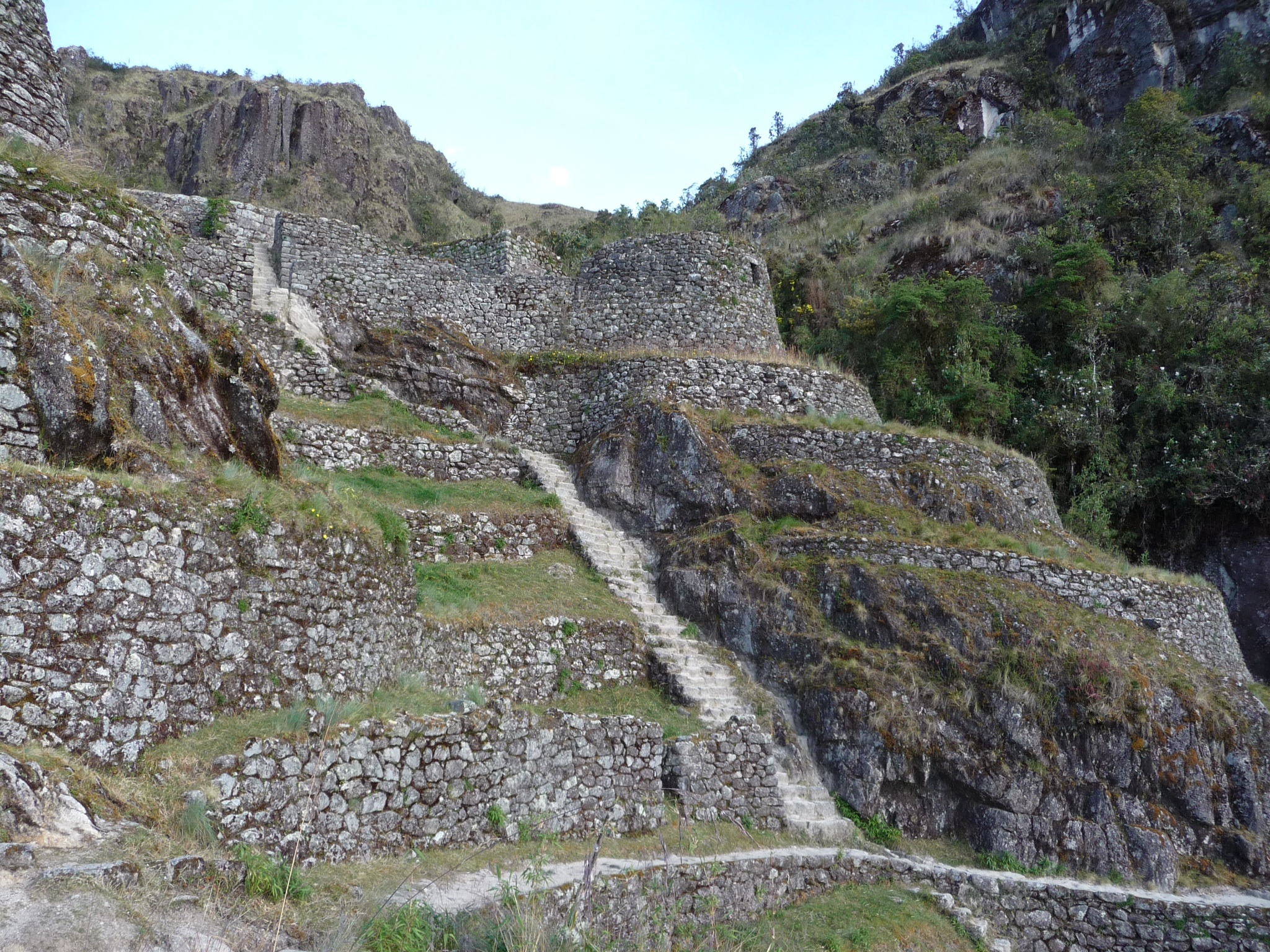
The next ruins were Sayamarka – a rustica style precinct – a likely hostel for incas on the trail to Machu Picchu. Nearby was Qonchamarka; an agricultural site for Sayaqmarka.
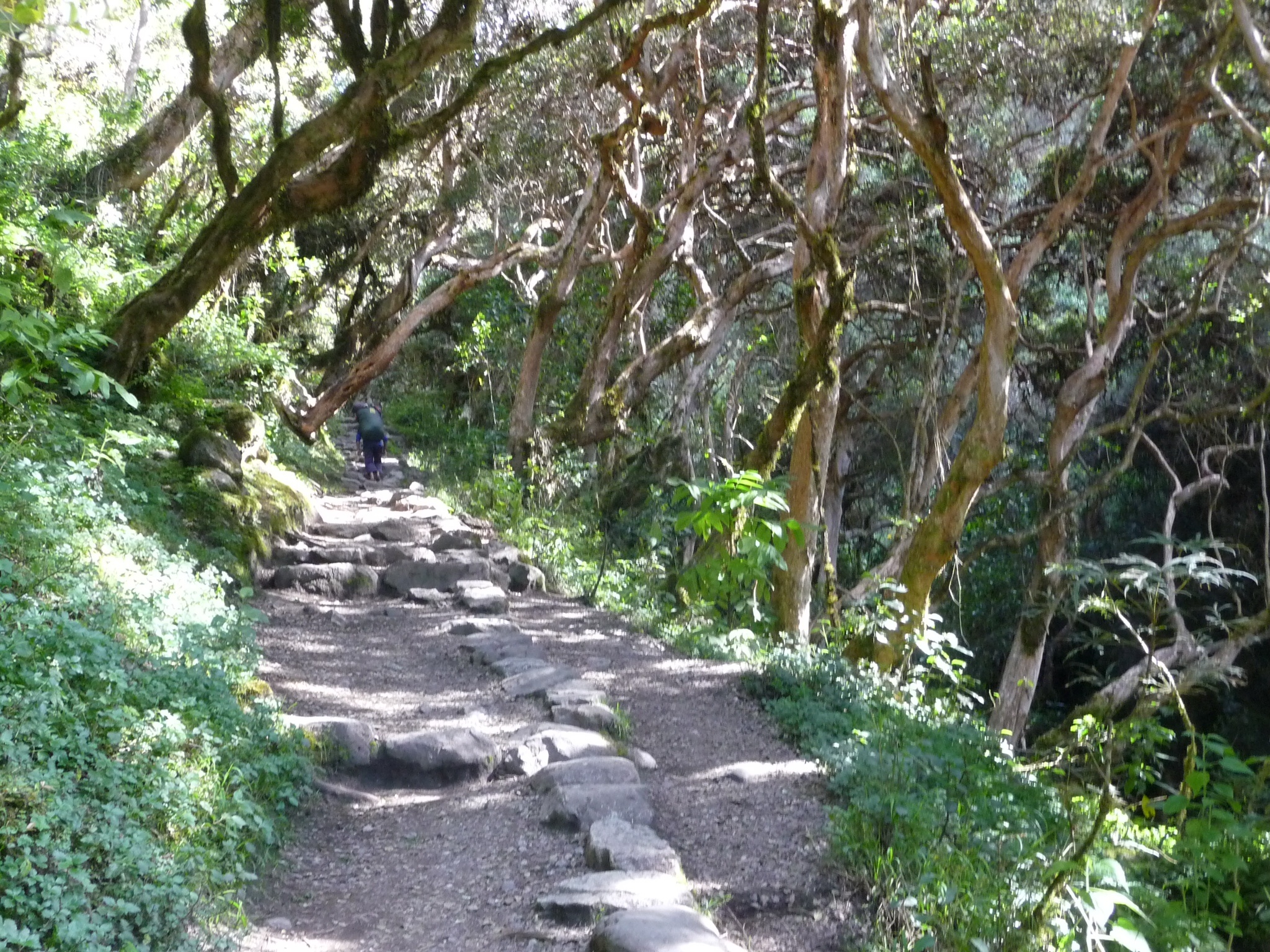
We then made it to the third pass where we got to see Machu Picchu mountain for the first time (the ruins being on the other side out of sight). Then it was 2000 deep steps (that’s fact not exaggeration) downhill causing us all to crab step most of them to avoid ankle injury. Our guide informed us that these were the government built steps – the incas were not such saddists (although I would challenge that given the steps that followed).
We passed Phuyupatamarka – a town in the clouds – with its six ceremonial fountains, terraces, square, and ceremonial table. It was unfinished due to the arrival of the spaniards.
We observed some terraces on the left of Machu Picchu mountain which are believed to have been used as a bit of a laboratory of the incas to create new varieties of fruit and vegetables for the different geological and climatic conditions.
It was about here that my attention started to  wane and my verbalised words began to stop matching what my brain intended.  Megan and I decided that we could blame such foibles on altitude and hence it became a constant catchphrase for us from then on (whether at altitude or not!).
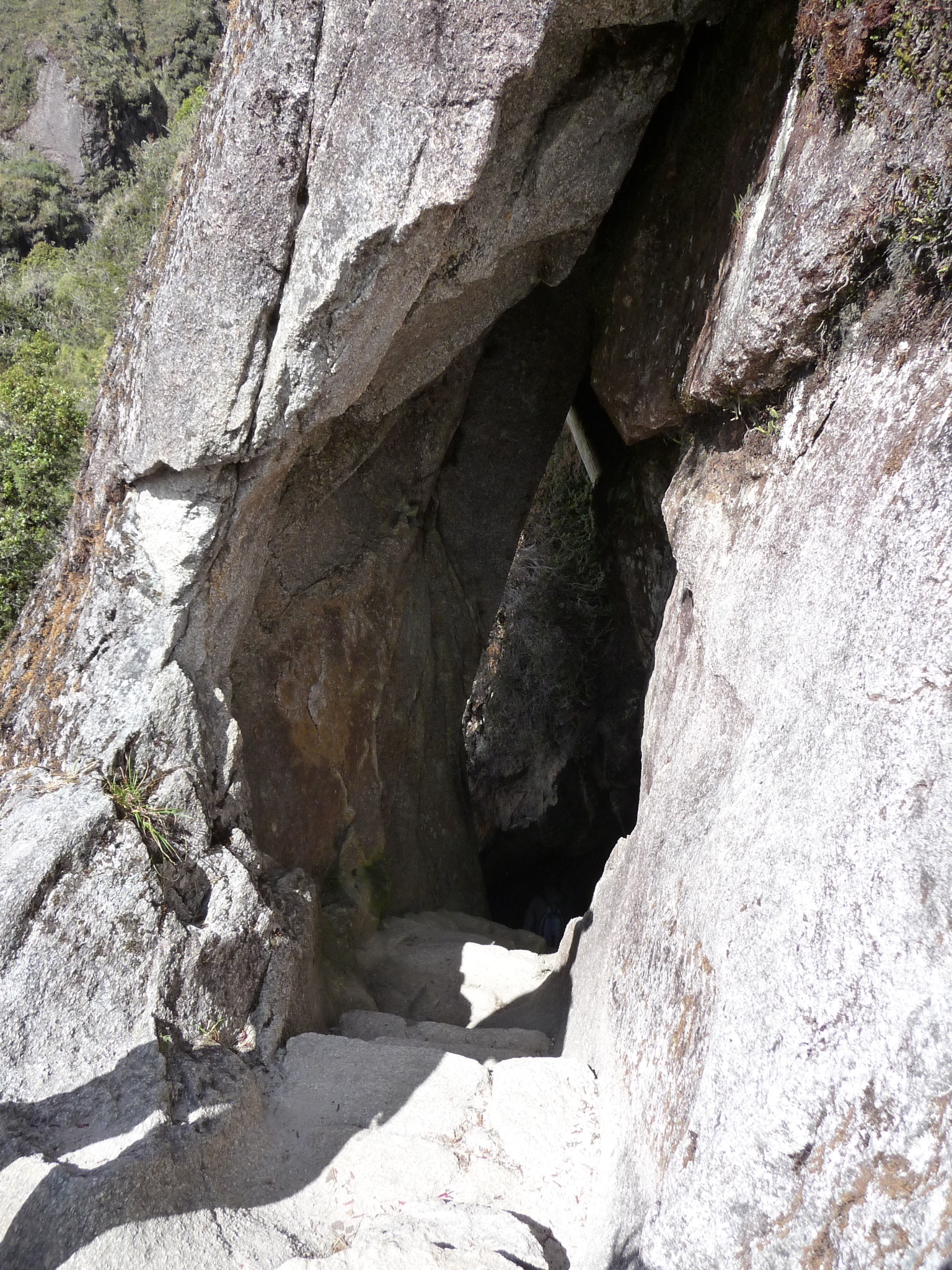
It had been interesting to pass through two Inca Tunnels; it was hard to imagine how the incas had achieved these 20m something tunnels on the side of a mountain with very rudimentary tools – the tunnels even had stairs.
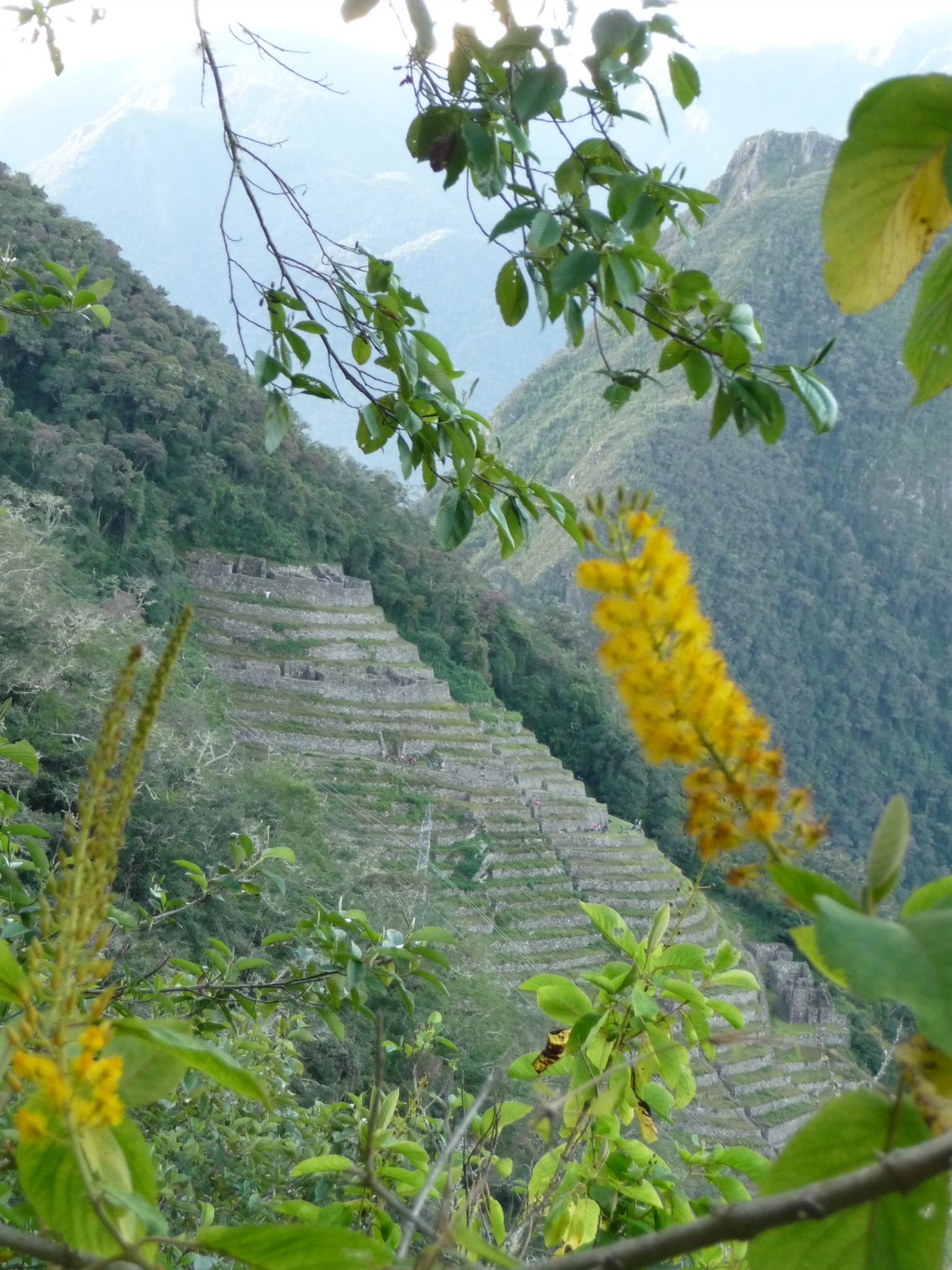
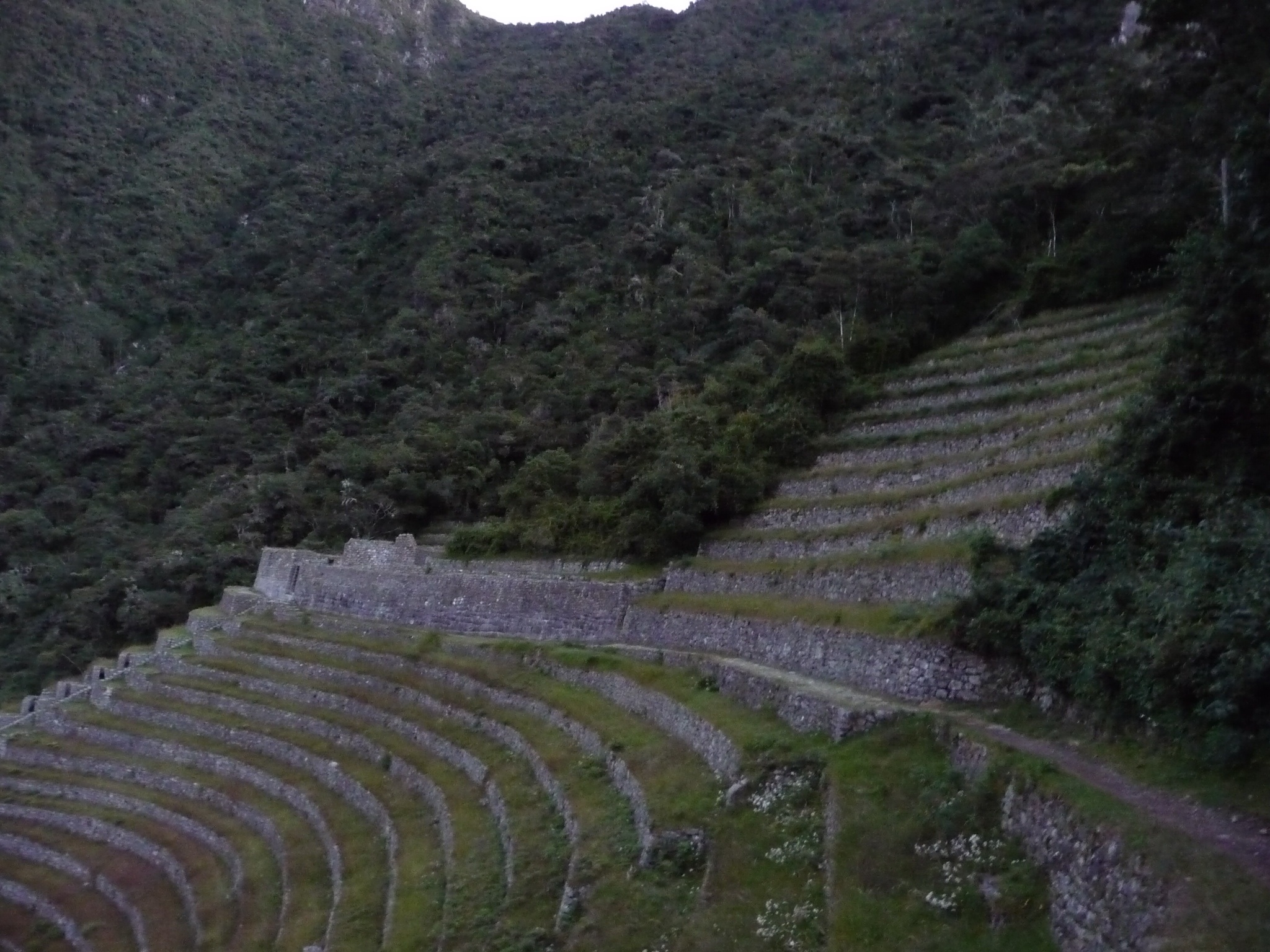
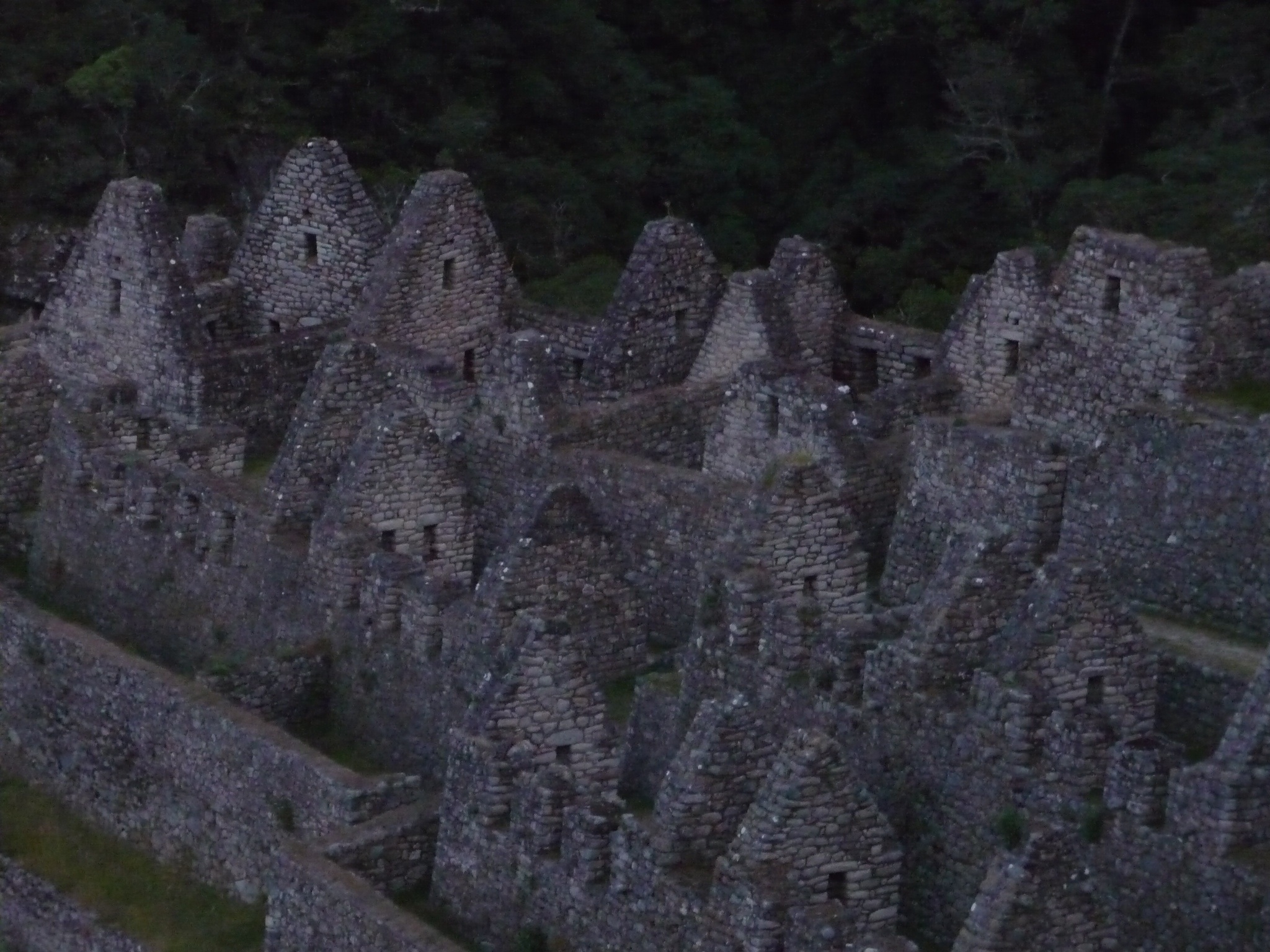
Sophie, Megan and I made it into camp with just enough light to take the short walk across to Winay Wayna. This was a village with 16 ceremonial fountains, a rock as a temple (huaka) and terraces for agriculture – impressive even in the failing light.
Our last night on the trail. I was handed the job of doing the speech of thanks to our wonderful chef and porters. As I handed over the tips I gave each of them a kiss – it was hilarious – despite their shyness all of a sudden they started pushing each other out of the way to go next.  The light hair and eyes (and no doubt the single status) had got them!  With this confidence in hand they then came around to shake everyone’s hand which developed into a kiss and a hug – something our guide told us he had never seen happen before!  It was a touching thank-you to these guys who had gone above and beyond to make us as comfortable as possible in the relatively extreme conditions.
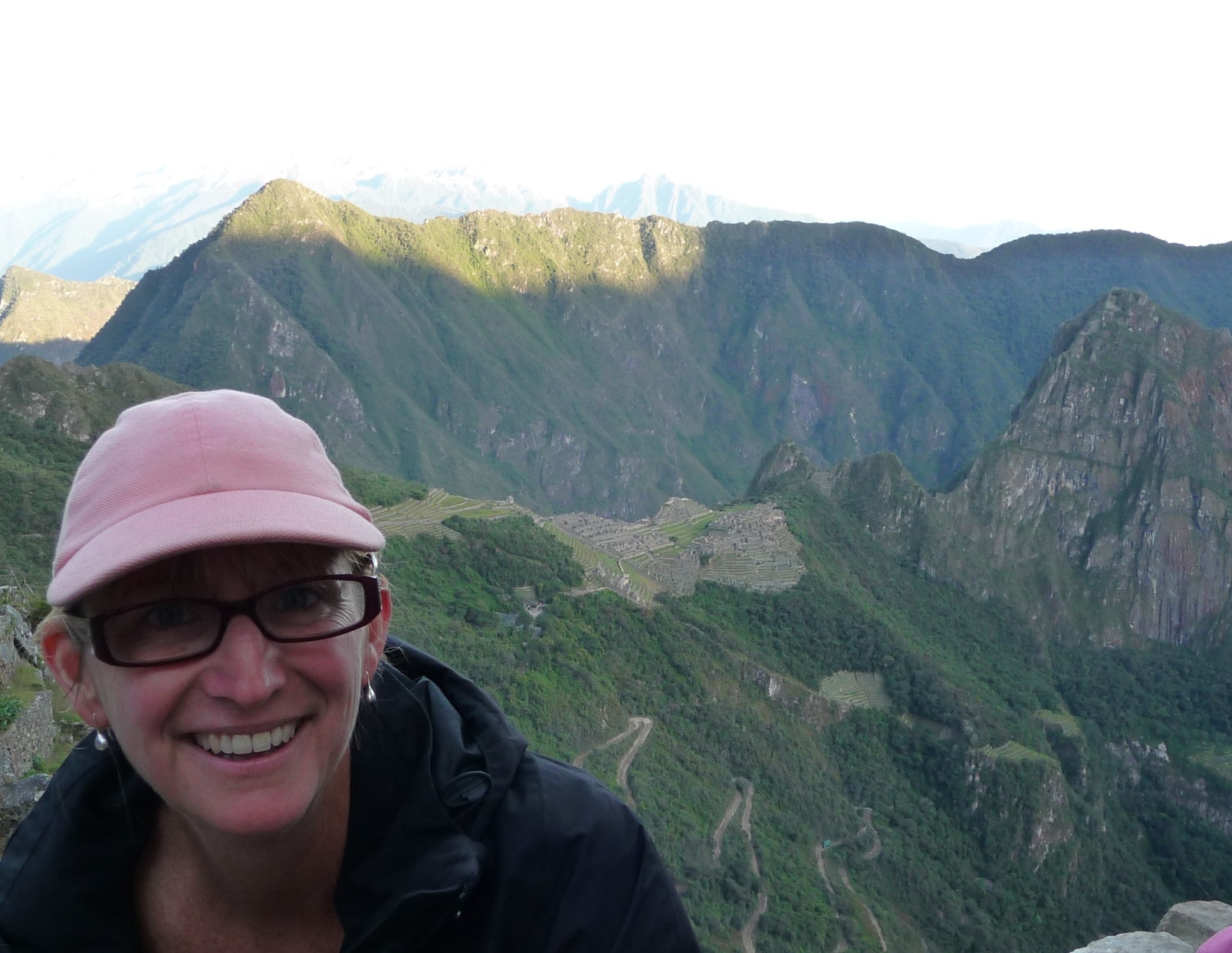
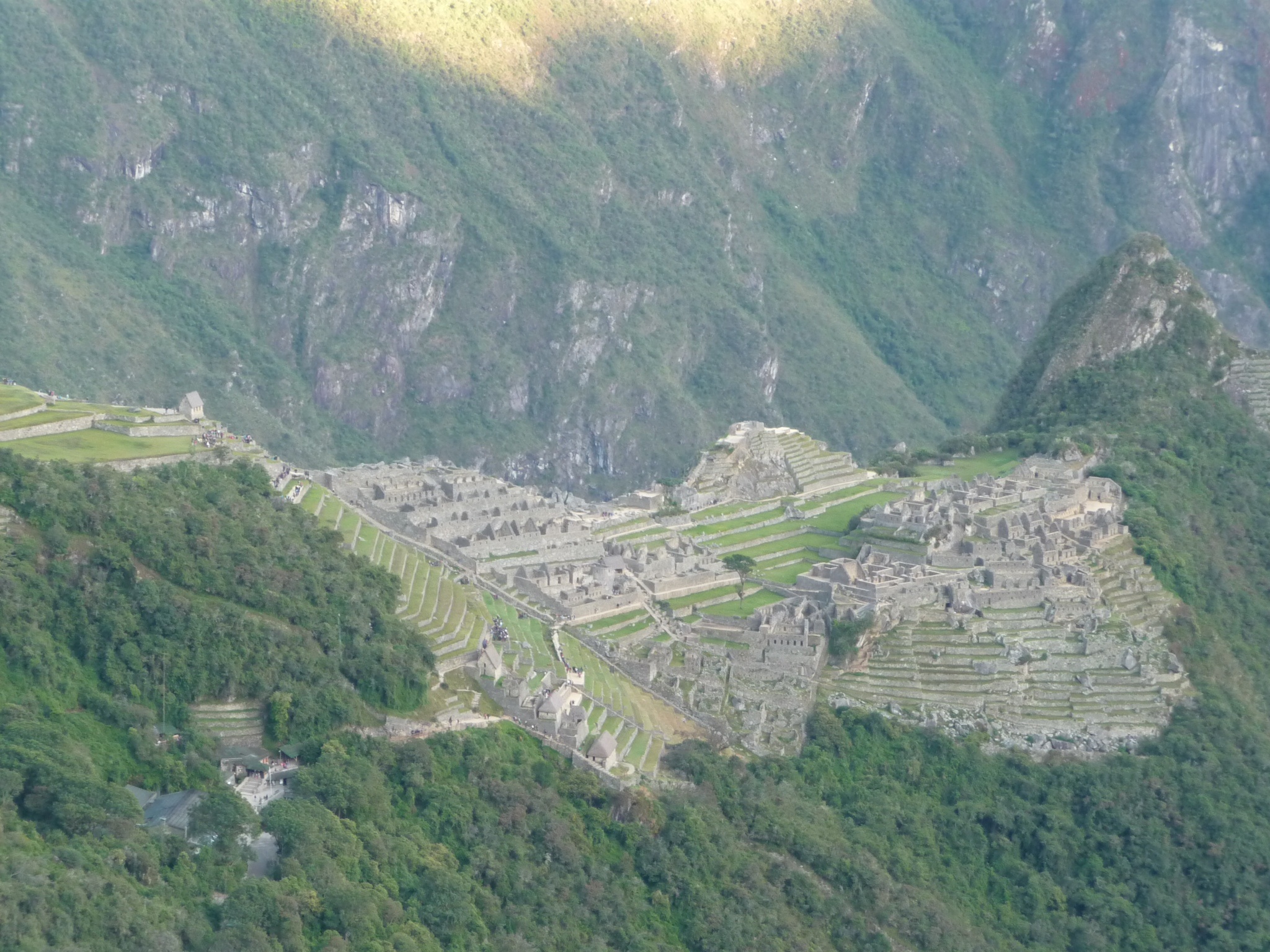
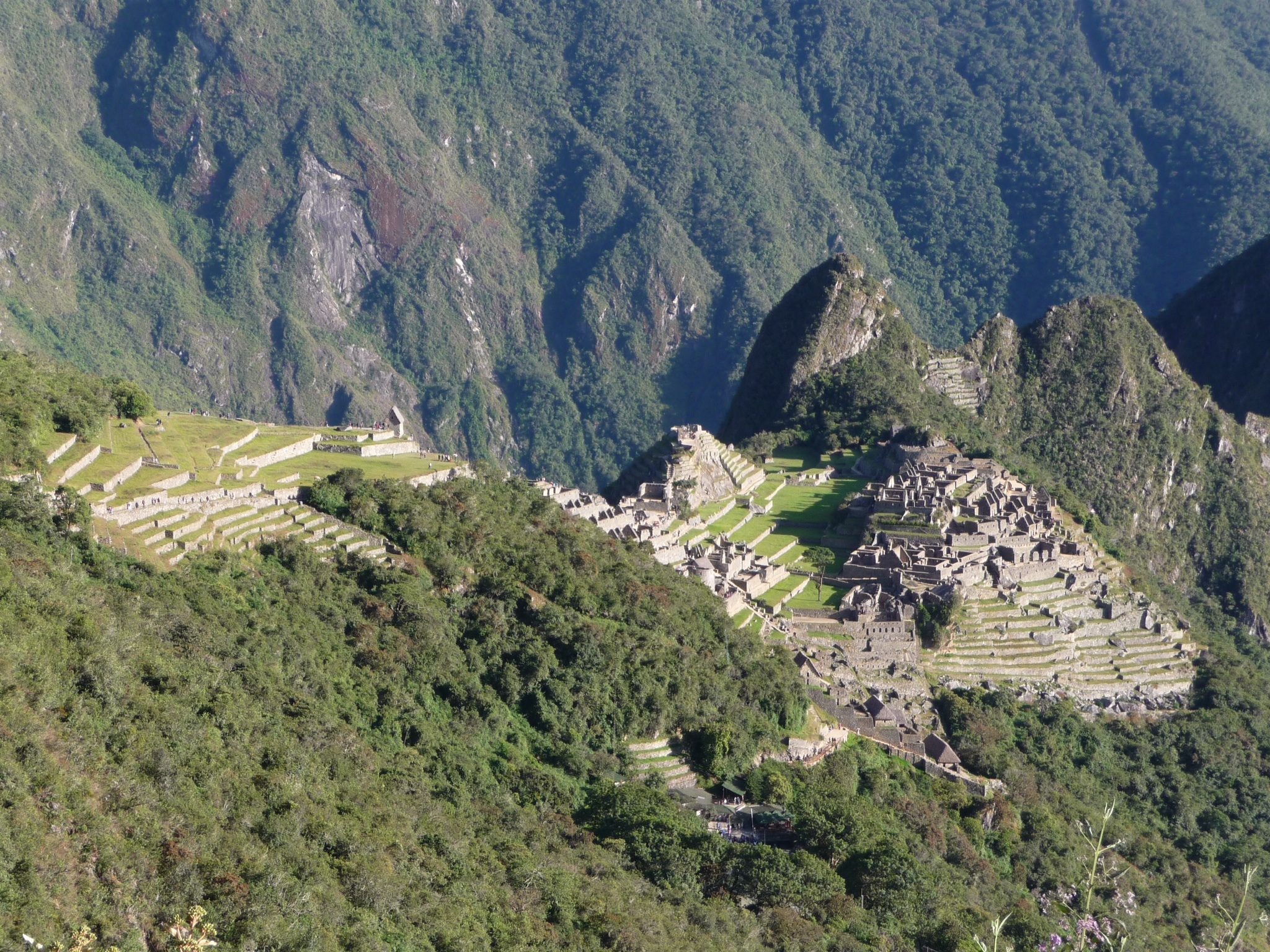
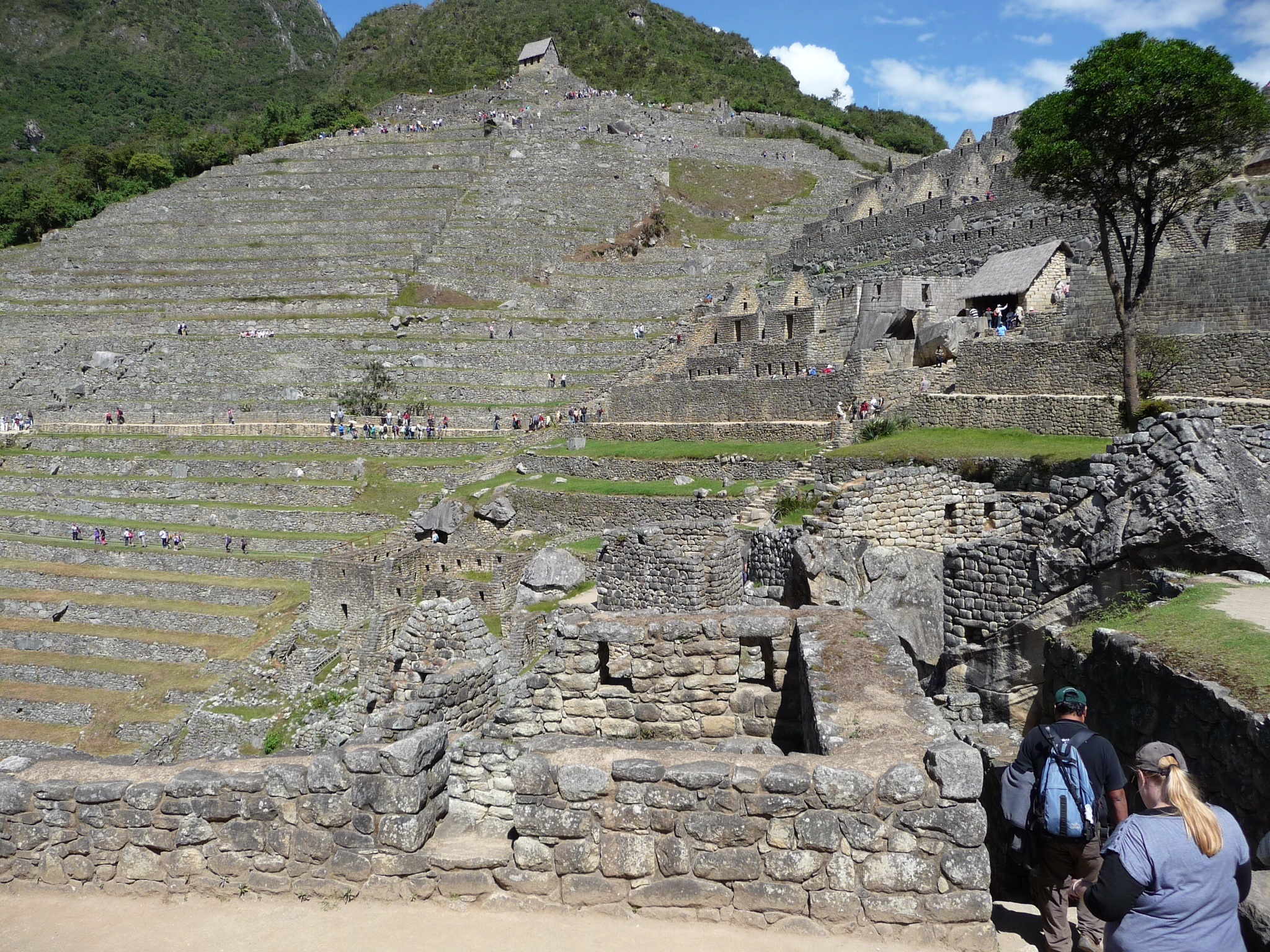
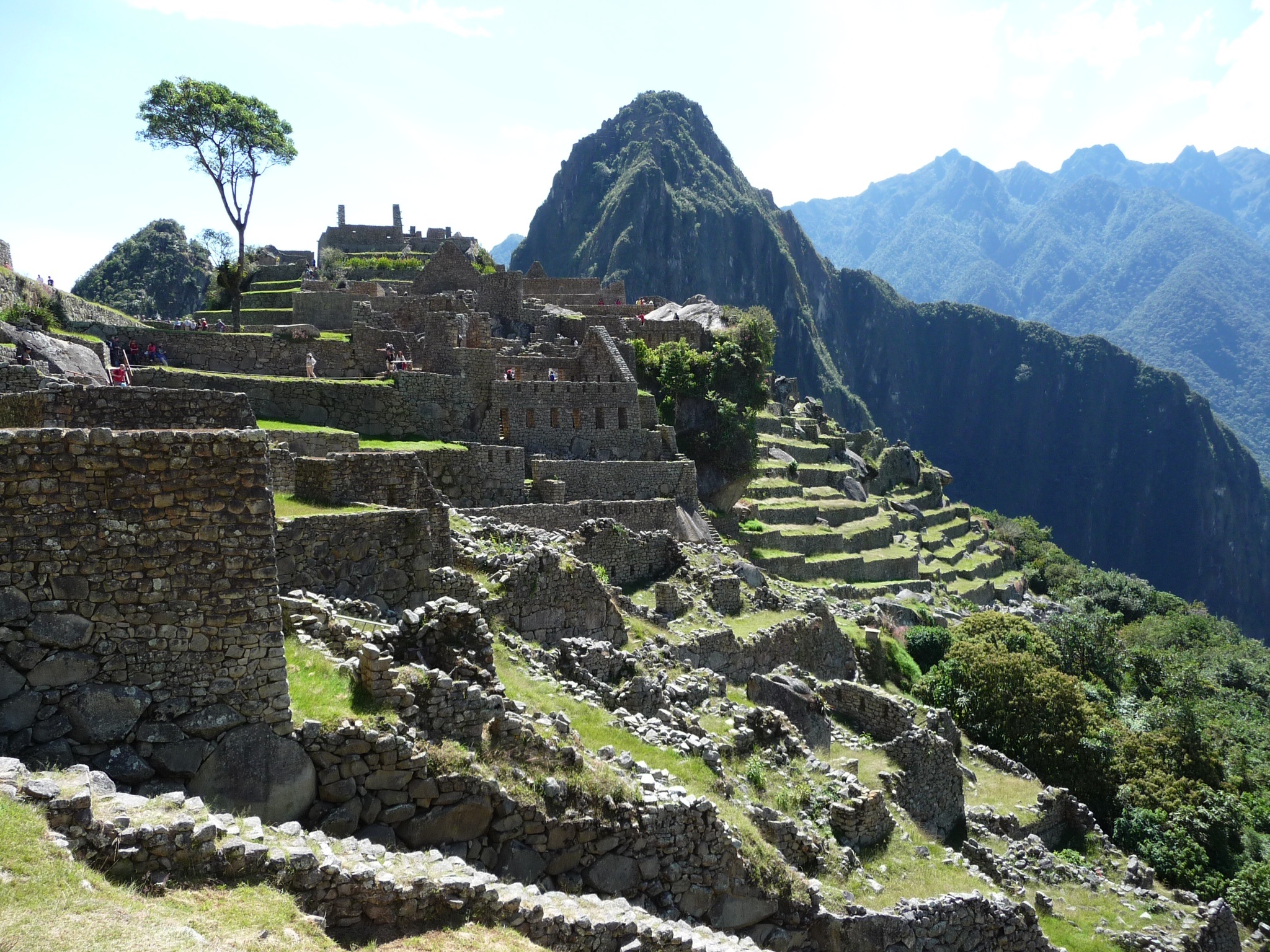
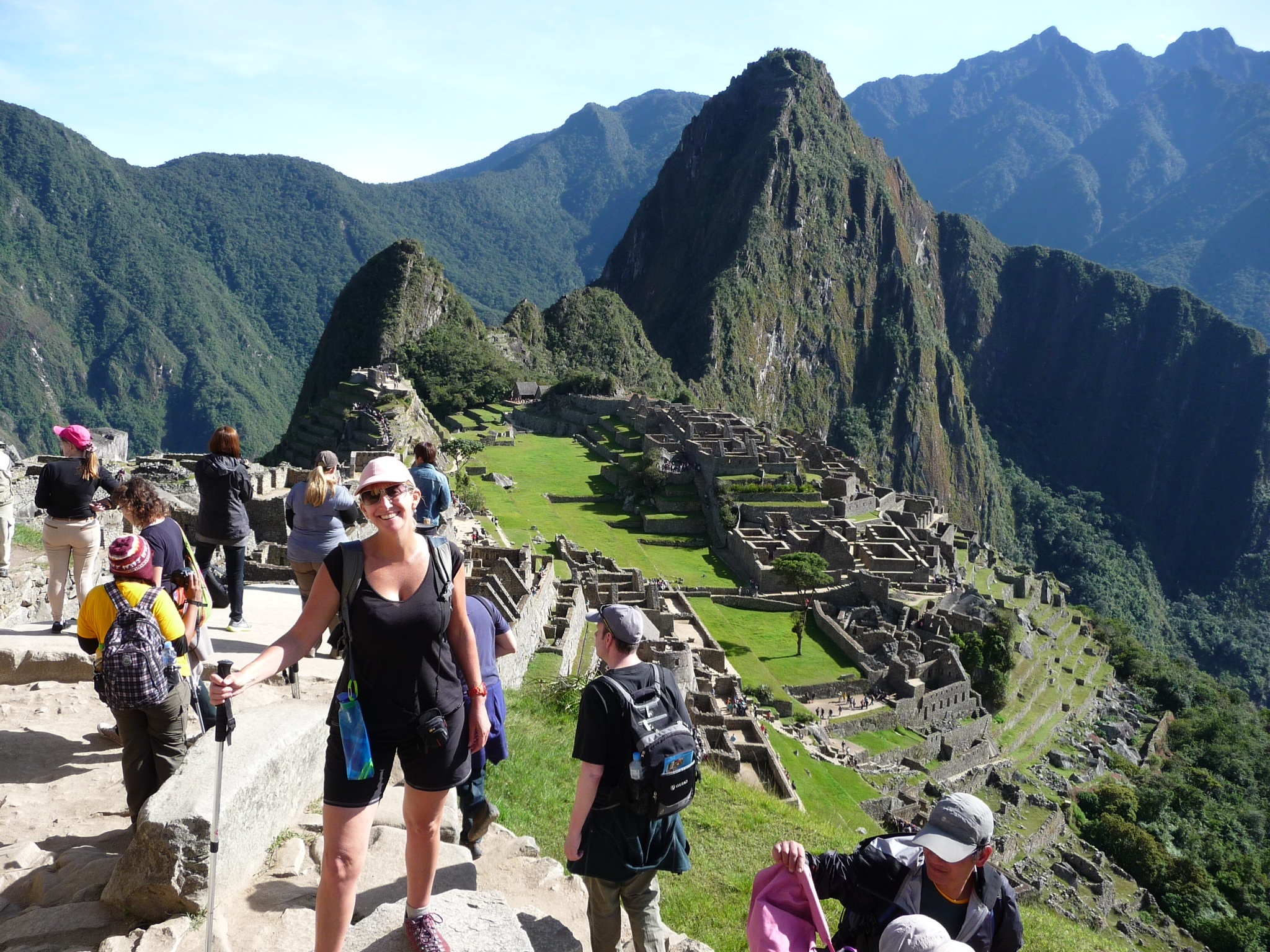
To get to see the sun fall onto Machu Picchu from the Sungate (Intipunku – six kms from our camp) we had to be up at 3:30am (and the famed ‘gringo killer’ stairs were awaiting our arrival).  It was a wonderful experience; we had made it – steps up and down, no showers, altitude to 4200m, and calves that ached like I’d never experienced. It was all worth it – the majesty of the mountains, flora, terrain and ruins and a sense of the extremities that you can push your body to when you have a goal in sight.  Nothing compared to those crazy 100km runs by Scotty Harrison but certainly one of my life’s biggest achievements – I think it had surpassed crewing on Double or Nothing from Hobart to the Gold Coast.
Once the sun hit Machu Picchu we began to make our way down to the entry.
Machu Picchu and the trails were discovered in 1911 by Hyram Bingham. People were actually living in the city at the time. Hyram’s discovery was by accident as he was actually looking for the lost city of Villcabamba. He too started out in Ollyantambo and later found a farmer who knew of the site and took him there. At the time it was covered in jungle other than where the existing farmers were living. Hyram led a second expedition along the trails which resulted in him finding the ruins we had seen along the Inca Trail.
Picchu means mountain and Machu means old. Winay means young.  I was disappointed that I had not been able to get a permit to do the extra hike up to Winay Picchu because it was booked out but contented myself in having got this far.
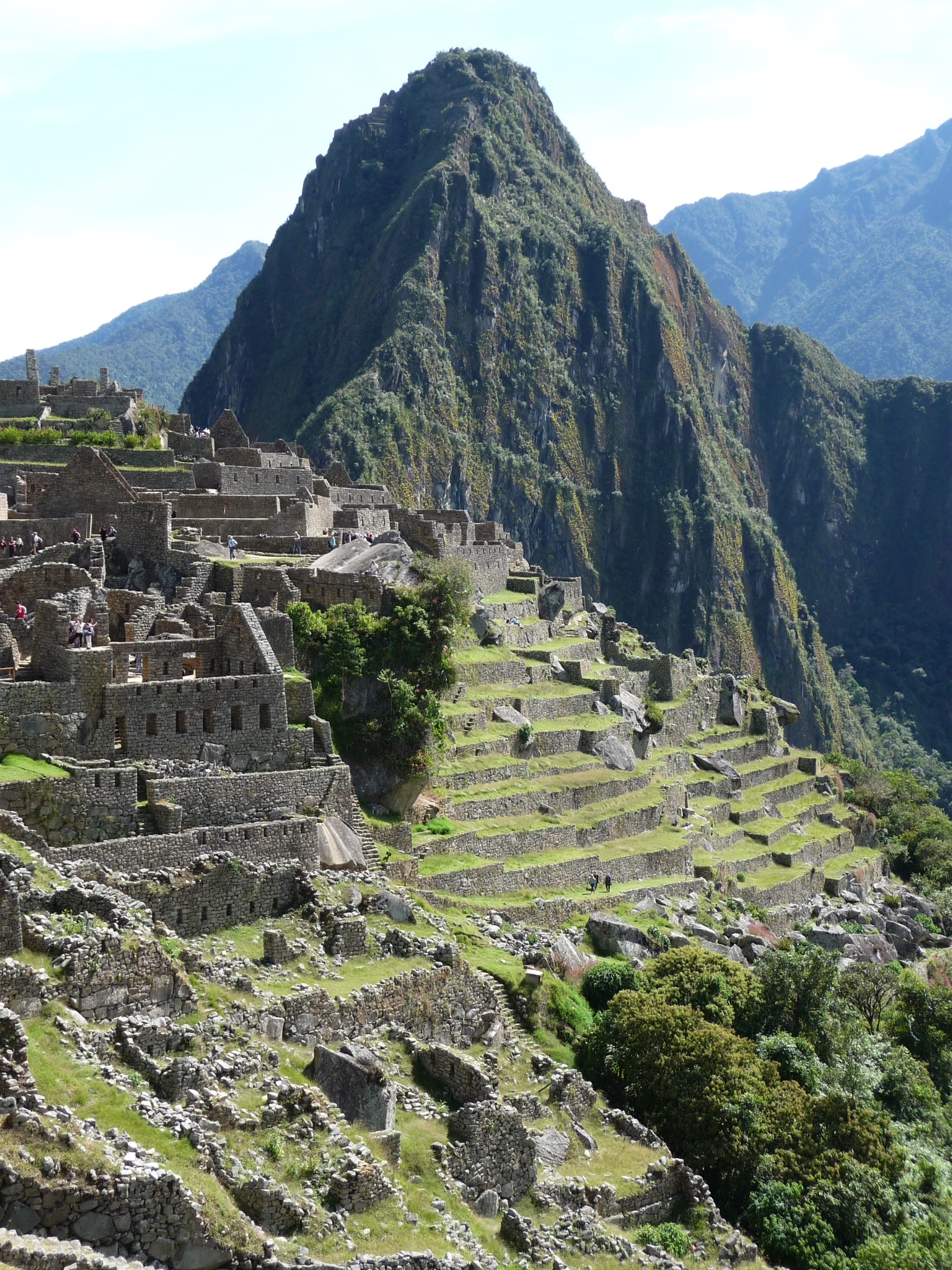
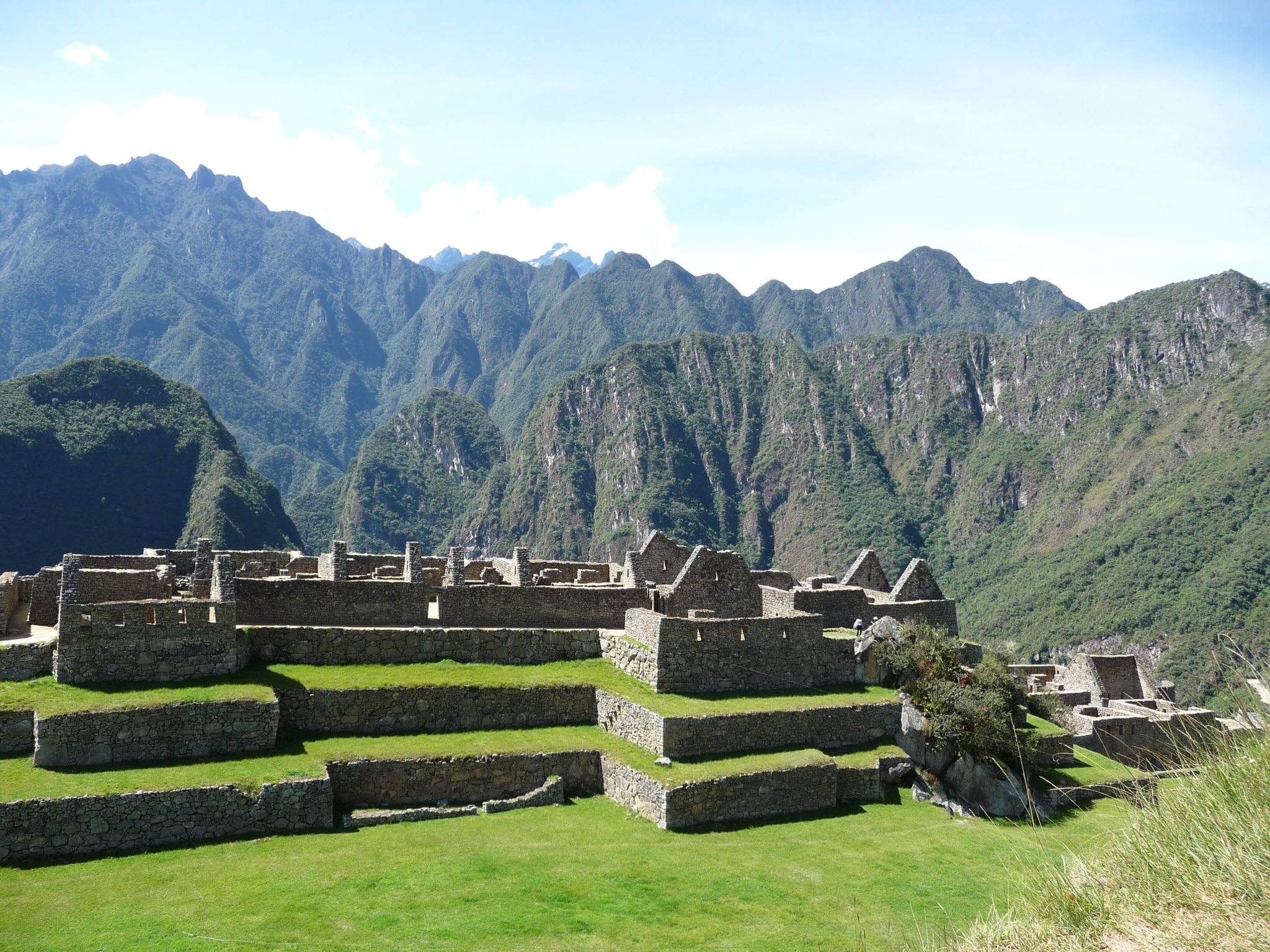
Machu Picchu is located at 2400m – 1000m lower than Cusco and is built on top of the mountain (not the side). It was constructed at the beginning of the 15th century. There was an urban sector (stores/workshops), religious sector and an agricultural sector.
The original theory was that it was only occupied by women as a type of ‘convent’ but later studies showed that the bones relied on for this theory were in fact from males – Andean men being quite small. The latest theory is that it was a multi-functional city but its main purpose was religious. There are temples for each of the gods of nature and the artefacts found at the site were from other areas suggesting people had visited Machu Picchu as pilgrimages (even stones from other areas were found – the incas tended to carry stones to new sites from their homes).
It is still not completely clear why the incas left the site, which was such a naturally good fortress. The usual theories of disease from Europeans have been presented but its not conclusive. The conquistadors didn’t ever find Machu Picchu,  believed to be as a combined result of it being often covered by cloud and the last Inca having taken a very different route to Villacamba to protect the whereabouts of Machu Picchu.
The tour around the temples, main square and houses had been really interesting; the four days were now complete!
We headed down to the little town of Aguas Calientes by bus with thoughts of sitting in a spa of thermal springs only to discover that they’re pretty dirty so opted for a celebratory lunch and cold beer instead!  We were then onto the train for the trip back to Cusco.
It was hard to believe it was over. All quite emotional really. I had been among the fittest in our group and had had a very good understanding of what we had been seeing given what I’d been reading in my book ‘The Conquest of the Incas’.  I think walking the trail may have just eclipsed seeing Machu Picchu but there was no doubt both had been a wonderful once in a lifetime experience.
So, now that Machu Picchu is done, who’s interested in Everest?
image
image

In the shadow of Veronica

In the shadow of Veronica

And I think 5kg is a lot to carry!

And I think 5kg is a lot to carry!

No time for the porters to admire the views

No time for the porters to admire the views

image

Patallaqta Qentimarka

Patallaqta Qentimarka

A little fun practicing the art of posing!

A little fun practicing the art of posing!

Yes I did ask - "how much for one of those"!

Yes I did ask – “how much for one of those”!

Toms along the way

Tombs along the way

Packing up after lunch day 1

Packing up after lunch day one

image

image

Ready to go again day two

Ready to go again day two

...and it's warm again!

…and it’s warm again!

image

image

image

Looking back down on the trail

Looking back down on the trail

image

Lunch time day two

Lunch time day two

image

image

image

image

image

Leaving the lunch spot well behind

Leaving the lunch spot well behind

Megan sets a cracking pace

Megan sets a cracking pace

image

image

image

Live woman at Dead Woman's Pass!

Live woman at Dead Woman’s Pass!

...and then down again!

…and then down again!

The welcomed sight of the campsite.

The welcomed sight of the campsite.

Runkuraqay

Runkuraqay

image

image

image

image

image

"I love steps, I love steps, I ..."

“I love steps, I love steps, I …”

Sayaqmarka

Sayaqmarka

image

Qonchamarka

Qonchamarka

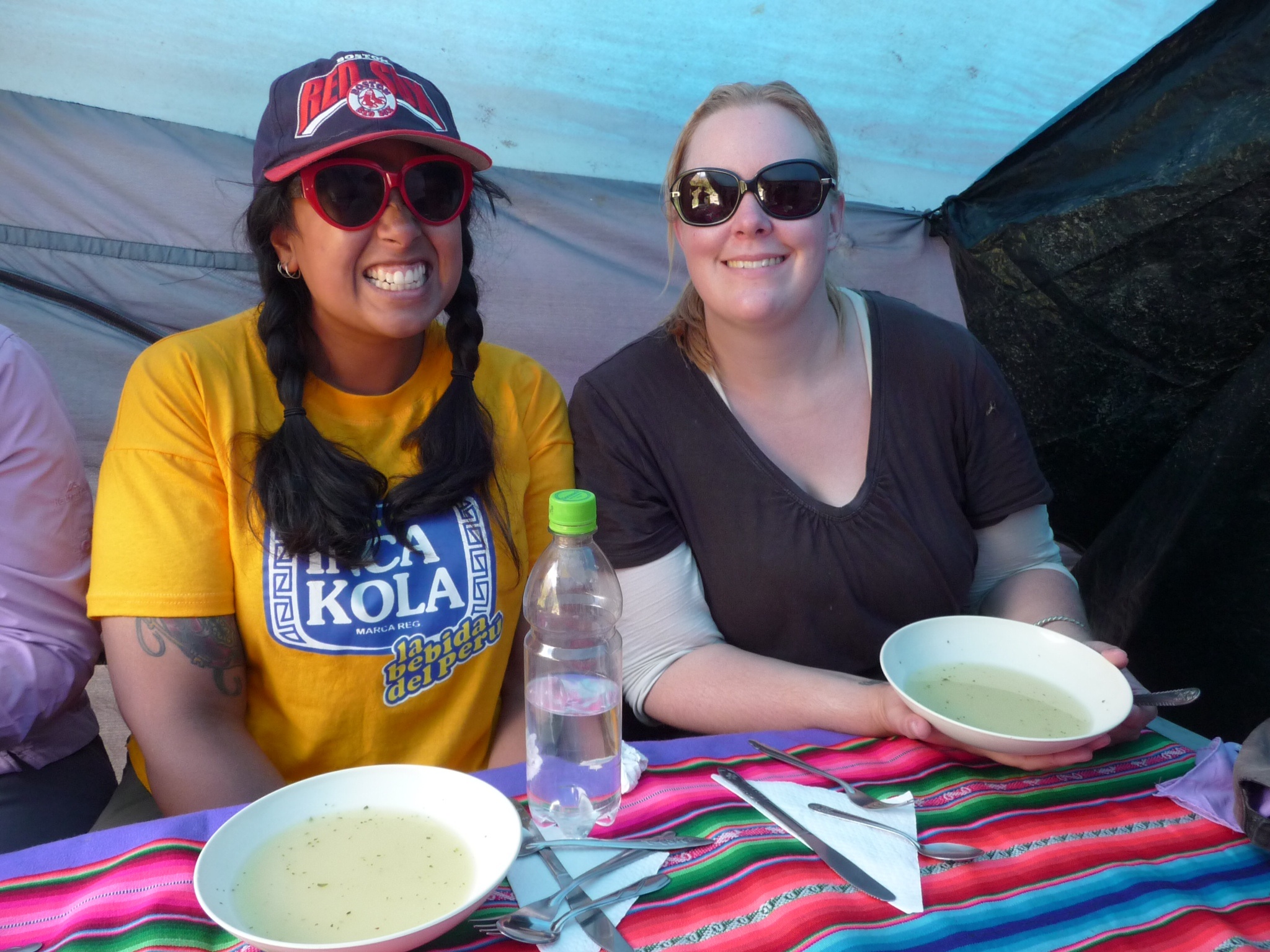
Patrina and Monika enjoying the starter of quinoa soup.

Patrina and Monika enjoying the starter of quinoa soup.

image

image

Inca tunnel

Inca tunnel

image

image

Phuyupatamarka

Phuyupatamarka

image

imageimage

image

Intipata

Intipata

image

Winay Wayna at dusk

Winay Wayna at dusk

image

image

The thank you and tipping ceremony

The thank you and tipping ceremony

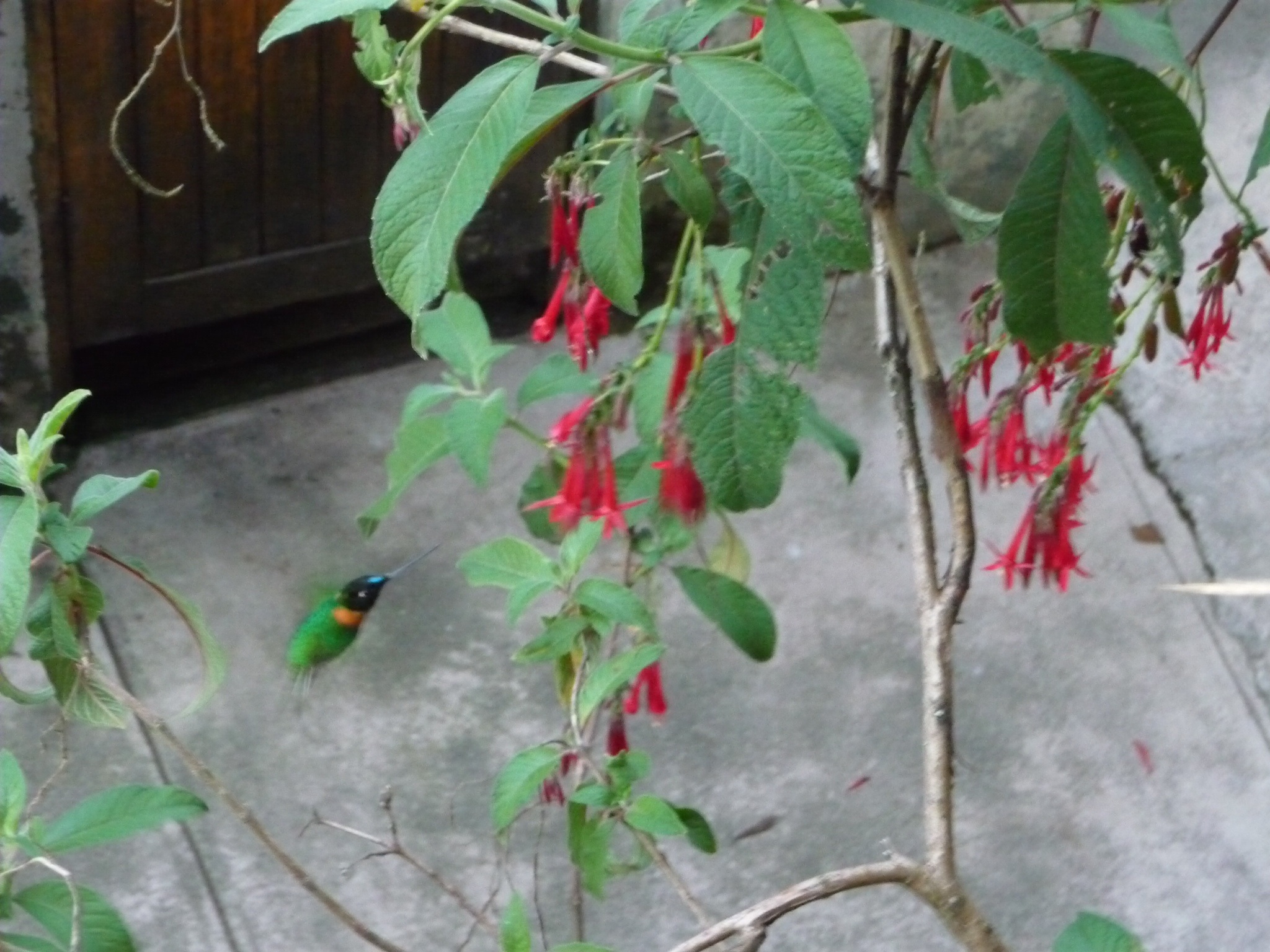
Hummingbird at camp

Hummingbird at camp

At the sungate at sunrise overlooking Machu Picchu

At the sungate at sunrise overlooking Machu Picchu

image

image

image

Storehouses

Storehouses

image

image

Temple of the sun

Temple of the sun

image

image

image

image

Still withstanding earthquakes

Still withstanding earthquakes

image

image


Posted in Uncategorized | 4 Comments

Reaching new heights in Peru

This was it – the start of our acclimatisation for the Inca Trail and Machu Picchu. We bussed it into Arequipa, where we had most of the day to spend exploring the pretty little town.
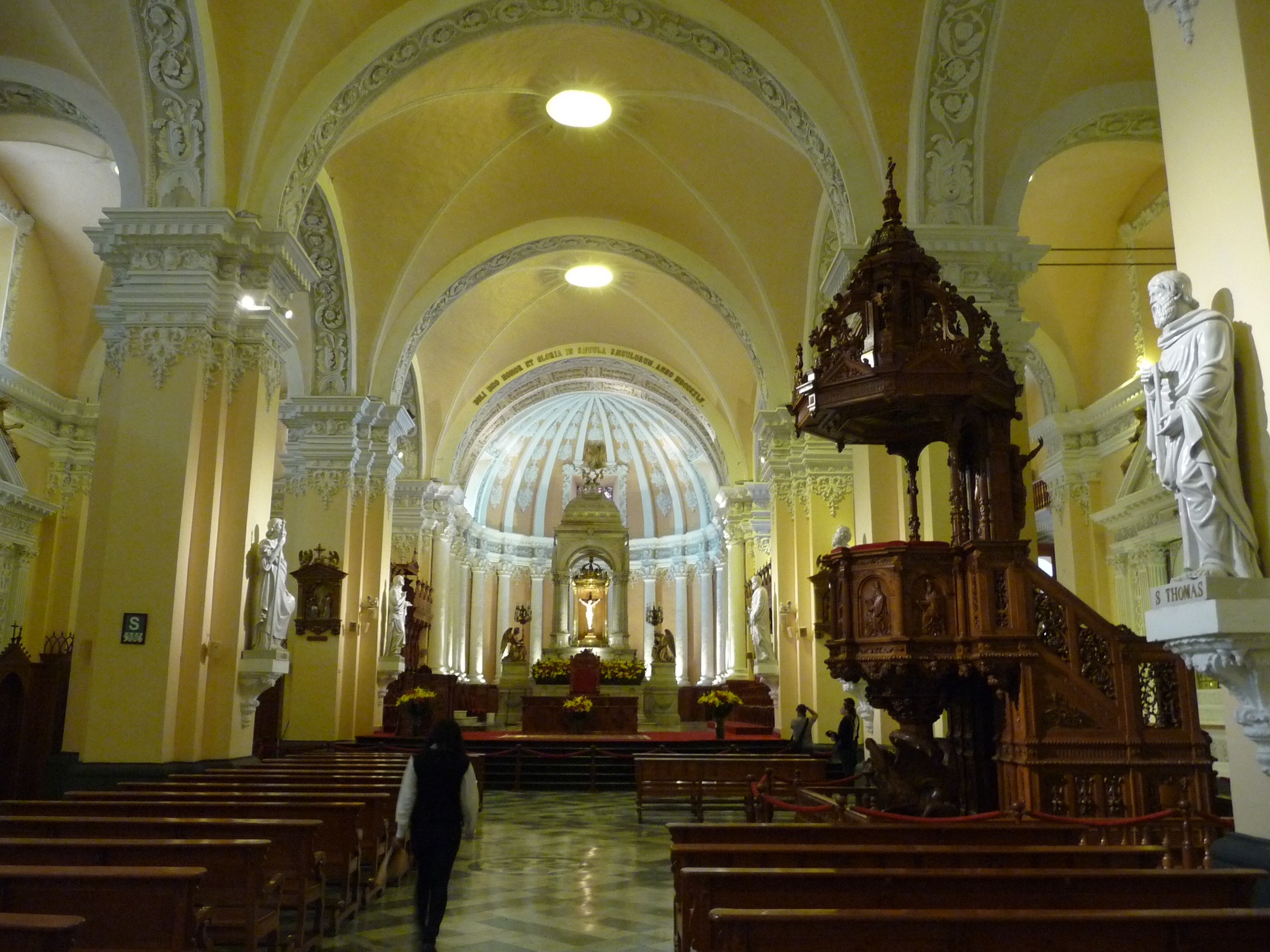
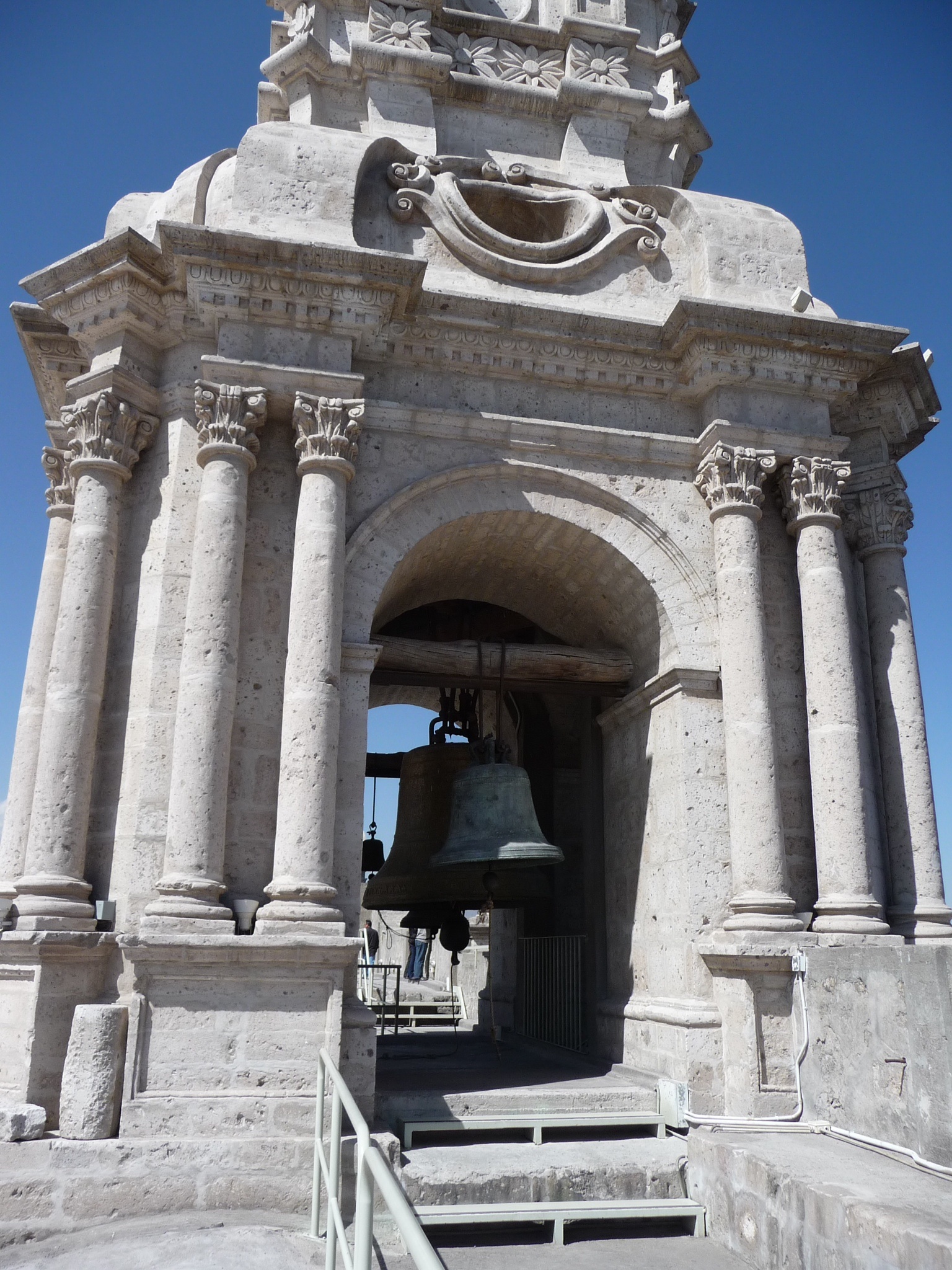
Our first stop was the Cathedral, which had lovely pulpits and altars imported from Europe. The town was founded in 1540 and the Cathedral was first constructed in 1544 and then again in 1549 after a fire caused terrible damage to it. The Cathedrals are the centre piece of these Peruvian towns as they were the first thing the spaniards arranged for construction to support the conversion of the locals to the catholic faith.
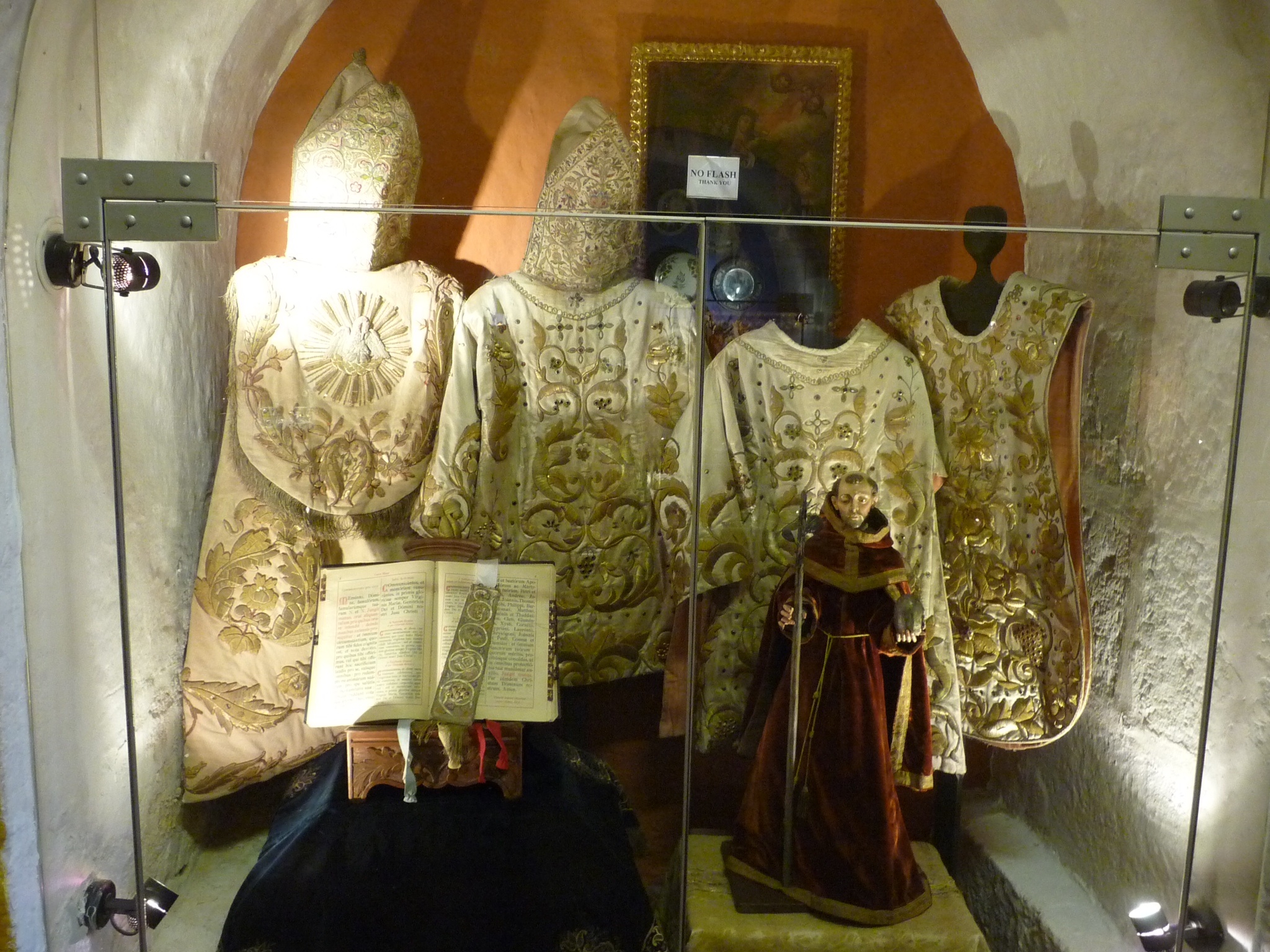
The museum in the Cathedral had a great collection of relics made of silver, gold, ivory and precious stones – we were all amazed by the lack of security for these treasures.  The shine on the statues were apparently from the use of lambs bladder on them.  We got to see the back of the large Cathedral organ, which was open for restoration – a rare sight.
There were some examples of bishops’ capes made of velvet and gold thread (weighing up to 25kg). The total get up of the bishops could weigh up to 65 kgs – I concluded they’re like the ‘firemen’ of the order. They even had a sweat band (I believe the correct name is a maniple) which was used to wipe the sweat from their faces.
We were then off to Museo Sanctuarios Andinos to see the famed ‘ice princess’ – Juanita. I can still remember hearing the news when the princess had been found back in 1995. Juanita, aged between 12 and 14, had been found in the Ampato Volcano – after her death more than 500 years earlier. Her death was likely the result of a sacrificial offering to the Apu (god) of the volcano by the Incan priests. It is believed that she would have understood her fate and considered it a great honour (believing it would offer her divinity).
Juanita was found frozen in the ice so is kept in a refrigerated glass cabinet for viewing – amazing more so because I didn’t realise this was something I would see on the trip. There have been four bodies found in total in the region that are believed to have been involved in sacrifices.
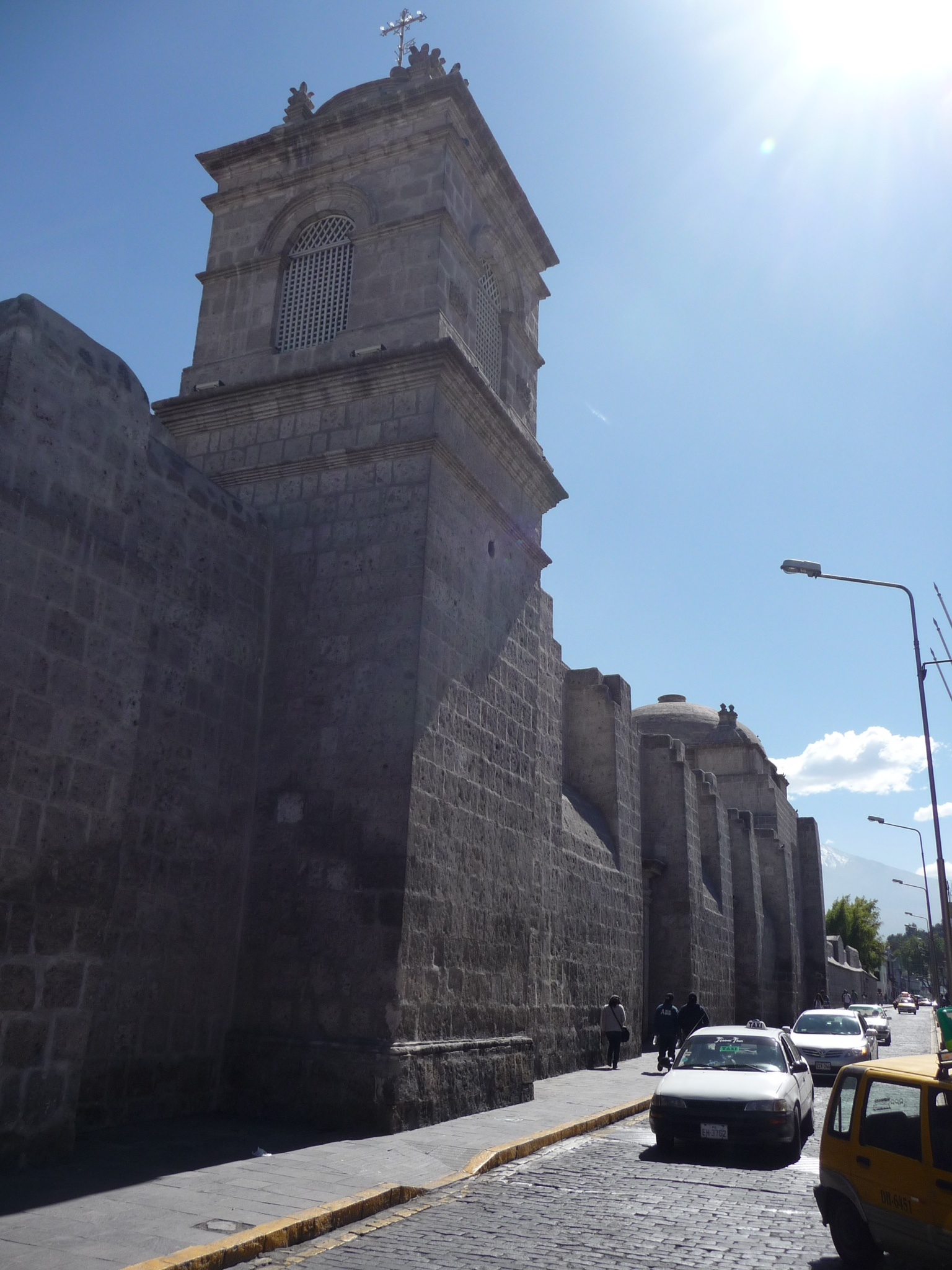
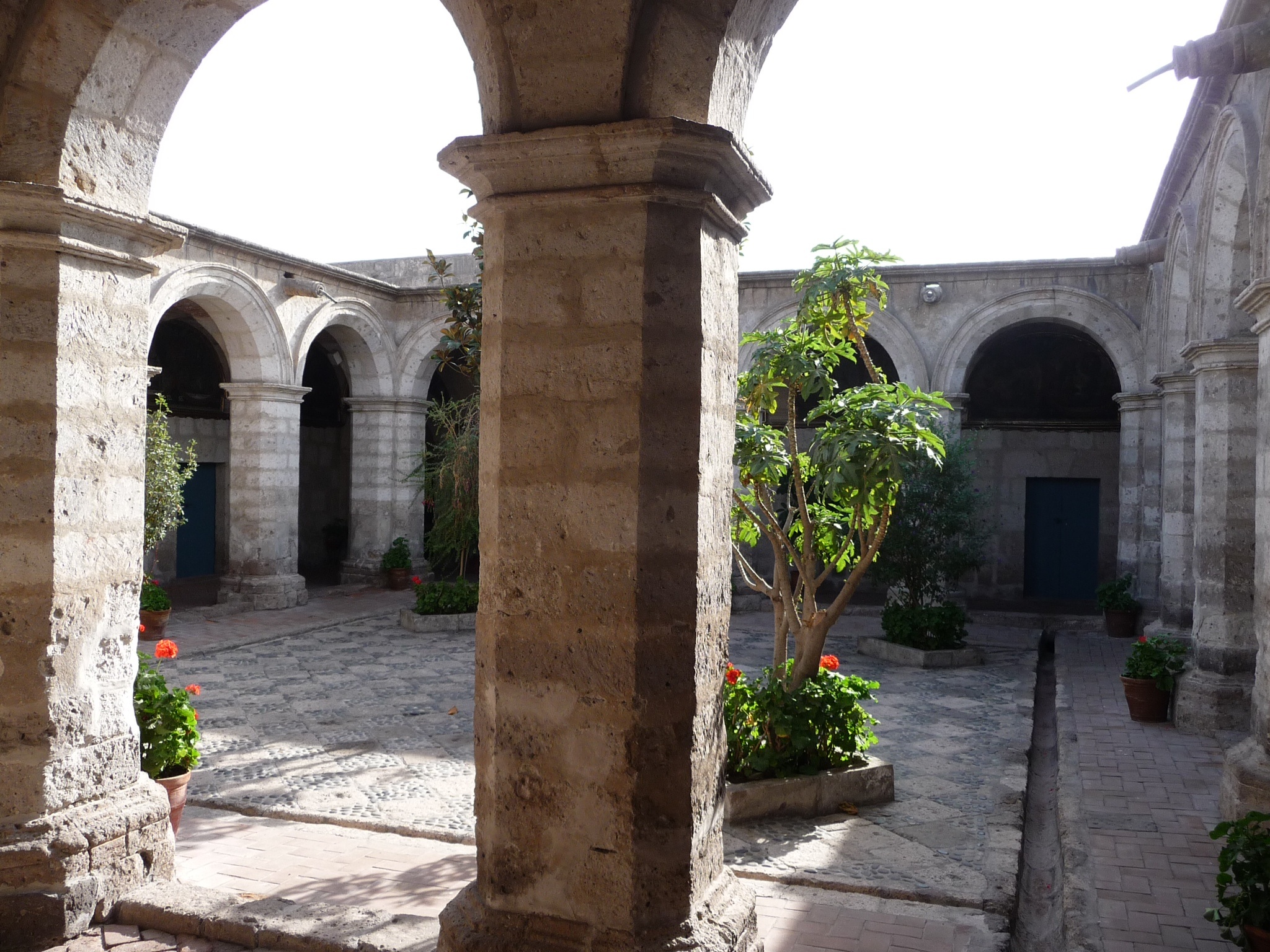
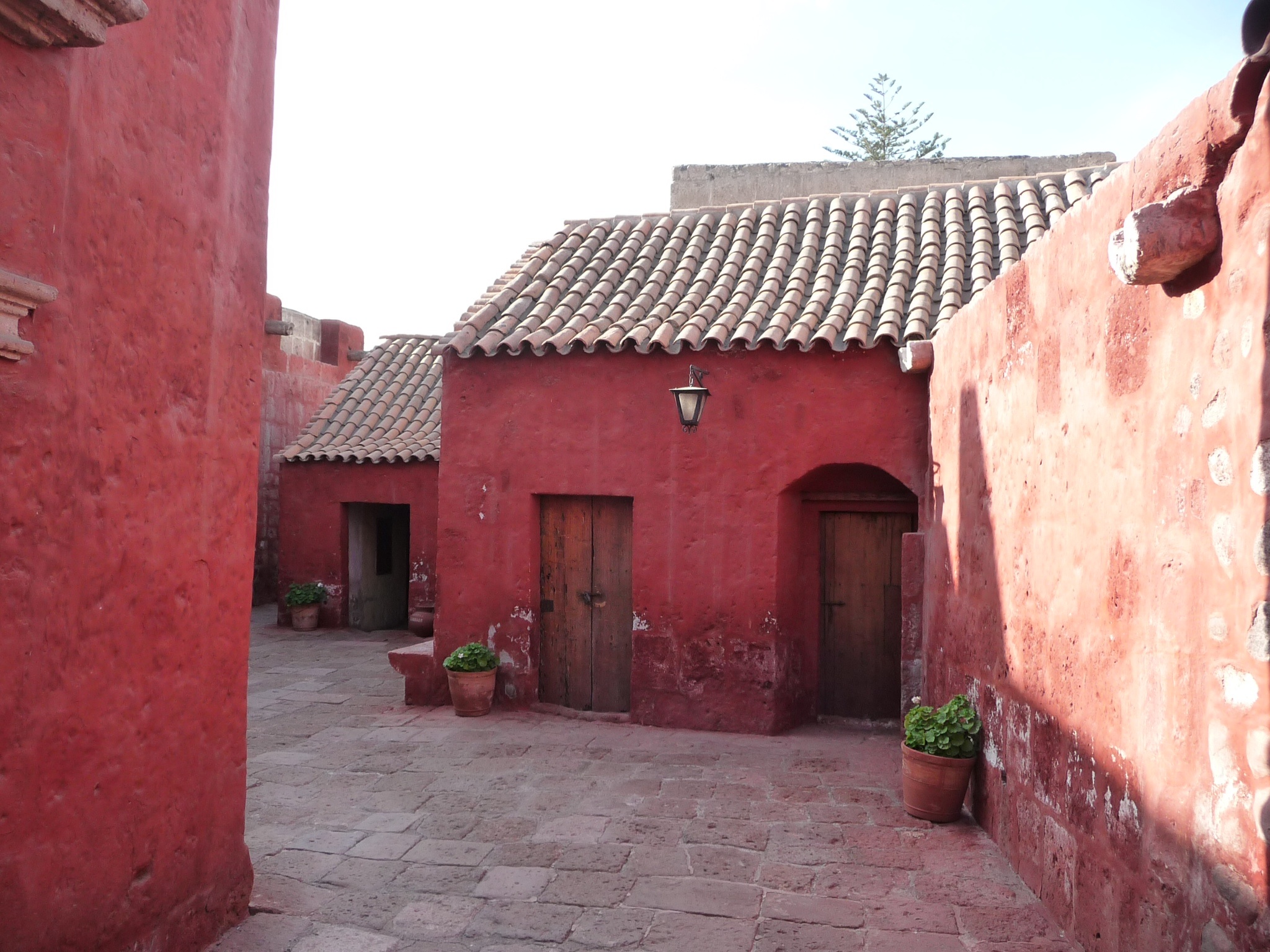
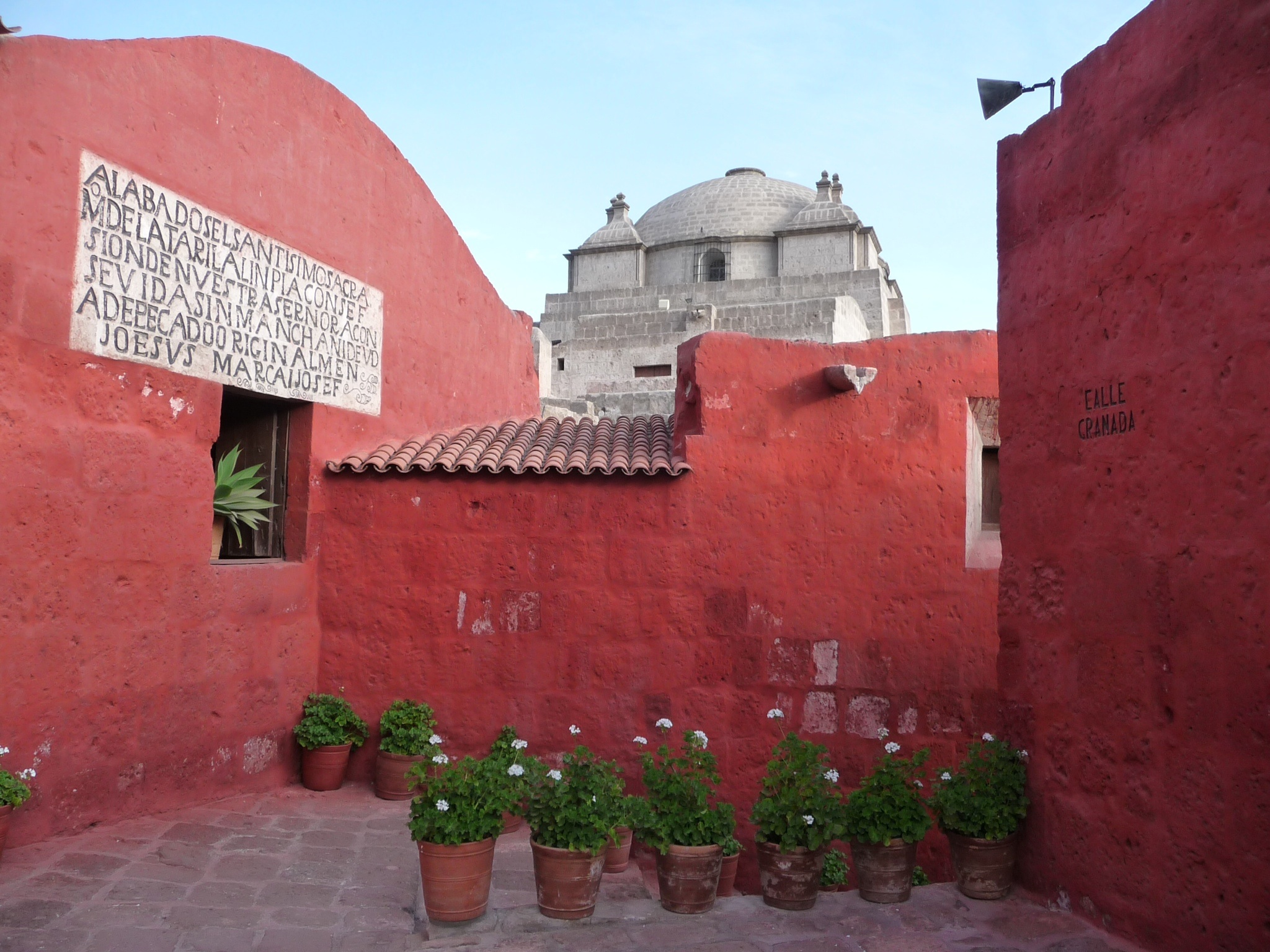
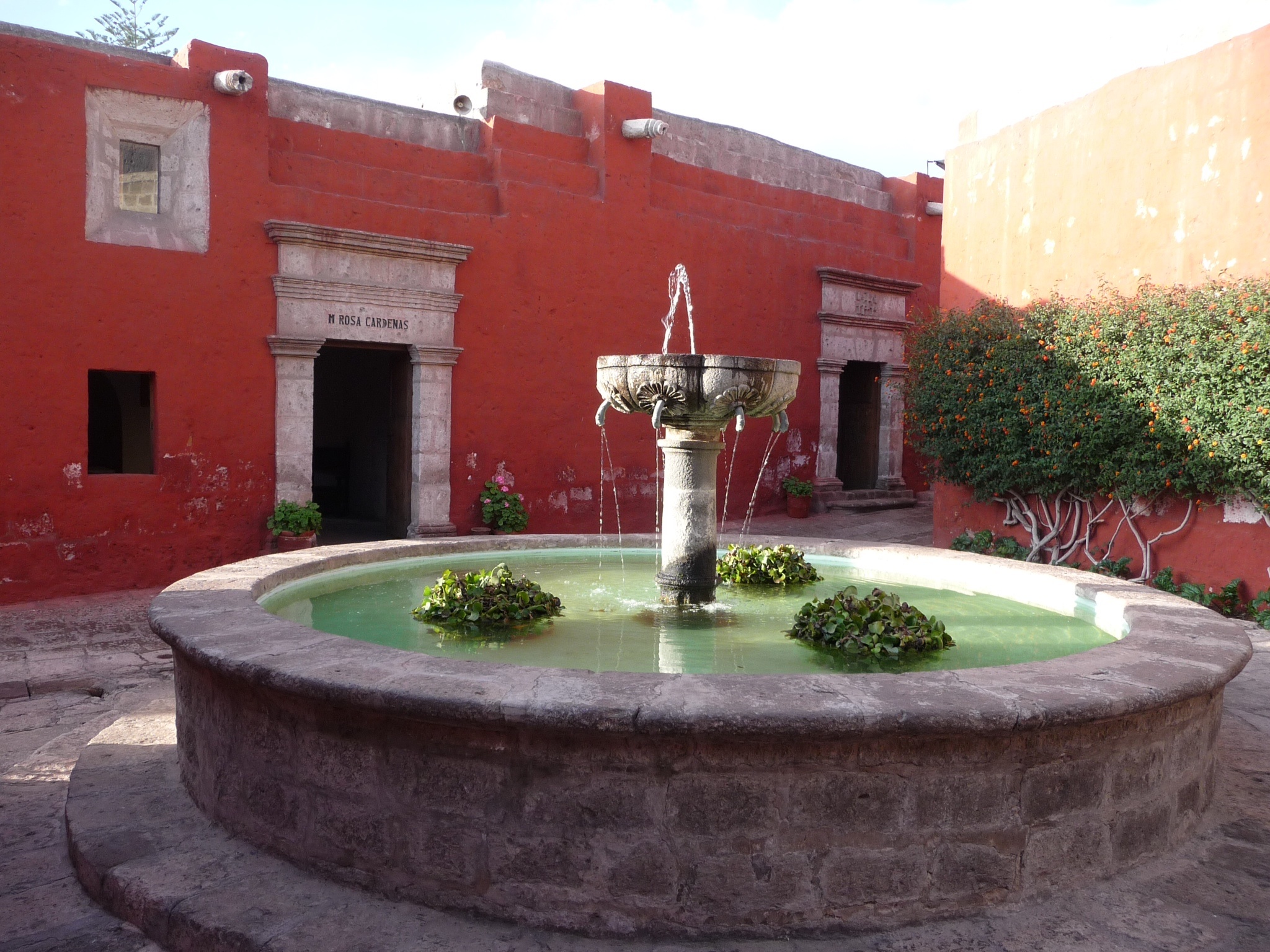
The white sillar (volcanic stone) constructed Santa Catalina Convent was the next stop. This convent was founded in 1579 housing cloistered nuns who would never to return to their families even if they decided to not proceed with their vows (shunned for their decision).
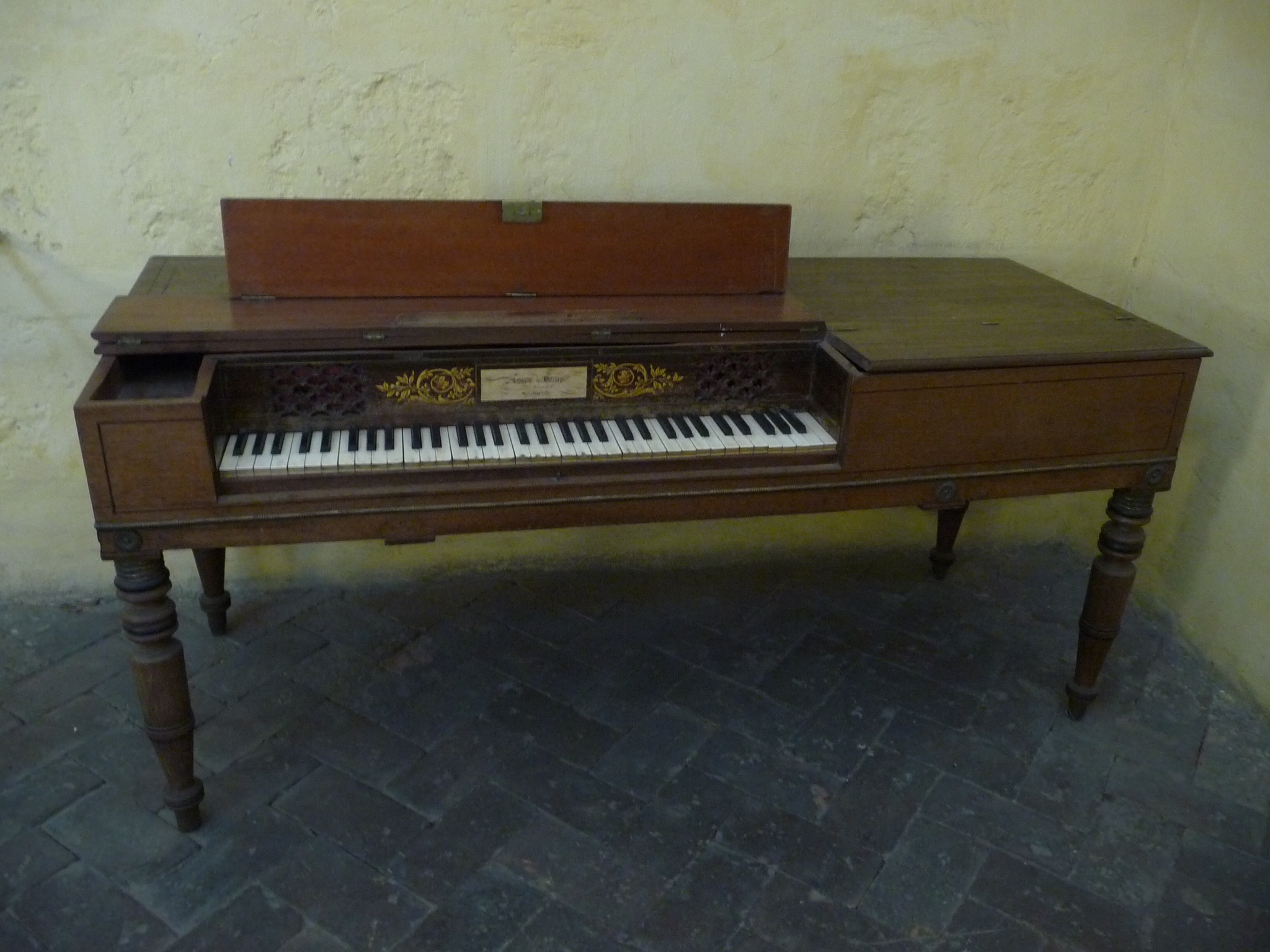
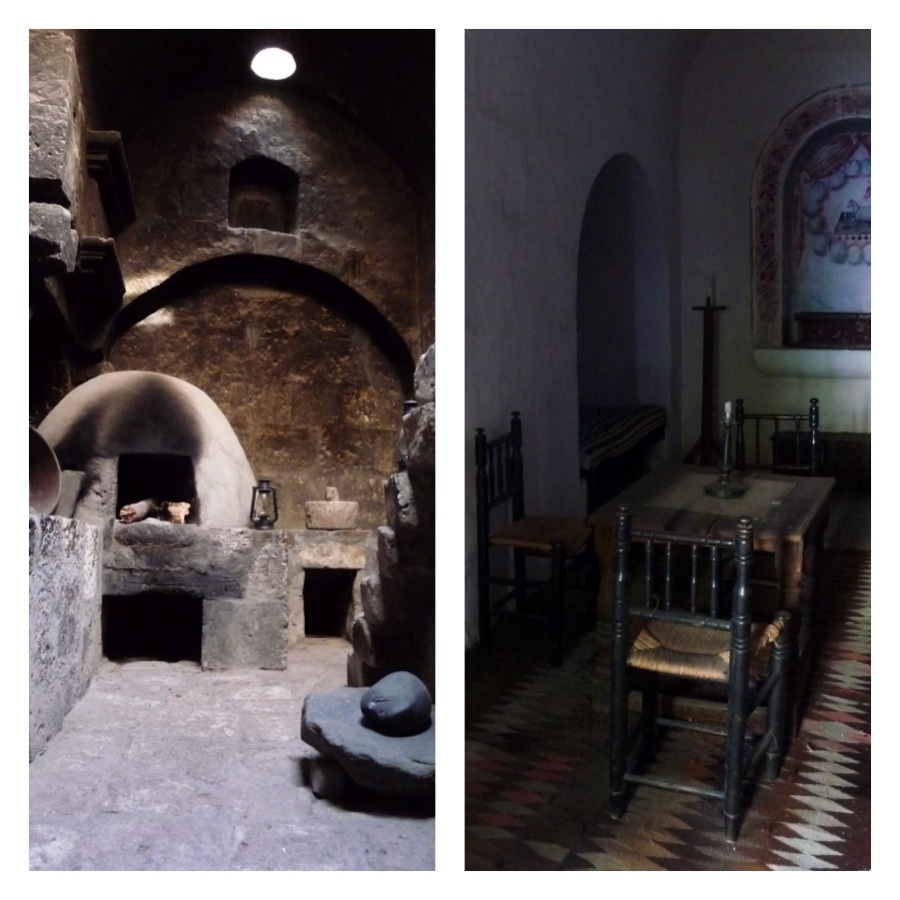
The convent operated like a little town in itself with streets between the nuns’ quarters (some evidently opulent due to the social status of some of the women before entering the convent).  The convent was the first free school offered to the poor girls of the city providing instruction in music, writing, religious doctrine and choir.
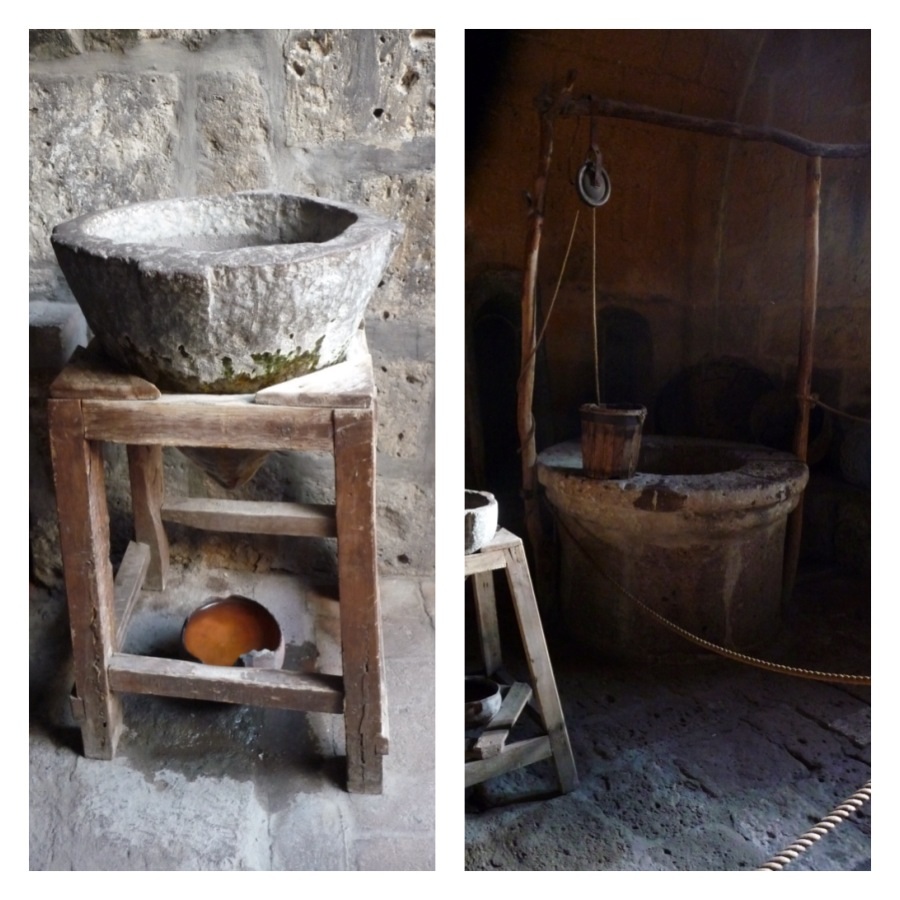
The convent had been restored after a number of earthquakes but only opened to the public in 1970. Apparently 30 nuns are still living in the complex (obviously behind closed doors). I was impressed with the use of alabaster to create skylights for the very dark and damp cells of the nuns and the volcanic rock bowls which were used to filter the water into a pitcher below – took an hour per litre.
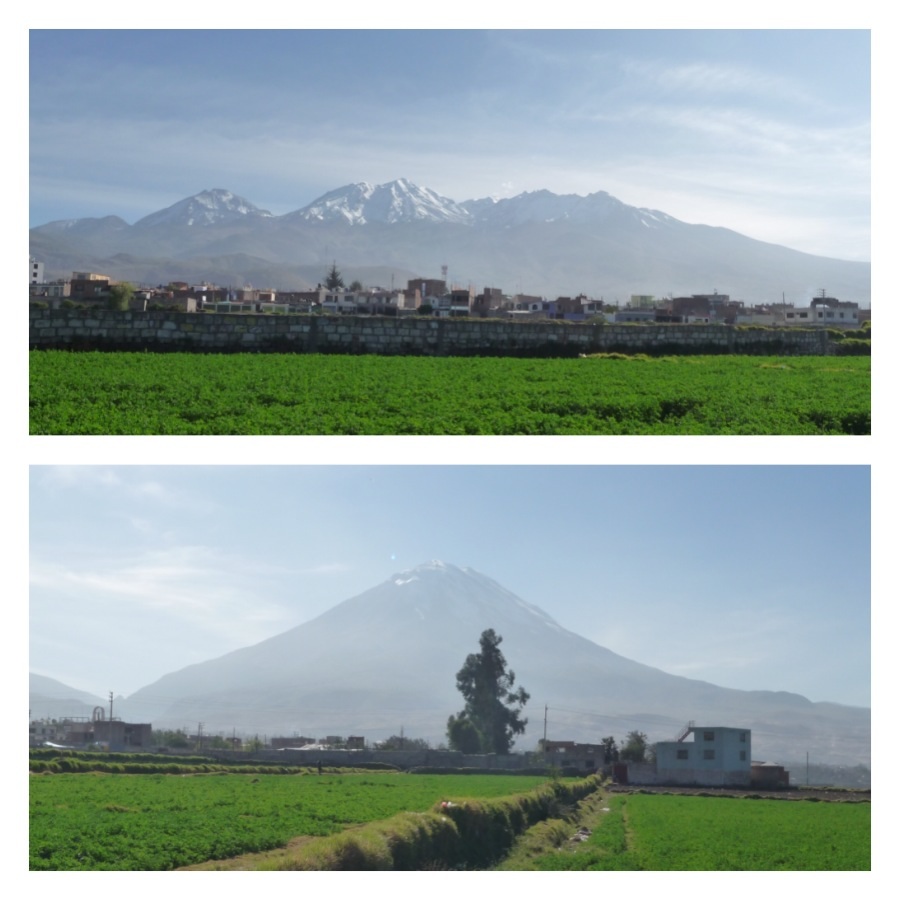
The next day we were off to the National Reserve of Salinas and Aguada Blanca. We passed the three volcanoes surrounding Arequipa – Misti, Pichu Pichu and Chachani.
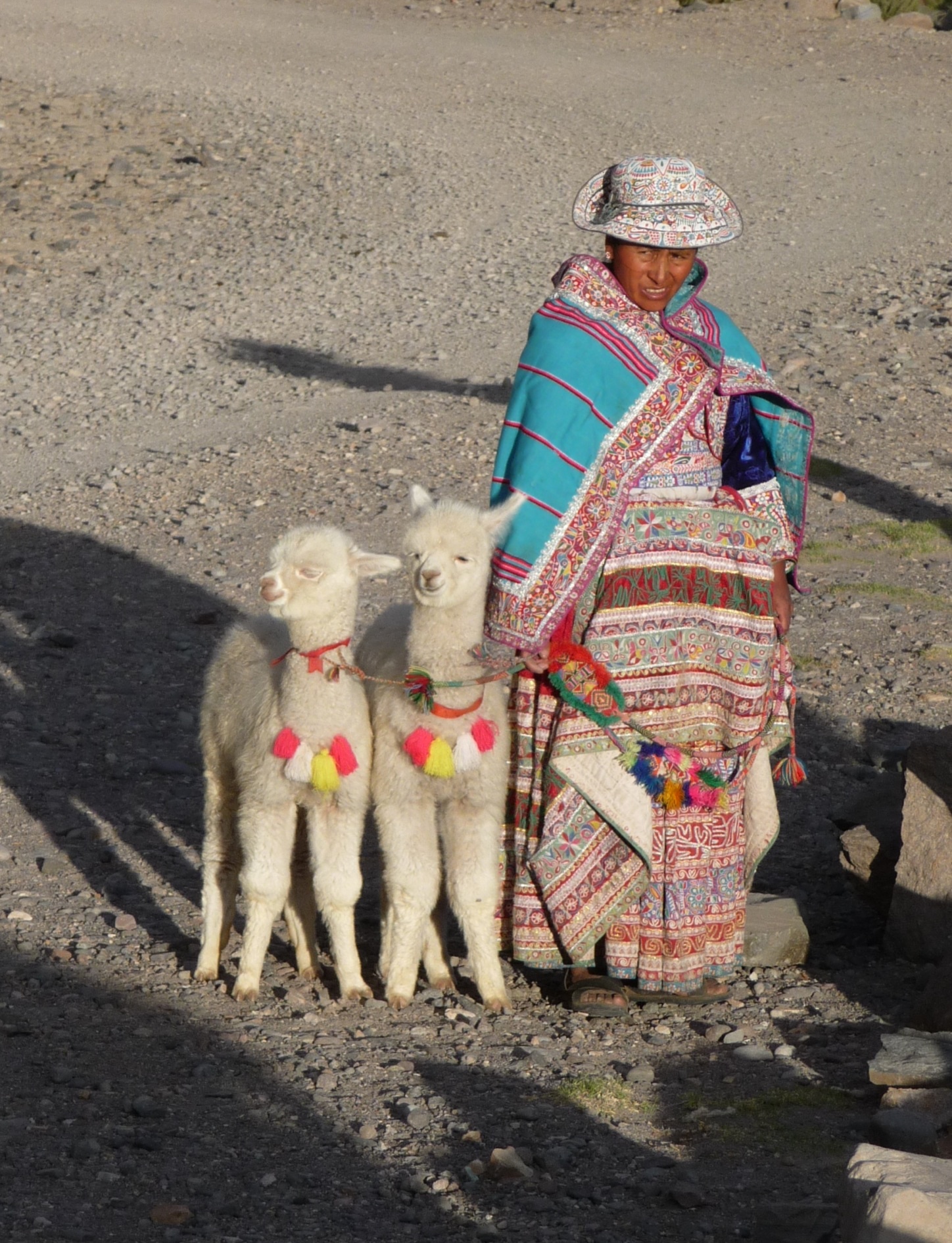
We passed numerous groups of vicuñas (another South American animal in the cameloid family) – they are the national animal of Peru, being shawn every two years by the locals. The wool is claimed to be incredibly soft and so commands a high price but can only be sold by locals for community benefit.  We also passed large numbers of alpacas (large and shaggy) and llamas (pointy face and long tail).
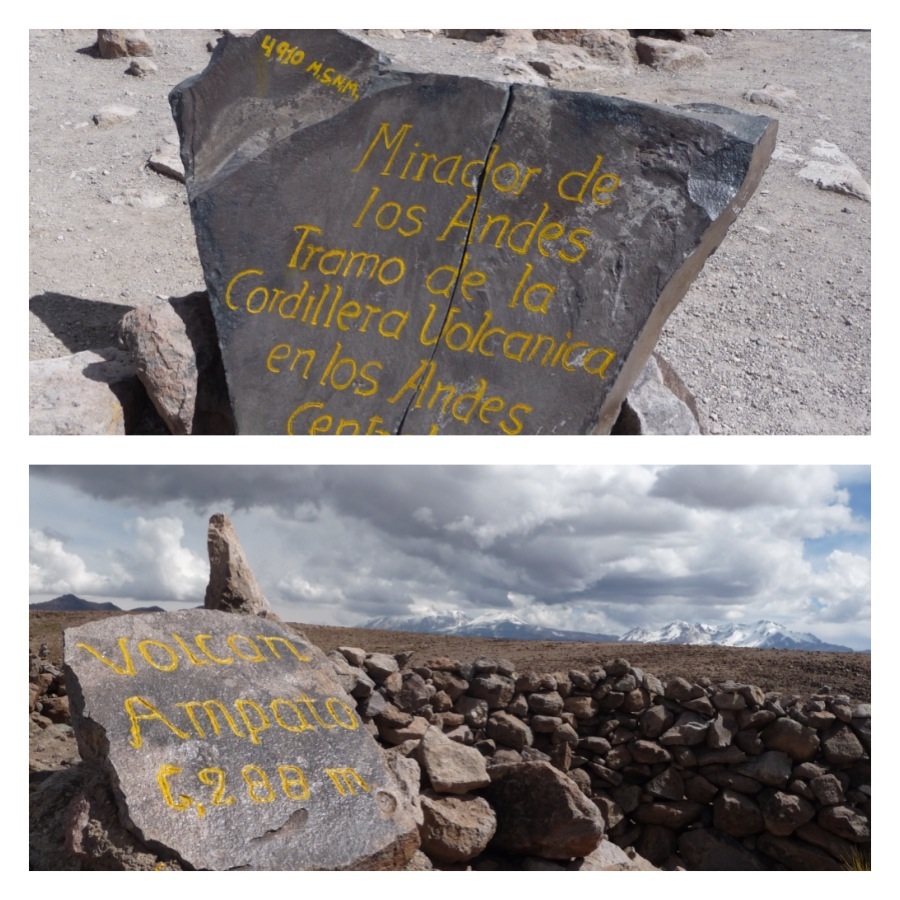
On route to the view point for Volcan Ampato we passed pampas owned by local communities and settlements.  The viewpoint was the highest we would reach on our trip – 4900m. Some of the group struggled – I was grateful for having taken my altitude pills.
Our lunch spot was Chivay where we got to wander the local markets – I found some great donuts being made out of a bubbling drum of oil at a street stall – yum!
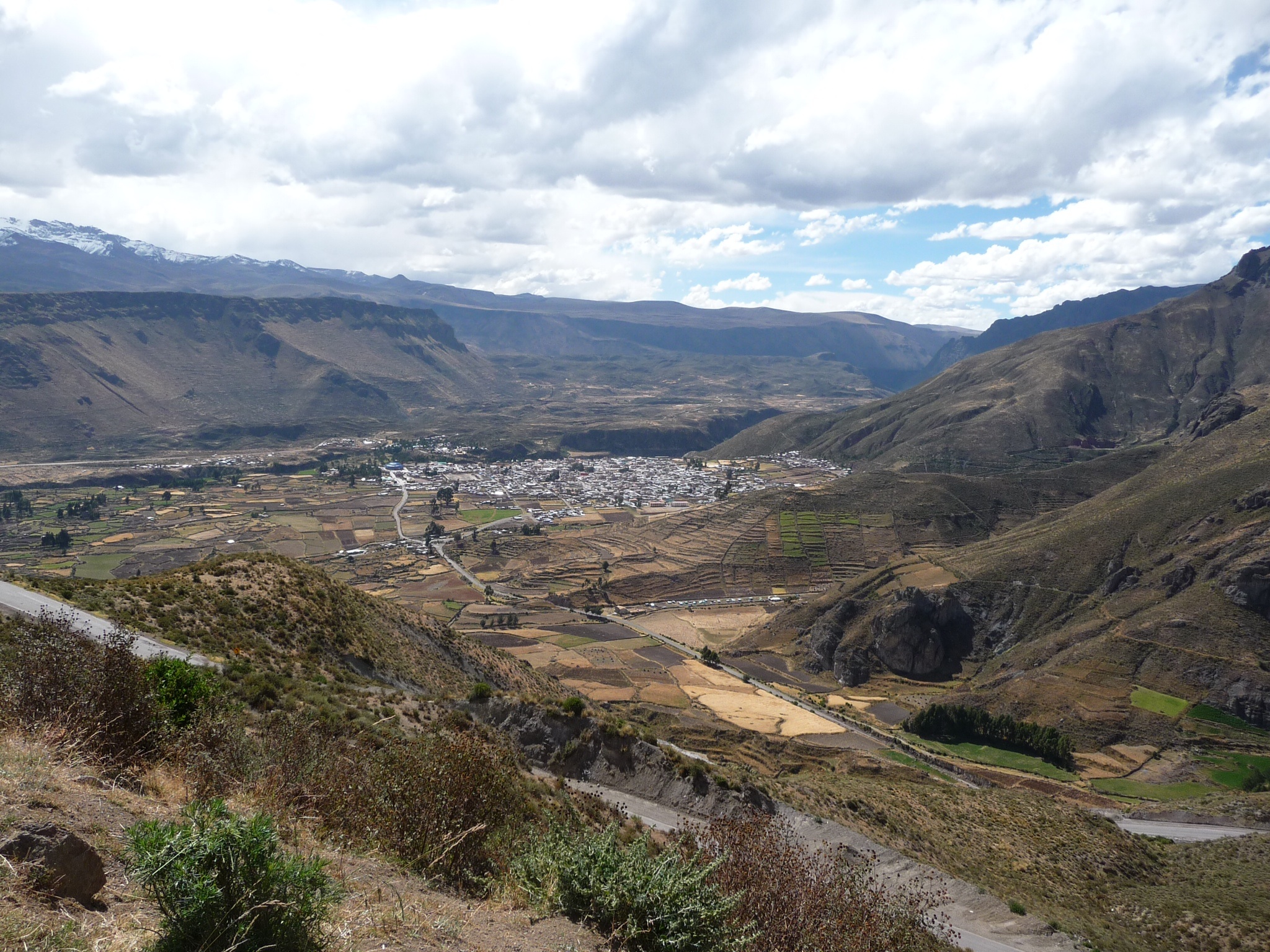
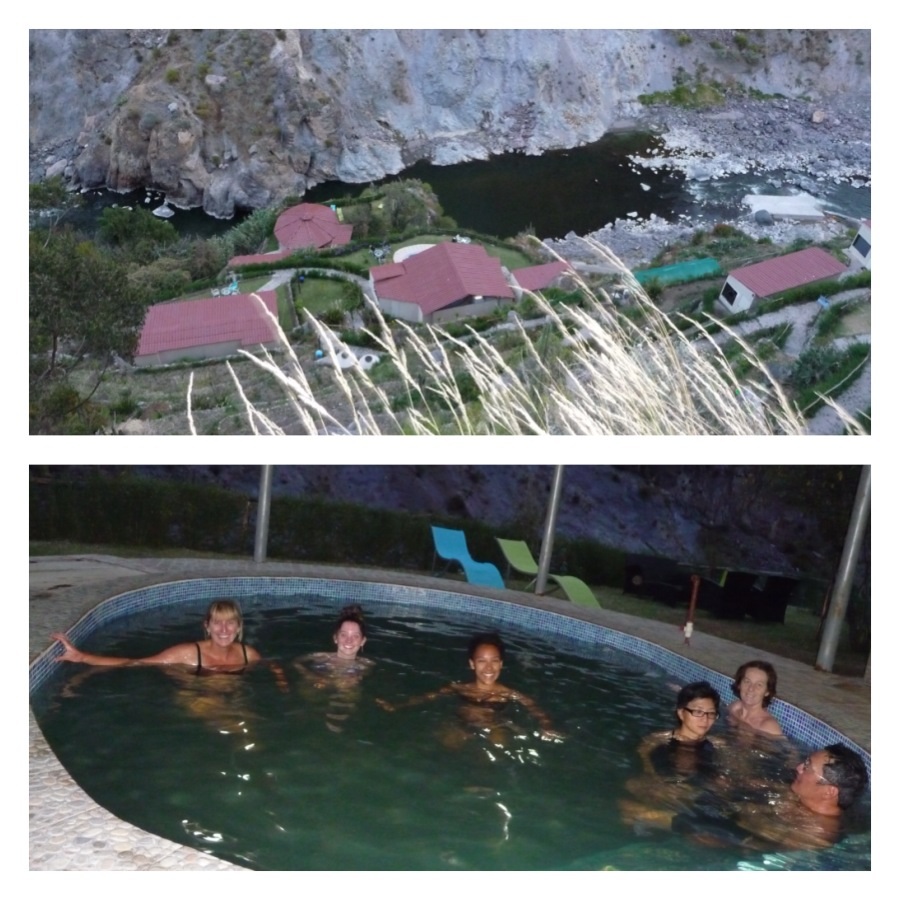
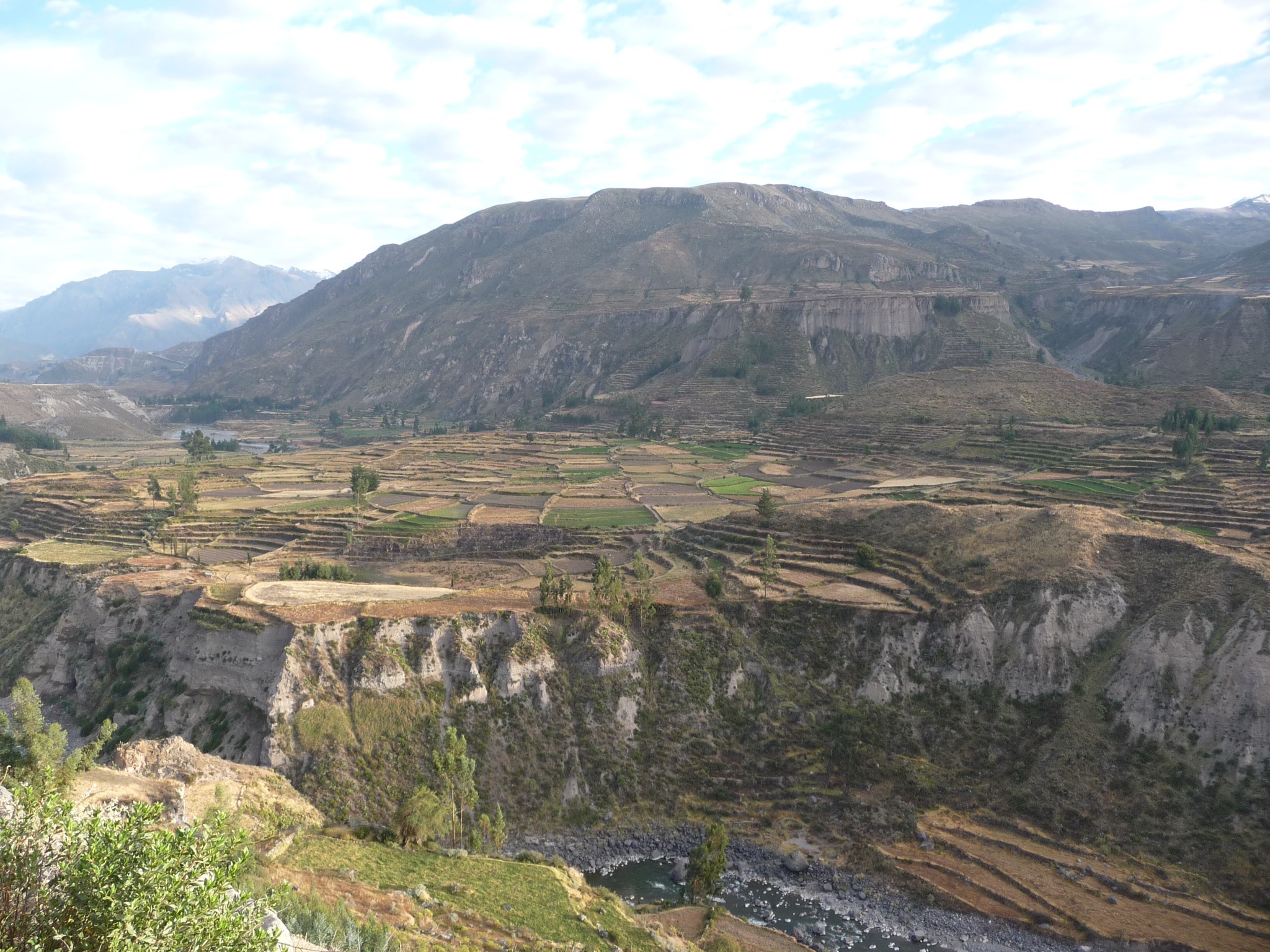
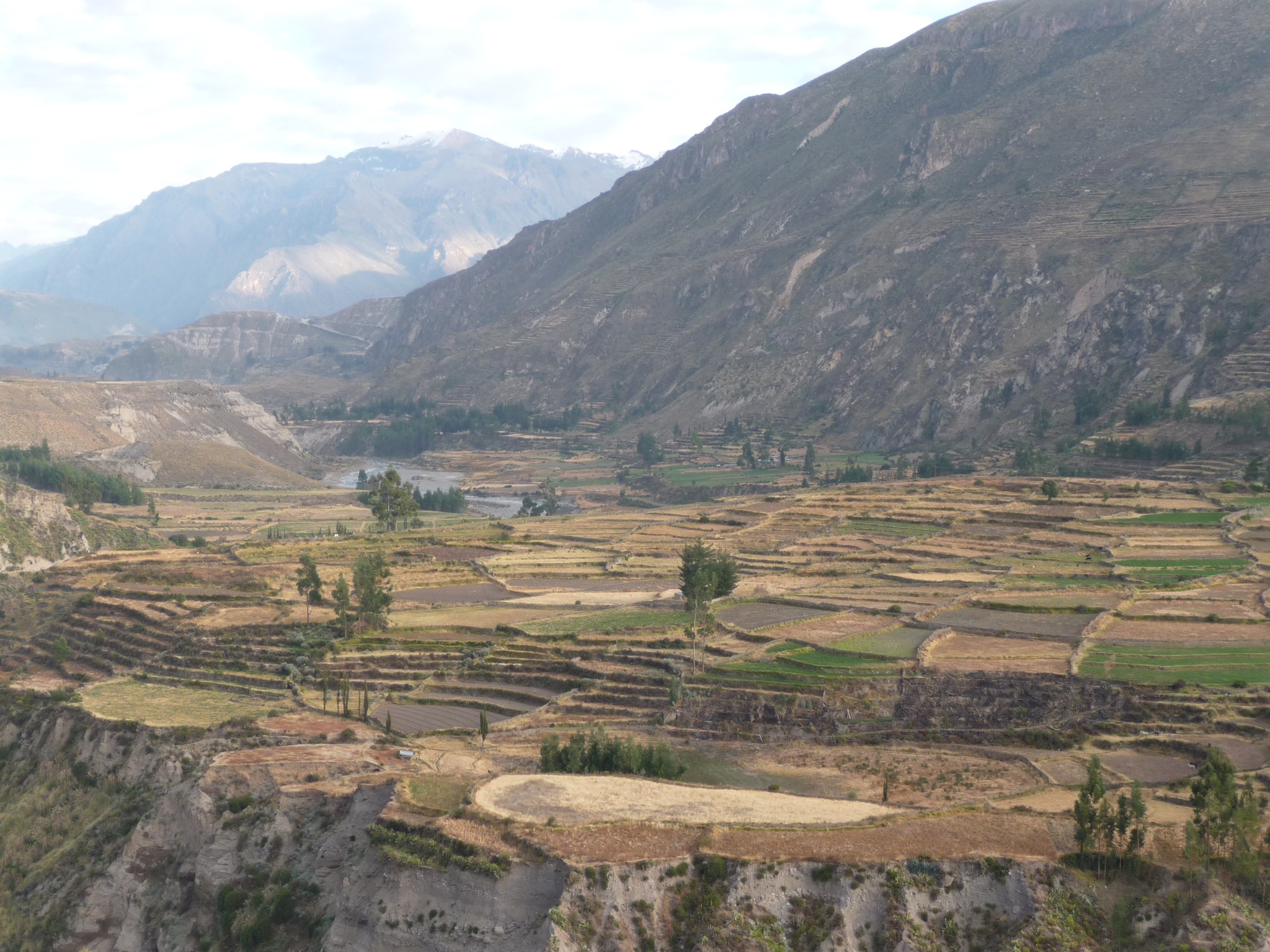
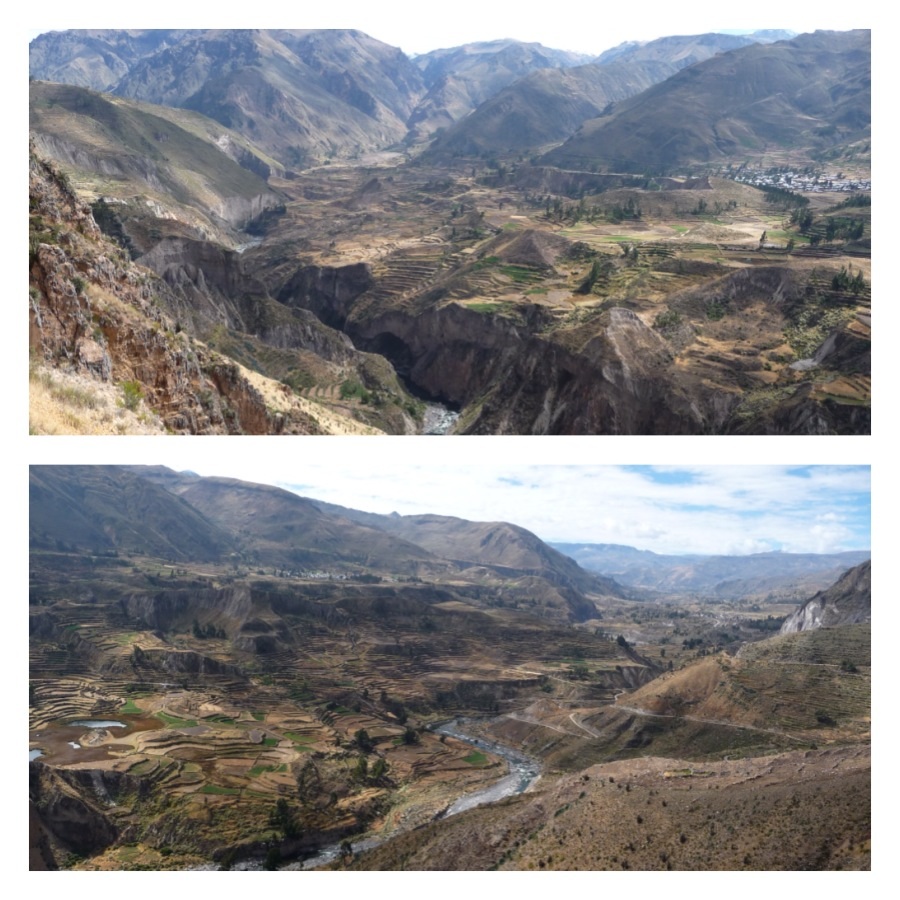
We checked into our lovely colonial style hotel in Coparaque, a town of the local farmers, before heading up to the nearby hills overlooking the Colca Valley for a wander around some ruins related to the Collaguas people (pre-inca – 13th and 14th century). The ruins are alleged to relate to the palace of an Inca princess and the chief of the Collagua – marrying off a member of the inca royal family to another non-inca culture was a common strategy used by the incas to increase their empire.  The Collagua people were forced down from the mountains to live in the valleys where they could be converted to christianity (the reduction policy of the spaniards – creating greater collectives of people which were easier to control). The mountain terraces were very impressive with some still in use today for quinoa, barley, potatoes and broad beans.   A visit to the local thermal springs was a great way to finish the day – although the ‘1000’ steps we had to climb back up to get to the car tested our fitness at altitude!
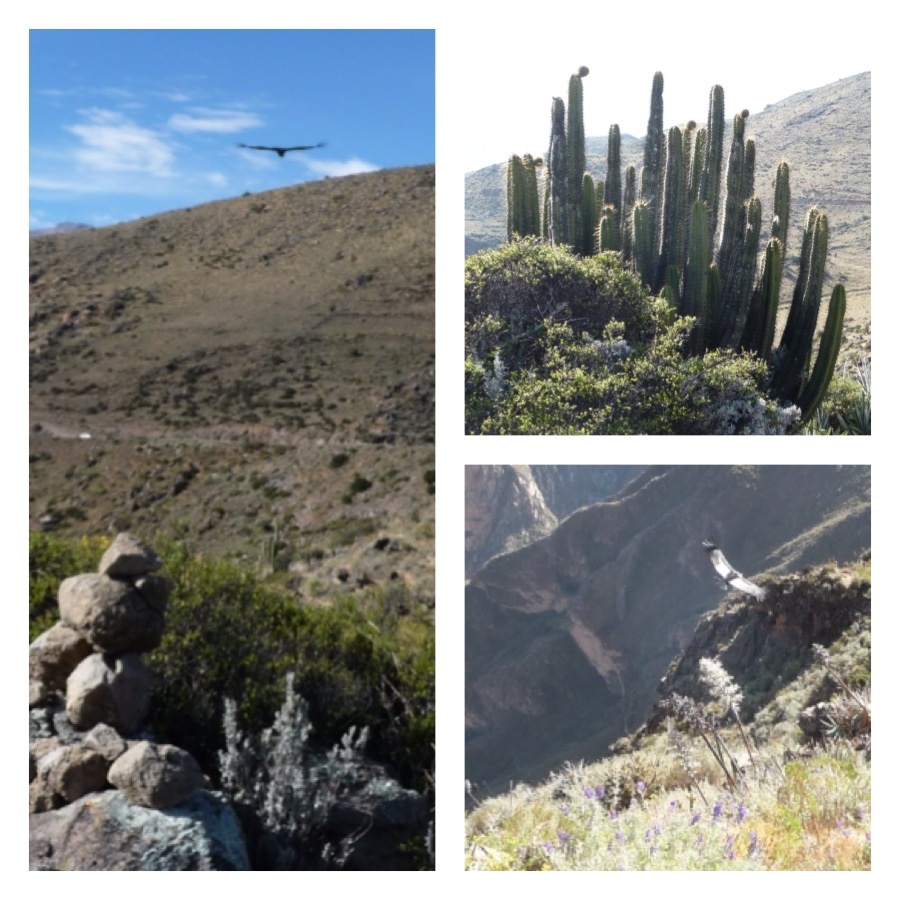
We headed out early in the morning to visit the Cruz del Cóndor and the Colca Canyon. Condors are the largest flying bird in the world – wing spans of up to 3.2 metres. Because of their weight (up to 14kg) they can’t fly from a standing position and so use the thermals in the canyon to glide up to the top. There are around 45 condors living in the Canyon. We were lucky enough to see about six of them. They only produce an egg every three years but they live up to 100 years, providing plenty of time to procreate. It was incredible to feel them soaring above your head.
The Colca Canyon is more than 1000m deep – three times deeper than the Grand Canyon.  The area around the Canyon is occupied by the cabaña people. Another group that practiced the head deformation of the nobility until the Spanish prohibited it.
This was definitely volcano country – we passed one that was smoking. We also passed some hanging tombs – caves carved into the mountains (facing the sun) for the bodies of chiefs of the clans.
The communities in the base of the canyon were isolated until some pilots spotted them in the early 20th century – until that time they had remained completely self sufficient. Today they go to town to sell their produce but have only donkeys as their mode of transport – a tough life.
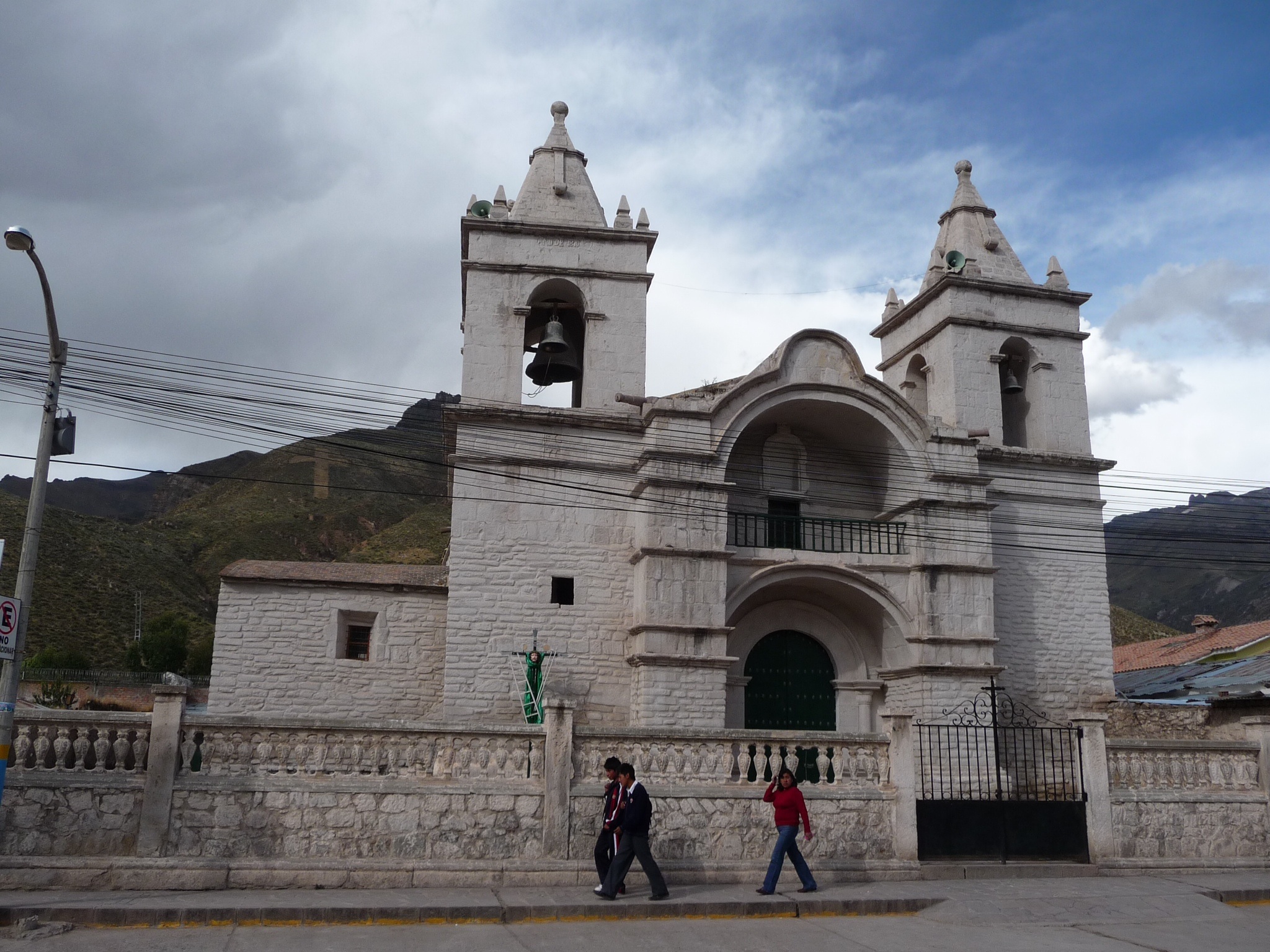
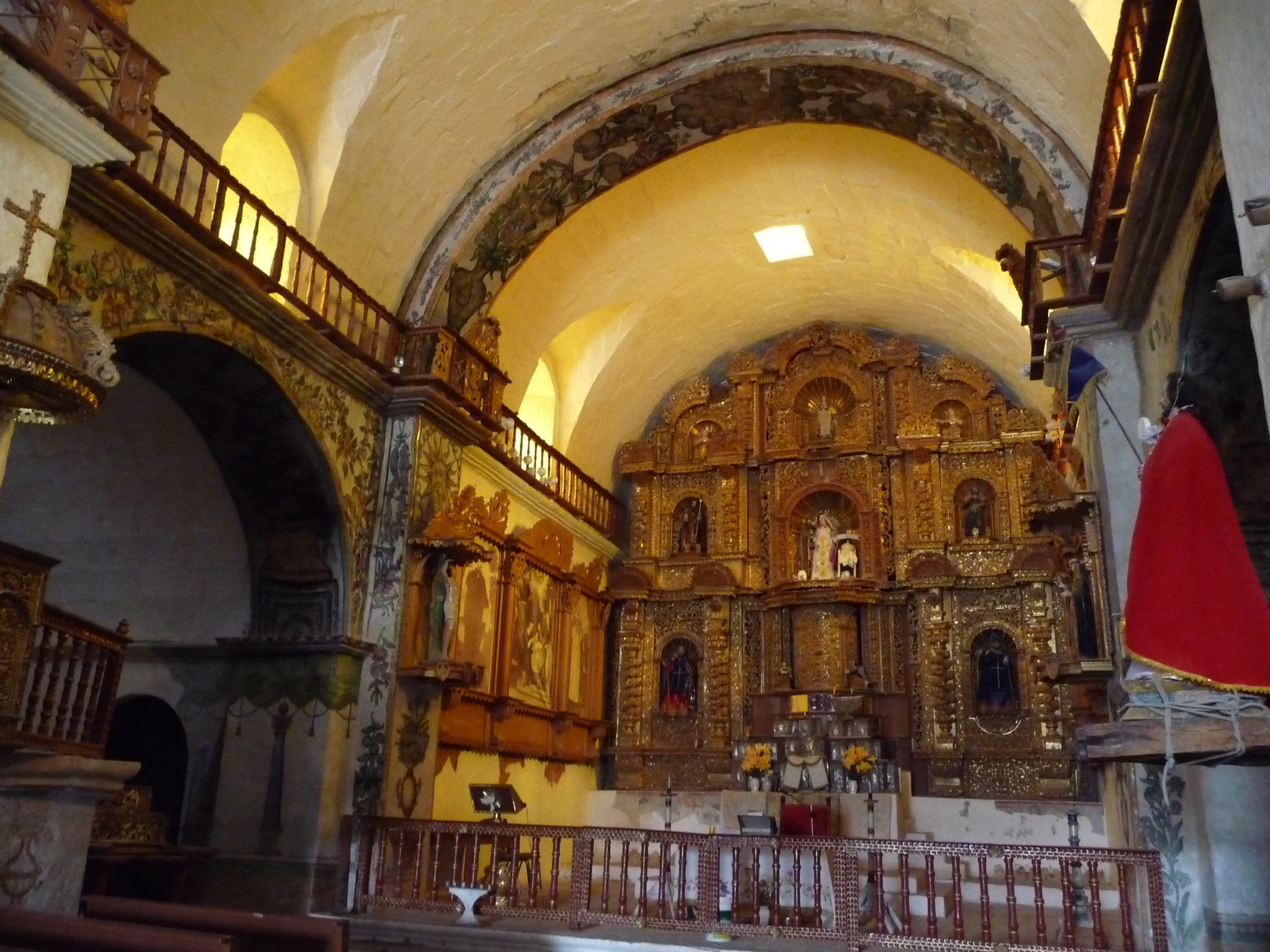
We had a quick stop into Maca where we visited the Romanesque style church with its rococo features and synchronistic symbols – jesus, mary, the apostles and sun and moon gods side by side. While the Andeans mostly practice Catholicism today they still have Andean gods integrated into their worship. I’d be interested to know how the Vatican feels about that.
It was then onto higher ground as we headed for Cusco by plane.
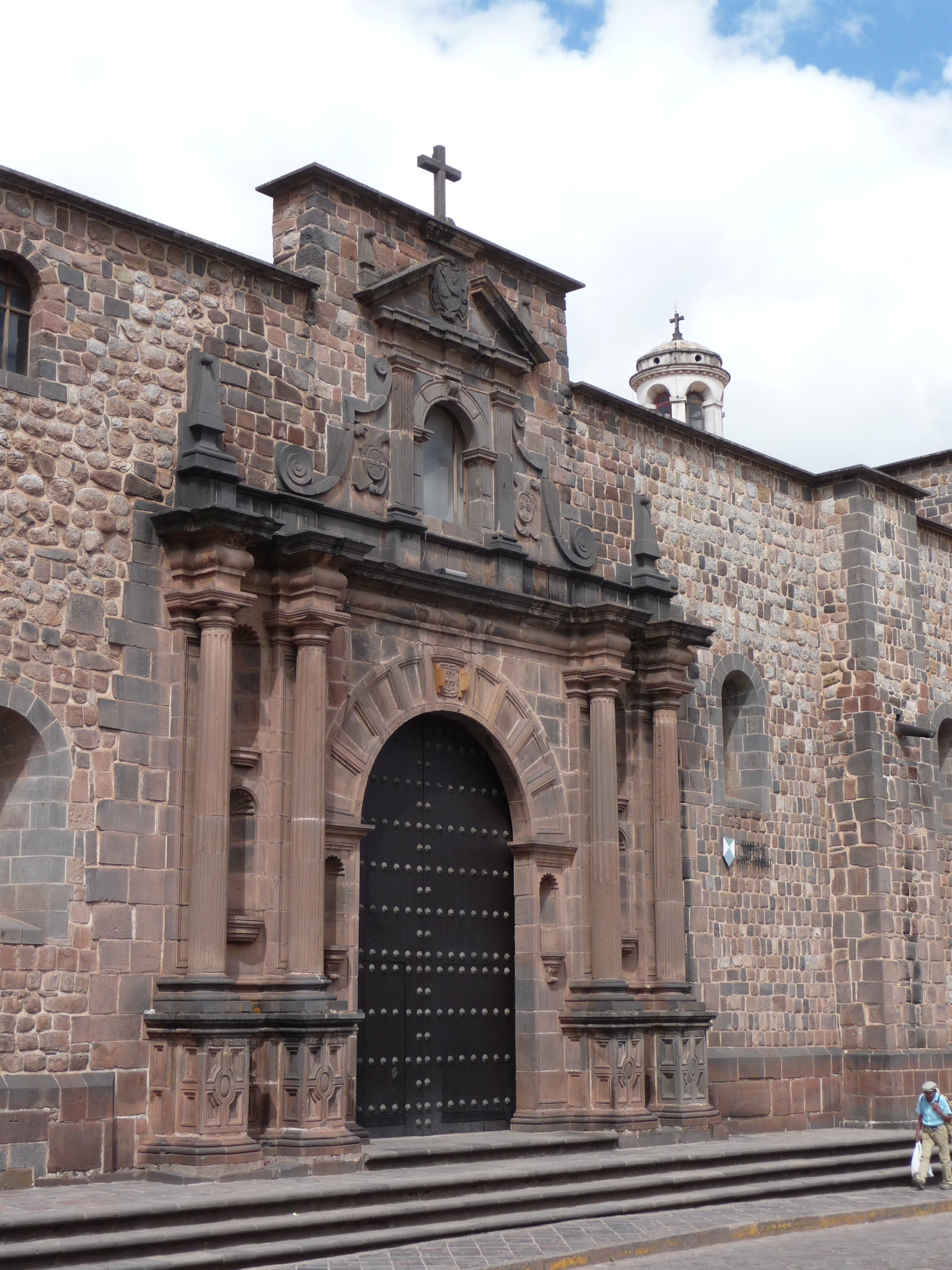
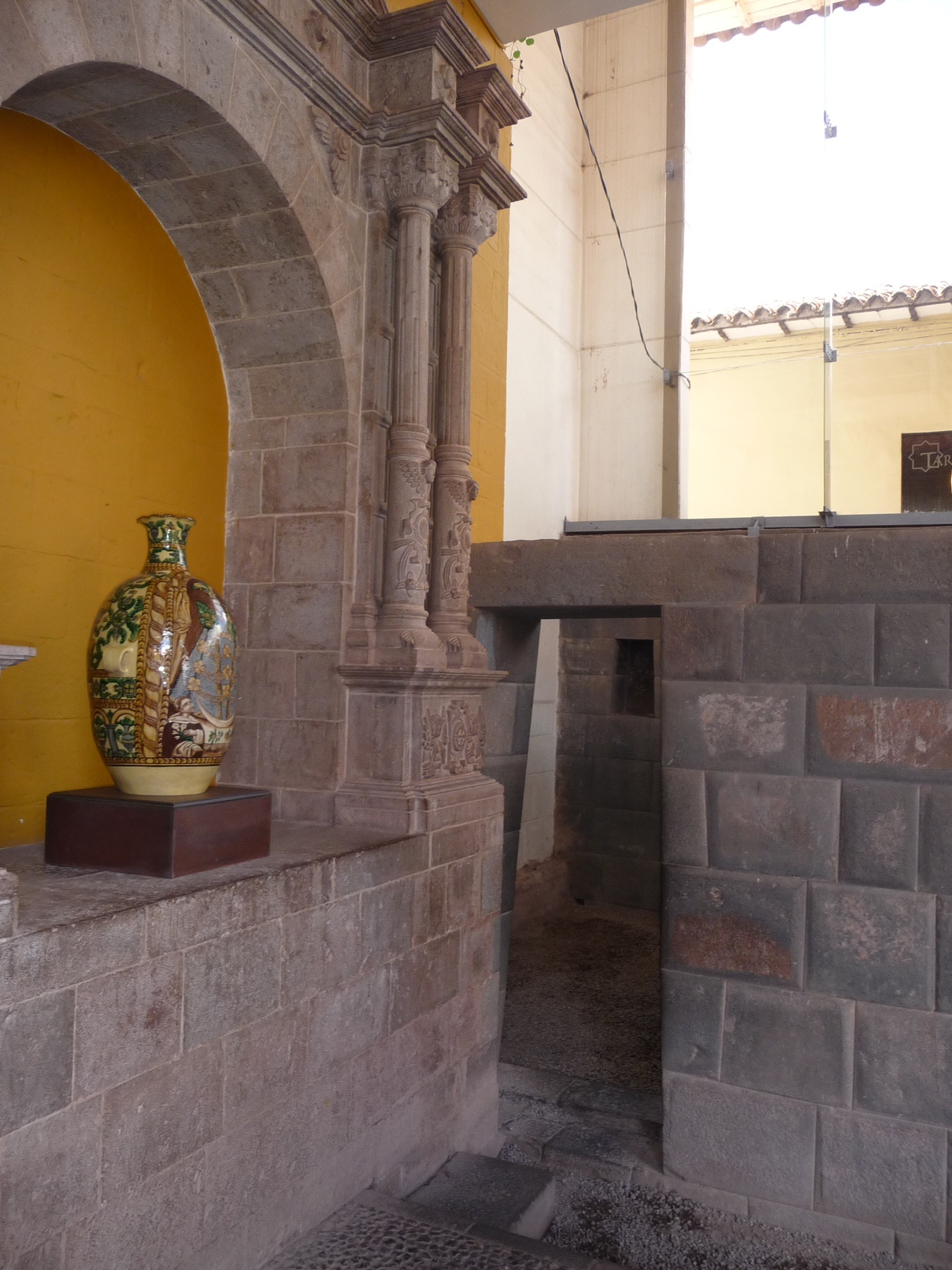
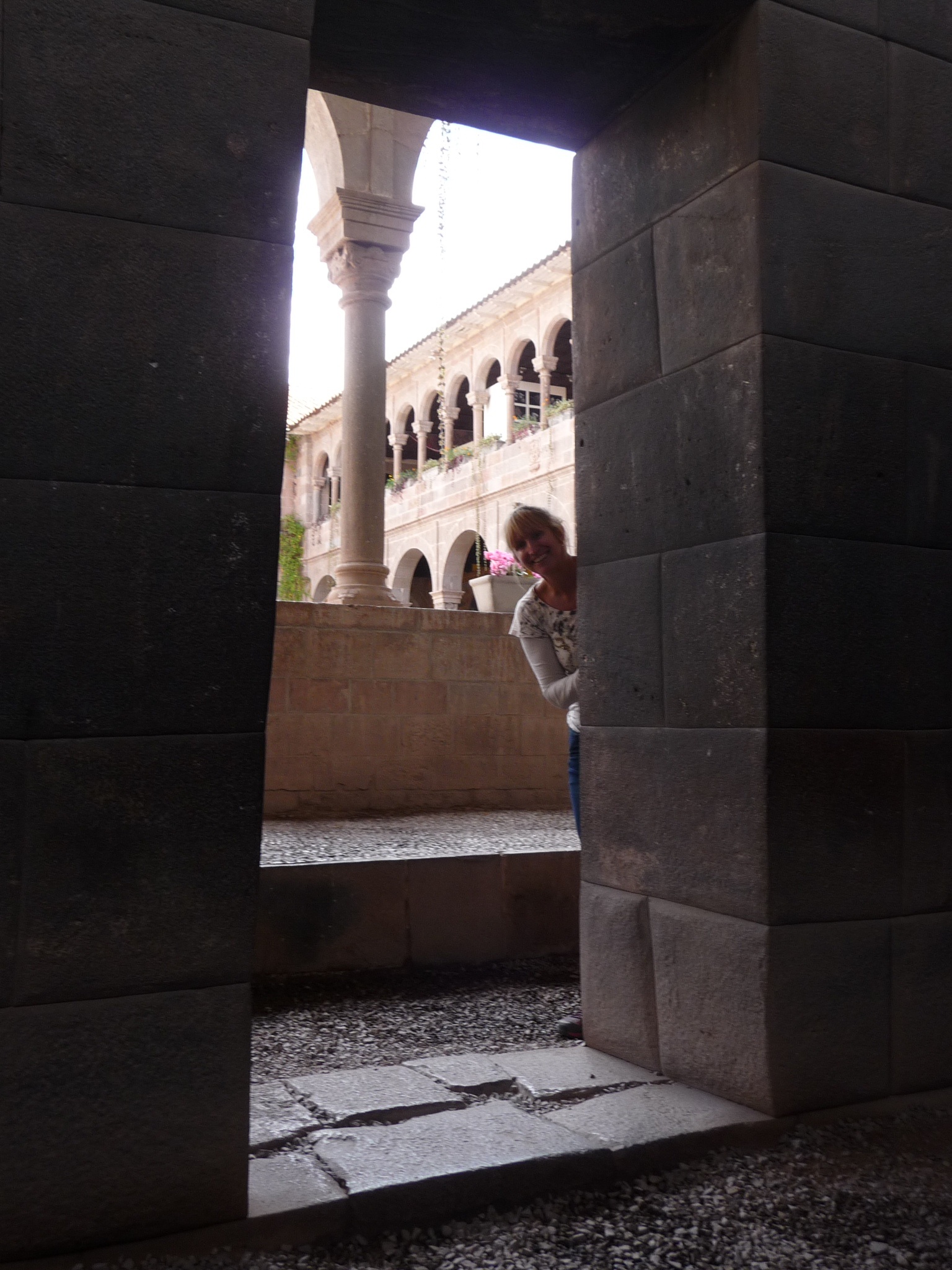
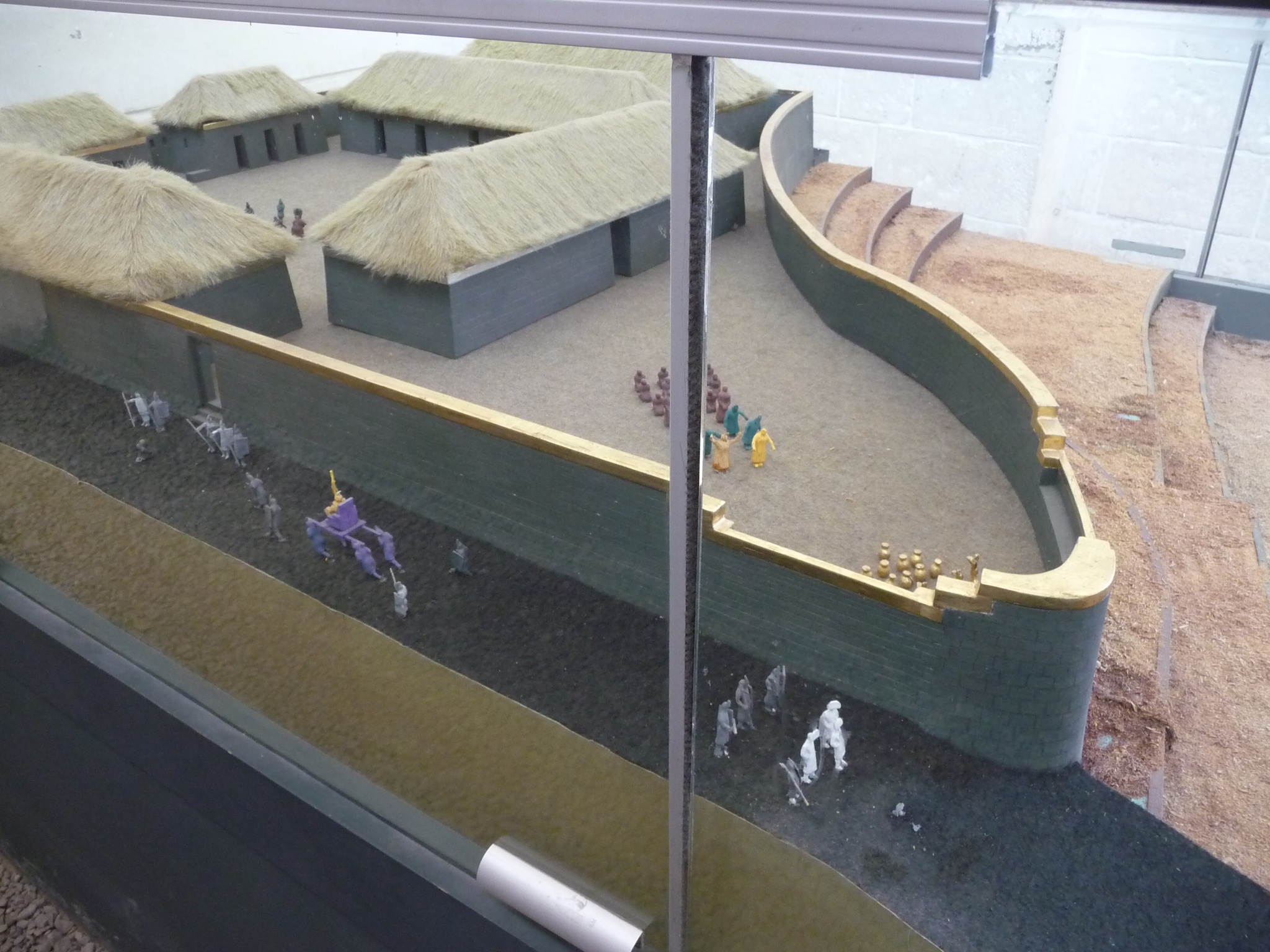
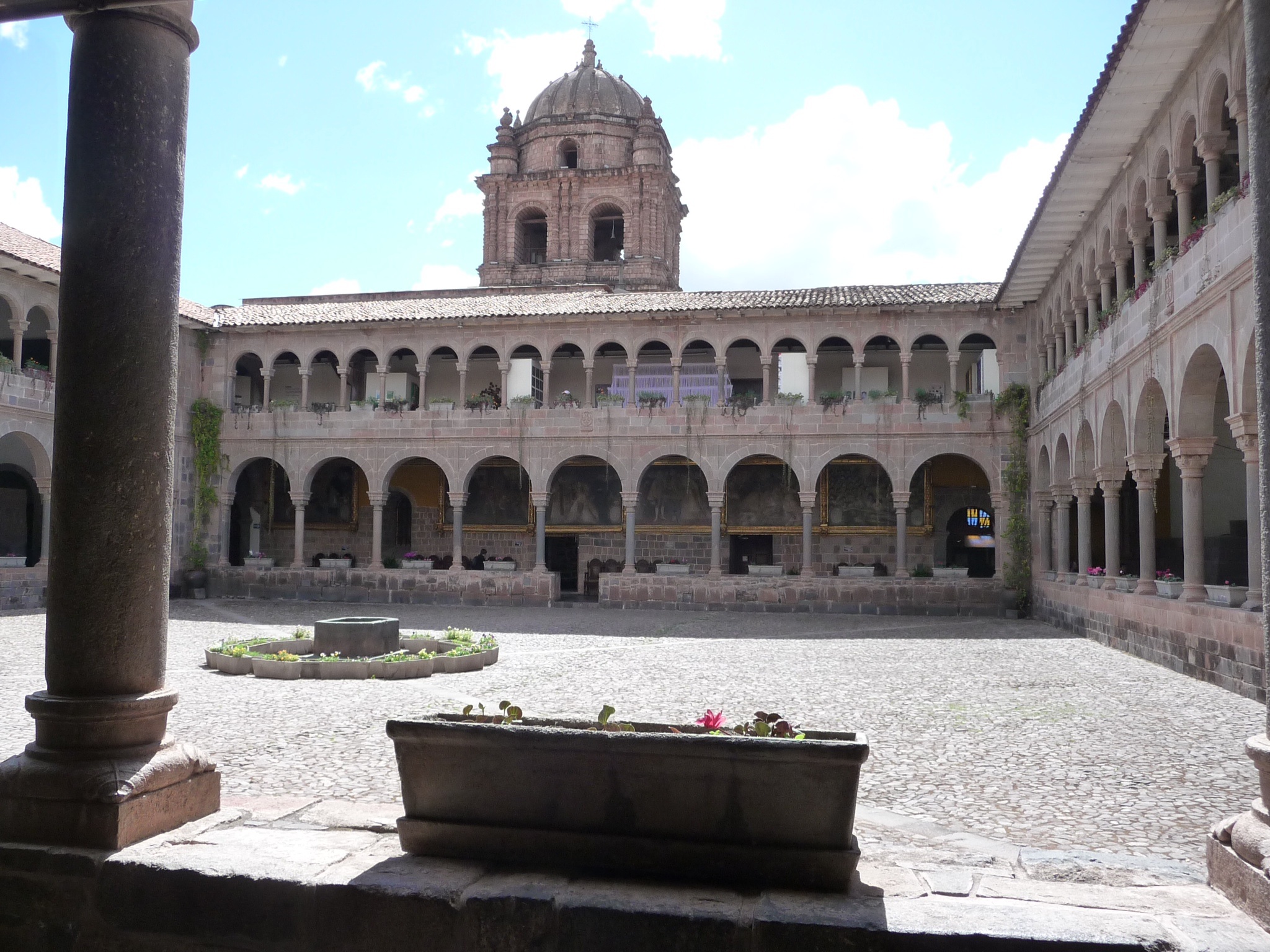
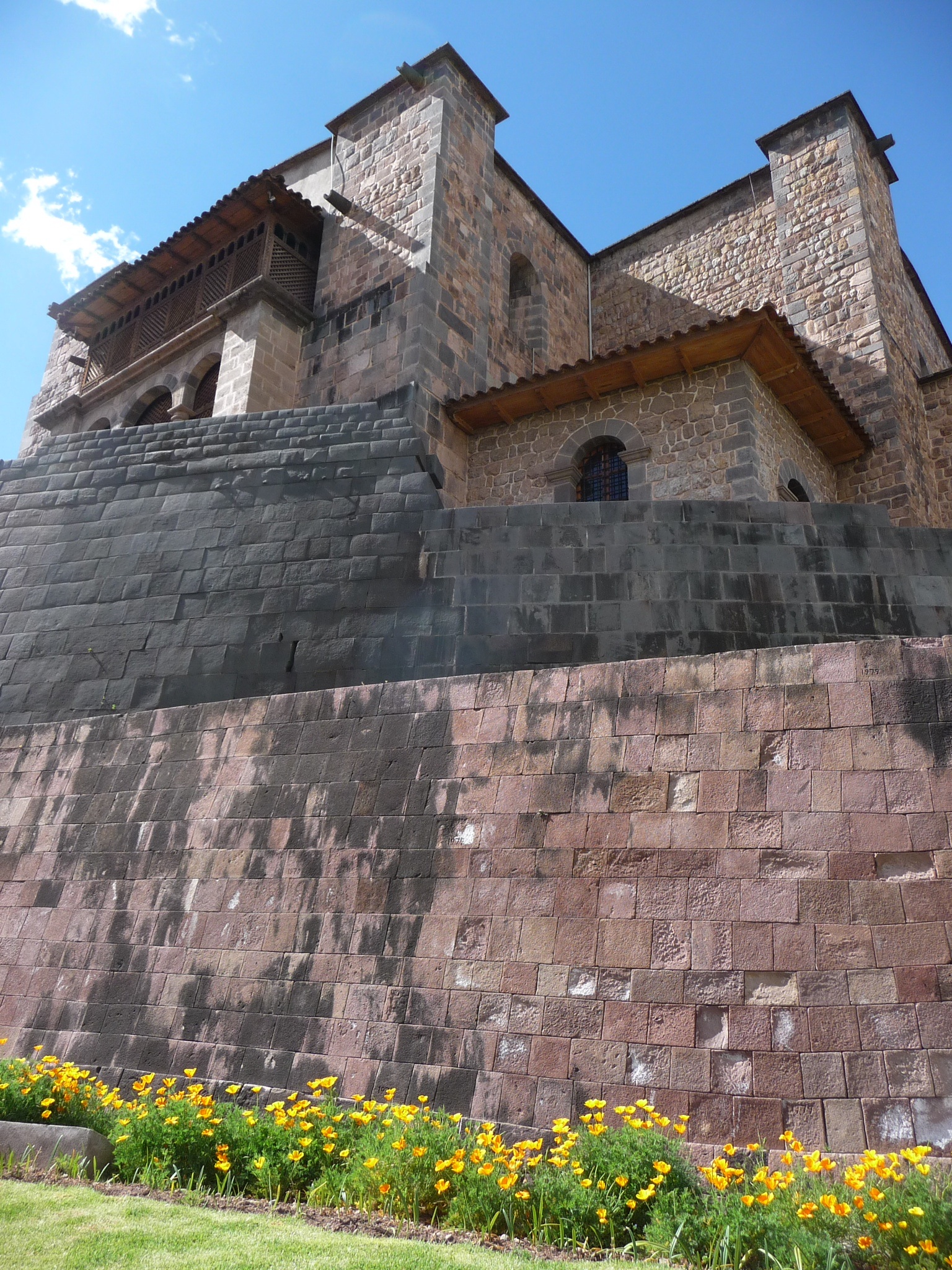
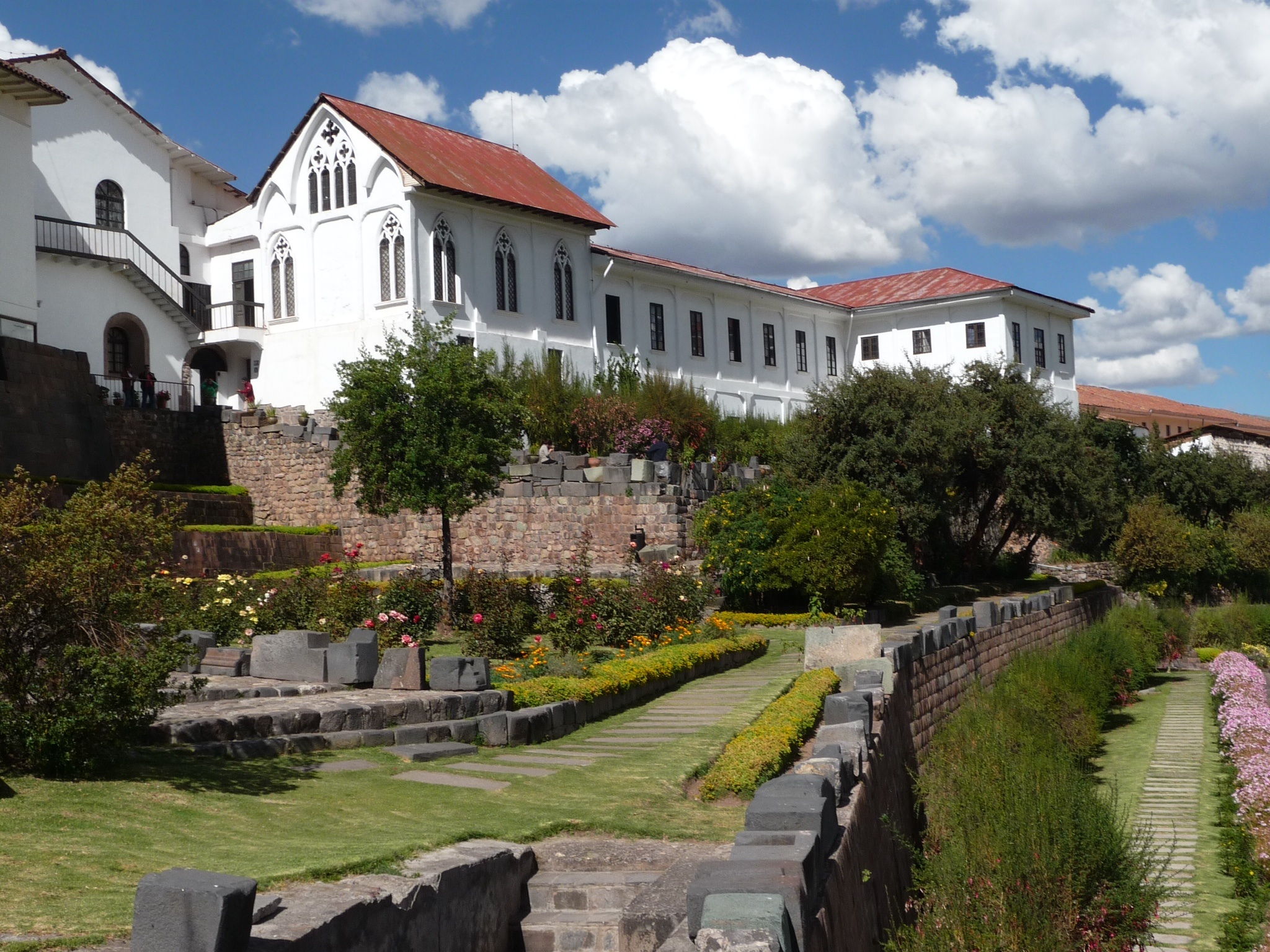
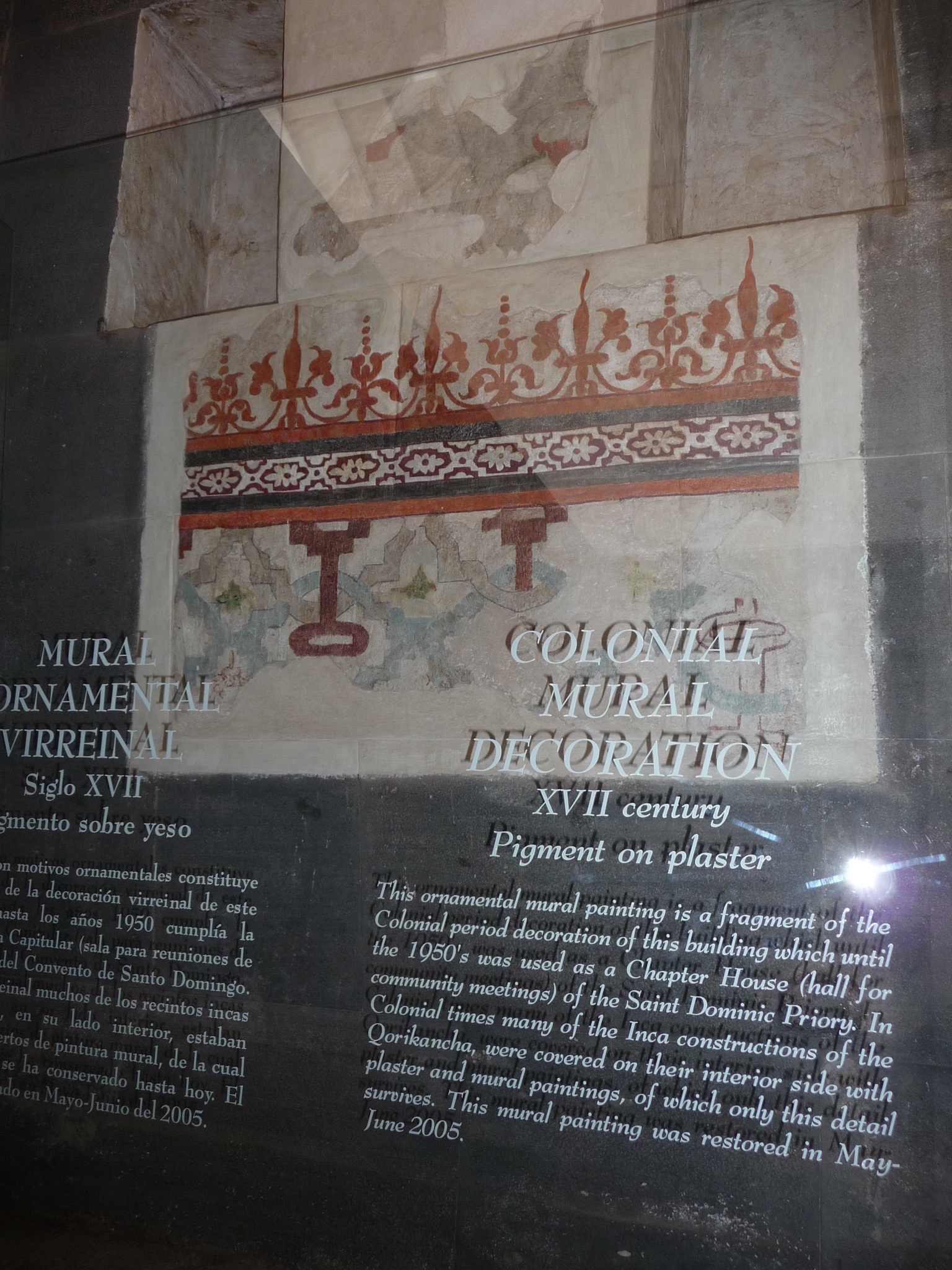
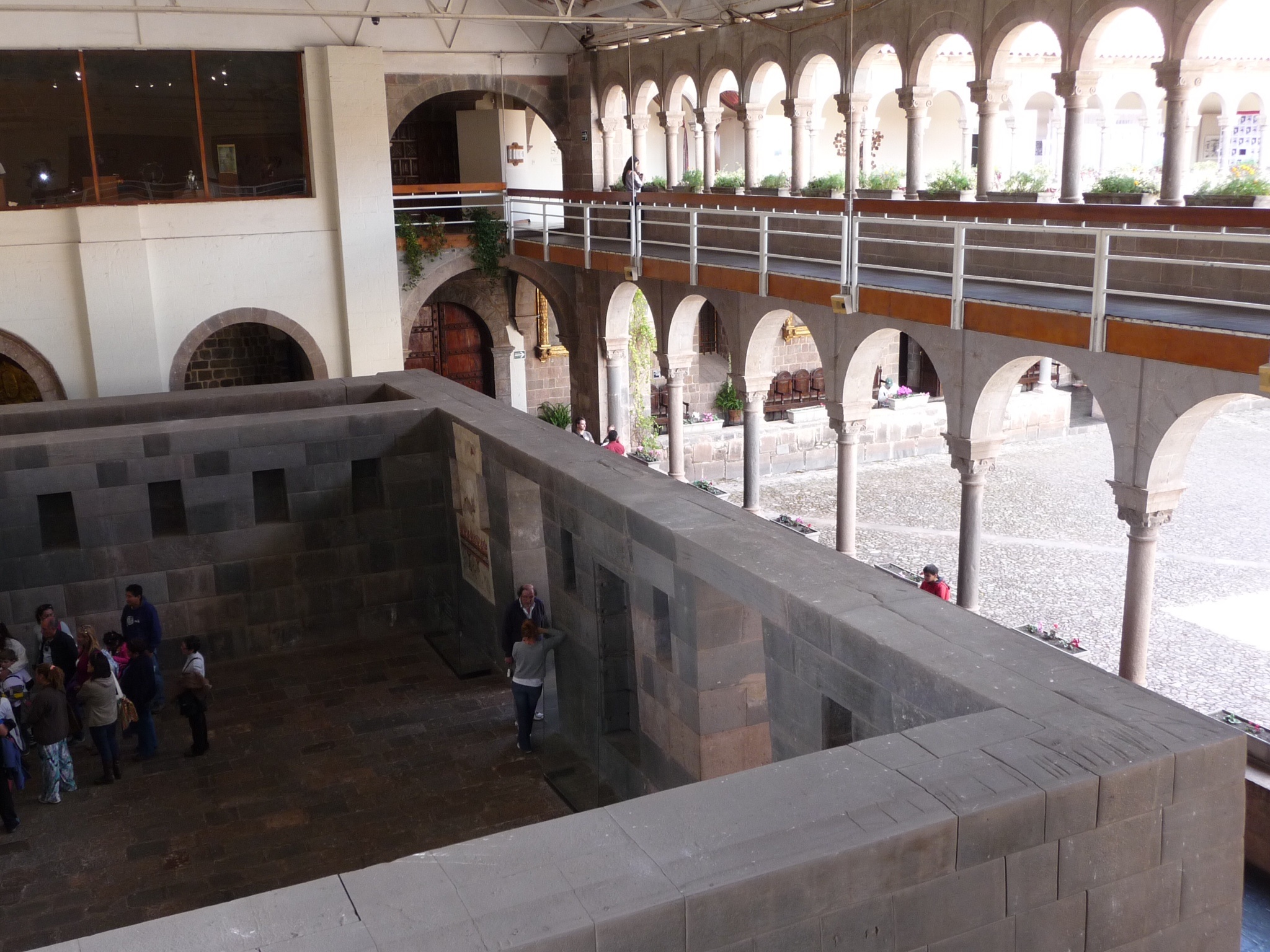
After an orientation walk through the city with Kristina, Megan and I took the opportunity to visit Qorikancha and the Convent of Saint Domingo.  Cusco was the capital of the four provinces of the inca empire – modern Peru, Bolivia, Ecuador, north Chile and northwest Argentina. Qorikancha was the central point with all religious buildings leading to it. There were some 9 million inhabitants within the Incan empire – amassed over a 400 year period (commencing in 1200AD) – more than the Romans managed in 1000 years. The convent was built on top of Qorikancha following the arrival of the spaniards.
A bit more understanding of the Andean people obtained at the Inka Museo. The pre-inca peoples were numerous. In the north there has been the Chavin (1500BC), Paracas (900 BC), Nascar (400BC), Mochica (100BC), Chancay (800AD) and Chimú (1100AD). The south had the Pukara (400BC),Tiawanako (500AD), Wari (750AD) and the Collao (850AD). The Cusco Valley had the people of Chanapaya (800BC), Araway and Pikillaqta (both 750AD), Killki (800AD) and the Lucre (1000AD). Pretty complex when compared to the indigenous cultures of Australia but not nearly as old.
The incas were a fussy lot; apparently they only sacrificed black llamas. Otherwise the llamas were used for cargo (the alpacas were used for their meat and wool).
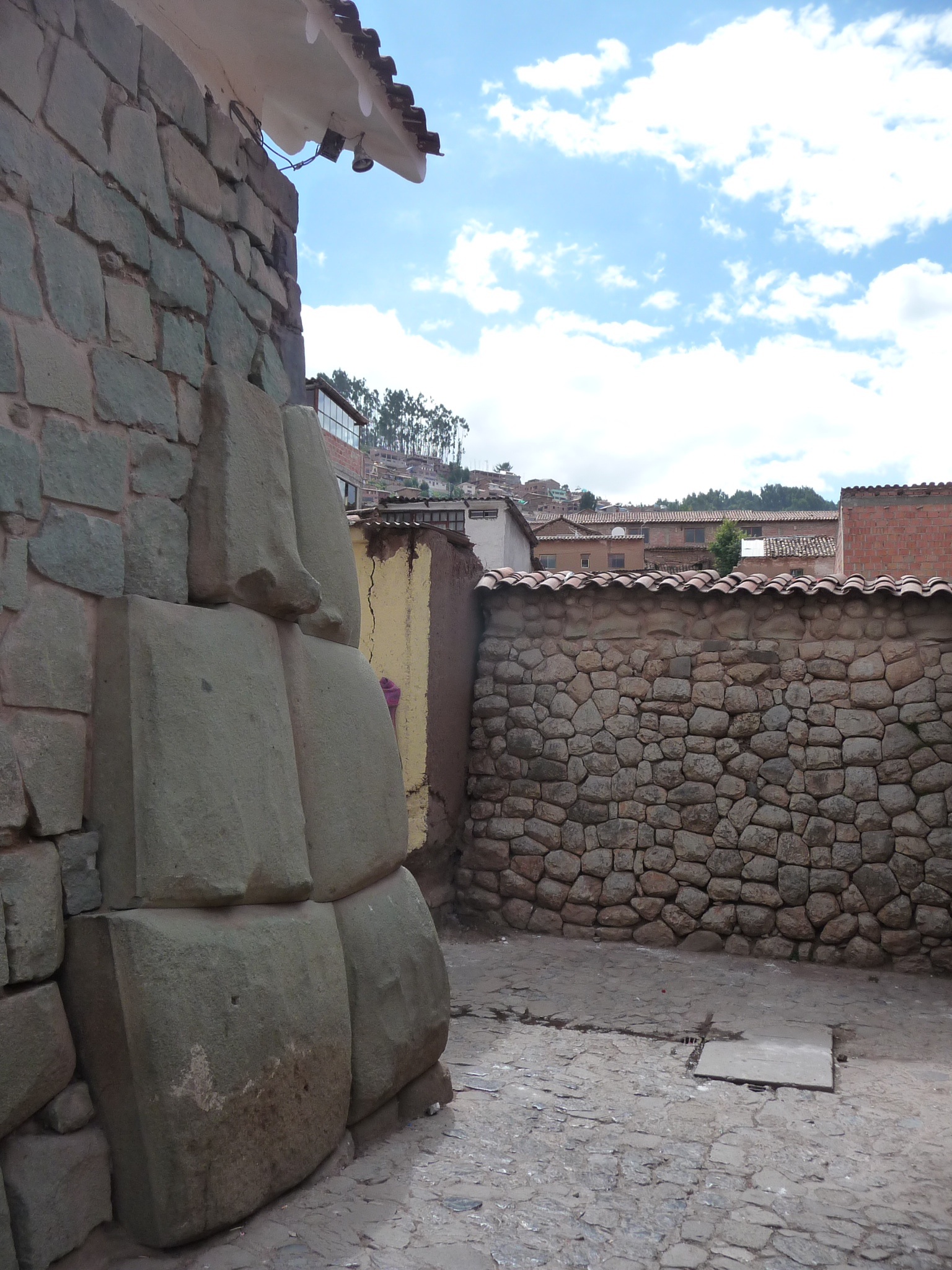
It was evident that the incas had some good architects among them with the Museo displaying quite a few pottery building models from the day.  The puma featured heavily in the inca culture as evidenced by the town plan of Cusco being that of a puma. They had a also mastered earthquake management by building with a three to six degree inclination in their walls. The stars and astrological formations also played a significant part in their culture (pottery bowls have been found which are believed to have been used to reflect the Milky Way and assist in crop management).
There was more evidence of the practice of trepenation for fixing skulls and the cranial deformation technique. Quite amazing practices for the time given the lack of tools for the procedures. I found the llama bones and condor legs carved into flutes rather amusing!
With the afternoon filled it was time for the inca trail briefing. By all accounts it was going to be tough but no doubt worth it.
The Cathedral, Arequipa

The Cathedral, Arequipa

image

image

image

image

image

image

image

image

image

image

Santa Catalina Convent

Santa Catalina Convent

image

image

image

image

image

image

image

image

image

image

image
image
image
image
image

Two decades of confessions - I could be a while!

Two decades of confessions – I could be a while!

Volcans Misti, Picchu Picchu and Chachani

Volcans Misti, Picchu Picchu and Chachani

Vicuñas in the National Reserve of Salinas and Aguada Blanca

Vicuñas in the National Reserve of Salinas and Aguada Blanca

Alpacas

Alpacas

image


Heading into Chivay

Heading into Chivay

image

image

Chivay Cathedral

Chivay Cathedral

image

A short walk to view the Colca Valley from our village of Coparaque

A short walk to view the Colca Valley from our village of Coparaque

image

image

image

image

image

Chilling at the thermal springs

Chilling at the thermal springs


heading for the condors at Colca Canyon

heading for the condors at Colca Canyon

image

image

Hanging tombs

Hanging tombs

image

image

image

image

image

image

image


Maca Church

Maca Church

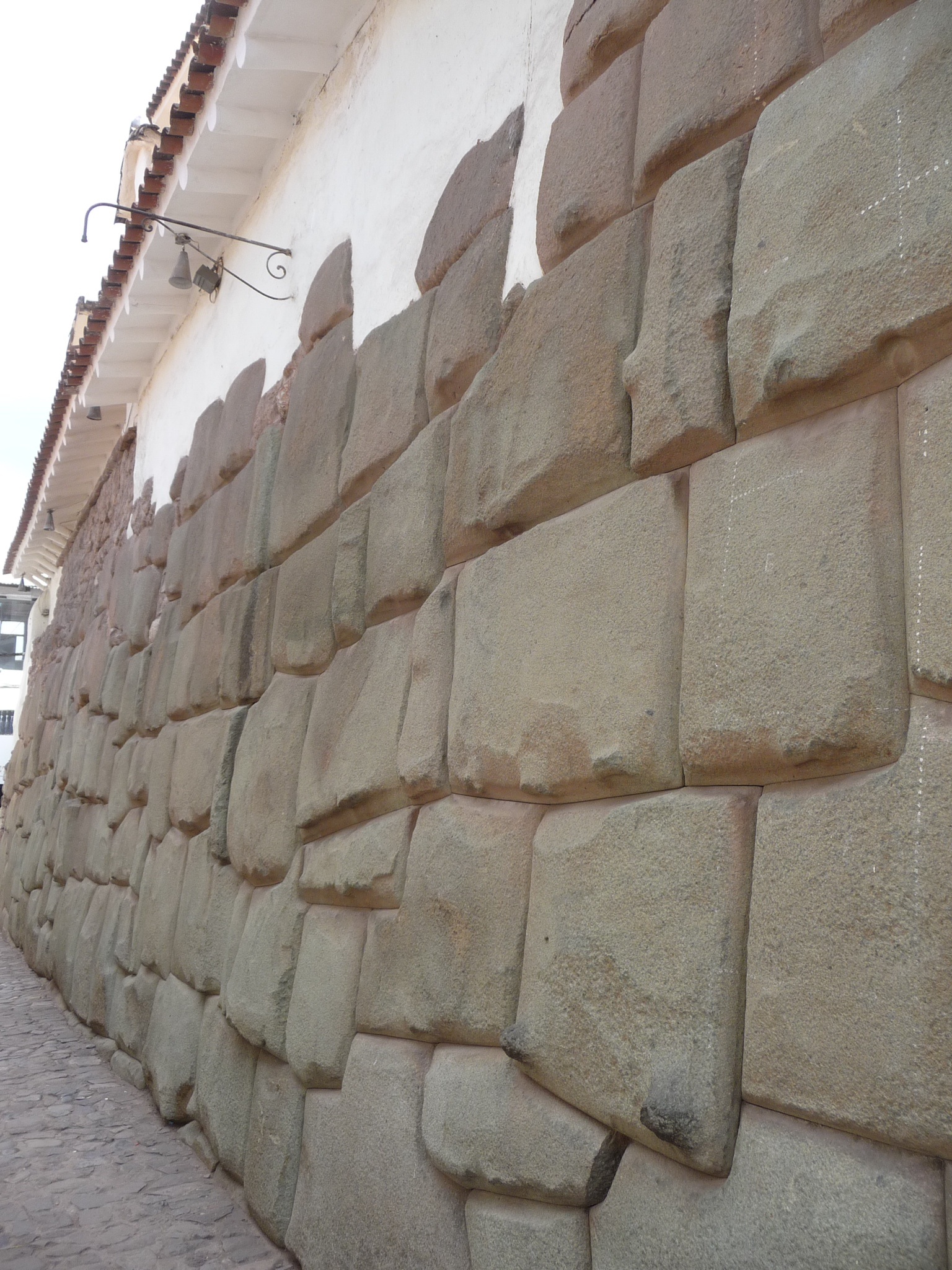
Inca walls in Cusco

Inca walls in Cusco

image

image

image

image

image

Temple delSol - Qoricancha and Iglesias De Santo Domingo

Temple delSol – Qoricancha and Iglesias De Santo Domingo

image

imagei

image

image

image

image

image

image

image

image

image

image

image

image

image

image

image

image

image

image

image

image

image

image

image

image

image

image

image

image


A peek through an open door gives a glimpse of the local action!

A peek through an open door gives a glimpse of the local action!

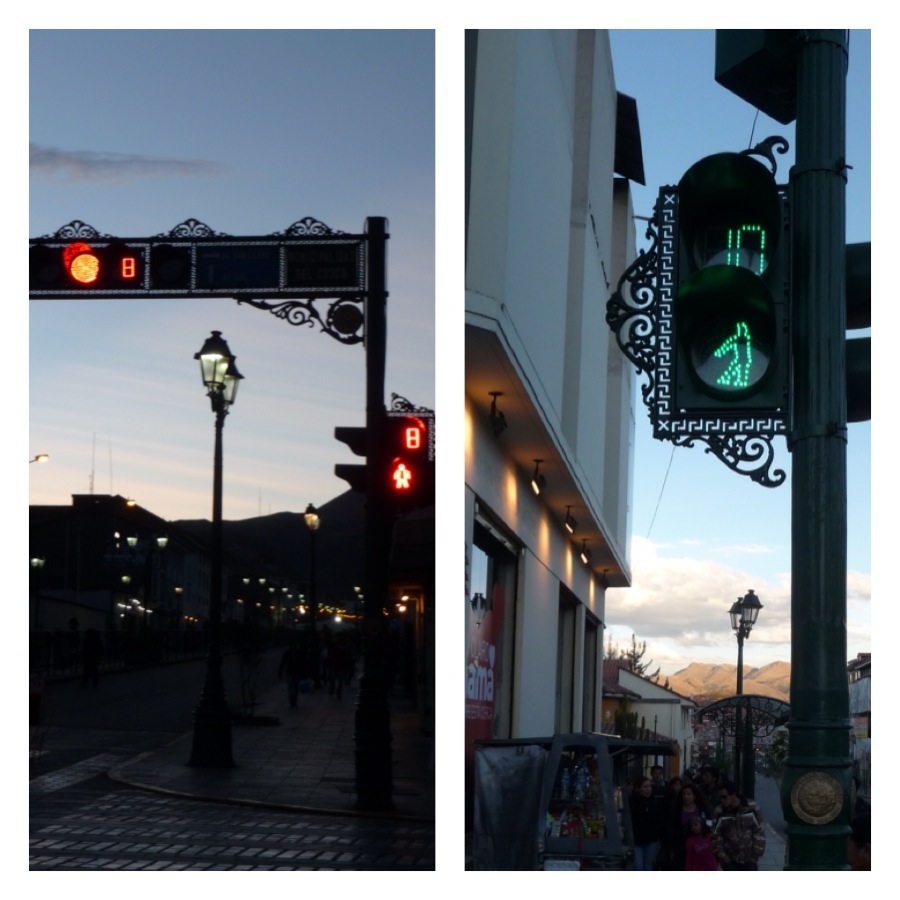
You have to love their street lights.

You have to love their street lights.


Posted in Uncategorized | 1 Comment

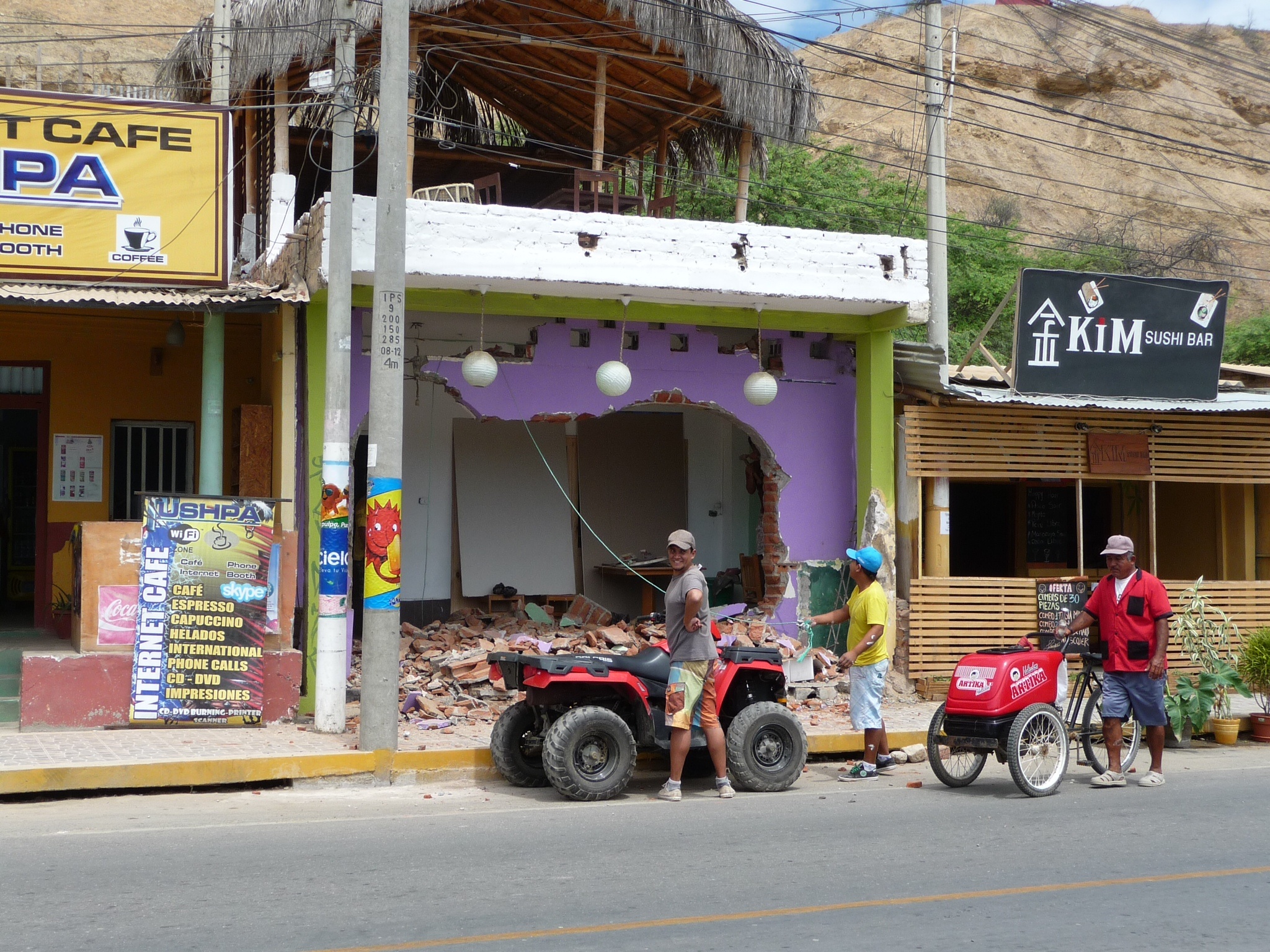
Hugging the coast of northern Peru

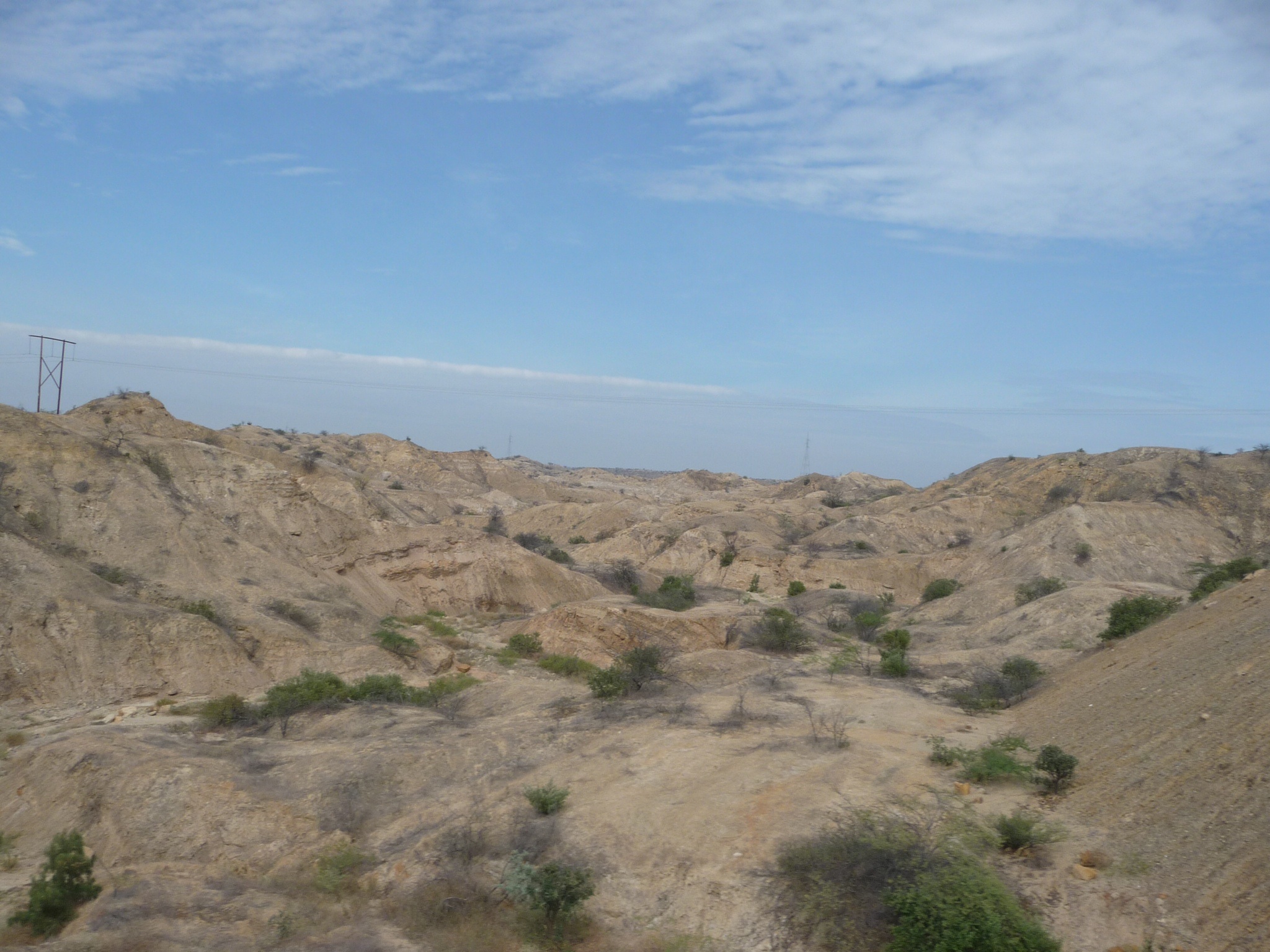
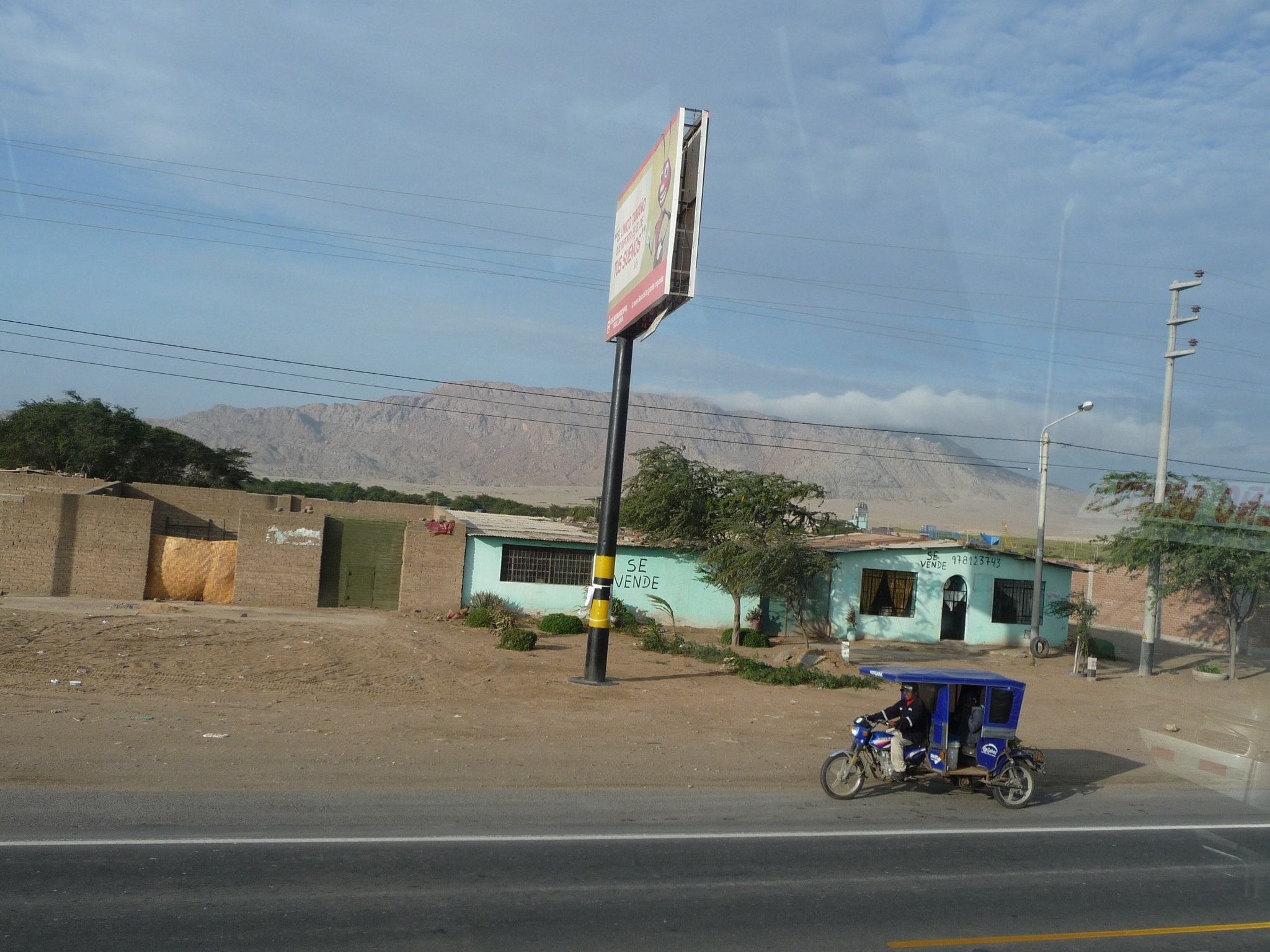
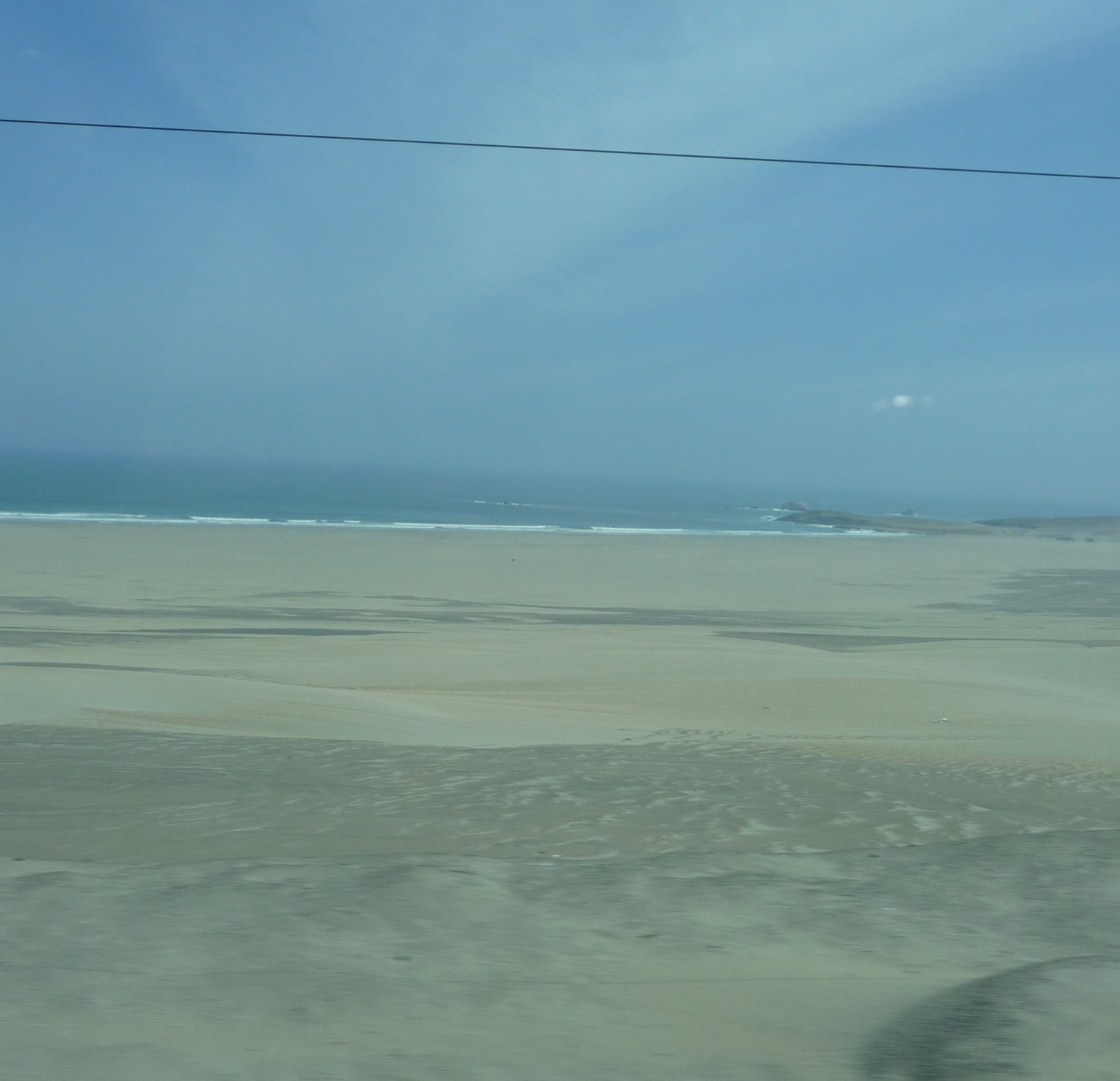
We farewelled Helen, Martin and Virginia and headed for Peru. The journey to Mañcora, Peru, was long but very enjoyable. Our bus followed the Andes, which turned from lush mountains to arid and rocky mountains with little oases in the valleys below where the rivers run.
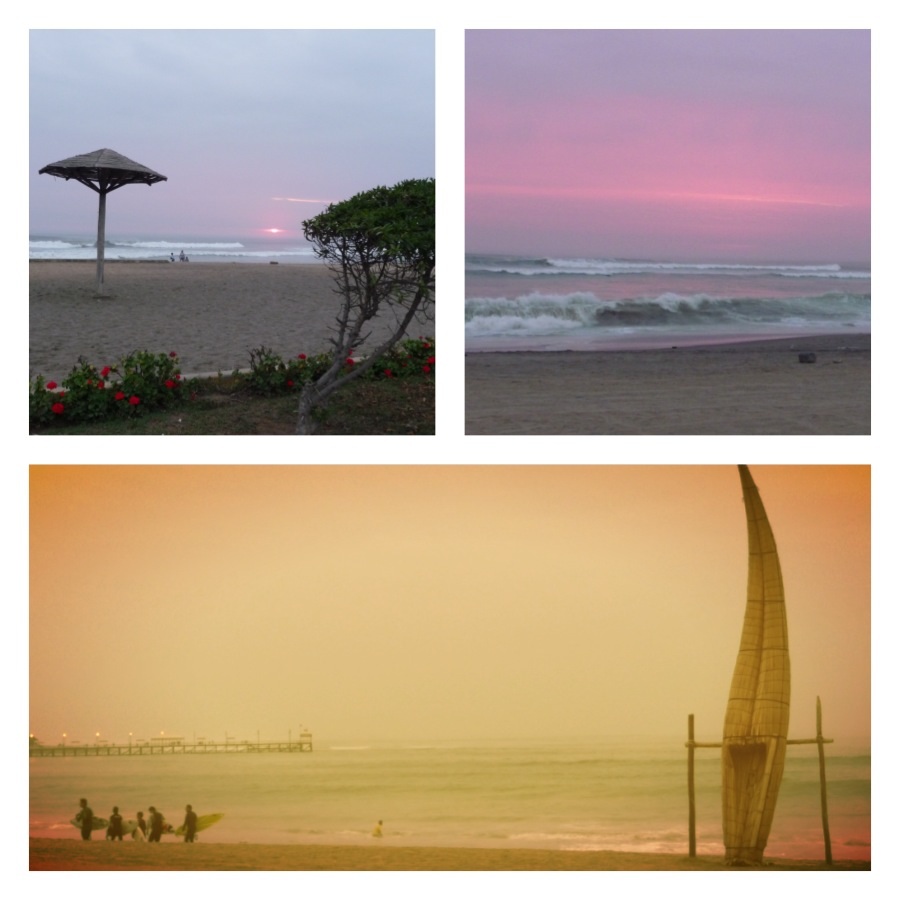
Mañcora was a lovely little beach town that reminded me a lot of what Bali and Lombok were like 25 years ago. Our hotel was on the beachfront with another perfect yoga spot!  We had arrived to the hotel on tuk-tuks (the local transport of the town), which was amusing in itself.
The couple of days were spent lazing on the beach chairs watching the pelicans competing for space with the kite surfers and continuing the ceviche feasting we’d started in Ecuador – not too shabby!  It was nice to be at sea level again – I had gained a new appreciation of the fortitude of the spaniards to mount their conquest of these countries with areas of high altitude.
A chance meeting on the beach with fellow Galápagos cruisers Johannes and Eva was a lovely surprise. They had also been making their way through Ecuador. We enjoyed a lovely beach lunch and reminisced about the great cruise.
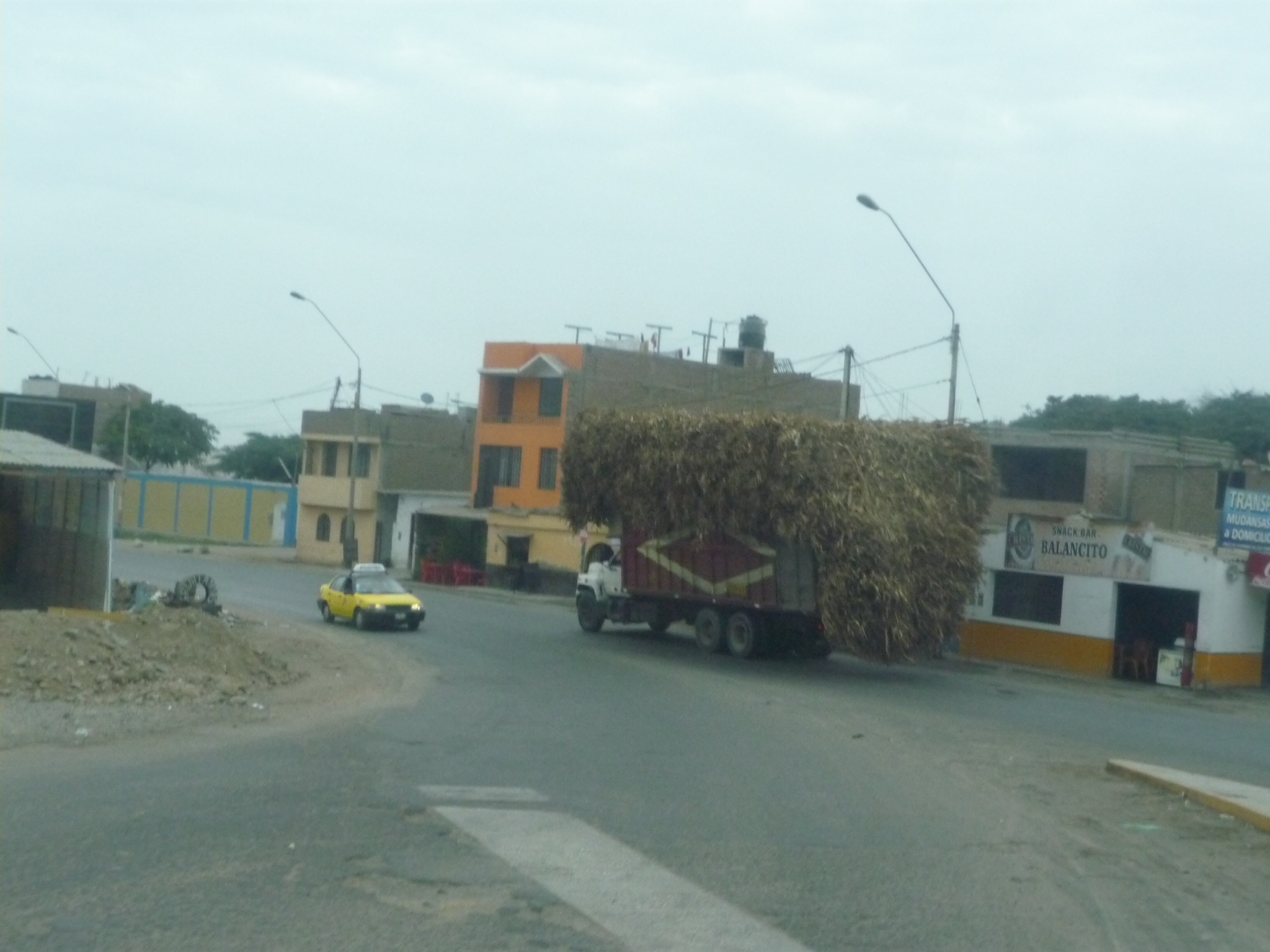
The tour group were then off to explore another beach town – Huanchaco. Another great bus ride. I was on the top level above the bus driver so had a fantastic view of the desert, sugarcane fields and rice paddies along the way. I also had the extra thrill of experiencing the driver playing chicken with the traffic coming our way; prompting my seat buddy to ask on a couple of occasions whether we were on the wrong side of the road – I had to deliver the bad news that yes we were.
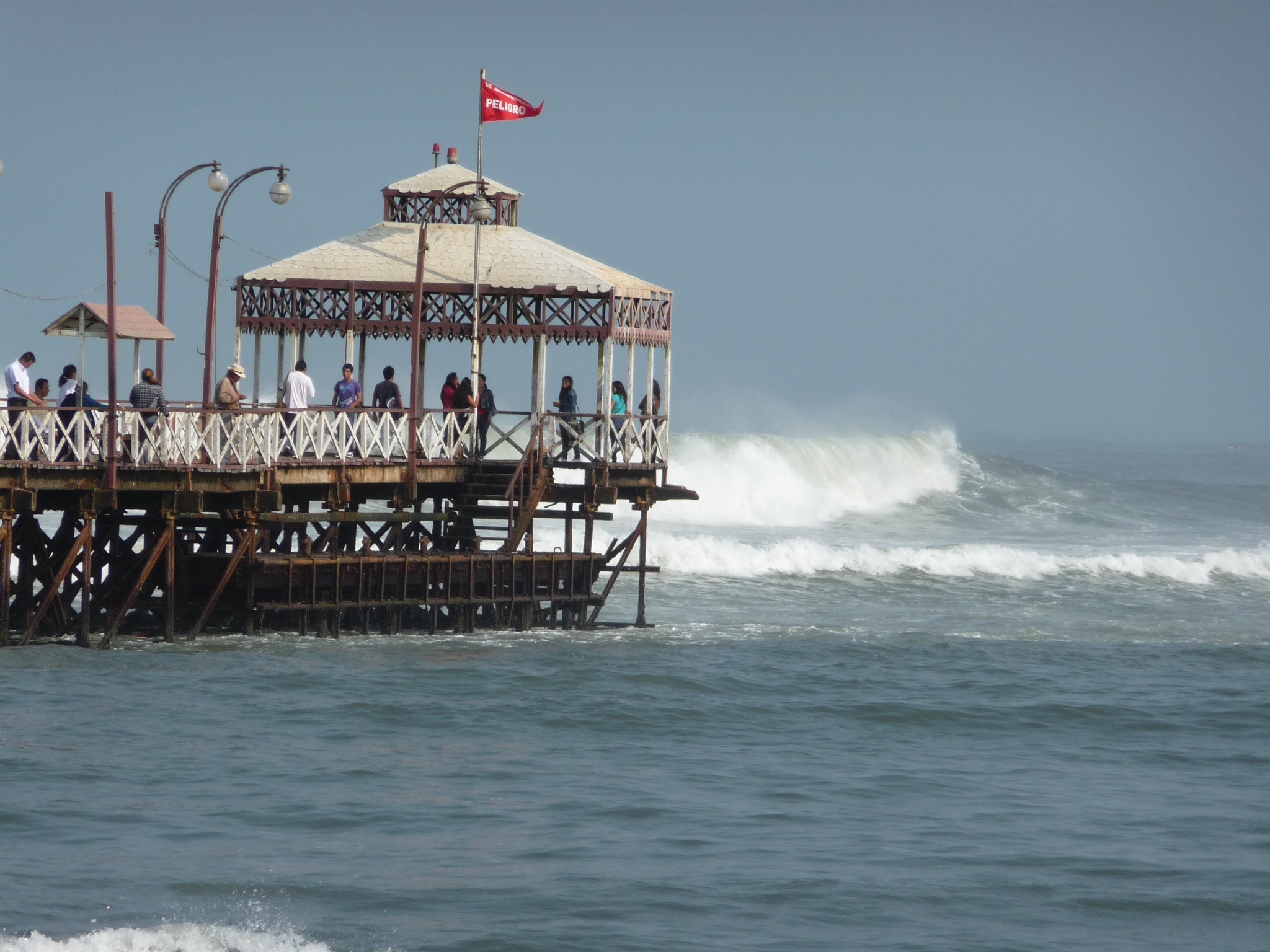
Huanchaco is known for having the world’s longest left hand break.  The town was very close to Trujillo so we took the opportunity to visit Huaca de la Noche and Chan Chan.
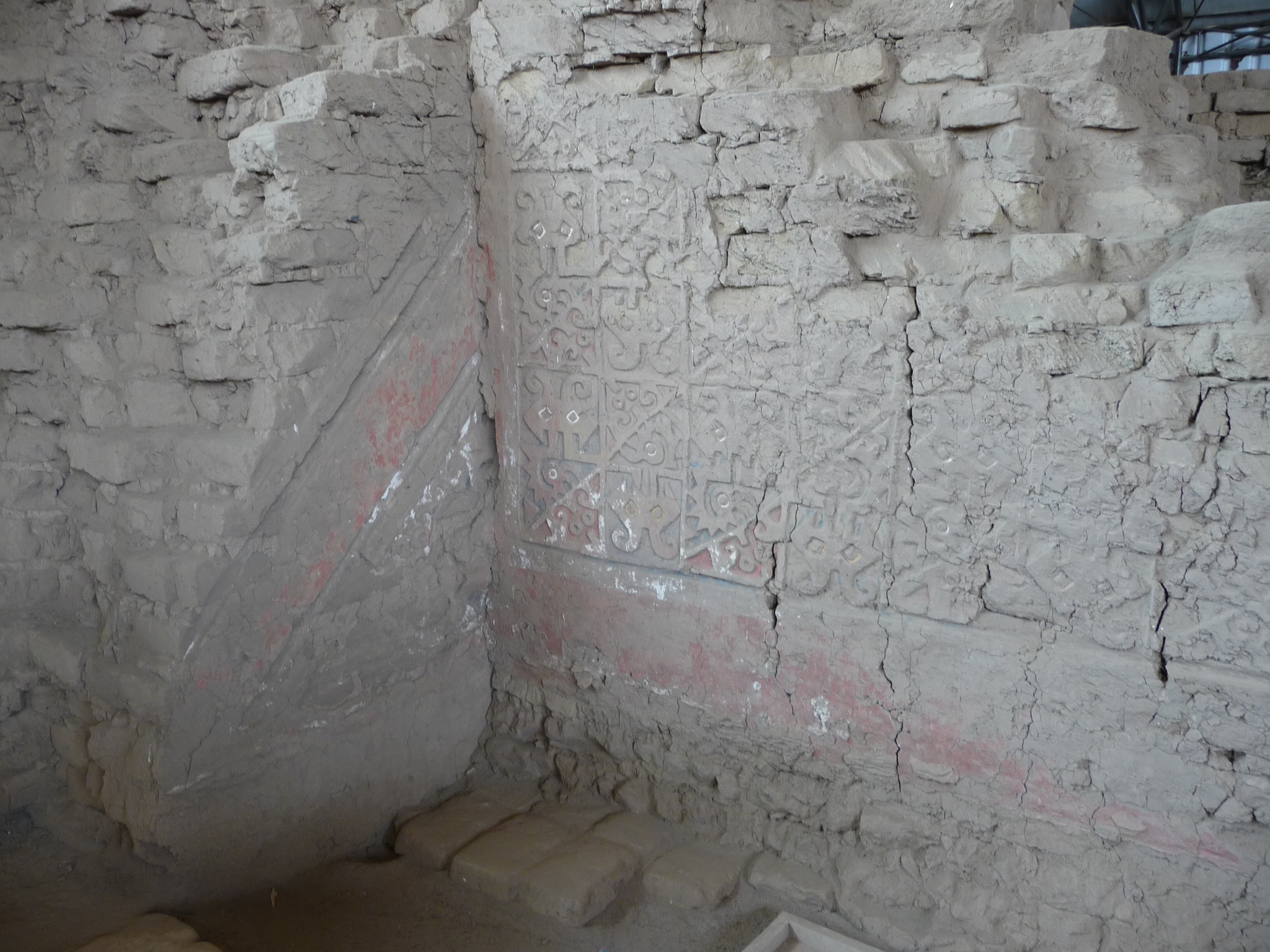
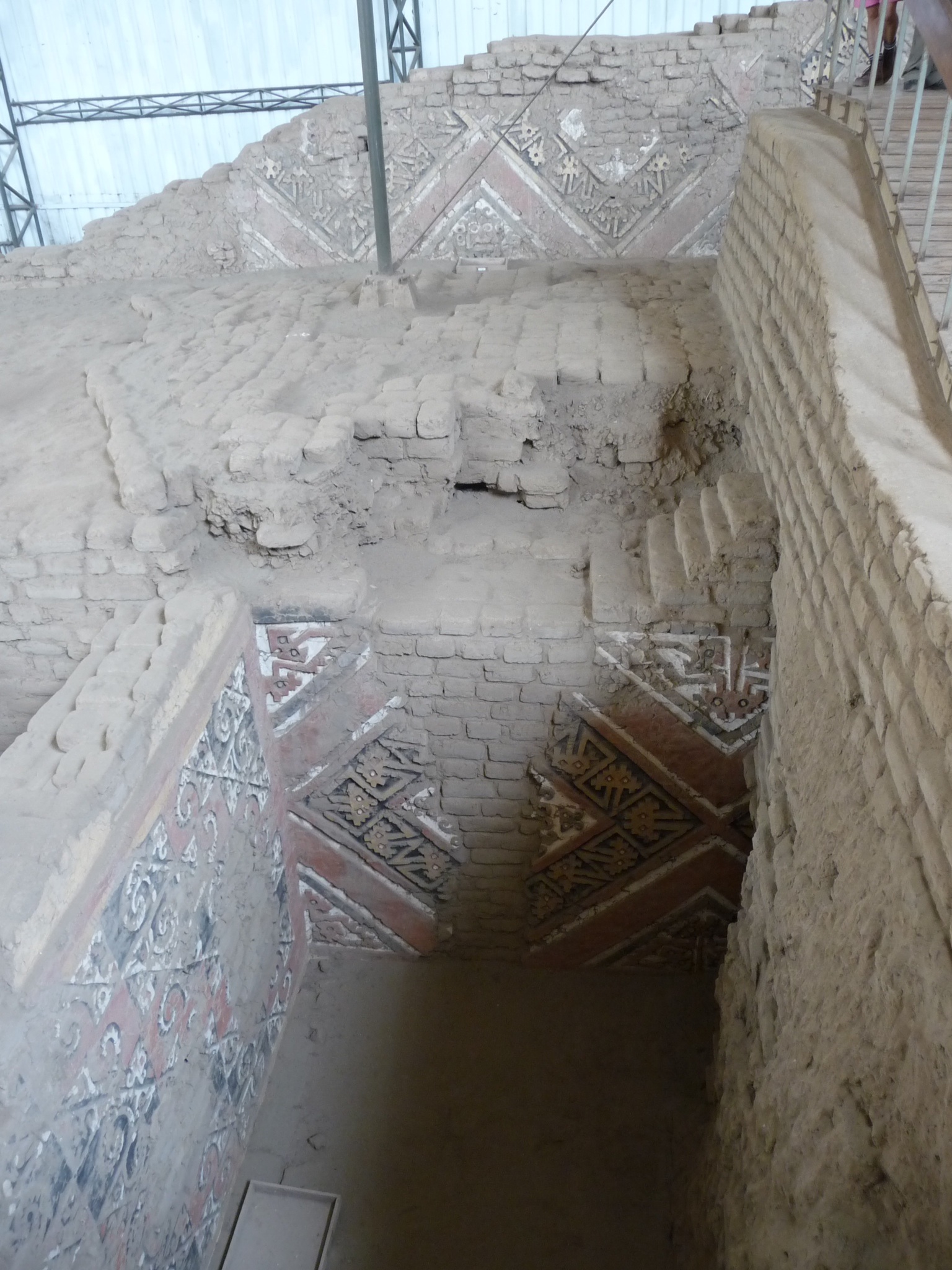
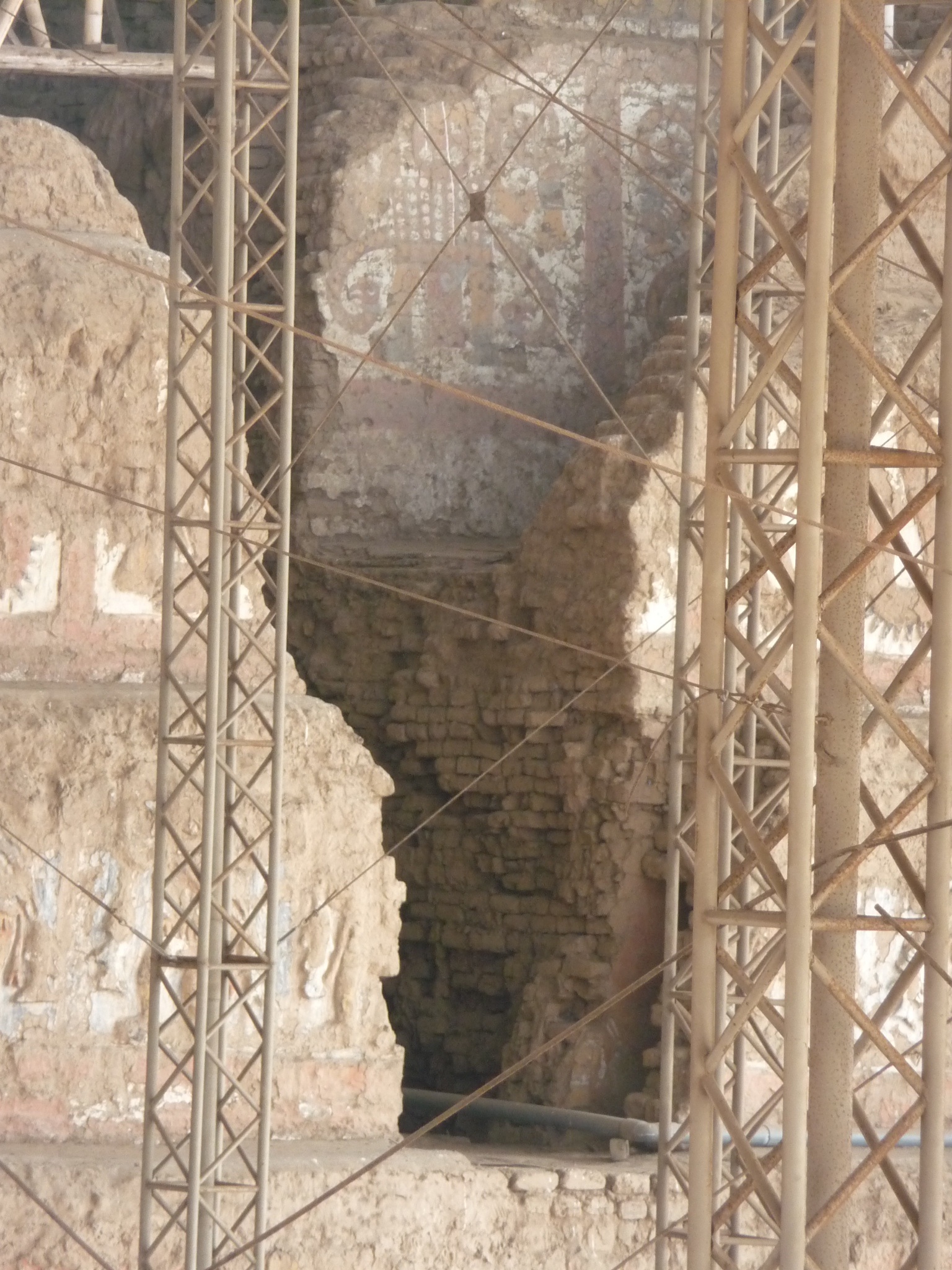
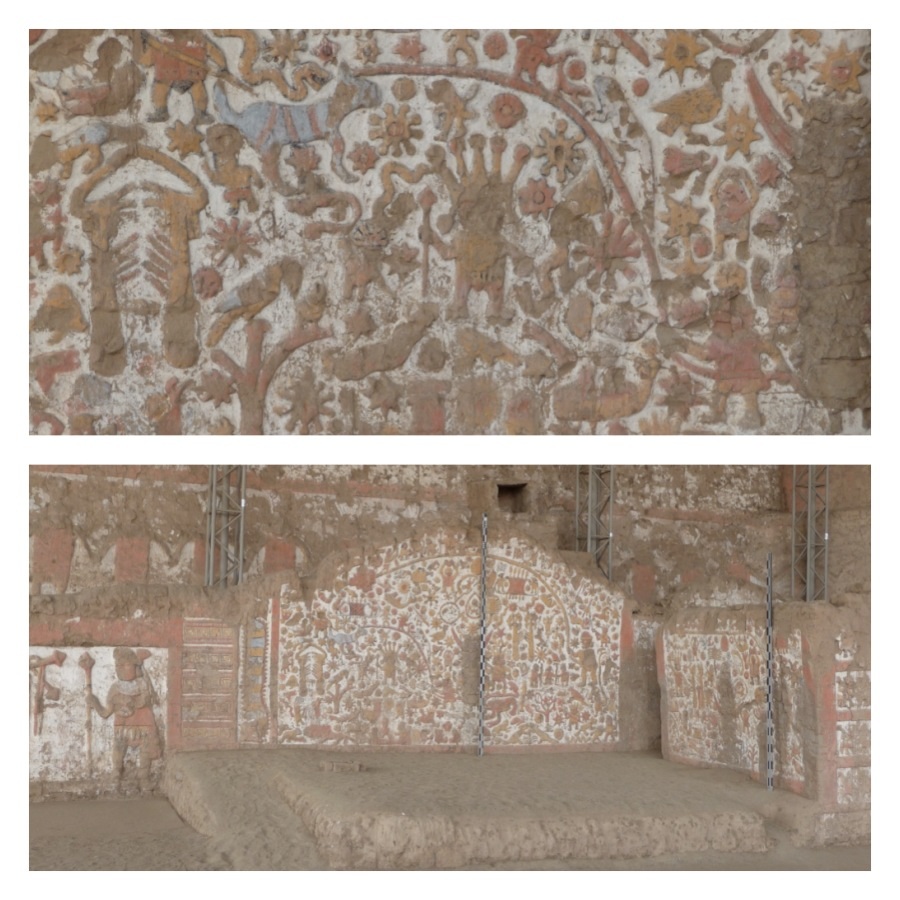
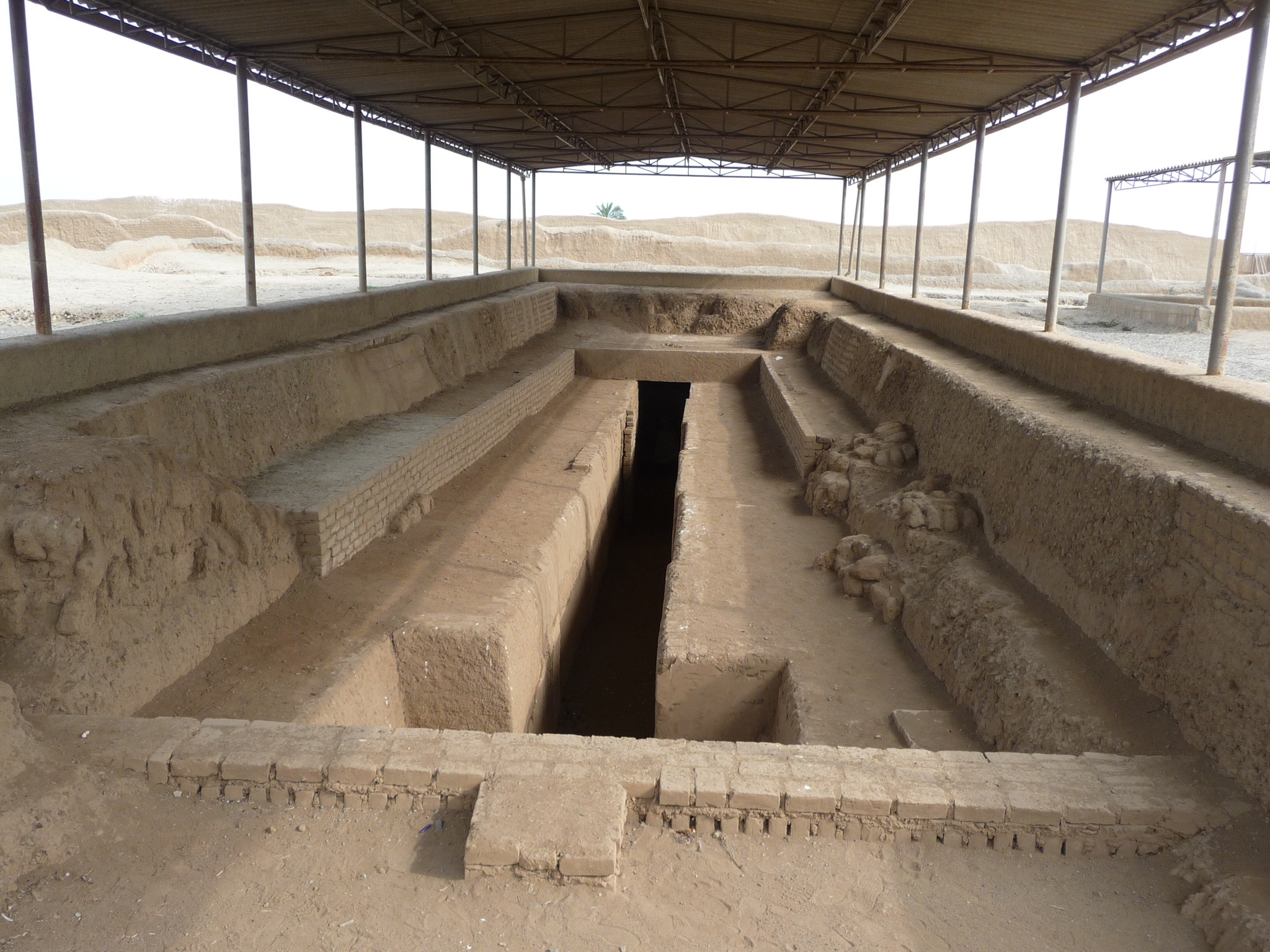
The Huaca was a moon temple of the Moche people who lived between 100AD and 800AD before integrating into the Chimu people. The site was found in 1990 and was excavated in 1995. More than 140 skeletons were found during the excavations leading the archeologists to believe that the site was used only for religious purposes and that one body was sacrificed to the mountain god every 25 years.
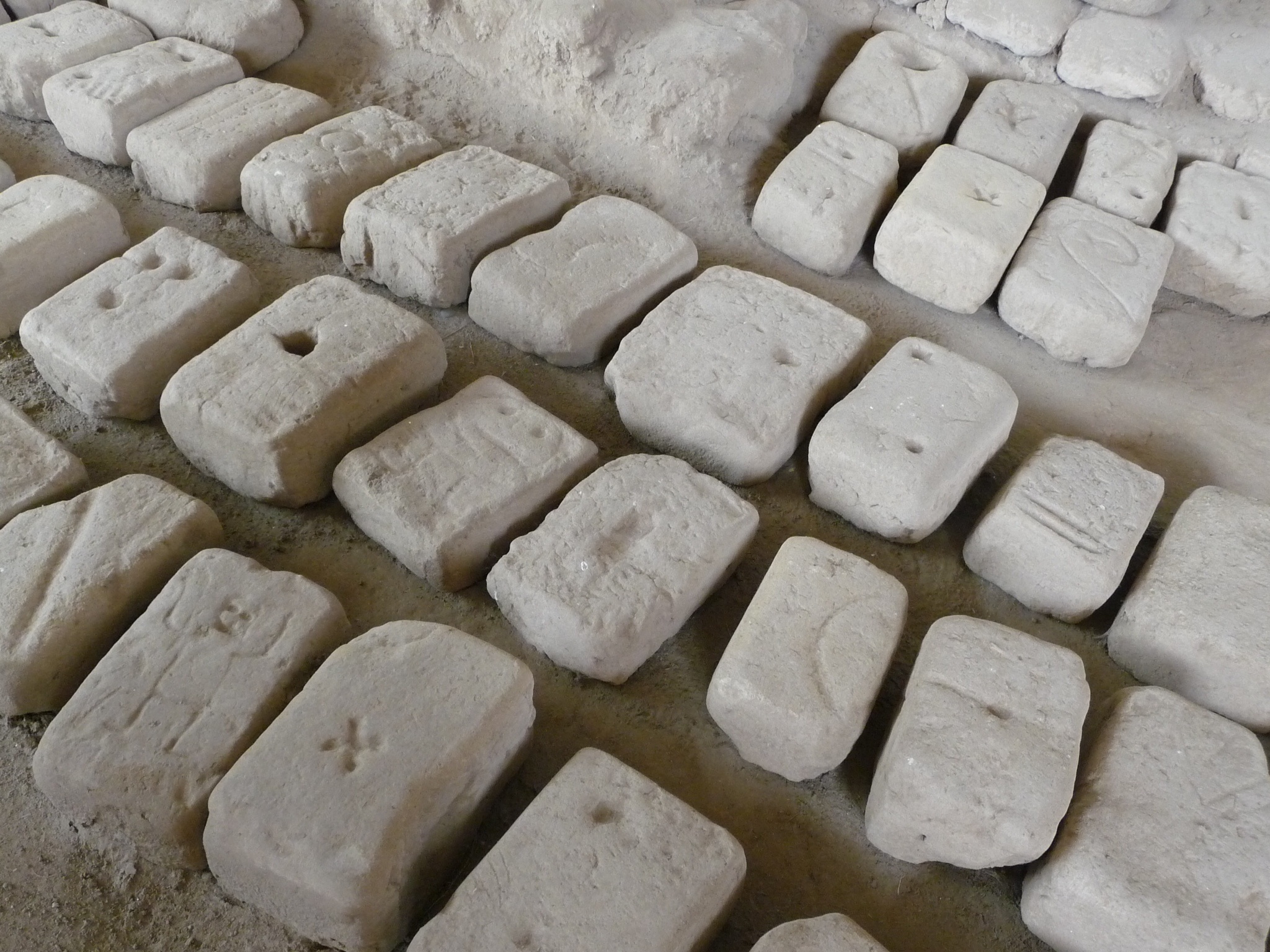
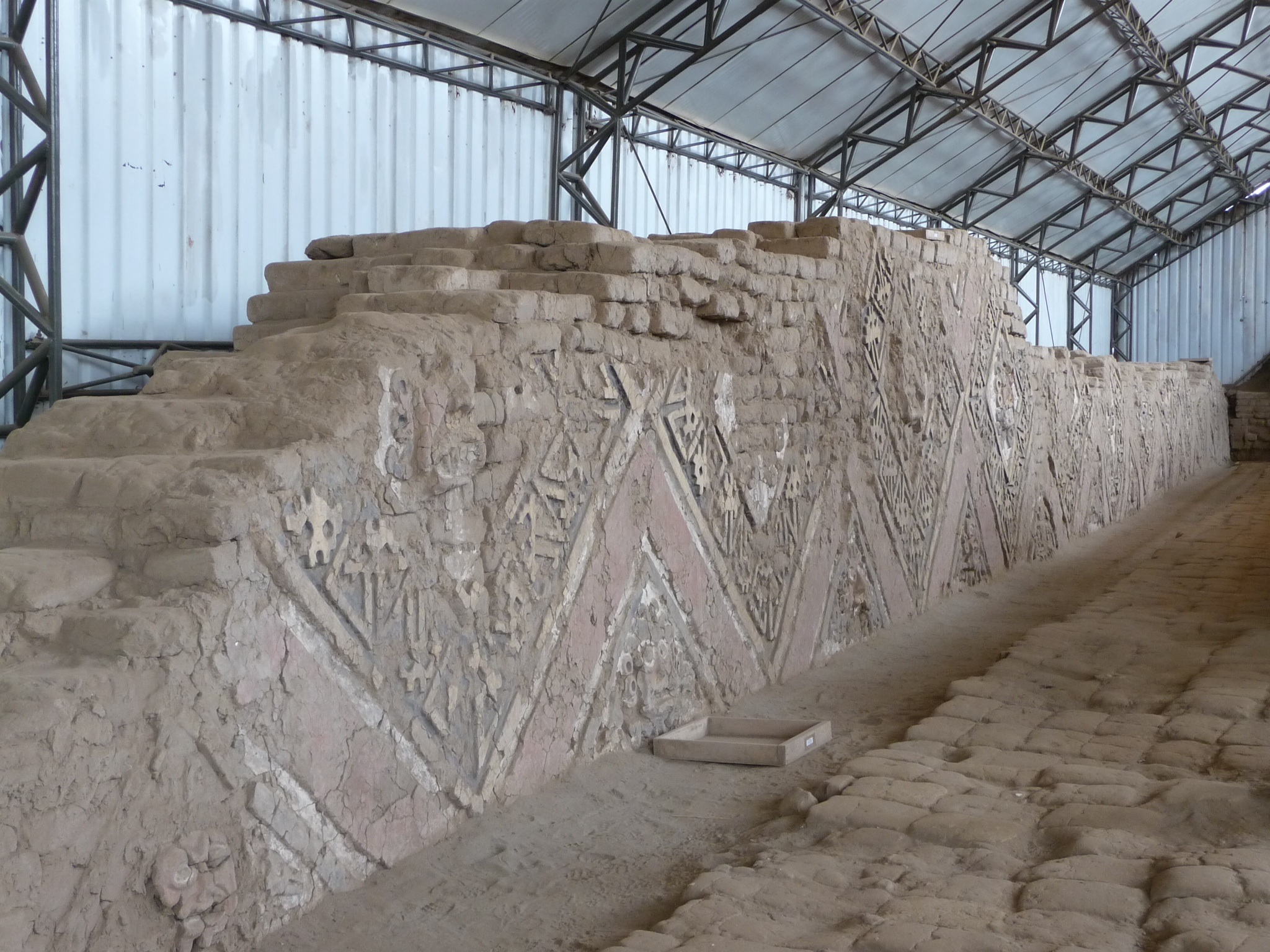
The temple is like a non-pointed pyramid of mud bricks that grew every 100 years when a new layer was added (a sacrifice was also given for each new layer). My photos show the third and fourth layers. The face (depicting the mountain god) didn’t change with each layer but the decoration around it did. Each layer made the structure stronger, confirmed by it never having been affected by the earthquakes that has disseminated so many other structures.  The temple faces north to preserve the colours on the walls from wind and rain damage.
From the moon temple we could see the sun temple, which was bigger than the moon temple until the spaniards built a river by it which destabilised the temple. The Chimu people then used it as a palace rather than a temple.
The temples had a melted chocolate look where the bricks had been exposed to large amounts of water.
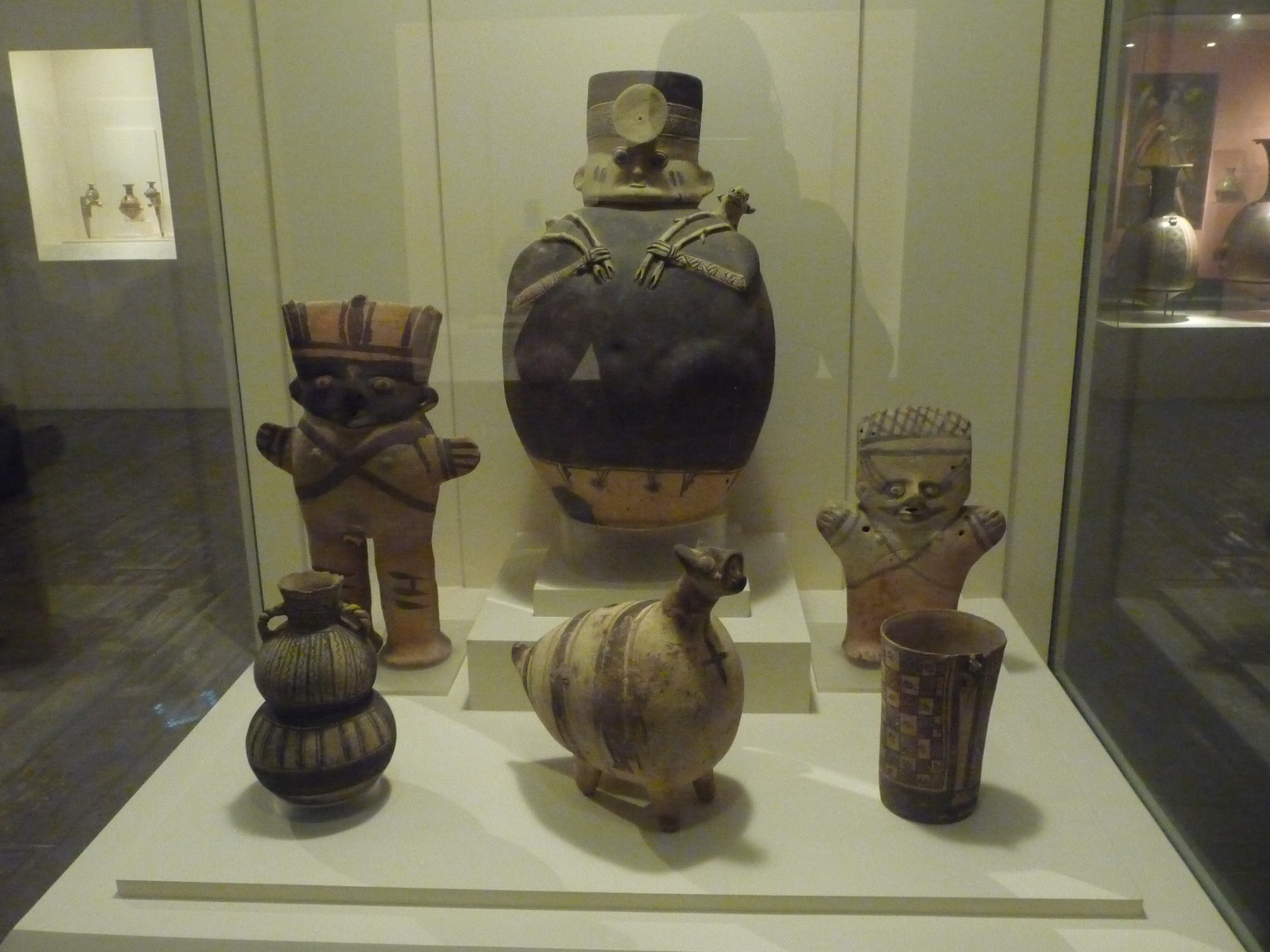
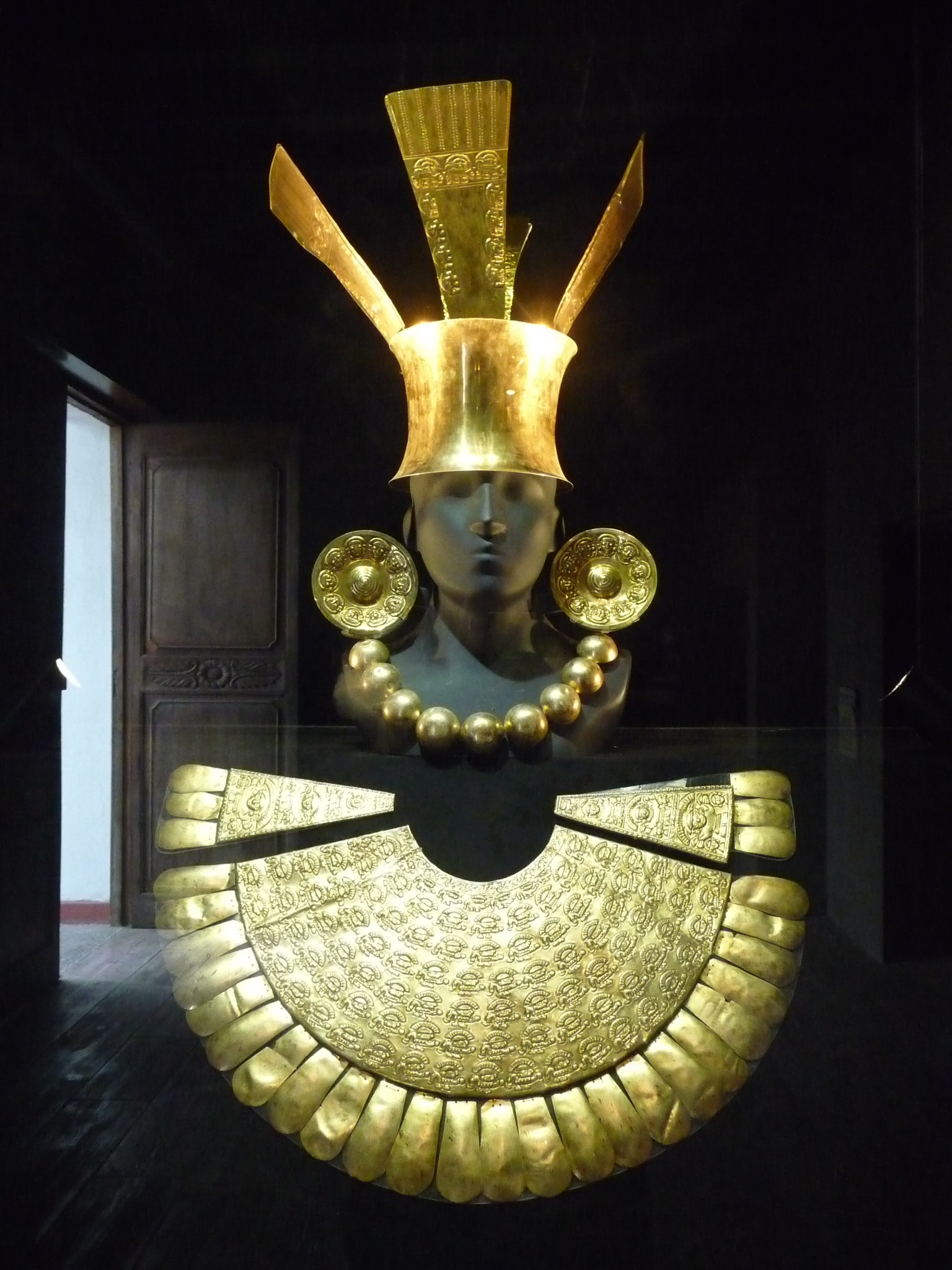
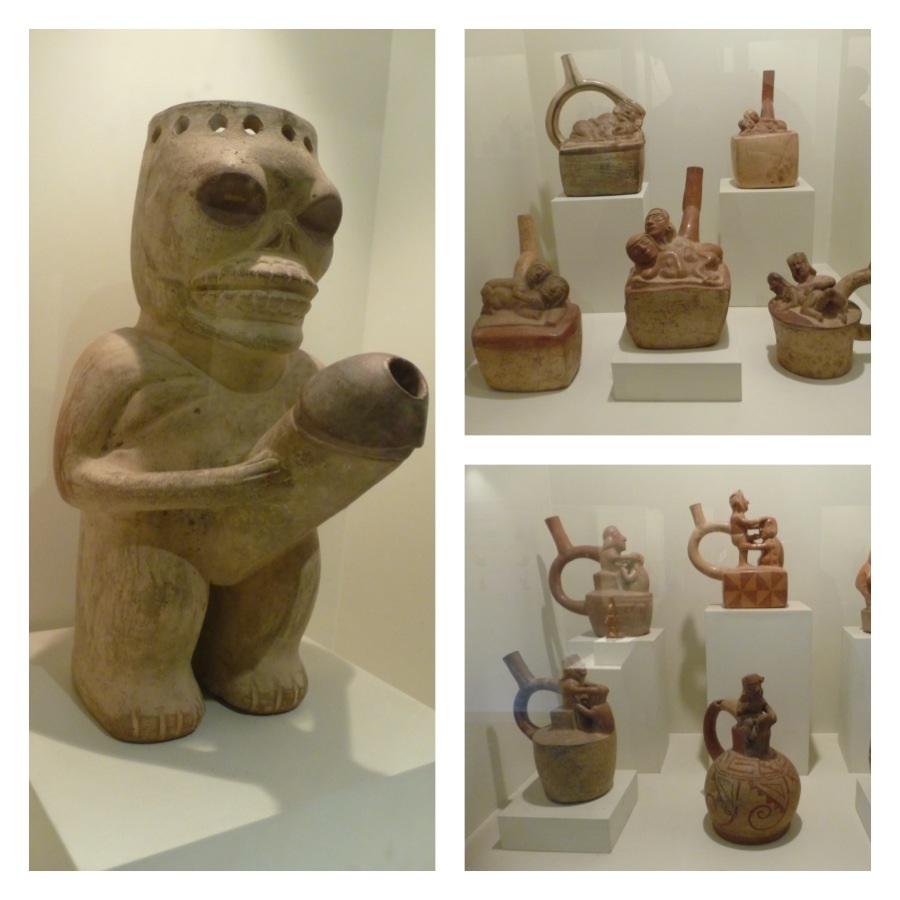
The museum of the Huacas had an extensive collection of relics (particularly pottery) found from the sites (after tomb raiders had taken all of the valuable items) which had helped piece together the lifestyle and rituals of these people.
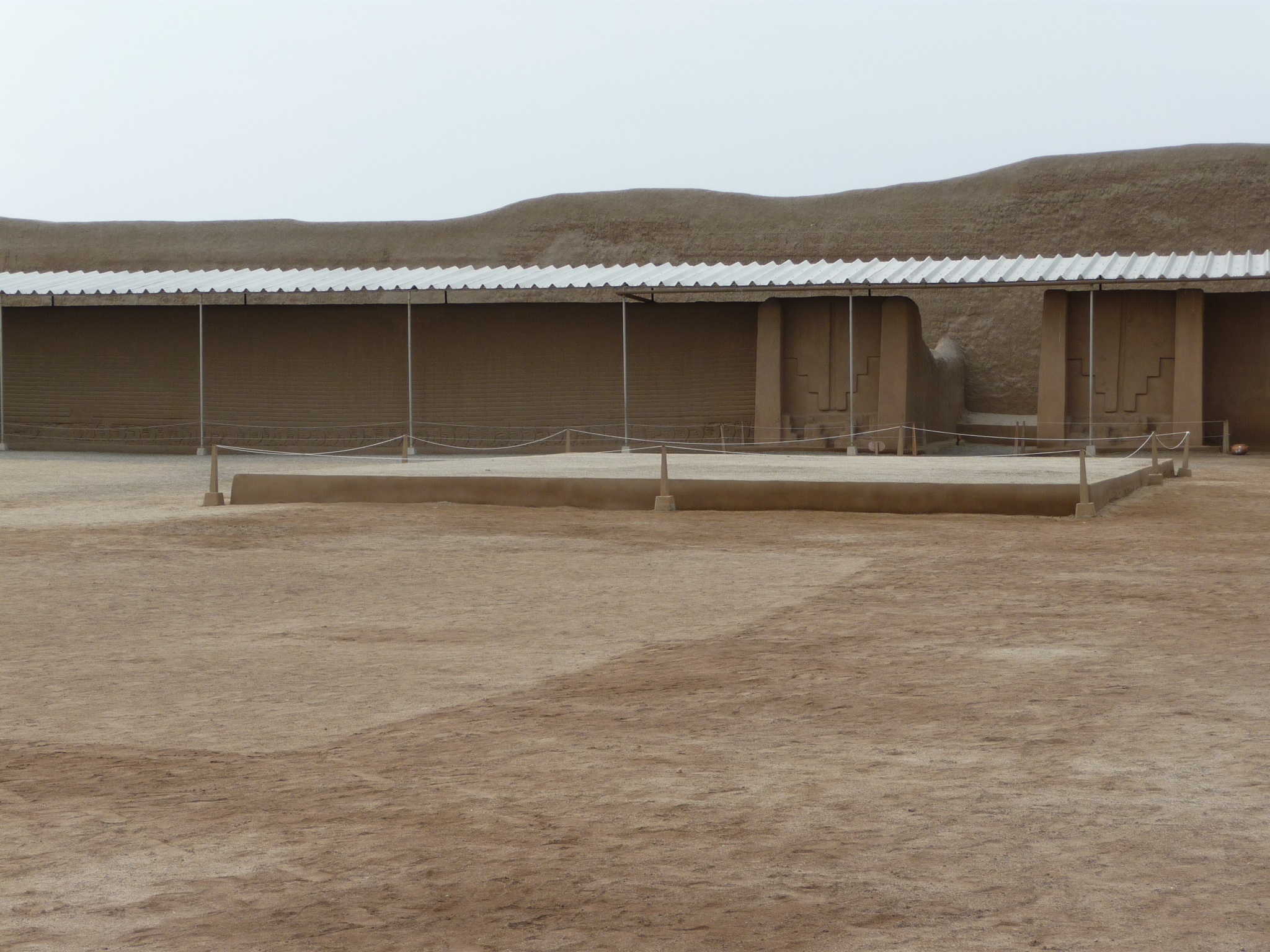
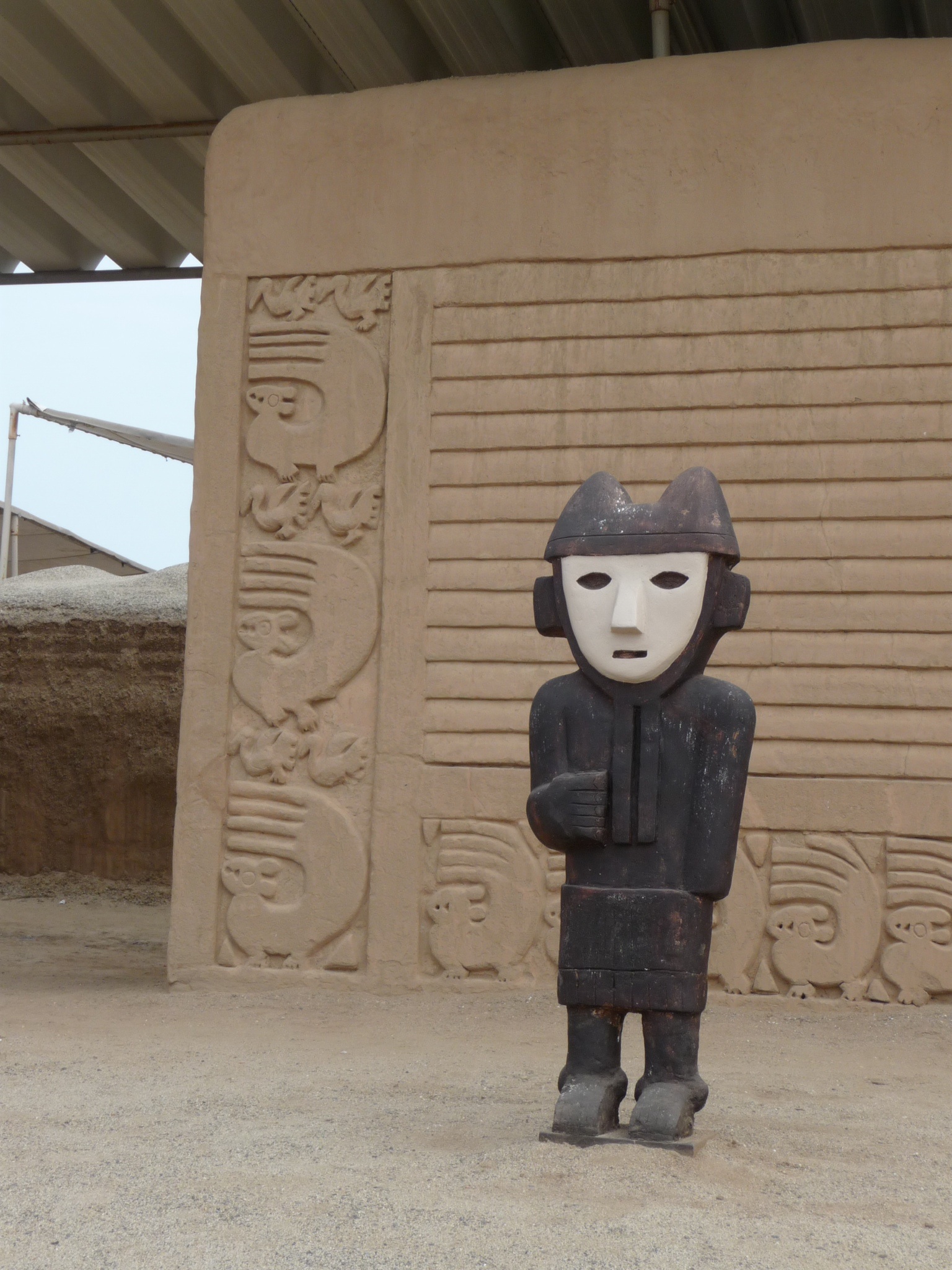
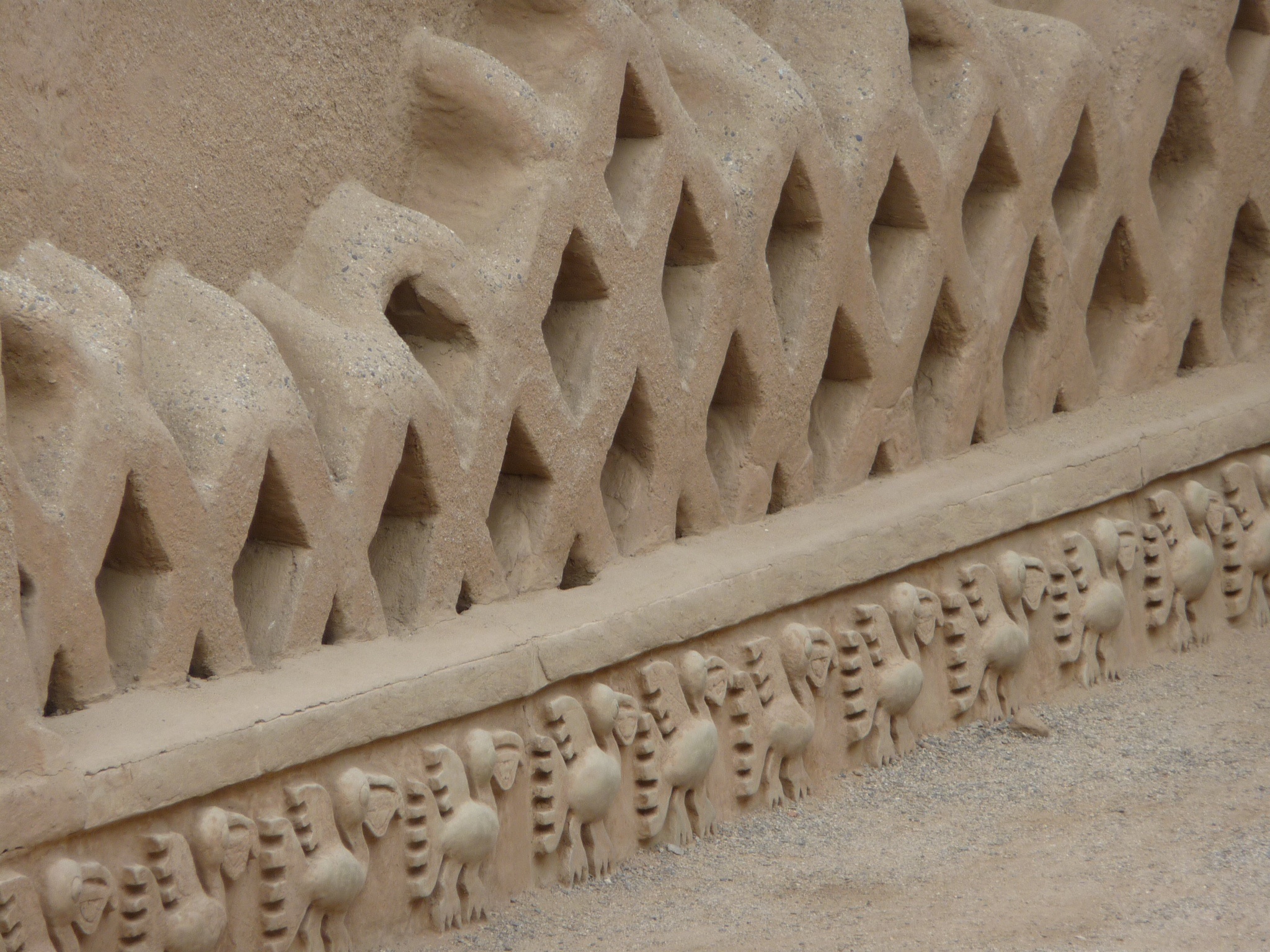
We were then off to Chan Chan. This adobe structure was used for ceremony only – it was the burial palace of the Chimu King (each palace housed just the one king mummy).  This king had his 600 wives buried with him (along with his servants). The mummy was brought out from its tomb once per year and displayed in the second plaza for the high society to pay their respects before it was displayed in the first plaza for the commoners. Interestingly it was only the first plaza that contained the decorative markings in the mud structure.
It was an impressive structure being 1km long and 500m wide with 12 metre walls surrounding it.  Don’t panic family, I’m still ok with the mausoleums I saw in Punta Arenas. There were 10 palaces, with the same layout and decorations in the precinct, for these kings who prevailed until the arrival of the incas in 1470.
The next bus ride was to Lima. This one was the most professional to date. Although the photographing of our faces once we were seated was a little disconcerting – for their manifesto in the event of an accident!  It felt like a rainy day spent at home in a Jason recliner watching movies.  I managed to score an upstairs front seat with two screens. One showing on-demand english subtitled films and the other showing the latest in the north Peruvian coast – a delightful way to spend the day!
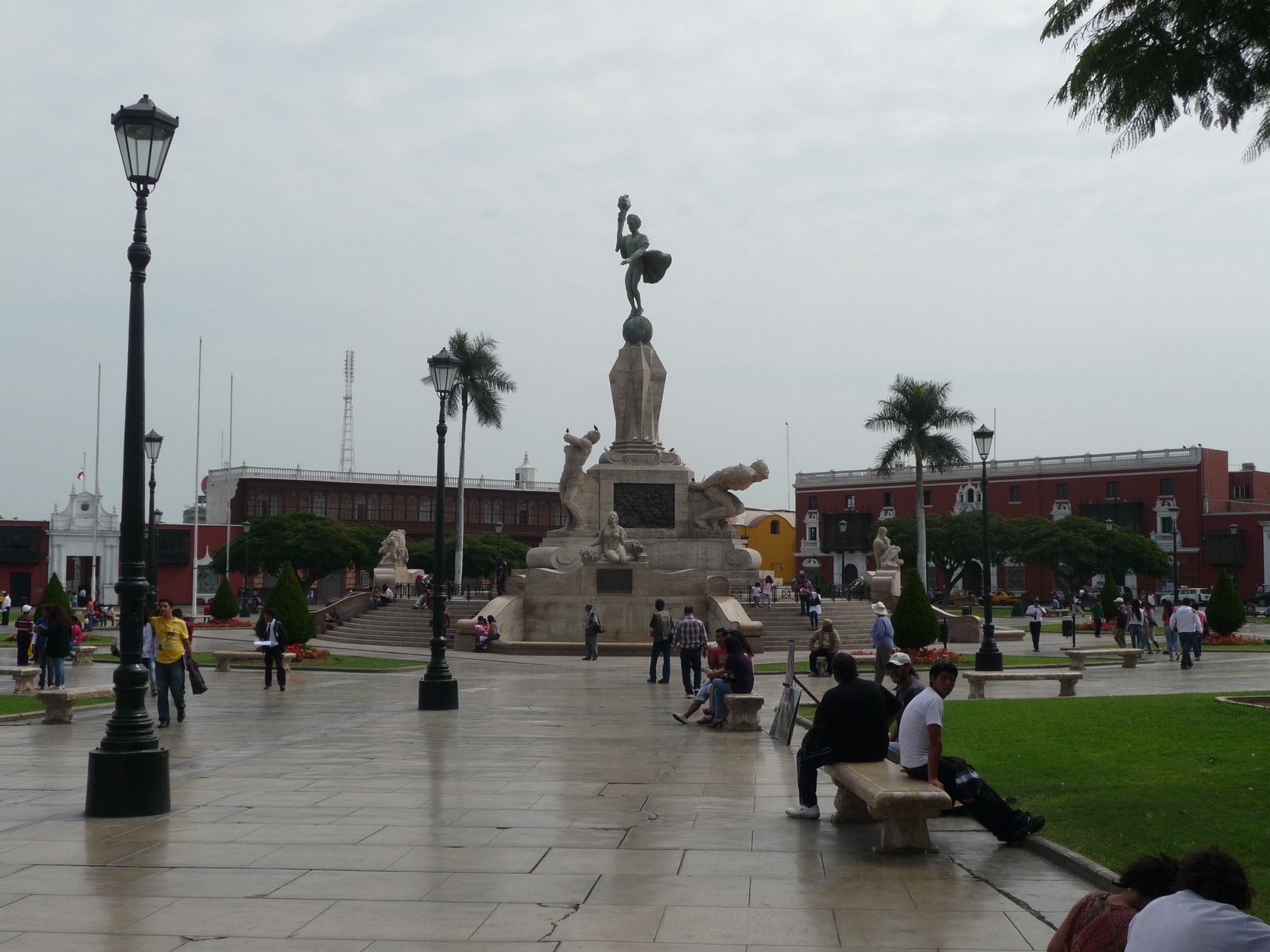
How to make your citizens remember important historical milestones?  Give the street names the date, eg 28 Julio Avenue; named for the independence of Peru by its liberator General José de San Martín.
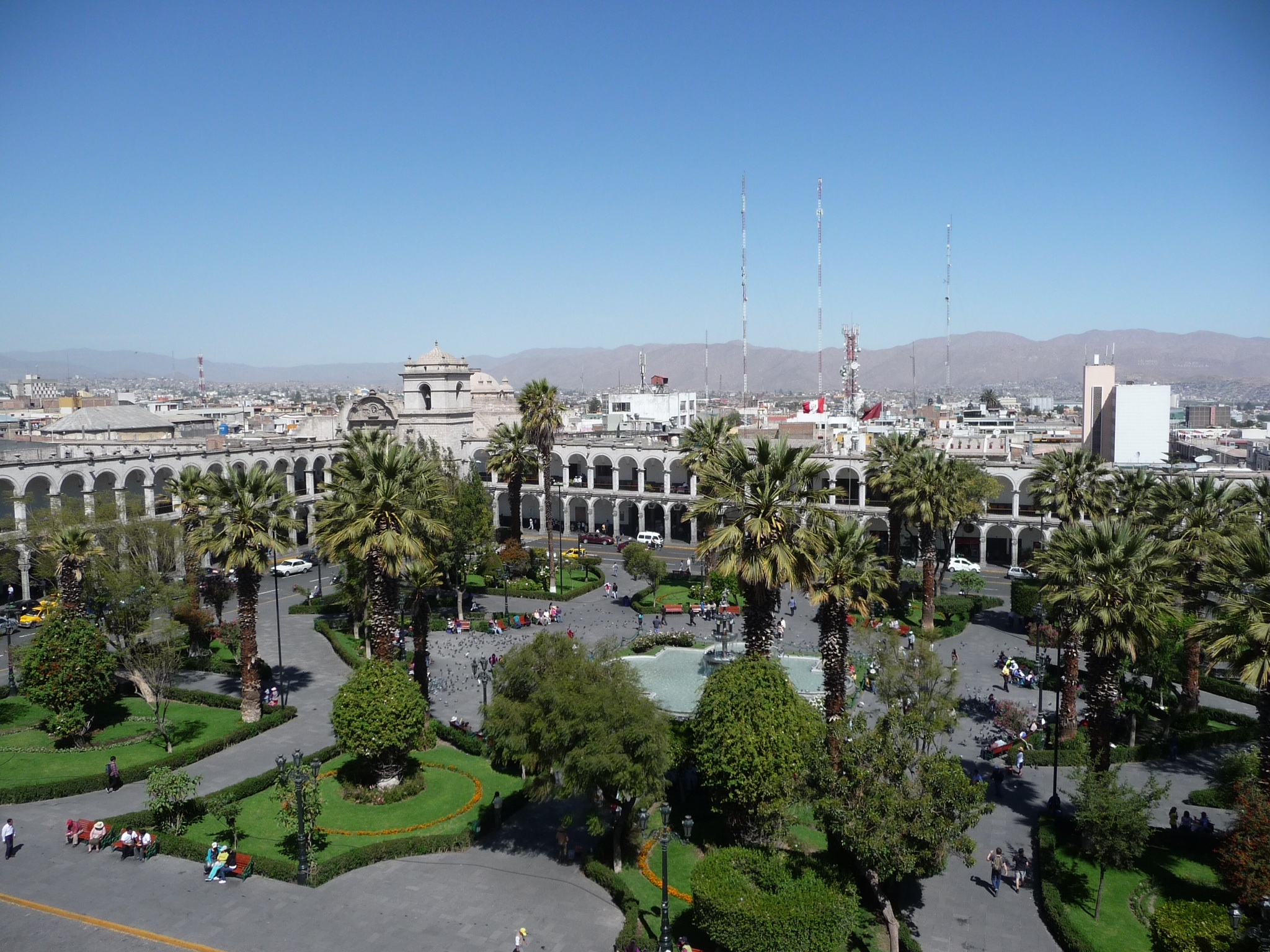
I went for a quick look at the main plaza, Plaza de Armas, after checking in. The streets were abuzz with people and the buildings surrounding the plaza were beautifully lit up.
Our full day in Lima was spent exploring the key local sites in our own groups. The first stop for Patrina, Monika and me was the Cathedral in the main square, the final resting place of a leader of the Spanish conquest, Fransisco Pizarro. Only the facade of the cathedral is original with the remainder having been rebuilt following earthquakes in the city.
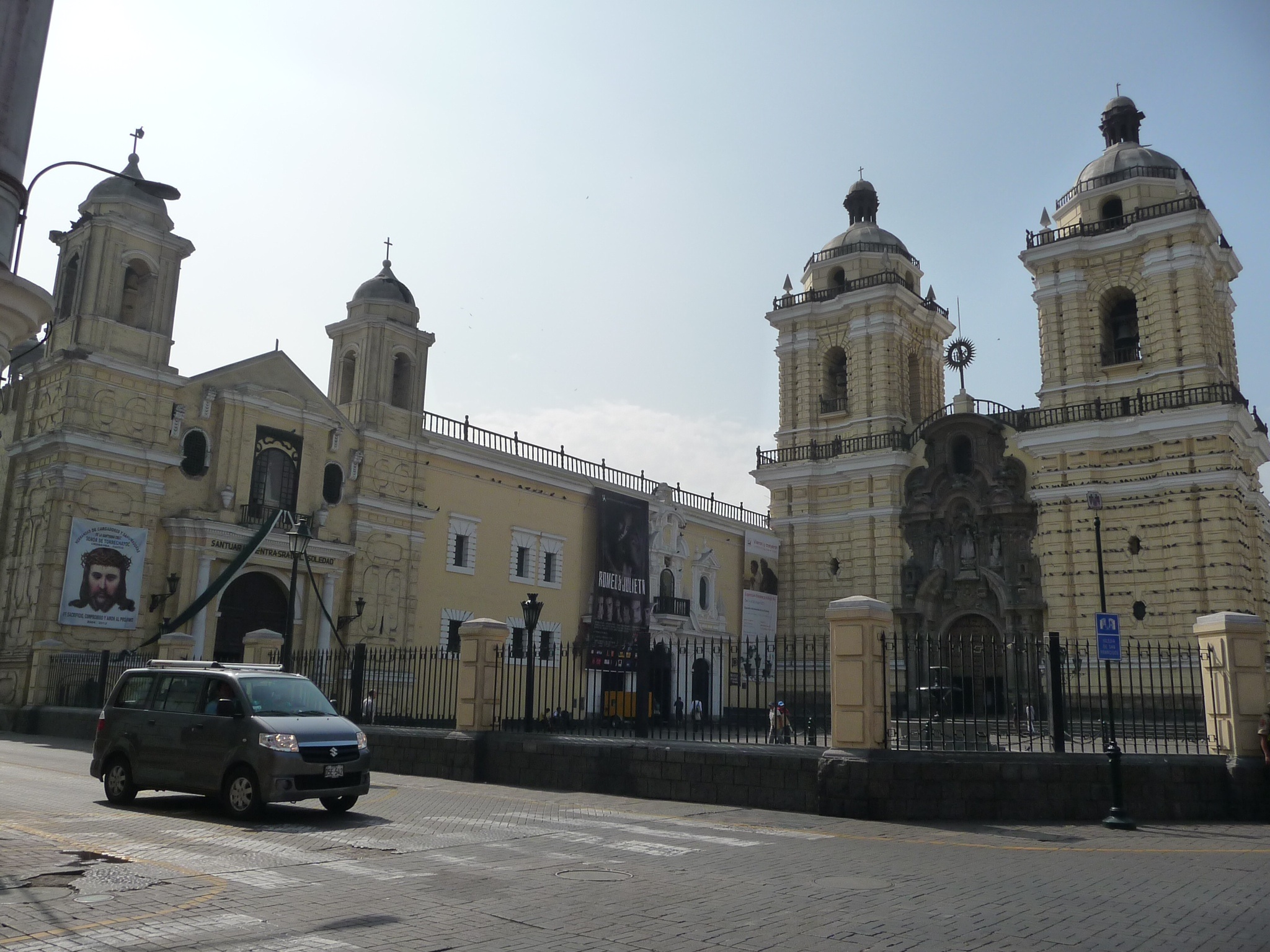
The next stop was the pidgeon clad San Fransisco Basilica. The Basilica was originally built in 1546 and then rebuilt in 1656 after it was destroyed by an earthquake. The library was beautiful with its huge leather bound texts and choir sheets with lamb skin pages – it was like something out of a Harry Potter movie. We took a visit through the 10 metre deep catacombs which are claimed to contain the remains of 25 000 people. The churches of Lima are said to all join through a labyrinth of tunnels – enabling the clergy to stay under the radar of the Spanish occupiers.
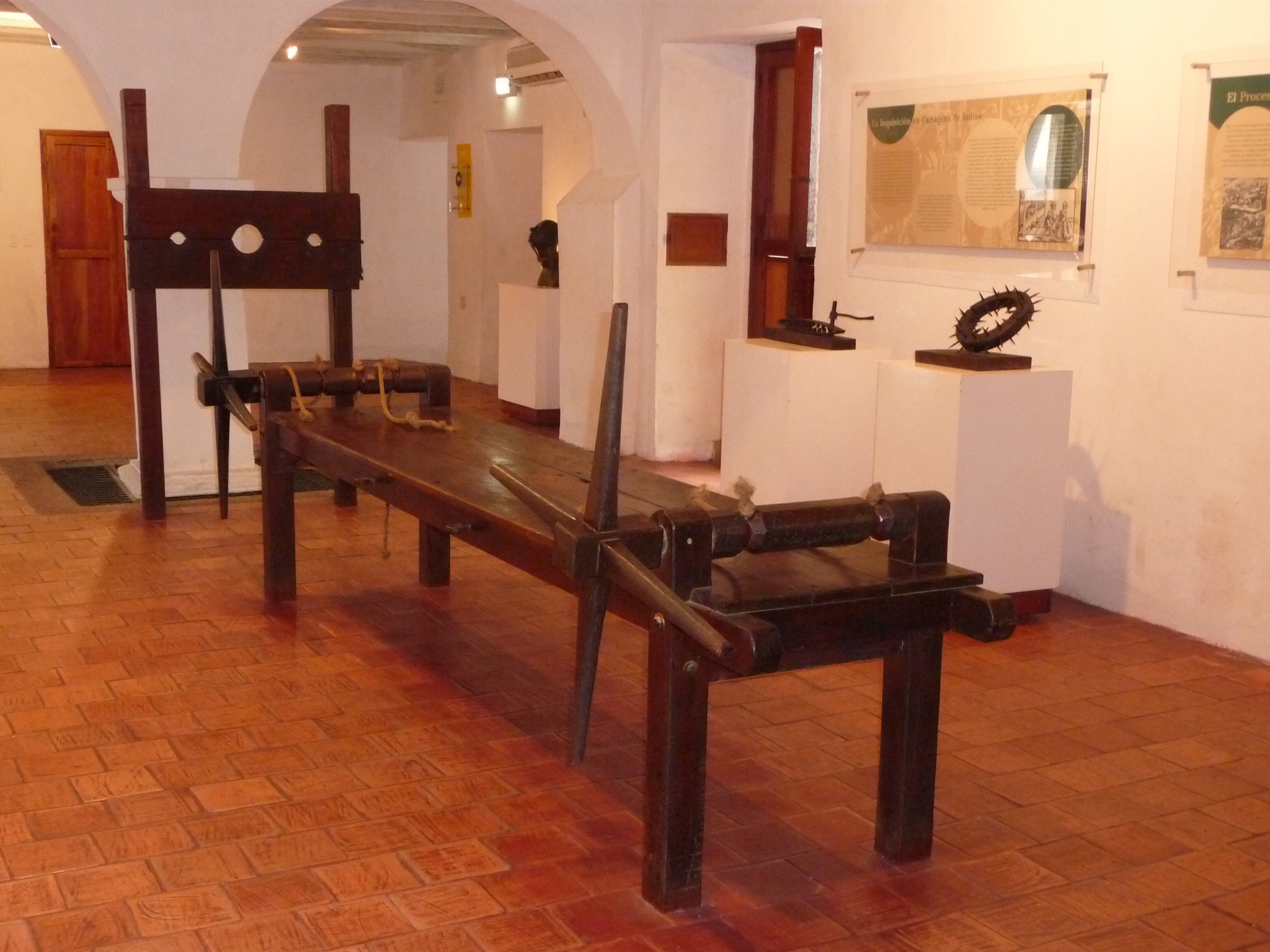
My visit to the Palace of the Inquisition was disappointing given the great display I’d seen in Cartegena; the Lima display was generally  just recreations.
We enjoyed lunch in the very busy Chinatown. It was a fun lunch with a new technique for translating being adopted – this time animal noises!  The waitress did a great pig and duck impersonation.
The rest of the day was spent at the Larco Herrera Museo with its fabulous collection of pottery and other artefacts (the separate erotic section was pretty funny) and then wandering the city enjoying the lovely colonial buildings with intricately carved timber balconies.
That night most of us headed off to the ‘Magic Water Park’, which displayed 15 fountains one of which had a pretty spectacular light show projected onto the water spray – it was quite magical. It was then back to the hotel. I’d had a pretty low key week so didn’t hesitate when Kristina invited Patrina and I to join her for Pisco Sours at Maury’s Bar (supposedly the place that the cocktail originated).
After a few and the arrival of Kristina’s colleague, Richard, we all felt that some dancing was in order so off we went to Miraflores – the hip part of town. We went to a great club with a Cuban band and worked on our salsa moves until the wee wee hours of the morning. Of course, before heading out,I had made the mistake of arranging a relatively early morning shopping trip to the Miraflores markets with Monika.  First time in years that I’ve craved a coke and meat pie!!!
With Shakyna and Rose leaving us we gained Alison and Denny from Wales, Isabella and Rosie from England and Megan from Australia (Megan being my new room buddy) who we met before loading onto our first bus to Pisco.
The smell when we jumped off the bus in Pisco was overpowering, turned out this town was a big exporter of guano – bird poo!  We were here to see the Ballestas Islands, known as the Peruvian Galápagos on a minor scale.
The little port town of Paracas was cute with the tourist boats filling the harbour. The first site to be seen during the boat trip was the cactus lines (also referred to as el candalaria) etched into the island dunes. It is speculated that the lines have been there since 400 BC (Paracas ancients – pre-inca) with many stories about their origin but all acknowledging that José de San Martín undoubtedly used them as a navigational tool when he arrived to free the Peruvians of the spaniards. San Martín was a free mason so there are also some suggestions that he may have commissioned them – candelabras being a feature of free mason symbolism – happy to be corrected by any closet free masons out there!  The area only receives 2mm of rain a year so there is no risk to the 59 metre wide lines disappearing.
It was then onto the islands for the wildlife viewing – more boobies!  There was a conglomeration of animals and birds sharing the space – sea lions, humbolt penguins, Peruvian boobies, inca terns, red legged cormorants and oyster catchers. All of the wildlife feeds off the abundance of anchovies and are non-migratory; sharing the space year round. The cormorants are said to be the biggest producers of the guano, which is collected from the island – what a job; the smell was something else!
We then drove to Huacachina, a little (and I mean little) oasis town surrounded by high white sand dunes. Some of the group went off in dune buggies to have a go at sand boarding. Preferring not to be coated in sand for the later bus ride, I headed to the regional museum with a couple of fellow travellers (I know – such a nerd).
The regional museum was small but very interesting as it contained a great collection of textiles, pottery, weapons and mummies from the various cultures – Paracas, Nascar, Wari,  Chincha and Incas. There were some interesting displays of head trepenation – a technique used to repair wounds involving skull penetrations; doctors ahead of their time. There was also examples of the head deformation that was done on high society babies – a form of skull binding, which helped create a long head. It’s still not know whether this practice caused any brain damage.
We were then onto Nascar. The reports in our guidebooks of accidents involving the planes providing the Nascar line viewing flights caused some discussion within the group but wasn’t enough to stop any of us from booking onto a flight. They use eight seater Cessnocks – you are each weighed for the flight and then placed within a group of six – getting an allocated seat to balance the plane.
It was a great experience – I was able to recognise all 12 of the symbols. They were first noticed in 1927 but it is believed they were etched into the plains between 500 BC and 500 AD. They’ve survived so long because the coast receives so little if not no rain. Their original purpose is still a mystery – a giant astronomical calendar, ceremonial centre or alien landing strip???  The same designs are prominent in the pottery and ceramics found from this period.  Maria Reiche, a German mathematician, was the eminent researcher on the Nascar Lines. She concluded just before her death in 1998 that they were part of a large astronomical chart used to communicate with the gods to secure water and blessings for the crops. Sounded more realistic to me than the alien theory.
The flight goes for just over half an hour. I don’t think I could have done any longer than that – the planes really tilt to give you the best views; with the wing becoming the pointer!  It gave us all an appreciation of what was ahead as we make our way to higher altitude over the coming days.
“I see dead people”, well at least I did that afternoon at the Chauchilla Cemetery. It was full of graves dating back to the Chincha period of 1000 AD to 1400 AD. Tomb raiders had taken all of the valuable stuff and left the mummies exposed to the elements – surprisingly you could still see the skin, nails and hair on some.
While packing up for our departure on an overnight bus to Arequipa we experienced a fairly long earth tremor prompting the hotel to advise us to keep the doors ajar so we wouldn’t get locked in if another struck – another town I felt very comfortable with leaving!!!
Arriving into Mañcora

Arriving into Mañcora

image

Please dad, can you build me one???

Please dad, can you build me one???

A chance meeting with Eva and Johannes

A chance meeting with Eva and Johannes

image

A bit of demolition work by the locals

A bit of demolition work by the locals

The drive to Huanachaco

The drive toHuanchaco

image

image

image

image

The pier of Huanachaco

The pier of Huanchaco

image

image

image

image

Goods from the local market

Goods from the local market

image

The mountain worshipped at Huaca de la Noche

The mountain worshipped at Huaca de la Noche

The hairless Peruvian dog hanging out at the Huaca

The hairless Peruvian dog hanging out at the Huaca

The sacrifice zone

The sacrifice zone

image

image

image

imageimage

image

image

image

image

Trujillo

Trujillo

image

Chan Chan

Chan Chan

image

image

image

image

image

image

image

image

Getting the most out of the transport

Getting the most out of the transport

The journey to Lima

The journey to Lima

image

image

image

imageimage

Plaza de las Armas by night

Plaza de las Armas by night

image

image

View from the Cathedral

View from the Cathedral

image

image

San Fransisco Basilica

San Fransisco Basilica

Chinatown mall

Chinatown mall

image

image

Collections from the Larco Herrera Museo

Collections from the Larco Herrera Museo

image

Chimu funerary costumes

Chimu funerary costumes

Left overs in storage!

Left overs in storage!

The erotica section!

The erotica section!

VD is obviously nothing new!

VD is obviously nothing new!

The magic water park

The magic water park

Kristina on Pisco sour collection duty!

Kristina on Pisco sour collection duty!

...and the Cuban band goes off

…and the Cuban band goes off

Getting around in Pisco

Getting around in Pisco

The port town of Paracas

The port town of Paracas

Heading out to the Ballestas Islands

Heading out to the Ballestas Islands

La Candelaria

La Candelaria

Ballestas Islands

Ballestas Islands

image

image

image

image

image

image

image

image

image

image

Haucachina

Haucachina

Not a massage salon in sight!

Not a massage salon in sight!

The Nascar lines

The Nasca lines

imageimageimageimage

image

Mummy at Chauchilla Cemetery

Mummy at Chauchilla Cemetery

image

image

image

pimage

image

A family grave

A family grave

image

image

The world's largest sand dune (according to the Peruvians)

The world’s largest sand dune (according to the Peruvians)

image

Posted in Uncategorized | 2 Comments

Ecuador – a taster of things to come!

I was feeling a little weary after the Galápagos cruise. It was a long journey back into my accommodation in Quito for the briefing on my next tour, which will take me from Quito through to Rio de Janeiro. The length was due in part from the rain but mostly the peak hour of my travel. The traffic in Quito is to date the worst I’ve seen in South America.
The English were featuring strongly in this group with Priscilla,  Colin, Shikyna, Rose, Helen, Virginia and Martin from England. Sophie and Rod were from Canada and the rest were from Australia – Judy, Monica and Patrina.  All were doing some part of the larger tour I was doing – others would be joining me along the way.  Cristina, our Peruvian tour leader, being the only one that would be going the full distance.
Our tour started with a night in Otavalo; reached by public bus. The visit was promised to provide us with an opportunity to walk around Quicocche Volcan (the name linked to the local guinea pigs – a staple for the locals), visit some village artisans and to be there for the Saturday market, well known for its size and diversity of Artisan products for sale.
Not a great start. First we got to the national park just as a thunder storm hit. We aborted the plan for a walk around the lake deciding to head straight to Cotacachi for a look in a leather shop. Just as we walked in the door the lights went out – power outage!  With the experience to date, the guide’s offer to then take us to a textile and instrument maker (at Carabuela and Peguche respectively) was not floating the boat of some of our group – they were taken back to Otavalo while the rest of us saw the humour in the situation and continued on.  The textile and, particularly, instrument making demonstrations were actually very good so I was glad that I stuck it out.
I enjoyed a nice night out with Cristina, hearing about her life growing up and living as a woman in Peru.
The morning was devoted to shopping at the legendary Otavalo markets. The handicrafts were lovely but I was reluctant to add any weight to my pack so concentrated on enjoying the market food (no doubt adding some weight to me)!  From whole deep fried fish to salted green mango, crunchy roasted maize and the doughnuts – delicious.
We arrived back into Quito in the afternoon, affording me just enough time to get a view of La Basílica del Voto Nacional (modelled on Notre-Dame) and to visit the lovely Iglesia San Fransisco (which took over 100 years to build after construction commenced in 1535) and Plaza de la Independencia. This is certainly a city of grand churches with their lovely detailed hand carved facades.  Quito was founded in 1534 and was the first city to receive a UNESCO World Heritage listing (1978) which gives you an appreciation of the extent of the colonial city’s preservation and restoration.
It was an early morning bus departure out to the Napo River area for our first venture into the Amazon jungle.  The bus ride was an adventure in itself – if we weren’t winding through the mist in the mountains we were belting around the bends at 100 miles an hour.  When our 4WD taxis arrived we knew we had reached jungle territory.
Our first excursion in the Napo was into the jungle for a hike. Our guide Sergio (nicknamed Tyson because of his build) gave us a great explanation of how the indigenous communities used the various plants and animals in day to day life. The hike was quite a contrast from those in Patagonia – only 2 hours but we walked in gum boots through streams and amongst dense jungle and we certainly didn’t get to eat lemon ants in Patagonia!
We made the most of the next day with a ride down the Anzo River on truck tyre tubes (the rapids were pretty tame so only a couple of spills) to our destination of the Santa Monica village. Here we received some information on the local community from the kitchen of the first resident of the village – Monica who is now 76. Tyson cooked us a great meal, on the indoor fire pit, of steamed fish in banana leaf along with palmwood worm kebabs (the fat in the worm once busted made it taste like bacon) – felt a little guilty watching it squirm as it was threaded onto the roasting stick.
We tubed further down the river to get our transport back to the lodge; trying to spot the monkeys in the trees.
I broke my one week alcohol fast that night to have a small taste of some mulled wine that the local guys had made – worth revisiting in a few days!
The next day we headed for the river again, this time to take a boat down to Museo Sacha Samay – an indigenous museum where we got to see some of the traps still used today by the indigenous communities when hunting for food. We also got to test out our skills on a blow gun. I didn’t do too bad – hitting the tree on both goes but not the target.  I was fascinated by the birthing technique/tools used – a type of swing that the women hold onto while kneeling and then a slice of bamboo to cut the chord and some twine made from the local vines to tie it off. Given 70% of the women chose the community birth over a clinic birth i concluded they could definitely do with some of the Zonta birthing kits!
On the way back we visited Amazoonico, a centre, run entirely by volunteers from South America and around the world, set up by a Swiss woman and Quitan man to assist injured or domesticated jungle animals no longer wanted.  The goal is to assimilate the animals back into the wild or to give them a simulated environment in the Centre if they are not likely to survive if released into the wild. The Centre has an area of 1 700 hectares available for its work. Sadly a third of the animals die soon after arrival (too sick or injured) and only a third manage to make it back into the wild. I admired the volunteers who commit time to this cause – it’s long days for them and extremely hot in the dense jungle. I saw some animals I never new existed and I obviously avoided the anaconda cage!
On the way home we saw a number of locals panning for gold and net fishing in the river and we stopped off in Mushualli where it seems the little monkeys have taken over the town.  Another stormy night to farewell us from the jungle – thankfully it had been reasonably good weather during the days.
It was then off to Baños; no, not the toilet – the place!  Banos is famed for its active volcano, waterfalls, thermal springs and spas….my kind of town! It was small with the neo-gothic style church, Church of the Virgin of the Holy Water – a reference to apparent sightings of her at the nearby waterfall – providing the central point of reference. It is claimed that the Church is the only building to have survived the volcano eruptions that have flattened the rest of the town.  The inside of the Church displayed paintings illustrating this ‘miracle’.
Cristina and I went out the first night for a little salsa. We were in luck as the bar was rather empty so two of the bar tenders grabbed us for a dance – wonderful to finally dance salsa in a bar – I was twirled and dipped until I nearly passed out…a lot of fun!
Unfortunately I had to forgo the morning bicycle trip I’d arranged to see the waterfalls – seems ‘baños’ was to have both meanings feature prominently  during my stay.
Later in the day I booked myself onto a chivas (open air bus with loud music) for a more relaxed (???) visit to the waterfalls. The chivas stopped along the way at the various waterfalls to give passengers the chance to zip line/cable car across the valleys. I could see the appeal at a very low $10 but chose the sedate cable car option!  I did the short walk into the last of the waterfalls at River Verde crossing a suspended bridge and winding down some steps for a spectacular view of the water bursting over the rocks.
Still feeling a little fragile on day two in Baños I felt compelled to book myself in for some spa treatments – wonderful. Finished off the day with a salsa lesson to learn what I should actually be doing during those spins – turns out nothing if you’re with an experienced lead, you just hold on and twirl and twirl!
It had been an interesting town to visit but I must admit I was pleased to say farewell. The rumblings of the active volcano, Tungurahua, directly above us put me on guard constantly. Before going to sleep each night I strategically placed my thongs, wallet and jacket for a quick getaway (not a joke!). The last lava explosion of the volcano had been in December.  It’s a small town which is said to take 20 minutes to evacuate (I’ve been in work buildings that have taken longer than that).  On our last night it managed  a significant blast of ash plume to rise to an elevation of nine kilometres. It lasted almost a minute, needless to say we all reported waking from it and listening out for the evacuation siren and being pleased to know we were leaving it behind.
A long bus trip to Cuenca, another world heritage listed colonial town of Ecuador. I was grateful for the company of The Mountain Goats, Missy, The Medics and Moby – time to move on from ‘m’ me thinks!
Cuenca had cobblestone roads and contained a lovely plaza surrounded by the old and new cathedrals – Catedral Vieja and Catedral Nueva.  The construction of the old cathedral commenced in 1557 and used some of the stones from the local inca ruins. The new cathedral is modelled on the baptistery in Florence.
I chose to spend our free day to visit Ingapirca with some of my travel buddies. A two hour journey and we arrived at the largest archeological site of inca ruins in Ecuador – excavated in 1966. The site was originally created by the pre-colombian Cañari people but the Incas arrived around 1470 and sent all of the Cañari men off to Cuzco (Peru) while they integrated with the Cañari women. Hence the site has a mixture of the two architecture and religious characteristics.
What is believed to be an Incan sun temple was the most prominent feature of the relatively small site, which is surrounded by the very cleverly constructed inca wall – a type of pointing of each stone using heat (to expand and contract the stone) and divots enabling the wall to be constructed without the need for any mortar.  The stones were volcanic that must have contained some copper given its green tinge.
We negotiate the local buses back to see some more of Cuenca but unfortunately being Sunday (and no doubt partly due to Mother’s Day) the museums were all closed so I just wandered around the town and enjoyed the lovely buildings.
The local Indians are delightful; always beaming a big smile back your way. They’re very short with the women wearing gorgeously bright skirts and blouses and almost always carrying a load in the blanket wrapped around their back – sometimes groceries but more often than not a sleeping toddler.  I’m cursing I lost some great photos of them due to incorrect camera setting but they’re locked away in my memory.
So, here I am farewelling Ecuador at the end of week eight. I must say Ecuador is a country taller in stature than its people but just as colourful!  I’ve enjoyed a large craft market, the Amazon and inca ruins… all of which are coming on a grander scale as I venture on to Peru and then Bolivia.  It has been rather strange being back in a tour group – I kind of miss the exhilaration of finding my own way.
Otavalo

Otavalo

Quicocche Volcano

Quicocche Volcano

image

Textile demonstration in Carabuela

Textile demonstration in Carabuela

Local instrument makers in Peguche

Local instrument makers in Peguche

Markets are divided into sections for crafts, fresh food for dining and produce

Markets are divided into sections for crafts, fresh food for dining and produce

Orderly chaos at the Otavalo bus station

Orderly chaos at the Otavalo bus station

San Fransisco church and convent, Quito

San Fransisco church and convent, Quito

image

image

image

image

image

image

image

Plaza de la Independencia

Plaza de la Independencia

image

The Basilica, Quito

The Basilica, Quito

The trek into the Amazon, Napo River area

The trek into the Amazon, Napo River area

image

image

A frog with a lethal poison off its skin

A frog with a lethal poison off its skin

image

image

Tyson preparing some palmwood worm kebabs

Tyson preparing some palmwood worm kebabs

image

image

Bon appétit!

Bon appétit!

I wanted a butterfly but Tyson insisted I was more a palm tree by the river kind of a girl!

I wanted a butterfly but Tyson insisted I was more a palm tree by the river kind of a girl!

image

Boat trip down the Anzo River

Boat trip down the Anzo River

Demonstration on the hunting traps

Demonstration on the hunting traps

Interesting use of a gun!

Interesting use of a gun!

The natives' birthing kit

The natives’ birthing kit

Invading the kids' local swimming spot!

Invading the kids’ local swimming spot!

Wildlife at Amazoonica

Wildlife at Amazoonica

image

image

image

image

image

Cheeky monkeys at Mishualli

Cheeky monkeys at Mishualli

image

Baños

Baños

image

image

Paintings of the 'miracles'

Paintings of the ‘miracles’

image

The waterfalls visited on the chiva

The waterfalls visited on the chiva

image

image

image

image

image

image

En route to Cuenca

En route to Cuenca

image

Flower markets on the eve of Mother's Day

Flower markets on the eve of Mother’s Day

Ingapirca archeological site

Ingapirca archeological site

The sun temple

The sun temple

image

The Incas and Cañari enjoyed the hallucinogenic properties of the trumpet flower

The Incas and Cañari enjoyed the hallucinogenic properties of the trumpet flower

Cuenca by night

Cuenca by night

The journey out of Cuenca to the Peruvian border

The journey out of Cuenca to the Peruvian border

image

image

image


Posted in Uncategorized | Leave a comment

Galápagos Islands – almost too surreal for words

A smooth arrival into Quito; the nerves of arriving into a new country long gone.  This time I was the only passenger, other than those with pets, who was sent through without any X-ray of my baggage. I think the guy may have felt sorry for me when he saw the size of my backpack.
I literally arrived into Quito in the dark and left in the dark. My airbnb hosts, Bill and Rodolfo, were extremely helpful with my short turnaround; accompanying me down the street to get some US cash from the ATM and organising my early morning taxi back to the airport.
The flight across to our arrival point for the Galápagos Islands (Baltra Island) required a short stop in Guayaquil before landing onto the Island. Once all the flights of guests arrived onto Baltra Island we headed for our home for the next eight days, Floreana Yacht.  I had to laugh when we received our instruction to get onto the boat, to which we all headed for the timber ferry-like boat only to be told “no please, that’s not ours” and to then see our zodiacs appear from around the back of the ferries.  It was then clear that ours was more the Sea Princess than the Queen Victoria!
Floreana was small, compared to other yachts anchored nearby, but very comfortable for our small passenger group of 12, which comprised of Kristina and Willie from Switzerland, Johannes and Eva from Austria, Digna and Wiebe from the Netherlands, Jason and Stefan from the States, Diane from England, Wasi from India, Melissa from the Galápagos (her Dad is one of the owners of the yacht) and fellow Australian Marcus. Covered sun lounges for afternoon cervecas check, deck suitable for morning yoga check, at least one hot crew member check. I knew I was going to enjoy this trip!
We had lost time waiting for people to arrive onto the Island so were quickly briefed on the boat and then whisked off for our first dry landing in the Galápagos.  We disembarked on Santa Cruz Island for a bus trip past some volcano craters and into the El Chato Reserve. We had noticed on our way into the reserve a huge tortoise hanging out with the cows in a paddock and thought it must have been the owner’s pet. We went for our walk down to the lagoon and started spotting a number of the ‘giant land tortoises” (some estimated to be around 160 years old – based on size and shell surface) – we were informed the one we had seen had just wandered  into the paddock… as they like to do.
Whaling was stopped in the Galápagos by UNESCO in 1935. Ecuador declared the Islands a national park in 1959. Only 3% of the Islands are occupied by residents – the rest being reserved for the national park.
After a wander underground through some lava tubes created by the flow of hot lava we headed back to the yacht for dinner and an introduction to the crew.
We motored for most of the night to get to our destination, Darwin Bay, Genovesa Island.  The bay is formed in an enormous volcano crater so is quite impressive once you appreciate the scale of the former volcano.
Our first trip for the day was to explore the beach. Here we saw fantastic displays of birds; never fancied myself as a bird watcher so I was surprised by how much I enjoyed it.
The male frigates are very impressive – large black birds that puff up their red pouch to attract the female frigates. It takes them a couple of hours to get fully puffed up and the same to deflate – quite an effort of courtship on the part of the male of this species.  The beach was also a bounty for Nascar boobies (black and white bird with a mask), red footed boobies, lava gulls, swallow tail gulls, hermit and red crabs (love the fact that they just crawl out of their shell when it becomes too small for them – hence you see what appear to be dead crabs all over the beach) and yellow crowned night herons, which we all concluded looked like the old men of the village.
The other standout on Genovesa was the sea lions – this variety are endemic to the Galápagos and extremely tolerate of visitors to their habitat. They just lie around on the sand all day conserving their energy for their night feeding. The marine iguana scramble over the rocks but are hard to spot with their black and grey colouring. Our first snorkelling of the cruise and we were treated with beautiful colourful fish darting in and out of the rocks.
The afternoon we had a dry landing up to Prince Philip’s Steps to spot some short-eared  owls, which unlike all other owls are dinurmal – hunting and feeding night and day.  It was then a snorkel off the zodiacs in the afternoon, which was wonderful – my first “uck” – think about having a mask and snorkel on when an unexpected sea lion shoots up in front of you!  It was a wonderful experience; the sea lions were so playful – Eva even got a kiss on the hand from one. This was better than Seaworld!
Another overnight motor, this time arriving at Santiago Island. This Island pretty much formed as a result of volcanic activity before 1889; evident from the lava flow that has settled across most of the Island. The snorkelling off the sandy beach was wonderful with the opportunity to swim alongside the gorgeous little penguins – so cute, schools of brightly coloured fish and the not so lovely white tip reef sharks – more “ucks”!
The afternoon was spent snorkelling around the pinnacle rock of Bartolomé Island, with more beautiful fish and cute little penguins, before climbing to the top of Bartolomé for the fantastic views over the former volcanos.
We motored to the island referred to as Chinese Hat getting a great display from a manta ray along the way – it was leaping out of the water to clean the unwelcome parasites from its skin. From my vantage at the bow of the yacht I could see that the frigates were enjoying the cruise with us.
It was a fun evening on the upper deck of the boat with a few of us swapping funny stories about travelling and the experiences of dorm sharing.   I also started to receive some encouragement from my buddies who had picked up on the attention I was getting from our Antioqueno sailor, Ricardo.  What was that movie – Shirley Valentine?
Our first trip for the day was onto Chinese Hat after motoring the zodiacs alongside the cliffs on neighbouring Santiago Island where the penguins seemed to be having heaps of fun and the iguanas seemed to have come down to the cliffs for a bit of a look. The short stroll on Chinese Hat delivered us to a great vantage point to enjoy the open bays and rocks formed from past lava flows on neighbouring Santiago.  It was then back to the boat for our snorkelling gear and a snorkel where we had spotted penguins earlier.  Marcus and Stefan entertained us with jumps off the zodiac, which Jason cleverly filmed and edited for our later enjoyment.  I was very jealous of all the underwater cameras these guys had – will need to sweet-talk my way to some copies!
After lunch we motored onto Whale Bay – Victor quickly quelled any expectations that we’d be seeing whales there!  This little bay on Santa Cruz was where the whalers of the 16th, 17th and 18th century would camp to hunt for food supplies during their whaling activities. As a consequence of the over-hunting of giant land tortoises the Island was now established as a breeding ground for the tortoises – most are around 25 years old.  The goats that had been introduced to the Island (along with the rats) are a real problem and so are being deliberately eradicated. Only one young tortoise sighted during our short wander around the Island – you could certainly see the difference in shell surface between this one and the old tortoises seen on the first day of the cruise.
A quiet night before a rather rough night of motoring to Isabela Island where we disembarked to see Los Tinterosa – a breeding area for the white tip sharks and the ‘kindergarden’ for marine iguanas – by the smell of it they were still being toilet trained!
We followed the land visit up with snorkelling off the boat where we got to swim with some more penguins and this time some green sea turtles.  We also had a couple of sea lions keeping an eye on us from their deserted boat pontoon. The first spotting of blue footed boobies so far – you can imagine the lines we’ve been using about the abundance of boobies seen on this cruise!
We visited a tortoise breeding centre on Isabela Island to see the work being done to increase the population of land tortoises on the Galápagos Islands.  They are kept at the Centre until they reach eight, at which time they are released back into the wild.  Some real inroads seem to have been made in increasing the appreciation of this animal and it’s preservation – after almost having become extinct.
Diane and I signed up for a coco-loco – coconut opened, aguardiente poured in and then it’s ready to drink.  Delicious but I can see how it got its name – I imagine a number of people have gone a little crazy on the stuff.
Again it was a night of motoring. This time heading for the other side of Isabella. I wasn’t so confident I’d be able to do my morning yoga/exercise routine with this level of movement of the boat – perhaps a morning off?
I was so glad I didn’t forgo the exercise – how can you get a better location for your gym mat than perched two metres above the sea where turtles are popping their heads up and sea lions are circling the boat – I wonder if I could convince Healthworks on the River to bring some in for their pool?
As this description suggests, our anchorage point was lovely – the water like glass. It was clear that we were in for a great snorkel today but a dry landing was in store before that.
Our landing onto Fernandina Island didn’t disappoint with us viewing the largest groups of marine iguanas found in the Galápagos. They are camouflaged so well you often only realise they’re there when the ‘rocks’ move.  It’s quite cute the way they cuddle each other to keep warm after their swims to find food; the rock algae.  The sea lions were frolicking by the rocks and green sea turtles kept bobbing their heads up to see who was around.  There were also some new birds – the blue headed heron and the Galápagos hawk.
The hitch-hiking on our zodiac by one of the flightless cormorants (endemic to the Galápagos) got us a little concerned about the temperature of the water given the water birds that don’t fly don’t want to get in!
So, armed with wetsuits (for most of us) we headed for the rocks. It is quite an experience to snorkel with the turtles – they look as prehistoric under the water as they do above it. Having then experienced these lovely creatures in their natural habitat I was the first to succumb to the cold water opting instead for the comfort of the zodiac and a touch of sun baking.
The afternoon was spent having a zodiac ride along the cliffs to see a bit of blue footed booby love action. The male boobies whistle and then do a little hop from foot to foot to attract over the female boobies. The female shows her interest by drawing up her wings, the love-making is done and then, as our guide Victor says, “he goes for a smoke!”.  We disembarked again onto Isabela Island where we walked up around a part of the Charles Darwin Volcano and Darwin Lake. Darwin had made a stop to this place during his four year journey on the HMS Beagle with Captain FitzRoy. Darwin was in the Galápagos for 19 days during the journey and it was here in Galápagos that it is said his theory on the origin of the species was borne and the notion that animals adapt to their environments.
I made the decision to sleep on the top deck for our overnight motoring back to Santiago  Island. Armed with two blankets and my pillow I wrapped myself cocoon-like waking a few times as we hit some rougher seas. The sprinkle of rain sent some down to their bunks but I tucked in some more and enjoyed the cool breezes.
Our last full day of exploring the Galápagos. We visited an area of Santiago Is that had been used some 50 -70 years ago as a township for folk who were involved in the extraction of salt from a nearby volcano crater. Only some of the bricks of an old house remain and the introduced domestic animals have thankfully long gone through the eradication programs applied by the Ecuadorian government.
The walk along the rocks of the Island was spent watching the playful fur seals (which are really sea lions) in the rocky pools and the marine iguanas basking in the sun amongst the red crabs. We were treated to an exhibition of the fishing skills of the blue footed boobies – circling high in the sky and then diving commando-style straight at the fish below.  This area also had some American Oystercatchers, distinguishable by their bright red beaks.
We snorkelled off the black sands of the beach to spot some new varieties of fish and this time some black-tipped sharks. Thankfully we were now away from the Humboldt Current (will be known to those who enjoyed Nemo) so the wetsuits weren’t needed.
We motored around to Rabida Island (named for its red rock) where we disembarked for our last snorkelling for the trip. As usual, the water was really clear allowing us to swim with beautiful schools of fish. A walk along the red sand for a spot of fur seal spotting and a walk up around the hill and we were finished exploring for the day. Everyone was noticeably pensive through the day; I think it was the realisation that this lovely cruise was coming to an end.
The last night was spent enjoying some cold beers and memories of the week that had been.
The abundance of sea and land life has been absolutely amazing.  I’ve felt like I’ve had David Attenborough in my ear the whole time and know I have done nothing to match his skilful descriptions of this surreal place.  It has been delightful to share the experience with such a lovely group of people. The memories of the cruise will be vivid for a long time (thanks in good part to the wonderful filming and editing talents of Mr Jason Kelly)…..and so will Ricardo….
image

El Chato Reserve

El Chato Reserve

Giant land tortoise

Giant land tortoise

image

image

image

image

Lava tunnels

Lava tunnels

Genovesa Is - Frigates

Genovesa Is – Frigates

image

Sea lions

Sea lions

Nasca Boobie

Nasca Boobie

image

image

Red footed boobie

Red footed boobie

Yellow crowned night heron

Yellow crowned night heron

image

image

image

image

image

image

image

image

Grandad's fishing hat gets an outing!

Grandad’s fishing hat gets an outing!

Juvenile Nasca boobie

Juvenile Nasca boobie

image

Short-eared owl

Short-eared owl

image image

l image

image

image image image image

Santiago Island - lava flows

Santiago Island – lava flows

image

image

image

image

image

imageimageimage

image

Marine iguana

Marine iguana

image

View of Pinnacle Rock

View of Pinnacle Rock

image

image

View from Bartolomé Island

View from Bartolomé Island

image

image

Frigate cruising with us

Frigate cruising with us

Motoring along Santiago Island

Motoring along Santiago Island

image

image

image

image

image

image

image

image

image

Onto Chinese Hat - sea lions

Onto Chinese Hat – sea lions

image

image

image

image

image

image

Mr Percival?

Mr Percival?

Sea lion remains

Sea lion remains

image
image
image

Farewelling Chinese Hat

Farewelling Chinese Hat

Healthworks on the Galápagos

Healthworks on the Galápagos

image

Santa Cruz Island (Whale Bay) - giant tortoise only about 25 years old

Santa Cruz Island (Whale Bay) – giant tortoise only about 25 years old

image

Onward to Los Tiniterosa

Onward to Los Tiniterosa

image

image

image

White tip shark breeding area

White tip shark breeding area

image

image

Lava lichen

Lava lichen

Lava lizard

Lava lizard

image

image

image

image

image

image

image

image

image

image

image

image

image

image

image

image

Flamingo Pond on Isabela Island

Flamingo Pond on Isabela Island

image

Tortoise Breeding Centre on Isabela Island

Tortoise Breeding Centre on Isabela Island

image

image

image

Going a little coco-loco!

Going a little coco-loco!

image

A bit of futbal discussion!

A bit of futbal discussion!

Our hitch-hiker - flightless cormorant

Our hitch-hiker – flightless cormorant

image

Fernandina Island

Fernandina Island

image

image

image

image

image

image

Whale spine, dolphin skull and some sea lion bones thrown in for good measure.

Whale spine, dolphin skull and some sea lion bones thrown in for good measure.

image

image

image

image

image

Galápagos hawk

Galápagos hawk

image

Green sea turtles

Green sea turtles

image

image

image

image

image

image

A bit of sailor graffiti high on the cliffs

A bit of sailor graffiti high on the cliffs

Blue footed boobies

Blue footed boobies

image

image

image

image

image

image

"Wait for me!"

“Wait for me!”

image

Enjoying a show of feeding competition between the birds and penguins

Enjoying a show of feeding competition between the birds and penguins

image

Darwin Lake in the volcano on Isabela Island

Darwin Lake in the volcano on Isabela Island

image

image

Santiago Island

Santiago Island

image

image

image

image

image

image

Blue headed heron

Blue headed heron

American Oystercatcher

American Oystercatcher

image

image

image

image

Rabida Island

Rabida Island

image

image

image

image

imageimage

image

image

image

image

image

image

image

image

Departure time...

Departure time…

A final farewell at our drop off point!

A final farewell at our drop off point!

image

image

Posted in Uncategorized | 4 Comments

The lush Antioquia and hasta luego Colombia!

My flight to Medellin provided a subtle reminder of my day on Isla del Pirata with the food packaging being adorned with photographs of Leticia and the Amazonas.
It was a smooth arrival into Medellin – security of your baggage is great in all Colombian airports with no one being able to exit the terminal without showing the bag tags and corresponding tags issued at check-in.
The view on the way into the city was spectacular – you drive down into the Valley Aburra, which has buildings perched on the Occedente, Oriental and Central branches off the Andes the lights immediately gave you a sense of the size of the city district. My driver got a little lost on the way to my  accommodation but assured me he would get me there and that I was staying in the nicest part of the city (thanks for that tip Paula).
Once in my accommodation’s neighbourhood it seemed like we were driving through the jungle with the tree canopies covering the roads.
It was an informative trip with the driver enlightening me on the size of the population (2.5 million) and advising that textile manufacturing and flower farming are the major industries of this department (Antioquia).
My accommodation was lovely with the apartment looking over a lush park of trees reaching above our 10th floor and with the lovely sounds of a nearby creek gushing by.
My first day in Medellin and the guide fails to show for my city tour so Pauli, my airbnb host, gave me the tips on how to use the public transport and off I went to visit Parque Arvi at Santa Elena and the city centre.
After waiting a while for my ‘green bus’ I was wondering if I was at the right stop. So how do you ask someone who doesn’t speak english whether the green bus stops here?  Give up?  Well you pick up the nearest (and preferably biggest) green leaf, point to it, say the word ‘autobus’ and mimick the bus coming down the hill.  “Si, Si” are the words you want to hear!
I was happy once on the metro with the knowledge I was heading in the the right direction; all with the help of Juan Pablo, a lovely young man studying interior design who would like to travel to Australia to study English – his English was already very good.  During our conversation (I sensed he wanted to practice his english) he declared that Colombians can tend to speak very differently to other South Americans, which we both had a laugh about when I asked whether that was the ‘Gloria’ factor.
From the metro I got the metro cable (one of three built in the city to allow the residents of the poorer parts of town to get into the city without sitting in congested traffic for up to two hours) up to Parque Arvi passing over the communas. The poverty was clearly worse the higher you went. The parque was lovely, providing a great space for locals and visitors to explore the lush hilltops. There was a large food tent at the entry, offering lots of tasty morsels that I couldn’t help but sample. The height of the parque means it is mostly in the clouds and is subject to pretty wet weather but also very rich for growing fruit and vegetables.
Medellin is known as the ‘eternal Spring’ with its comfortable and constant temperature year round; perfect for exploring the city. It is populated with red brick buildings that blend in beautifully with the abundant lush hills. The hills running down into the city have numerous streams running alongside the roads and buildings.
My nest stop was Plaza Botero with its 23 bronze sculptures donated by the artist in 2000 (Medellin is Botero’s home town although I understand he now lives in Italy). This is one artist I can’t get enough of so I decided to visit the Museo de Antioquia. While the museum contained a large number of Botero’s works it also contained plenty of local artists – Maripaz Jaramillo, Beatrice Gonzalez and Leonel Estrada were among my favourites – the art ranged from seriously religious to provocative. Aside from some portraits of a heap of men the art seemed to be all from the 1900s.
The food is a real treat. I’ve been just been checking with vendors that their offering doesn’t contain beef, chicken or pork and then going for it. I sometimes end up with something I thought was going to be sweet but turns out to be savoury and vice a versa but I am never disappointed. My favourite so far has been some fresh coconut strips that were coated in a burnt caramel syrup – I can feel my weight increasing as I type!
The city is also very clean, which I suspect is partly from the wash down it gets each night as it rains.
Like Bogotá, cycling is a popular pastime for Sundays with road closures and dedicated cycling direction lanes established – we could take a leaf out of Colombia’s book in this regard.
Realising I was running out of days to get in my ‘must visit’ spots I rang a local tour operator at 9:30pm in the hope I could get onto their tour for the morning. Success.
An early morning start to meet the tour bus and I was off for my trip to Guatapé. As warned by the operator, my booking was too late to organise a bilingual guide so I’d be going Spanish for the day. I was actually surprised by how much I understood but I was definitely at a disadvantage during the Simon says game!
We passed Guarne, one of the towns where the muisca had been exploited by the spaniards in pursuit of their gold – after killing so many the spaniards brought in the African slaves who proved more resilient to the extreme working conditions.
We had a quick stop in Marilla for a peak at one of the oldest homes left in Antioquia. This one was made of compacted cow manure and then painted with a light plaster. The inside had an eclectic collection of prints (mainly religious) sewn onto layers of brown cardboard.
El Peñoń was the next stop. A new town that has replaced the old town following its damming to create a reservoir of water that now contributes to the generation of all of the electricity supply to Medellin and other parts of Antioquia. From here we could see destination el Peñol – an imposing monolith above the town of Guatapé.
Time to walk off all the scrumptious Colombian dulces!  After climbing up the 659 steps of El Peñol we headed for our humongous lunch….to ensure our energy reserves weren’t fatally affected by the climb (?!?).
The views from El Peñol were wonderful – looking down to the gorgeous green valley and turquoise waterways.  There’s always a story with the colour of the water. I found out from Karen and Jenny (who’s names didn’t at all match their El Salvador origin and Latin American looks) that the guide had explained that the waterways contain an algae that’s killing the fish (wish I had of known this before I ordered the trout) and so it’s being drained so some chemicals can be added to kill the algae.
A boat ride on the reservoir provided some glimpses up to el Peñol. The music was deafening; the crew of each boat seem to compete on who has the best speakers.
We then had a walk around the town of Guatapé, which has lovely colonial homes decorated with zócalos in the form of family, person or culture. A recent initiative of the mayor was to mandate the use of these decorations on all homes as a means of eliminating the illustration of wealth by property owners who were formerly the only ones who could afford them.
It’s a cute town with motochivas running around everywhere. Of course it and the other towns visited all had their Plaza Bolivar. He also liberated Ecuador so there’s plenty more to come!
It was ‘No cars in the city day’ an annual event prohibiting private vehicles in the city – I believe it’s done in Bogotá too. Seems the Colombians are quite progress in the environmental initiatives – imagine invoking that law in Brisbane or Sydney!
Feeling adventurous I decided to spend the next day inSante Fe Antioquia. For this one I needed to catch a bus from the north bus terminal – easy peasy once the transport company found someone who could speak English so I could book the ticket. Thankfully the victim was also to be my driver – Guys. Guys’ dad was from the US so Guys had spent 15 of his 33 years there – his spanish/american accent had earned him the nickname ‘gringo’ with his workmates.
After dropping off all the other passengers my mate Guys announced he has some spare time between trips so is taking me to the river to see the Occedente (west) Bridge – I’m discovering there are some definite advantages to travelling solo!
The Occedente Bridge is a lovely suspended timber and steel bridge, built in 1895 under the direction of Jose Maria Villa, who studied in New York and was part of the Brooklyn Bridge construction team.  Sadly a local teacher and his child being carried on his shoulders died last year when they fell through some rotten timber on the pedestrian side – needless to say the pedestrian access is now closed while they arrange for renovation of the access.
Santa Fe Antioquia was settled in 1541, the same year as Medellin, and at the time was the capital of Antioquia.
There was an interesting wall commemorating significant people of the department. I was taken by Maria Centeno who it seems owned the biggest gold mine in Santa Fe during the 1800s and 1900s – Gina would be proud!
The bus trip back was lovely, once again passing the lush farms on the hills and driving into a thunderstorm listening with the driver playing The Cure – they have just played in Cololmbia.  The train trips were becoming secondhand. I must have shaken that ‘lost puppy’ look because on the train and then on the platform I was approached by women for information about the trains – a response of “no hablar espanol, disculpe” and a mental note that it’s time to visit a hairdresser.
That evening I ventured out for cocktails with Zaida, Marisabel and Marellu, Venezuelan women I’d met on the Guatapé tour. We went to a gorgeous rooftop bar in the Charlee Hotel – think Brisbane’s Cloudland and Sydney’s Ivy; it was a fun night.
Finally the city tour. Everyone’s seen the movie Blow with Johnny Depp (yes I might be a tad infatuated with the man), well this is the town of the drug lord he worked for, Pablo Escobar. The man who managed to give Medellin ‘the most dangerous city in the world’ tag. Things have certainly changed since his death.
Pablo was born on a farm but moved to the city in his teens where he started committing crimes with his cousin – first stealing marble headstones and then moving onto car theft, which landed him in jail.
When he got out of jail he started selling marihuana before discovering the opportunities to process coca paste obtained from Bolivia and Peru and on sell it. He sent some of his people over to the US to start getting the coke market moving (the quintessential marketer he gave away free samples hoping for later return on investment).
By then Peru and Bolivia were generating enough for his demand but he was having trouble getting the demanded quantities into the States so he used the poorest of the poor as mules. By now his power had increased substantially and killings had commenced to ensure his business activities were not exposed or his power undermined. He had also made some ins with the other significant drug cartel, Cali.
Pablo had 480 homes built in one of the communas, which provided him enough popularity to get him a seat in congress until the party discovered his business interests. On this revelation at they kicked him out and promised to end the cartels by sending their leaders to jails in the States – making it very difficult for them to control the drug trade in Colombia. Pablo and Cali were not in agreement about how to respond, Cali preferring a path of bribing police and government officials and Pablo a path of violence.
Cali sensing their interests could be derailed by Pablo’s actions started a war against Pablo. First they bombed the apartment block where his wife and children lived (they now live in Argentina under different names and police protection). Pablo retaliated by bombing pharmacies owned by Cali.
The government turned up the heat on Pablo who in turn realised he would have to surrender (or likely be caught and sent to a US penitentiary but negotiated the terms) – the most significant being that he would build his jail and his people would guard it; as ludicrous as that sounds the government agreed in the hope of peace on the streets. Of course Pablo just continued his business from his palatial surroundings masquerading as a jail  (it’s now a monastery).
After a big find of money ($20m) Pablo questioned his people on why the money had been kept from him. Dissatisfied with the response he is alleged to have killed them during their visit to the jail. In response the president decided to send him off to a maximum security prison but on this news he escaped with his brother and eight associates (he had the jail built so knew how to disable the security).  He stayed on the run for a year and one week, causing havoc during that year with endless bombing and killings. He was finally tracked down through a phone call with his children and killed on 2nd of December 1993 on the roof of a property neighbouring his hideout.
The Cali cartel were then hunted down – a number of the leaders are now serving time in a New York jail.
It was interesting to visit the three landmarks – apartment block bombed, roof where he was shot and his grave – with the knowledge that Medellin has moved on since then to become a wonderful city that feels safer than many I’ve visited.
I finished the tour with a visit to the Metropolitan Church, apparently modelled on St Peter’s, which was built in 1875 of red brick (of course it was adjacent to Parque Bolivar).
My afternoon was spent learning to salsa – it was hard but lots of fun. Yul was convinced I had the ability to feel the beat so would become addicted to salsa.
I found a lovely vegetarian restaurant in Parque Lleras (unfortunately no frijoles) to reflect on my travels through Colombia and to finish reading the book on Colombia’s history that Juan had recommended. What an amazing political history – from the conquering by the spaniards to the liberation by Bolivar to the shifting between conservatives, liberals and dictatorships to the power sharing of the New Front aimed at ending La Violencia.  It’s now a turning point in Colombia’s political history as the good will of the government and guerrilla factions to finally attain peace is tested.
Colombia has been wonderful – the people so friendly, the landscapes so diverse, the food amazing and the experiences exciting.  After my visit to the hairdresser (thanks heaps for the translation Paula) I’m now ready to head off to Quito for my cruise of the Galápagos Islands. No wifi for a week and a bit – I’m suffering separation anxiety already!
image

Metrocable to Parque Arvi

Metrocable to Parque Arvi

image

image

image

image

image

image

image

image

image

image

image

image

image

Candy maker

Candy maker

Plaza Botero

Plaza Botero

imageimage

Some more Botero in Museo Antioquia

Some more Botero in Museo Antioquia

image

image

image

Make music not war?

Make music not war?

Even the Colombian chefs like to express their own style.

Even the Colombian chefs like to express their own style.

Destination El Peñoń de Guatapé

Destination El Peñoń de Guatapé

image

image

image

image

image

image

image

image

Guatapé

Guatapé

image

image

image

image

image

I do like these trucks - it's in my blood

I do like these trucks – it’s in my blood

Santa Fe Antioquia

Santa Fe Antioquia

image

A distant relative perhaps?

A distant relative perhaps?

image

image

image

image

image

Manure a good insulator?

Manure a good insulator?

image

I guess they don't make helmets that small!!!

I guess they don’t make helmets that small!!!

image

image

image

image

image

image

Hotel Charlee - cocktail heaven!

Hotel Charlee – cocktail heaven!

Escobar is history

Escobar is history

Metropilitan Cathedral

Metropilitan Cathedral

image

image

Remnants of a bi-gone era

Remnants of a bi-gone era

image

Yul my salsa teacher

Yul my salsa teacher

A pleasant walk to my accommodation

A pleasant walk to my accommodation

Onward...

Onward…

Posted in Uncategorized | 3 Comments

Mi semana en el Caribe

Departing Bogota airport, news from Australia reminds me how far I am away from home, family and friends and also reminds me how lucky I’ve been to have had good health my whole life. My love goes out to the Harrisons – thanks for sharing Marley’s journey to recovery on Facebook.
Into Santa Marta airport and away for the hour and a half drive to Playa la Roca, my home for the next three nights. We whizzed past military stops all the way there. My driver Hans (or more appropriately ‘Hands’) trying to communicate with me most of the way – unsuccessfully save my acknowledgement of the vista hermosa!  Hans wasn’t able to understand, and therefore couldn’t answer, my questions about why we hadn’t been stopped through the military checkpoints we had passed.
Playa la Roca was heaven in the Carribean – right on the beach, thatched beach cabanas, hammocks in an elevated pavilion and only another couple, Germans Eastar and Jochans, as guests.
I was treated to lovely seafood meals for the day and then retired to my bure. I can’t believe I’m going to say this but the sound of the waves kept waking me up through the night.
Headed off to Tayrona National Park with Estar and Jochans early in the morning. In doing so we went through five checkpoints (for a 50 minute drive) at which our guide was asked to explain the origin of his passengers and open the car boot for inspection. Turns out we were in the narco trafficking area hence the amount of attention heading in the direction of the city.
Tayrona is a gorgeous park of tropical jungle leading right to the edge of the Carribean Sea. As expected in a jungle it was pretty humid. After a few hours walk, glimpsing the sea along the way, we arrived at a lovely beach – my first swim in Mar Carribe!
The walk in had been lovely; spotting large blue breeding crabs, gorgeously bright and patterned lizards, listening to some of Colombia’s 3000 birds and having the beautiful bright blue butterflies (with a wing span as big as my palm) flutter past.
The walk back was equally as good with the different path allowing us to sight some of the local monkeys and marsupials living in the national park.
A coconut for the drive home as I envisaged my pre dinner drinks being had from a hammock.  At the only checkpoint we were asked to stop at on the way back a member of the military, who looked all of 14, waited until the boot inspection to hit the guide up for money for a soda!
Arrived back at the ‘Eco-hotel’ to find 50 teenage kids had invaded the relaxation pavilion – and were lying in all the hammocks (their beds for the night)!  Deep breath.  News that my Estar, Jochan and I would be dining on the beach provided some insulation from the shock of the situation.
The last day at Playa la Roca was spent visiting a nearby waterfall and rock pools early in the day. The local military officers on guard even stripped down for a dip. Must say I wasn’t so thrilled about him cleaning his gun while it was pointed in my direction….click click and it’s re engaged!
There are three indigenous tribes of the Tayrona who live in the Sierra Navada; all very short in stature and who wear all white (the men also wear a bullet shaped cloth hat). The dress between the tribes is very similar but the locals can apparently tell the difference because one of the tribes still weaves its own cloth whereas the other two make the garments from fabrics brought in. While in the parks we had been shown different plants and animals used by the tribes for food and medicine – fried worms….yum!
We left at just the right time, passing hundreds of holidaying Colombians and Argentinians heading into the waterfall (most on foot but some on donkeys).  Not sure where they were all going to fit!
The kids in the hotel (from a private school in bogota) left by mid afternoon so I was back in my favourite hammock in no time.
One last chance to enjoy early morning yoga on the beach and then I was off in a minibus with locals heading back to Santa Marta.
I was thinking it strange that we hadn’t been pulled up at any of the checkpoints passed when no sooner I was cursing for even thinking about it. Not only were we stopped but we were all asked to get out while the polizia conducted a search of the van. They found a container of fuel which they accused the driver of bringing from the Venezuelan border – illegal!!!
The Polizia were threatening that all the fuel from the vehicle would need to be drained. Thankfully the matriarch of the other passengers seemed to have some relationship with one of polizia who had wandered over. She managed to get us all back into the van and on our way without a drop of fuel being lost – we even kept the extra container of fuel. Boy did she let the driver have it once we drove off, much to the delight of the passengers. Hilarious to hear in Spanish – he didn’t even try to defend himself.
I could see all were stressed about the potential for missing flights caused by the long delay.  I also sensed some discussion going on about what to do with me given I was going to the bus terminal, which was in a different direction to the airport.  Moments later I was shuffled out of  the van and into a taxi and I was off – hoping to the bus terminal!
Arrived at the bus terminal to experience more police interaction. This time a pat down and bag search as I boarded the bus. As with Egypt, I’m not sure that I feel more or less safe with all of the military and police presence.
The trip was comfortable but quite depressing. Extreme poverty was evident as we headed out of the city as were towns that had clearly had an injection of money at some time only to disintegrate into disrepair and abandonment over time.
The trip from the Cartegena de Indias bus terminal to my accommodation was looking a little problematic with none of the drivers recognising the address of my accommodation. I was relieved to be carrying my mobile so I could get the accommodation to give directions directly to a driver!
The accommodation was lovely, another airbnb success, with one of the two pet turtles surprising me with an introduction at my feet. On arrival I also discovered that some of my Bogotá bicycle tour buddies were also staying at the accommodation.
A good nights sleep and I was off to see the city from my hop-on hop-off bus. Well if only it was that easy. I must be losing brain power while on holidays (hope you’re not reading this Trevor!) because do you think I could work out the street map and schedule of stops?!?!  Finally decided to just get on and do the loop to get my bearings – good old first principles.
Cartegena is a wonderful city with the historical centre being surrounded by a fortress wall and containing lovely colonial building. Apparently the mayor gives a tax concession to those who go the extra mile to keep their balaconies nice and overflowing with flowers.
I was staying in Getsamani – an area that had housed low ranking officers during early colonial times.
There were two standout places for the first day. The first being a visit to Castillo San Felipe – the almost impenetrable fort sitting above the walled centre and the multiple surrounding waterways. I do love a good fort. This one was built in 1657 and is the largest built in America by the Spanish empire. It had four separate areas that could only be breached one after the other making it such a successful fort for so long.
The other standout was the Palacio de la Inquisición (one of the three used by the spaniards in the Americas). The instruments used to weed out the ‘witches’ (those offending the practices of the ‘holy church’) left me galled at the torture administered in the pursuit of truth by the tribunal of the holy church. Turns out that not one person tried for witchcraft during the inquisition was ever found innocent.
They had an interesting formula for working out if you were innocent – innocents were said to weigh a kilo for every centimetre over 1 metre in height. The higher the difference the more evidence of your guilt. By my calculations I would be in a little trouble!  Doesn’t sound like it was based on any anthropometric data so no doubt half the population of the time would have been in trouble if questioned. The Palace is actually quite small, I expected something much more substantial.
Cartegena was the first city to establish its independence from the Spaniards; at 11am on the 11th of November in 1811 – must have taken some planning.  Understandably the number 11 is considered lucky in Cartegena.
Bocagrande and the other newer beach areas were nothing to write home about. Full of cruise ship tourists and tourists staying in high rises and shopping in the worldwide chain of shops….along with hassling vendors trying to make a sale. Las Bovedas was interesting – it’s a series of tunnels below the walls in one corner of the city, which was the jail during colonial times.
After a day wandering around the lovely plazas and streets of the historic centre I headed home for dinner and to cool off in the rooftop jacuzzi!  My evening was spent people watching at a local plaza before heading home in preparation for an early start to one of the islands off Cartegena.
Nice to be back out onthe open seas; not quite Bass Strait but at least I could be confident we’d be docking under motor not sail!
Okay, time for a reassessment – Playa la Roca was lovely but Isla Las Roaarios are beautiful. The archipelago of little islands are surrounded by crystal clear waters of perfect temperature and salty enough to allow you to float effortlessly. I stayed the day on Isla del Pirata. All I needed was Johnny (Captain Jack Sparrow) to arrive and I’d reclaim my apostolic beliefs and declare I was in heaven!
While lazing on my sun lounge I read about the ‘Leticia Affair’ – a petty Amazon conflict whereby the Peruvians sought to take control of the border town of Leticia. Seems it was a contributing factor in Colombia’s recovery from the world depression – nothing like a bit of military spending to pump things up a little.
Just before leaving the island I had an interesting interaction with one of the staff members. He had waited until all other visitors had left the upper level eating  pavilion before clearing the plates. With his eyes firmly on the stairs leading to the pavilion  he persistently tried to communicate with me. I was having no luck in understanding him, partly because he was speaking so softly. Then finally I connected the dots – a wink, a stroke of my arm and the mouthing of a kiss along with what seemed a pleading question. The guys on this island are unending in the services they offer!  The guide had failed to mention that one during his briefing on arrival to the island but then again I was the only single guest on the island.  Needless to say he walked away rather dejected – regardless of my response I wasn’t sure if he was offering a paid or free service!
The ride back was quite a contrast to the one over to the island, again I wondered if I’d missed a bit of the fine print in the brochure; this time informing me of the jet ride on the return journey – you know, the ones where the passengers throw their arms in the air as the boat gets air!  The screams from passengers were half in excitement and half in fear. One poor woman was hysterical causing the captain to stop and allow us to bob up and down as she was calmed. I thought it was fun although my butt’s a bit sore from the landings onto the hard seats.
Back to the local Plaza, this time found a hip open air trattoria/bar camouflaged by very politically graffitied looking facades.
I managed to succeed with the hop-on hop-off bus getting to the city walking tour – introduced to all the key sites. I returned to the San Pedro Claver museum, which was a great exhibition of this priest’s work with the African slaves brought to Colombia by the Spanish. It has been kept in pretty original state from when he lived and died there.
The heat was sweltering so after I felt I’d sweated out the last two days fatty food I headed back for the jacuzzi. It was lovely to sit there with a cerveca and listen to the dulcet tunes of Nick Cave coming from the house next door – good taste. The tunes were mixed with a fusion of bells ringing in the plaza and chooks clucking somewhere nearby.
Enjoyed my last night in Caregena de Indias with some drinks at the Havana Club – an über cool Cuban themed establishment serving …. you guessed it Havana Club rum. Perfect for Cuban Mojitos!
Tomorrow I’m on my way to my final Colombian stop – Medellin. Looking forward to catching up with some of Paula’s friends during my stay but will be sad to farewell the turtles!
Playa La Roca

Playa La Roca

image

image

image

The fruit market

The fruit market

The meat market

The meat market

Breeding crabs in Tayrona NP

Breeding crabs in Tayrona NP

Lovely lizards in Tayrona NP

Lovely lizards in Tayrona NP

The lush jungle of Tayrona NP

The lush jungle of Tayrona NP

Mar Caribe

Mar Caribe

image

image

image

image

A pedi on the way to the waterfall

A pedi on the way to the waterfall

Unusual vines off a large fig tree

Unusual vines off a large fig tree

Refreshing!

Refreshing!

Click click.

Click click.

The housing half an hour out of Santa Marta

The housing half an hour out of Santa Marta

Cartegena de Indias by night

Cartegena de Indias by night

Fast little fellows when they have your toes in sight

Fast little fellows when they have your toes in sight

Torres del Reloj

Torres del Reloj

Castillo de San Felipe

Castillo de San Felipe

image

image

image

image

image

image

image

Chess anyone?

Chess anyone?

Museo de la Inquisición

Museo de la Inquisición

Time for your weigh-in.

Time for your weigh-in.

image

Chop!

Chop!

Isla del Pirata - Rosario archipelago

Isla del Pirata – Rosario archipelago

image

image

image

Catedral de San Pedro Claver

Catedral de San Pedro Claver

Pedro had some interesting collections - funerary containers

Pedro had some interesting collections – funerary containers

image

Perhaps he liked birds?

Perhaps he liked birds?

image

image

Catedral de Santa Catalina

Catedral de Santa Catalina

Plaza de Bolivar

Plaza de Bolivar

Thought I was in New Orleans for a moment

Thought I was in New Orleans for a moment

image

Las Bovedas

Las Bovedas

Camellón de Los Martires

Camellón de Los Martires

imageimagepimage

image

The only Botero sculpture in Cartegena

The only Botero sculpture in Cartegena

College

College

image

The wall is a great place for tourists and locals to catch the sea breeze

The wall is a great place for tourists and locals to catch the sea breeze

image

Posted in Uncategorized | 1 Comment