Soaking up über cool Berlin!

I never tire of train travel in Europe. It was so lovely to once again see the little summer gardens lining the train lines. My train had a delayed departure but the driver seemed to be doing his/her best to make up for time, clocking up a cool 250km for a good part of the journey.

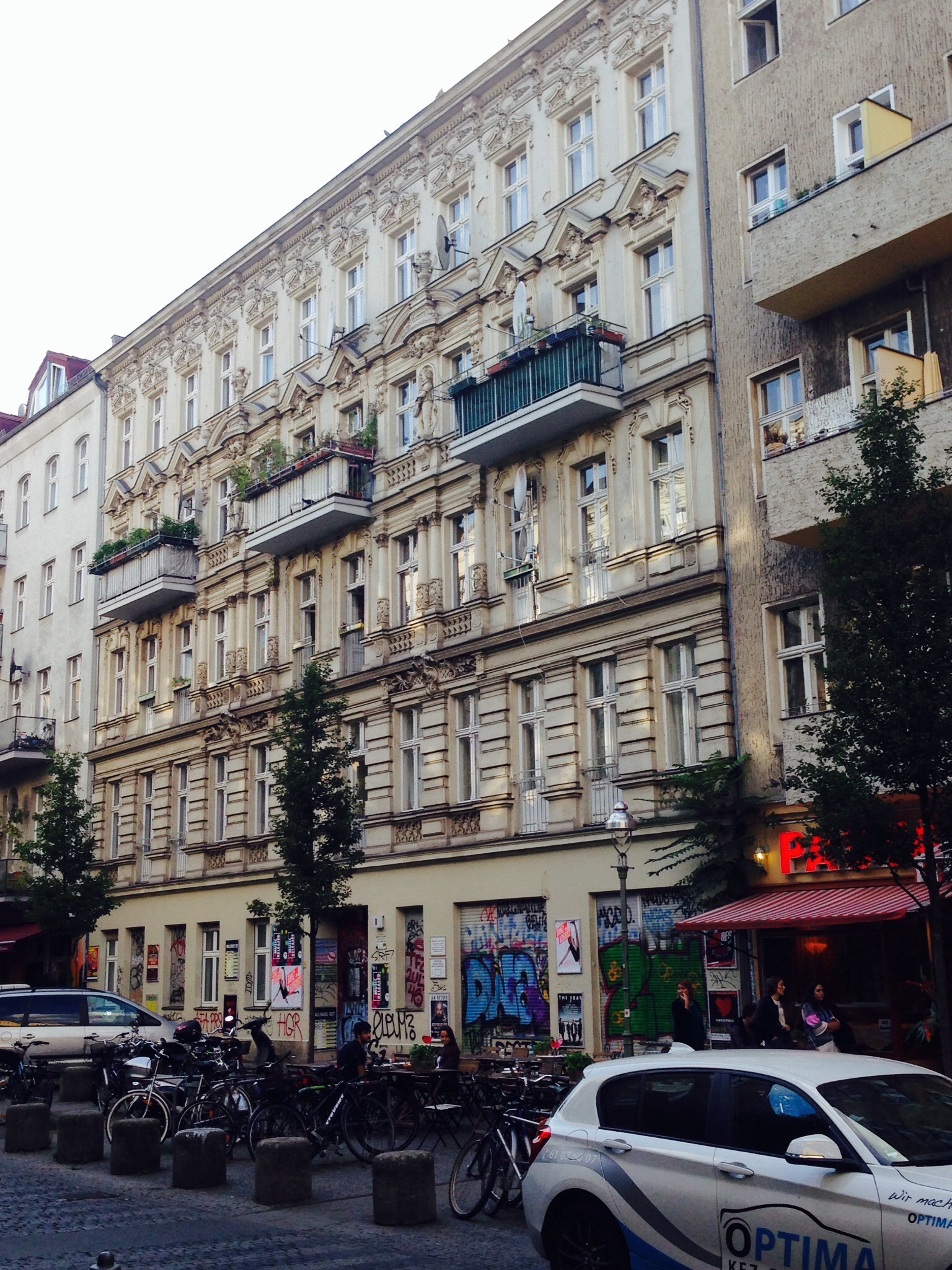
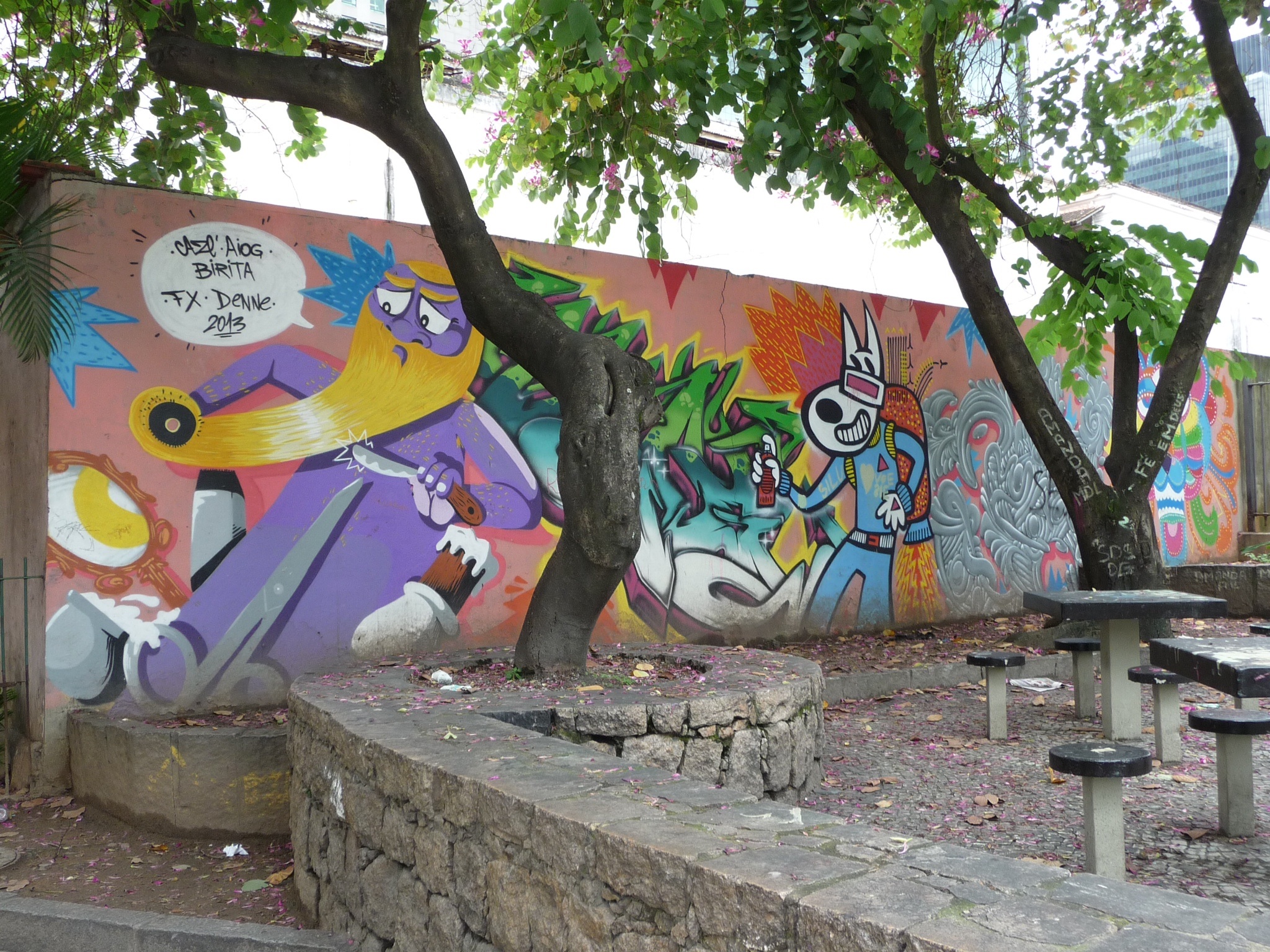
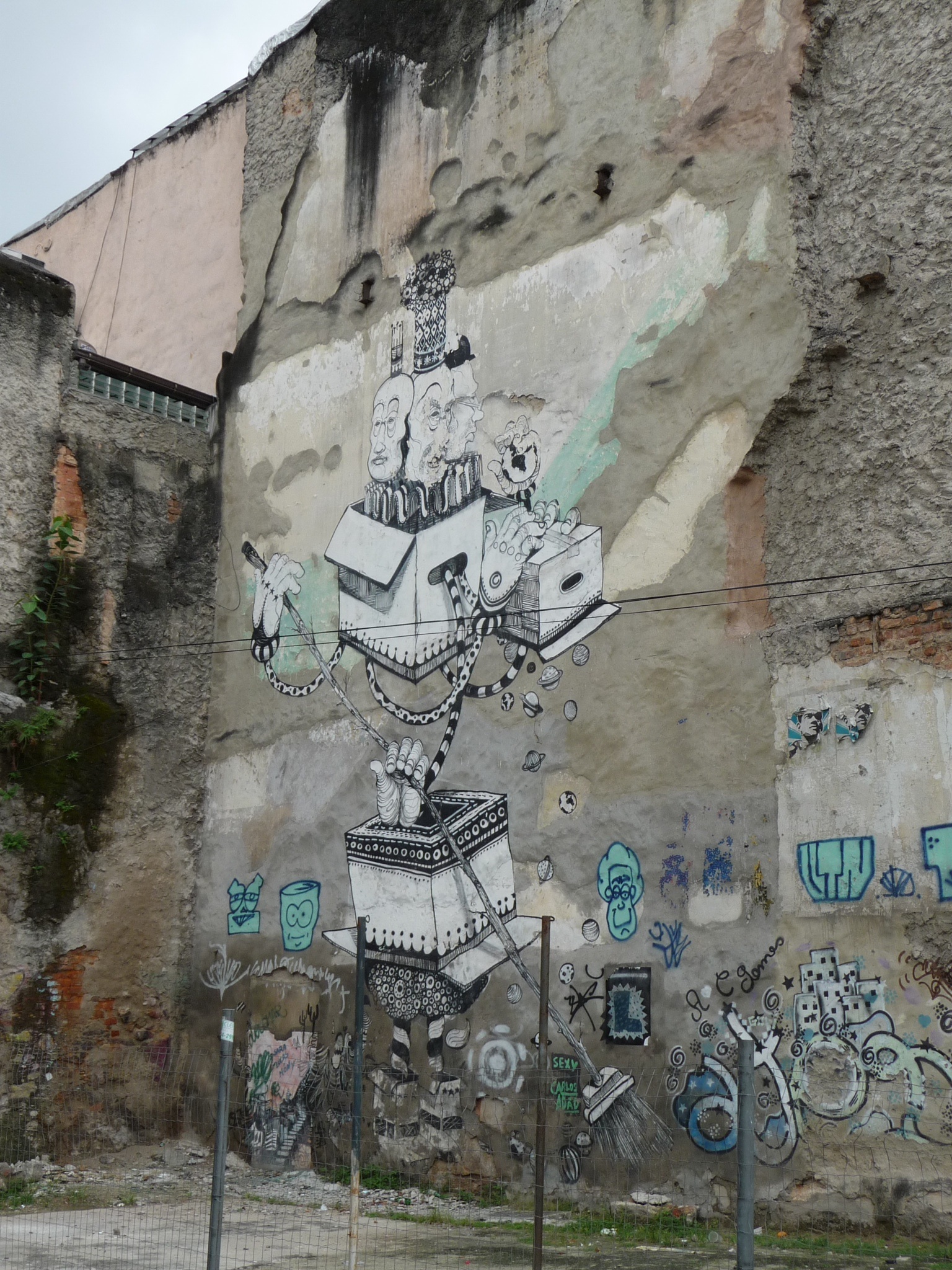
The arrival into Berlin was as I had expected – to a very clean, large and and contemporary station. As I made my way to the part of the city in which I was staying, Kreusberg, the city appeared less ‘new and shiny’. It became obvious almost immediately that the Berliners had an even greater love of graffiti than the folk of places like Rio and Bogota. Unfortunately they were not so driven for it to be aesthetically pleasing – I guess a reflection of their determination to be seen as people pushing all boundaries.

I was absolutely thrilled when I arrived at my Airbnb accommodation, which was an old apartment with 12 ft ceilings and an eclectic mix of furnishings – I would discover over the coming days that Berliners are the consummate recyclers preferring to recycle furniture and clothes than succumb to the temptation of disposing in favour of shiny new things!

Kerstin quickly oriented me and encouraged me to use the afternoon/evening to take in the atmosphere, something Keren had also suggested was the best way to enjoy Berlin.

It only took a few minutes of walking and observing to realise that Berlin is very ‘now’. The locals dressed with individuality and exude a presence of calm despite the area being like a West End / Newtown on speed (and given the offerings along the way there is no shortage) – it was Bowie who said he went to Berlin to escape heroin to find access to more than he’d ever imagined!

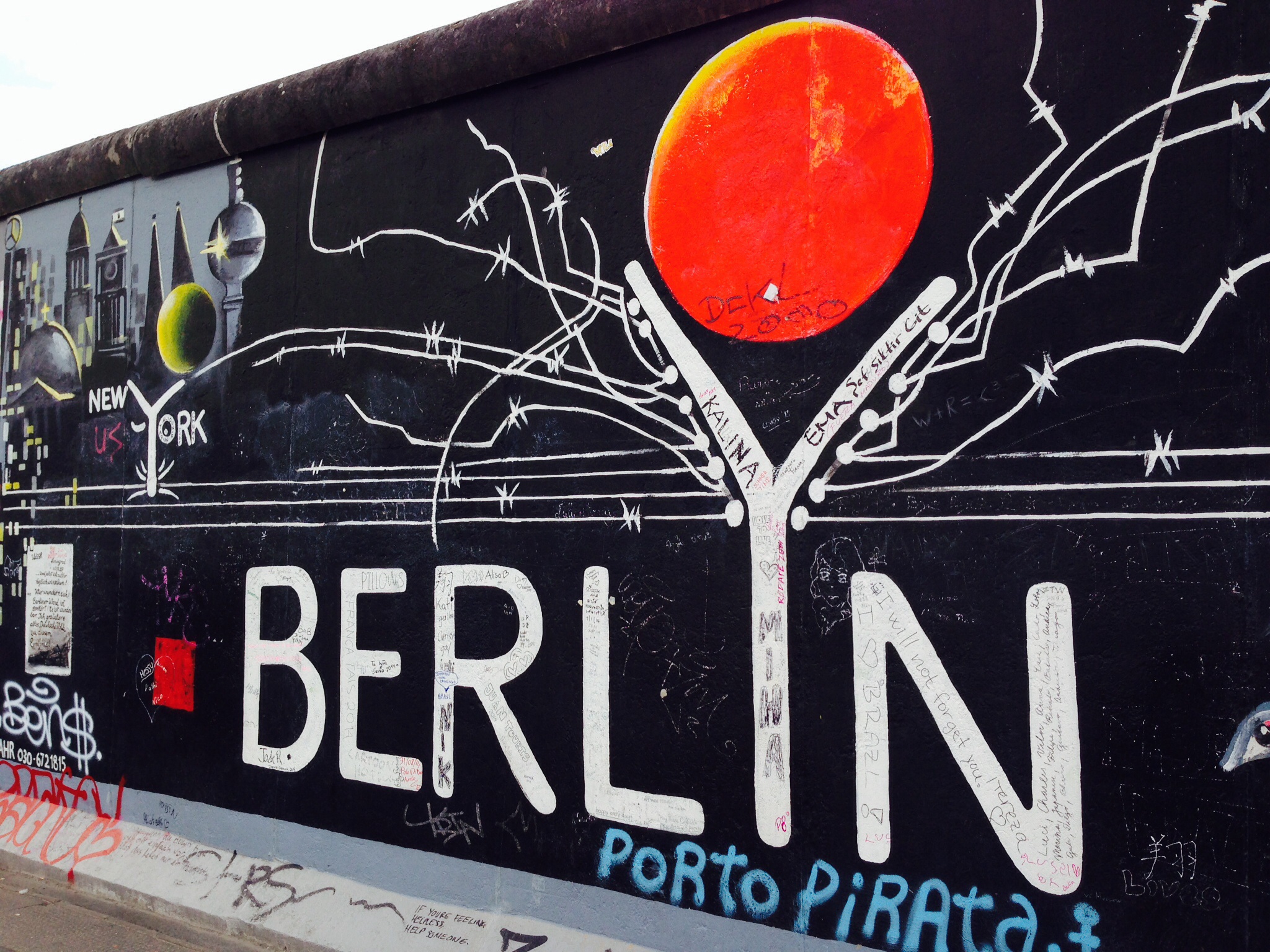
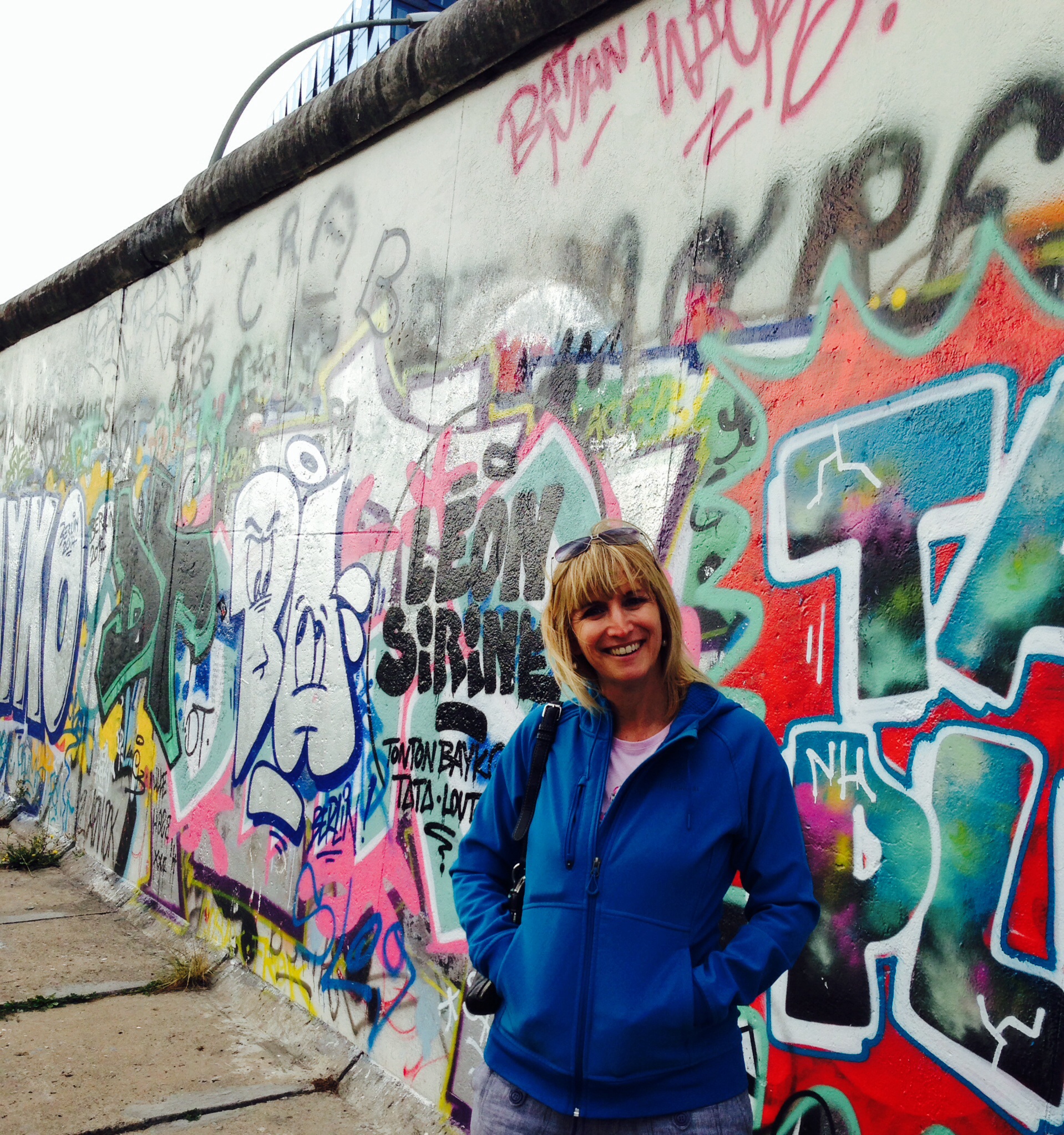
I enjoyed a walk along East Side Gallery, a part of the Berlin Wall restored with artistic graffiti on the east side and the less attractive graffiti on the west. The rationale for the contrast would become apparent when I visited the remaining part of the original wall.

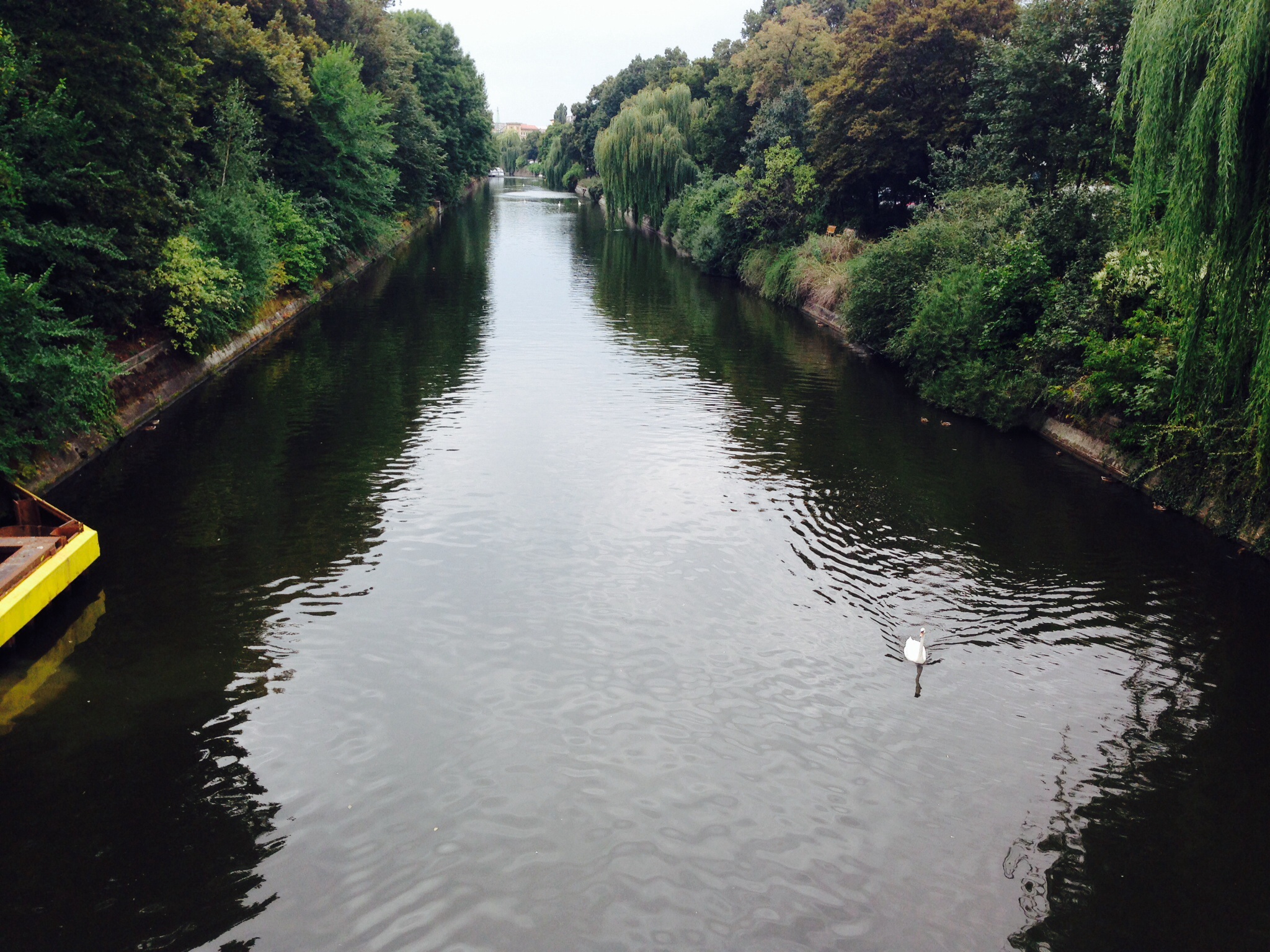
The early evening was bringing out the locals of Kreusberg. Everyone seemed to have a beer in hand – some pushing their bikes, some meandering the streets and others sitting by the canals. When in Berlin…..

For my first full day I opted for a walking tour of the city sights to get my bearings for the next two days. It was an interesting tour giving bits of history on the war and the soviet occupation of parts of Germany.

Having watched The Book Thief on the flight over I was fascinated to be in the spot of the Humbolt University where Goebbels had initiated the burning of some 20 000 selected books during the Nazi era (interesting move from a country that invented the printer!).

The visit to the remaining part of the wall was interesting as I’d always thought the wall had gone around East Berlin but it was actually around West Berlin to stop East Berliners going into the West. It was here that I also learnt of the death strip – the obstacle course of death constructed on the east side of the wall – explained how such a low wall had stopped so many (some 150 – 200 people died trying to enter West Berlin). The western Berliners had been able to walk right up to the wall in contrast to the East Berliners, hence the commemoration at the Eastside Gallery having run-of-the-mill graffiti on the west side and politically enriched graffiti on the east side. The wall was constructed in 1961 and brought down in 1989 (with unification occurring in the following year) – I still remember tearing up at the scenes on the news of it being brought down!

I also learnt a lot about the former Prussian rulers – they used an interesting strategy to build their empire in Germany offering land to the persecuted and embracing tolerance of the range of religions; signified by the pagan temple flanked by Christian places of worship.

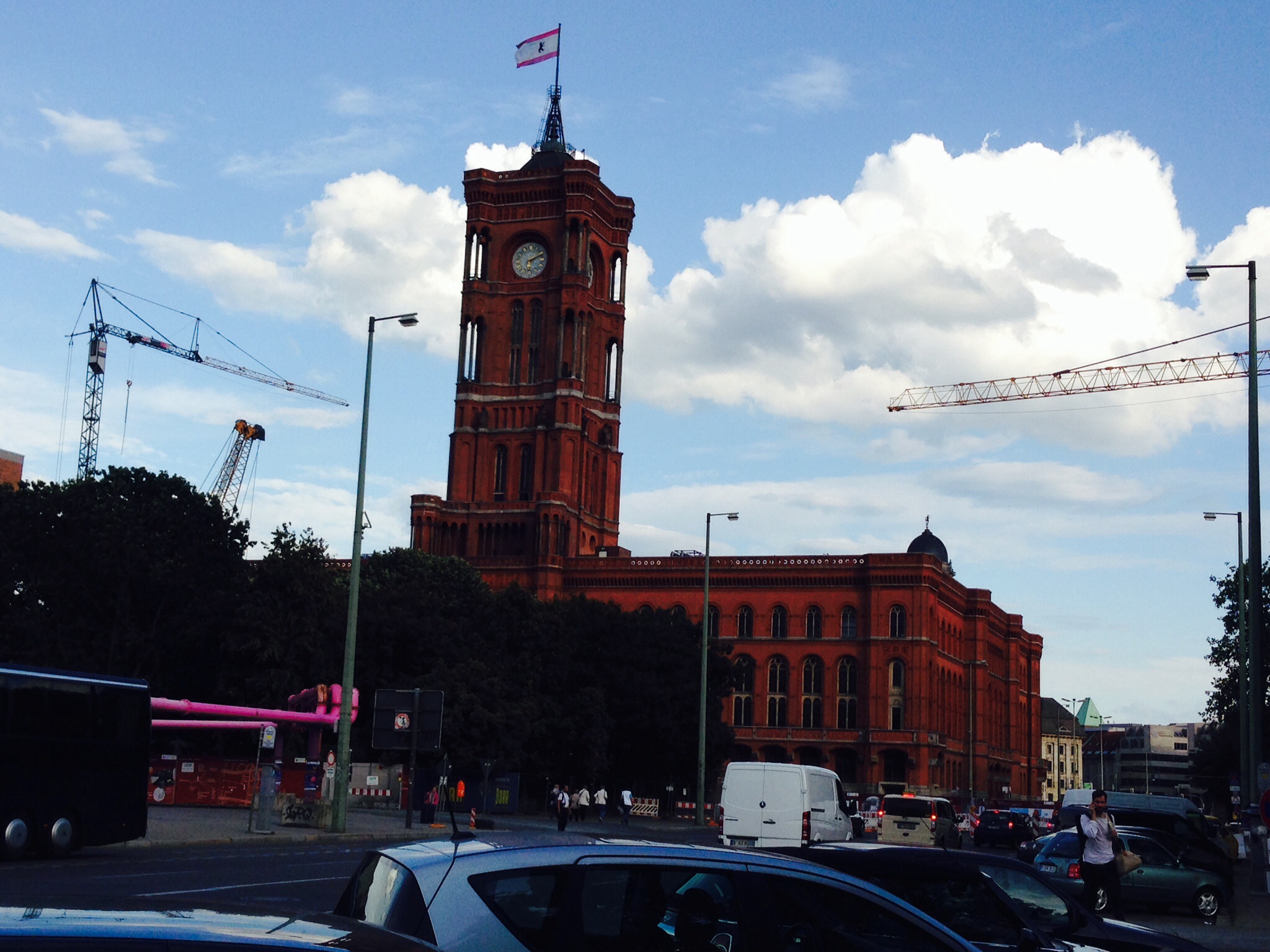
Throughout the city there was evidence of the Germans’ attempts to reconcile the atrocities of the war. The site where Hitler and Goebells and their wives met their demise being just a dirt carpark (apparently the bunker was encased in cement ensuring it could never be available for public ‘viewing/homage’). Memorials are erected around the city in memory of the various groups of people who had met their fate during the war – foremost being the Jews (with the imposing 2711 solid blocks) but also recognising gays and lesbians and the gypsies among others.

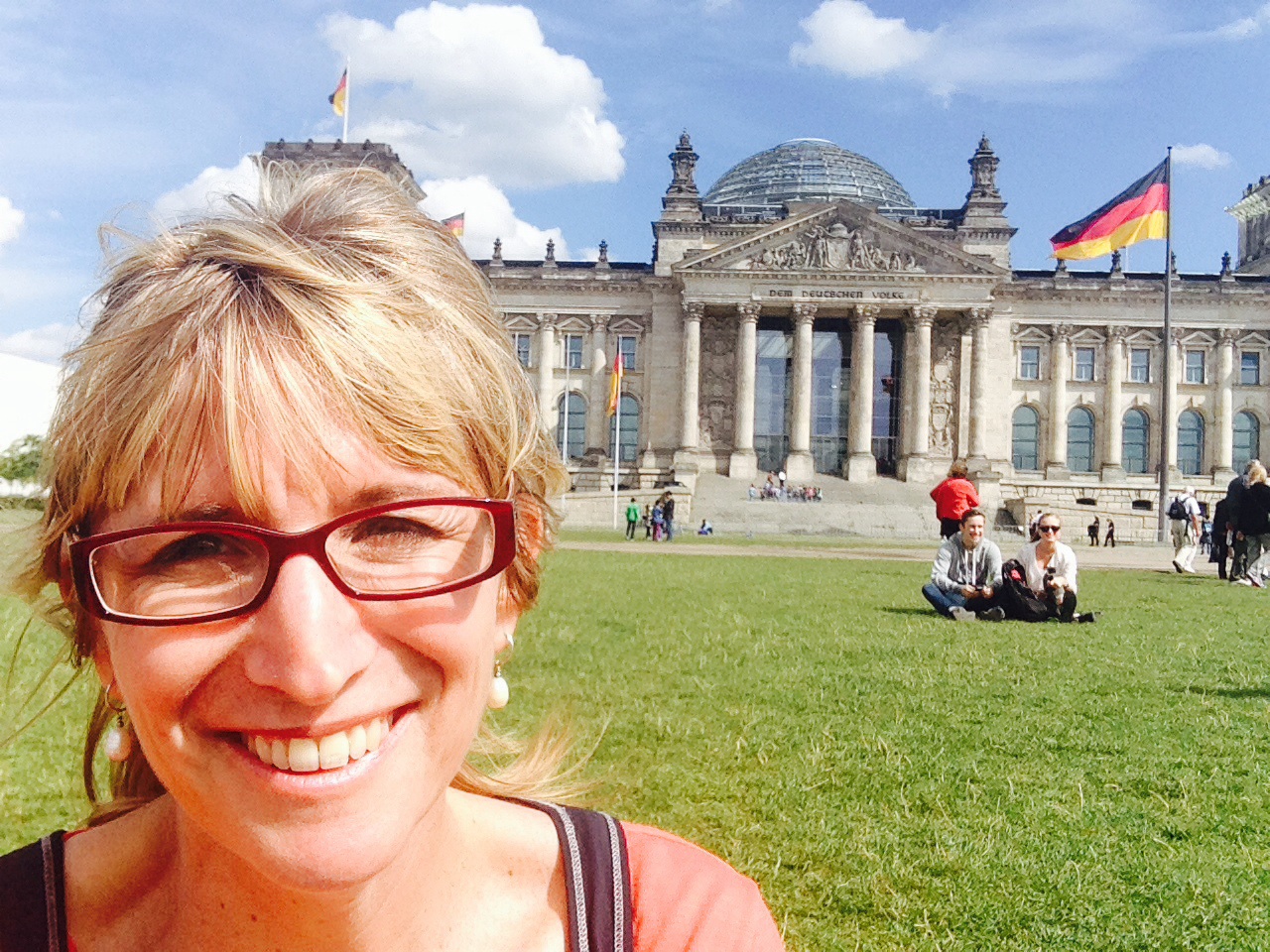
The Brandenburg Gate, built by the Prussians in 1791, was certainly imposing, leading the way to the lovely city gardens and the Reichstag – the impressive parliamentary building.

The tour had inspired me to find out more about Germany’s history so for the afternoon I headed to the German Historical Museum. Unfortunately I spent a little too much time reading the plates on the early history that when the closing was announced I had missed the floor on post 1918! Never mind, my head was starting to hurt with the download so I made my way back home.

Day three in Berlin and the weather was a little warmer so I headed to the Badeschiff; the pool immersed in the River Spree alongside the grunge warehouse clubbing precinct. From what I could work out from the signs it was 30 euro for one hour but I managed to be given the opportunity to get in for a quick look. A cool spot – music pumping, deck chairs for sunning surrounding the heated pool and a very Tiki inspired bar. The pool had a great view of the Molecule Man Sculpture on the river (I wondered if I’d get to see the others installed across the world). No photos allowed unfortunately – could really see this working in the West End reaches of the Brisbane River! At least we’ve got the weather for it! I had also loved the little floating bars adjoining the clubs – almost had an Asian feel about them.

The guide from my city tour had booked my reservation for the Pergamon Museum so I ventured back toward the city centre. When I saw the line for those without a reservation I felt guilty I hadn’t been more generous with my tip to the guide. I reckon he’d saved me at least a 90 minute wait.

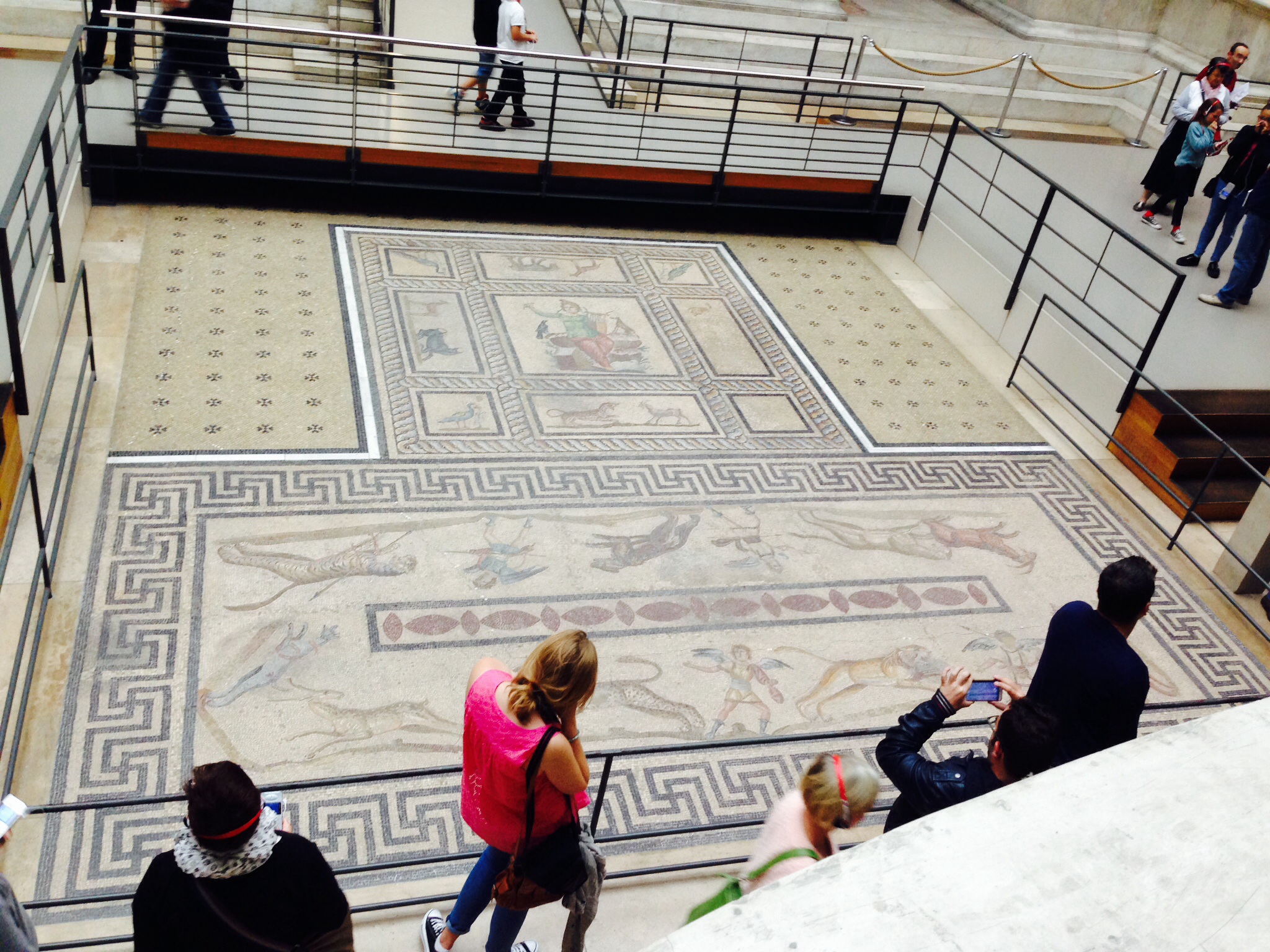
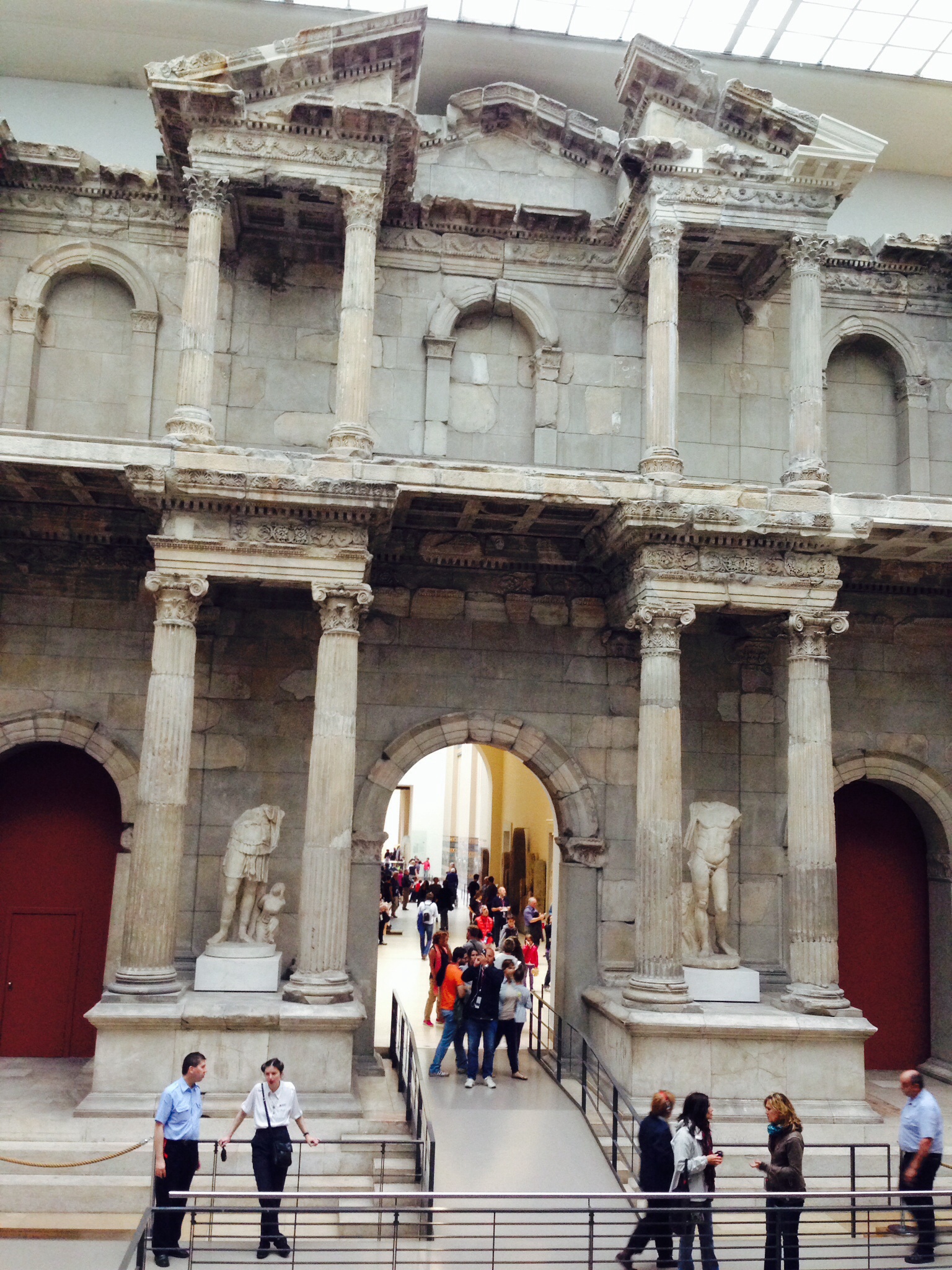
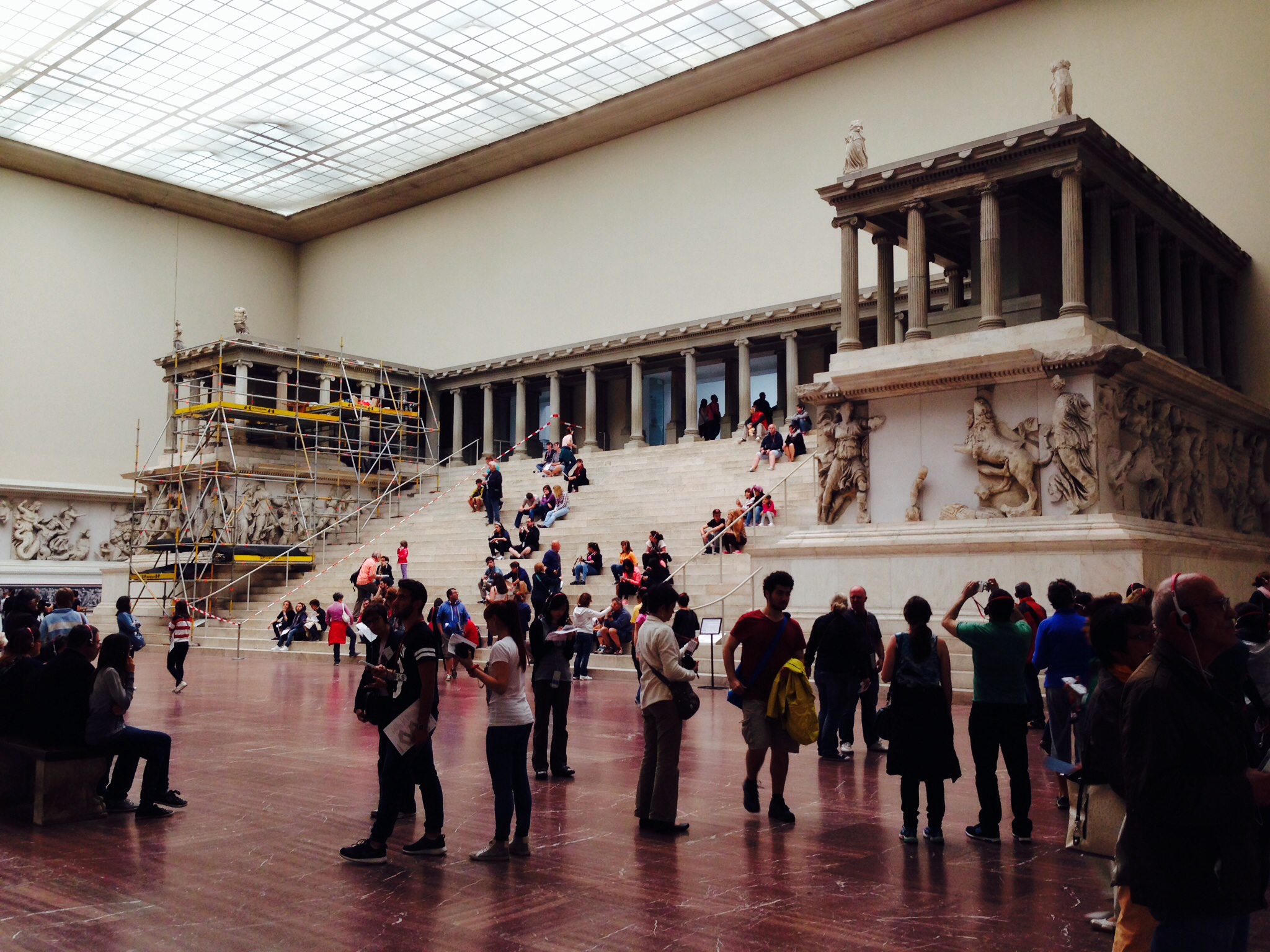
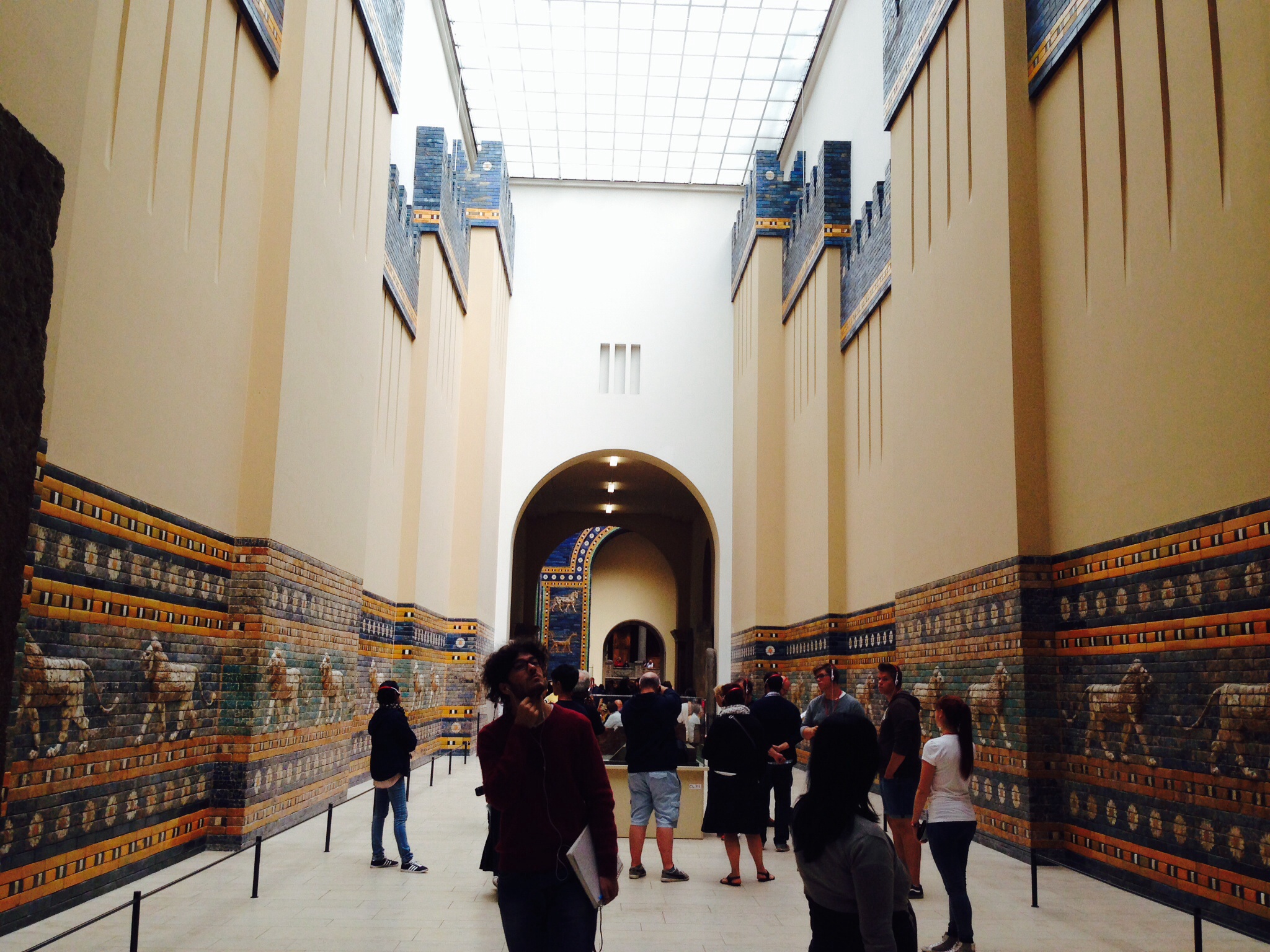
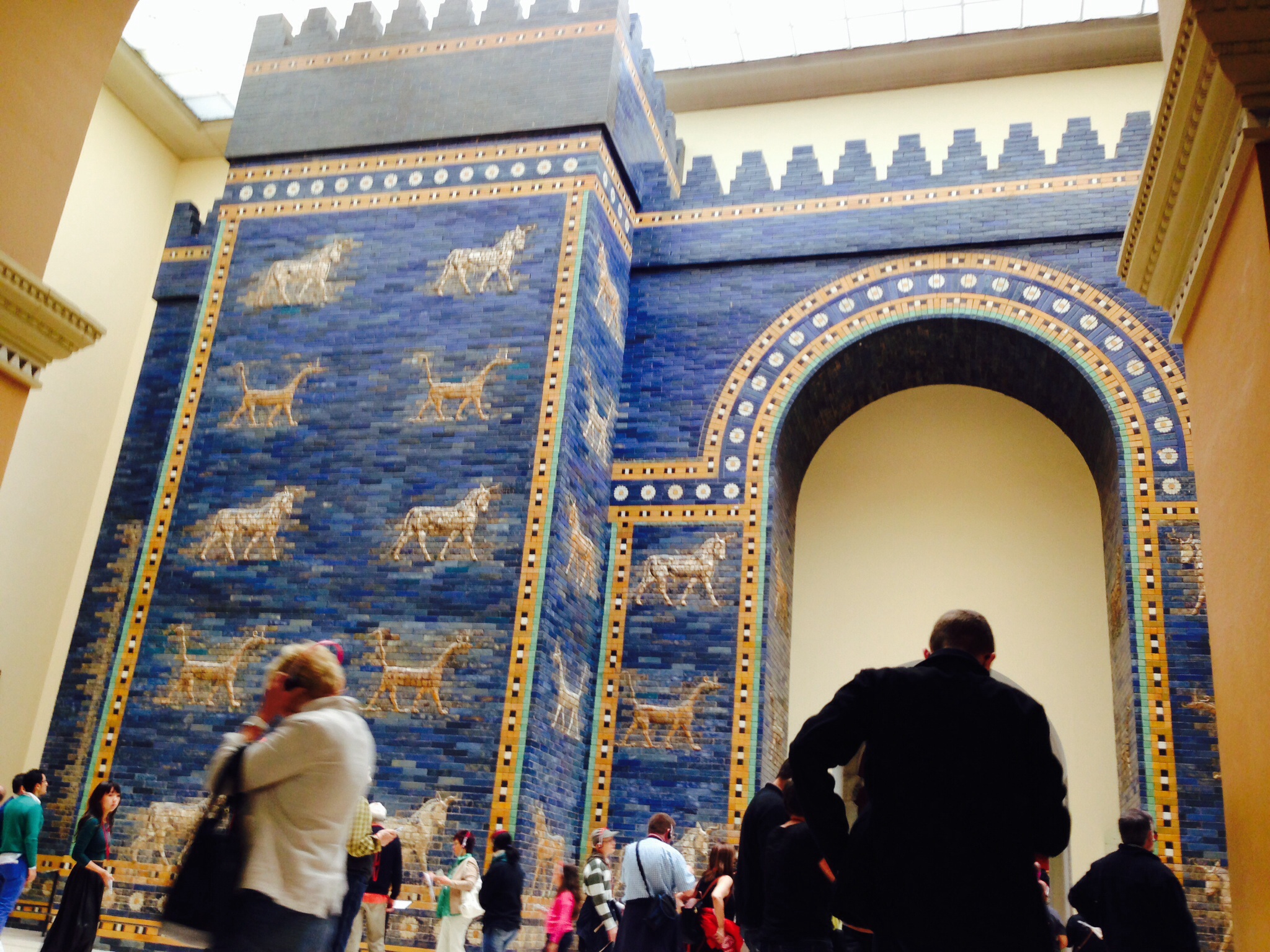
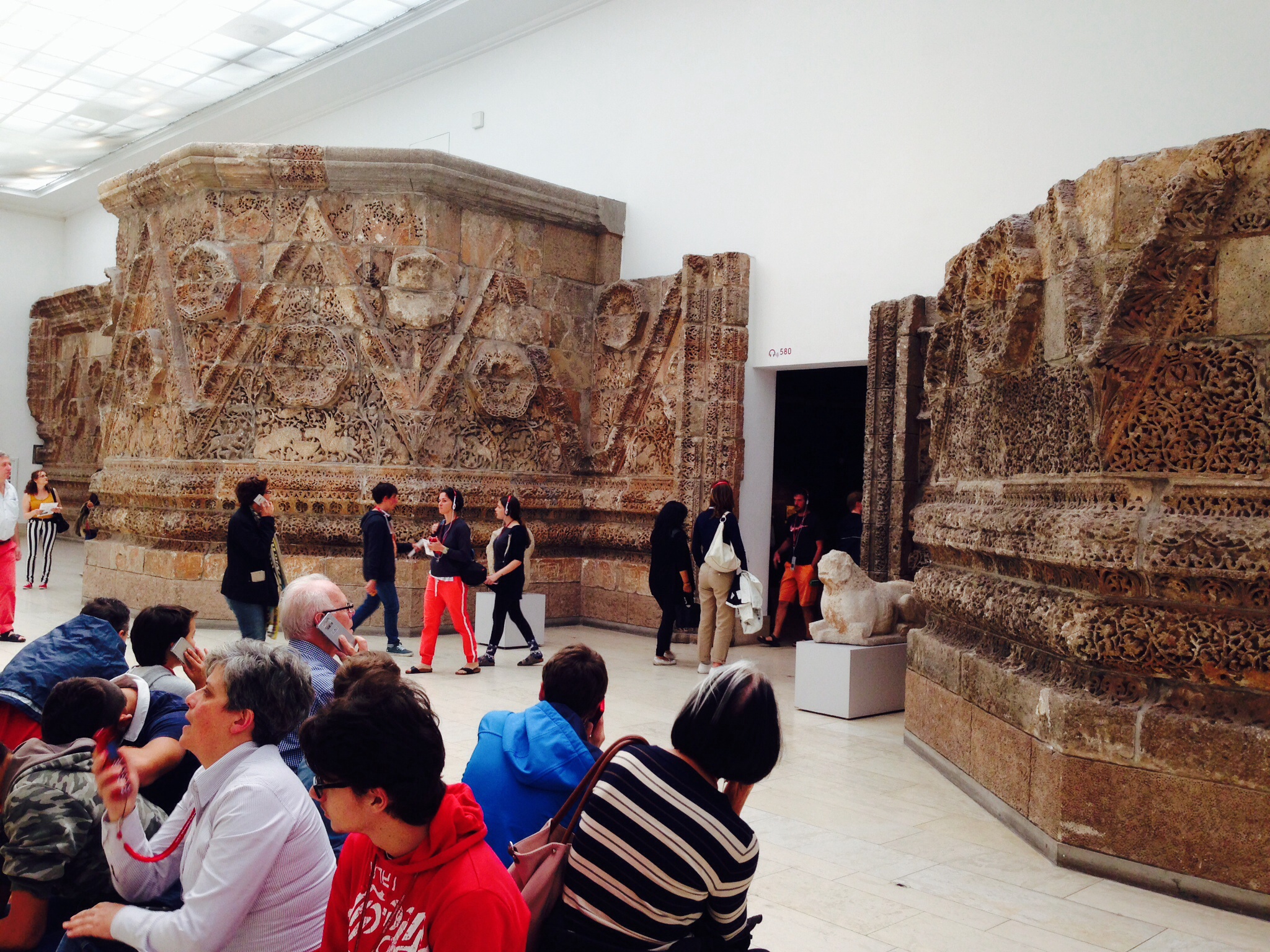
On entering the museum I understood what the fuss was about. To see the Ishtar Gate of Babylon with its Prosessional Way inside a building was amazing. I then stepped through the Market Gate of Miletus, which took me back to my visit to Ephesus in 2008. Next of these monumental exhibits was the Pergamon Altar (180-160 BC), with its frieze that is believed to have taken 20 years to finish. My timing was spot on as this part of the museum is closing in September until 2020, while the altar is moved to allow additional pieces to be included with the exhibit. The final significant piece was the Jordanian Mshatta Facade. The palace was never finished and the facade was gifted to the museum after works commenced to construct a train line to Damscus and Mecca adjacent to it. I really enjoyed the Islamic artefacts, again bringing back fond memories of my visit to Turkey.

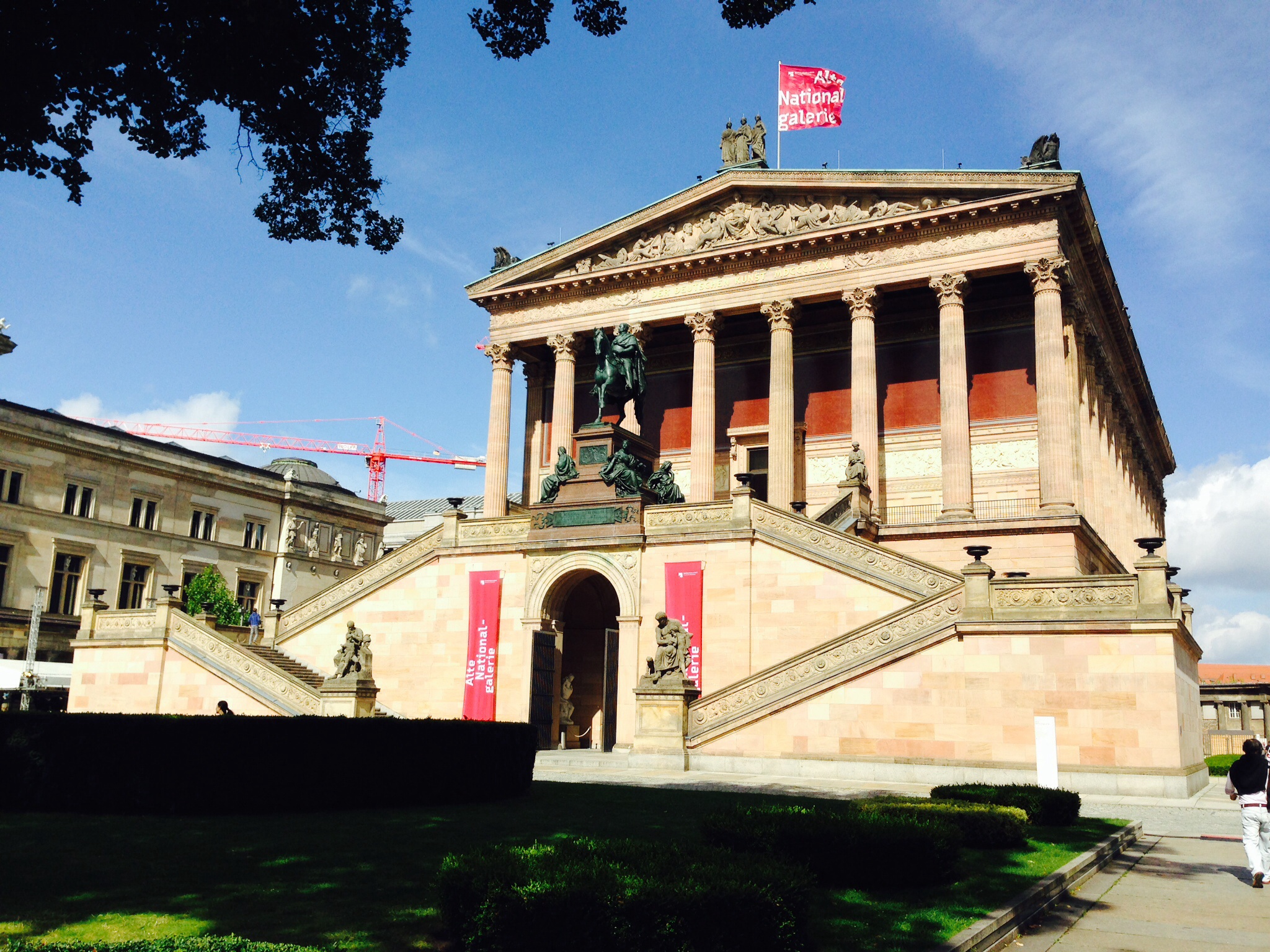
My last museum visit was to be the Neues Museum, primarily to see the well preserved painted limestone bust of Nefertiti and the golden celestial hat (only four known to have survived the millennia). I must admit I had become a bit desensitised to Egyptian antiquities having seen such wonders in all their glory in Egypt – a reminder to myself of my privileged life.

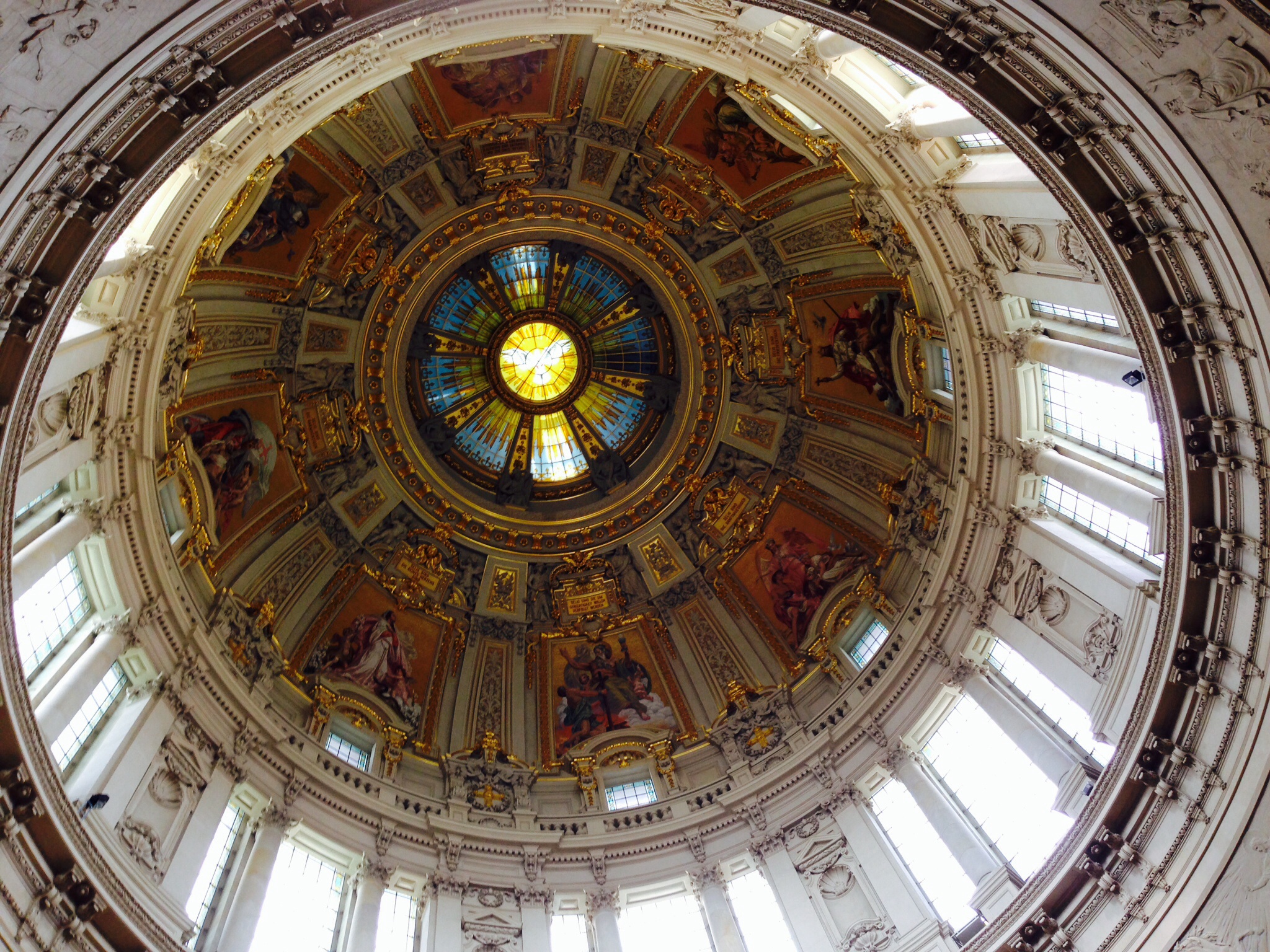
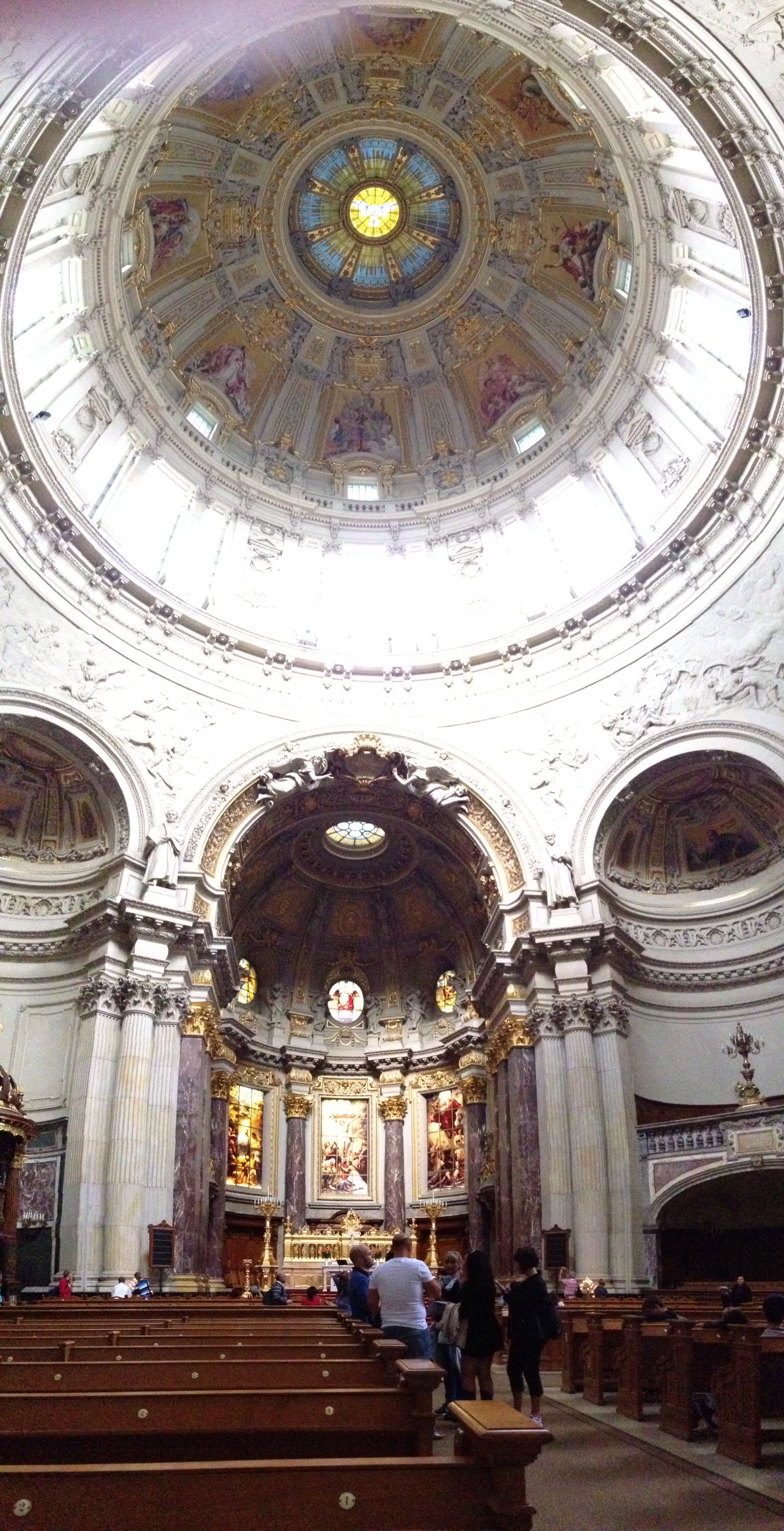
On exiting the museum I bumped into Glenda and Terry, from South Brisbane, who I’d met on the walking tour. They encouraged me to visit the Berlin Cathedral, which was very nice with its elaborate gold altar and impressive dome.

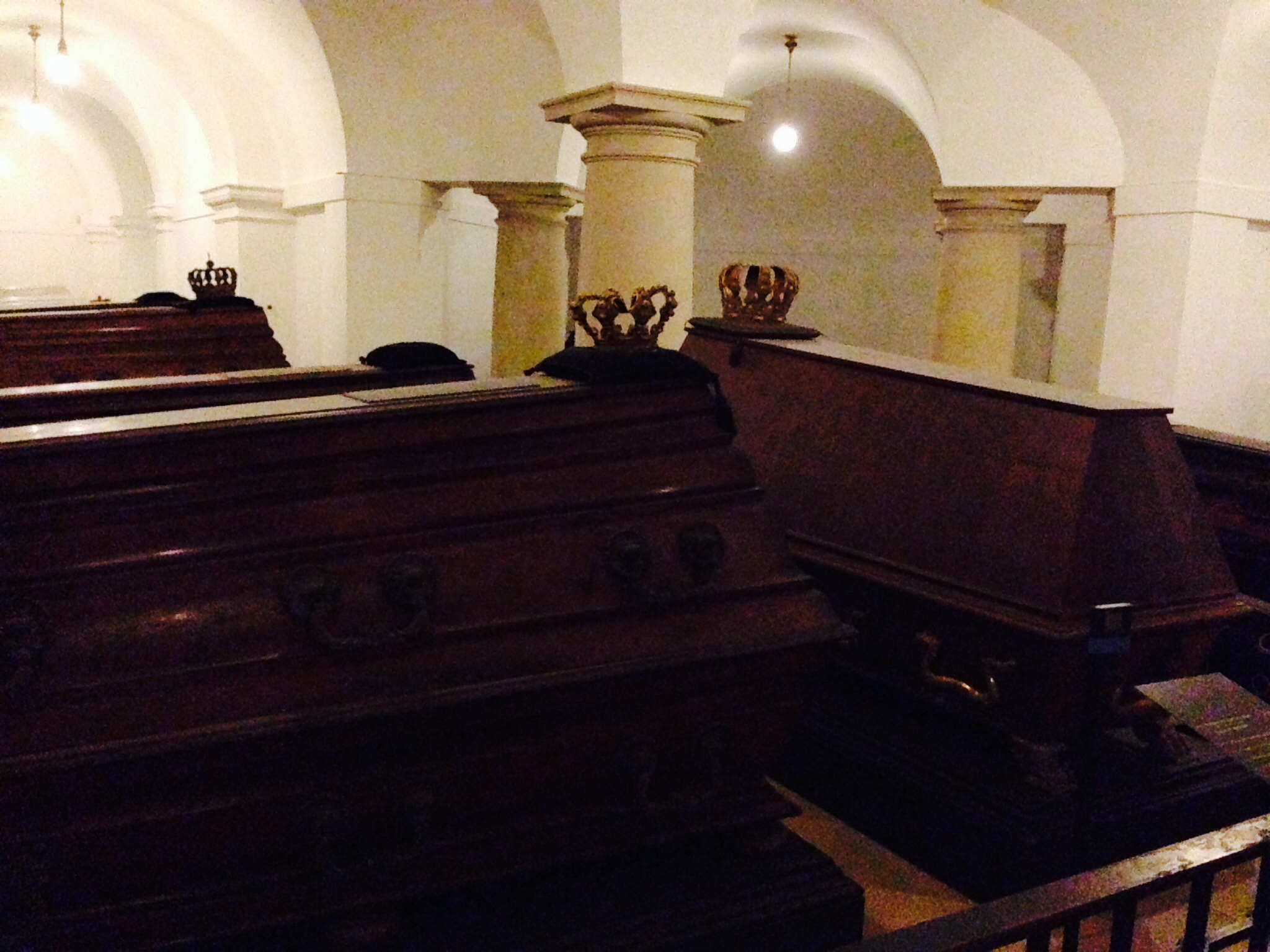
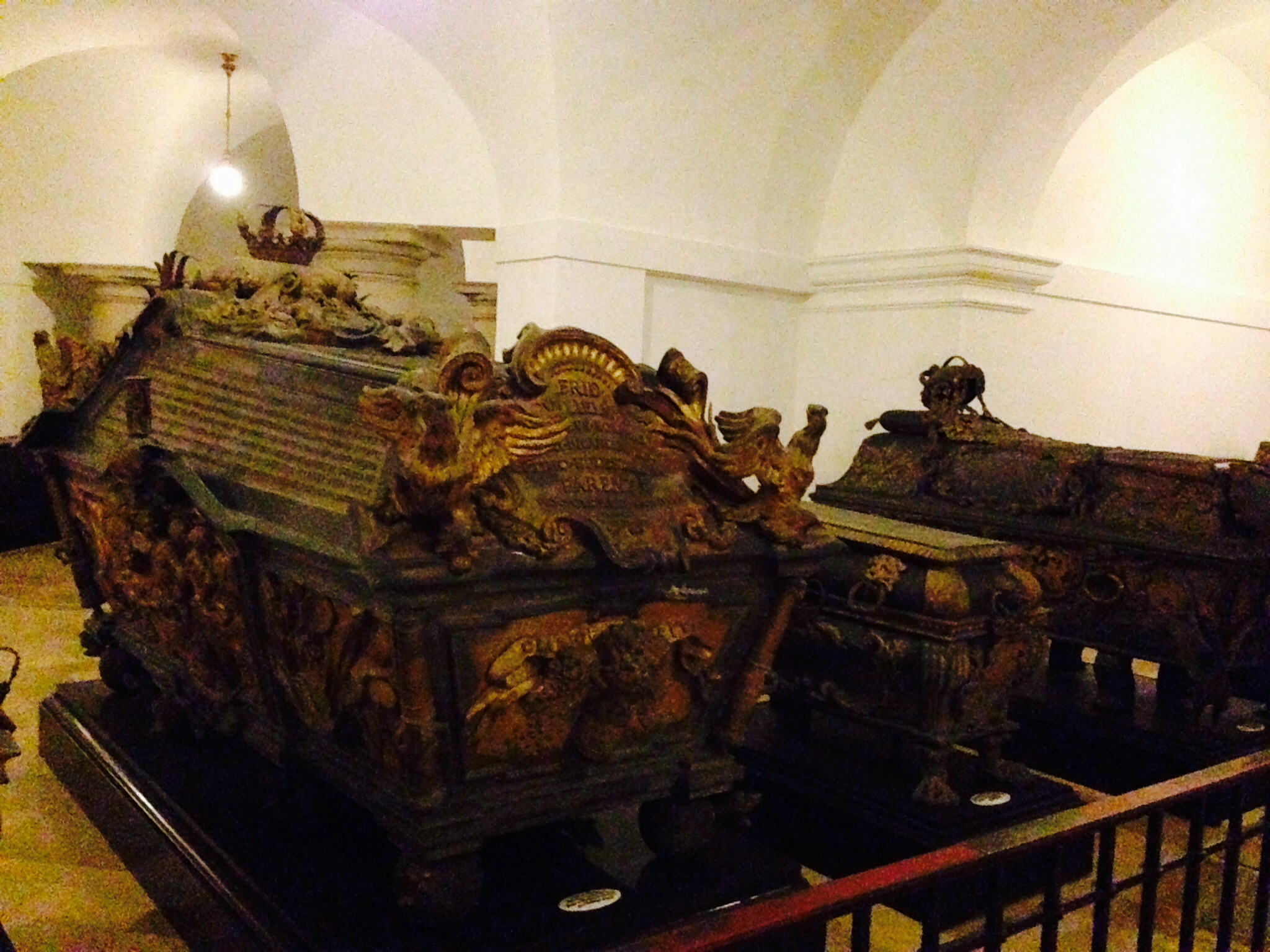
A bit dark but I must admit I do love a crypt and my legs were telling me “enough is enough” (no dome today) so I ventured down to see the rather unusual collection of elaborate and austere vaults – the crowns bearing witness to those from nobility.

A few beers with a bit of people watching at the local alternative pub on arrival back to Kreusberg before turning in – what a melting pot of people! The accents of the locals were varied, highlighting the great attraction of this city.

I farewelled Gero who was leaving the next day to shoot a film in Nairobi and chatted with Kerstin about local issues like the treatment of the ever present refugees in the streets. I had really enjoyed my stay; Kerstin and Gero had certainly made me feel at home.

I had planned to spend my final morning breakfasting by a canal but that proved easier said than done. Turns out the Germans (or at least Berliners in Kreusberg) are partial to a sleep in – it was quite a challenge to find a cafe open for breakfast before 10!

I’d had a great time in Berlin and could certainly have used another few days to chill but alas it was time to move on to Munich. The only thing I wouldn’t miss were the apartment stairs….I imagine the low level apartments are significantly more expensive than their loftier neighbours!

image

Western side of the Eastside Gallery

Western side of the Eastside Gallery

image


Eastside Gallery

Eastside Gallery

image

image

image

image


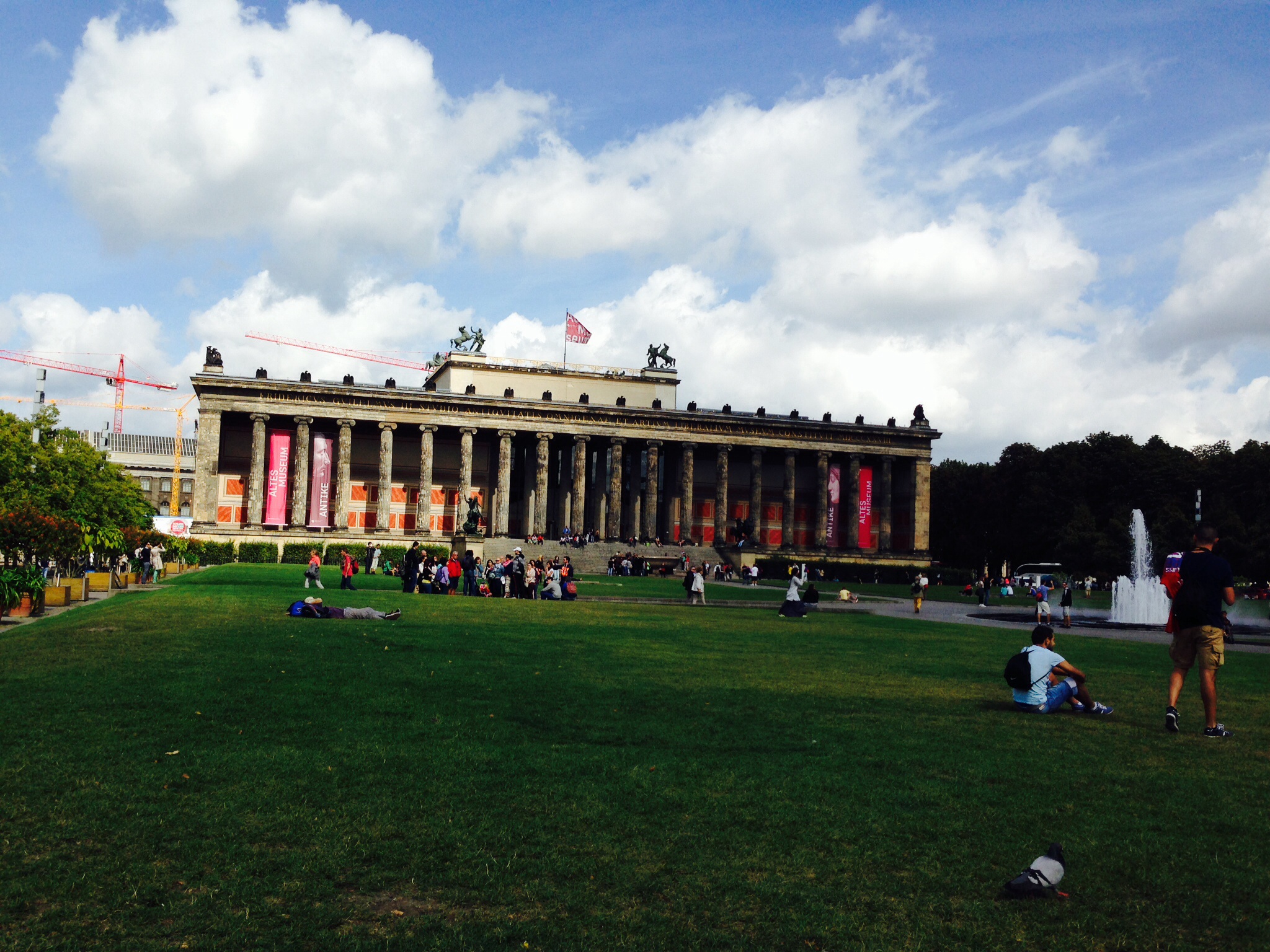
The wonderful galleries/museums on Museum Island
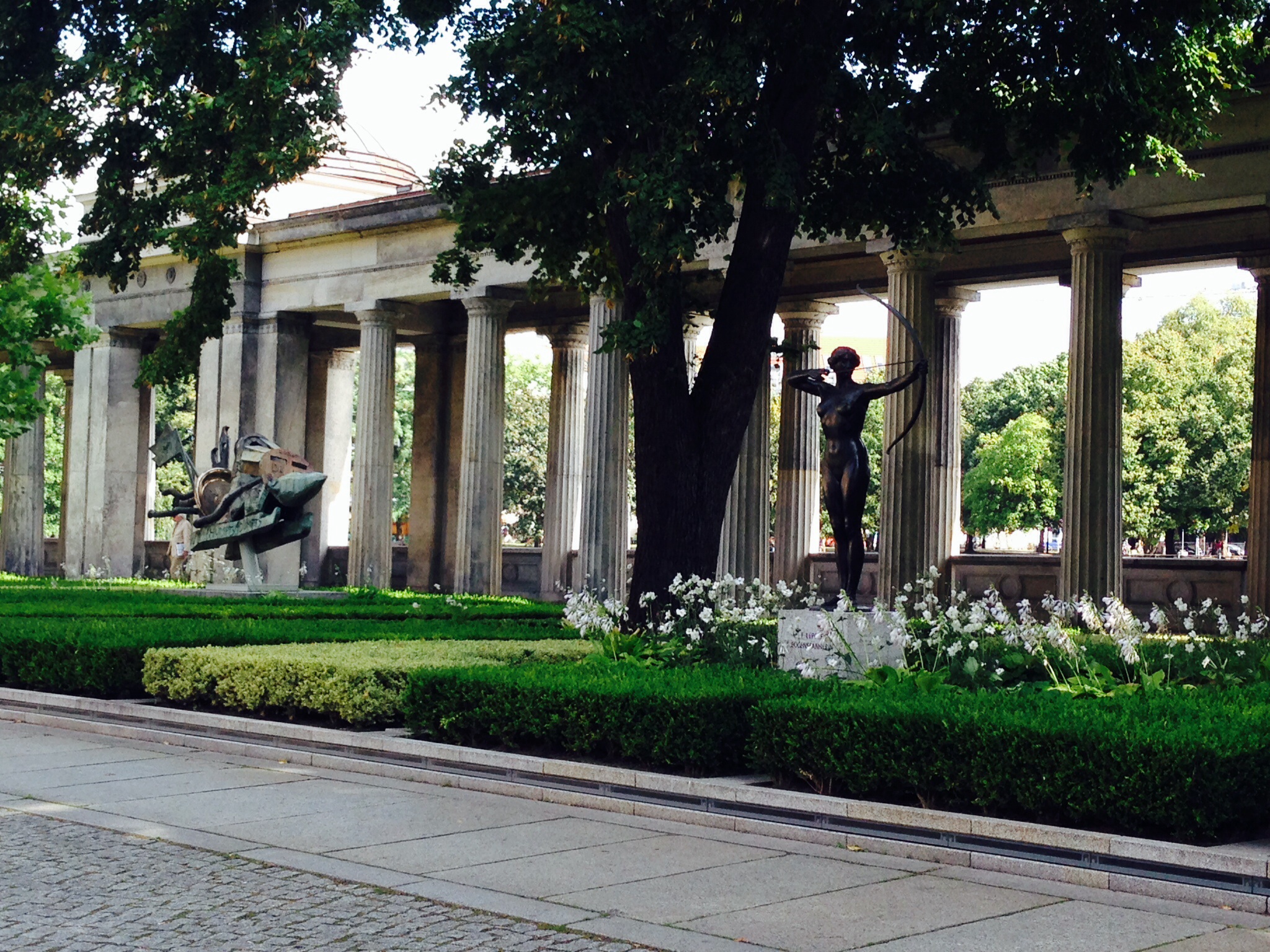
The wonderful galleries/museums on Museum Island

image

image

image


Monument to the sacrifice of war and violent domination.
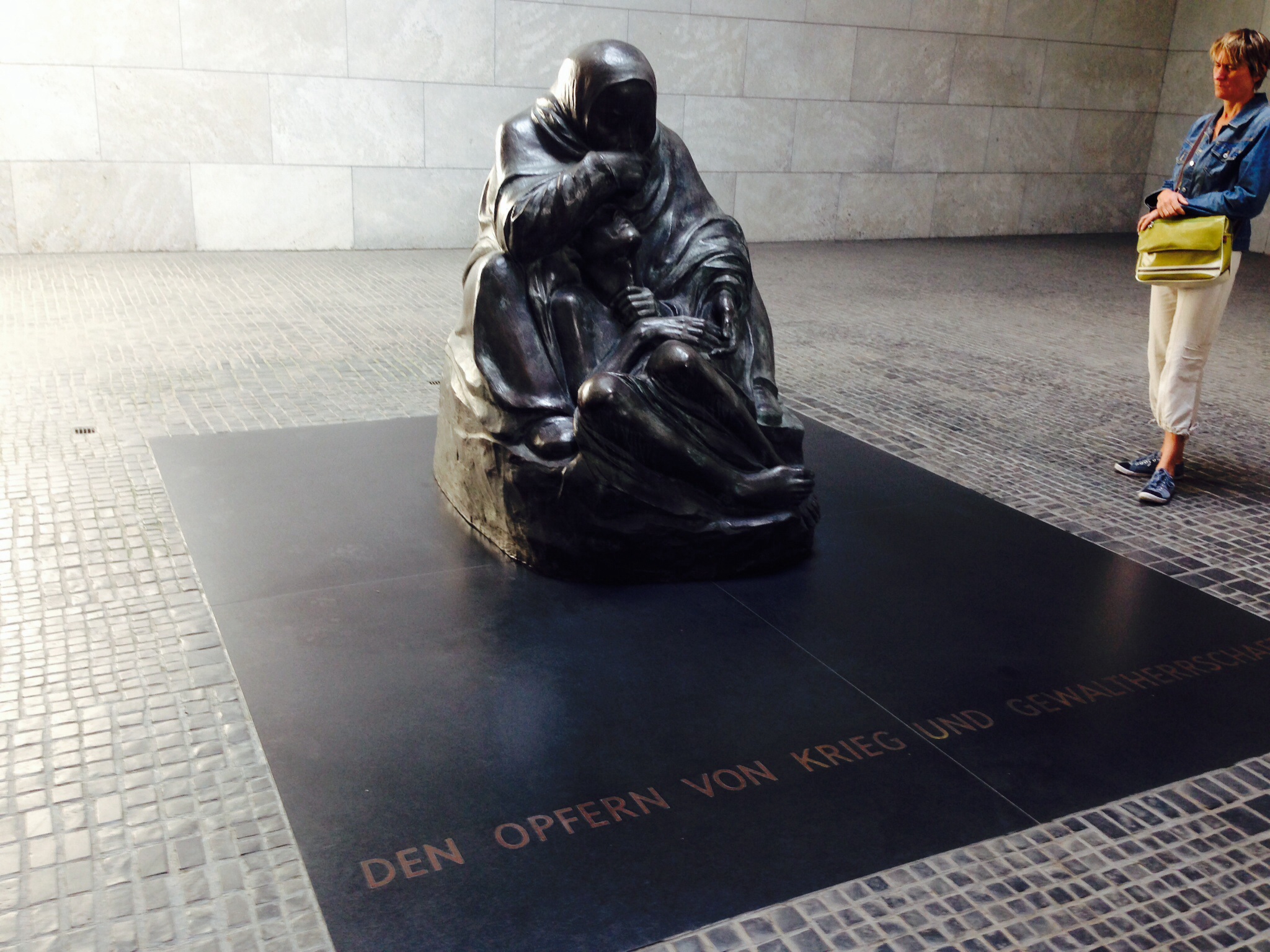
Monument to the sacrifice of war and violent domination.

image


Berlin Cathedral

Berlin Cathedral


Humbolt University - site of the Nazi burning of more than 20 000 books.

Humbolt University – site of the Nazi burning of more than 20 000 books.
 

image

Prussian built pagan temple.

Prussian built pagan temple.

image

image

The remains part of the Berlin Wall.

The remains part of the Berlin Wall.

image

The memorial to Jews killed during the war.

The memorial to Jews killed during the war.

image

Brandenburg Gate - built by the Prussians in 1791

Brandenburg Gate – built by the Prussians in 1791
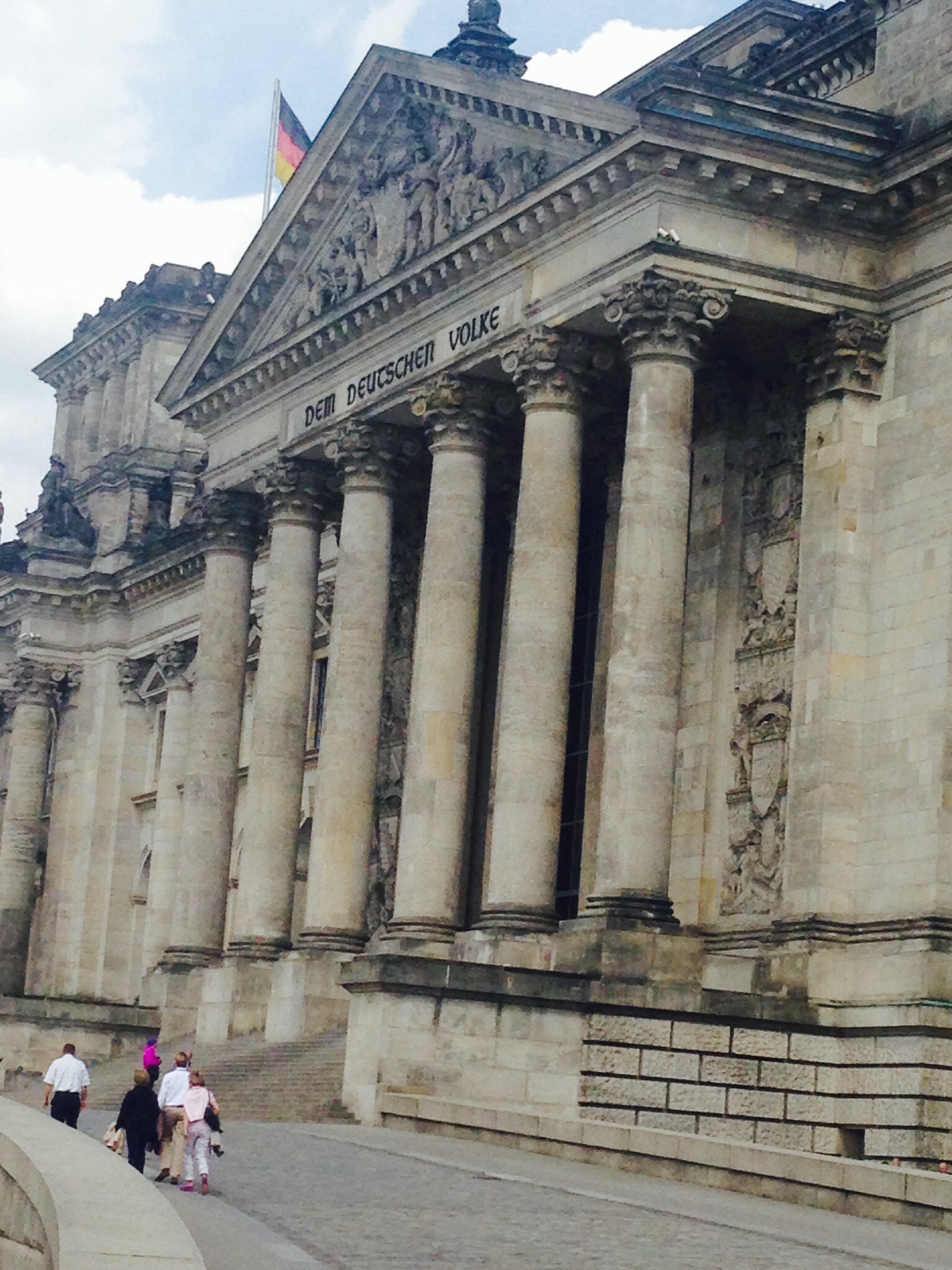
The Reichstag - German Parliament

The Reichstag – German Parliament

image

image

Interesting PPE during the Plague - the beak was to hold herbs or sponges soaked with vinegar to filter the air!

Interesting PPE during the Plague – the beak was to hold herbs or sponges soaked with vinegar to filter the air!
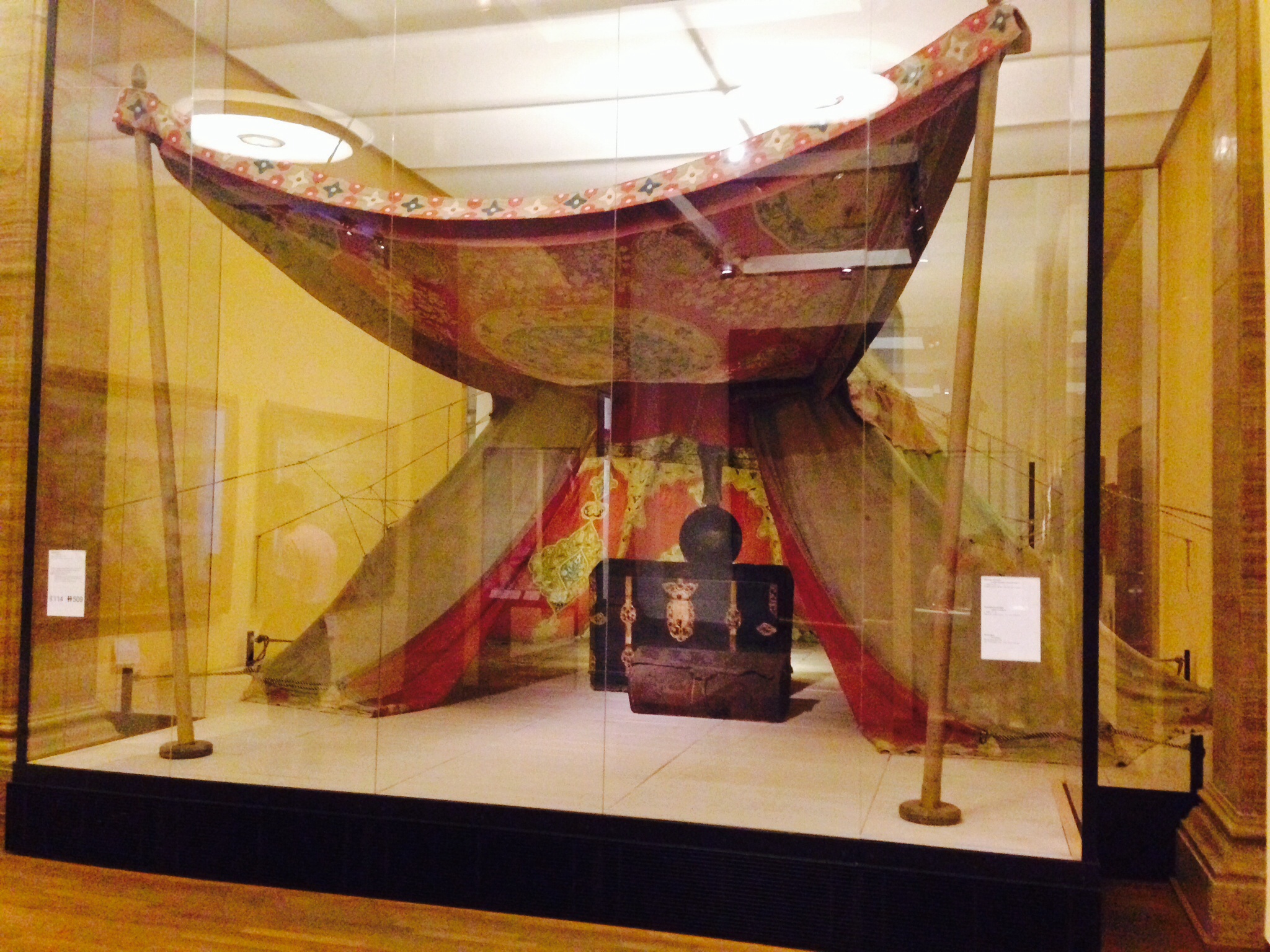
Nice booty from Austria in 1683 - those Ottomans got around!

Nice booty from Austria in 1683 – those Ottomans got around!

Pinball 1750 style!
Pinball 1750 style!

image

Only in Berlin!

Only in Berlin!

image

The cool floating bars adjacent to Glashaus precinct.

The cool floating bars adjacent to Glashaus precinct.

The Molecule Man - one of a number installed around the world.
The Molecule Man – one of a number installed around the world.

The Processional Way to the Ishtar Gate of Babylon
The Processional Way to the Ishtar Gate of Babylon

image


image

image

image

image

image

image

image

The Market Gate of Miletus

The Market Gate of Miletus

The Altar (and frieze) of Pergamon

The Altar (and frieze) of Pergamon
image

image

image

Mshatta Facade (from desert castle in Jordan)
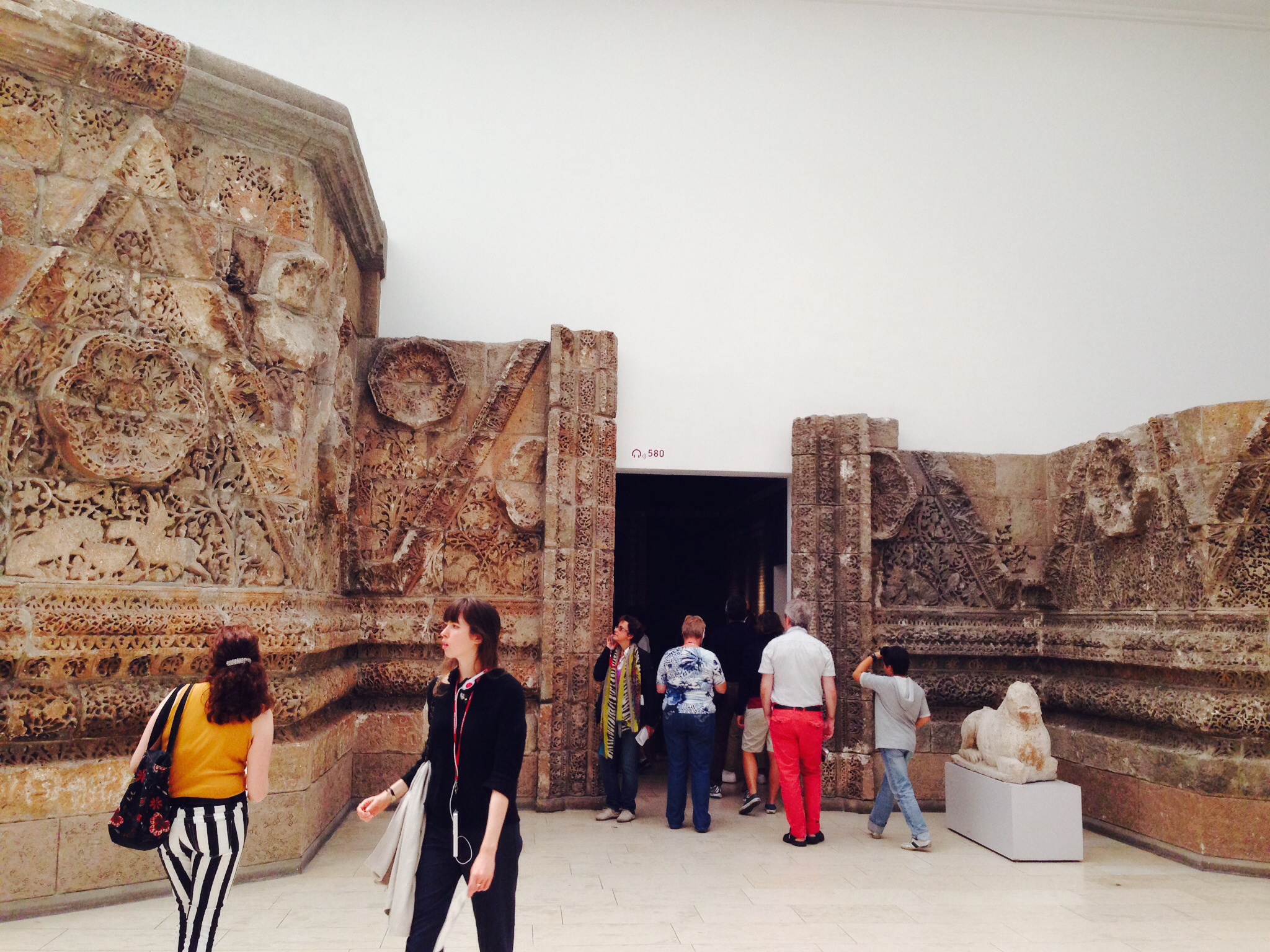
Mshatta Facade (from desert castle in Jordan)

image

image


Berlin Cathedral

Berlin Cathedral

image

image

image

The crypt.

The crypt.

image

image

Deutsche Post!

Deutsche Post!


Posted in Uncategorized | 4 Comments

Hallo Deutschland!

The angels have a way of keeping you smiling! I didn’t quite know what was going on when the flight attendant boarding us in Dubai tore up my boarding pass but I was over the moon when she nonchalantly handed me a new one – 9A! After a Veuve or two, a Mojito and a lovely meal I settled into my sky bed for the sleep I was so desperately craving!

I thought I was being thrown a bit of emotional balance when my luggage arrived sans walking pole but thankfully after a 30 minute search I tracked it down. I’d had a fleeting “I knew I should have just bought one in Chamonix” moment.

I pushed onto my train trips which saw me arrive at my destination of Cologne around midnight.

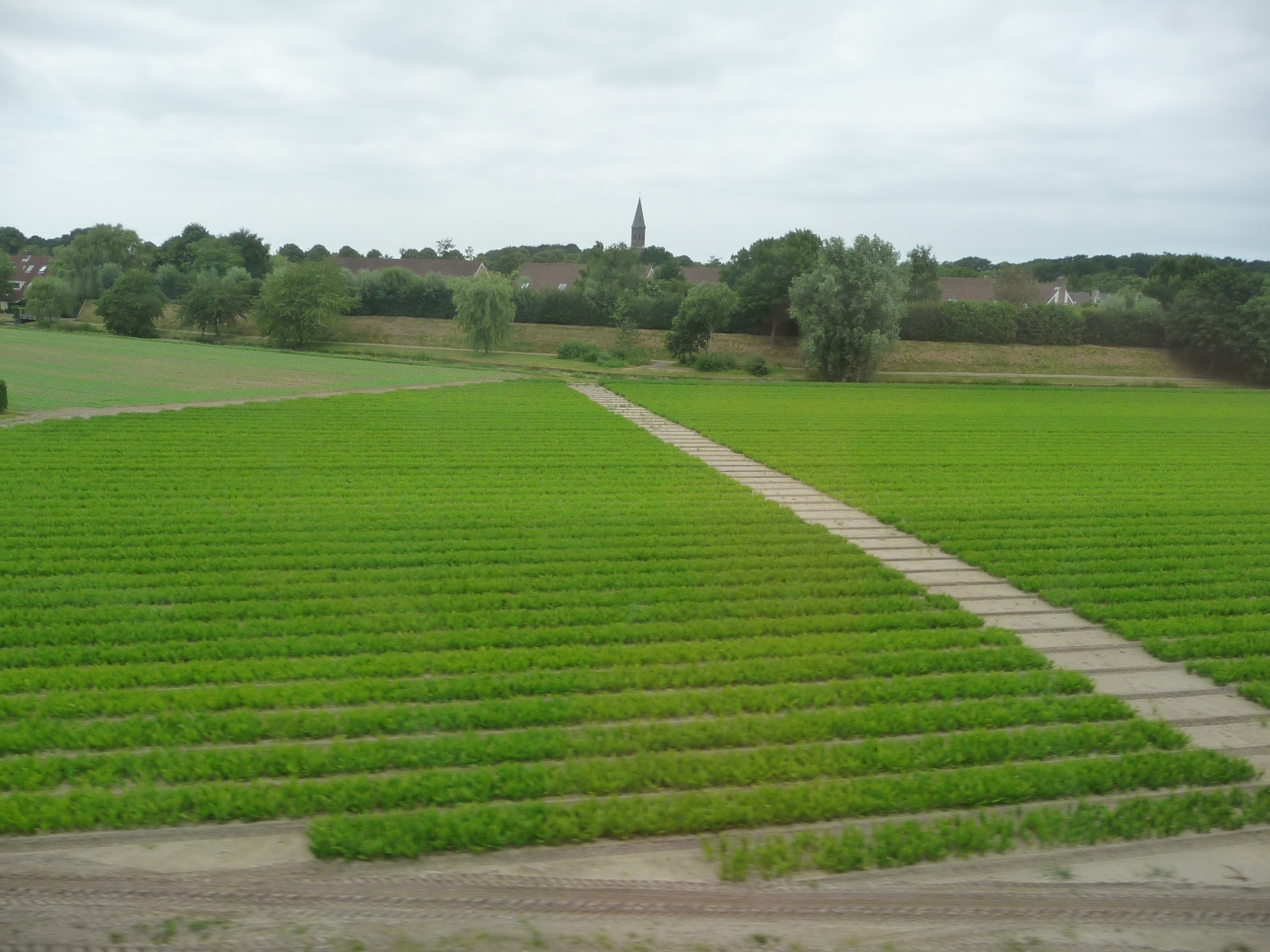
My Airbnb host was lovely and the accommodation cosy. I was staying 30 minutes from Cologne’s Central station and so had the good fortune of overlooking farming fields from my elevated room.

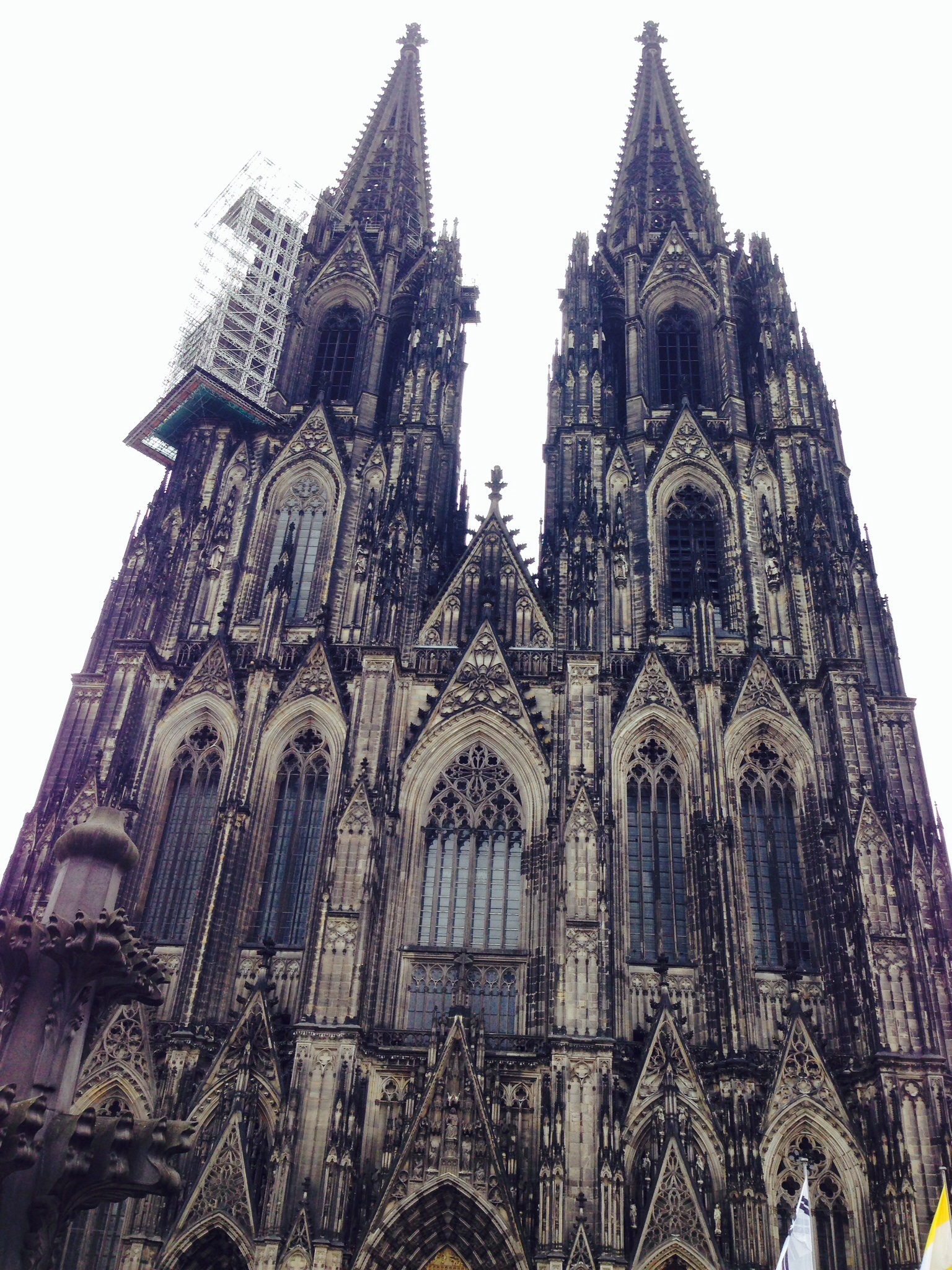
My day of sightseeing began with a tour of the Gothic Cologne Cathedral, reputedly one of the largest in Europe and holding the remains of the three wise kings!

Despite my atheism, I am a sucker for listening to music in a cathedral and so was pleased my visit coincided with mass.

I had no plausible reason to not climb the 500+ stairs to one of the twin towers given what laid ahead so up and up I went. My reward was a great view down the Rhine River.

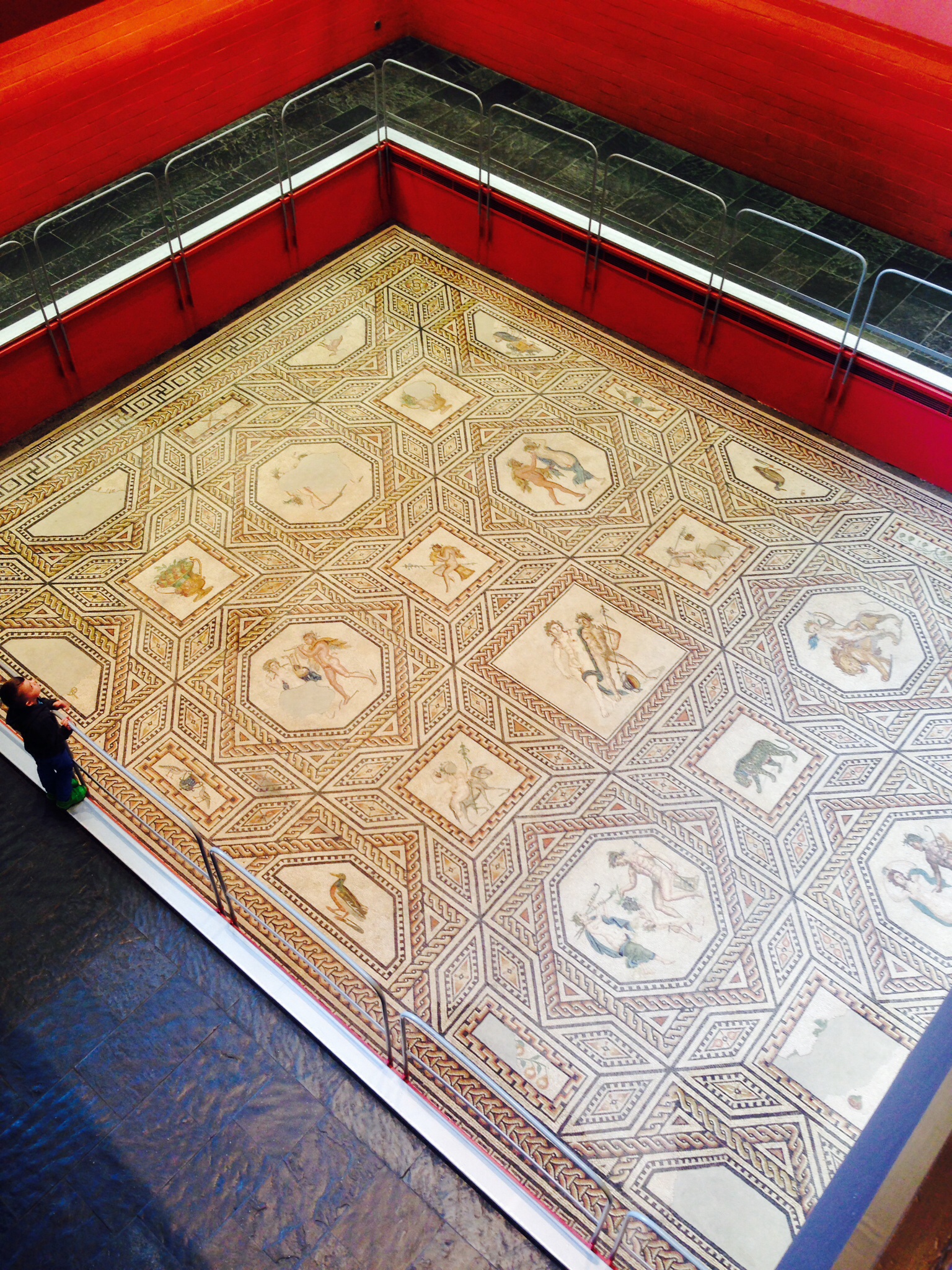
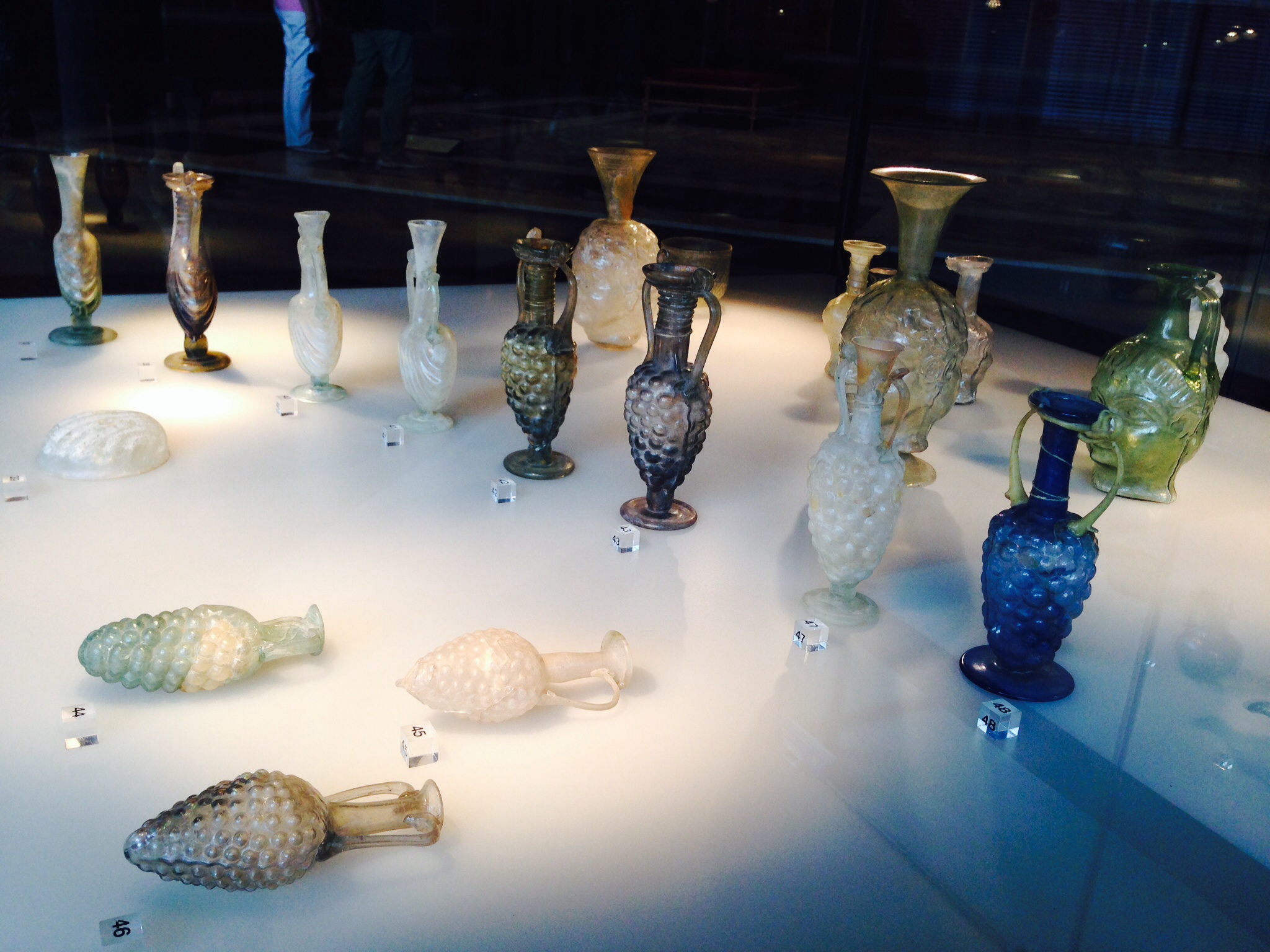
My next stop was the the Romanische Germanic – an expose of Cologne’s and other parts of Germany’s Roman history. A key part of the exhibition was the Dionysus Mosaic, a former banqueting hall floor, which had been uncovered during the construction of a bomb shelter during the war. I really enjoyed the glassware display too.

I was amazed by the 35 000 BC relics also held in the museum until I saw the relics dating back to 100 000 BC. I actually went back to check I hadn’t misread it on the plates!

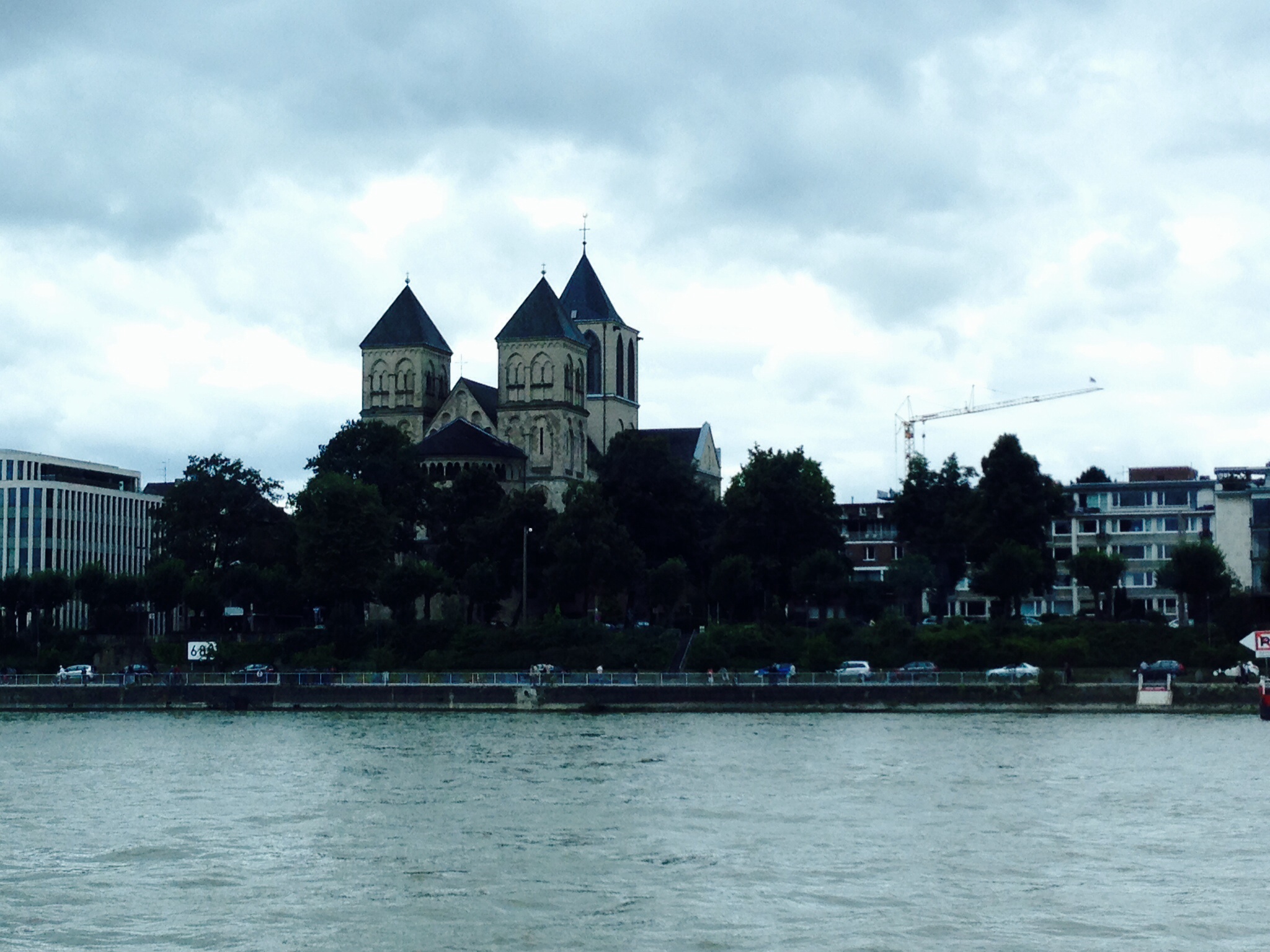
A short cruise along the Rhine was a great opportunity to take reprieve from the cold – I had definitely not packed for what I was being told was an unseasonably cold August in Germany. It was a nice perspective of the pretty coloured and decorated buildings and Romanesque churches.

I had a walk around the Neumacht, taking in the sights and sounds from a small community market before stopping in a beer house for a Kolsch in its originating city! I could have easily settled into this cosy spot but didn’t … plenty more beer yet to come in Bavaria.

Something that will sit with me from Cologne is the number of homeless people with dogs – and I’m not talking small lap dogs!  I’m not sure if it is a ploy to obtain more money while begging or whether it is for companionship in what must be a very solitary life.

I’d wondered if one day was going to be enough to experience Cologne but although I hadn’t taken a lot of down time I felt I’d gained a good feel for this city, which had once been a very significant base for Germany and it’s forerunners.

I farewelled Cologne resisting the temptation to pick up a token sampler of Eau de Cologne 4711 – a small part of Cologne in my childhood.


Cologne Cathedral

Cologne Cathedral

image


image

image

image

Sure, we can all do that....

Sure, we can all do that….

Some Bavarian boys out in their lederhosen!

Some Bavarian boys out in their lederhosen!

Romische Germanic  - structures from roman times

Romische Germanic – structures from roman times

Dionysus Mosaic found during bomb shelter construction

Dionysus Mosaic found during bomb shelter construction

image

image

image

Mixing up the new with the old along the Rhine.

Mixing up the new with the old along the Rhine.

image

image

image

image

Enjoying a Kolsch in its home town!

Enjoying a Kolsch in its home town! 

image

Pro-Israelis using the train station to get air.

Pro-Israelis using the train station to get air.

My pretty little village.

My pretty little village.


Posted in Uncategorized | 1 Comment

Back on the road….

Well here I am, sitting in the Emirates lounge ready for the five weeks that lay ahead.  I’ve had my glass of Veuve to celebrate the pack tonight – that was certainly the finest I’ve ever cut it!

It’s going to be fun – a bit of sightseeing in Germany before I settle into Frankfurt for the 20th World Congress on Safety and Health at Work and then it’s on to meet Karyn in Chamonix to begin to hike the Haute Route.  I’m hoping the training I’ve done will get me up and down the mountains without too much suffering!  The photos will be telling in terms of whether I’m donning a smile and I think I’ll be looking for a spa retreat in Zermatt! I’m disappointed Lee and Mia were unable to come in the end but happy to have such a great walking companion in Karyn. I reckon us two vego, wine drinking hikers are going to have a great time motivating each other – we’ve already discussed our behaviours in times of stress (quietly I’m thinking chocolate will pull me through).

I get to enjoy four more days in Switzerland before starting the journey home….but that’s ages away!

Posted in Uncategorized | 2 Comments

The end or start of a journey?

Touch down on Australian soil; an indescribable feeling coming over me.
In the last 21 weeks I’ve visited 12 countries, seen amazing natural and and made wonders, met beautiful people, made wonderful new friends, ate fantastic food, marvelled at beautiful art, seen terrible hardship (reminding me again of my privileged life) and challenged myself physically and emotionally – and did I mention the food – what more could you want from a holiday?
I return still amazed by the Catholicising of South America – the Spanish had certainly met the Pope’s decree during their conquest. It had been sustained more so than in Europe and indeed Spain itself; I suspect through the toleration of the synchronisation with native religions and practice.
I had consistently carried around 18kg in my pack (with the help of a few posts home). I hadn’t come anywhere near my airline limit of two bags at 26kg each – thanks again to Pachamama!  On the point of packing I have to acknowledge my most precious travel items – Egyptian cotton sarong (accessory, eye mask, rope, towel, sun cover, neck warmer and bed sheet), my iPad mini (many an hour on transport entertained with guidebooks, novels, audiobooks, movies, music and photos), my Adidas string bag (light, inconspicuous, small to pack and secure), my cutlery set (amazing how cheaply you can eat when you have a serrated knife and spoon whether on a bus, beach, mountain top or public square) and my travel pillow (back support, supplement to flat pillows, ear muff and sleep buddy).
I was extremely grateful to those who had followed my blog, sent messages or posted likes and comments on Facebook. Only those who have travelled solo probably appreciate how much you crave those messages and how they sustain you when you’re so far from those you love. So for those of you who kept in touch having never travelled solo, I salute you!  For those of you who have travelled solo and kept in touch, you are true travellers!
There’s only one postcard I didn’t get to send but it was okay because I knew the moment I stepped onto Easter Island that he was travelling with me.
Now I’m looking forward to a hug…..from anyone!
Finally, I promised to post an advertisement for my loyal friend Mac. Mac’s looking for an adventurous travel companion; he’s open to going anywhere you want to go. He’s from New Zealand, packs a mighty 70litres, very strong, tolerable of rough treatment and looks great in green. He never complains about anything, always on the ready for the next adventure. He’s available for travel between now and June 2016. Only those willing to share travel stories need apply!
image
image
Posted in Uncategorized | 3 Comments

Reunions in London


London – my last destination before travelling home. It was only going to be a short stay but had been looking forward to it given the planned catchups with the girls from the Patagonia leg of the trip. I’d planned to meet Jo and Claudine at Trafalgar Square in the afternoon so I took that advice of Constantine, my lovely Airbnb host, to meander around Covent Garden and surrounds in between.
I had decided to resist taking photos of things I had seen on my previous visit to London and so just soaked up the atmosphere. It was Sunday so plenty of people around. I had noticed that the streets seemed a lot cleaner and neater since my last visit; concluding it was a consequence of the improvements done for the Olympics.
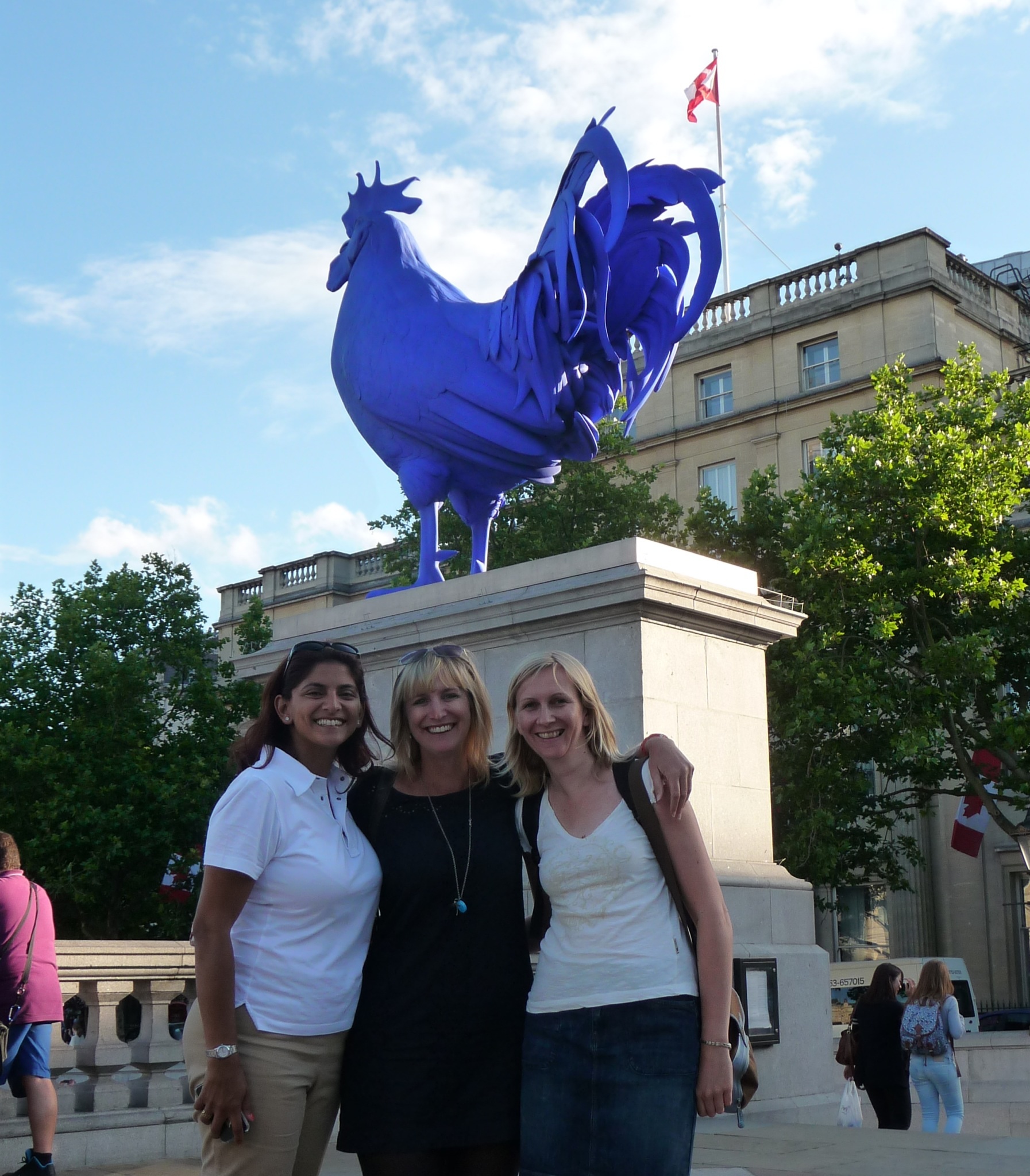
It was so lovely to see Jo and Claudine and to be introduced to the big blue cock in Trafalgar Square (apparently that particular plinth has a new piece of art installed every 18 months) – what would Lord Nelson think!  A bite to eat and a lot of reminiscing was had; a lovely night.
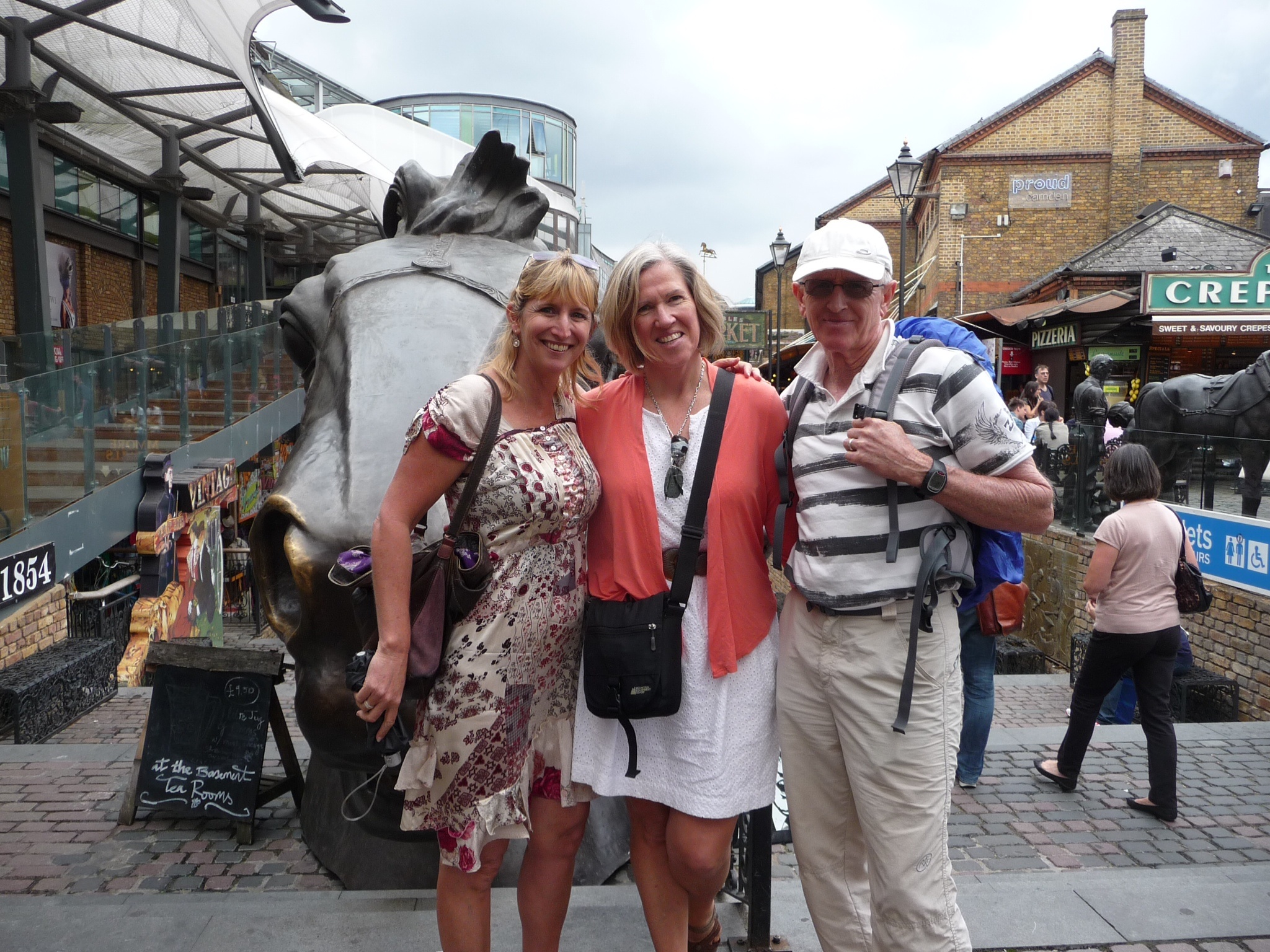
I had the great fortune of also getting to meet up with Karyn and Rod who were also spending a few nights in London; they’d been travelling for two months and I had been tailing them in Europe. I was staying in Paddington and they in Bayswater so we met in Little Venice from where we caught one of the narrow boats up to Camden Markets.
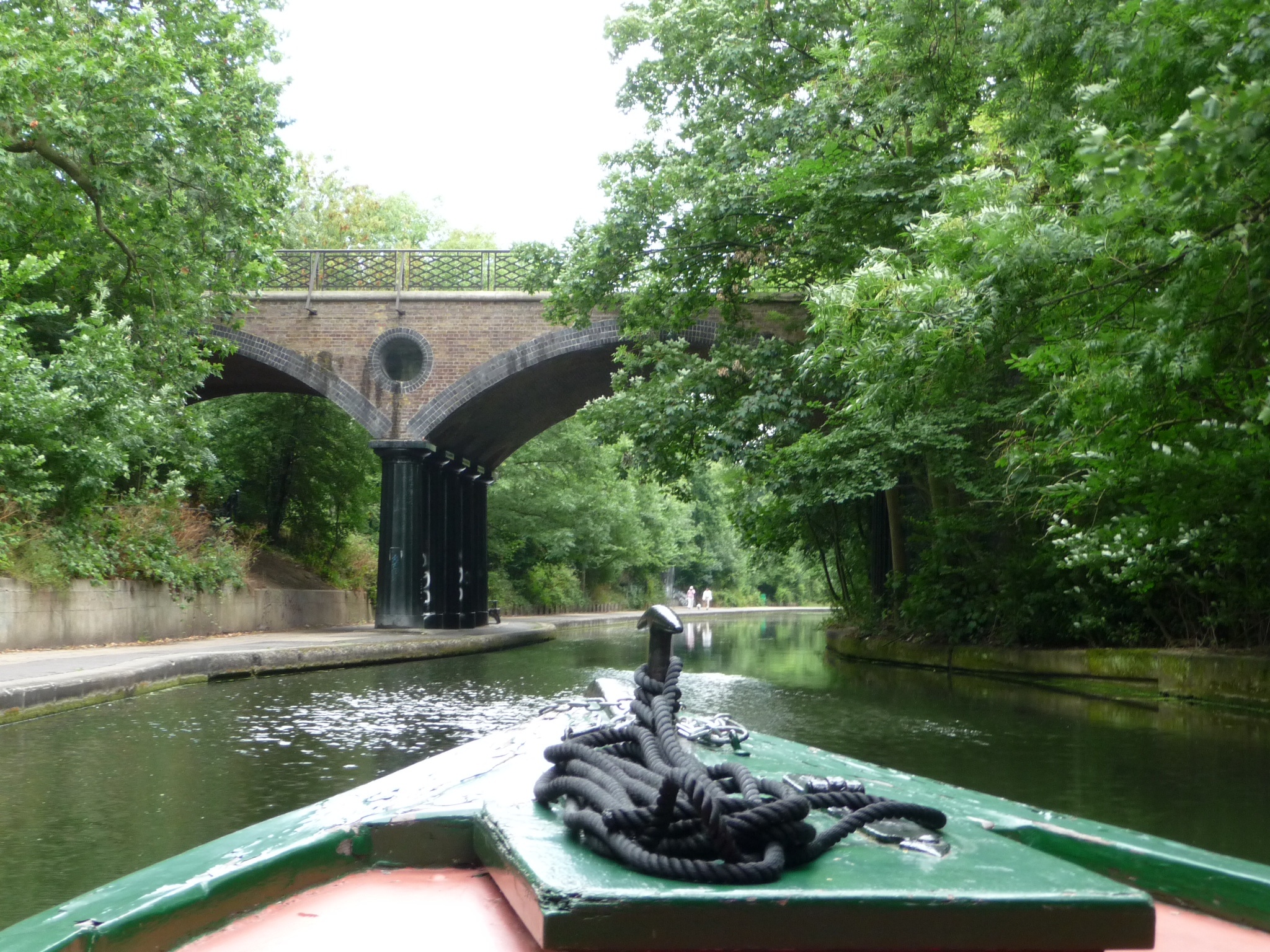
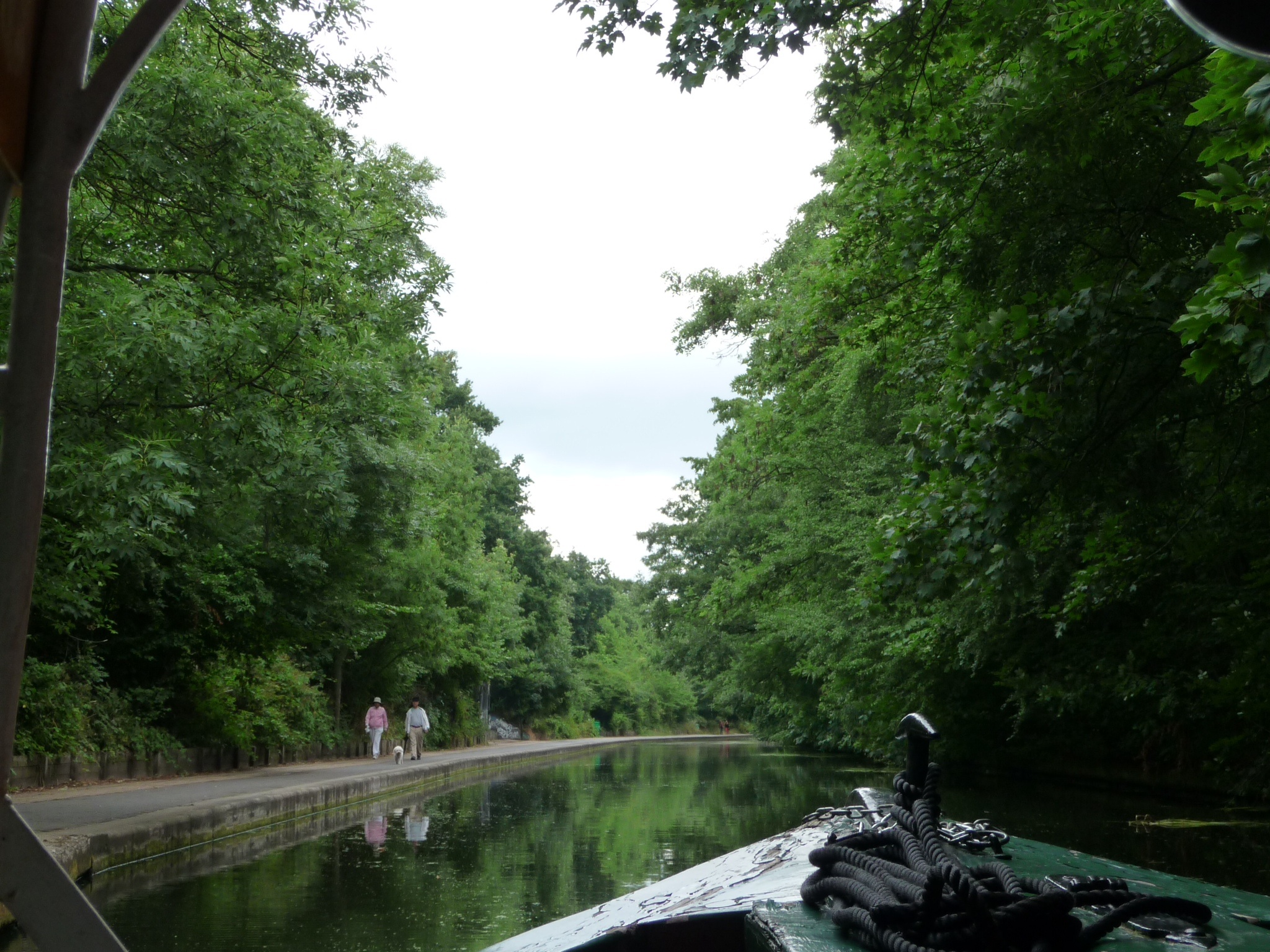
It was an informative boat tour (albeit delivered a little sternly by our guide) that commenced in Grand Union Canal and continued up along Regents Park Canal. The canals are more than 200 hundred years old and were originally used to transport cargo by horse power (no engines at the time). The marks along the horse path showed the indents caused by the horse tow ropes.
The homes along Regents Park were rather lovely (but so they should be for up to a cool 110 mil). On arrival to Camden Market (the original stables for the horses) the heavens opened up. Rod got to witness a spectacular stack on my part – no serious damage just a little shook up and certainly nothing a chocolate brownie couldn’t fix. Finally back into ballet slippers and this is what happens – I shudder to think how I’ll go in heels next week!
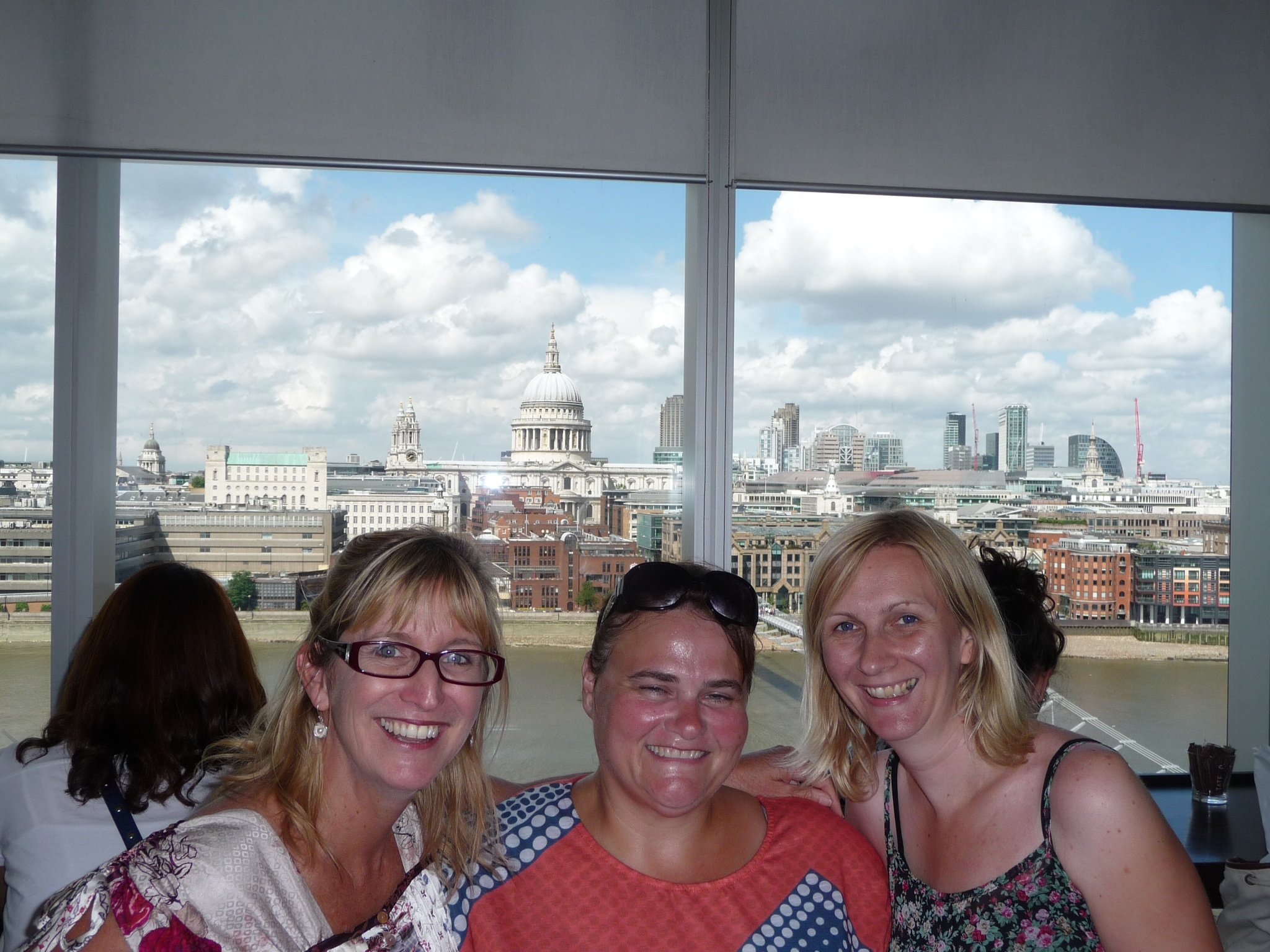
The sun graced us again and I was off to meet Jo, Leo and Leo’s Spanish friend, Ruben, at the Tate Modern. It had been wonderful to have the ‘unplanned’ catchup with Karyn and Rod. Will no doubt be out on the bike with them in the weeks to come.
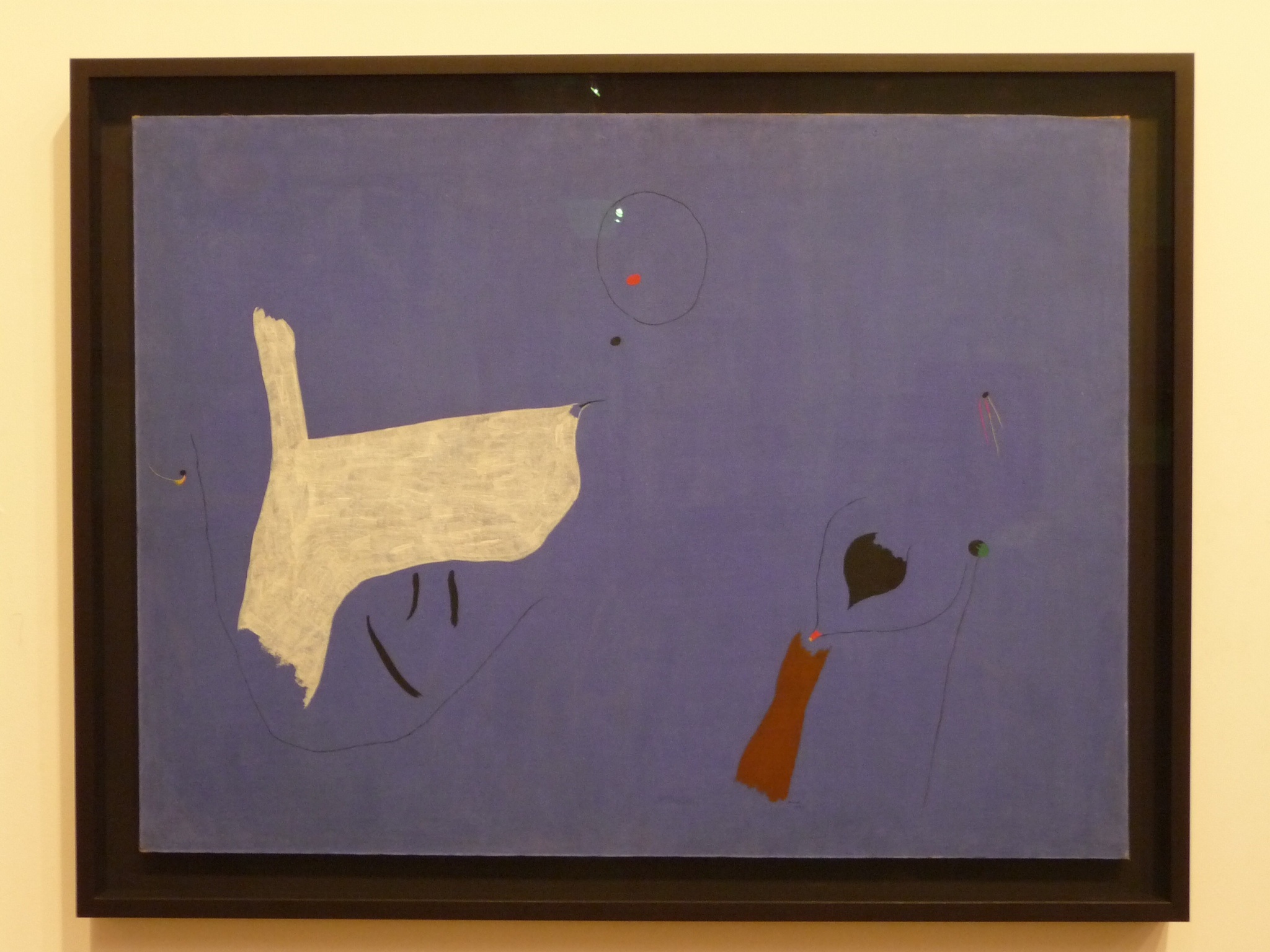
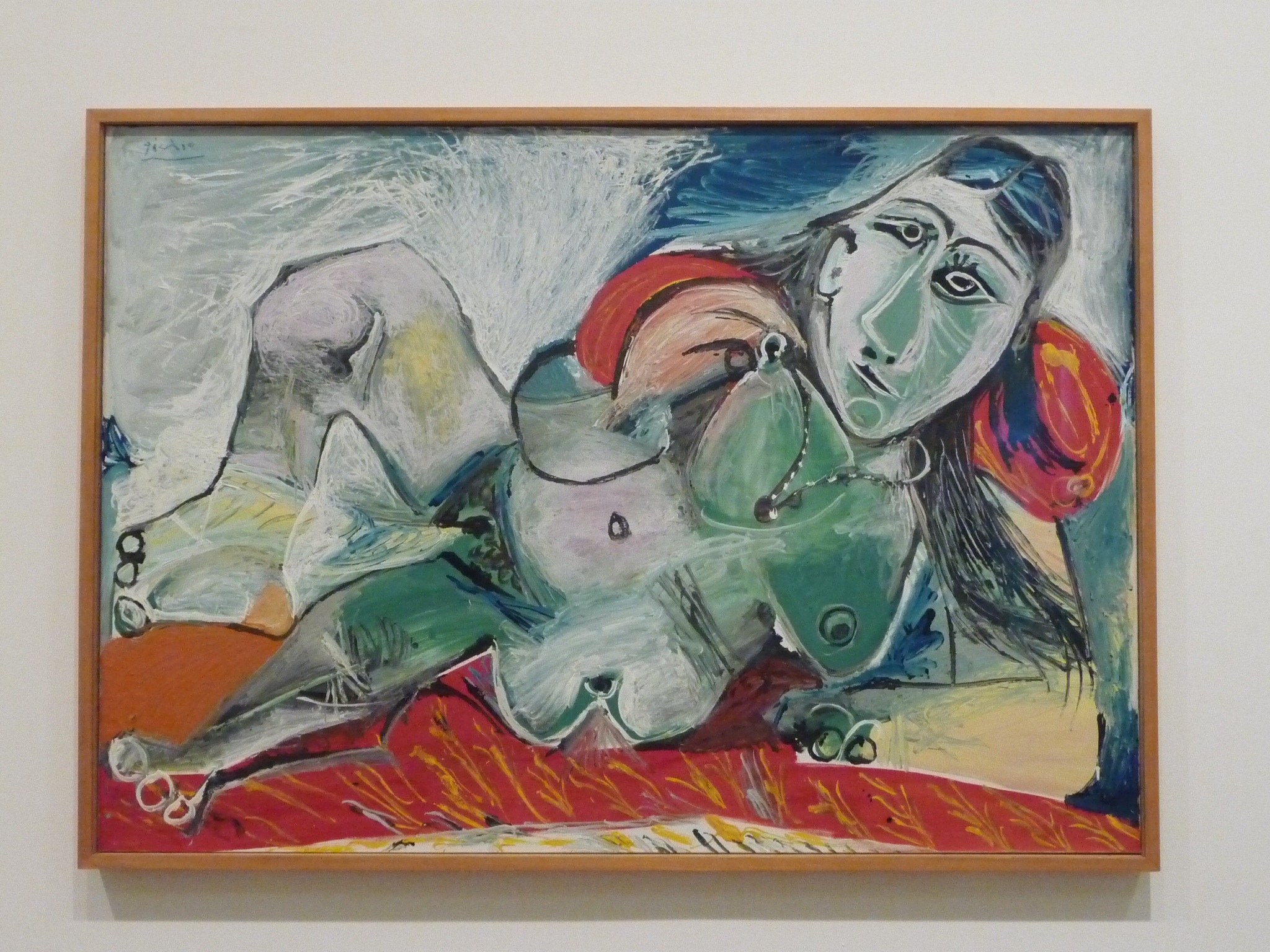
The Tate was filled with a vast array of works; as usual those that just made no sense; those that seemed so simple that you wished you had been the first to do and those that were world famous like the pieces by Picasso, Miro, Matisse and Kandinsky.
Another reunion that ended all too soon. The good news was that Leo was returning to Perth this year after years of travel so there was every chance we would meet up again sometime in the not too distant future.
It was then onto dinner with Jo and Claudine. Claudine had chosen a South American restaurant on the River – what could be more appropriate for our final reunion before I said my farewells???  Of course it was piscos all round!
It had been so wonderful to catch up with these girls after our last meeting four months ago.  I was ever so grateful that they’d made the time for the catchups (Jo having to travel a few hours by train and get accommodation) and I knew sadly as we said our farewells that it was unlikely we’d meet face to face again for a while if at all.
Last day to visit the British Museum with its wonderful collection from around the world. It’s considered the oldest museum in the world; it started in 1753 after the British government purchased a very large collection from a British chocolate milk Baron!
Packed and ready to head out to the airport for the travels home…
With Claudine, Jo and the big blue Cock at Trafalgar Square

With Claudine, Jo and the big blue Cock at Trafalgar Square

Cruising in a 'narrow boat' from Little Venice to Camden Markets)

Cruising in a ‘narrow boat’ from Little Venice to Camden Markets)

image

image

Catching up with Karyn and Rod

Catching up with Karyn and Rod

Camden lock

Camden lock

Catching up with Leo and Jo at the Tate Modern

Catching up with Leo and Jo at the Tate Modern

Bust of a woman 1909' Pablo Picasso

Bust of a woman, Pablo Picasso

Swinging 1925, Wassily Kandinsky

Swinging, Wassily Kandinsky

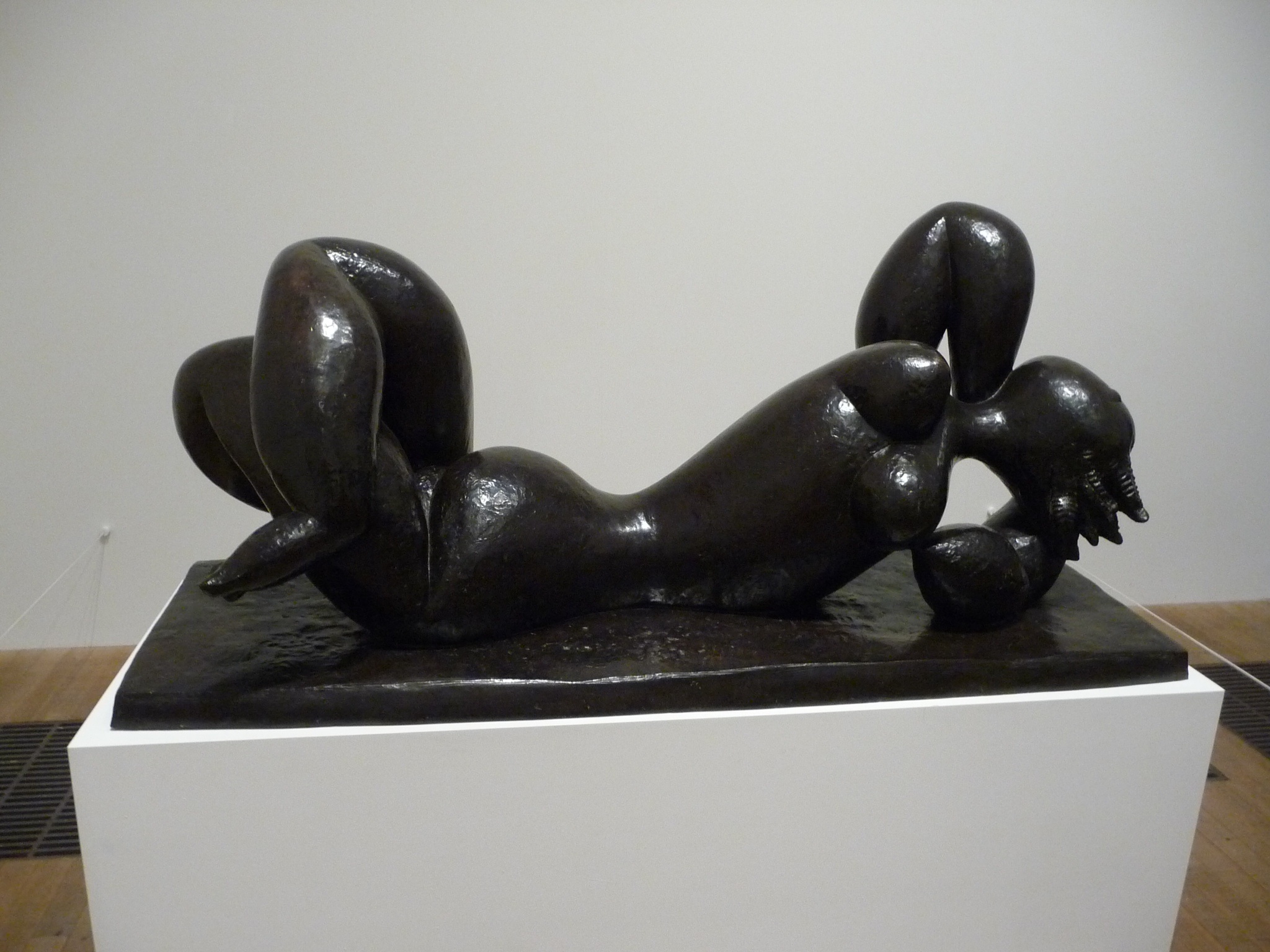
Composition 1932, Henry Moore

Composition, Henry Moore

No it's not a blank canvas - look deeper into this fascinating piece of art!?!?

No it’s not a blank canvas – look deeper into this fascinating piece of art!?!?

Quartered Meteor, Lynda Benglis - I know one person who will really love this.

Quartered Meteor, Lynda Benglis – I know someone who will really love this.

Water-lilies, Claude Monet

Water-lilies, Claude Monet

Painting 1927, Joan Miró

Painting, Joan Miró

Nothing quite like a few Bolshi russian posters

Nothing quite like a few Bolshi russian posters

Nude woman with necklace, Pablo Picasso

Nude woman with necklace, Pablo Picasso

Reclining nude II, Henri Matisse

Reclining nude II, Henri Matisse

Some more Rene Magritte - Man with a newspaper

Some more Rene Magritte – Man with a newspaper

Weeping woman, Pablo Picasso

Weeping woman, Pablo Picasso

Finished with our own Sidney Nolan - Inland Australia

Finished with our own Sidney Nolan – Inland Australia

Piscos all round!

Dinner at Las Iguana and piscos all round!

The 'King's Library' in the British Museum

The ‘King’s Library’ in the British Museum

1.8 million year old rock found in Tanzania

1.8 million year old rock found in Tanzania

The Lewis chessmen - made out of ivory from walrus tusks believed to originate from Norway between 1150-1200.

The Lewis chessmen – made out of ivory from walrus tusks believed to originate from Norway between 1150-1200.

Ribchester helmet from the Roman Empire found by a young boy while playing in 1796.

Ribchester helmet from the Roman Empire found by a young boy while playing in 1796.

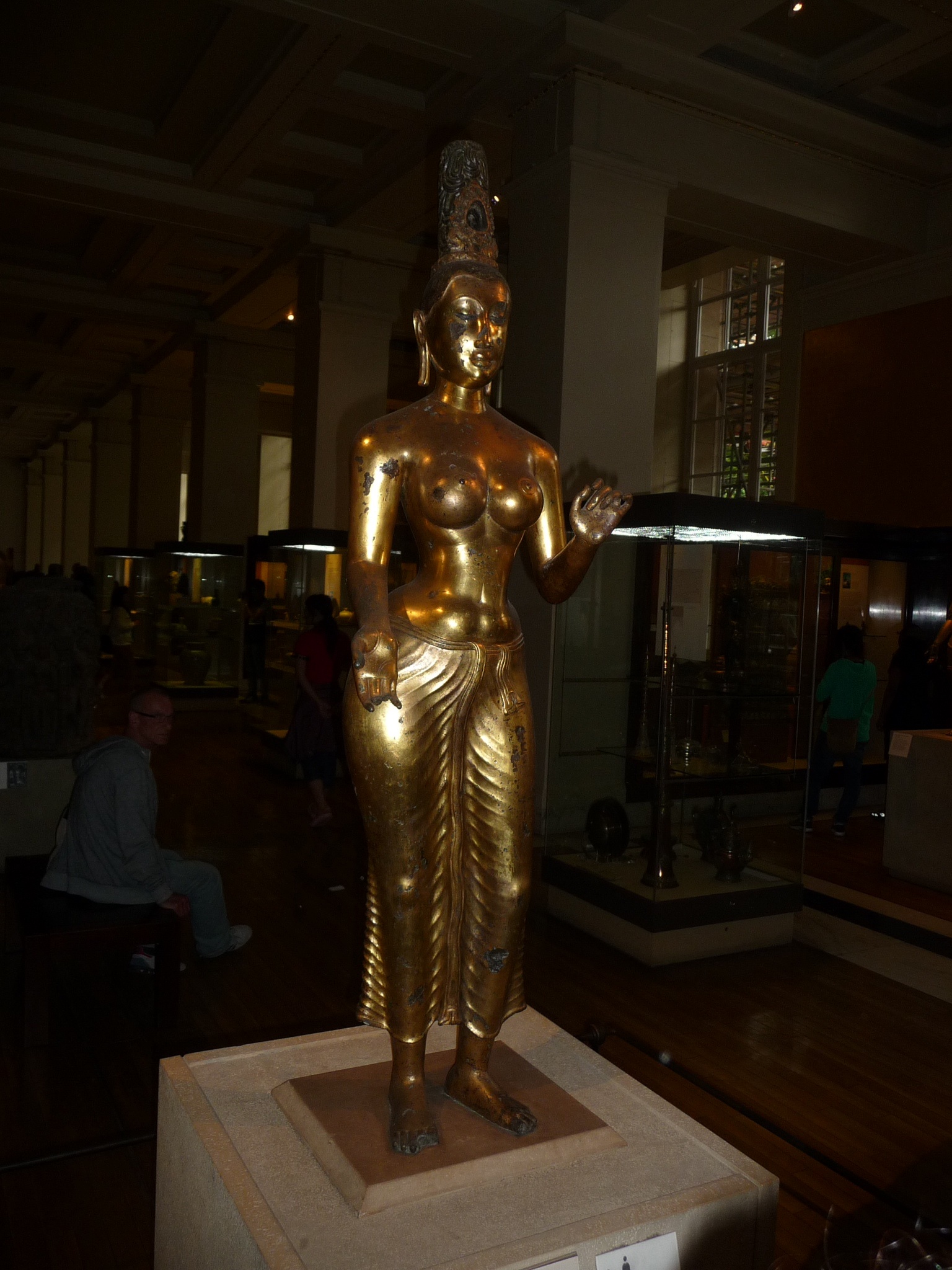
Tara, solid bronze Buddhist sculpture (900AD) found in 1839.

Tara, solid bronze Buddhist sculpture (900AD) found in 1839.

Look who I found on the last day of my holidays!

Look who I found on the last day of my holidays!

Cast brass friezes from Benin, Nigeria, 1400s

Cast brass friezes from Benin, Nigeria, 1400s

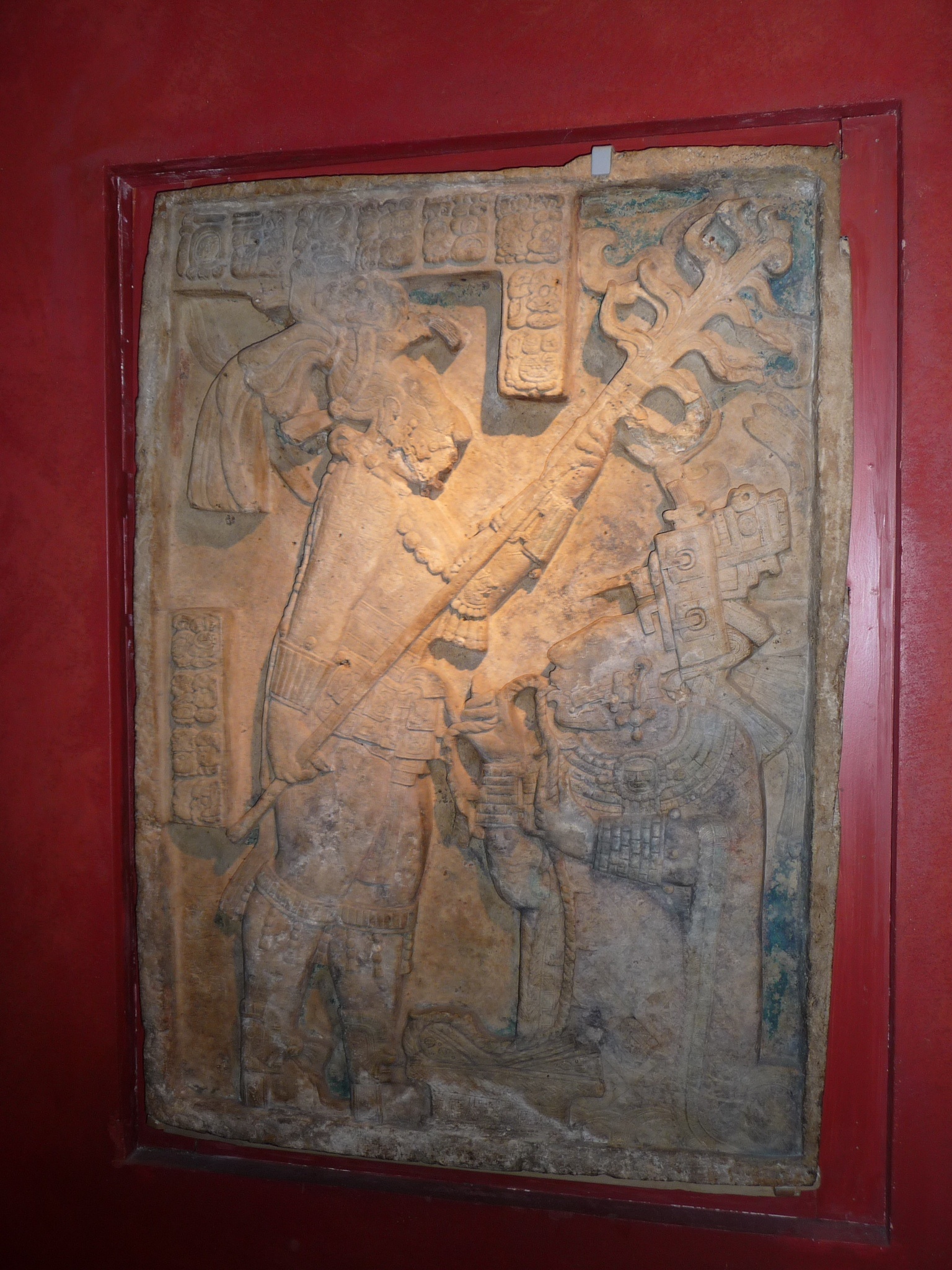
Mayan temple panels, Mexico, 725AD

Mayan temple panels, Mexico, 725AD

Parthenon marble sculptures (friezes), Greece, 447-438 BC

Parthenon marble sculptures (friezes), Greece, 447-438 BC

The Rosetta Stone with its three inscribed languages - used to unlock the hieroglyphs of Egypt, 195 BC

The Rosetta Stone with its three inscribed languages – used to unlock the hieroglyphs of Egypt, 195 BC

Posted in Uncategorized | 1 Comment

Beer and chocolates in Belgium

I farewelled the Netherlands and boarded my train to Belgium. I managed to sit next to a guy who was also travelling to Ghent after holidays – although he’d been away for four years!  We whiled away the hours talking about mutual travels – fixated on the gorillas in Africa for a bit.
Found the airbnb accommodation without any trouble; although I must admit it was probably the limit of my walking with the pack. I let myself in only to meet my host Hans later. He was quickly off again – turns out he’s a live performance buff; his place had a nice collection of instruments, which I resisted tinkering with in his absence (or presence for that matter).  It was late in the day so all the museums were closed in Ghent but I’d read that the city has a nice illumination of the buildings at night so I decided to catch the tram in to check it out.
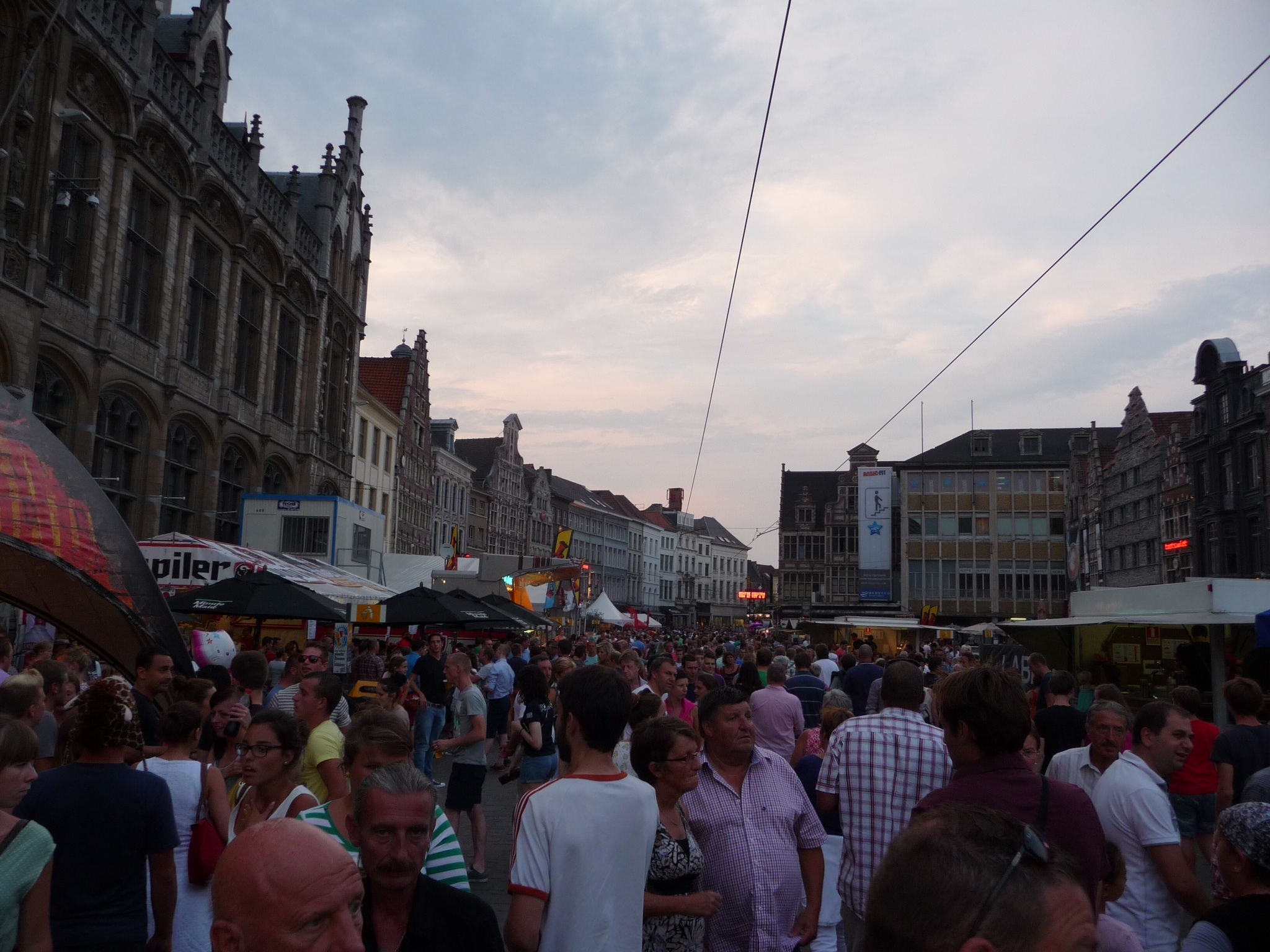
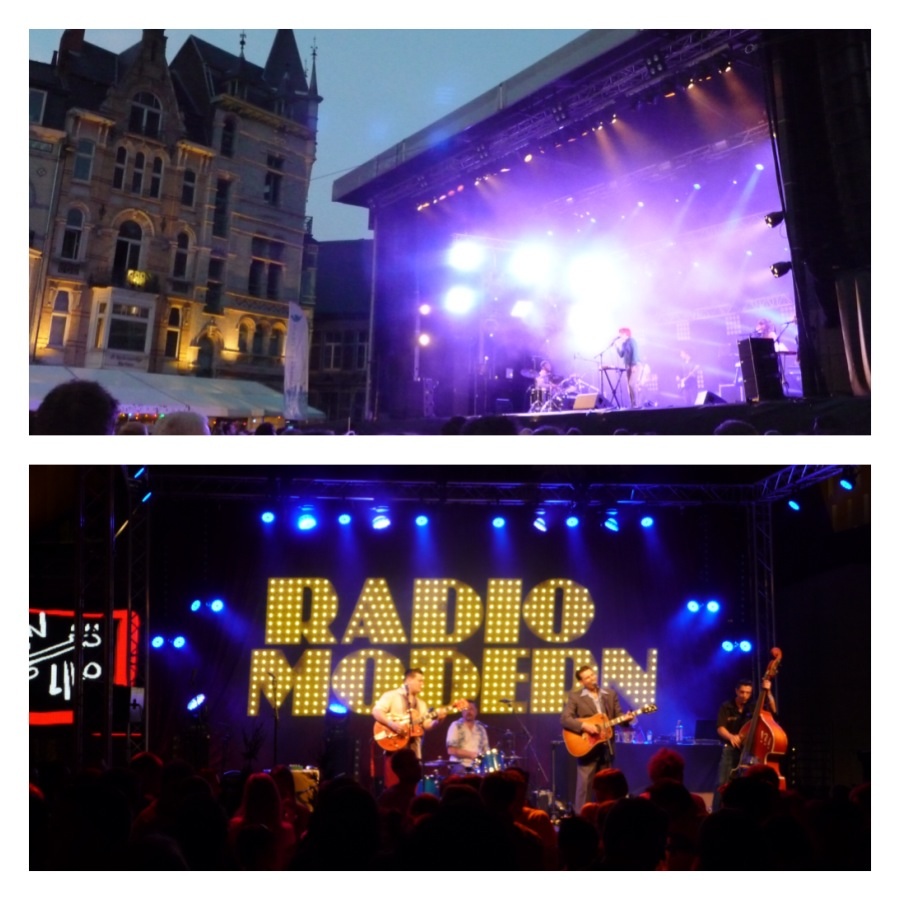
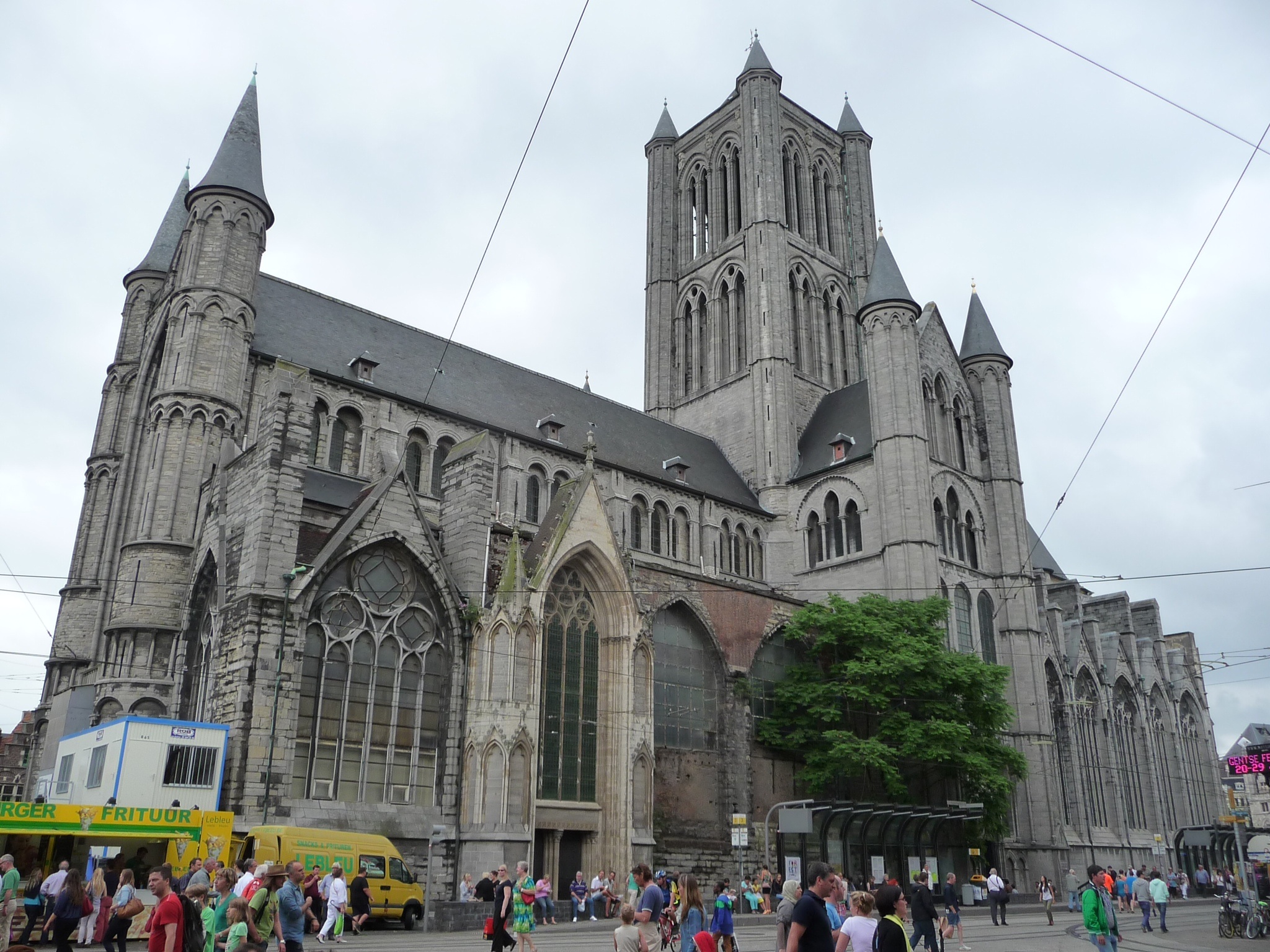
As I stepped off the tram I was greeted by the imposing St Nicholas church. The town was a buzz with people, music and lights. I had come smack bang in the middle of the Gentse Festeen – an eight day festival of music, comedy, theatre, street performance and dance….and it all free.  I found out later that the festival has been running annually for 170 years and the community protested in recent years at the suggestion an entry be charged.  I landed at the Modern Radio stage which was hosting a mix of swing, rock n roll and jazz – perfect place to taste my first Belgian beers – Juliper Pils, not bad; Kriek Belle Vue, should have done my research for that one – tasted like cherries.  Not wanting to push it with the strong Belgian beers I made my way home.
I had made Ghent my base as it was central to the places I wanted to visit in Belgium. Given I’d had a small introduction the night before I decided it best to fully acquaint myself with the town.
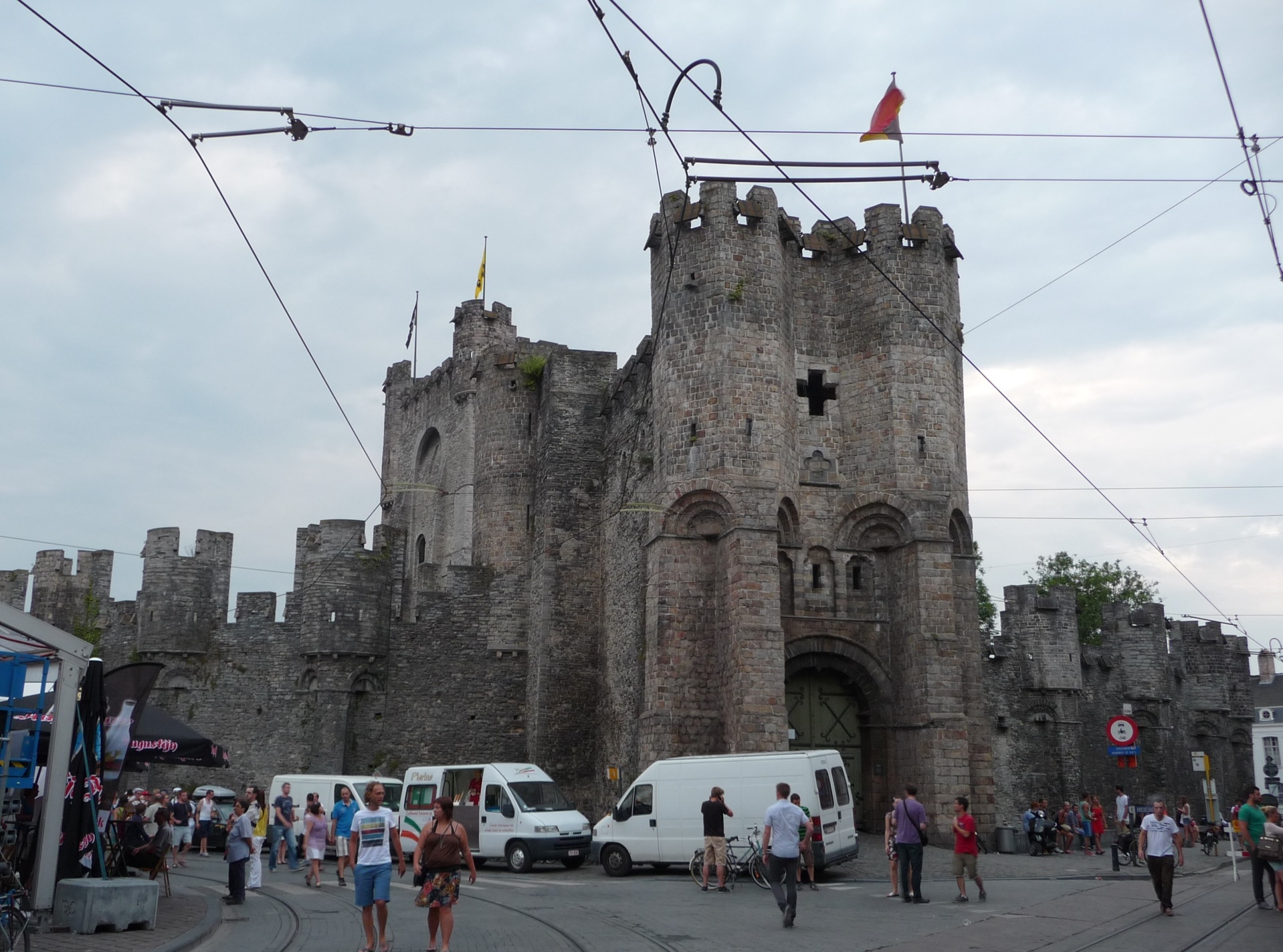
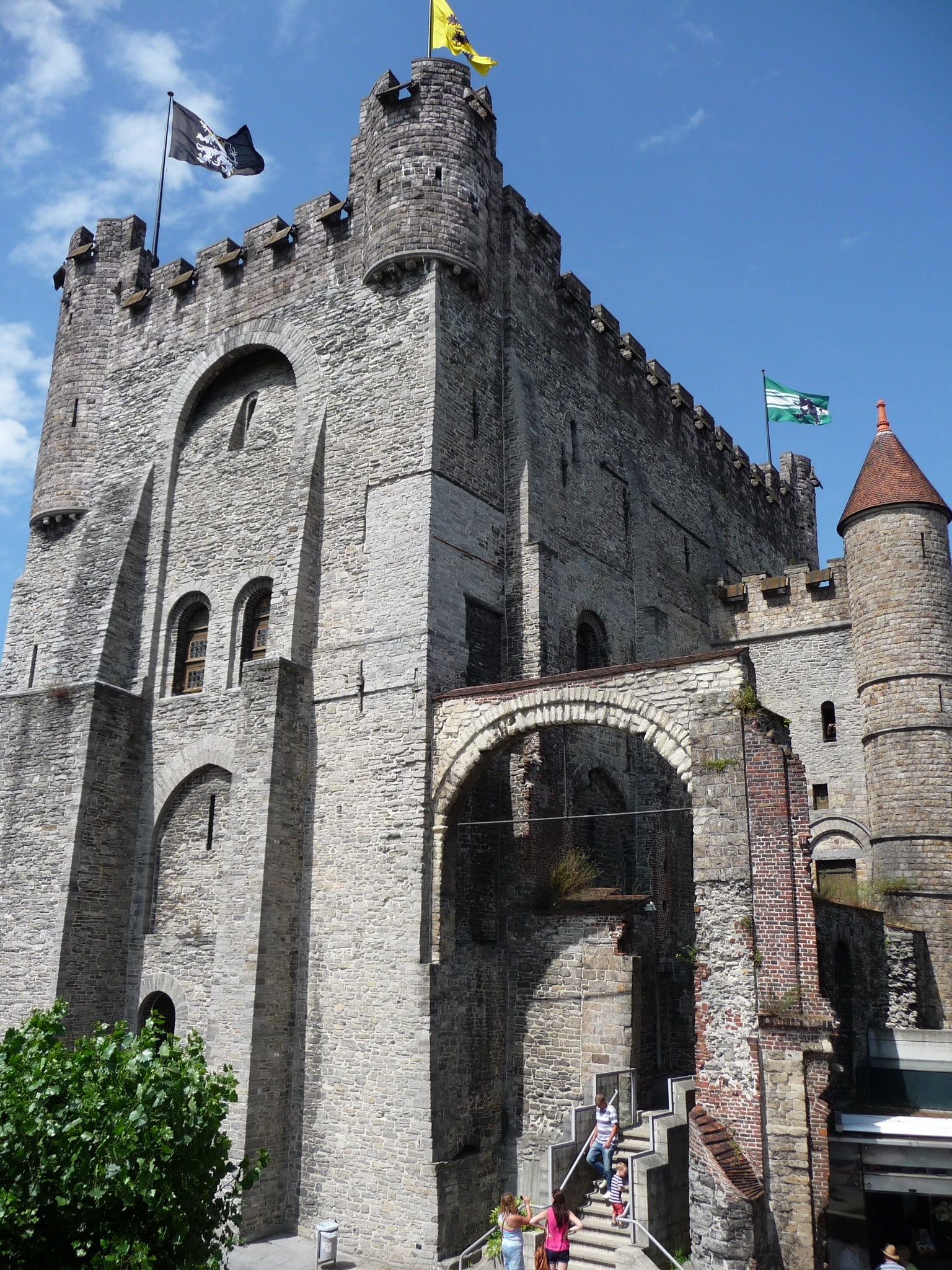
One of the places that had taken my attention the night before was the Castle of the Counts (Gravensteen). It was built in the Middle Ages (around 12th century). It wasn’t constructed as a defence fortress but rather a place to keep the commoners under control – hence it was filled with dungeons and torture chambers. The Count of Flanders resided there before its life evolved into a cotton spinning mill and other industries.
I was next drawn to the Cathedral, St Bavo’s, whose facade is undergoing restoration, to see the famous Ghent alterpiece (The adoration of the mystic lamb by Hubert and Jan van Eyck, 1432); a well known example of Flemish art. The alter piece was undergoing restoration also but it was behind a closed glass panel so you could see it up close as you heard about its story – including its theft at different times of its life. It has 12 intricately detailed panels all of which link to each other in some way.
The walk around the cathedral and its crypt was rather intense as someone was playing the organ from the main hall.  Amazing how music can determine the ambience of a place.
Thought I’d keep with the serious theme and so visited the STAM, the city museum which is also housed on the Bijloke site in an old hospital. The Museum was great in illustrating the importance of the textile and tapestry industries for Ghent.  It also highlighted the rising of Calvinism in the Flemish provinces – a challenge to the Spaniards objective of achieving Catholicism as the one true belief.
Another Belgian beer to finish off the day – this time a Trappistes Rochefort 8 – brewed by the Belgian monks! Nice!
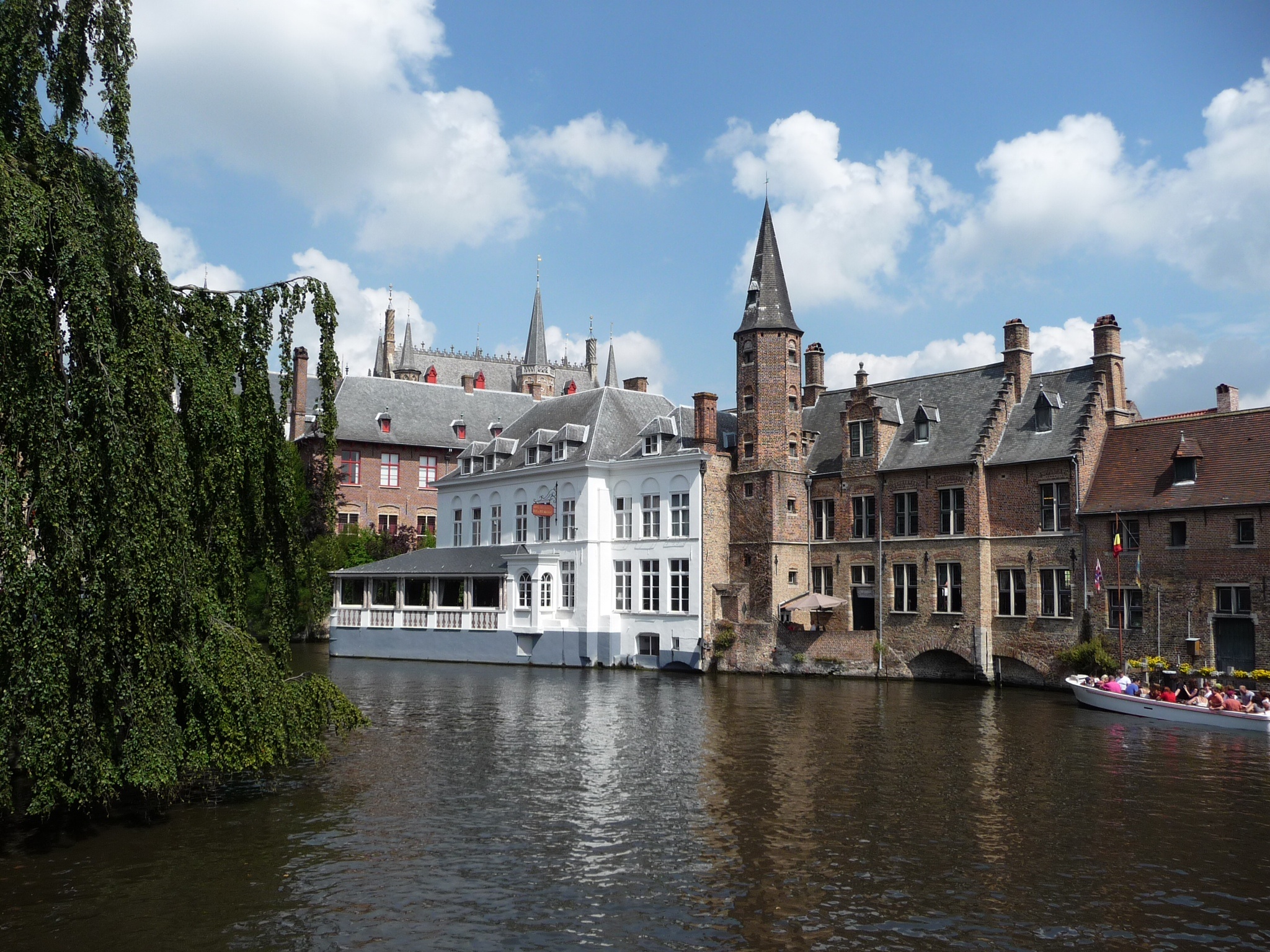
What started me on this journey to Belgium were all the good things people said about the city of Brugge so with a beautiful morning greeting me I was off on the train to Brugge. As soon as I arrived I could see that all the nice things people have said are true. The Burg Square leads you to the Stadhuis,  the Castellany of Bruges and the Chapel of the holy blood (Count Tierry of Alsace is said to have brought a vial back for  Palestine – it’s displayed on the alter every Friday).
The visit to the Stadhuis was wonderful. The Great Hall was built in the second half of the 14th century and the walls are adorned with beautiful murals depicting life within Brugge. The Council still meets in the hall every month; I can imagine they would be easily distracted by the glorious paintings surrounding them.
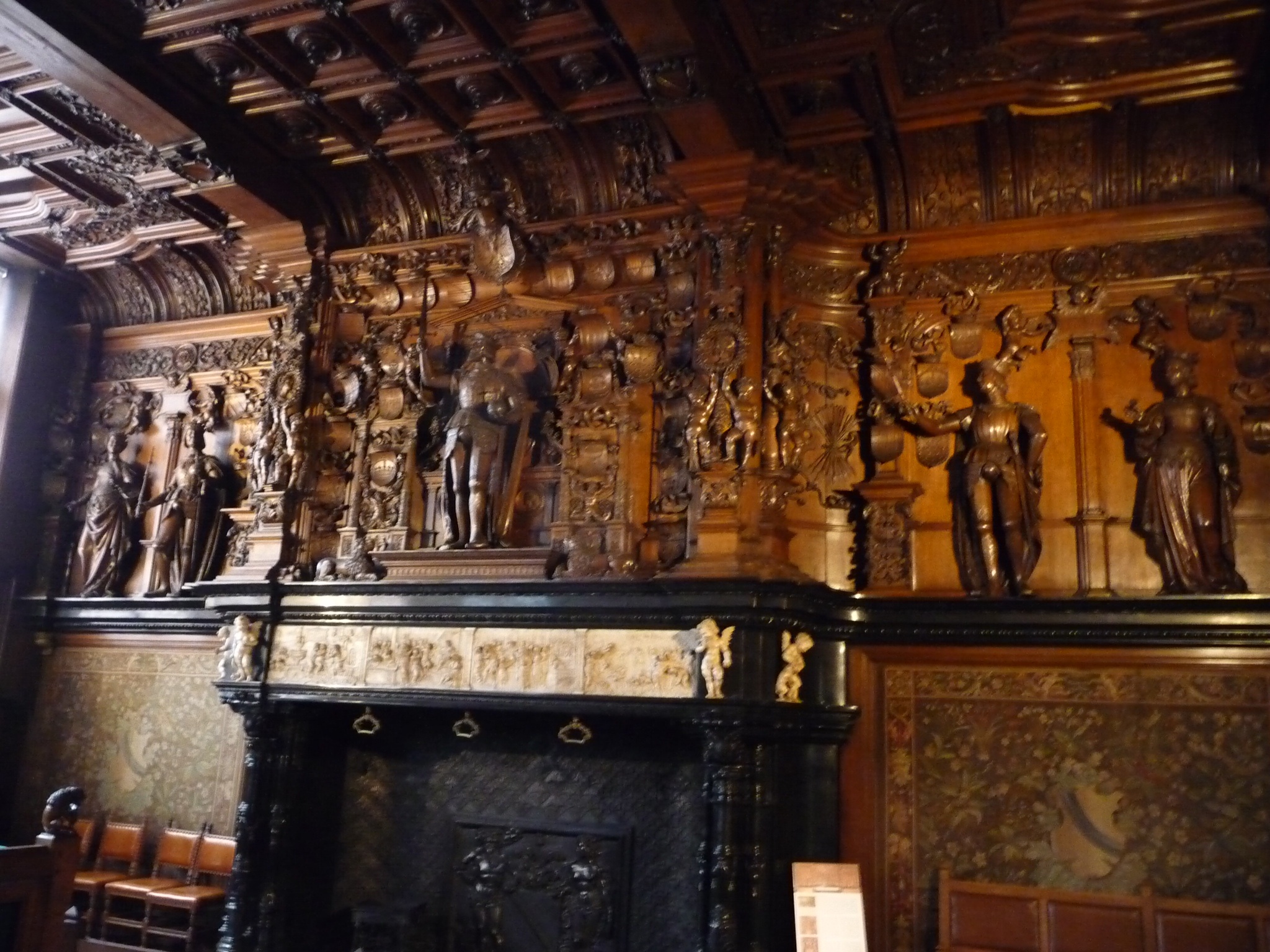
The Castellany had lovely tapestries hanging from its walls and a beautiful 1528 fireplace built out of oakwood and marble.
My appetite for Flemish art had not yet been satiated so I made a visit to the Groeninge Museum to see the works of Flemish Primitives (masters of oil paint and optical realism of their subjects) and others from The Netherlands and Flanders. The works were wonderful.  My favourite piece in the exhibition was actually the Last Judgement by Hieronymus Bosch; it was as fantastical as all his pieces are known to be. The additional exhibition  by Fabienne Verdier put a twist on the display whereby she introduced her studies of each of the pieces (she had a definite calligraphic style from her former study in China). Wow, a lovely collection of art.
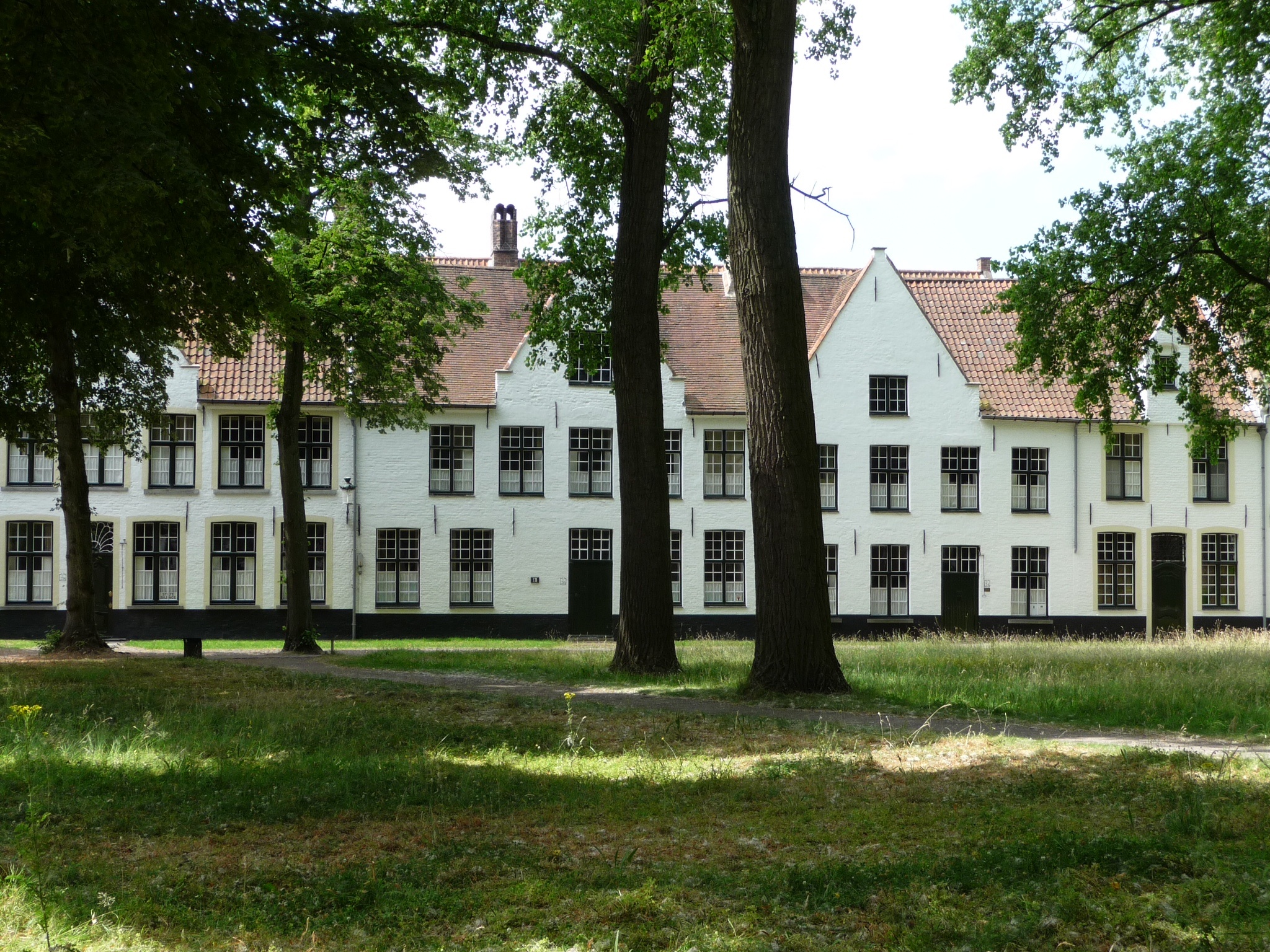
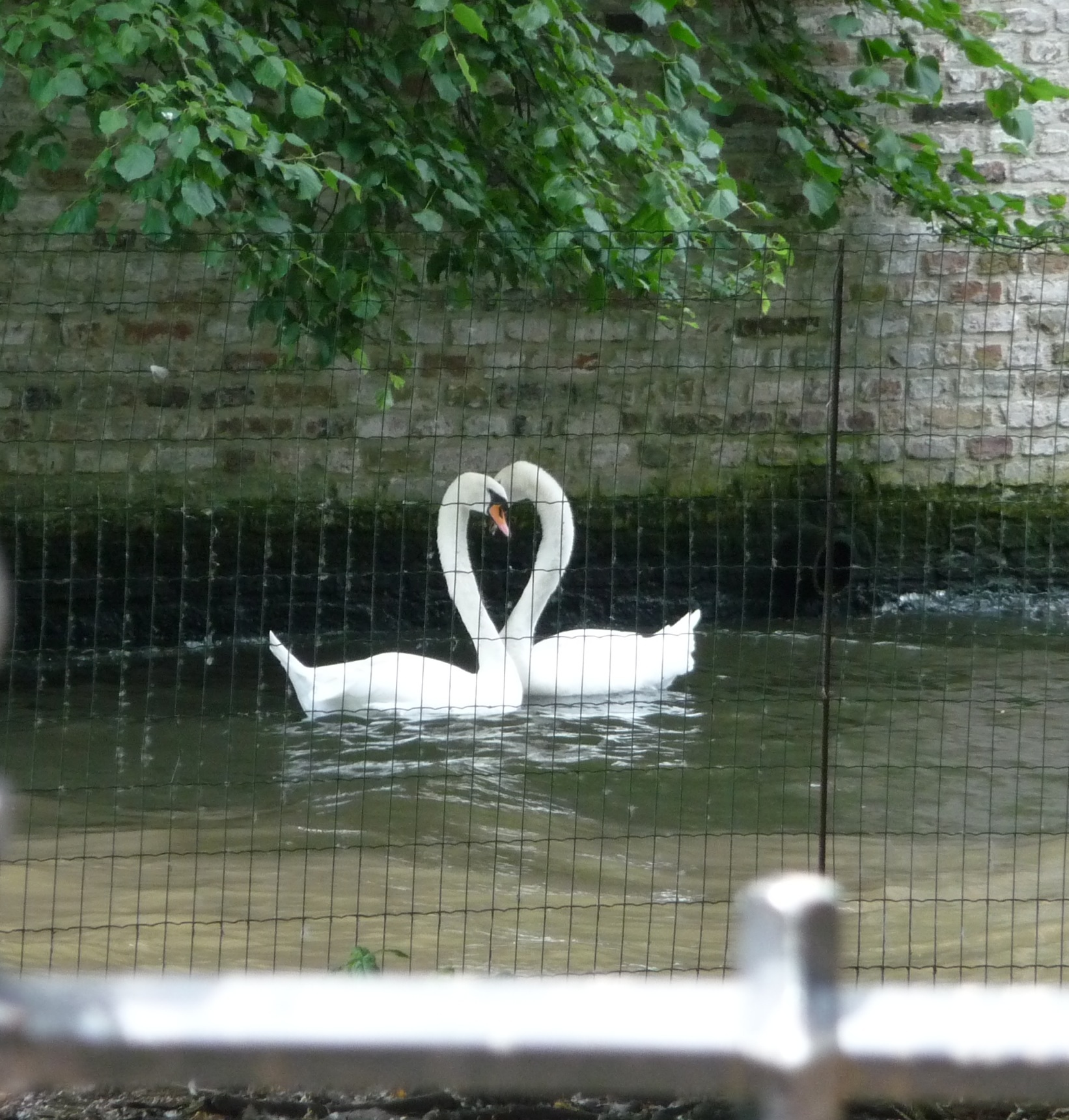
If you’re going to get lost, Brugge is the place to do it. Everywhere you look presents you with a new interesting building that draws you toward it to find out more.  The little bridge leading to the Beguinage had that effect. The Beguinage had been a haven for beguines – religious women, widows or spinsters who pursued an independent life outside the recognised orders.  It was a tranquil place commanding silence; it’s atmosphere was added to by the swans in the canal outside the walls of the Beguinage.
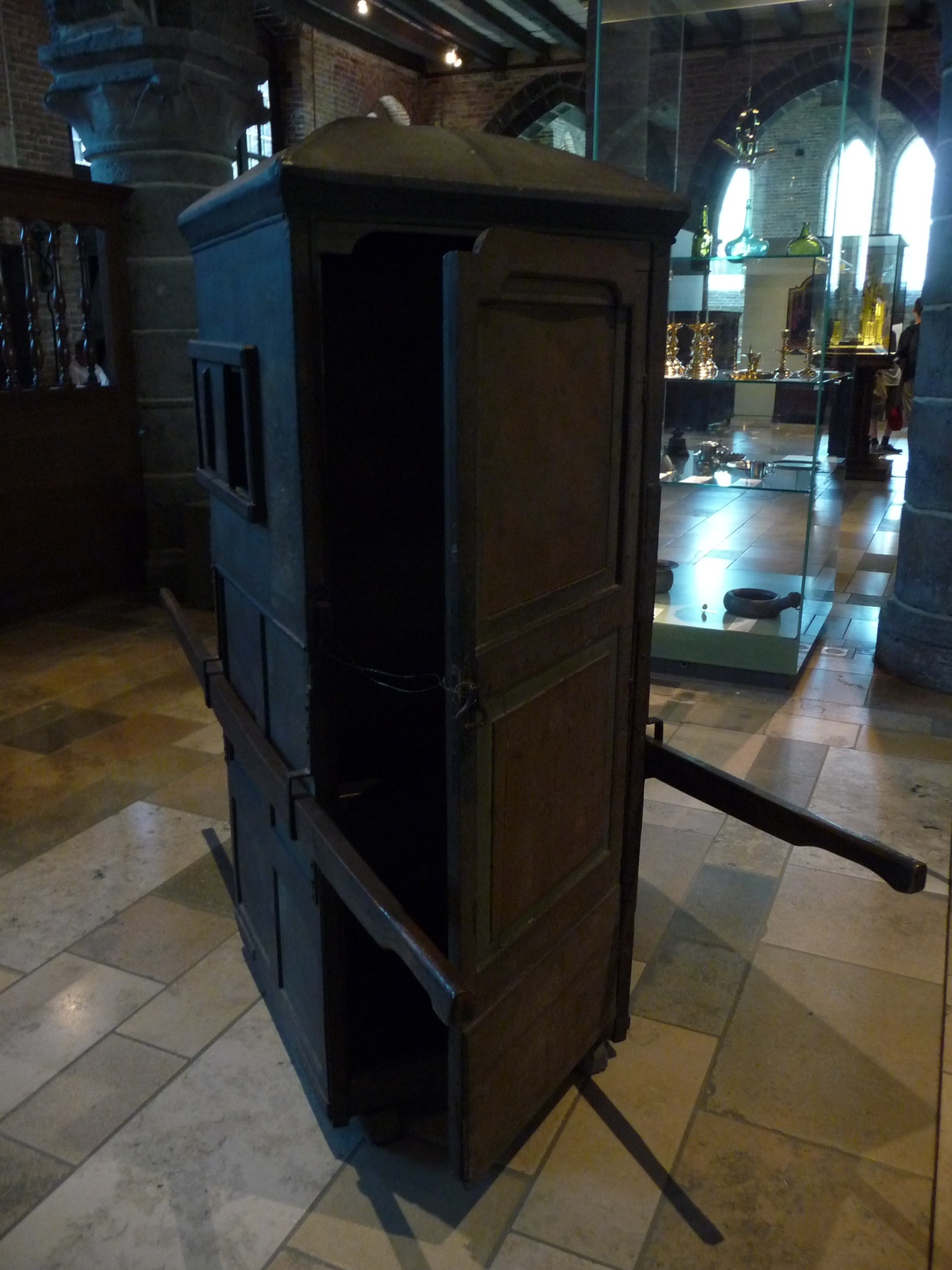
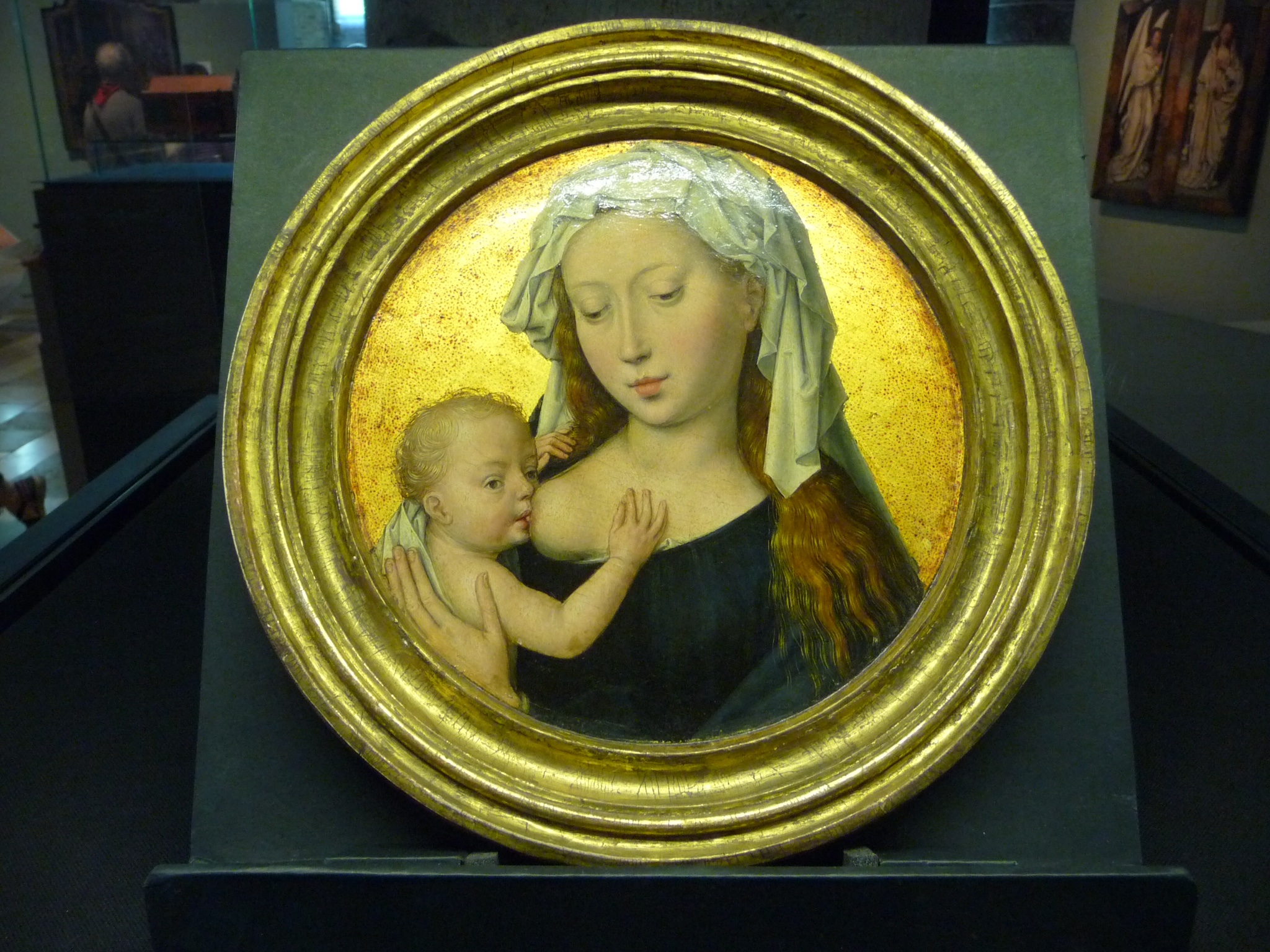
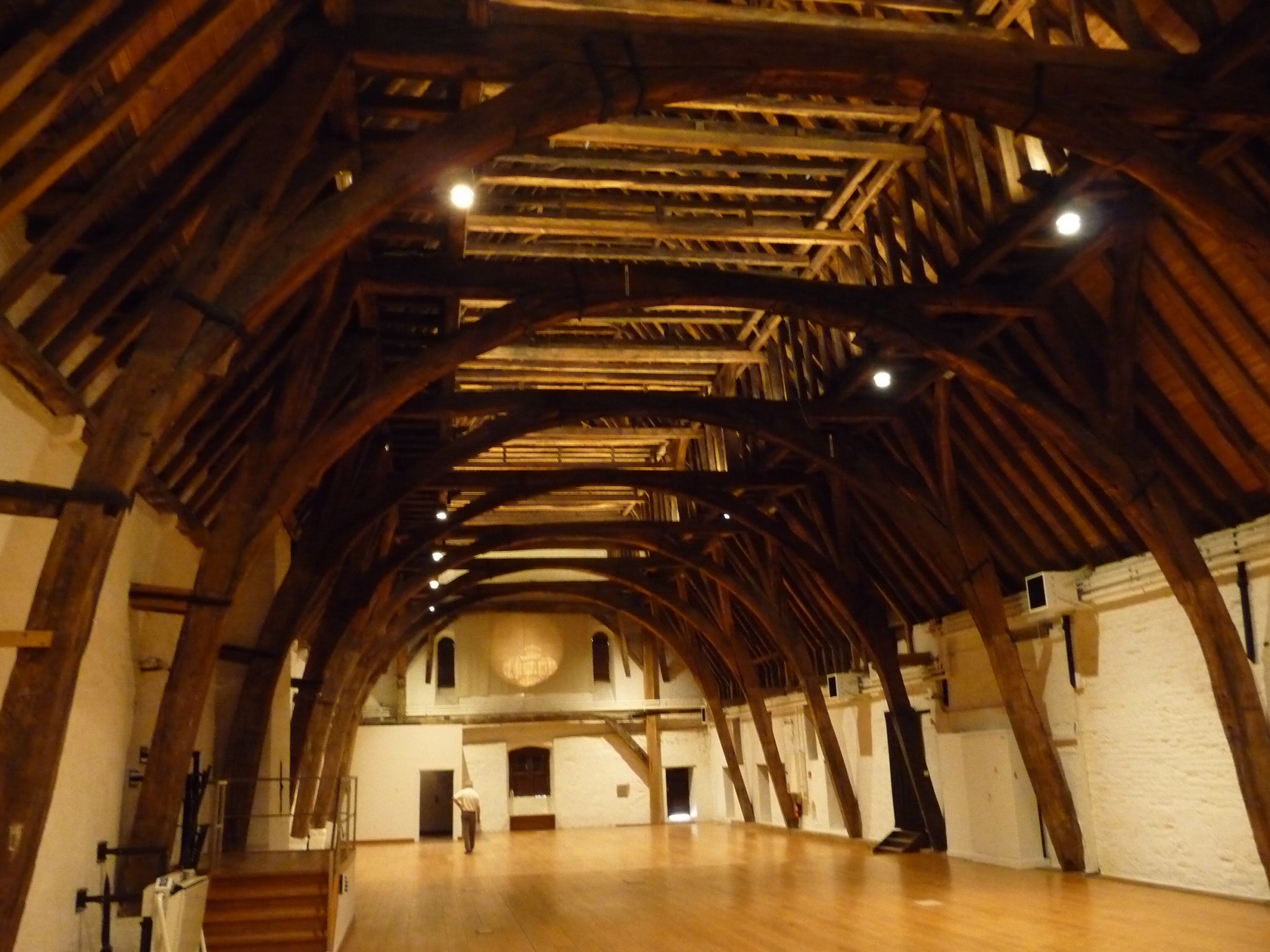
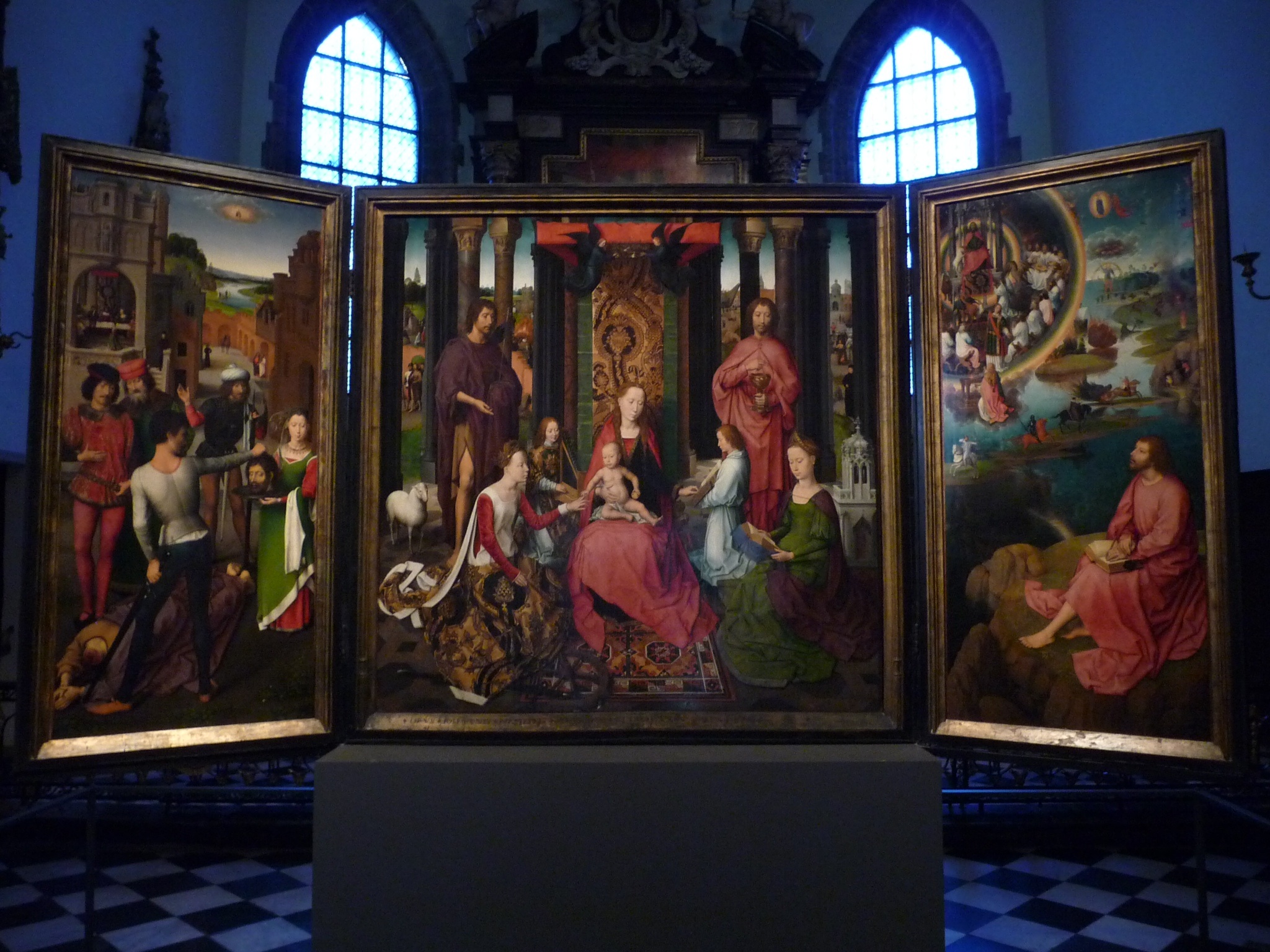
On making my way back to the Markt (city square) I came across Sint-Janhospitaal. The hospital displayed some lovely works from Hans Memling and medical instruments and aids. The upstairs attic gave you a first hand look at the roofing system used for these large open buildings.
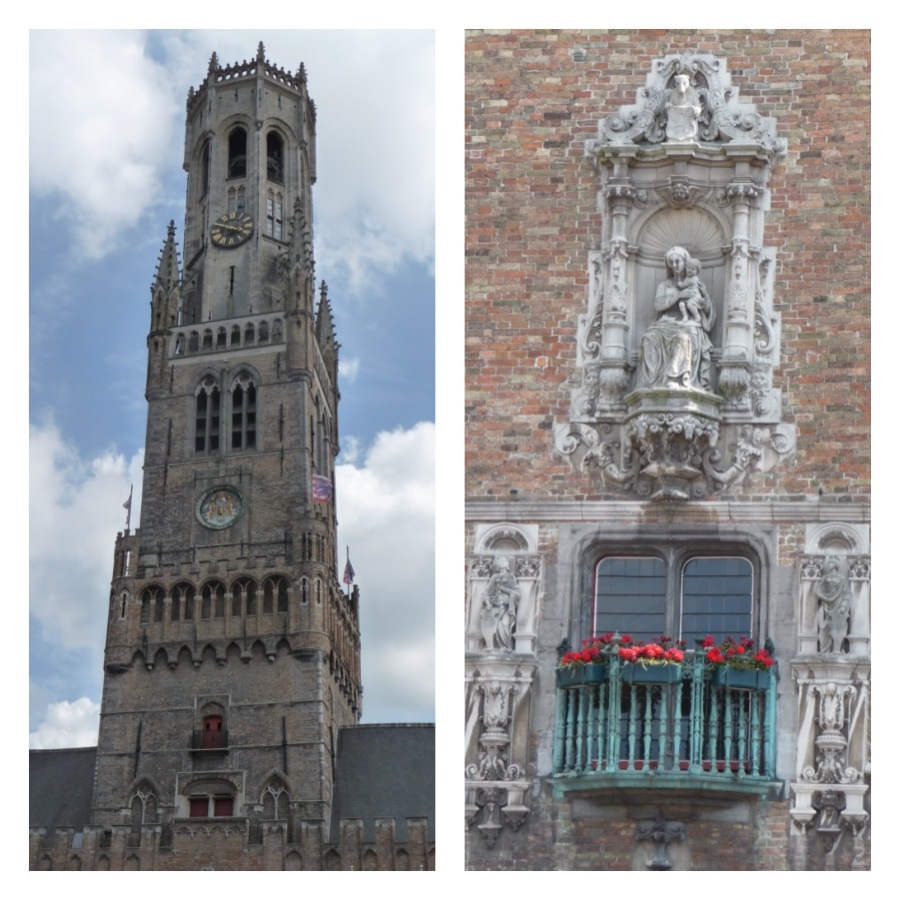
It is at the Markt that you gain entry to the impressive Belfry, which stands 83 metres high and has 366 steps to be climbed to the top and climb I did. I reached the top for the sounding of the 4:30pm bells; it was lovely. The Belfry had served a number of purposes in the past but the most known were as a treasury for city archives and a post for spotting fires and other dangers. Apparently Belfries are only found in France and Belgium.
There was only one thing left to do – a waffle in Brugge. I found a place serving waffles with chocolate sauce and strawberries (the tourists special) and undertook my duty to rate it. Delicious, although I think the chocolate sauce had all but drowned out the flavour of the waffle.
With my feet telling me they’d had enough for the day I headed back to Ghent.
I’m not convinced that Brugge is nicer than Ghent. I actually found Ghent less touristy and to have all of the character of Brugge – although the medieval nature of the town may be stronger in Brugge. Regardless, it was certainly a trip worth making.
Wandering medieval towns by day and partying in them by night – what more could you want?
I had read about Antwerp being one of the fashion capitals of Europe so decided to visit it along with the capital of Europe, Brussels.
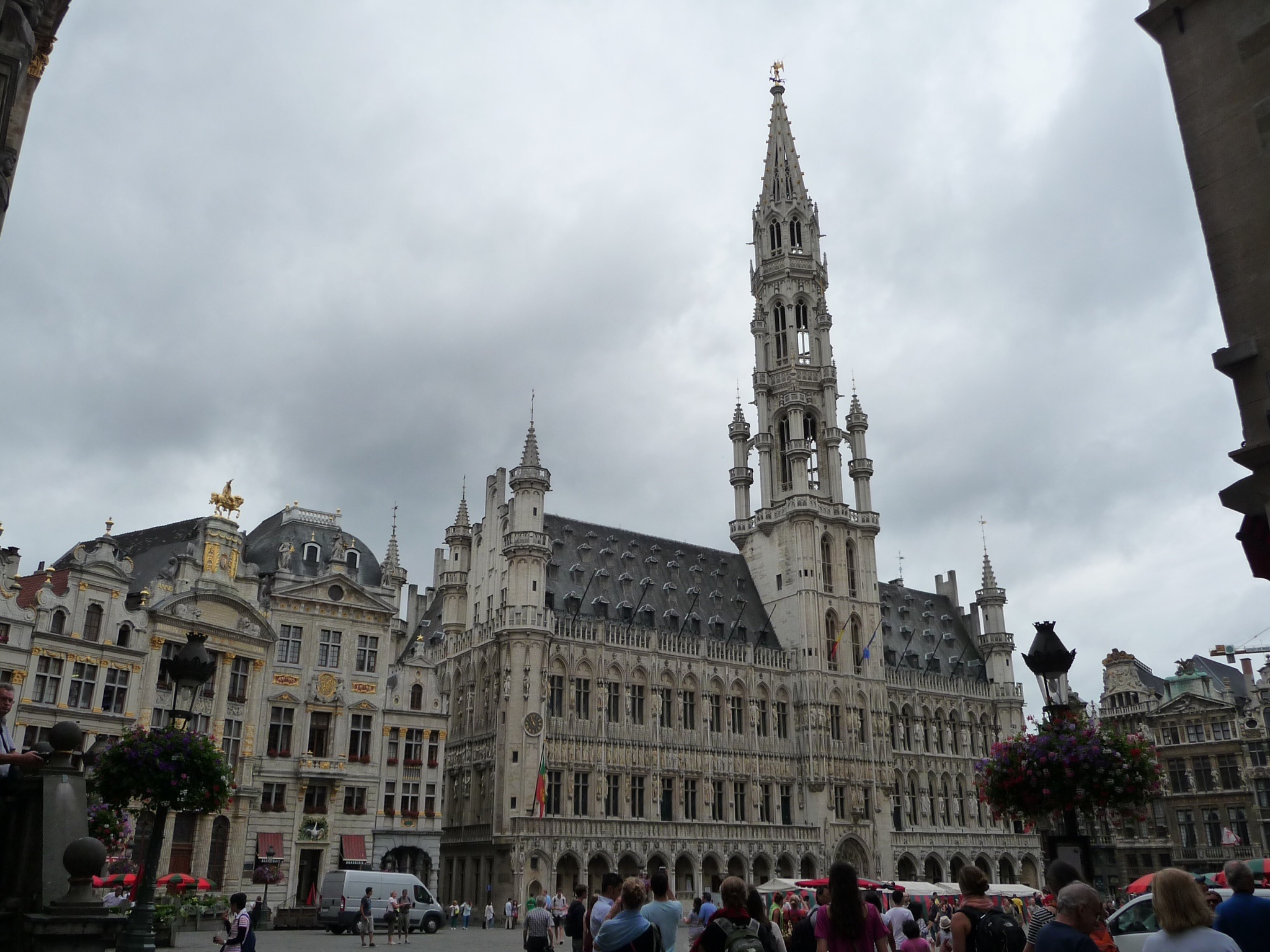
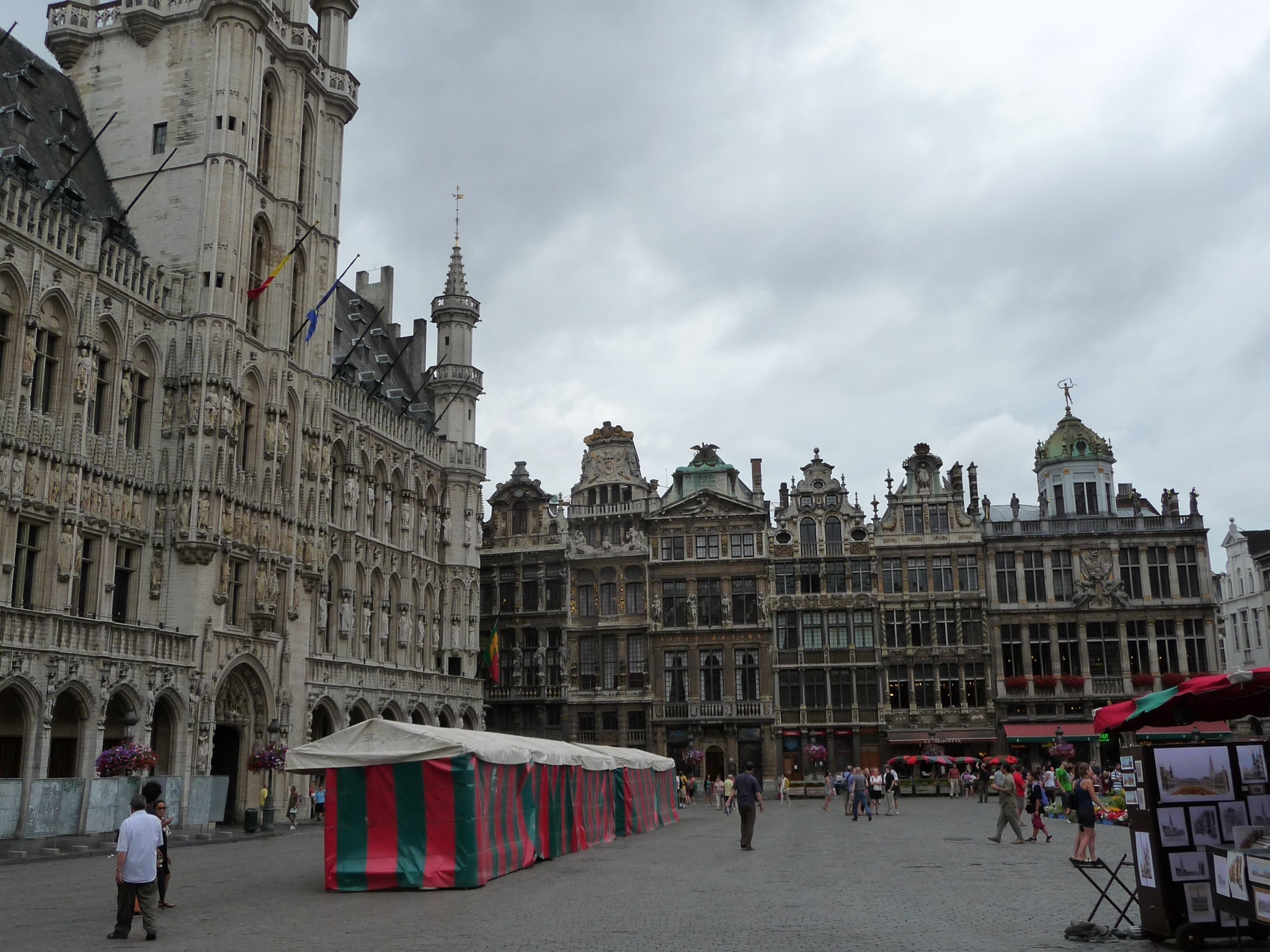
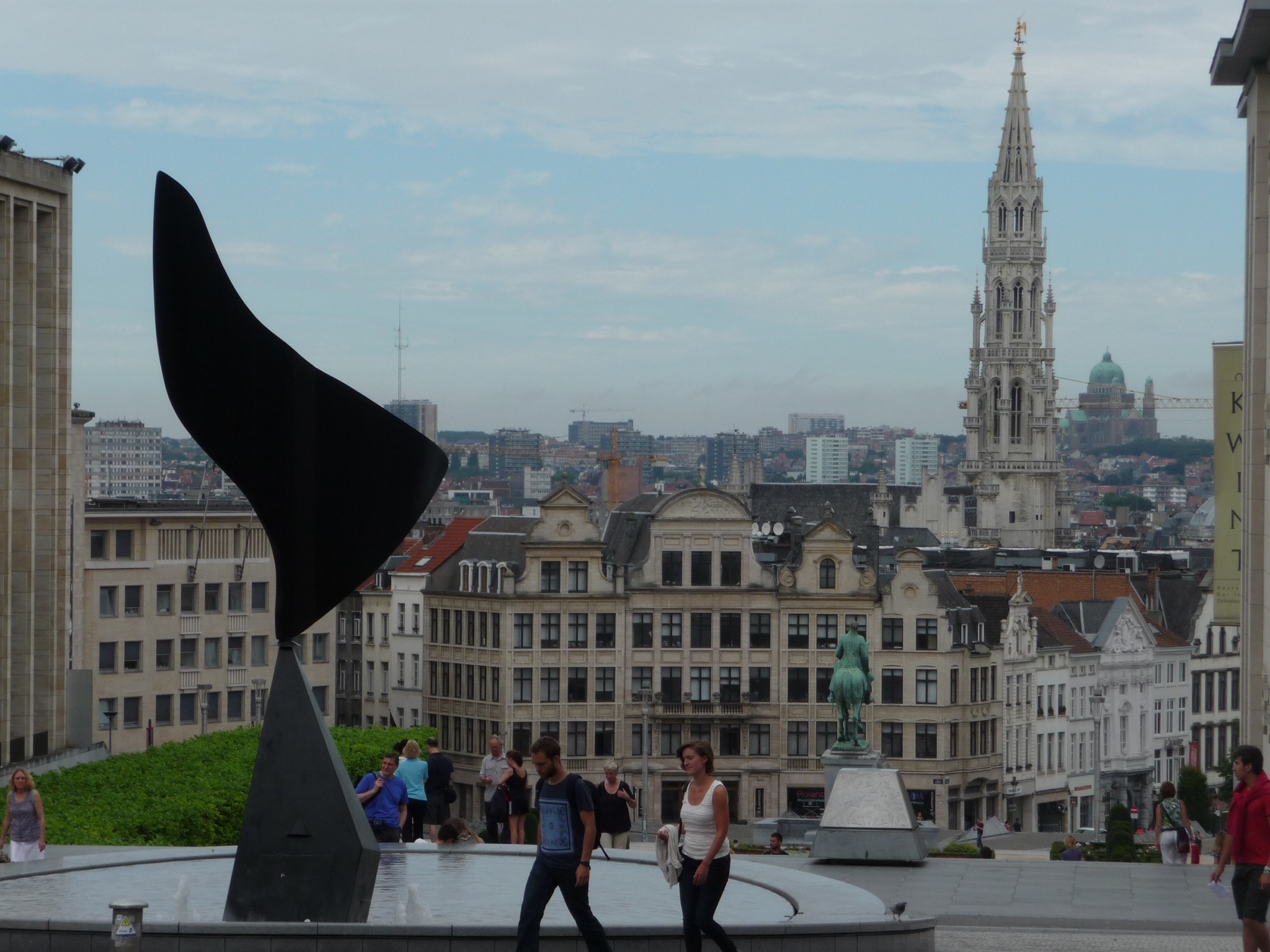
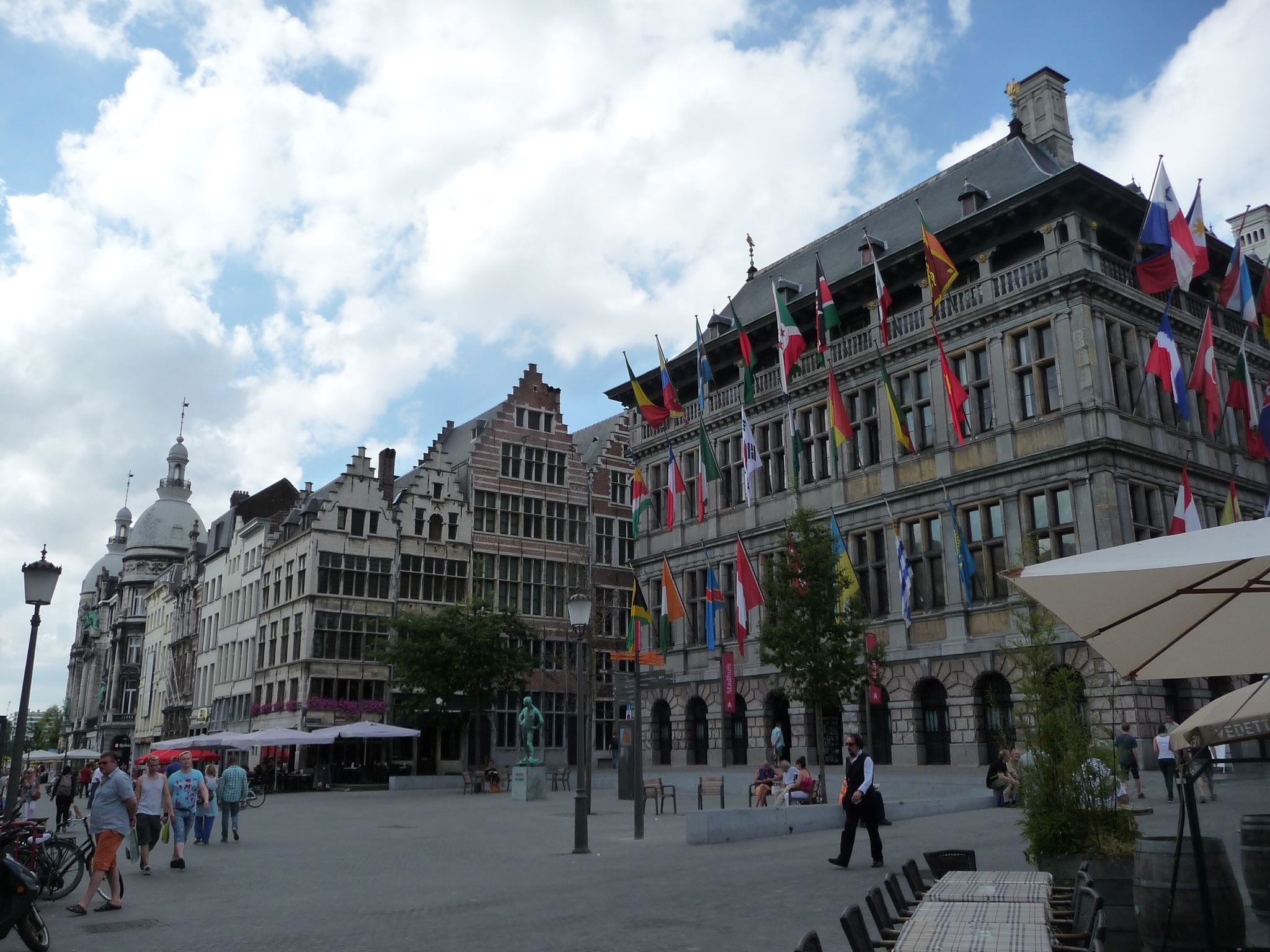
Brussels was the first stop and quite a different feel to the smaller cities I had been visiting. It felt much more stately. The Grand Place (square) was flanked by ornate gold gilded buildings, including the city hall (Stadhuis).
One of the must do things on my list was a visit to the Magritte museum so I meandered through the lovely streets towards it via the Manneken Pis. The Manneken Pis is a bronze sculpture of a little boy urinating. There are many stories as to its origin from it being the figure of a child found after he had gone missing for two days to a lord peeing from a suspended  basket onto his captives. It has been stolen many times since its creation in the early 1600s so the latest copy is now kept in the Grand Place.
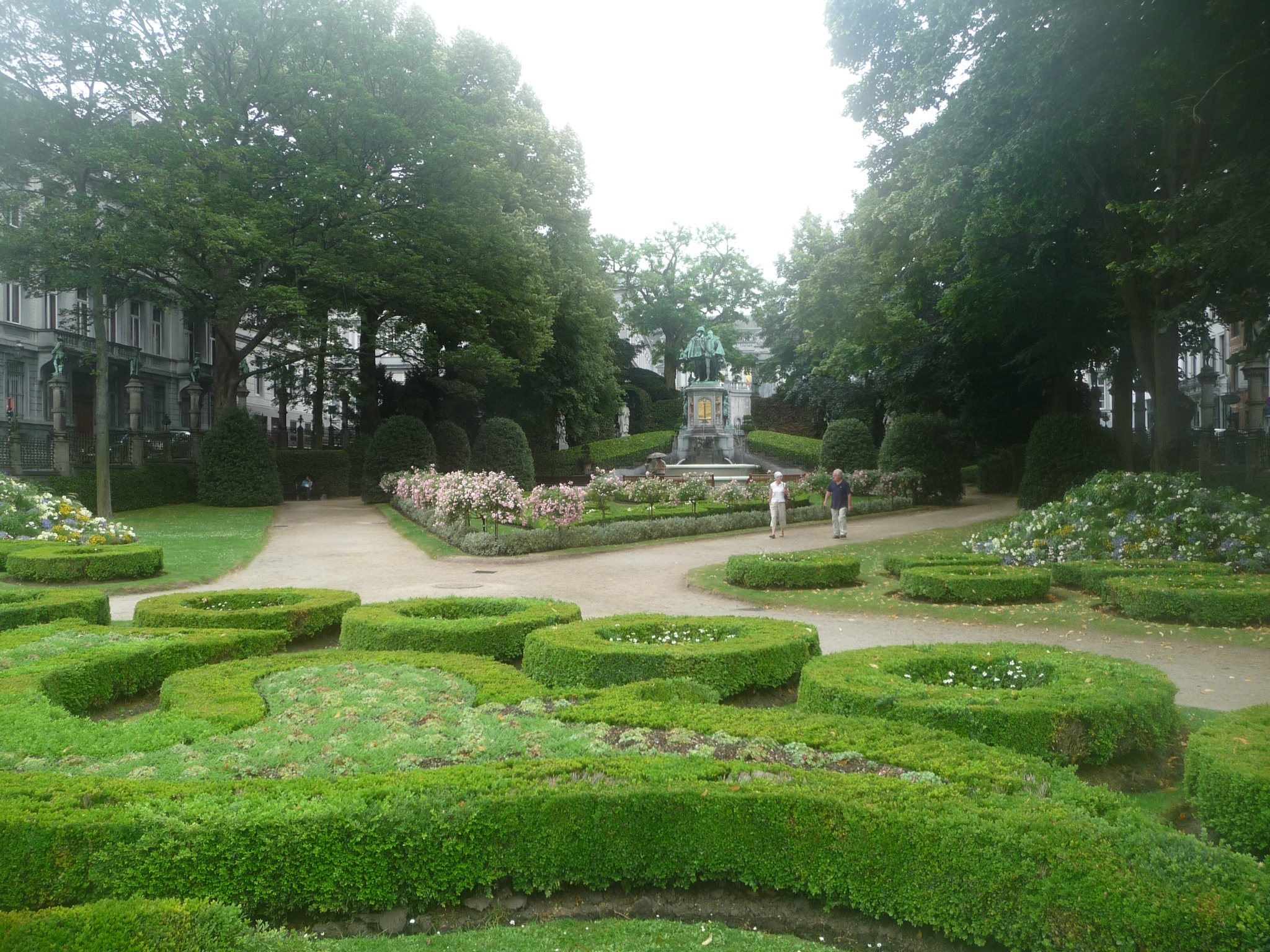
It was a bit rainy so I was glad to arrive at the Place Royale (square surrounded by art museums and other grand buildings) to take shelter for a while.
Rene Magritte was a surrealist artist (after dabbling in a bit of expressionism, fauvism and cubism). His works are fascinating, the images quite lifelike but the construction very abstract leaving you puzzled by their meaning. The more you look into the works the more you see. He was a collaborator with Dali and later in life joined the communist party, shunning the bourgeoisie – no doubt a strong influence in his work. It had been a wonderful exhibition to visit.
I had lunch in the lovely Parc de Brussels before moving onto Antwerp. A park very much for the locals, workers were either lunching or jogging around the park.
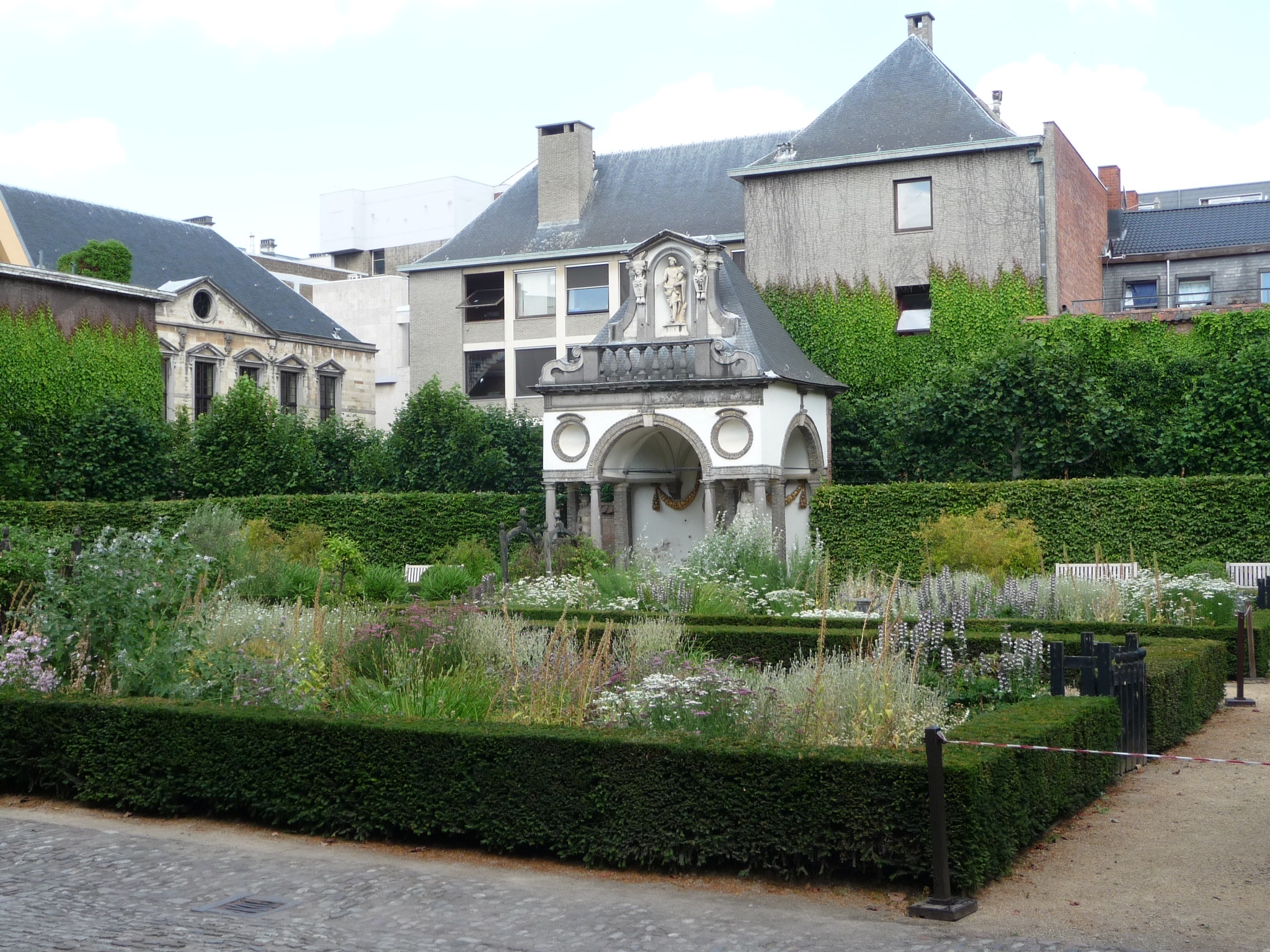
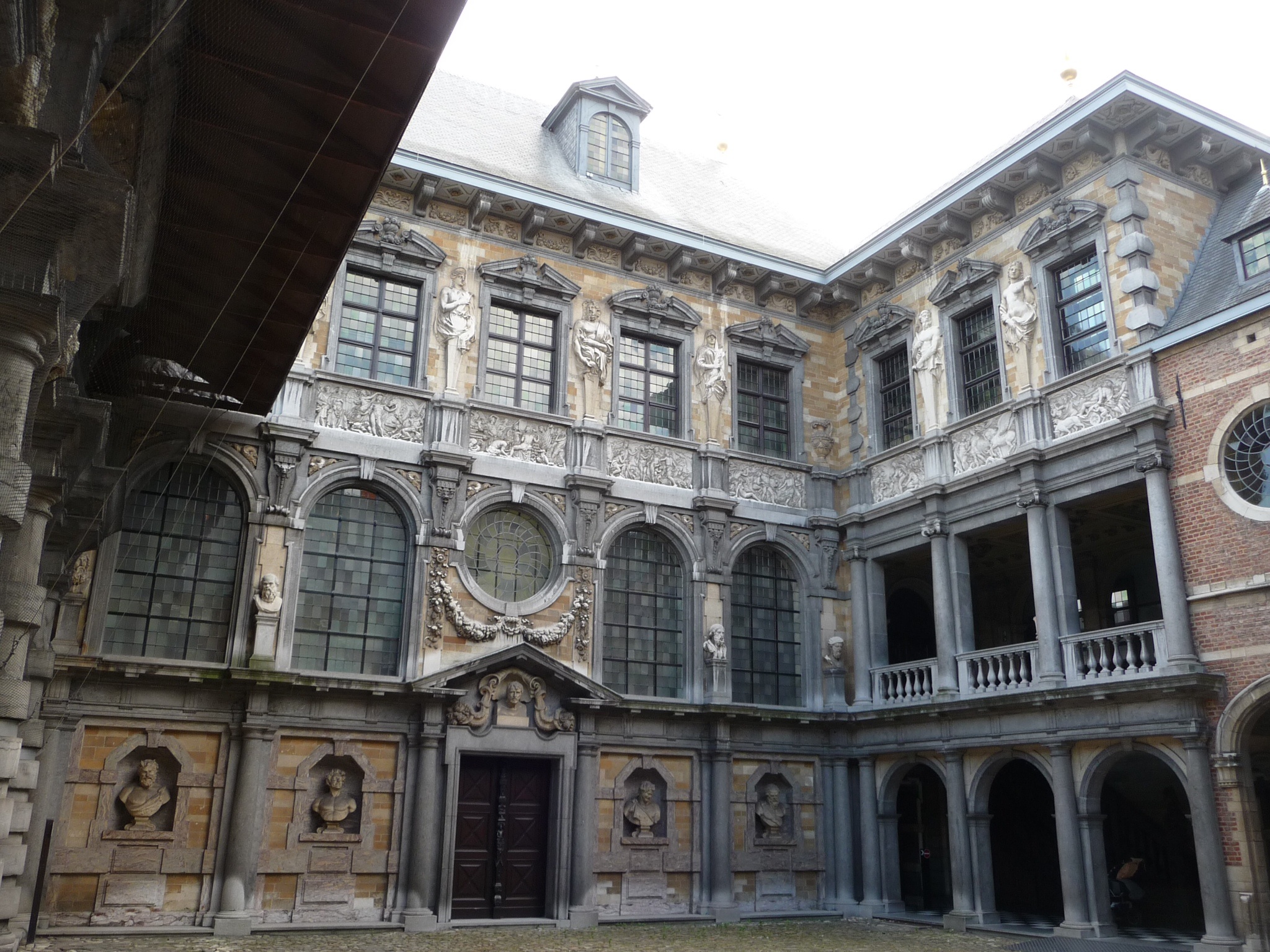
I arrived into the beautiful Antwerp train station and then made my way toward Rubenshuis. Wandering through the house of the great renaissance master, Peter Paul Rubens, it was evident that he had been financially successful during his lifetime. As I sat in his large studio I wished I could be so inspired and then smiled as I wandered through his lovely garden imagining it would have provided him a place to clear his mind as he contemplated his large pieces of art.
Turns out Rubens was a bit of a sugar daddy having married a sixteen year old as his second wife (after his first died) at the age of 53 – the second wife bore him four children and he outlived her too.  The house was scattered with Rubens’ personal collection of art rather than his own, which is housed throughout the museums of the world.
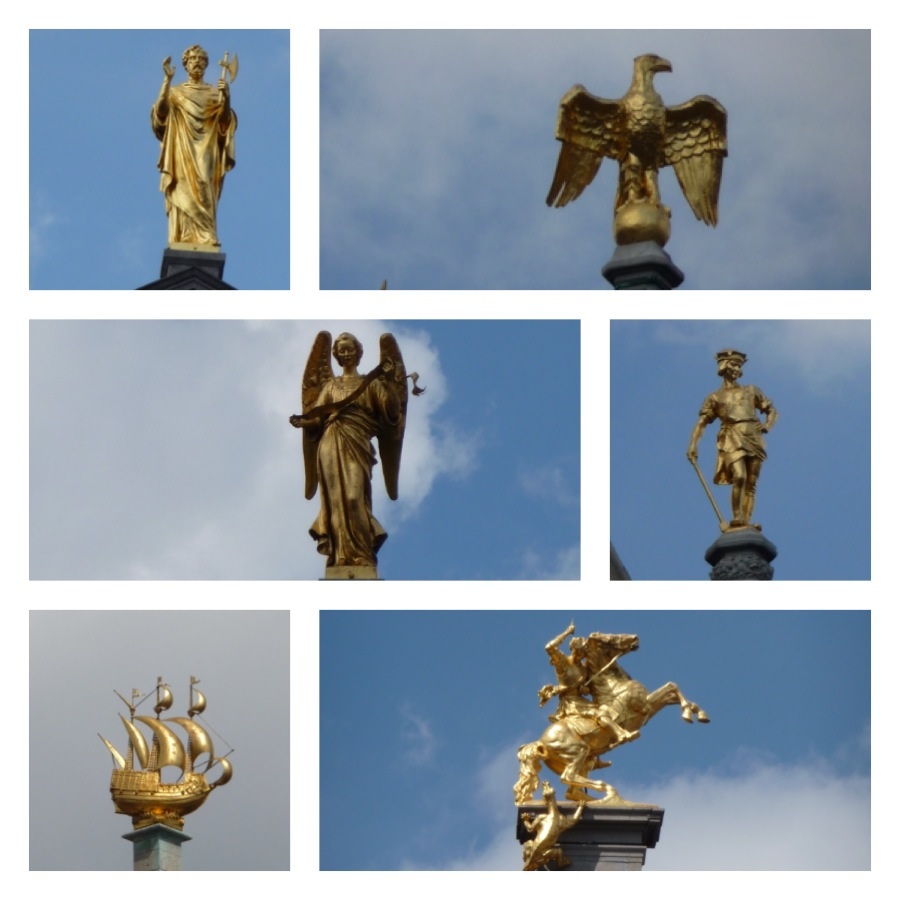
Further into the heart of the historical centre and I found the Grot Markt (market square) and the surrounding Stadhuis and Cathedral of Our Lady. The gold gilding on these buildings certainly gave them a lavish look; I really liked the statues that adorned the spires.
Fashion, I had heard fashion, and it was one of my reasons for coming so off I went in search of some of the boutiques stocking local Belgian designers. Alas I wasn’t having any luck – everything seemed to be designed for the body of pre-pubescent teenagers or for women in my mum’s age bracket. Isn’t that always the way when you’re ready to spend!  Disappointed but pleased I had at least tried I headed back to Ghent. A storm had rolled in, as had become customary on these hot, hot days so I chose a night in – no beers tonight!
I had not given up on the Belgian designers. All ‘must see’ bases now covered in Belgium I chose to spend the day back in Ghent enjoying the festival and doing a spot of shopping. It didn’t take long to conclude that the Belgians may have good fashion but they clearly don’t want to sell it!  It was late morning Saturday and I was hard pressed to find a boutique open (of course all the chain stores were open and packed given it was summer sales time).
I did find a little silk number but unfortunately it was from a Swedish designer – well it was bought in Belgium!  I did also visit Pandora for Scotia’s birthday present; got to stay in there as the favourite aunt.
I had 22 euros left to spend before my exit in the morning from European countries using the euro; the lack of open shops made that a little challenging so I did what I had to do, spent a good part of it on fries with mayonnaise (the Flemish – no not French – national dish) and Belgian beers. Greg had egged me on with respect to the monks’ brews so I went in search ….
Found a nice little sunny terrace. I still couldn’t get over how many people still smoke in the Netherlands and Belgium – makes me wonder if it’s the whole “we don’t want to interfere with people’s rights thing”. They had a long way to go.
As for the chocolate – they’re for mum and dad if they get that far!
Ghent livens up for the Gentse Festeen

Ghent livens up for the Gentse Festeen

image

image

Castle of the Counts

Castle of the Counts

image

Ghent by night

Ghent by night

image

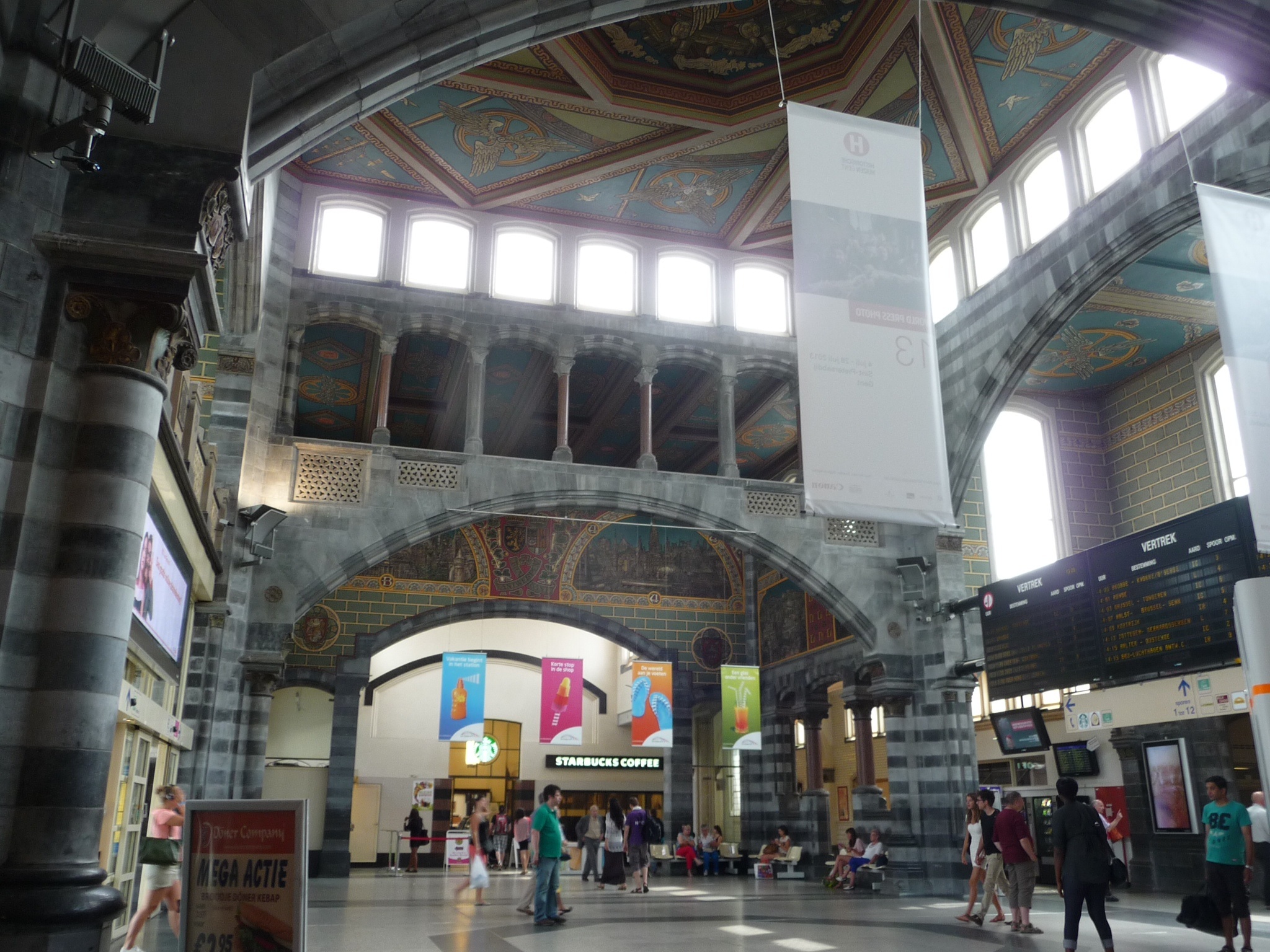
Inside the lovely Gent Sint-Pieter trIn station

Inside the lovely Gent Sint-Pieter train station

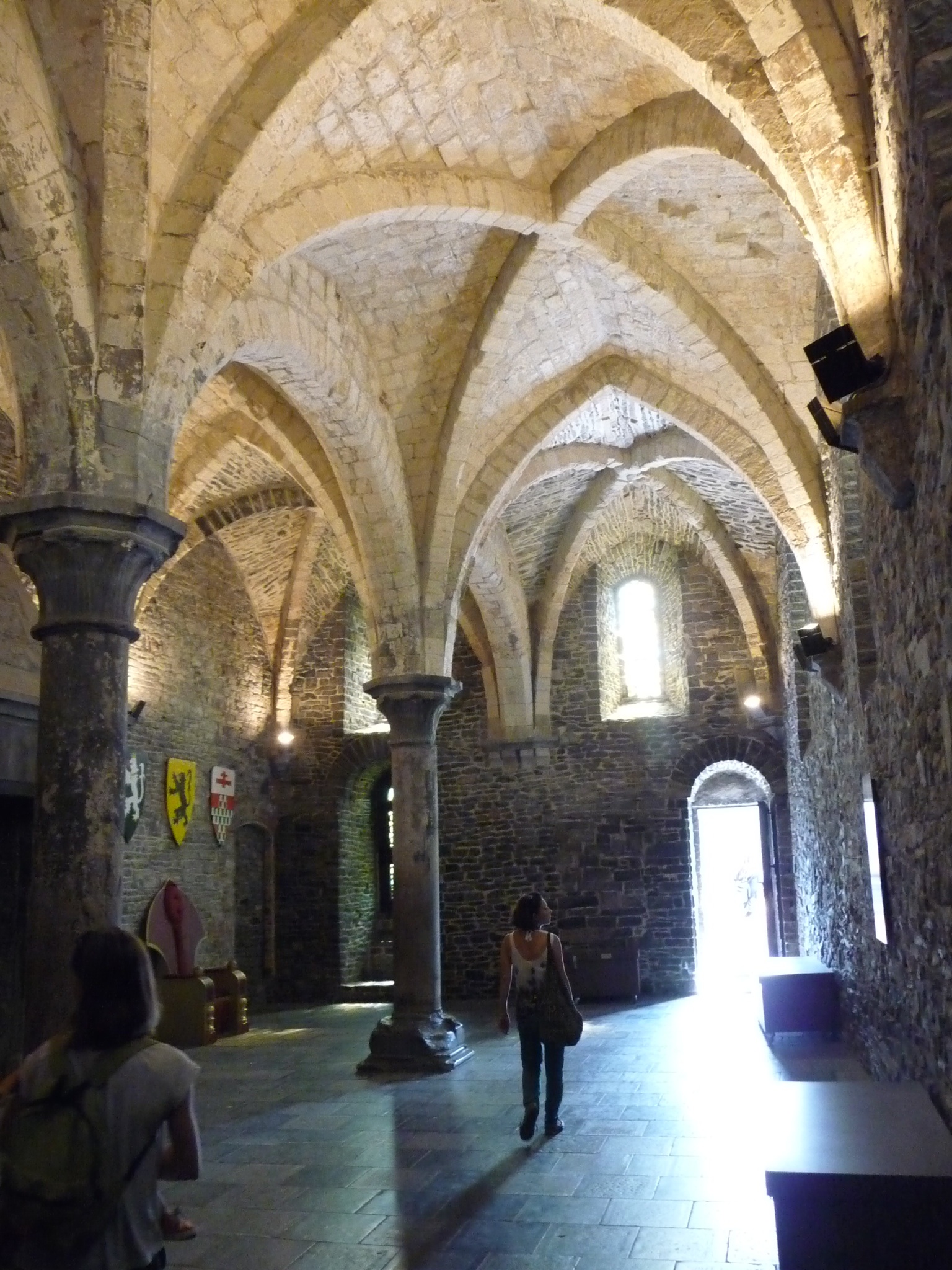
Back at the castle - armour, executioner's sword and crossbow

Back at the castle – armour, executioner’s sword and crossbow

image

Some instruments of torture (original blade in guillotine)

Some instruments of torture (original blade in guillotine)

image

image

image

image

image

image

image

St Bavo's Cathedral

St Bavo’s Cathedral

image

The crypt

The crypt

Must have been important - engraving on the other stones have all worn away with foot traffic

Must have been important – engraving on the other stones have all worn away with foot traffic

image

The Belfry

The Belfry

image

The Stadsmuseum (city museum)

The Stadsmuseum (city museum)

The Abbey refectory

The Abbey refectory

image

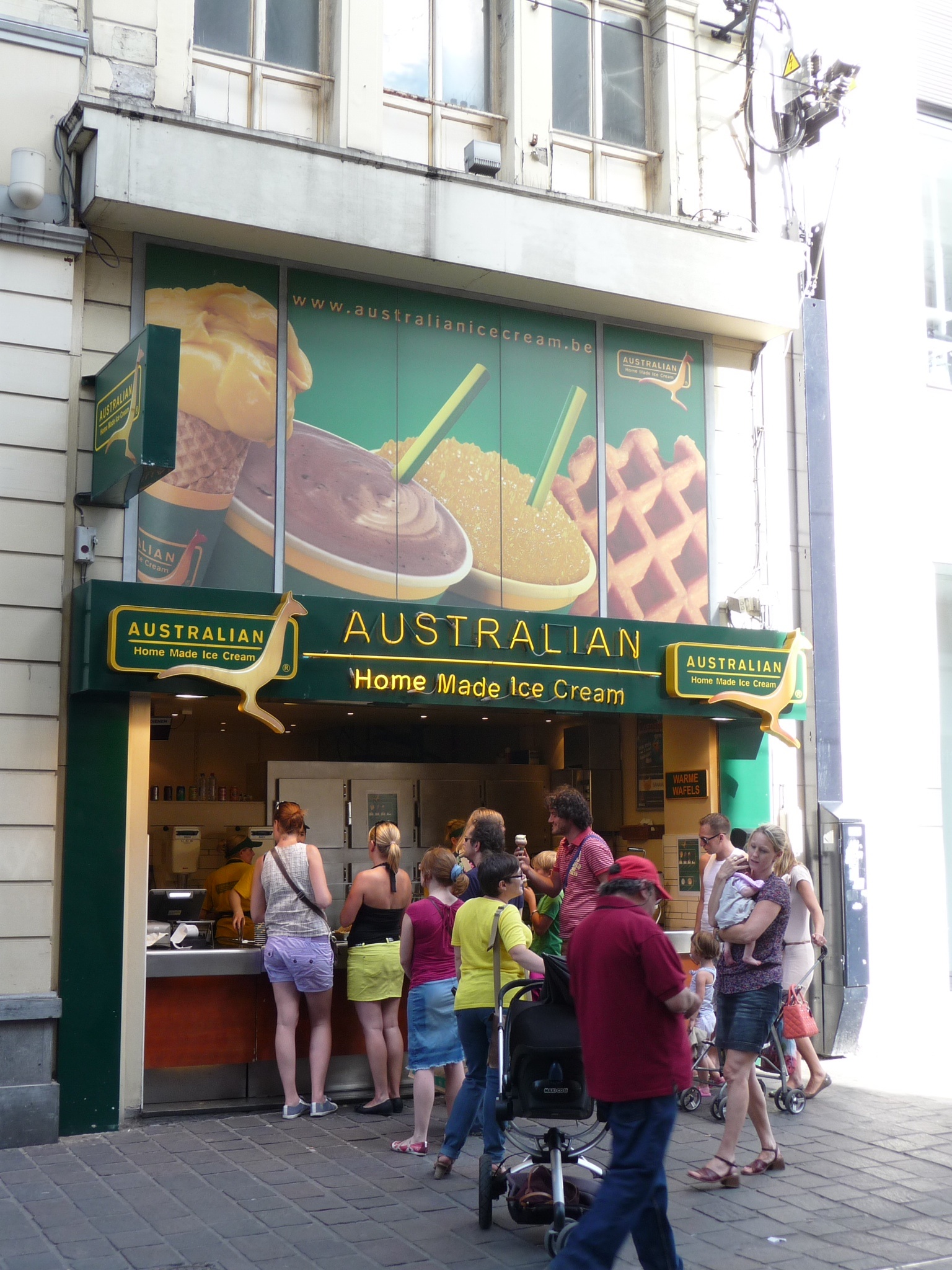
Again!  Where can you find this iconic ice cream in Australia?

Again! Where can you find this iconic ice cream in Australia?

Stadhuis and Castellany, Brugge

Stadhuis and Castellany, Brugge

Te Great Hall of the Stadhuis

The Great Hall of the Stadhuis

Fireplace in the Castellany

Fireplace in the Castellany

image

image

image

image

The last judgement, Hieronymus Bosch

The last judgement, Hieronymus Bosch

image

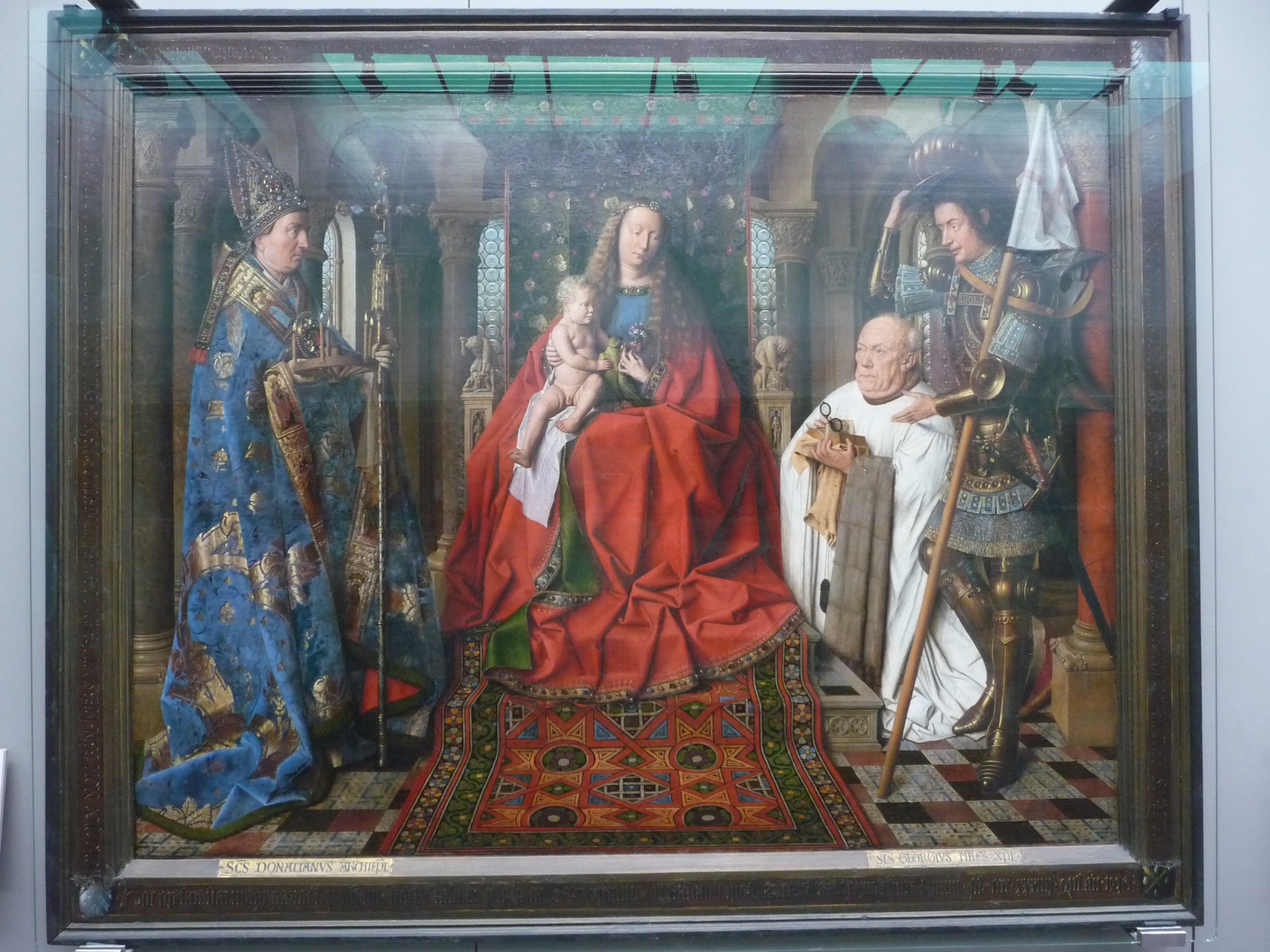
Madonna with Canon Joris van der Paele, Jan van Eyck

Madonna with Canon Joris van der Paele, Jan van Eyck

Portrait of the Villers  Family, Jean-Bernard Duvivier

Portrait of the Villers Family, Jean-Bernard Duvivier

Portrait of Mrs Giroux, Rik Wouters

Portrait of Mrs Giroux, Rik Wouters

L'Attentat (The assault), René Magritte

L’Attentat (The assault), René Magritte

The Saints Catherine and Barbara

The Saints Catherine and Barbara

image

image

The Beguinage

The Beguinage

image

image

image

image

A Sint-Janhospitaal 'ambulance'

A Sint-Janhospitaal ‘ambulance’

Tondo with nursing madonna, Hans Hemling

Tondo with nursing madonna, Hans Hemling

image

image

Altarpiece of John the Evangelist and John the Baptist

Altarpiece of John the Evangelist and John the Baptist

image

The Belfry

The Belfry

image

image

image

image

A little warm but worth then climb!

A little warm but worth theclimb!

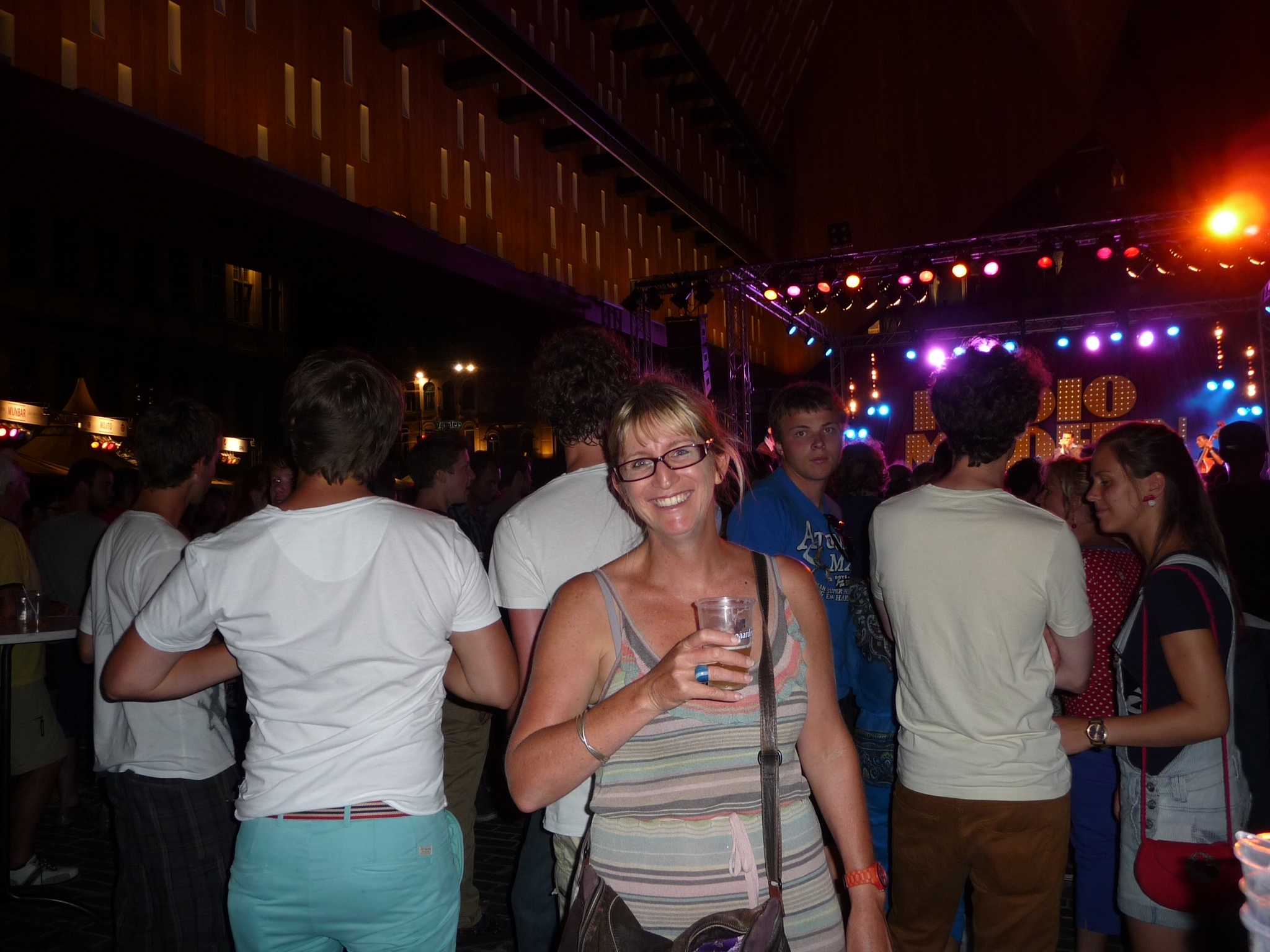
Having some fun at the Gentse Festeen

Having some fun at the Gentse Festeen

image

Stadhuis, Brussels

Stadhuis, Brussels

image

image

image

image

image

image


image

image

image

image

image

Antwerp train station

Antwerp train station

image

image

Rubenshuis

Rubenshuis


image

Peasants fighting over a game of cards, Peter Paul Rubens after Pieter Bruegel the Elder

Peasants fighting over a game of cards, Peter Paul Rubens after Pieter Bruegel the Elder

A real linen press!

A real linen press!

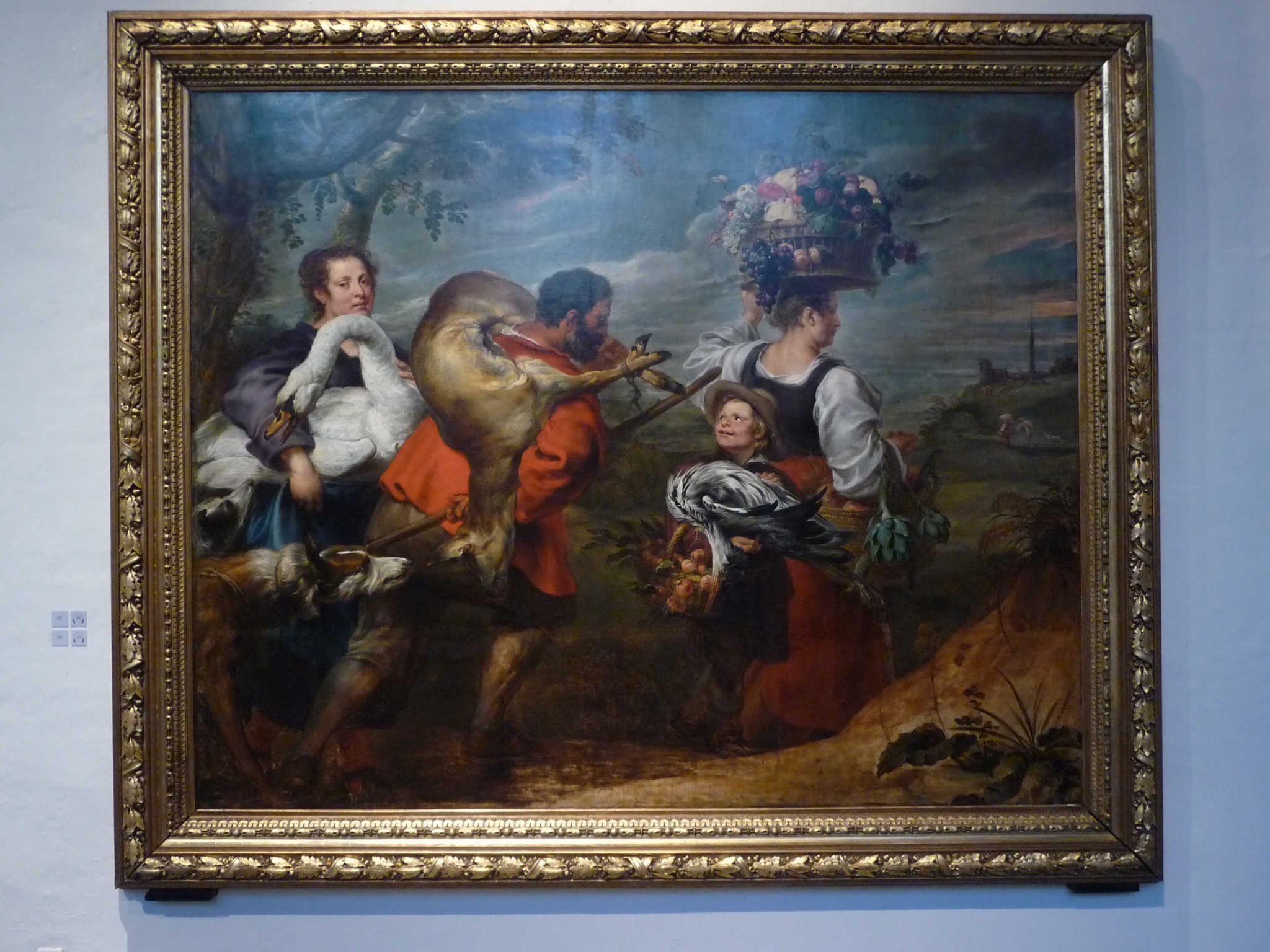
Farmers going to market, Jan Broekhorst and Frans Snyders

Farmers going to market, Jan Broekhorst and Frans Snyders


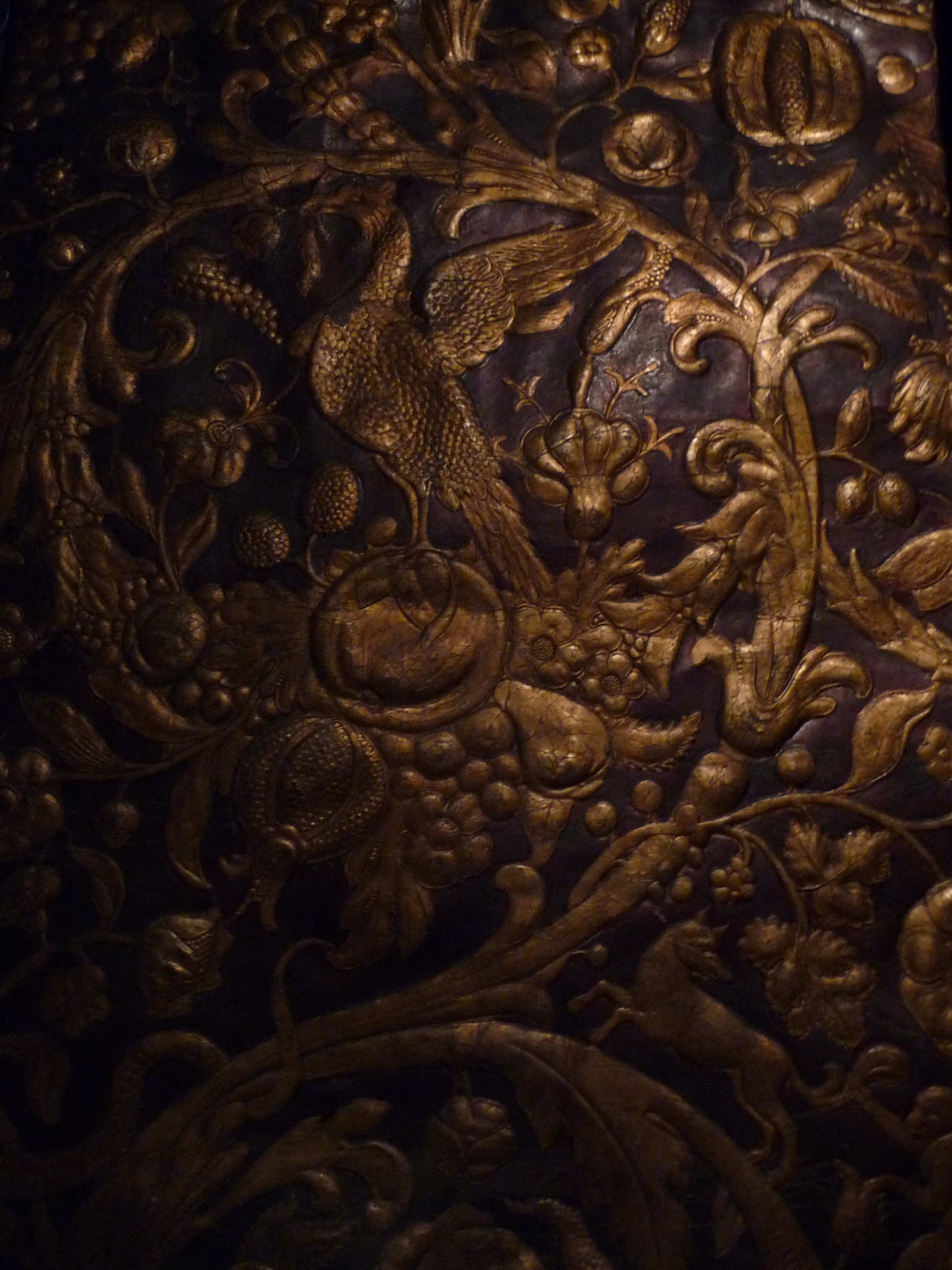
17th century leather wallpaper in the house

17th century leather wallpaper in the house

image

image

image

image

image


Cathedral of Our Lady

Cathedral of Our Lady

image

image

image

image

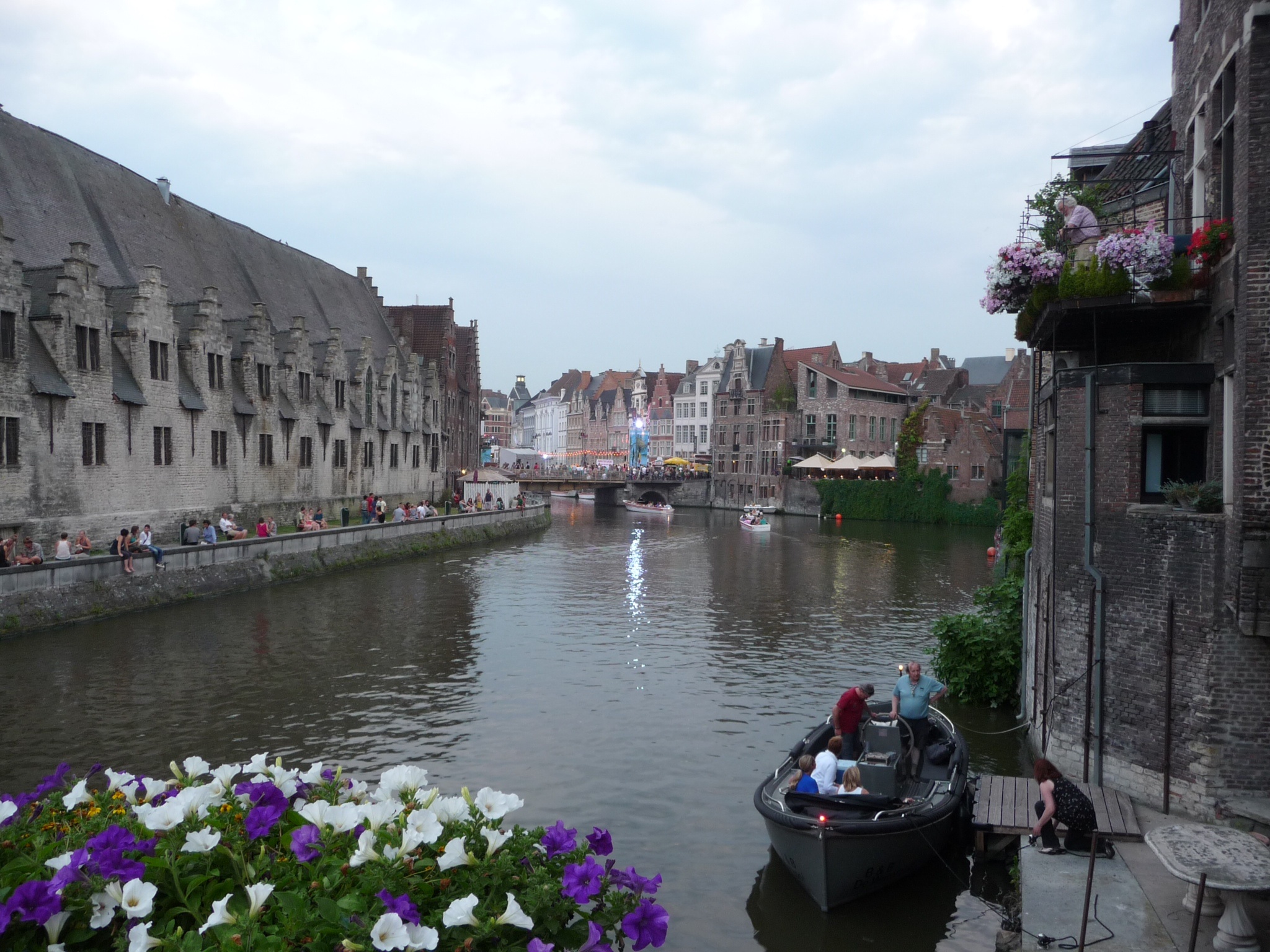
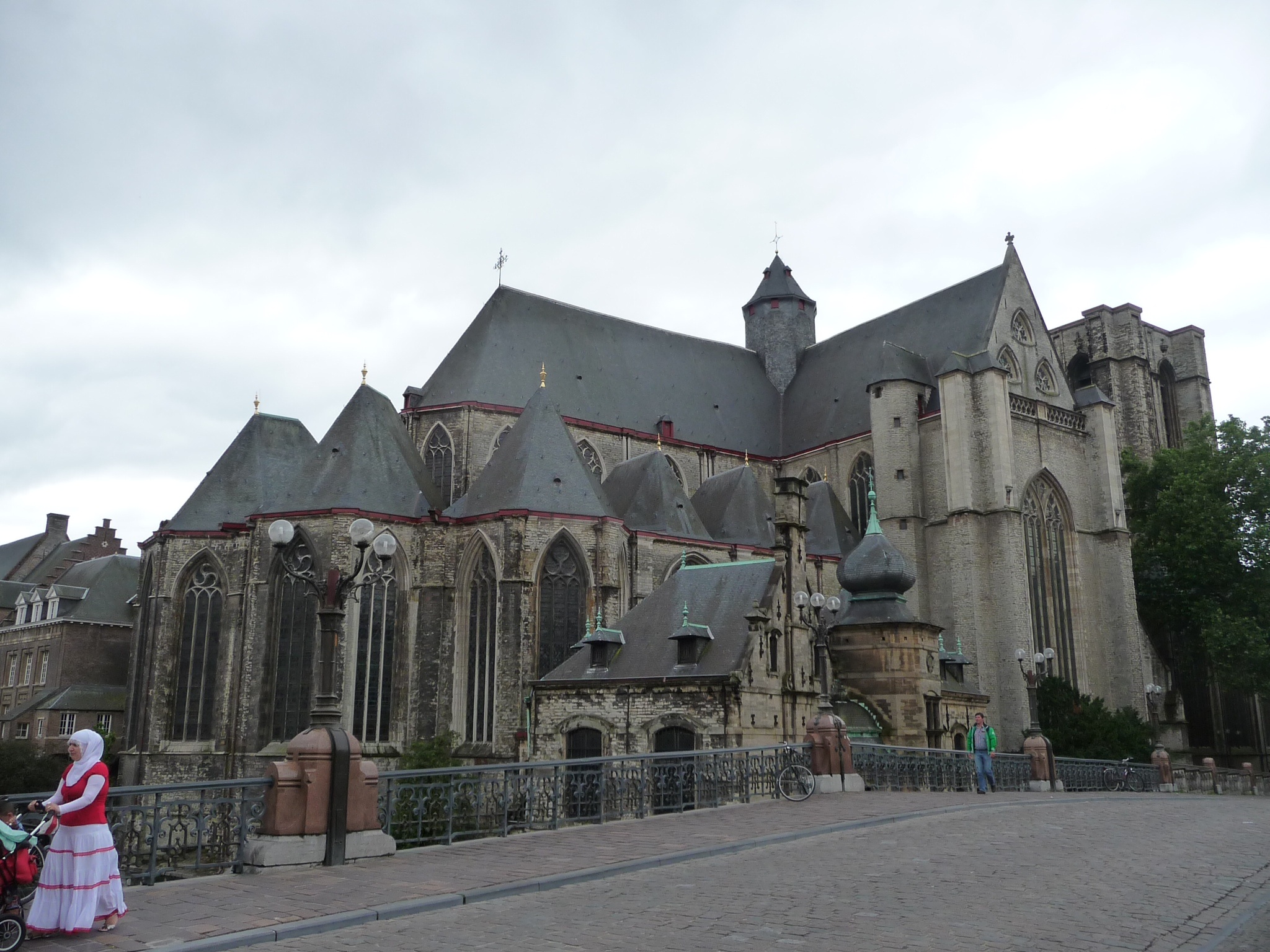
St Michaels bridge, Ghent

St Michaels bridge, Ghent

image


St Nicholas

St Nicholas


image

Nothing quite like finishing with a 9% beer!

Nothing quite like finishing with a 9% beer!


Posted in Uncategorized | Leave a comment

Two wheeled monsters in the Netherlands

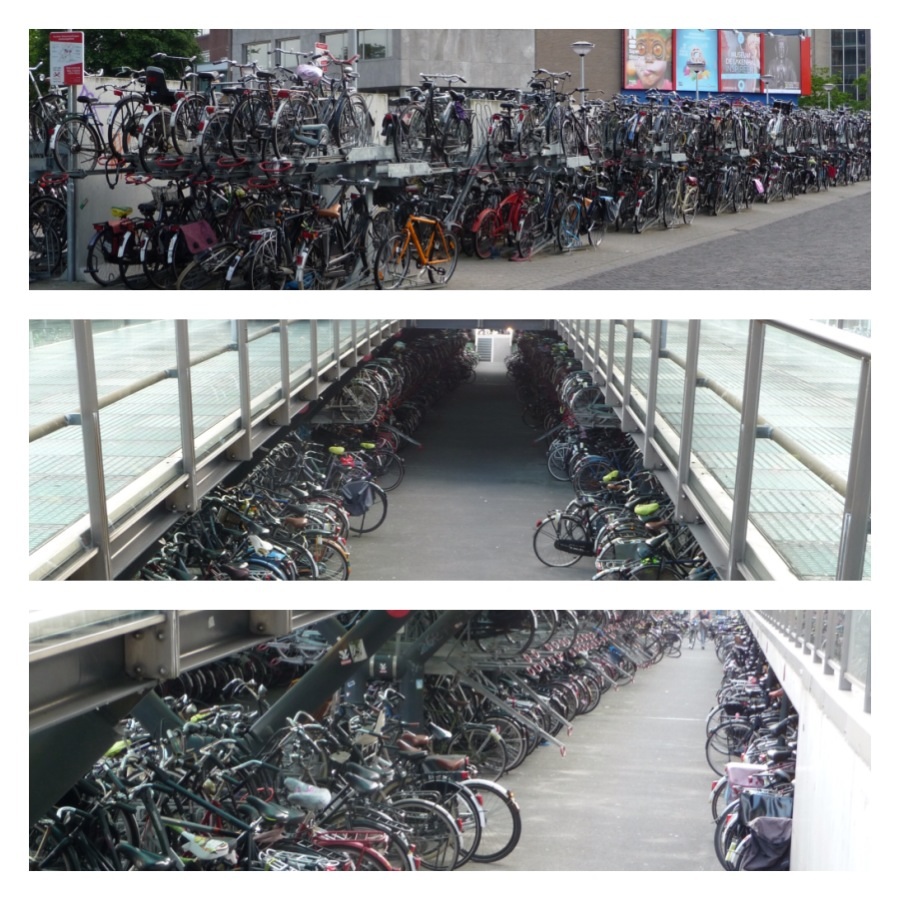
Bikes, bikes and bikes – I have never seen so many in one place at the one time without it being a major fundraiser!
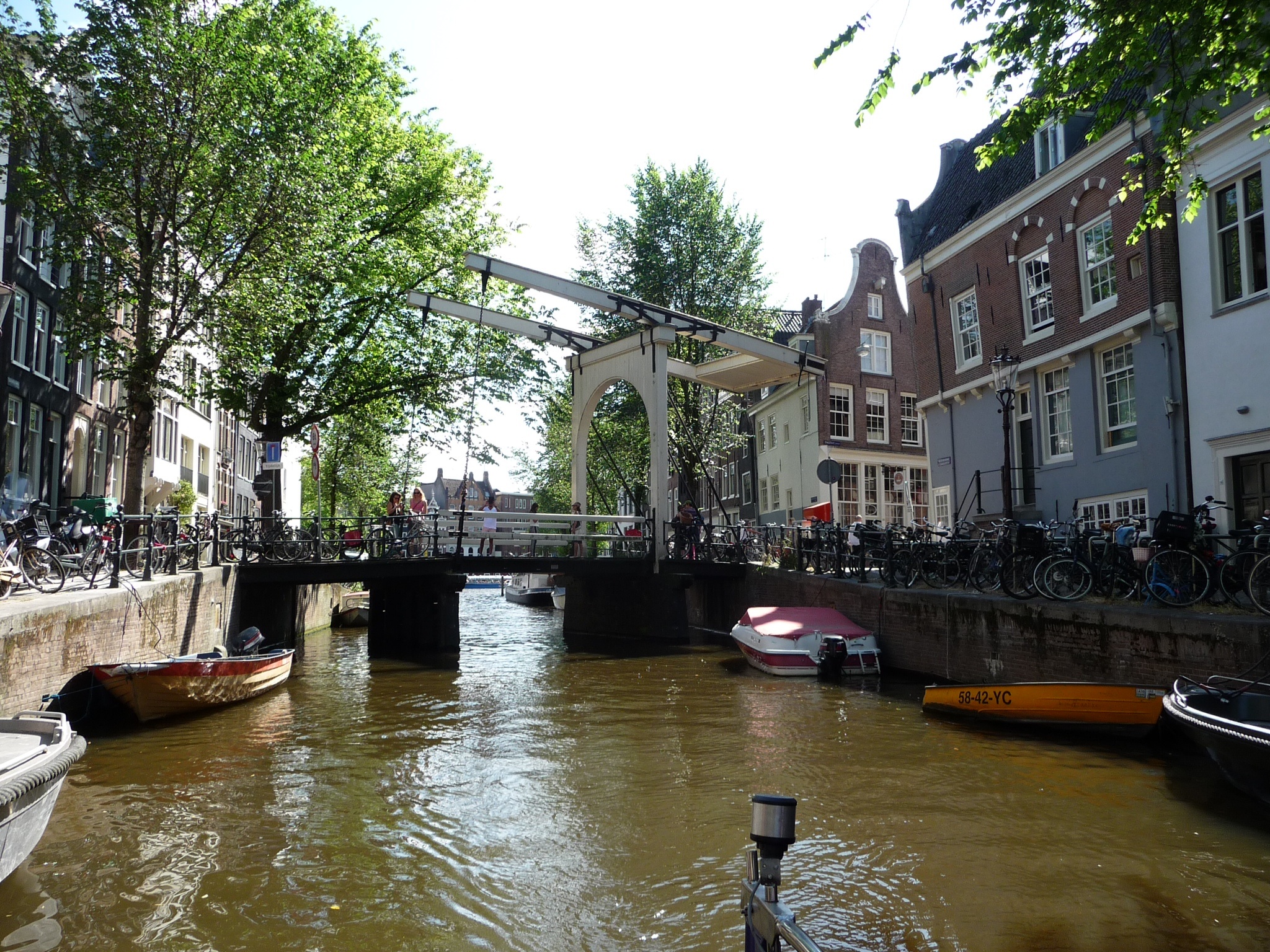
So, my arrival into Amsterdam was a little hairy. The humungous backpack was an obvious sign I was a tourist but even without it, the fact I kept walking into the path of oncoming bicycle traffic on the bike paths was an obvious siren. Of course the left/right thing is an added catcher. Nonetheless I made it in one piece to my airbnb accommodation, located just off one of the canals.  A lovely bright and airy apartment in the heart of a groovy neighbourhood.
It was a beautiful summer day (it was 7pm but still many daylight hours remaining) so my host suggested I take a picnic to Vondelpark for a bit of relaxation and people watching.  It was like an oasis in this sprawling city, filled with friends, families, lovers and, of course, bicycles. On the way there I had passed canals that were equally full of people in their boats. It seemed everyone was out enjoying the beautiful weather.
I was a tad exhausted by the late night before and the day’s 6am train ride so I dozed off for an hour or so. Re-energised I went for a walk into the city centre. Amsterdam has a lovely atmosphere; the outside tables of bars, cafes and restaurants were all full with a fusion of locals and tourists.
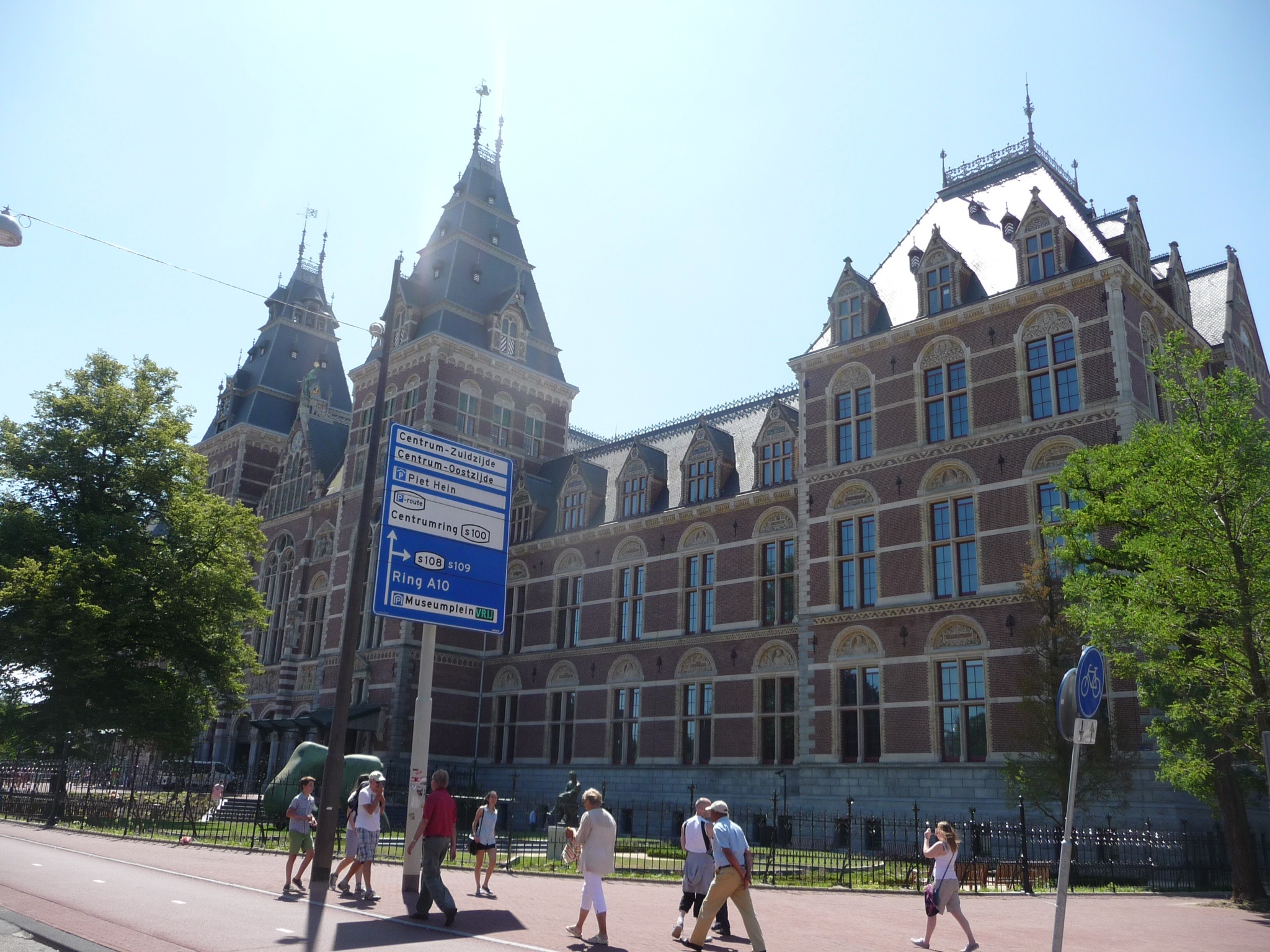
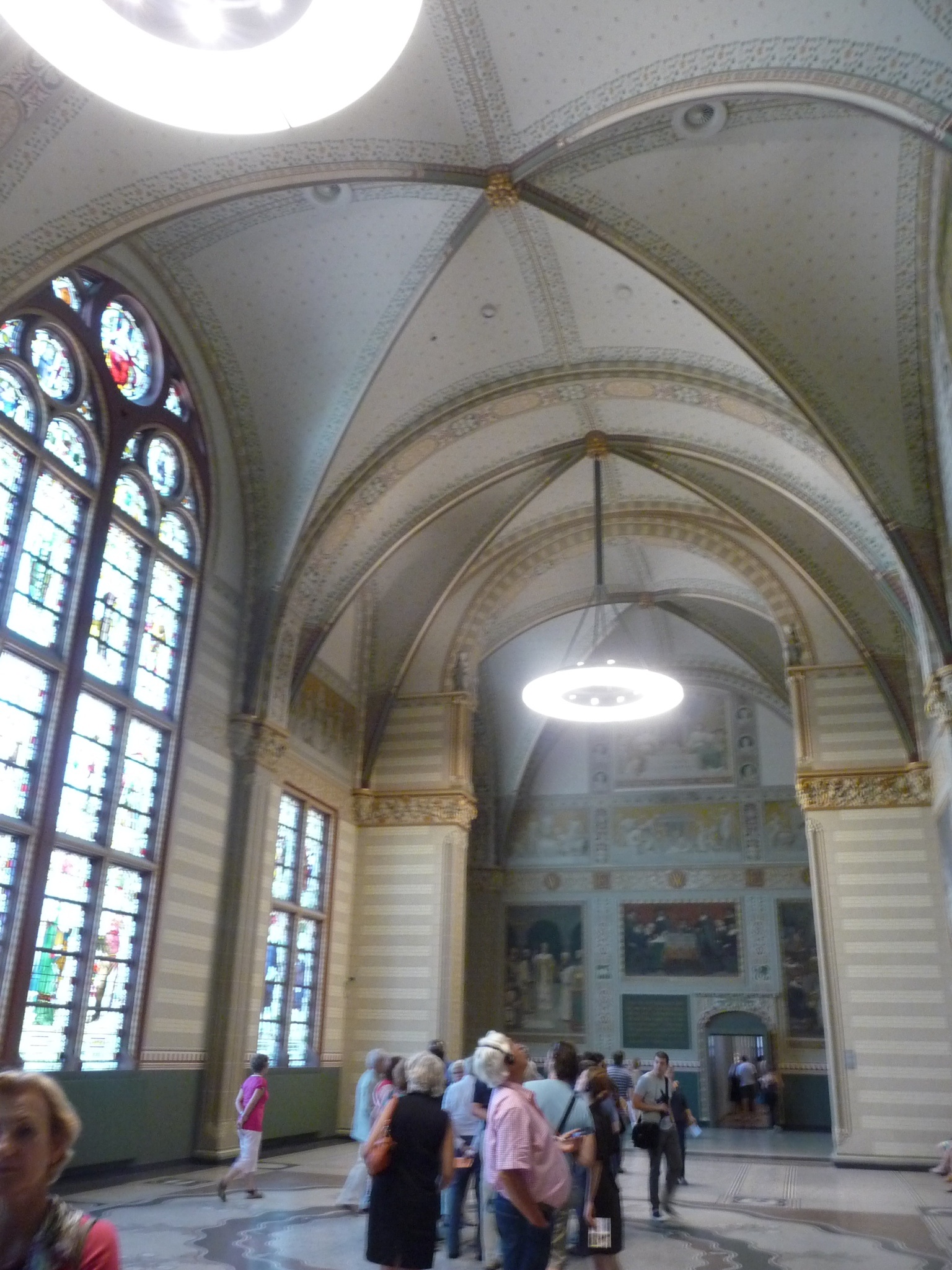
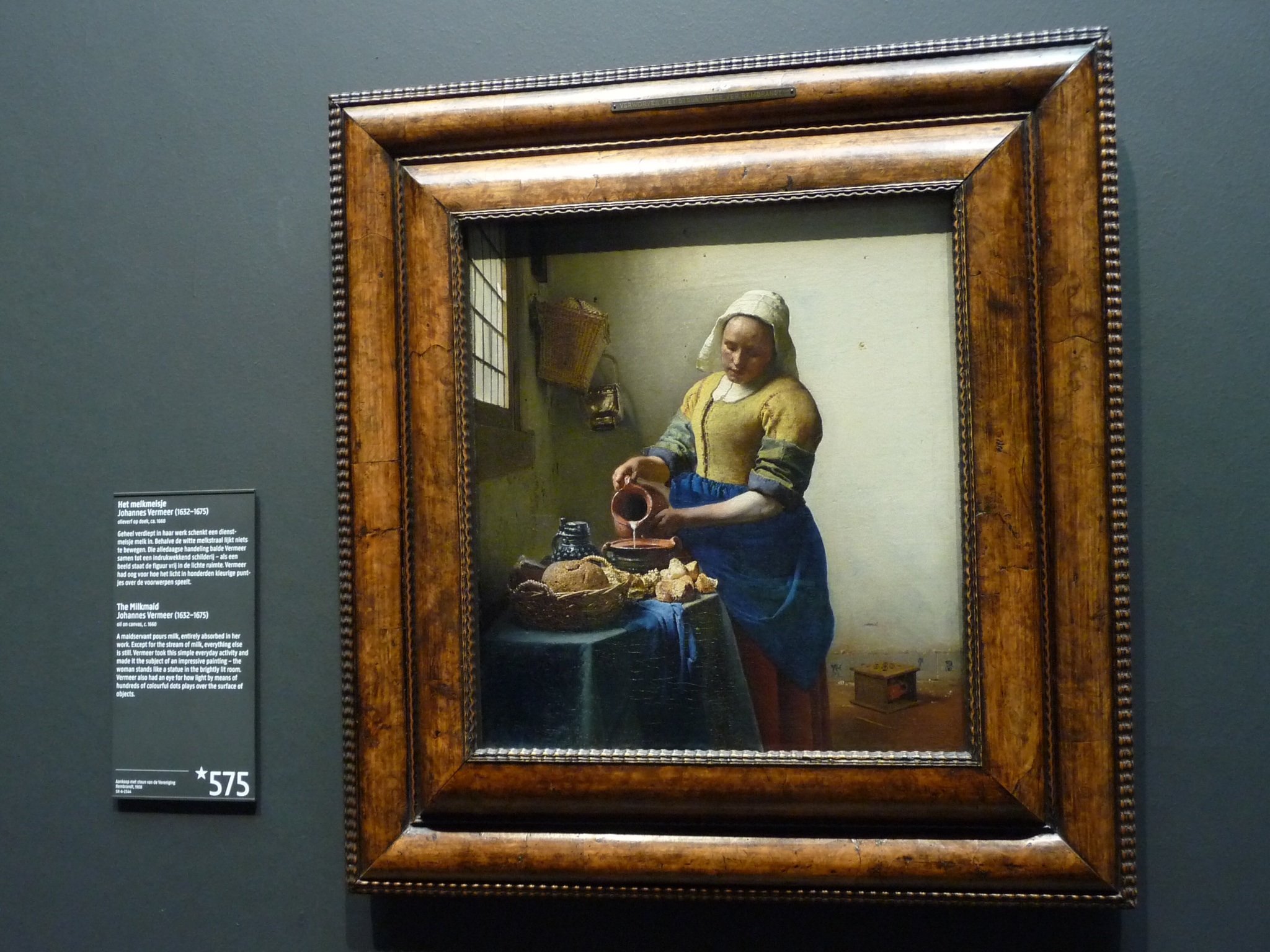
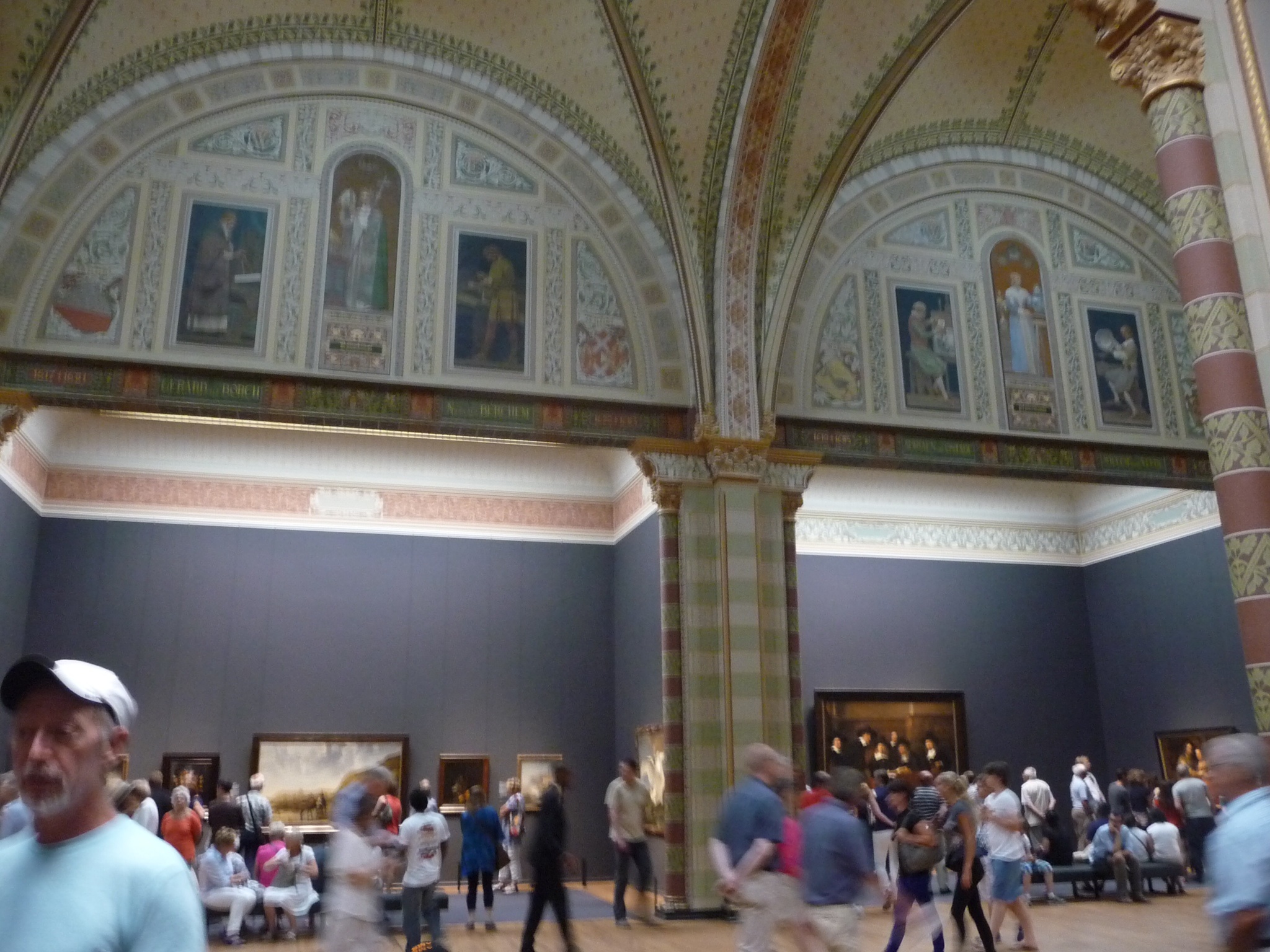
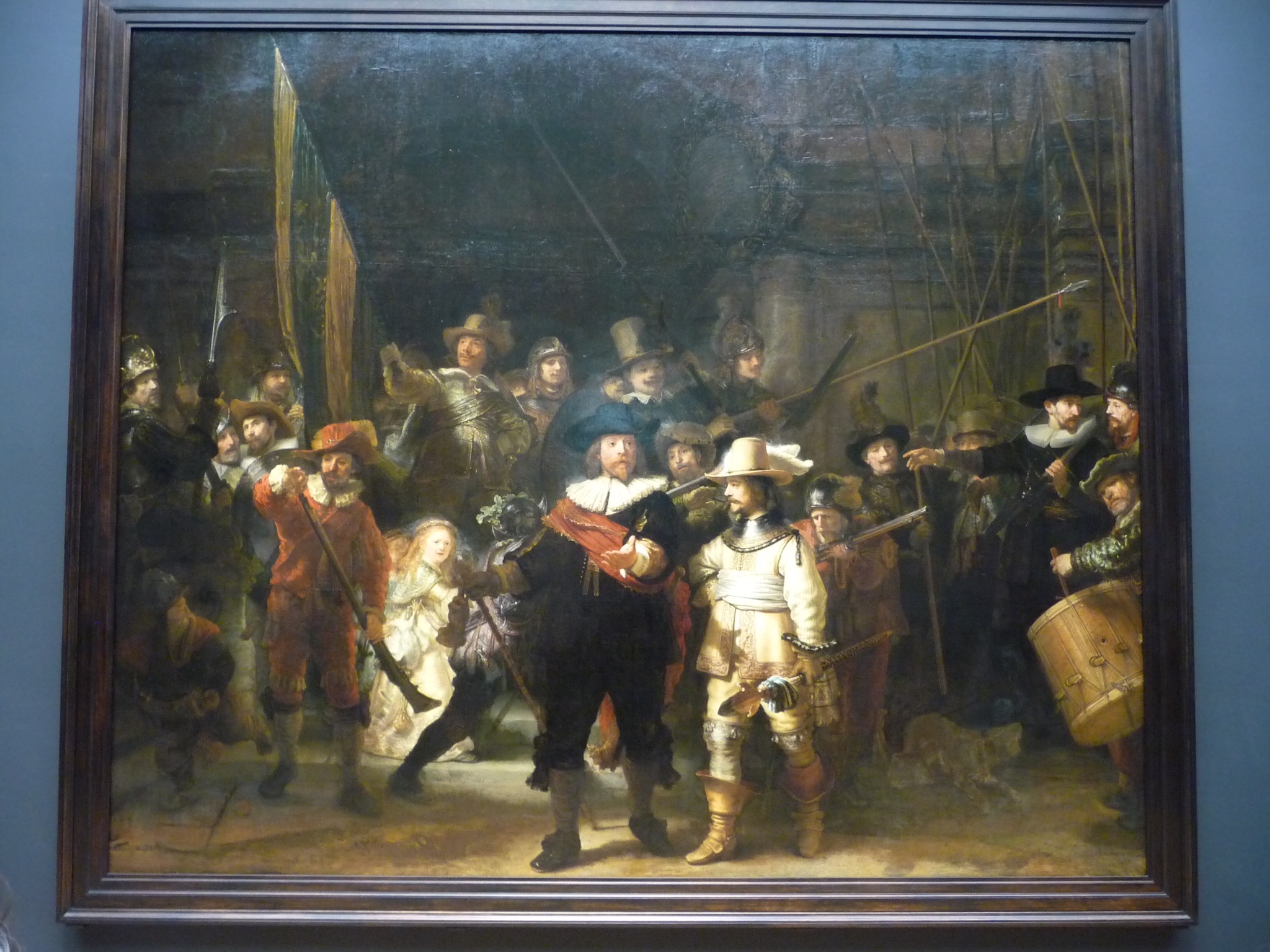
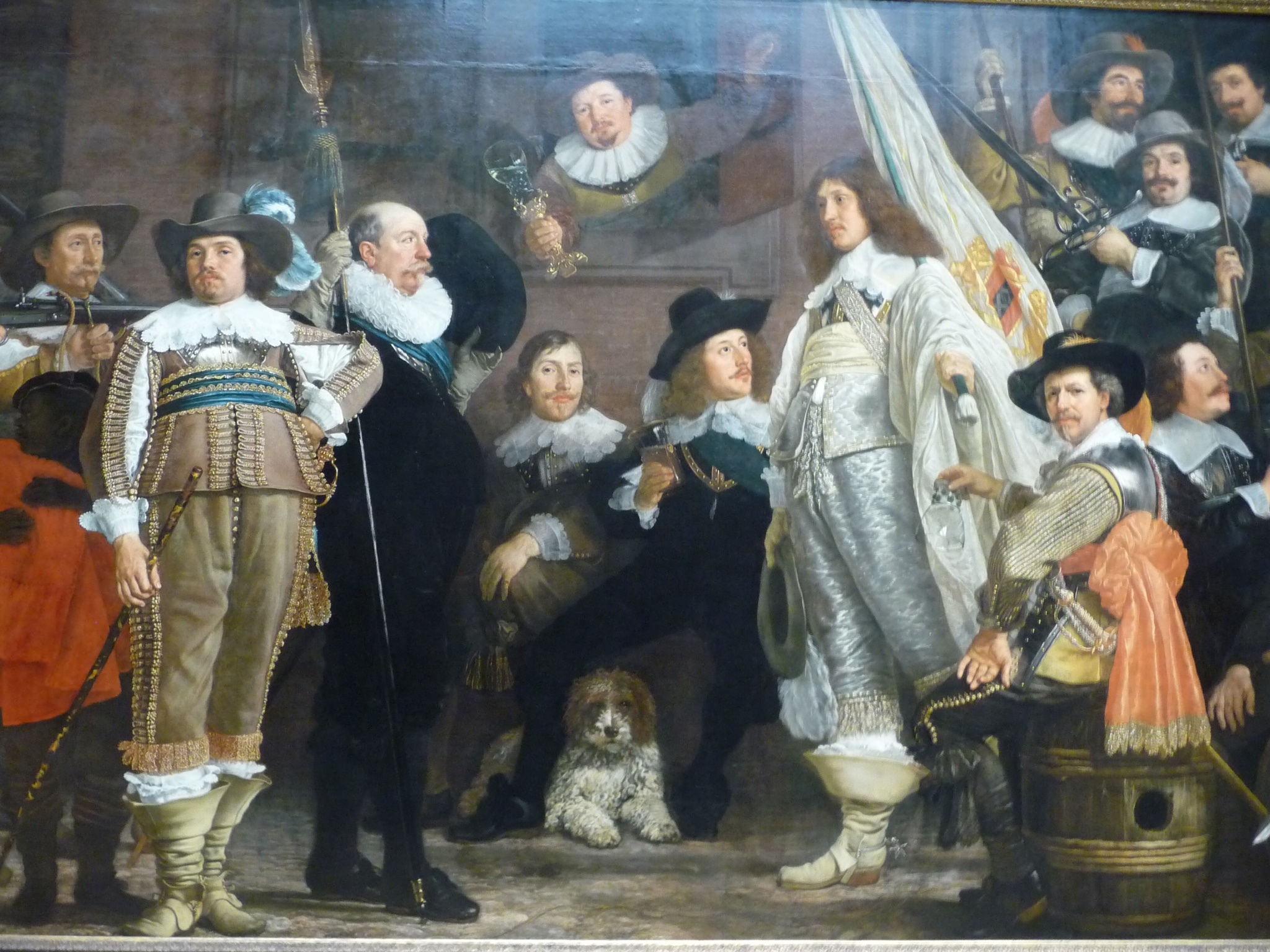
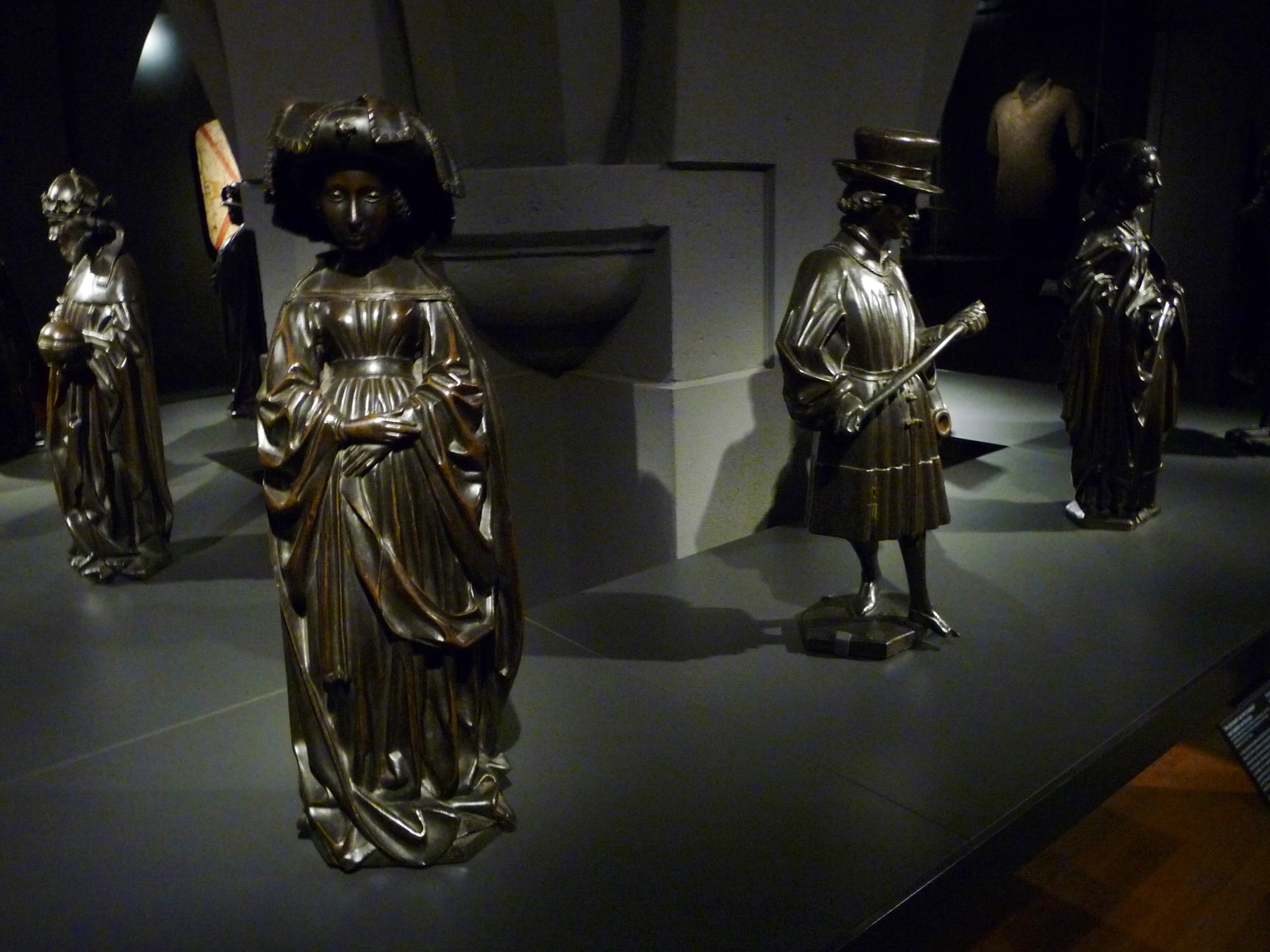
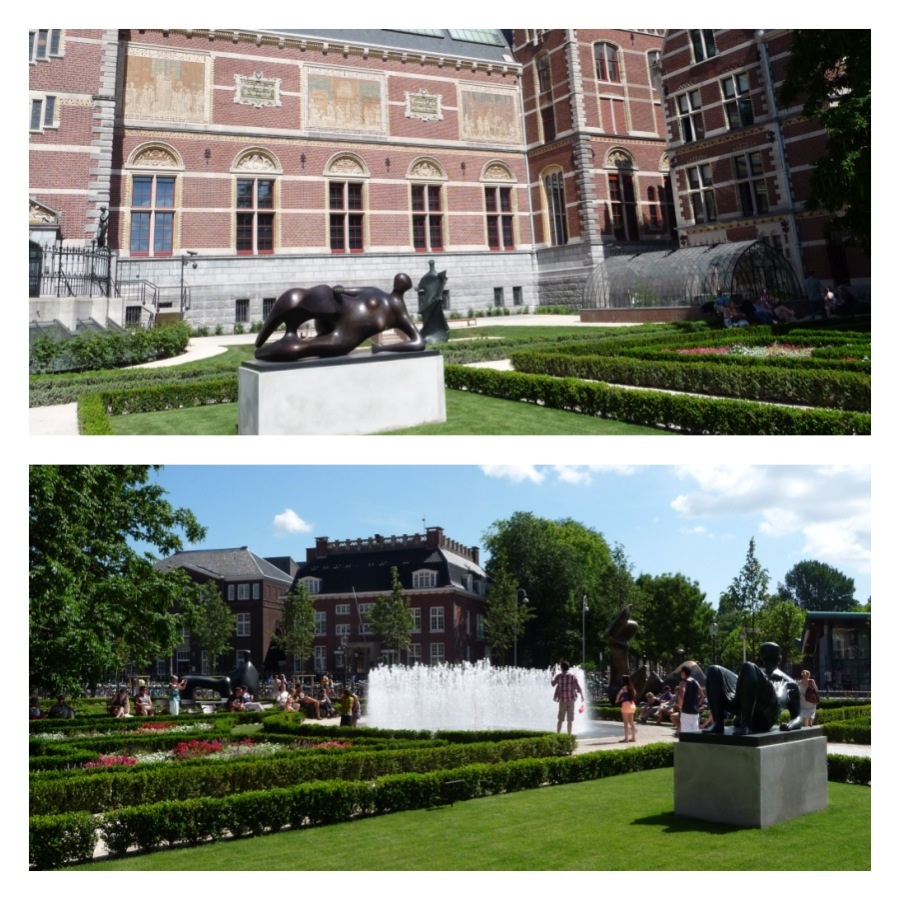
After a good night’s sleep and the energies recharged I set an ambitious plan of visiting museums for the day. I started at the Rijsmuseum, which has been closed for ten years for renovation and only just opened again in April. I could see what all of the fuss was about (I’d heard about two hour ticket lines), it was certainly a beautiful building in which to admire a gorgeous collection of art. The most visited pieces of the gallery were those of Rembrandt (particularly the Night Watch) but there was a collection of pieces from Vermeer, Borges and Van Gogh and a host of other local artists of the Netherlands (or Holland as it was in those parts then). I enjoyed my lunch in the lovely sculpture garden behind the Museum – it was full of copies of Henry Moore sculptures.
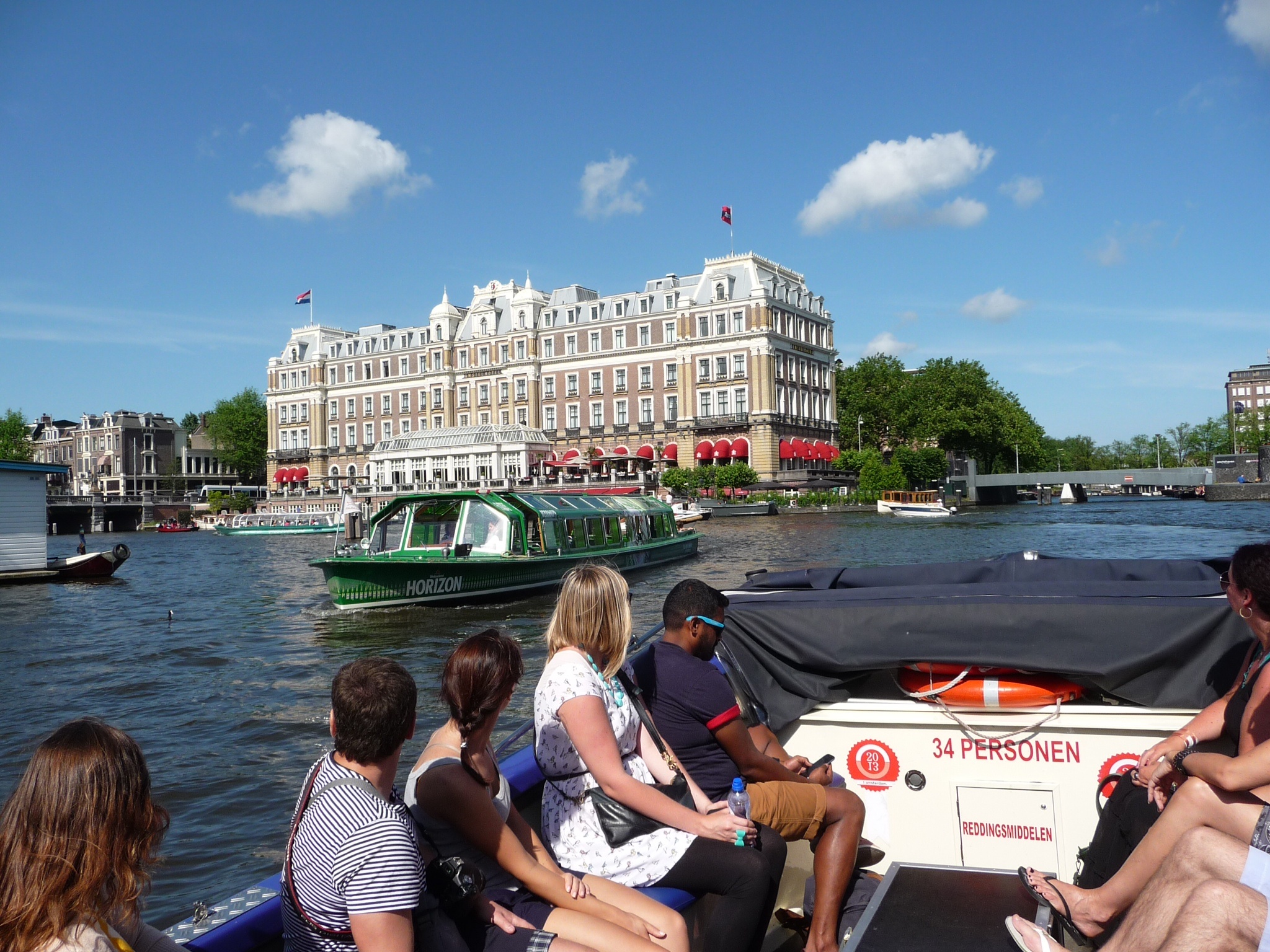
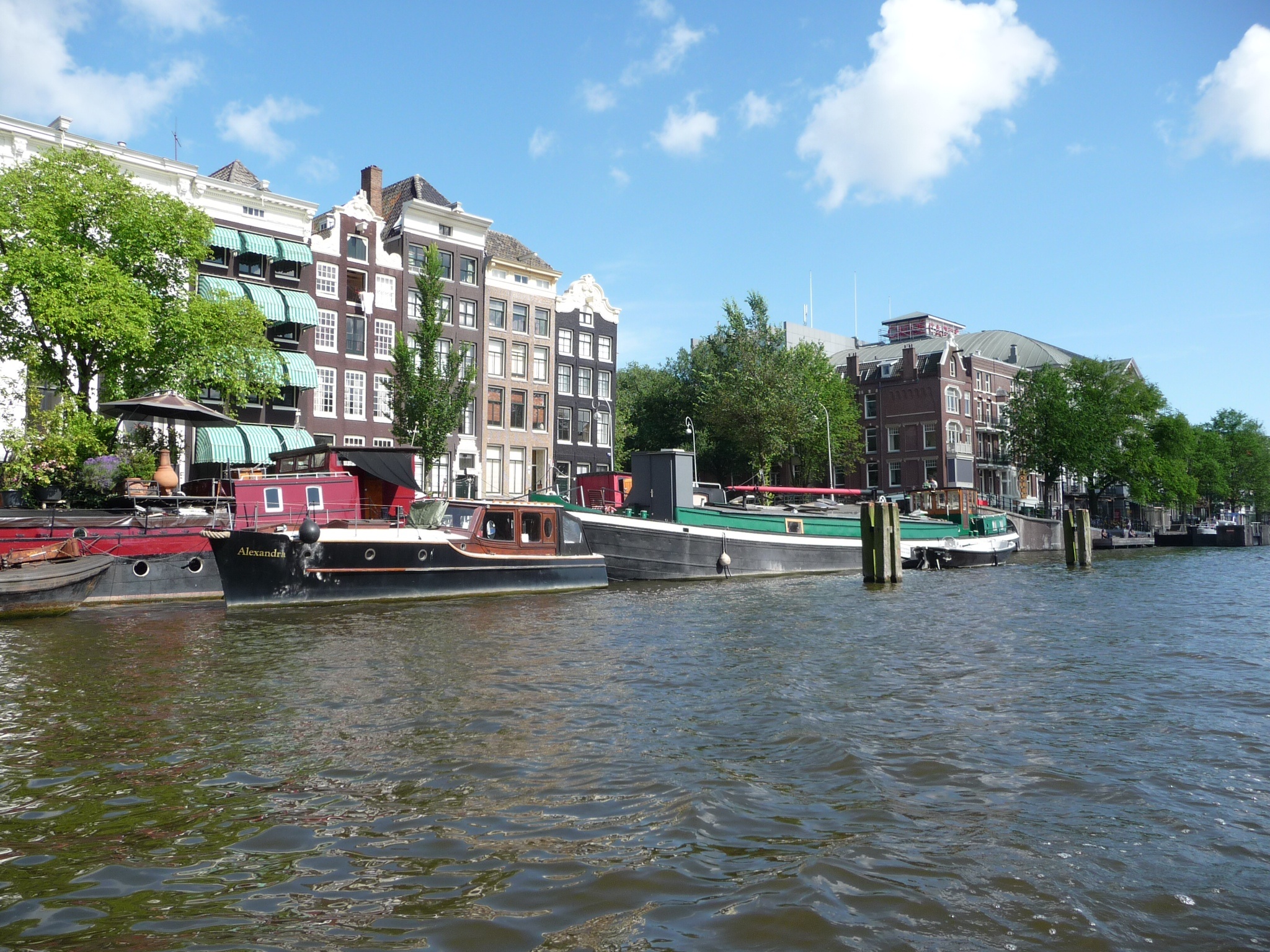
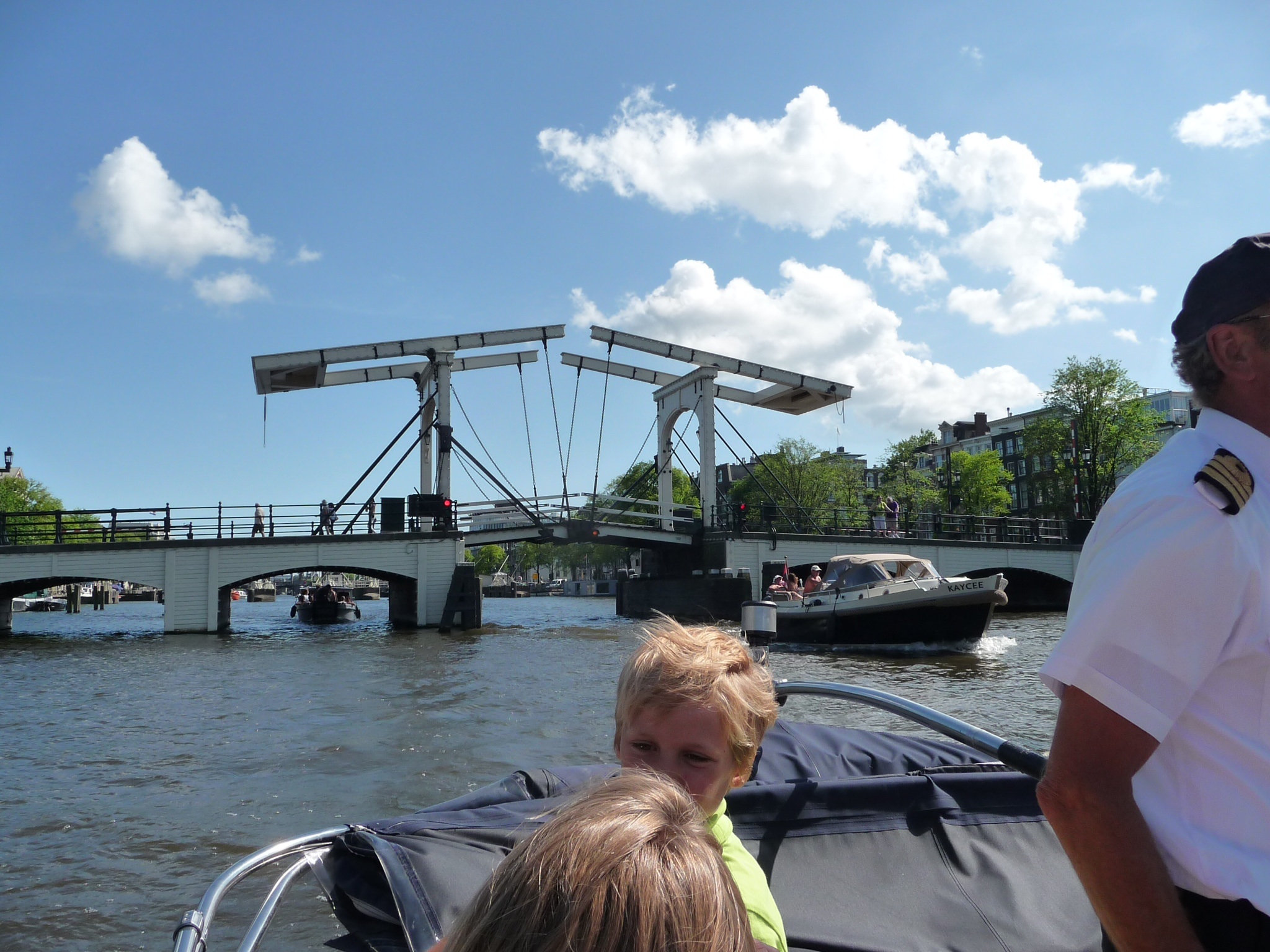
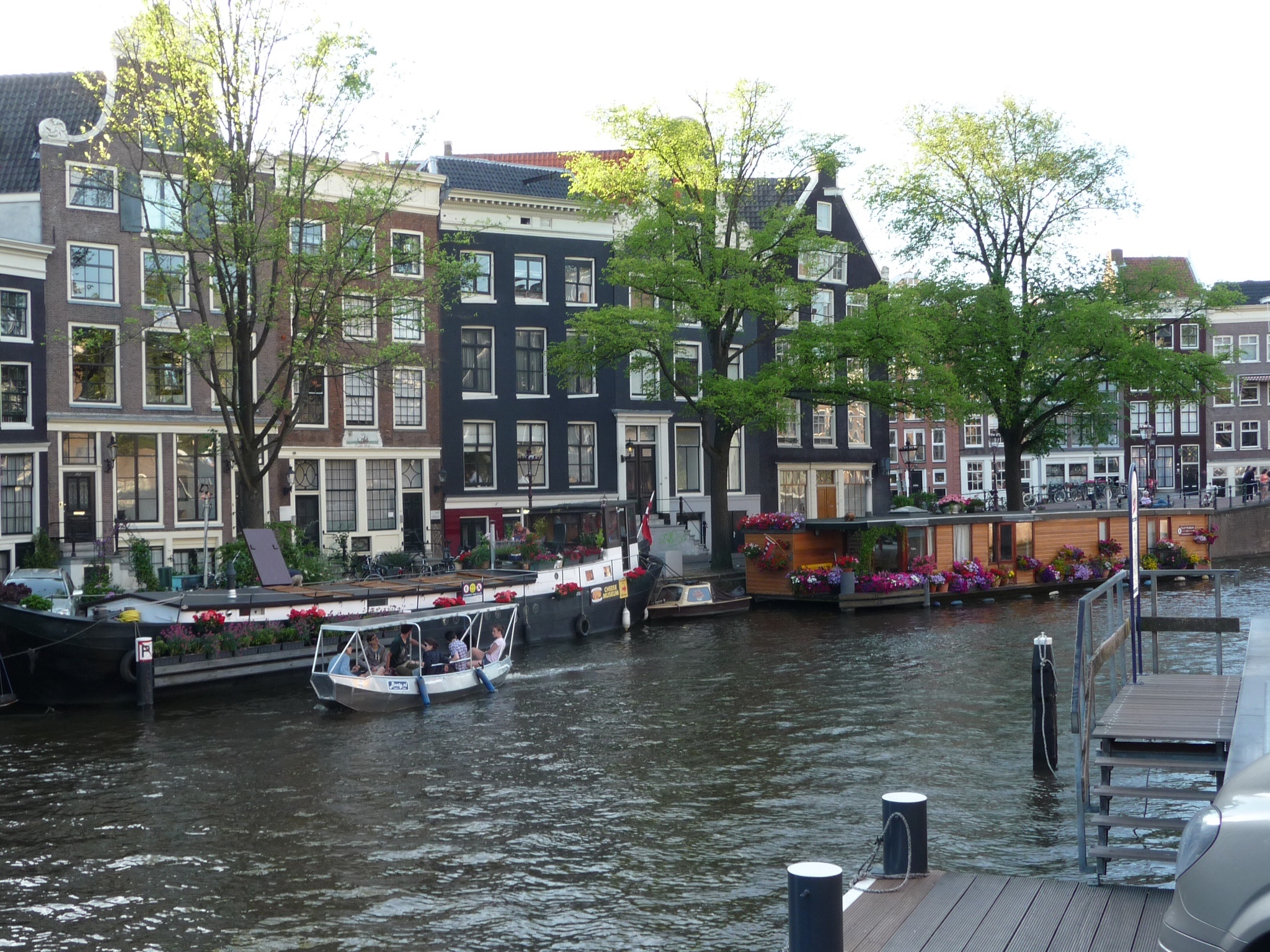
Before moving onto the next museum I thought I would take a canal boat cruise before the light fell. It was a lovely way to spend a couple of hours. A few facts I picked up about Amsterdam included that the old city of Amsterdam is built 1.5m above sea level whereas new Amsterdam is 1.5 below. This is why the dykes are so important in keeping the water out. There are 45000 locks to control the canals.
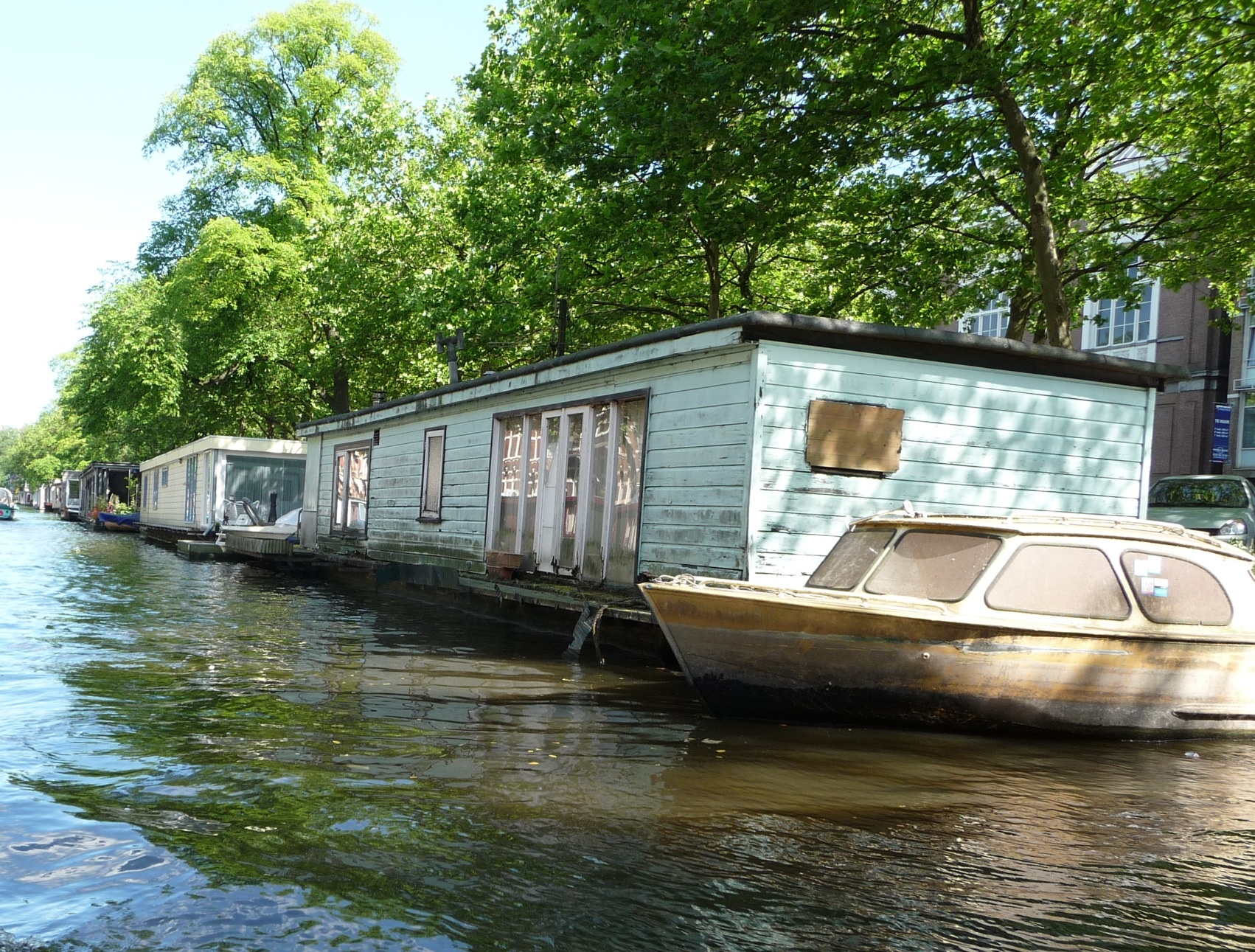
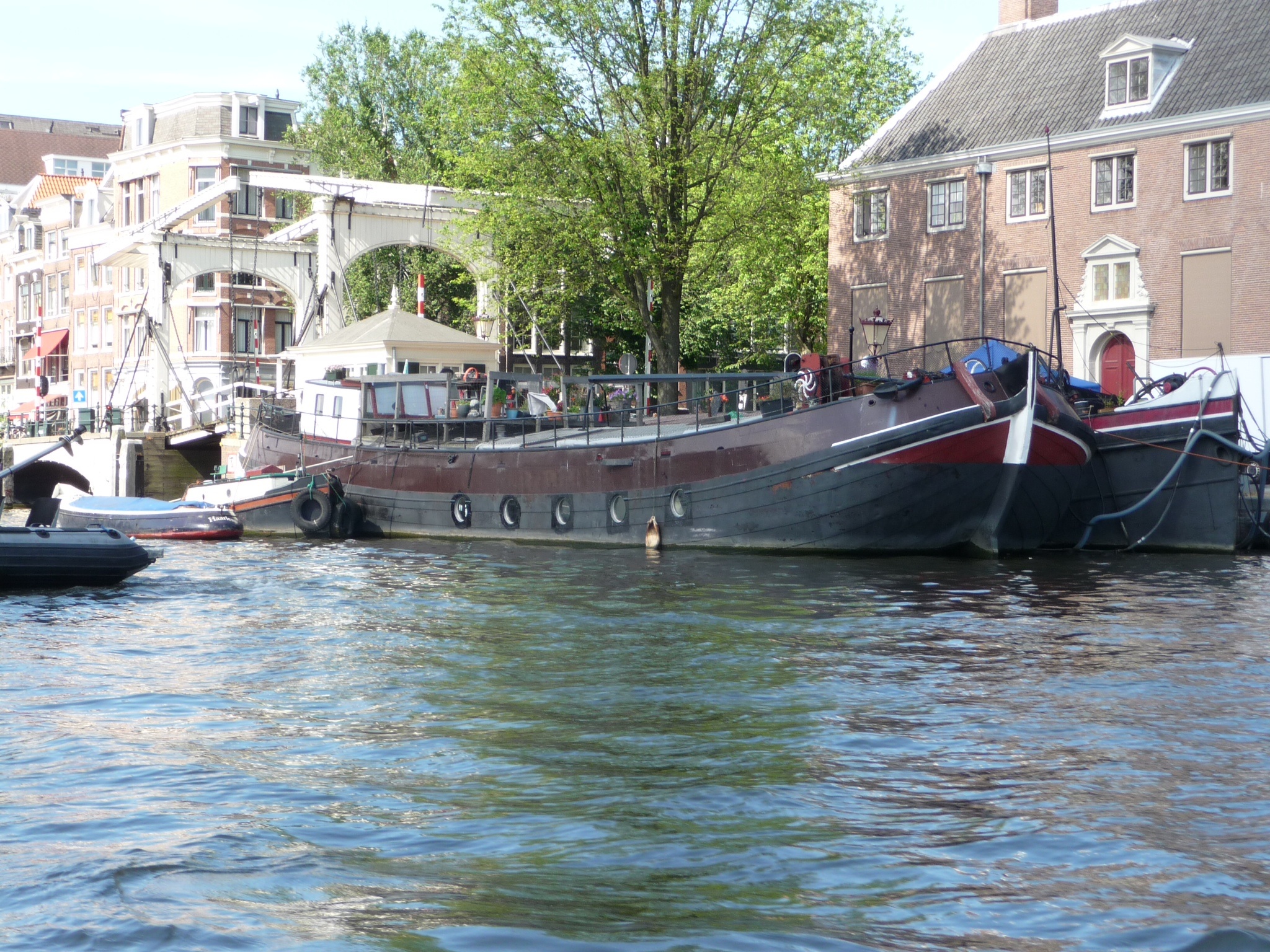
The houseboats were an interesting feature of the city.  The city has prohibited the establishment of any more and as a result it has pushed up the prices. You can pay up to 250 000 euros for a real dump but the upside is that it has unobstructed water views, easy access to the city and an ice skating rink at your doorstop for three weeks during winter.
The national bank has taken full advantage of the canals too by creating its safes under water with gates directly accessed by the canal. If entry is detected the gates open and fill the safe with water within 28 seconds. Money would be safe but what a mess!
The ‘Amsterdam’ flag flies everywhere. It has three crosses on it representing the three enemies of the state – water, fire and the plague. Speaking of the plague, I learnt that the buildings painted black (in the city centre) are those in which people had caught the plague. During the plague they were brought food but were confined to the house until their deaths. Now the same paint (which couldn’t be removed because of its composition) is used because of its mould resistant qualities. Timber houses are also no longer allowed, a law spurred on by the deaths from a horrendous fire that took hold killing a large part of the population.
Just how many bikes are here?  650 000!  Not a bad effort for a population of 850 000. There are 180 nationalities residing in the city. This has come about partly because of the high student population but also the refugees that have settled in Amsterdam. They receive $26 000 worth of support to integrate. About 11% are not successful at integrating and so are sent back from whenth they came. The rest are the legacy of the groups of people who were taken on by the Dutch East India Company when they lost sailors due to disease.
They certainly seemed to have nailed water management. There are engineers from the Netherlands helping New Orleans rebuild their water management system (even I thought their levy looked pretty ineffective) – taken ten years, expected to take another 25.
The houses didn’t have house numbering before Napoleon’s arrival so some still contain their differentiating plaques on the facades, which were used for distinction. Otherwise they described their house by house design and colour – resulting in each facade looking a little different.
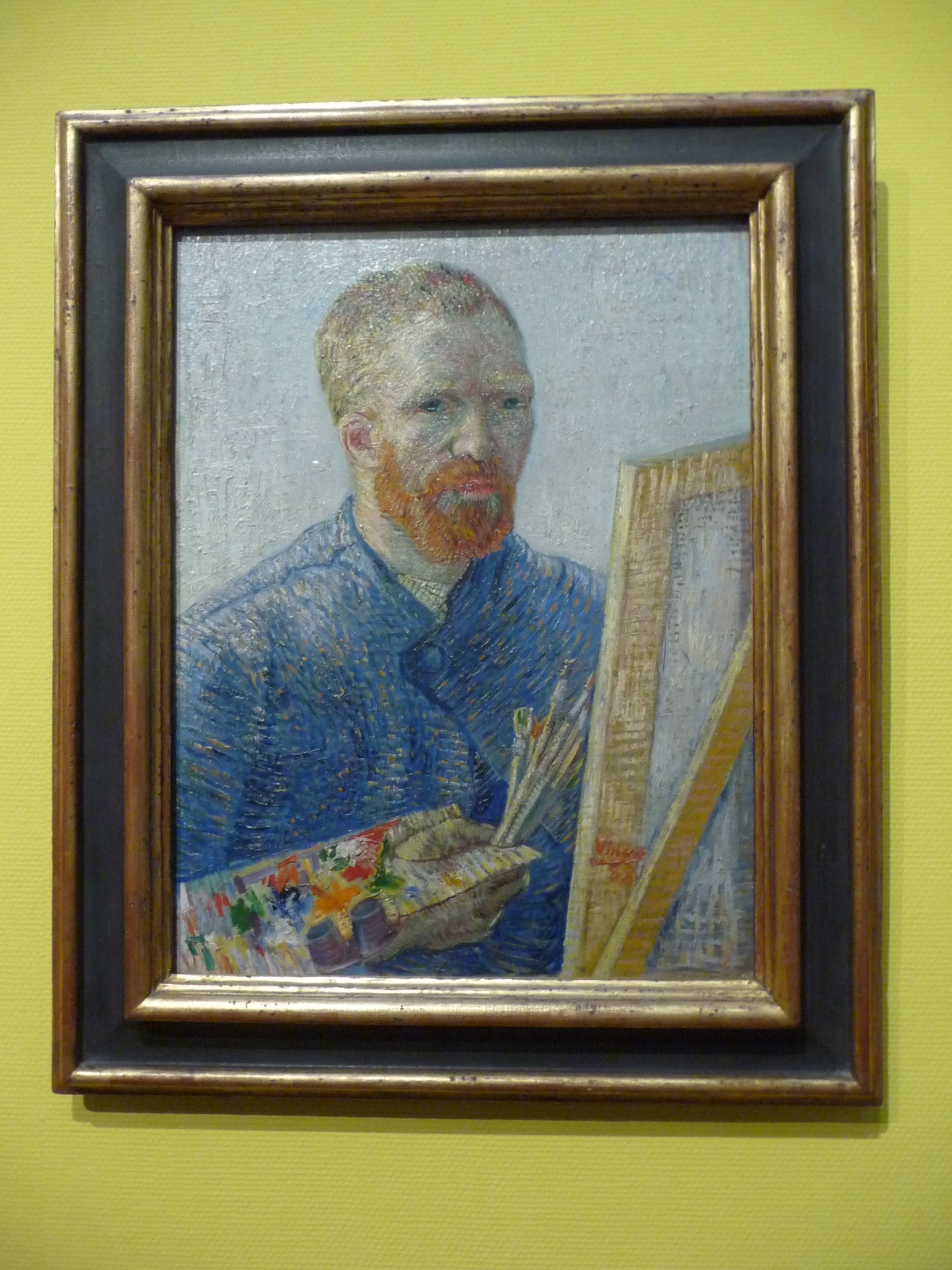
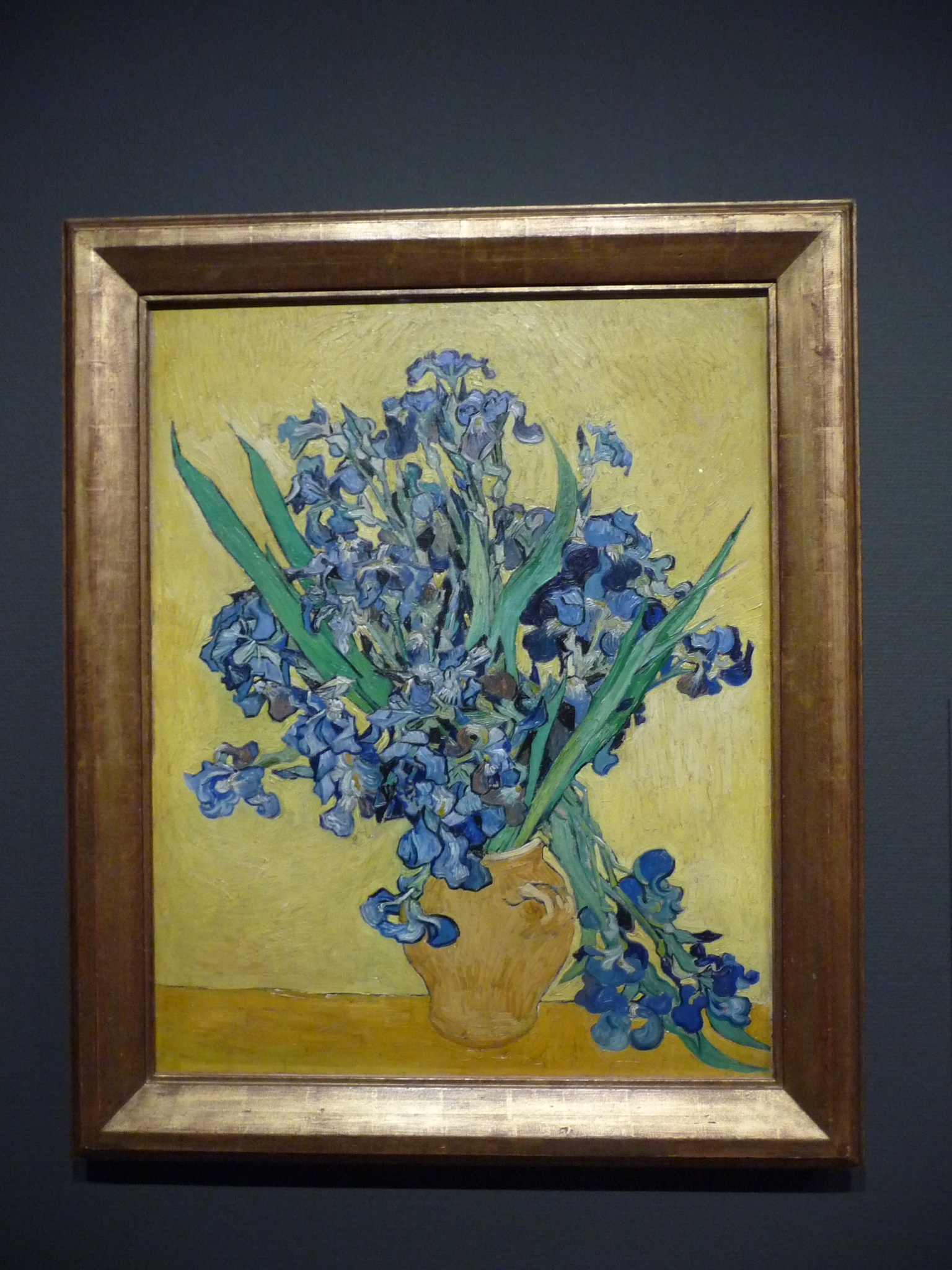
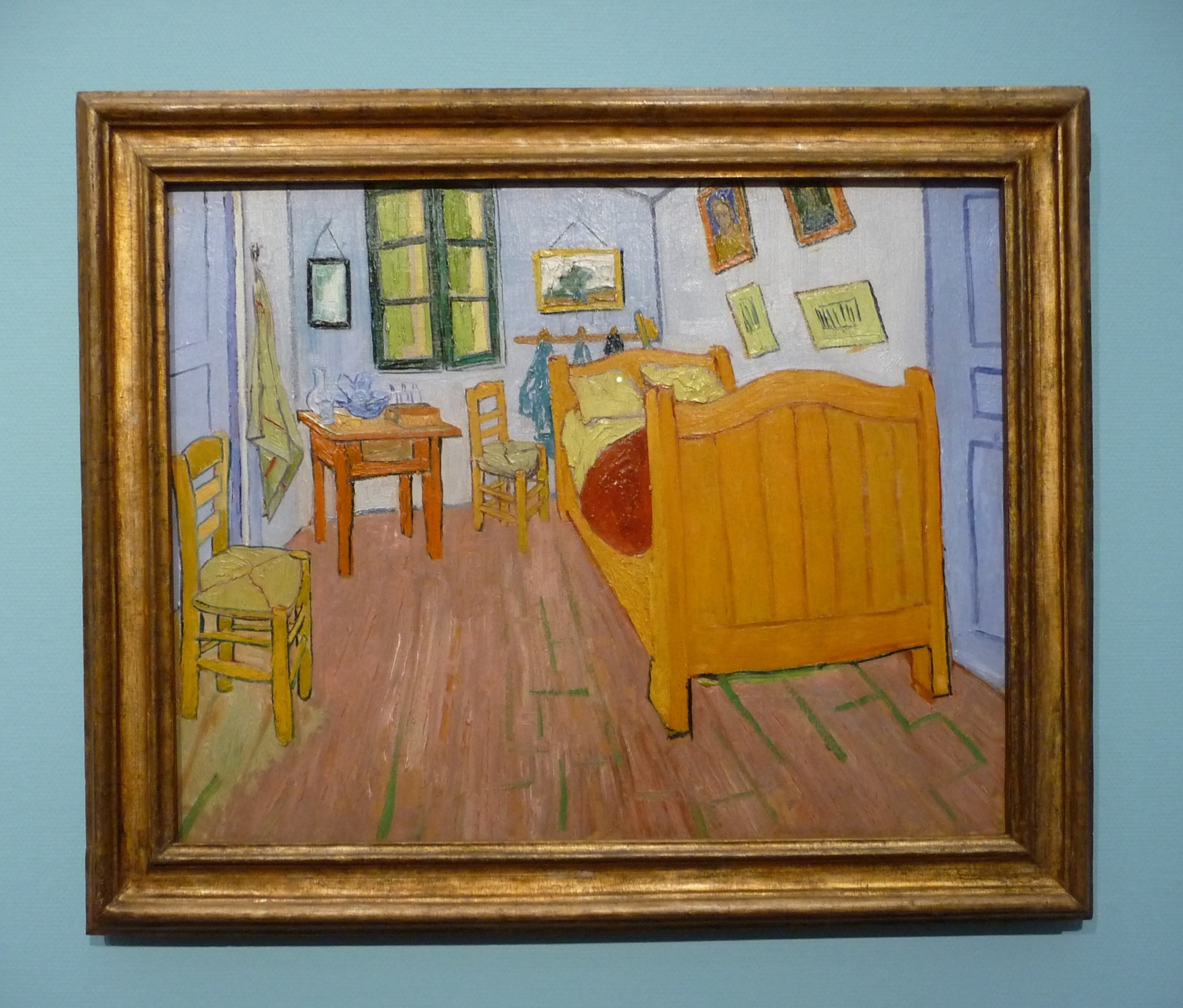
Another museum, this time the Van Gogh Museum (and a lesson in how to pronounce his name correctly). The collection was extensive – so lovely to see Irises and, my favourite, Bedroom at Arles. It took me back to the Van Gogh exhibition we’d had in my 20s. Mum had bought Maria and I lovely plates from the exhibition.
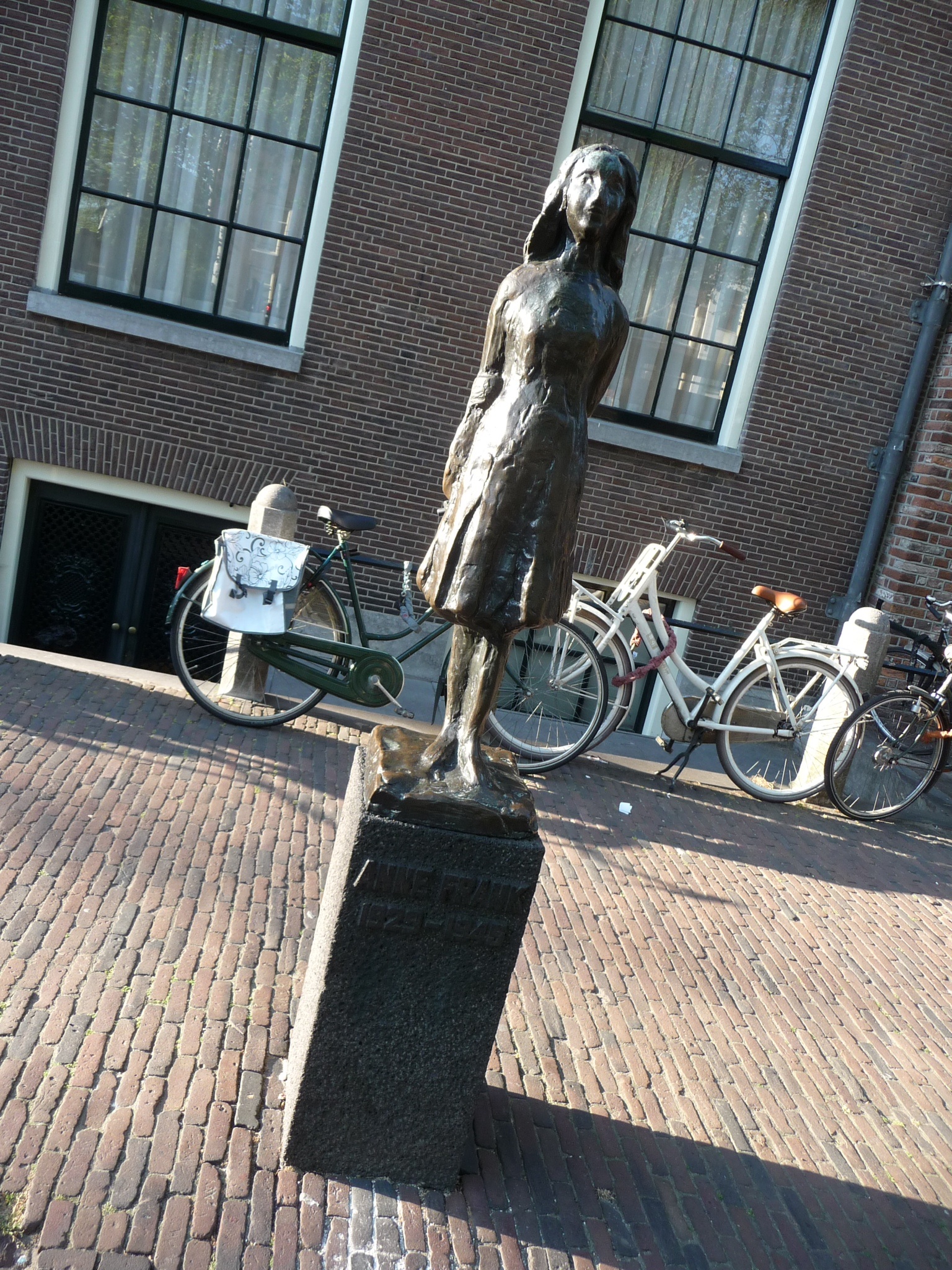
It was 8:30pm but I thought I’d try my luck with the Anne Frank Museum, I’d read that the lines could be smaller closer to closing time, which was 10pm on a Friday.  I was pleased to get in with only a 45 minute wait so the detour had paid off. I’d read The Diary of Anne Frank as a young child so found it quite haunting to visit the the place written about. It was the quietest visit to a museum I’ve ever experienced.
Otto Frank, Anne’s father and the only family member that survived the holocaust, had opened up the house that the family had hid in for two years (with four others) during nazi occupation as a museum to remind people of the atrocities of the past.
I was physically and emotionally spent so jumped on a tram to head home – or so I thought – another unintentional city sights tour on public transport, just when I thought I had it nailed. On the journey home I was passed by plenty a gal donned in heels and flash hair pedalling her way to her night’s revelry. No helmets spoiling the ‘do’ in this town!
The next day I decided to get out of the city. It was to be a day of just exploring (knowing the only museum of my interest – displaying the works of Escher – would likely be closed) visiting the towns of Haarlem, Leiden and The Hague by train.
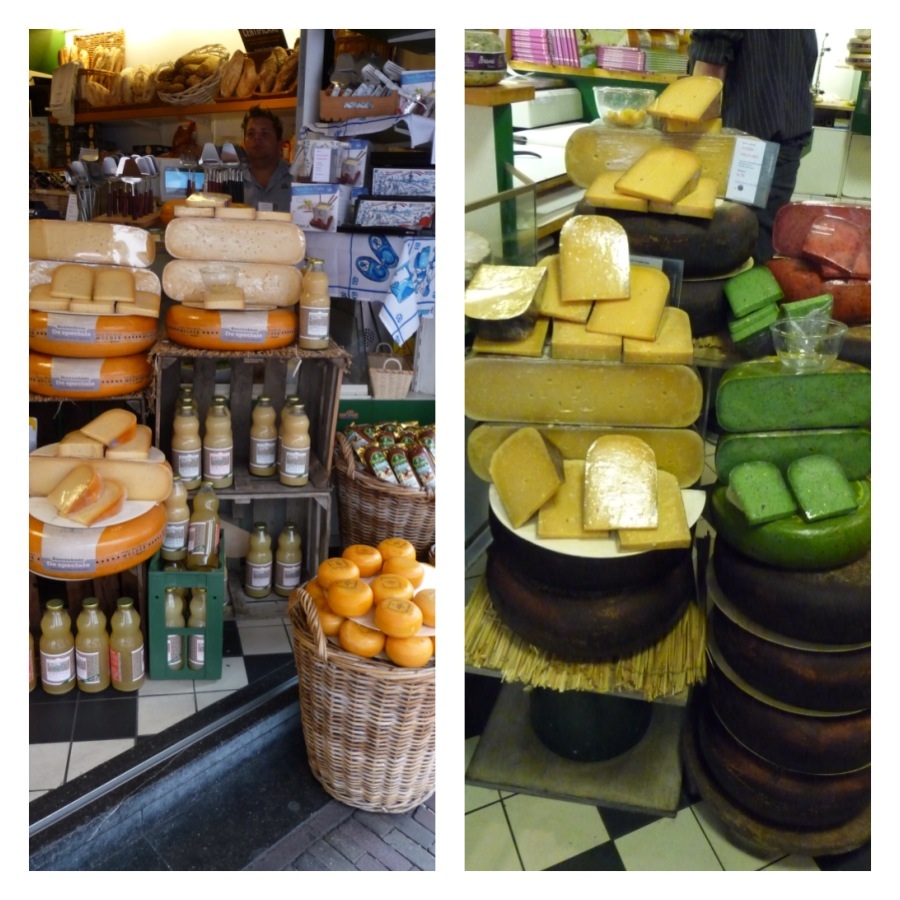
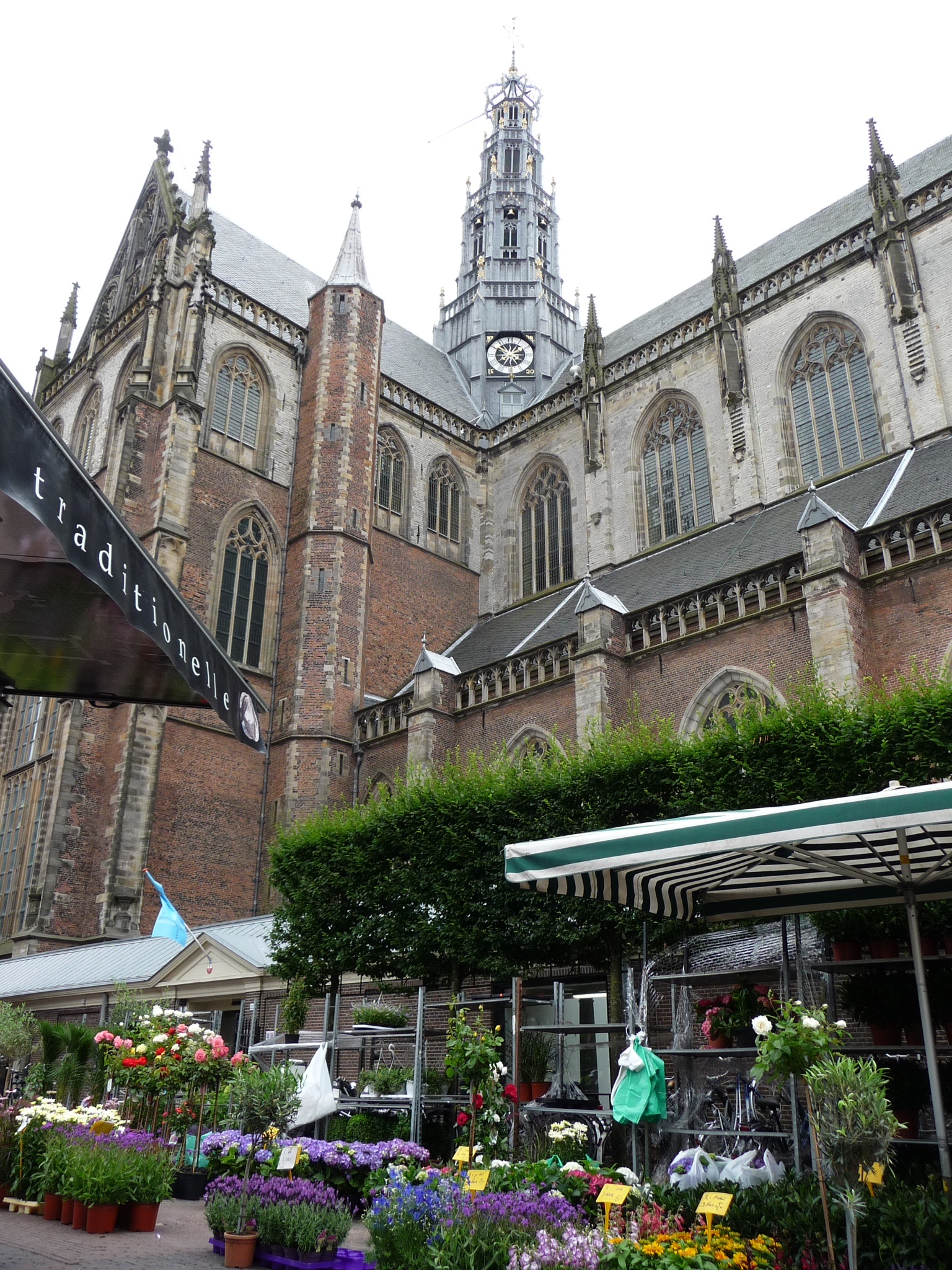
My first stop was Haarlem. I had arrived on the day of the market so it was fresh bread and yummy truffle cheese for lunch!  The Dutch certainly do cheese well.
Haarlem was a small but lovely old town, albeit filled with tourist shops and restaurants.  It adjoins the sea so there were lots of sailing boating motoring out of the canals. It didn’t take long before I had a nice feel for the place and so was ready to move on.
It was then onto Leiden, the train passing fields of tulips and other bulbed plants. Unfortunately it wasn’t the flowering season so no displays of tulip flowers.  I do like tulips – my favourite being the African Queen.
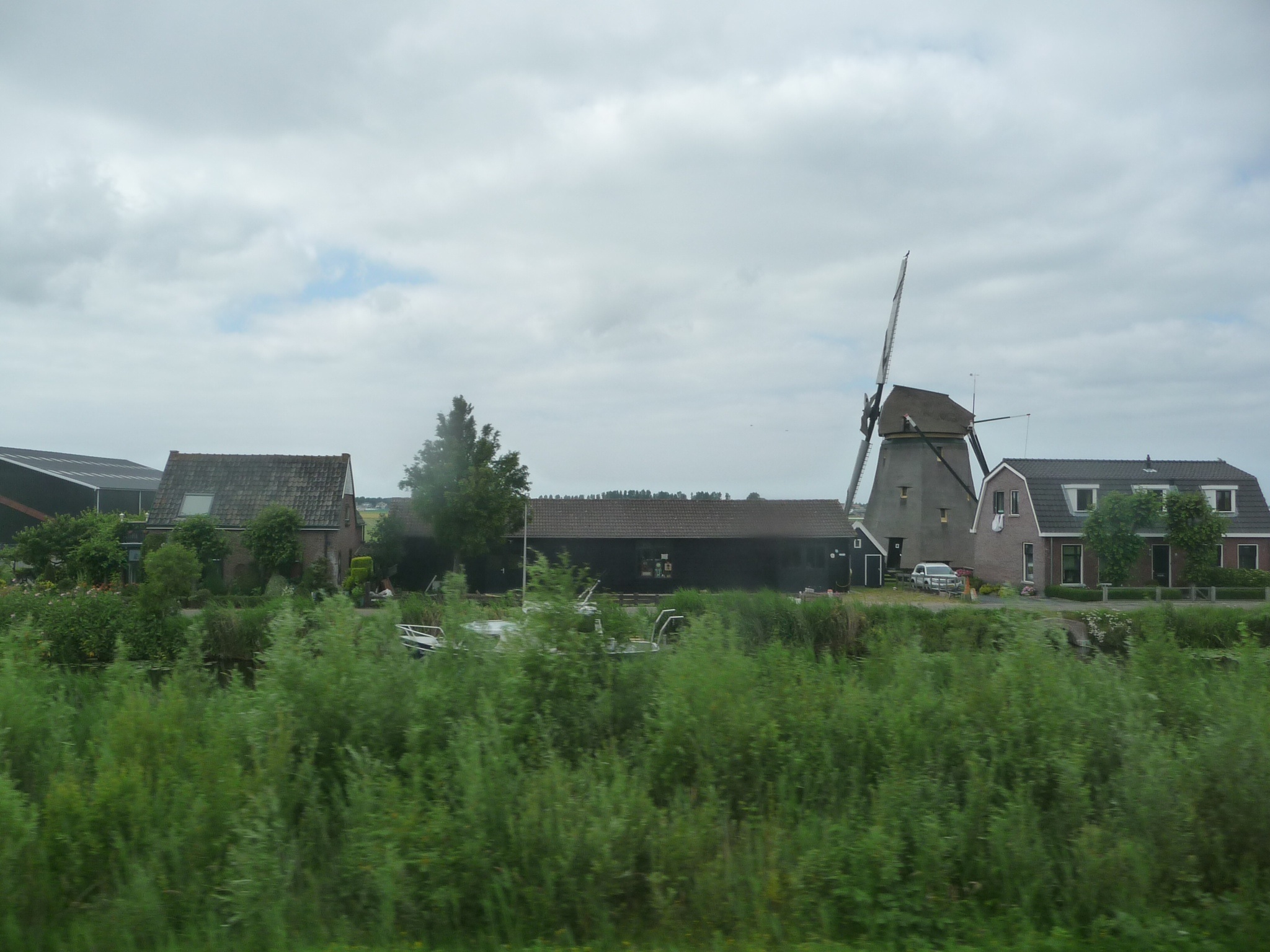
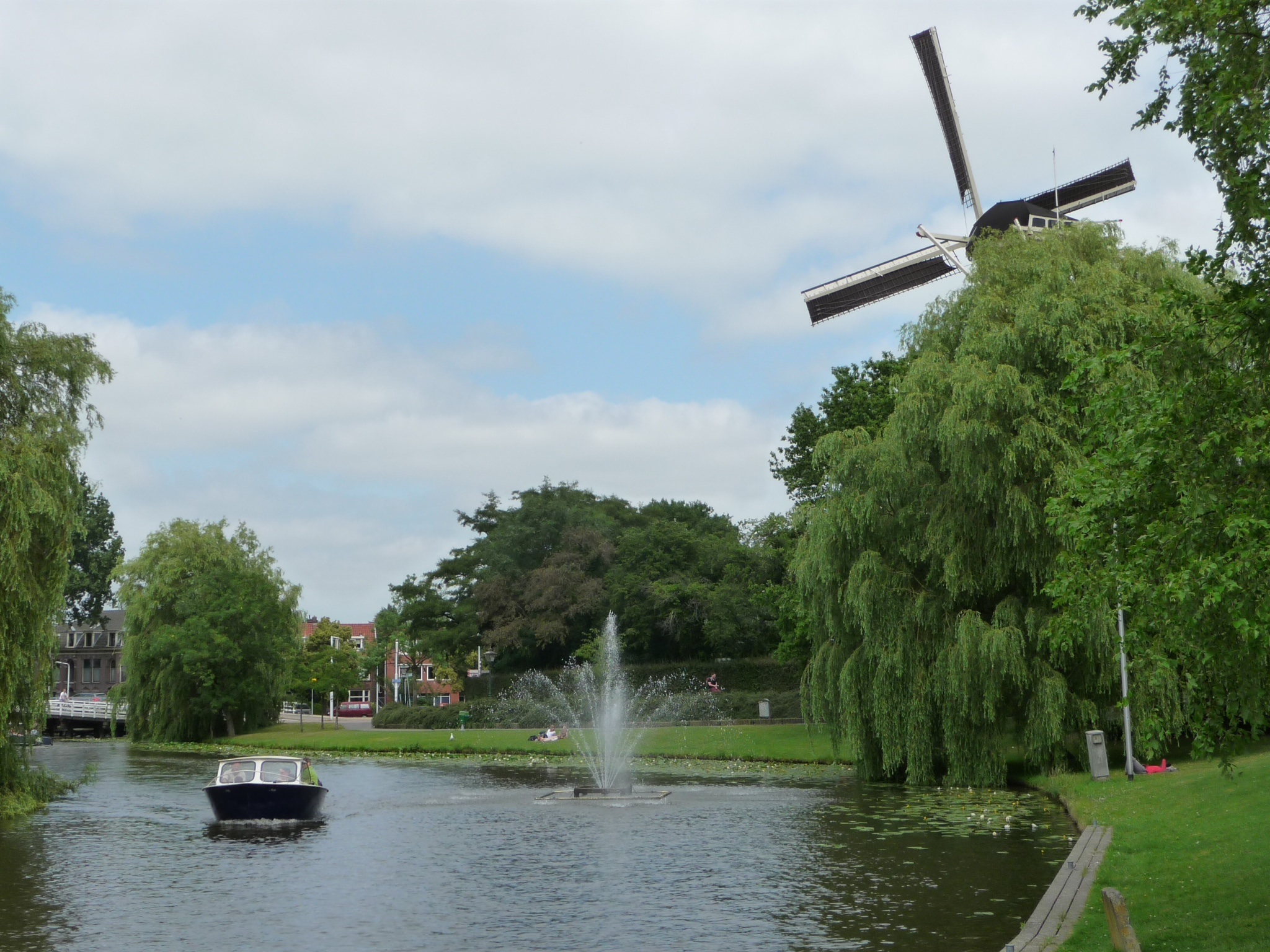
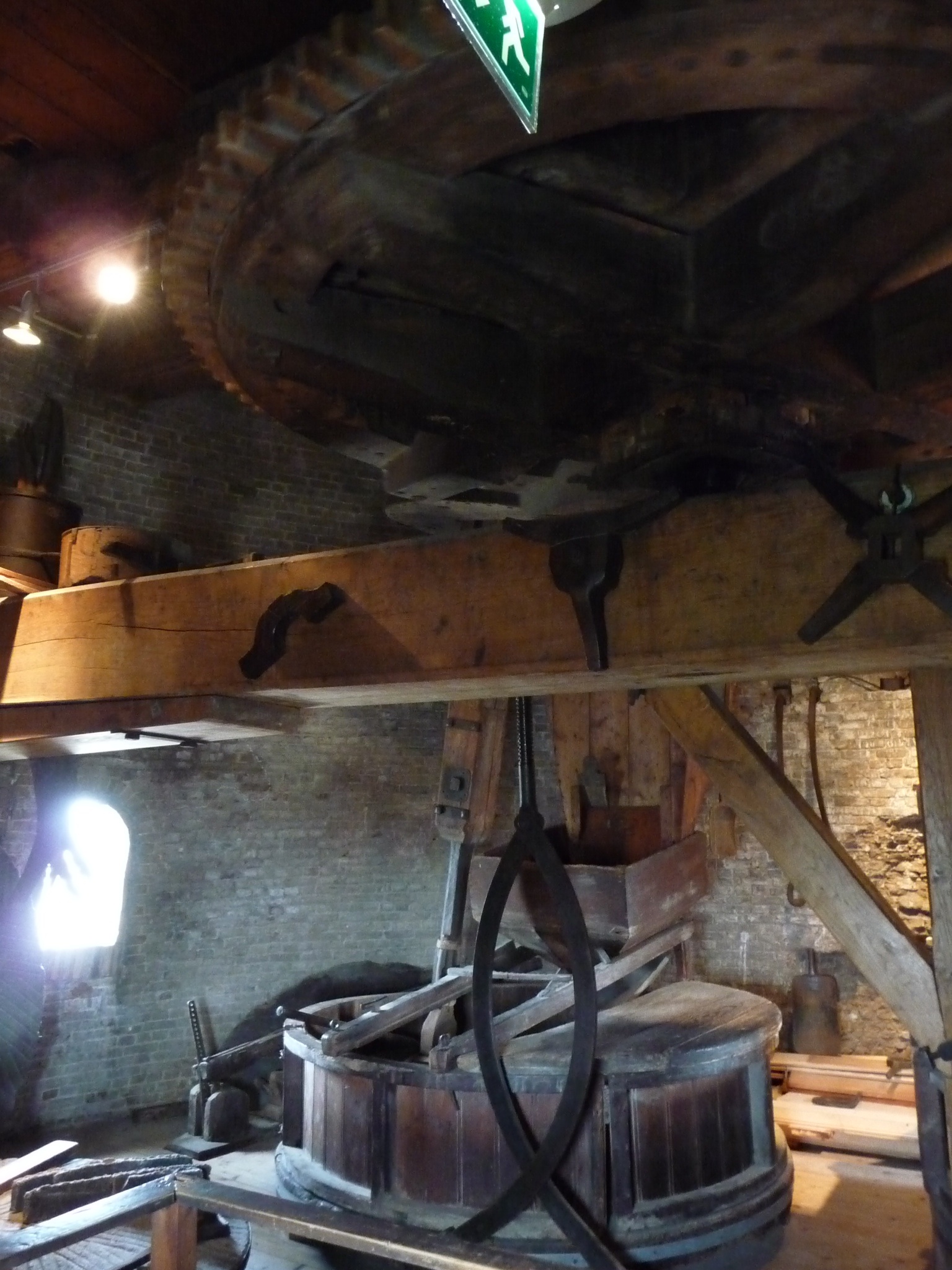
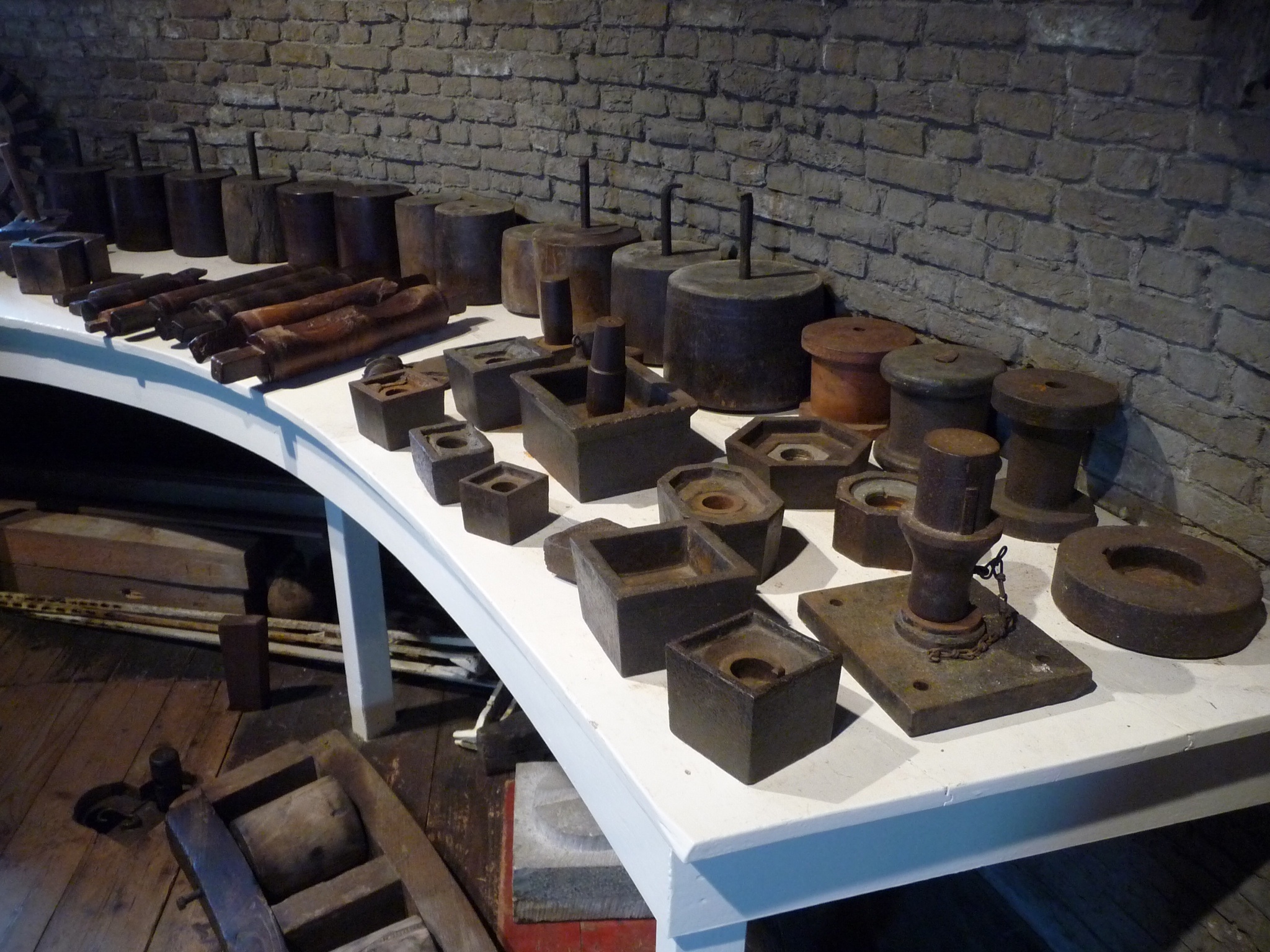
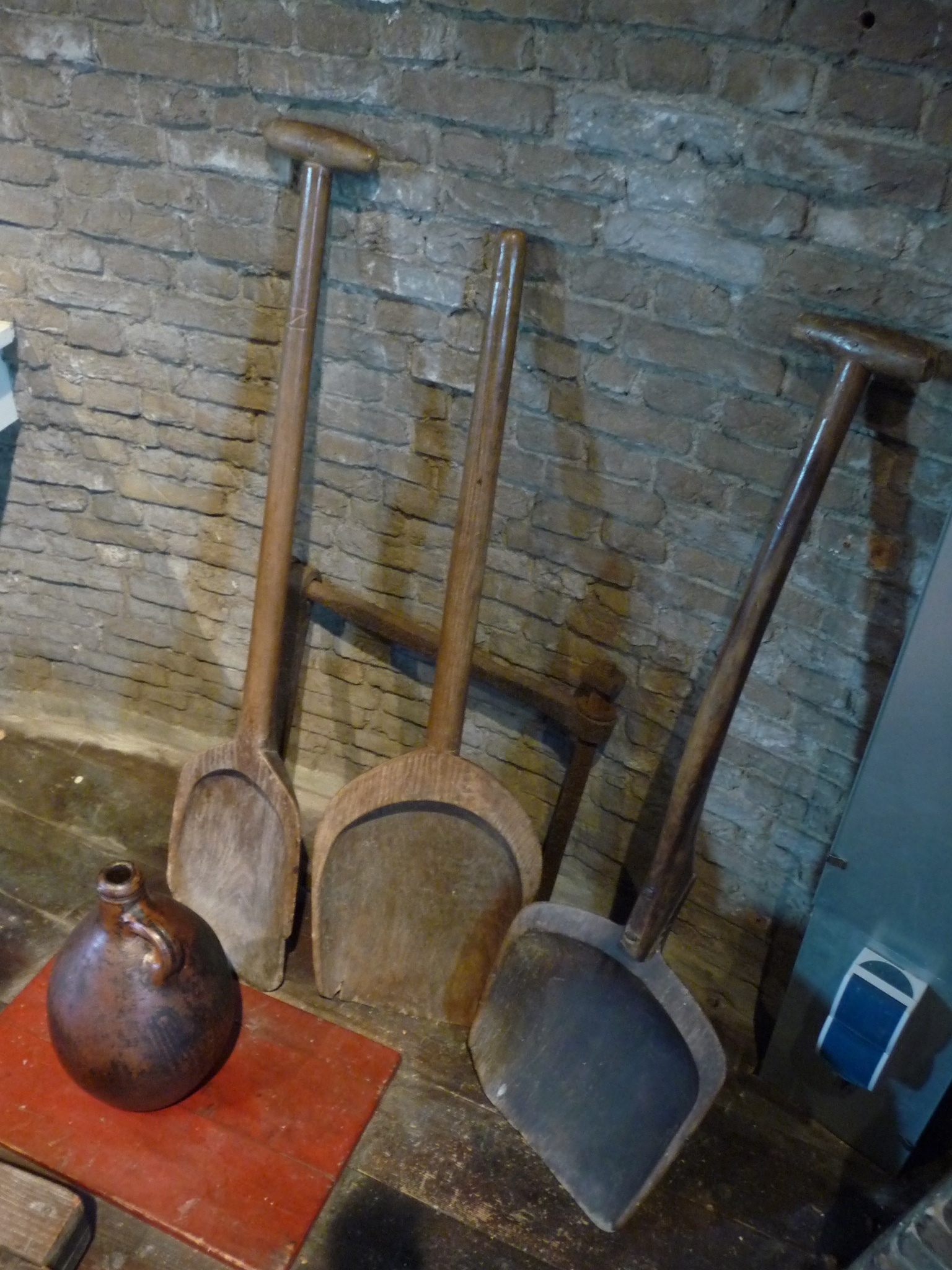
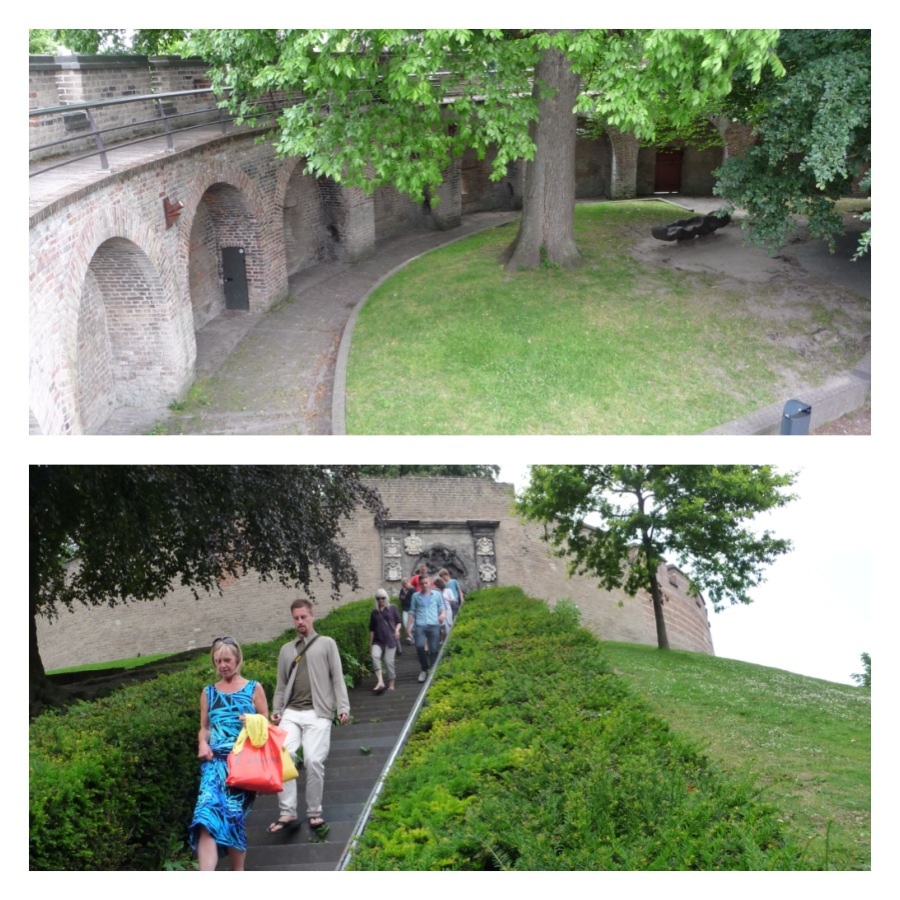
Finally I stumbled upon a wind mill. Okay it was a Museum, but nonetheless a windmill.  I discovered that the first mills had in fact been developed in the Middle East around 700AD. So the Dutch weren’t onto anything new. Having said that they had their fair share of them – 950 windmills and 60 watermills left. The Spanish had taken hold of a number of Dutch cities in the latter  half of 1500 (they had a hand in everywhere those spaniards) so in the case of Leiden the residents had demolished the mills to hinder the prosperity of the invaders. The later replacement mills were built on fort walls to provide better defence in the future.
I went inside The Valk, which was built in 1743. It was used to mill corn. These windmills were built with stages, each stage serving a purpose; the lower generally being used for housing of storage and the upper for the milling processes. This particular windmill had a trunk 29 metres high and the sails had a length of 27 metres. It was funny to hear the whoosh of the sails as they circled past.
All the mills were pretty much out out of use after the introduction of steam and diesel driven engines so now they’re just saved for their cultural value.
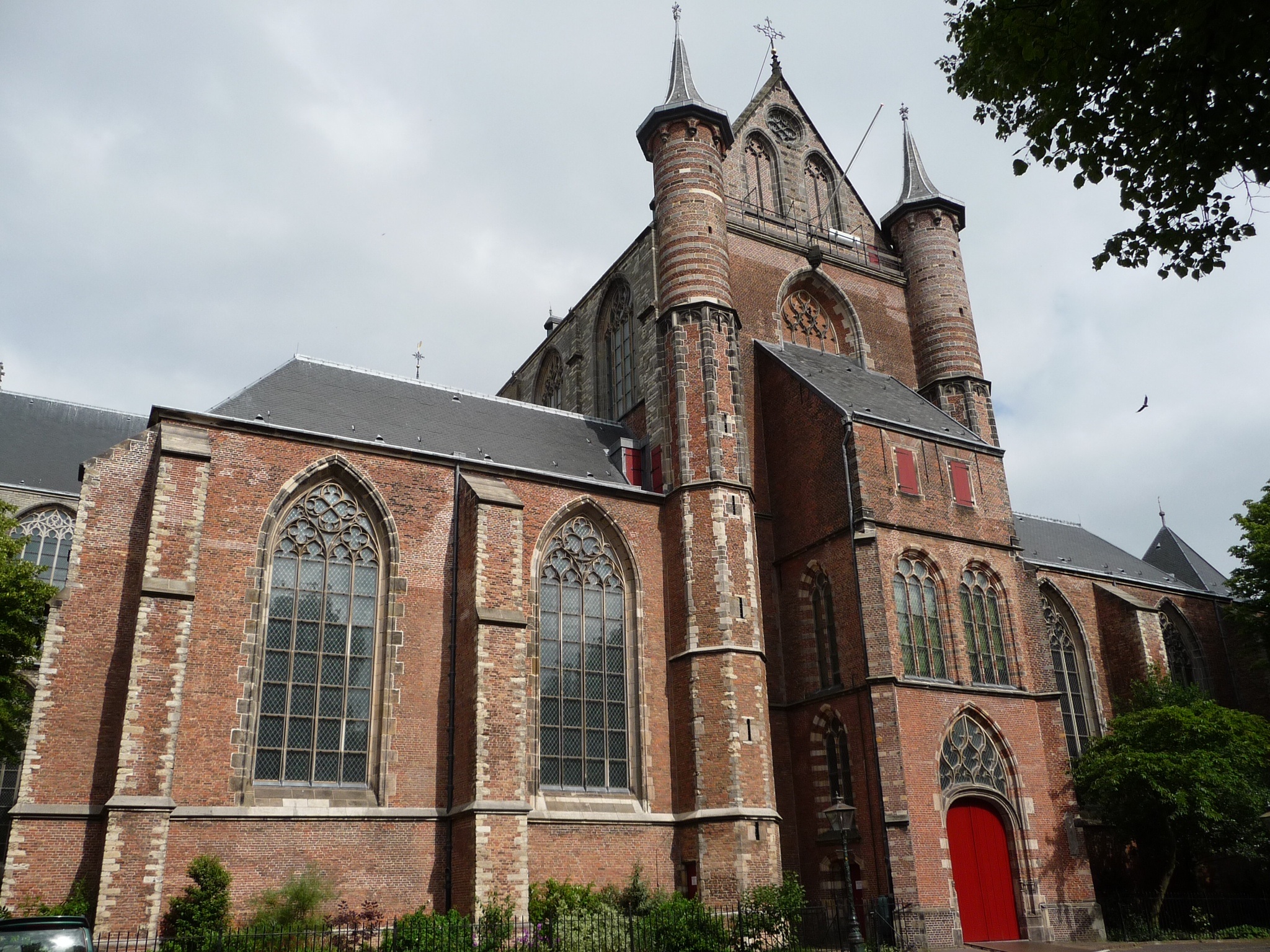
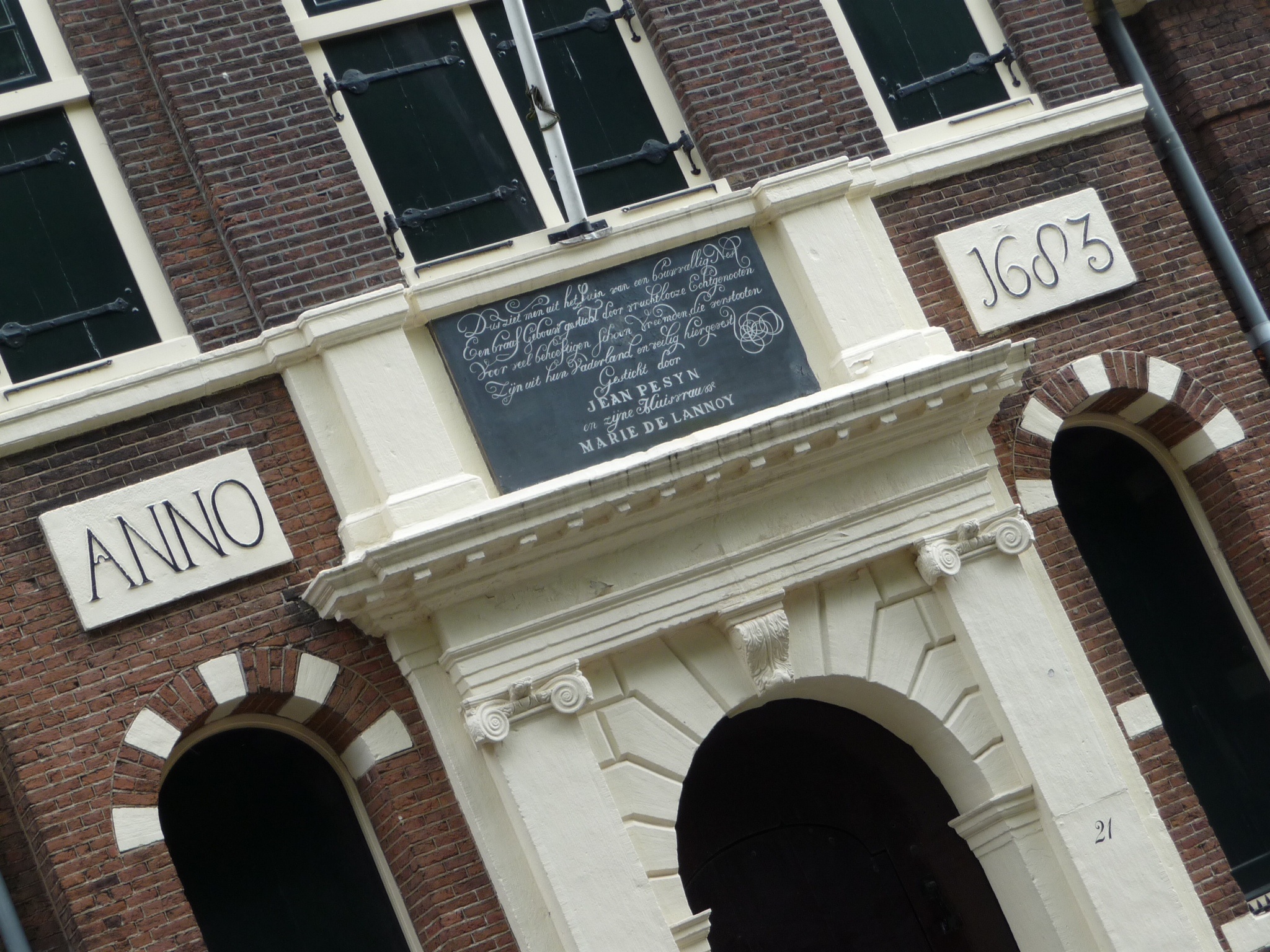
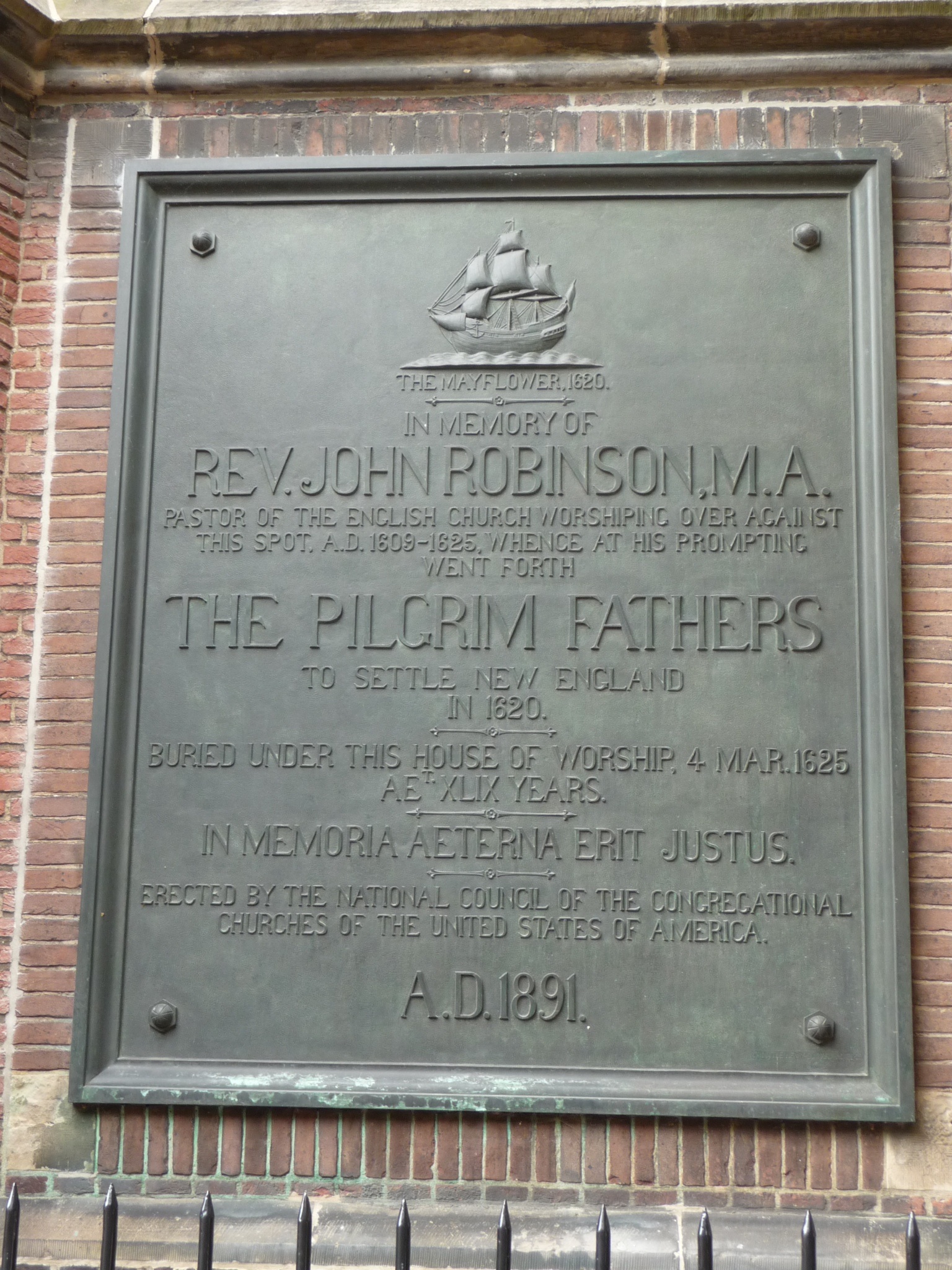
On visiting the backstreets of the old town I came across Pieterskirk church, which had been the place of worship for those who had emigrated from England seeking to purify/simplify the Church of England. These same people later sailed The Mayflower to America, becoming the Pilgrim Fathers of New England. The church had been visited by GW Bush and more recently Barrack Obama, who have ties to the church.
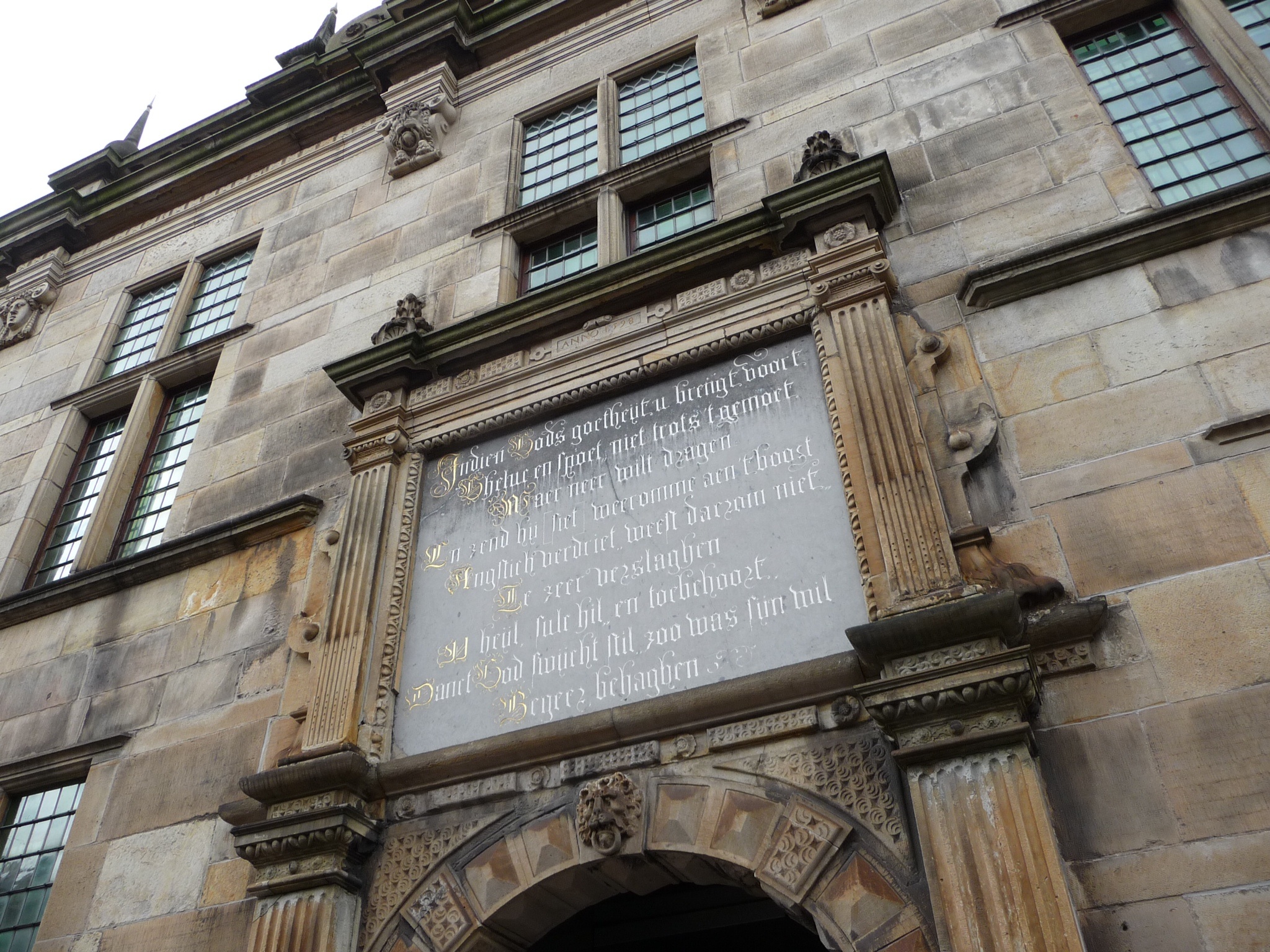
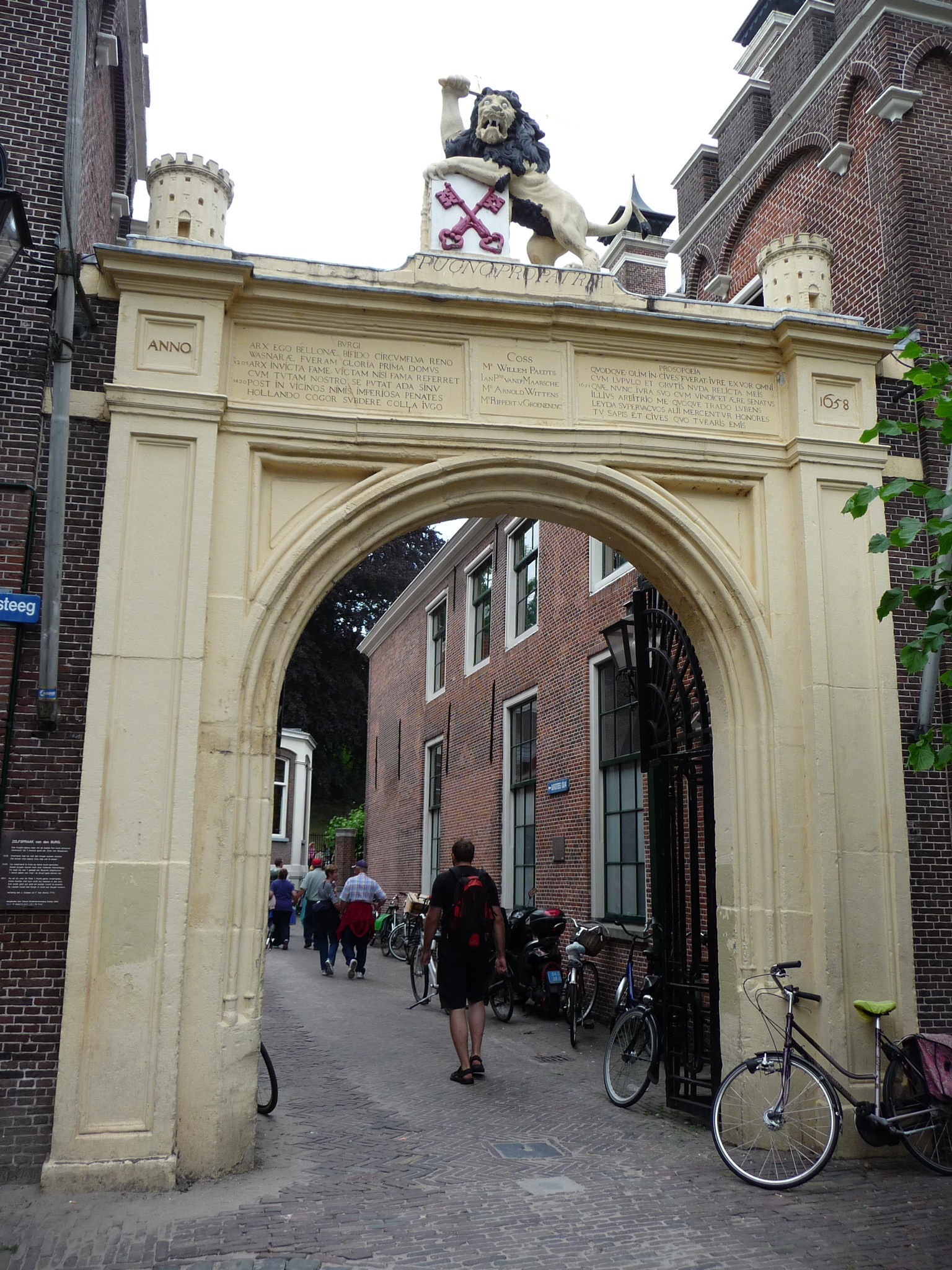
Leaving the city I passed the Stadius (City Hall) and wandered around the Burcht, which was built between 800 and 1150 on a man-made dirt mound in the city centre as a means of protecting the people in the event of floods.
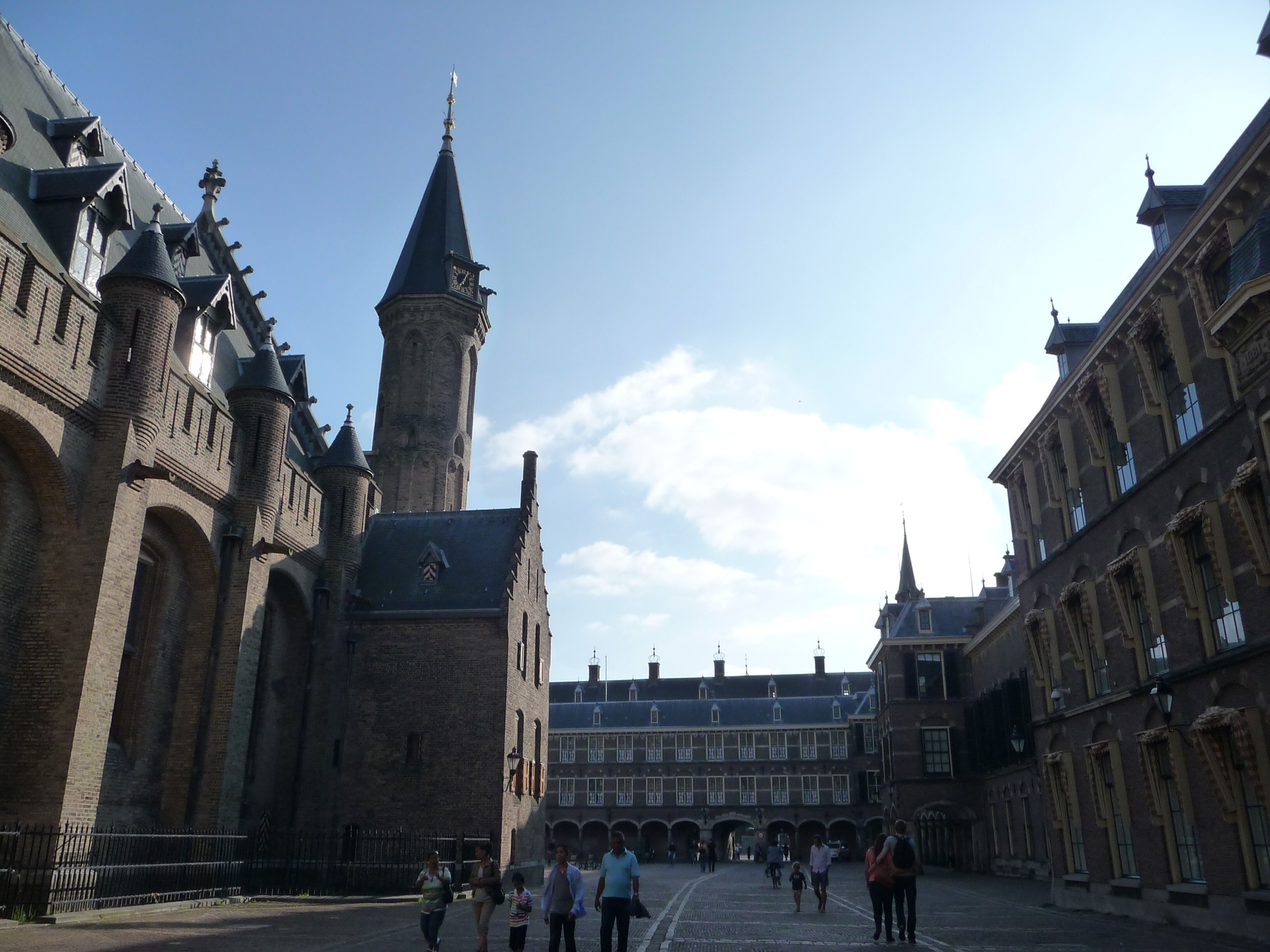
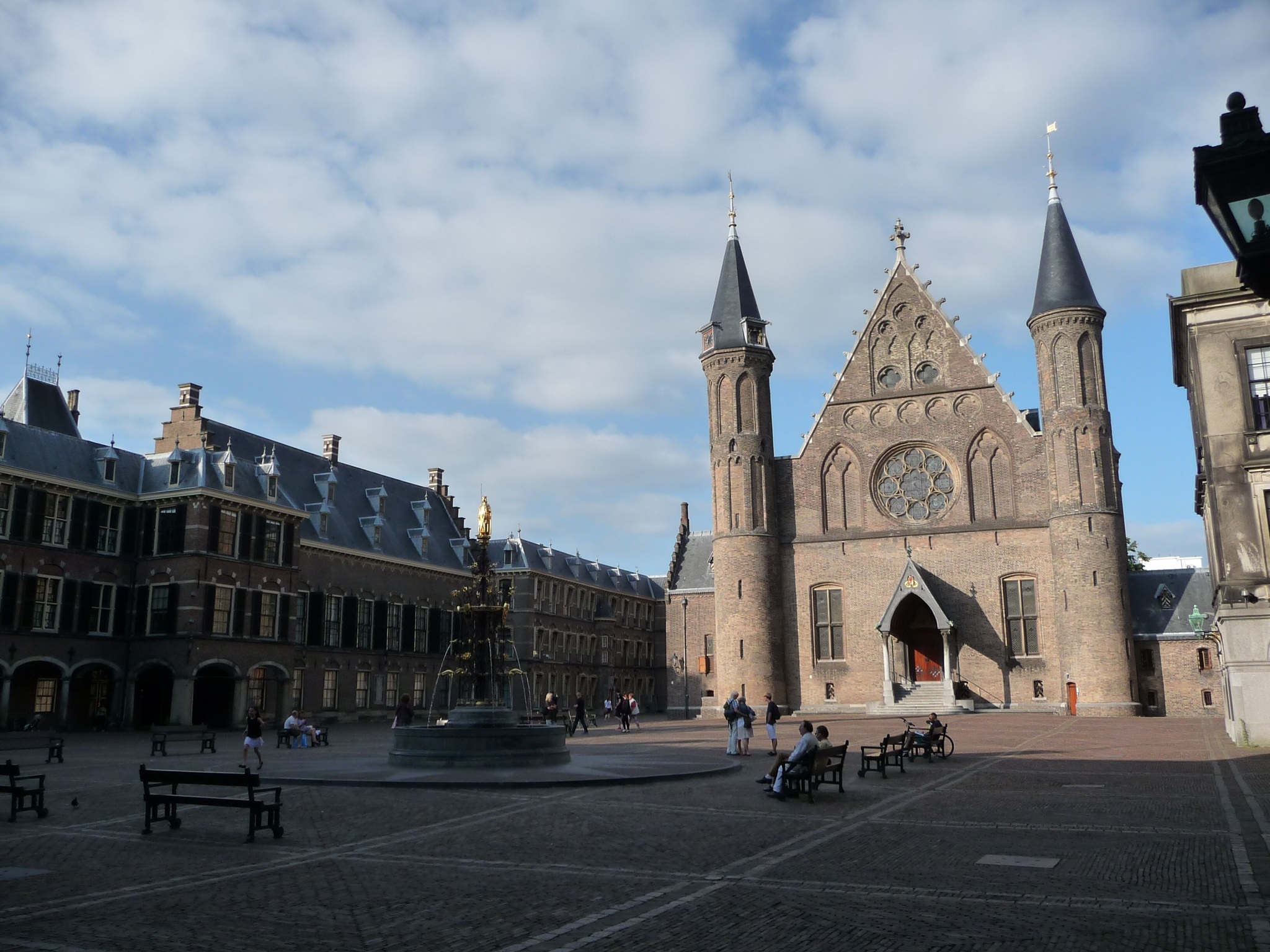
Den Haag, known to us as The Hague, the seat of the international criminal court, had the feel of a very cultural city. It is not a ‘hot spot’ for tourists but still had its fair share – the Pleins (squares) were full of people and music.
I arrived into the city to pumping tunes – a free concert on in the main square. As with the other towns visited that day, I just wandered around enjoying the architecture and people watching in some lovely cooling parks. I was then ready to make my way back to ‘The Dam’.
The ticket conductor kindly pointed out to me that I was sitting in a first class area and only holding a second class ticket – I had thought this cabin a little flashier than the others I’d used that day!  It had taken nearly five months but I was finally coming to the realisation that I don’t do public transport well.
The day had been lovely, just wandering alongside canals, observing the latest fashions in the shops and listening to the range of music being played for the entertainment of the Saturday crowd. Despite the tourists in each town I had concluded they had a little more of a raw feel about them than Amsterdam.
It was decision time – a day of chilling (yes, yes I hear you all screaming) or a visit to Delft?  Both were appealing so I decided to make up my mind in the morning.
Delft won – I just felt I couldn’t leave the Netherlands with it in striking distance – and then a visit to the infamous Amsterdam red light district.  I took the same track as the day before to reach Delft, home of Dutch painter Johannes Vermeer (Girl with the Pearl Earring fame).  Vermeer hadn’t done many of his paintings here but of course there were places relating to his life, which you could visit like his family home.
I had concluded that the citizens of Delft were indeed skilled at reverse parking. The parking was along the edge of the canals and there were no barriers to warn you that you were close to the edge. You can imagine this also presented a challenge for your passengers getting out on the canal side. I wonder how many nubies they lose over the edge each year?
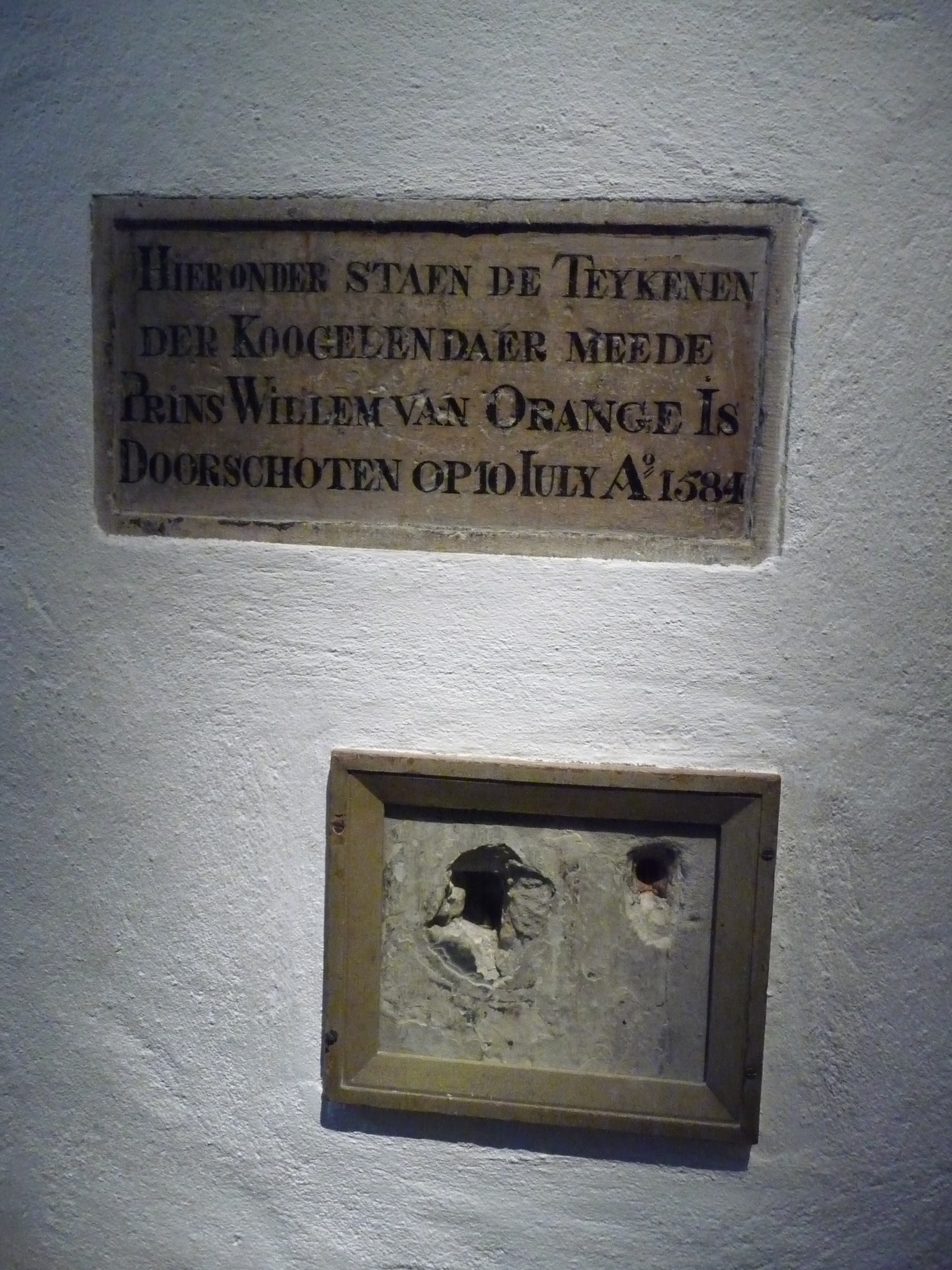
The Museum Het Princehof was the major attraction of the town – the place that had originally been a monastery before being given to Prince William of Orange, who had been the leader of the Dutch revolt against the Spanish in the 1500s. Prince William had been assassinated in his home, likely stemming from his unwillingness to cede to the catholic doctrine desired by the Spaniards. This political assassination is said to be the first to have occurred with the use of a gun.  The museum housed a lovely collection of works illustrating life during the Dutch Golden Age, an exhibition of Delft ceramics and relics from the former monastery.
This town had plenty of canals so I opted for another cruise. I was the only English speaking person resulting in the tour guide having to guide in four different languages. Needless to say I didn’t learn much as each language seemed to meld into one. I just sat back and enjoyed the view from the boat; it really is a neat way to get around.
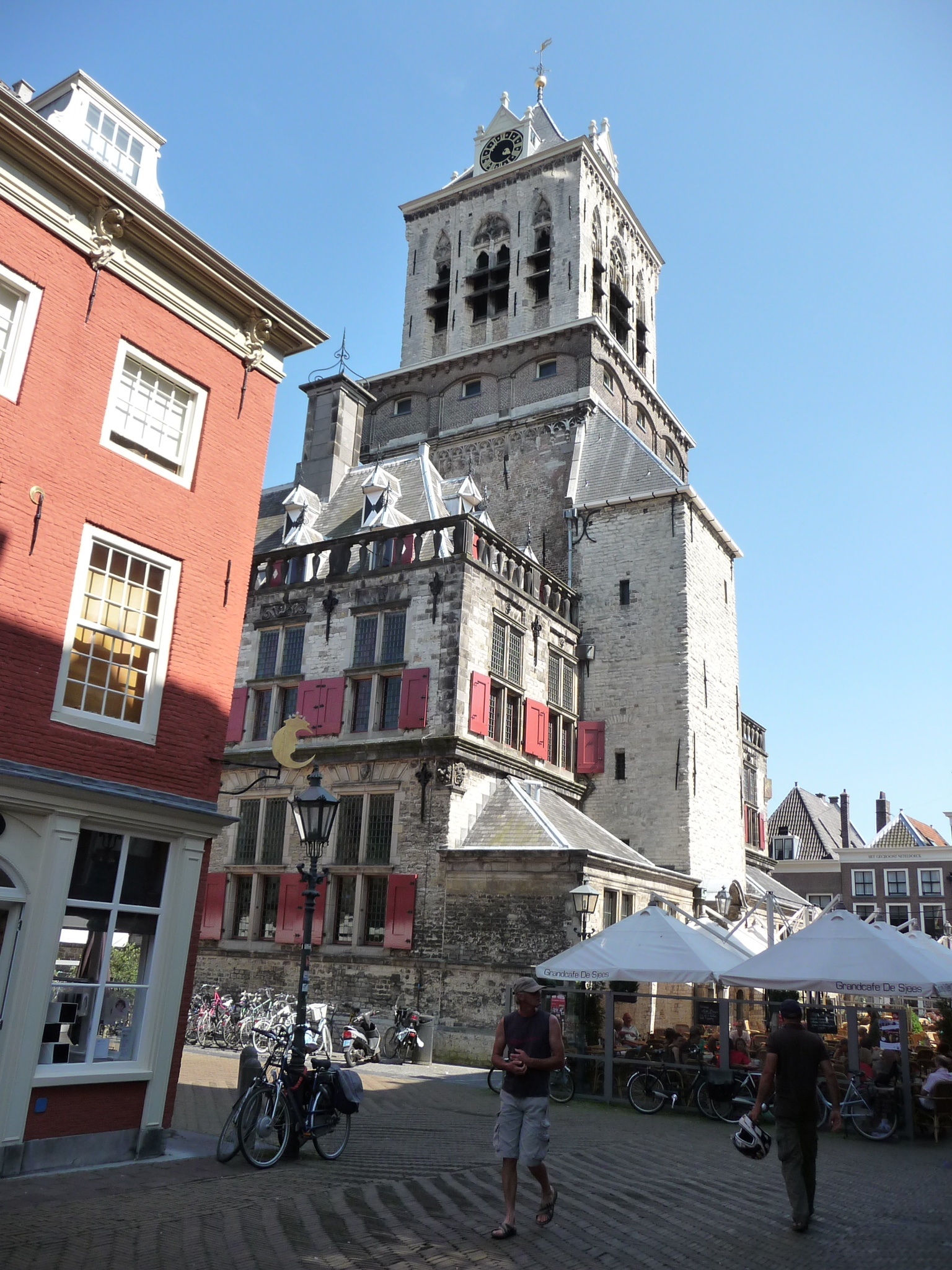
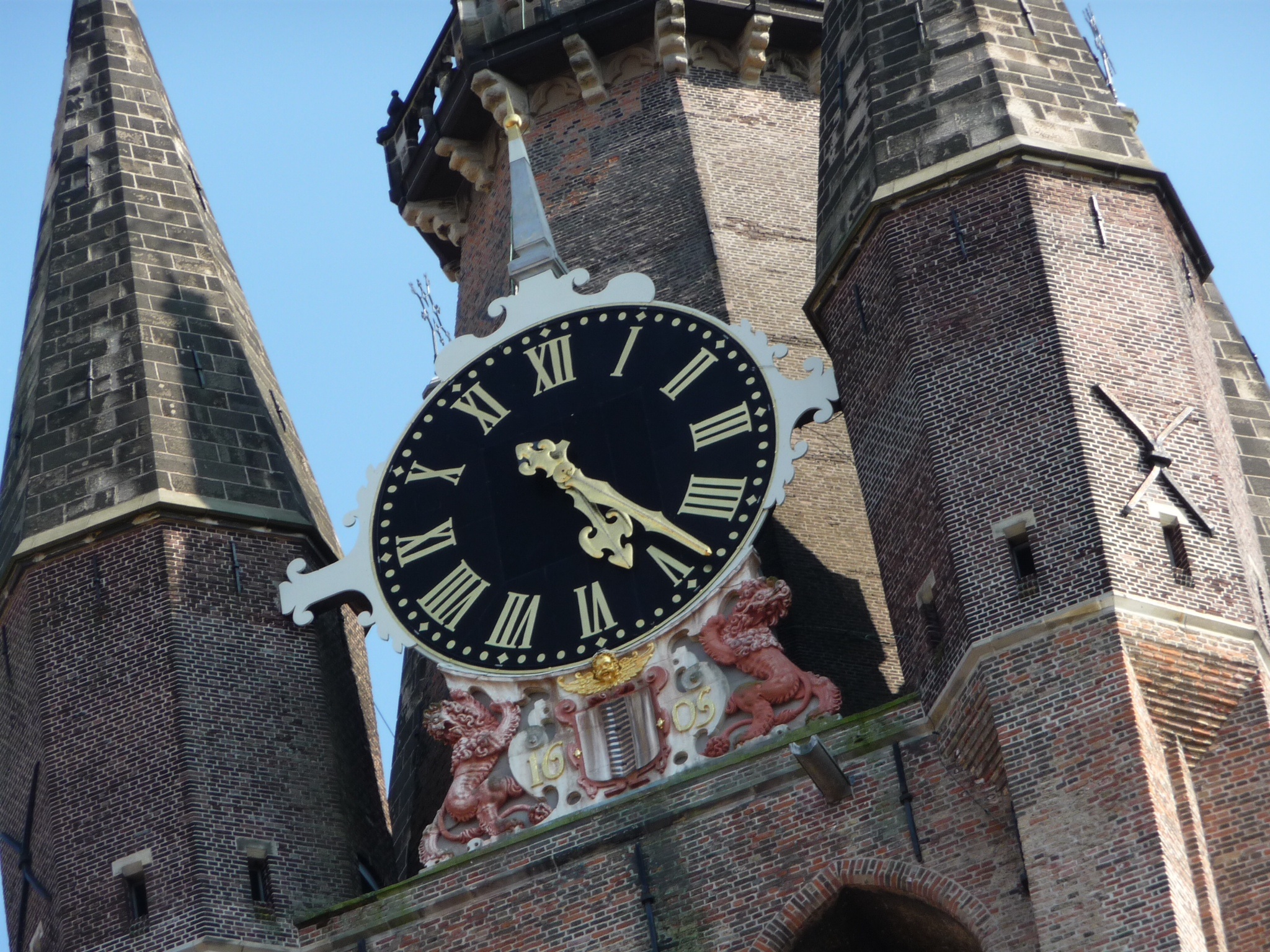
Delft had its very own leaning tower. The Old Church (the town also had a ‘New Church’) was on a visible lean, likely from it being built over the canal.
Delft was also a beer loving town – 200 breweries in this small town.
The town’s prison had been closed for some time but the canal entry was still evident – generated images of prisoners being escorted in by boat on dark nights under lantern.
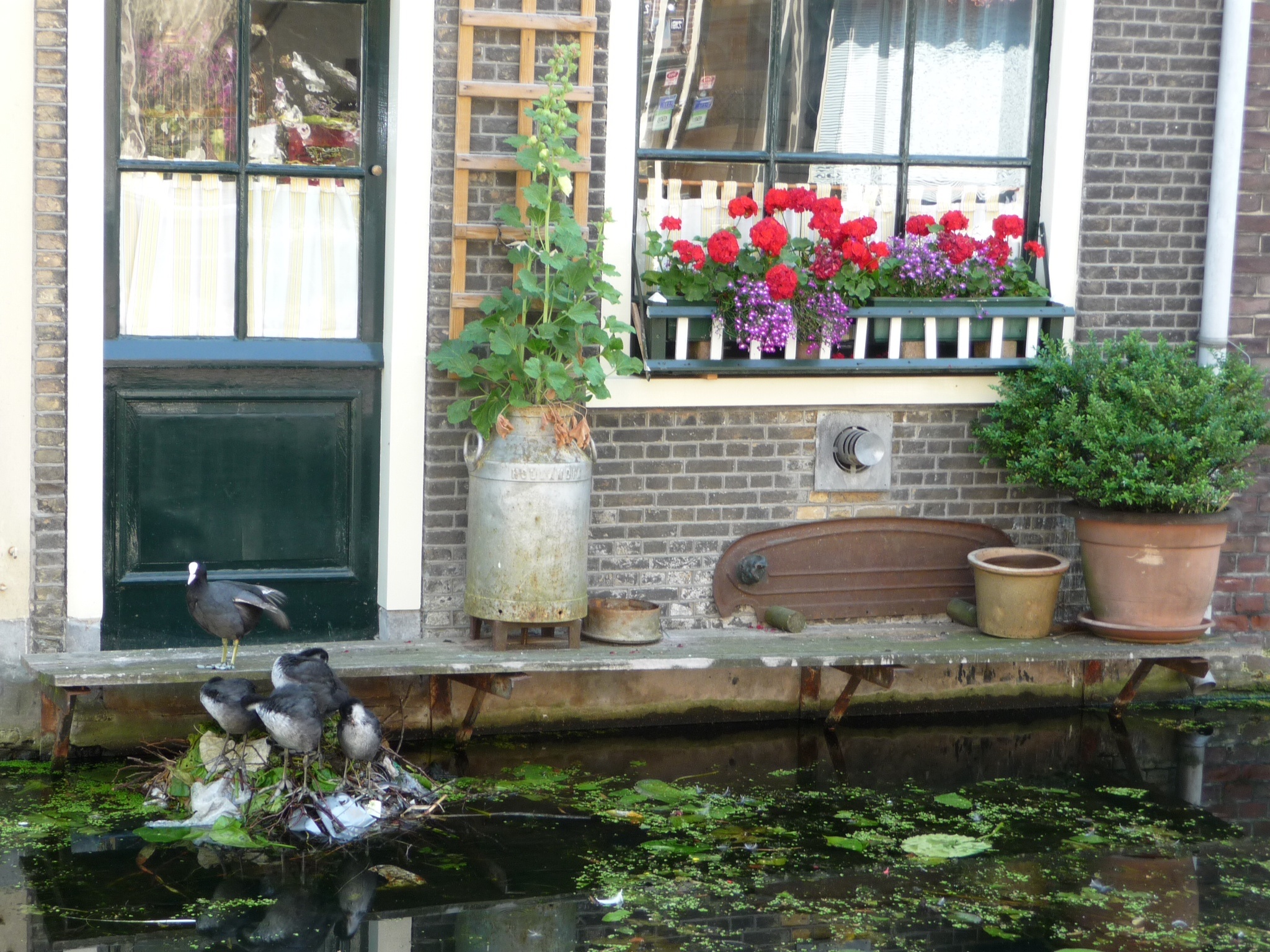
I enjoyed the views of the gorgeous little garden patches by the canals on the way home. I assumed they were owned by property owners who don’t have a garden at their residence. It seemed a lovely retreat for them – some functional with veggie gardens others purely aesthetic with beautiful flowers and shaded sitting areas.
My walk though the red light district was pretty uneventful. The place was brimming with tourists (particularly young guys who had clearly spent a little time in a ‘coffee shop’ or on a canal party boat). The girls market their wares in window booths without making any real eye contact with the on-lookers . If you’re keen there are a few options to see live sex on stage….classy place.
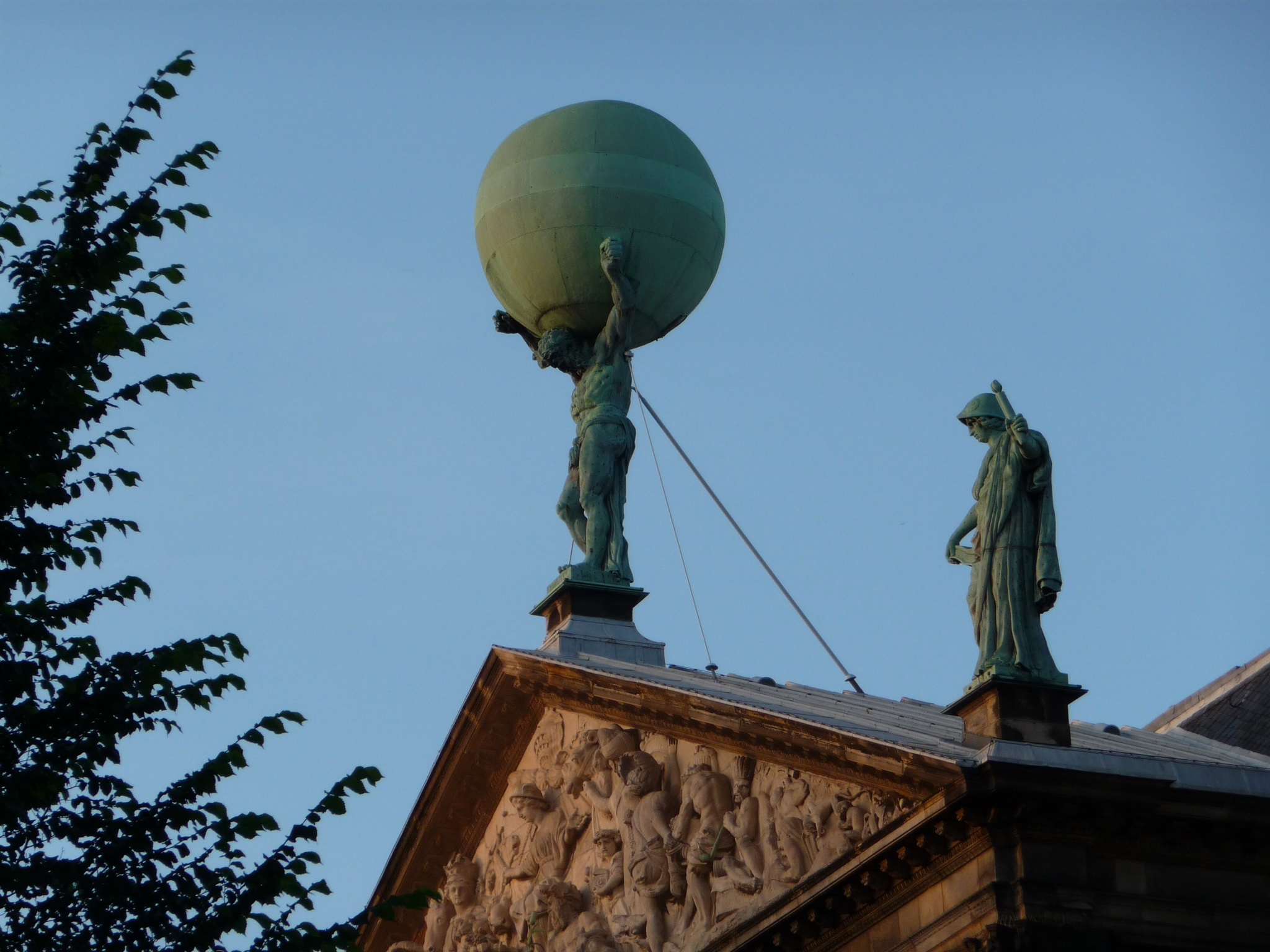
With that brushed off I walked across to Jordaan via Dam Square. It’s in Dam Square that you get to see the Royal Palace. The Palace is used at different times of the year and couldn’t be visited during the time of my visit.
Jordaan turned out to be an interesting area of Amsterdam. It’s full of edgy locals, cafes, bars and ‘coffee shops’. I was very tempted to sample some stock in one of the coffee shops but concluded drugs are no fun on your own. The other deciding factor was that while I only had to catch the number 1 tram home, my recent public transport experiences didn’t fill me with confidence I’d make it home by myself while under the influence!
So it was homeward bound.  My late nights were resulting in late starts to the day. As Diana had pointed out in one of her travel posts, it was going to be hard to adjust to life back home.
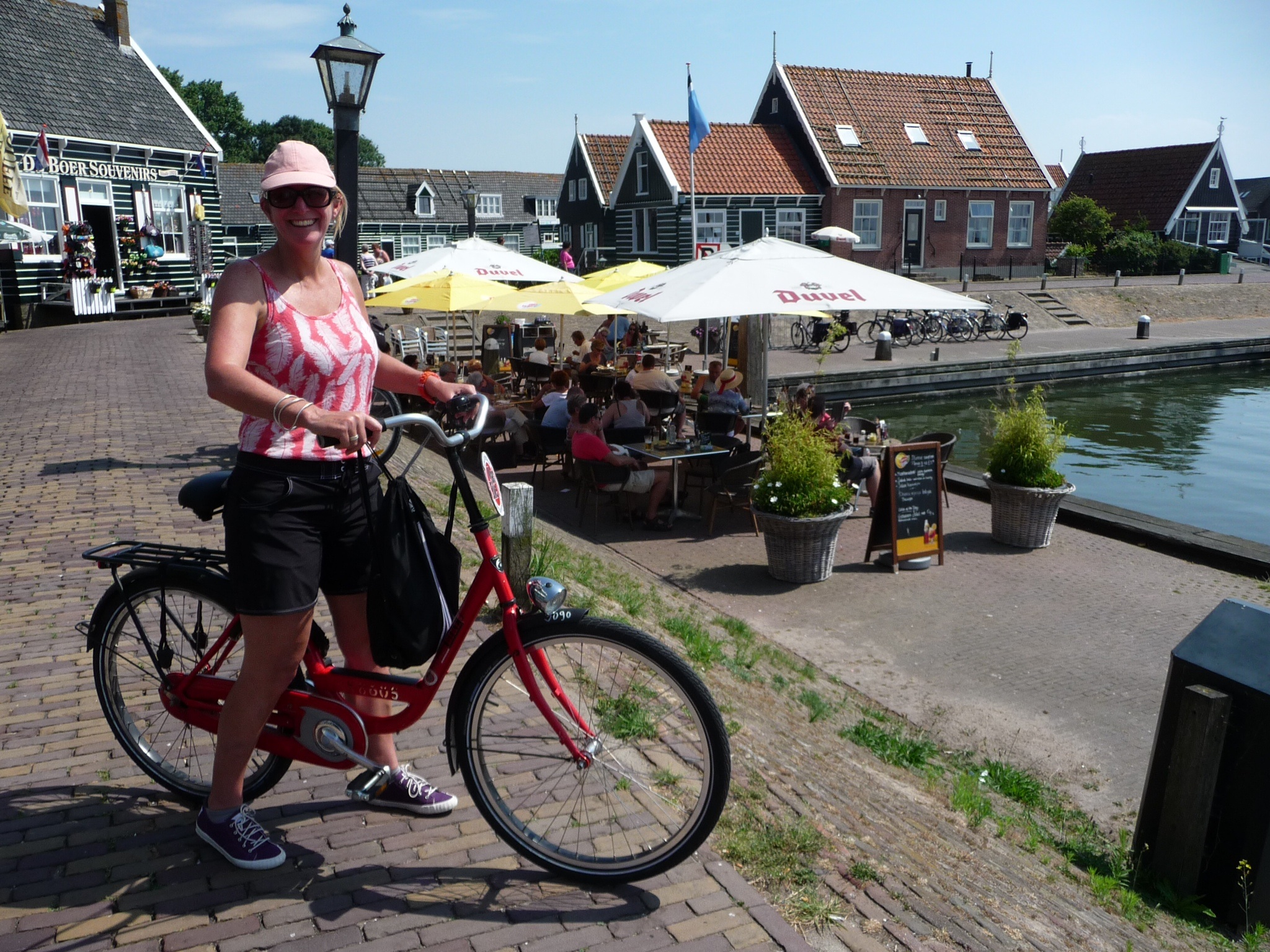
How could I leave the bicycle capital of the world without partaking in some pedalling myself?  I picked up a rental bike at Central Station, caught the pedestrian/cyclist ferry over to North Amsterdam and then started off for Waterland (official name of the region not a corny theme park).
The ride showed me what I had imagined rural Netherlands to be like – cute flower adorned homes fronting onto metre or so wide canals and dykes. The wind turbines on the landscape replacing the windmills of old. Speaking of wind, it was a struggle against it on my journey to Marken. The bike path was elevated so you caught all the breezes and bugs. A single gear back brake bike was probably not the wisest choice!  Passers by managed a clenched mouth smile – more seasoned at dealing with the bugs!
It was only a 20km ride to Marken but it had taken much longer than I anticipated. I had time for a quick stop for lunch and a chat with a fellow cyclist. Ted, a Dutch Canadian, had been doing day rides out of North Amsterdam since arriving after his 1 600km cycle from Sweden – some people are keen!
After the short stop I was back on the bike in a bid to make the rental shop before it closed for the day. Of course I pushed out an extra five kilometres on the way back having missed the right turn – wasn’t real smart of the bike path constructors to put the signage on the low road out of sight of the elevated path!  I had chosen a different track back which took me through marshlands and a farming area. I was chuffed when I saw a farmer washing out his pointy, painted timber clogs after a day in the fields!
The ride back was as enjoyable as the ride there. This really was a cruising cyclists heaven (not for you Simon – no hills – or ‘hillocks’ Karyn). Interestingly the guys on the path using road bikes were actually wearing helmets. I made it back with 20 minutes to spare.
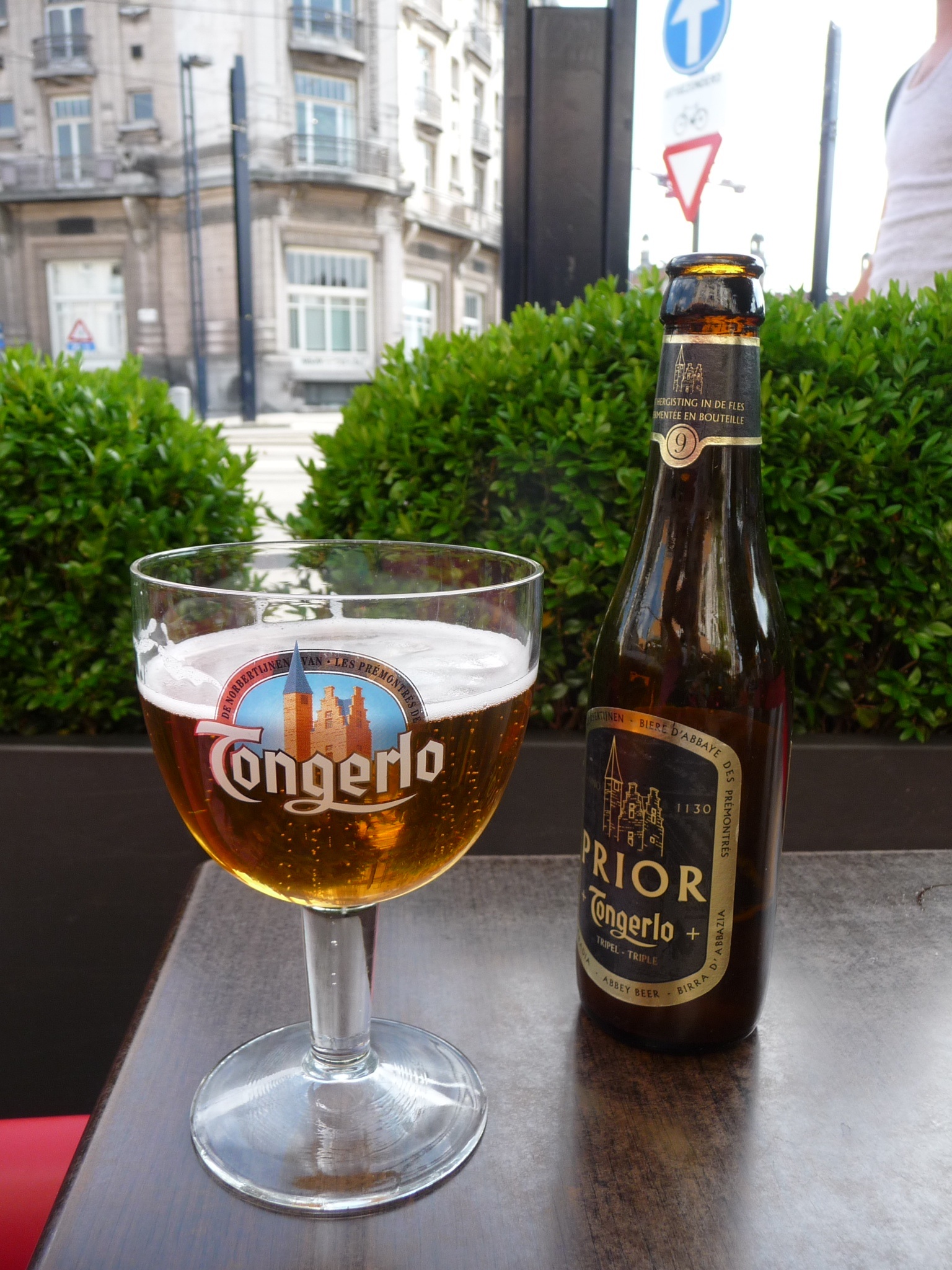
I had chosen not to drink in the Netherlands knowing the Belgium beer and chocolate stop was next but decided after the day’s escapade I deserved an icy cold beer!  I whiled away a few hours at a lovely bar/restaurant along the canal where I was staying. This was away from the tourists so it was nice to just people watch and hear the Dutch chatter of the locals. Another late night but I knew a sleep in was possible before my journey to Ghent, my base for Belgium.
image
Vondelpark full of picnickers

Vondelpark full of picnickers

image

image

image

Rijksmuseum

Rijksmuseum

image

The Milkmaid, Johannes Vermeer

The Milkmaid, Johannes Vermeer

image

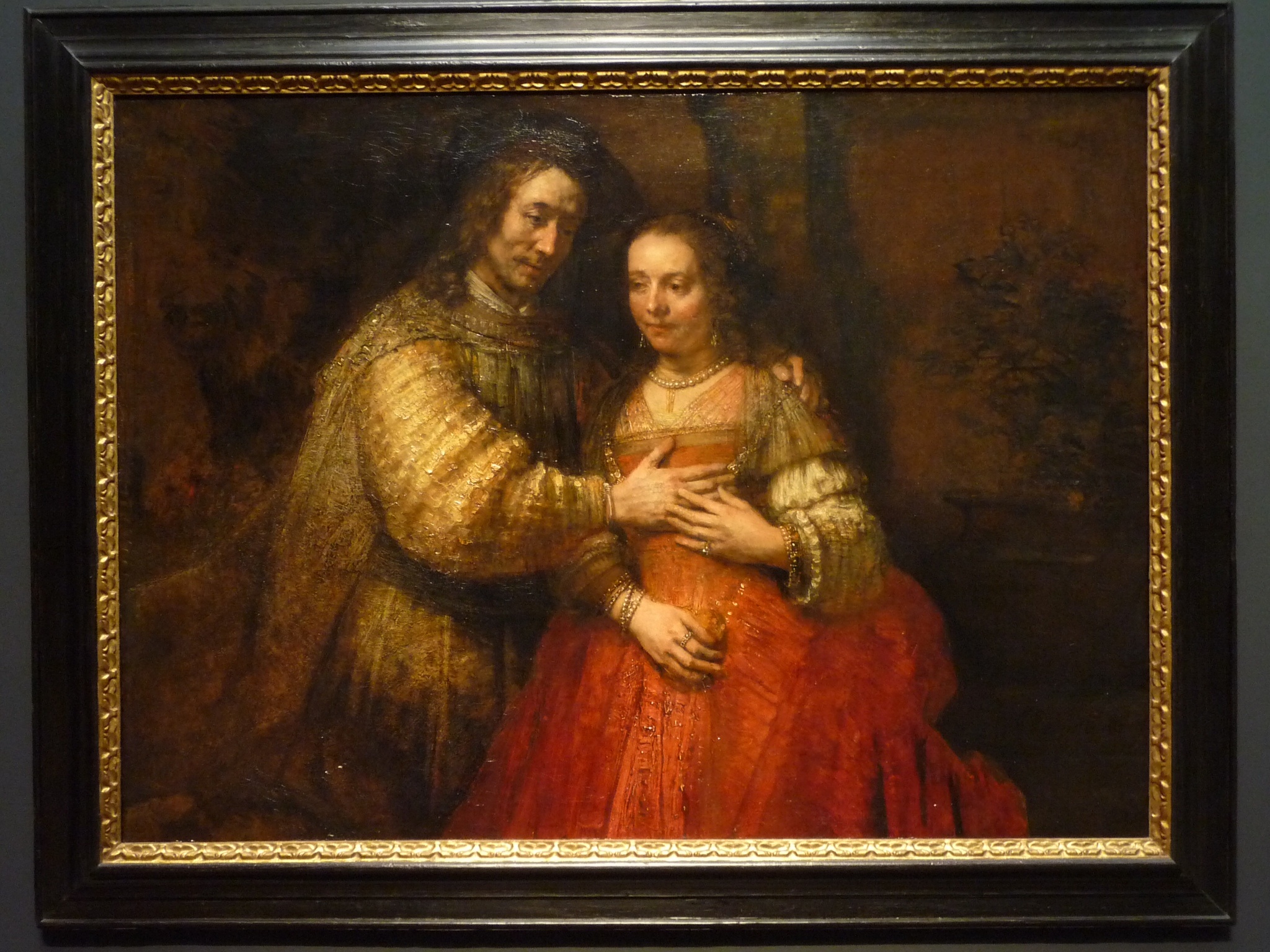
The Jewish Bride, Rembrandt Harmensz van Rijn

The Jewish Bride, Rembrandt Harmensz van Rijn

Night Watch, Rembrandt

Night Watch, Rembrandt

image

image

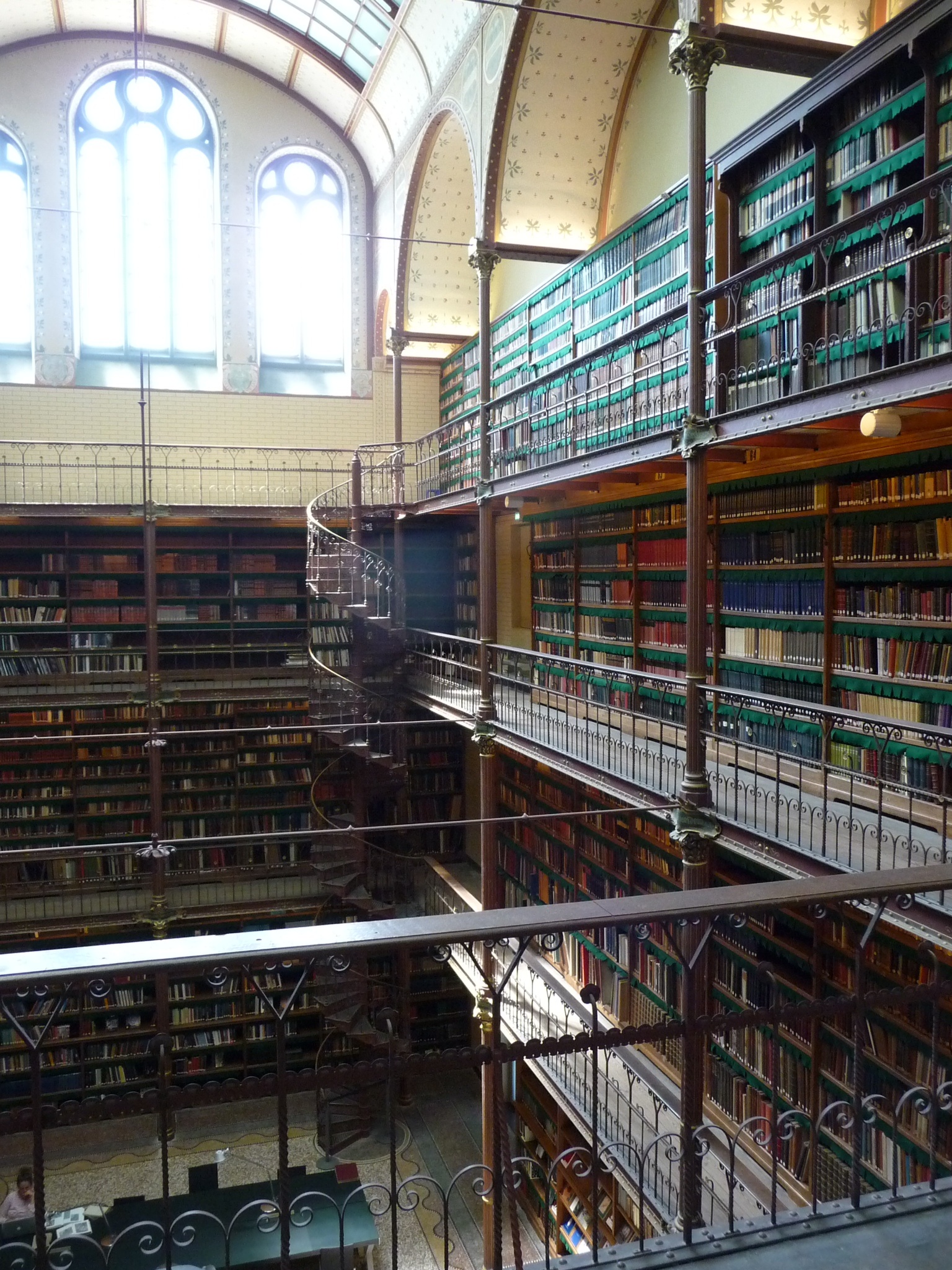
Another Hogwarts Library

Another Hogwarts Library

image

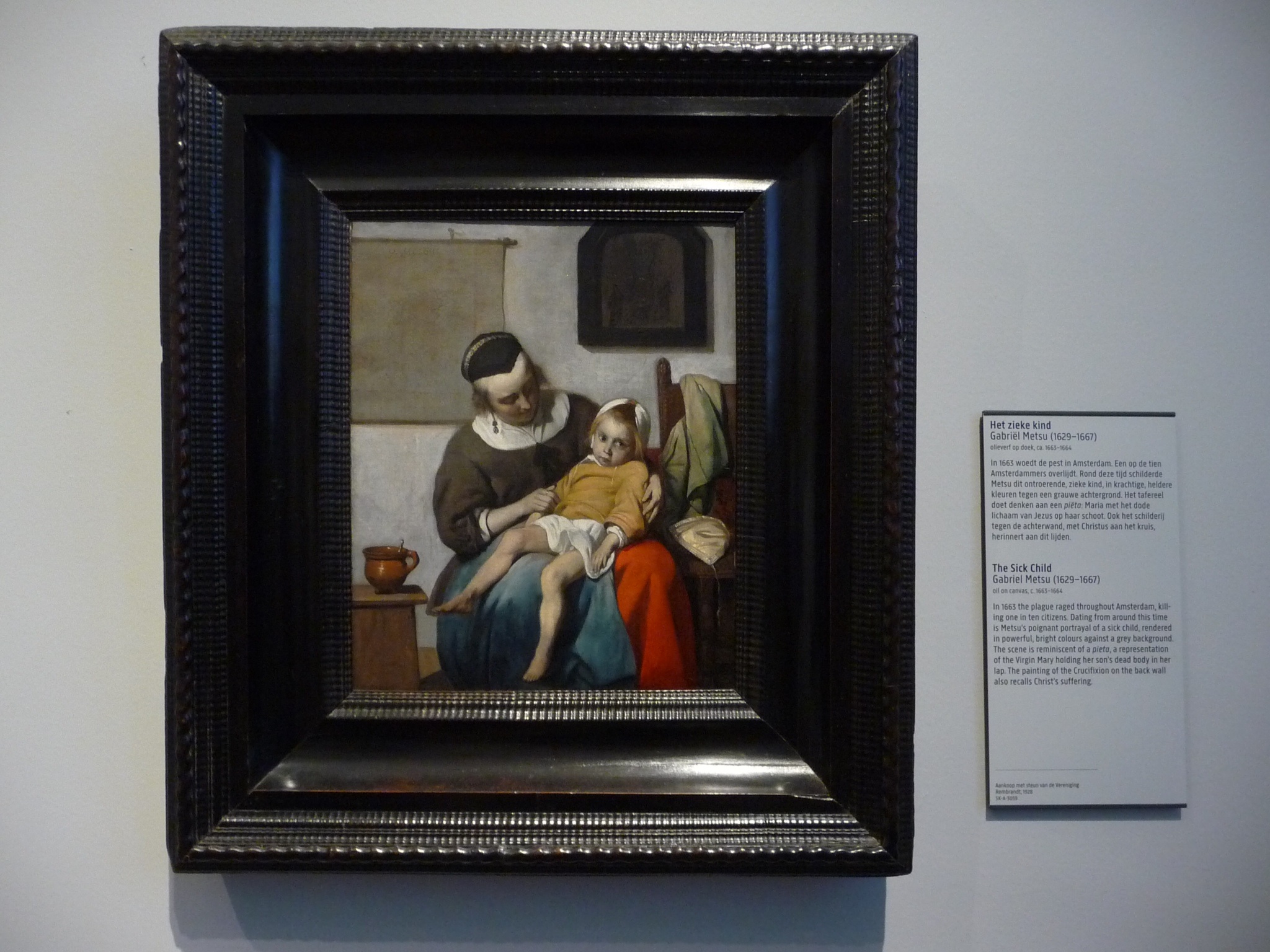
The sick child, Gabriel Metsu

The sick child, Gabriel Metsu

image

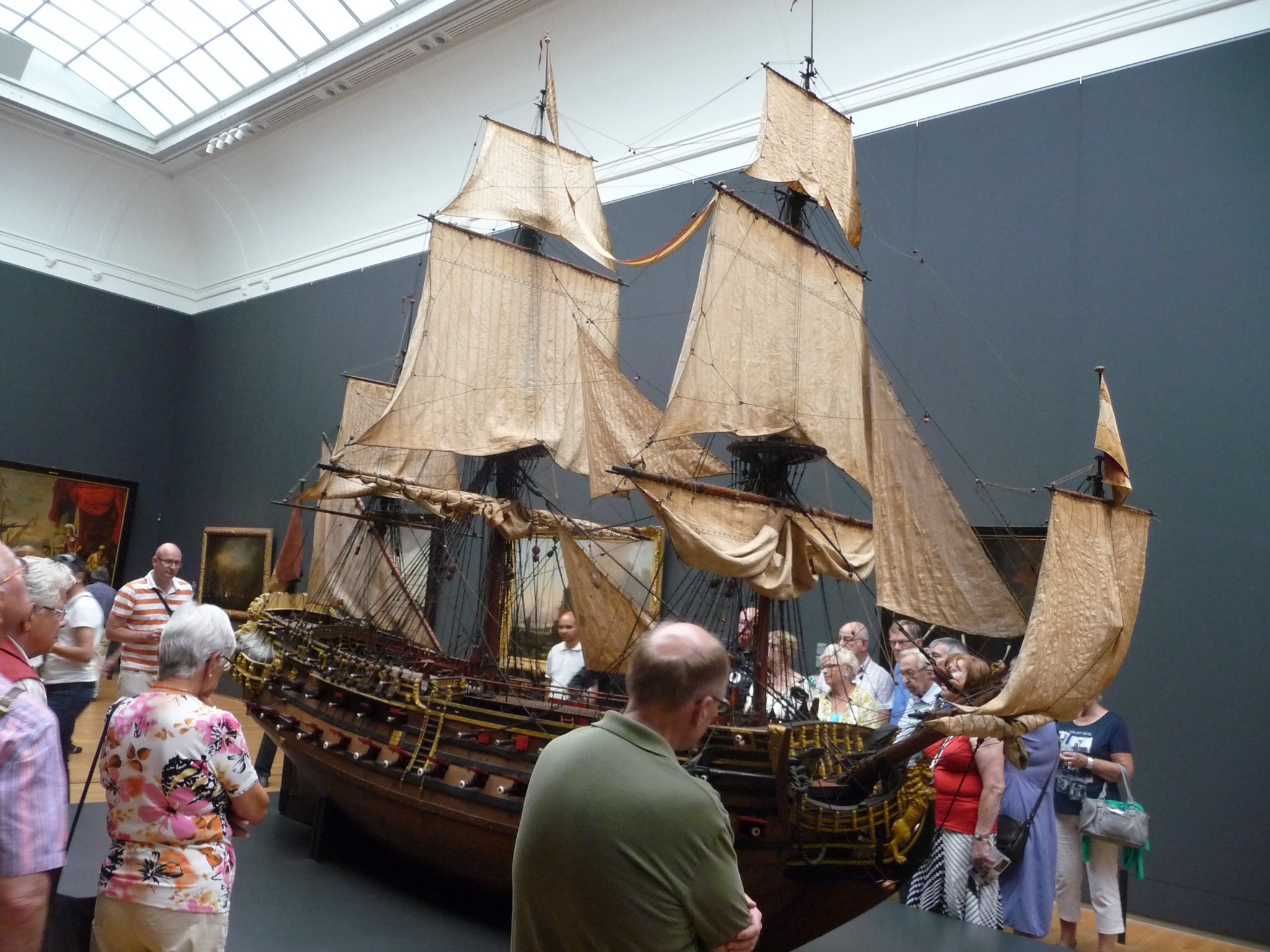
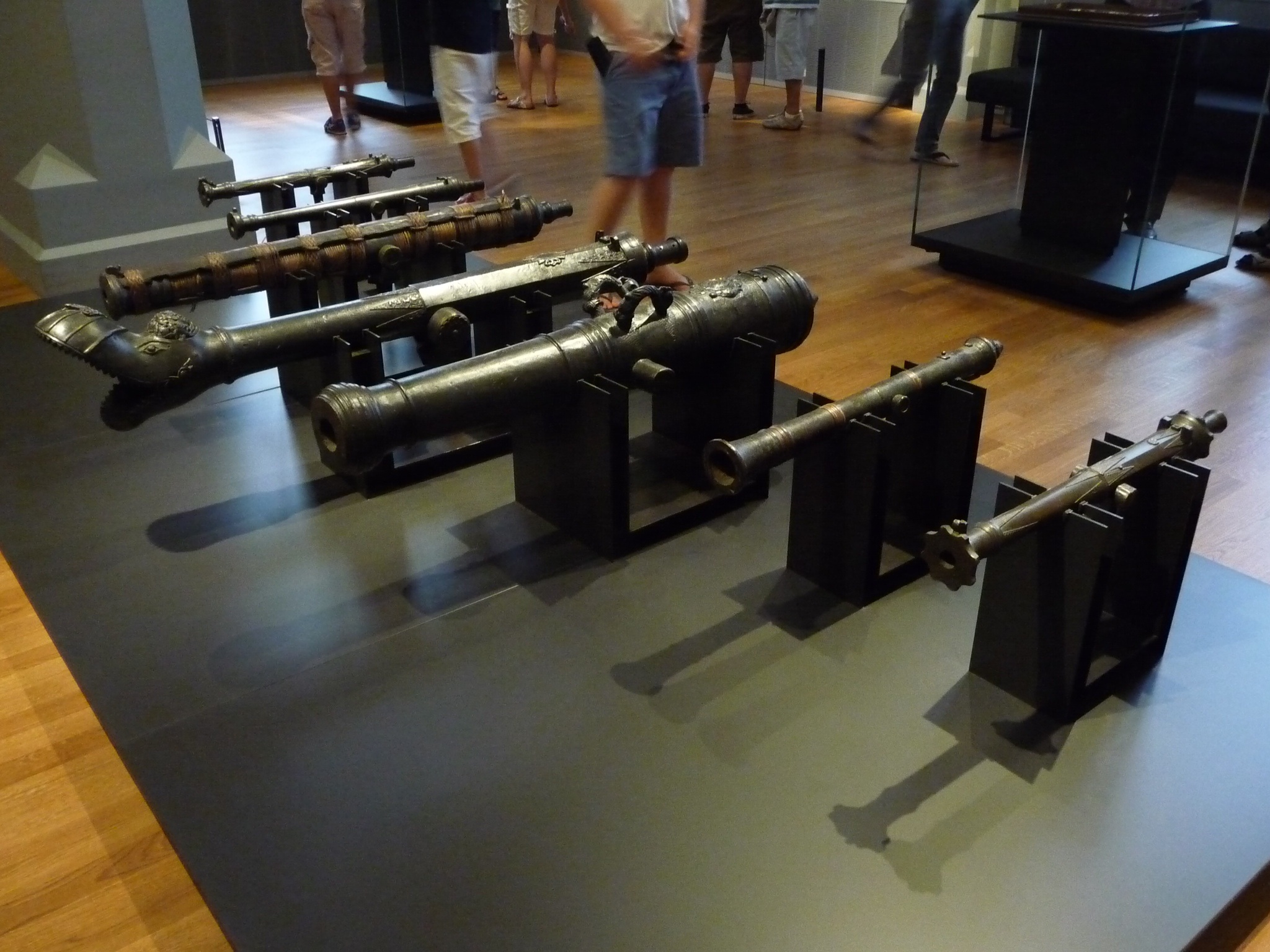
Ship canons from Dutch wars in the Indies

Ship canons from Dutch wars in the Indies

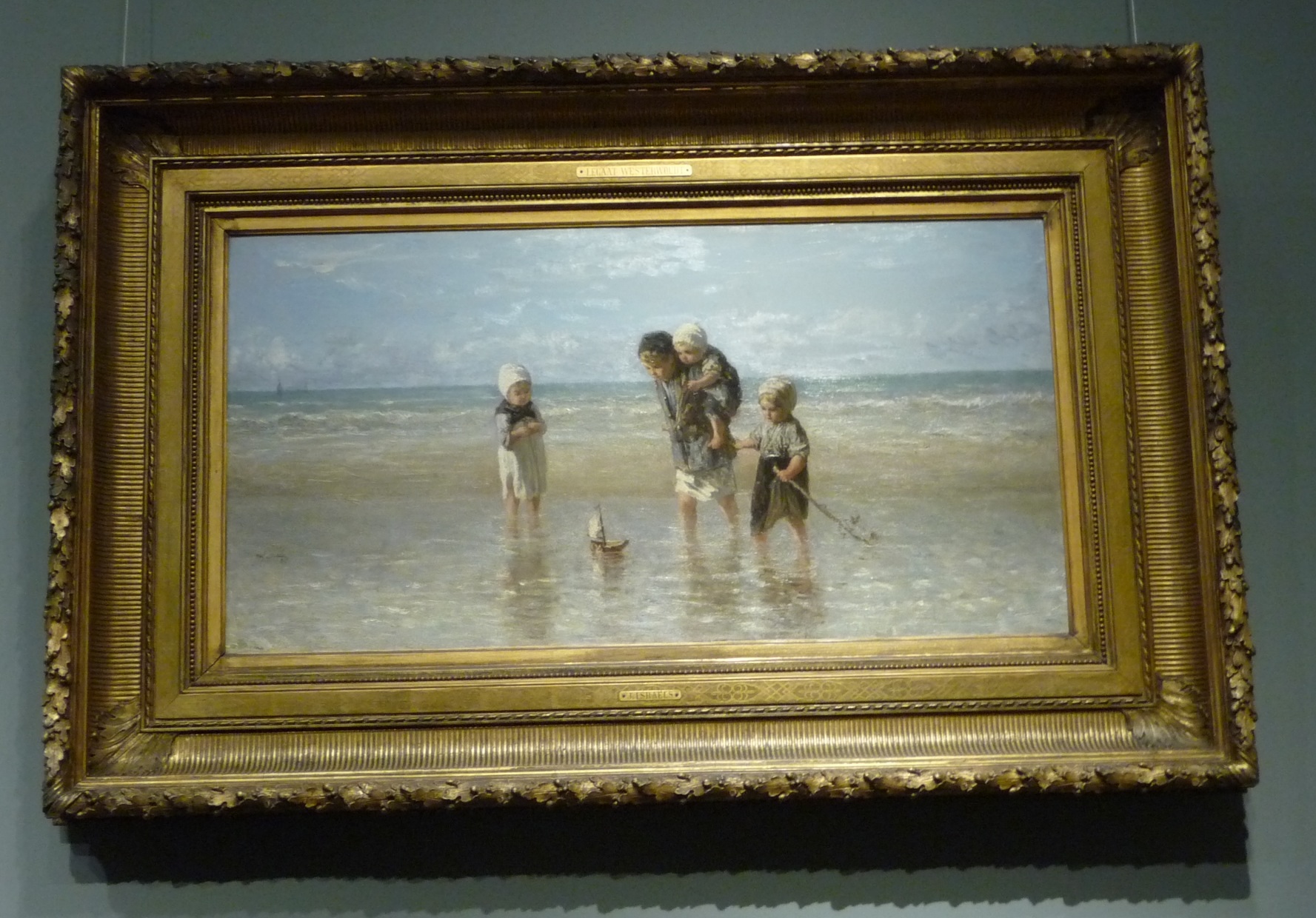
Children of the sea, Jozef Israëls

Children of the sea, Jozef Israëls

image

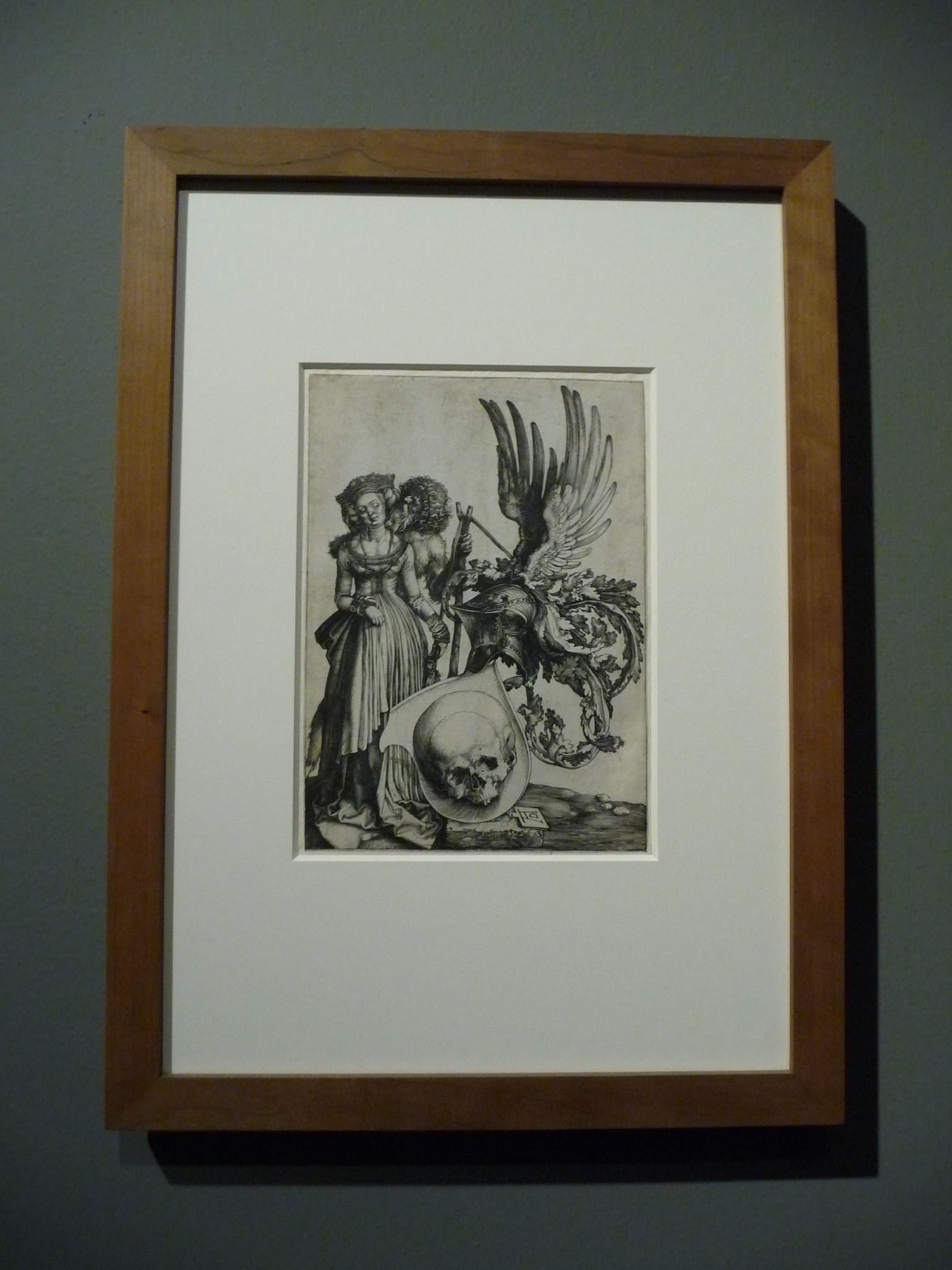
Almorial shield with a woman and a wild man, Albrecht Dürer

Almorial shield with a woman and a wild man, Albrecht Dürer

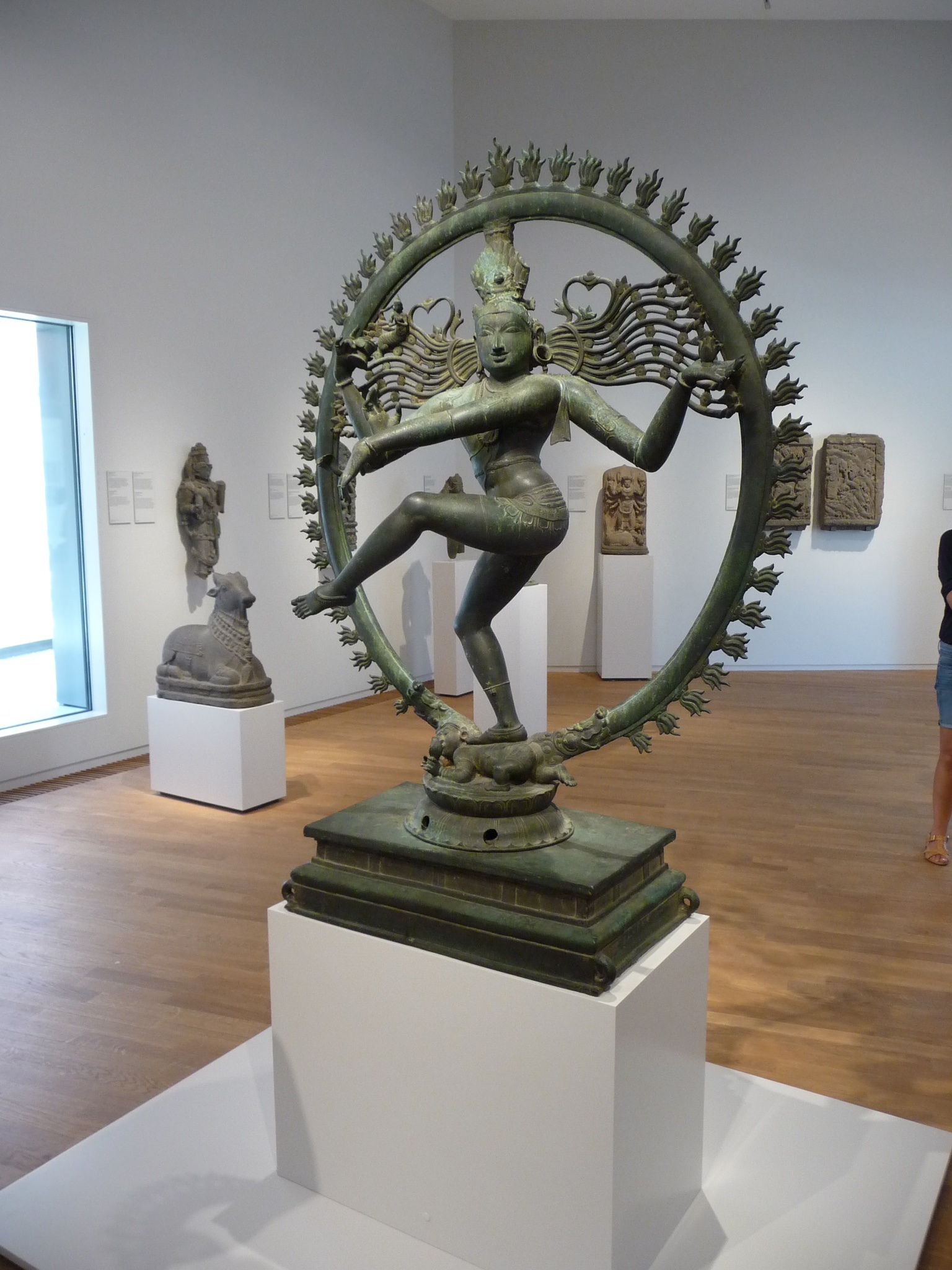
Shiva

Shiva

image

image

image

image

image

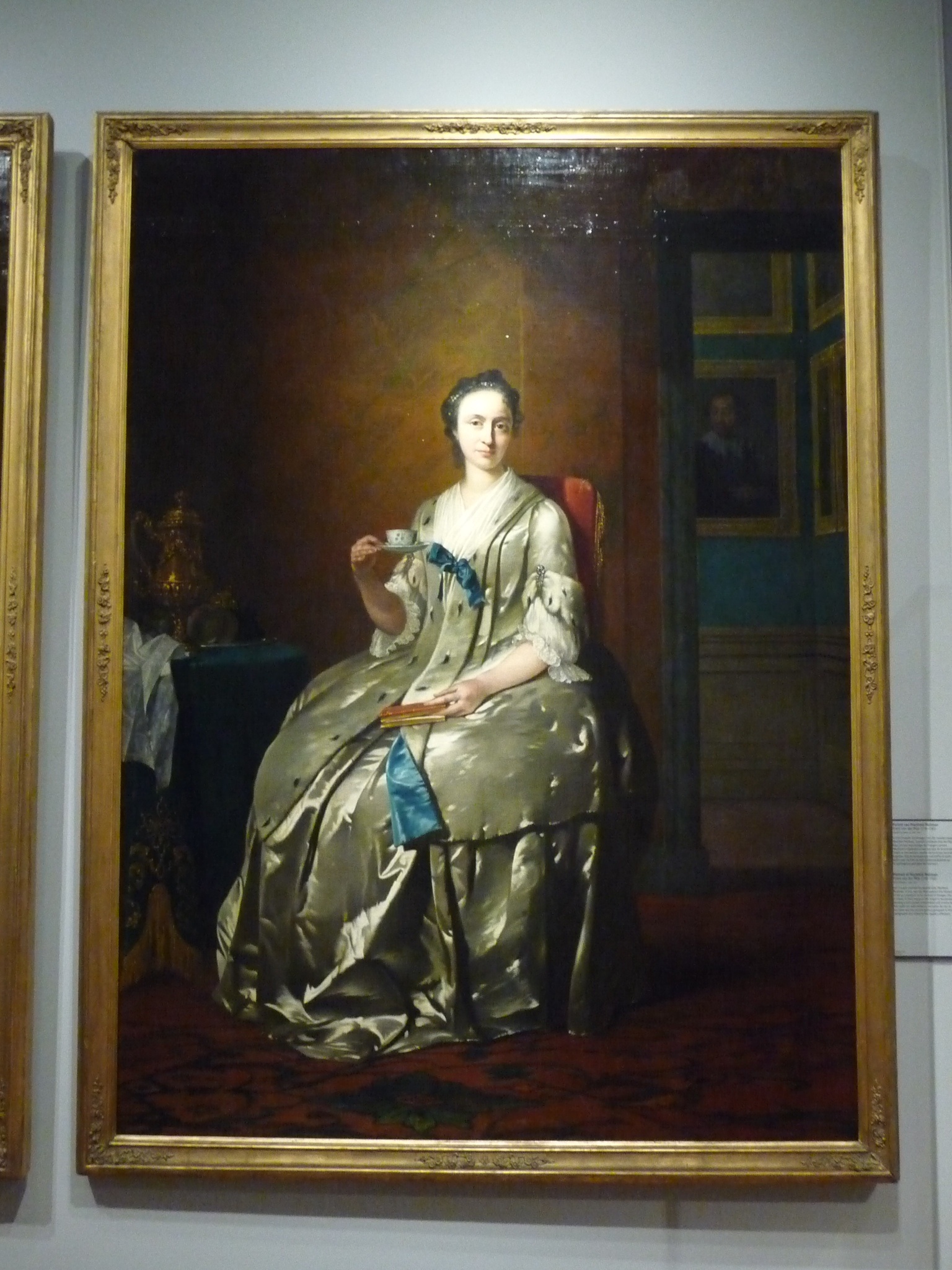
Portrait of Machteld Muilman, Frans van dee Mijn

Portrait of Machteld Muilman, Frans van dee Mijn

The Henry Moore sculpture garden

The Henry Moore sculpture garden

image

250 000 euros for this houseboat

250 000 euros for this houseboat

2 500 euros a night at this hotel - I couldn't get in as it was full!?!?

2 500 euros a night at this hotel – I couldn’t get in as it was full!?!?

image

image

image

image

image

image

The dancing houses

The dancing houses

image

image

image

Self portrait, Vincent van Gogh

Self portrait, Vincent van Gogh

Irises

Irises

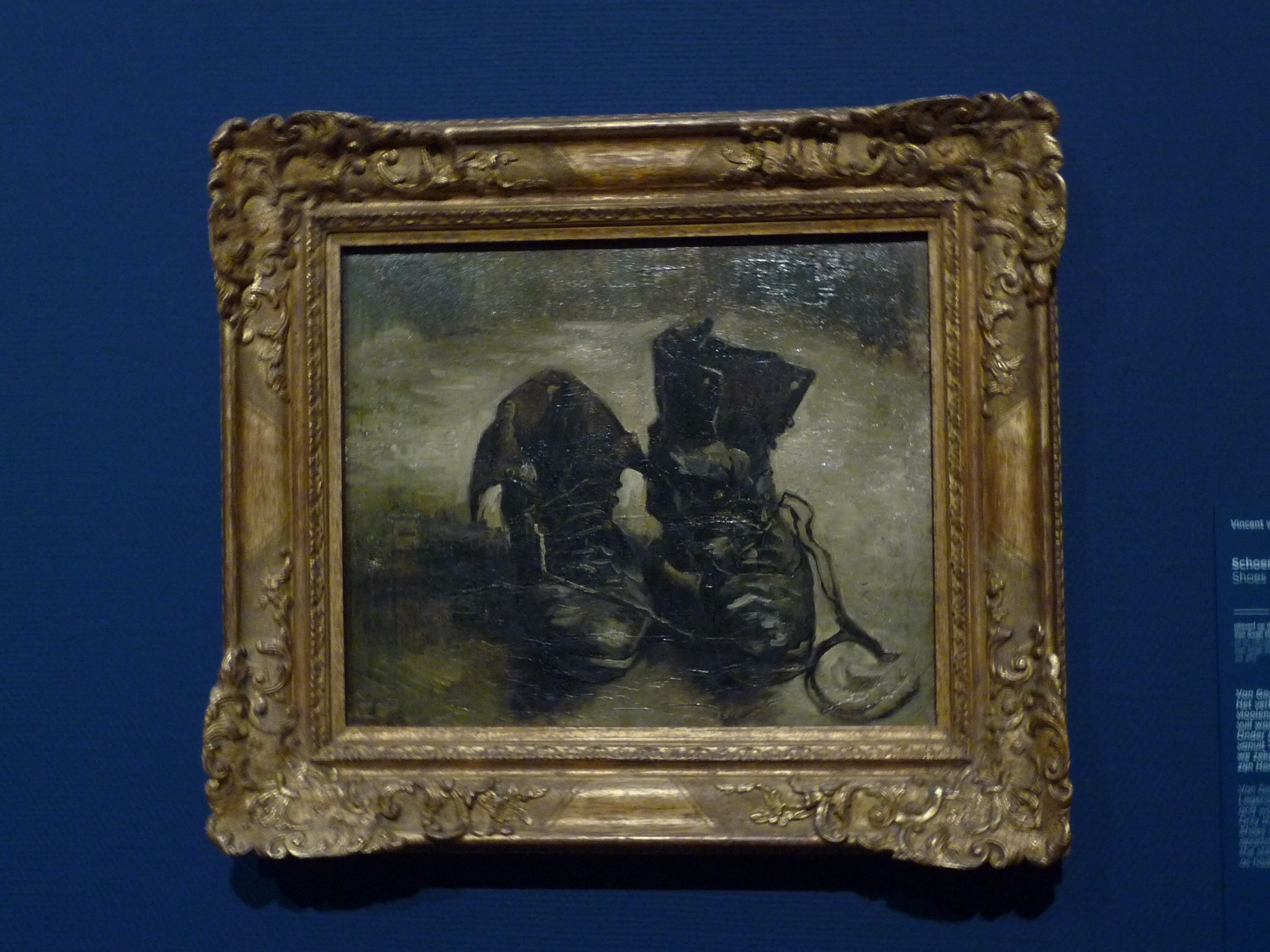
I have a natural affinity with Van Gogh - he's a lover of shoes too!

I have a natural affinity with Van Gogh – he’s a lover of shoes too!

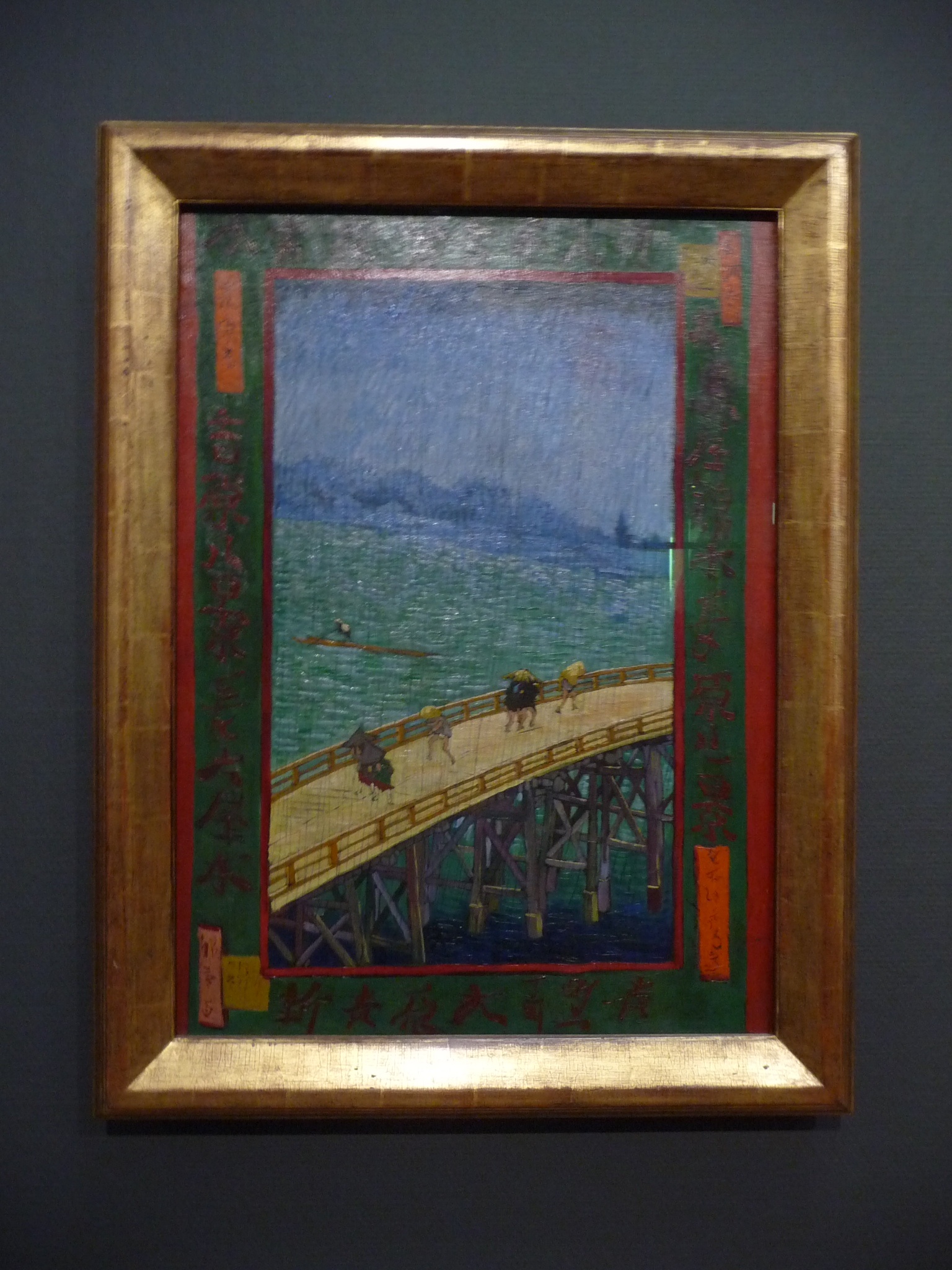
Van Gogh's works influenced by Japanese prints - Bridge in the rain

Van Gogh’s works influenced by Japanese prints – Bridge in the rain

Bedroom at Arles

Bedroom at Arles

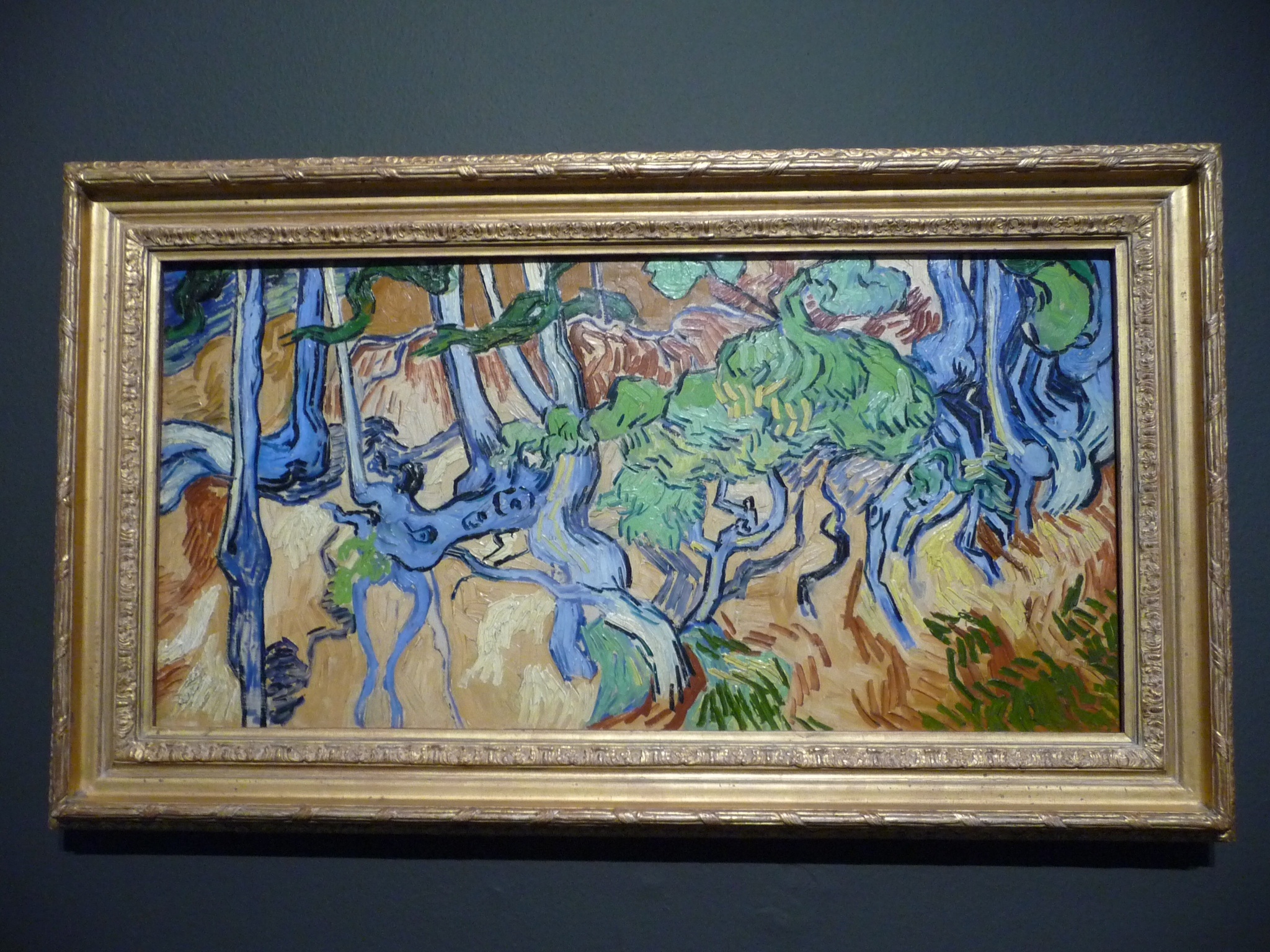
Tree roots; unfinished own bottom half - believed to be his last piece of work

Tree roots; unfinished own bottom half – believed to be his last piece of work

image

Haarlem

Haarlem

image

image

image

image

image

image

image

...and it's a pedestrian/cyclist bridge again in no time!

…and it’s a pedestrian/cyclist bridge again in no time!

image

image

image

Back on the train

Back on the train

image

image

Leiden - De Valk

Leiden – De Valk

The Valk's lowest level was used as housing

The Valk’s lowest level was used as housing

image

image

image

image

Imagine one of these millstones around your neck!

Imagine one of these millstones around your neck!

Saint Pieterskirk

Saint Pieterskirk

image

image

Stadius (City Hall)

Stadius (City Hall)

image

Gate to the Burcht

Gate to the Burcht

The Burcht

The Burcht

image

image

image

The Hague

The Hague

image

image

image

image

image

image

A bit of assistance for getting your bike up and down the stairs

A bit of assistance for getting your bike up and down the stairs

Delft

Delft

image

In Delft?!?!

In Delft?!?!

More political activism, 17th century (Princenhof)

More political activism, 17th century (Princenhof)

Portrait of William of Orange

Portrait of William of Orange

image

The bullet holes from the assassination of William in 1584

The bullet holes from the assassination of William in 1584

image

image

image

The 'leaning tower of Delft'

The ‘leaning tower of Delft’

The art of reverse parking!

The art of reverse parking!

image

image

image

image

Synagogue

Synagogue

On the train back to Amsterdam

On the train back to Amsterdam

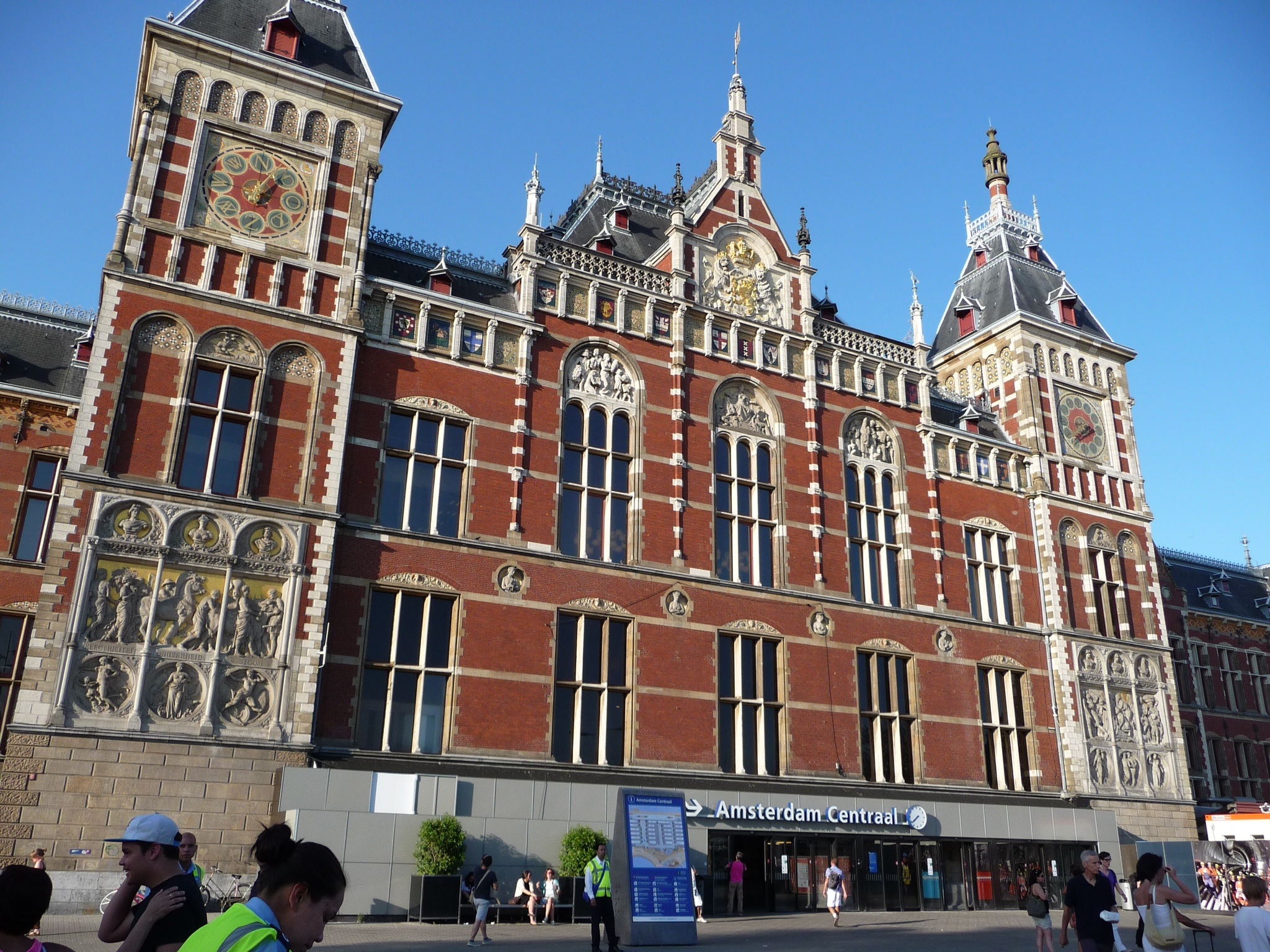
Amsterdam Central Station

Amsterdam Central Station

image

The Royal Palace

The Royal Palace

image

A quick stop in Marken (Waterland)

A quick stop in Marken (Waterland)

image

Posted in Uncategorized | 2 Comments

A journey to Brittany

I’ve long wanted to visit Mont St Michel in the Brittany region of France so had decided to made it my first destination in Europe.
It had been a long journey with my lunchtime flight from Buenos Aires arriving into Paris late morning the following day.  I struggled to keep my eyelids open on the train journey to Saint-Malo, my home for the following three nights, but did manage a few glimpses of the lovely flat farmed fields with their cute farmhouses. It was a beautiful sunny day with the random cumulus clouds seeming to hang off the jet streams through the sky.
I had forgotten how little English is spoken in rural and regional areas of France until I was trying to locate the correct bus for my trip to the hostel. Eventually found a driver who understood where I was trying to get to so I was on my way. Back to square one again on the language front.
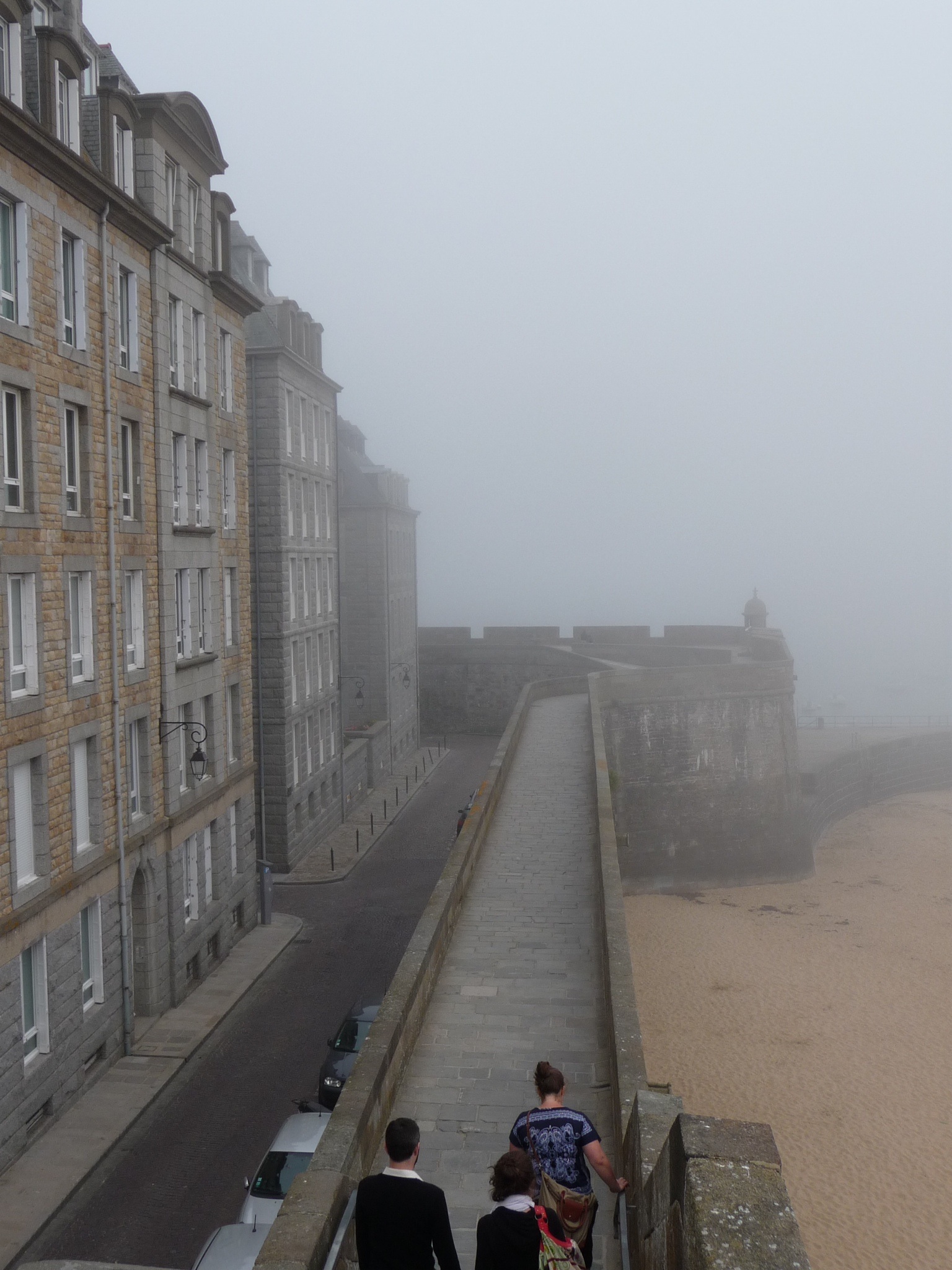
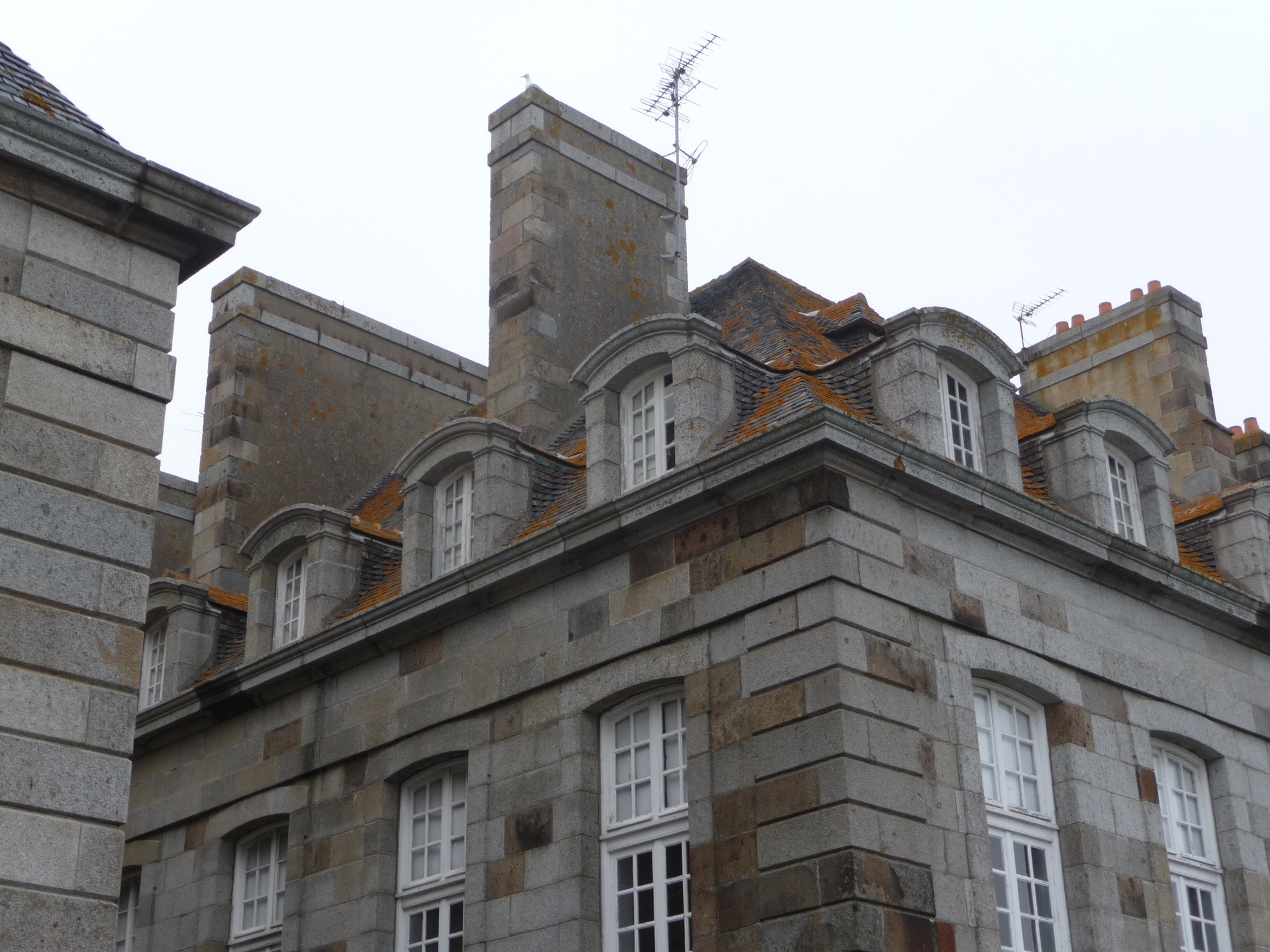
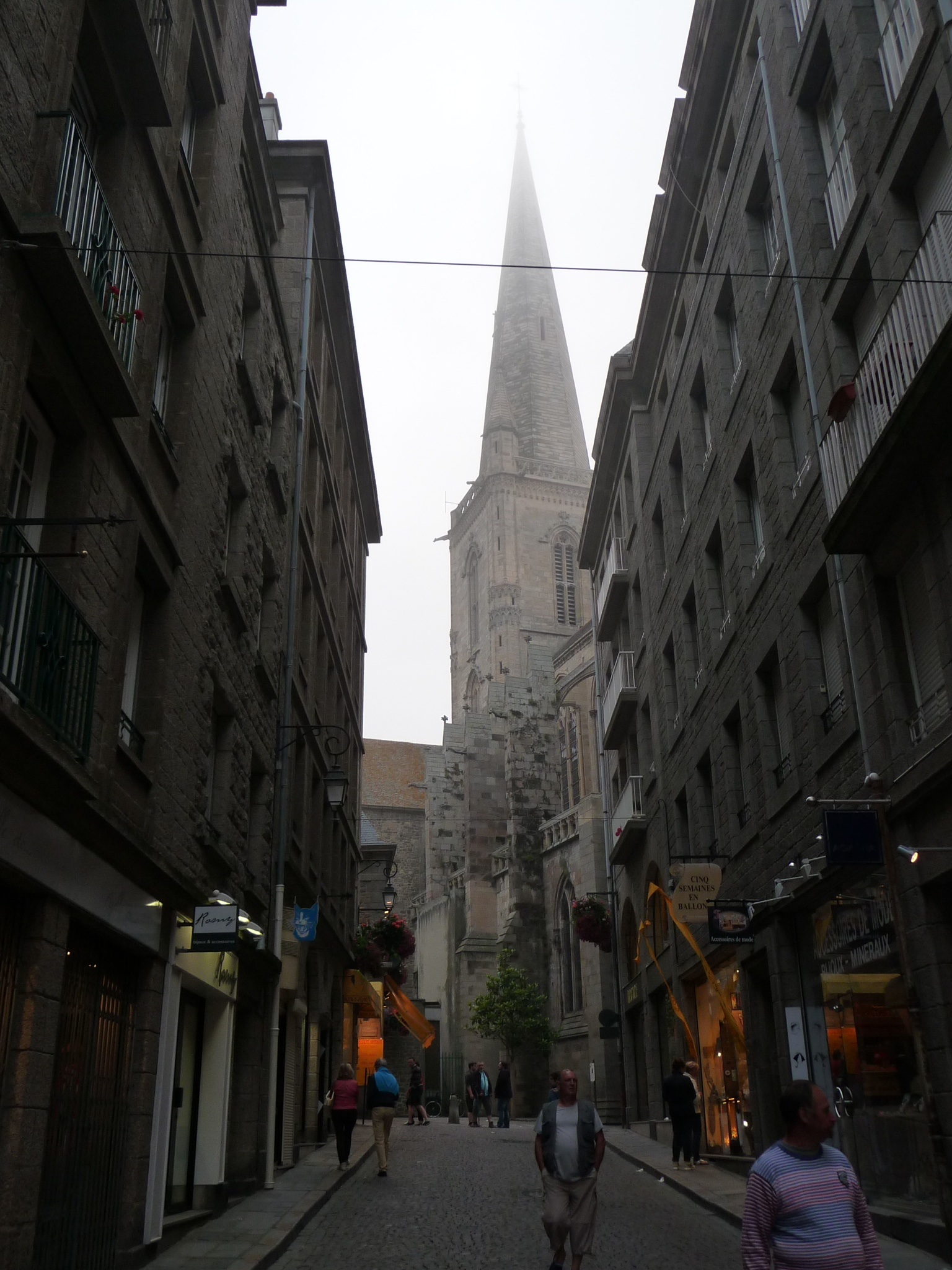
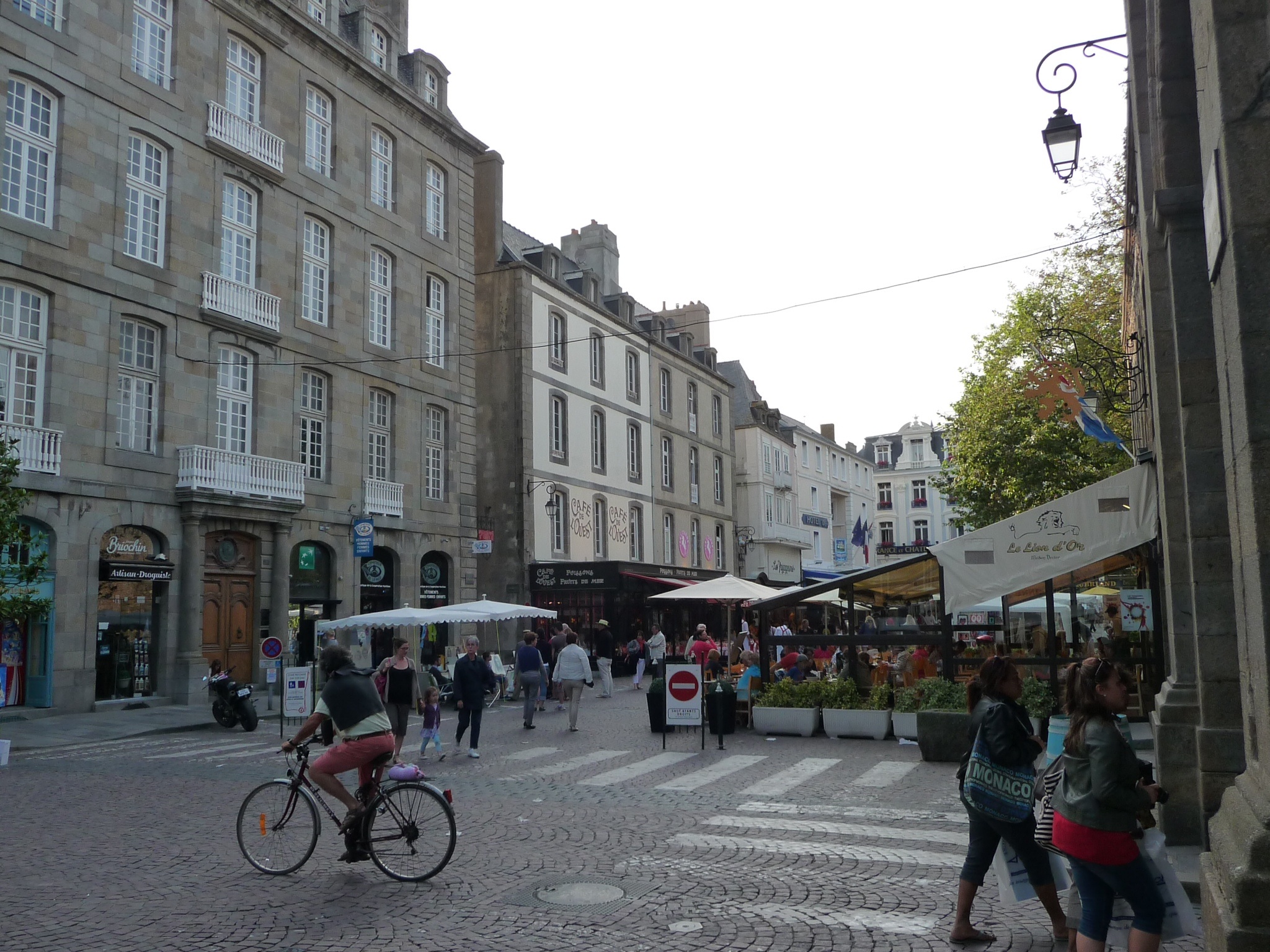
Saint-Malo was a lovely town with beautiful old stone buildings and what looked like bouquets of flowers springing from the gardens. It was all so ….. French!
It was a little chilly on arrival that night despite the bright northern sky. I had forgotten about the long daylight hours – more exploring time!
On my arrival to the hostel I met my room buddy, Liz from Canada, who was heading into the old walled city to go out to some of the forts while the tide was low. I took up the invitation to join her, pleased to have the company.
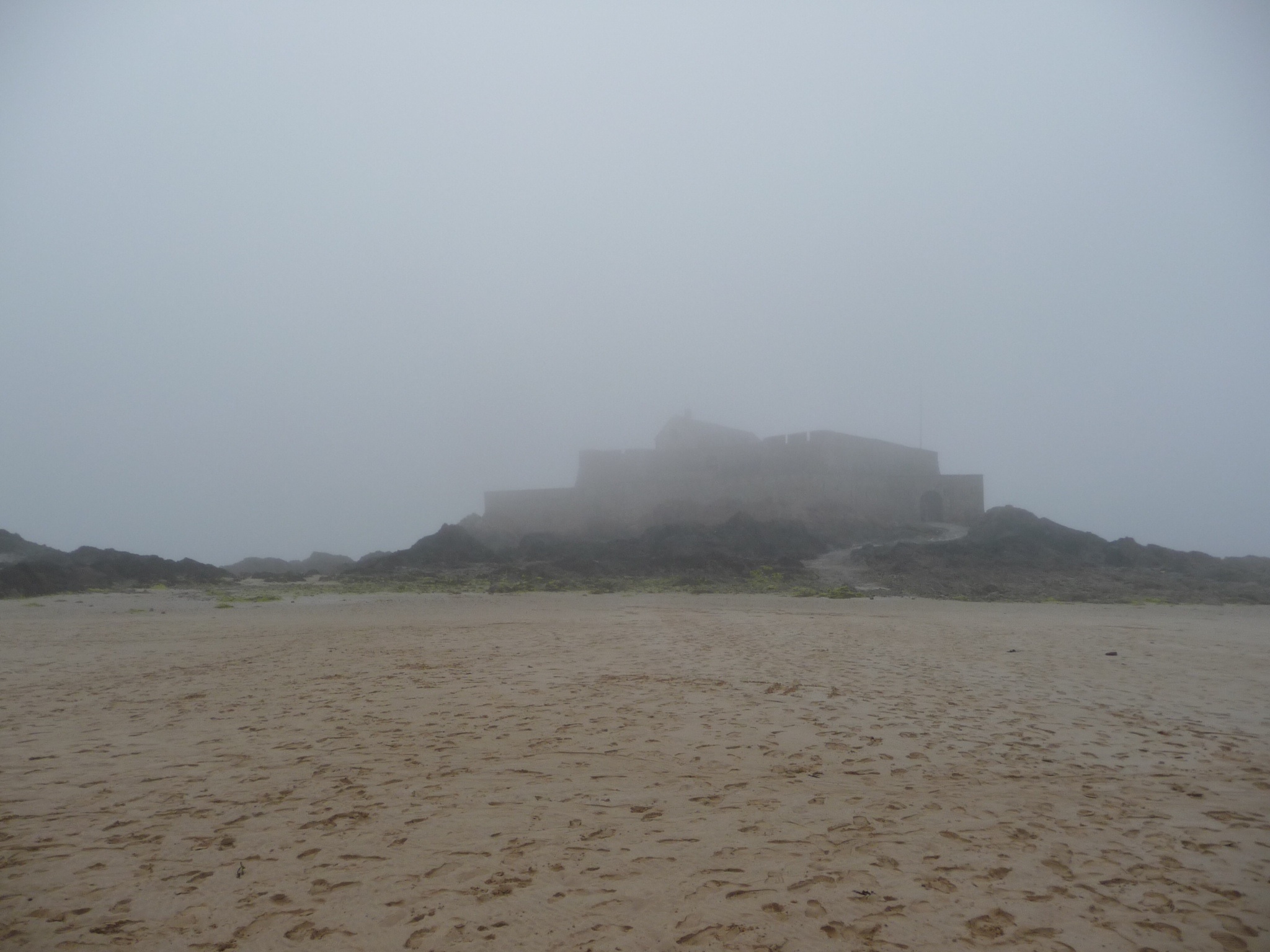
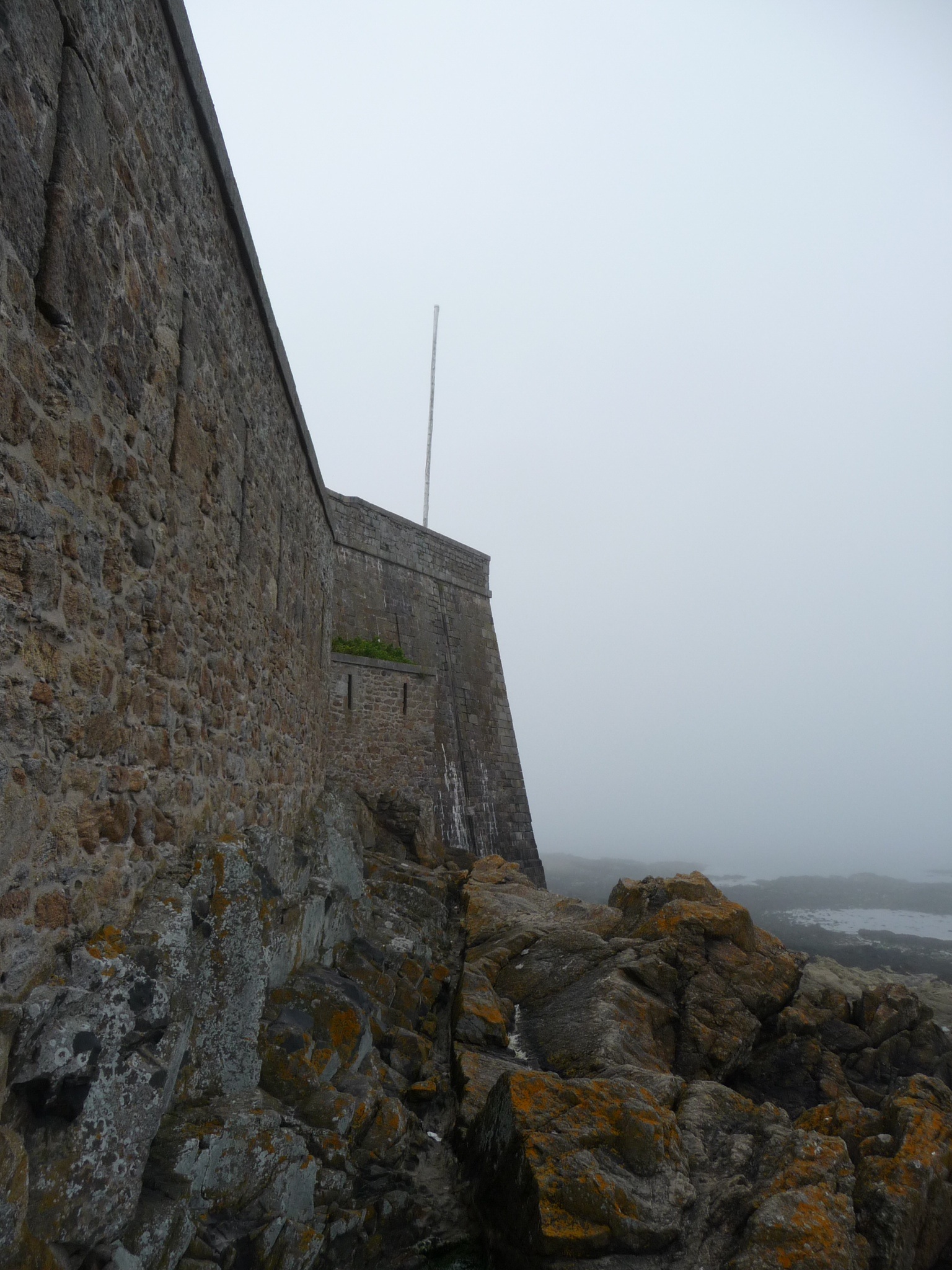
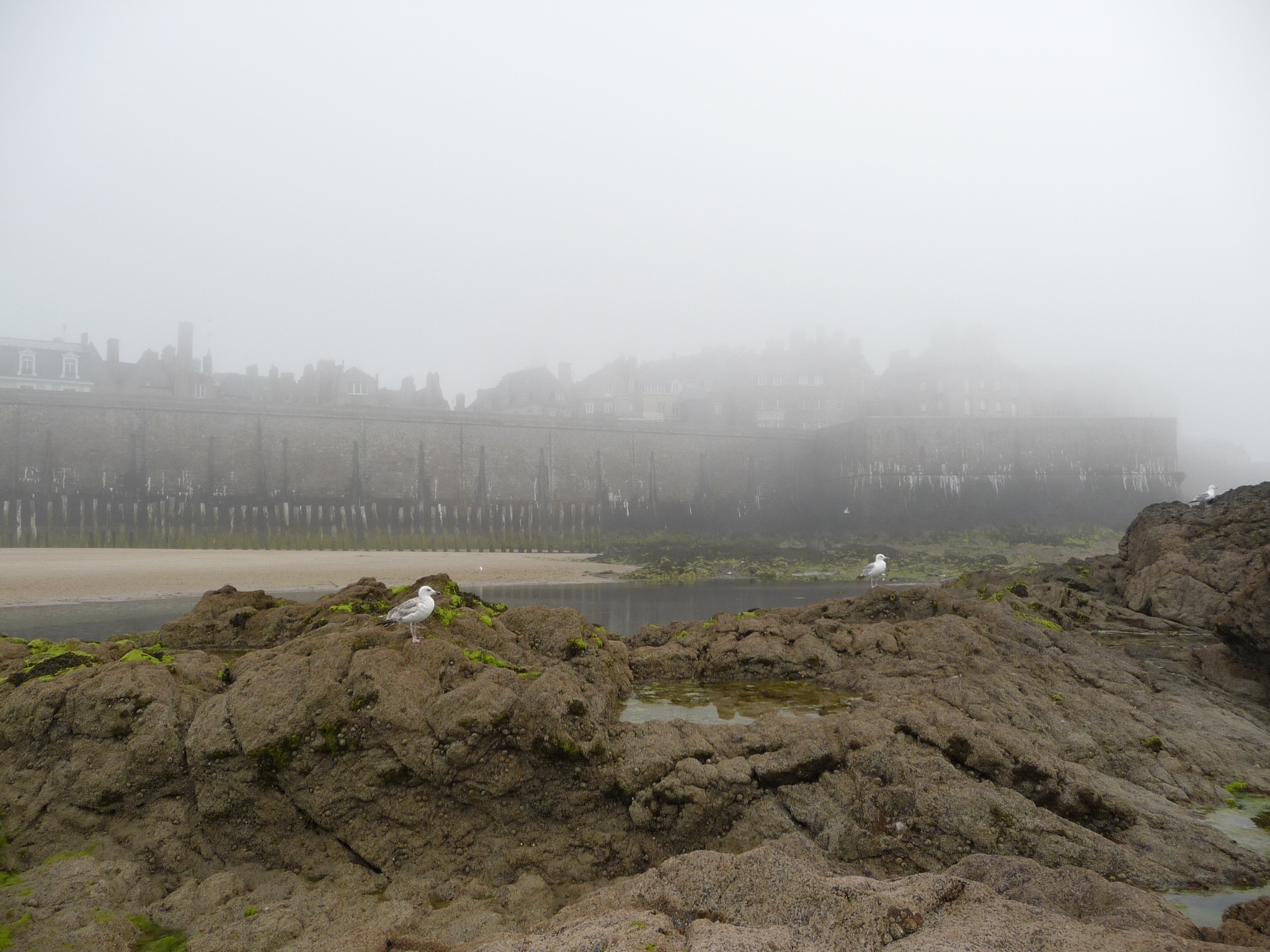
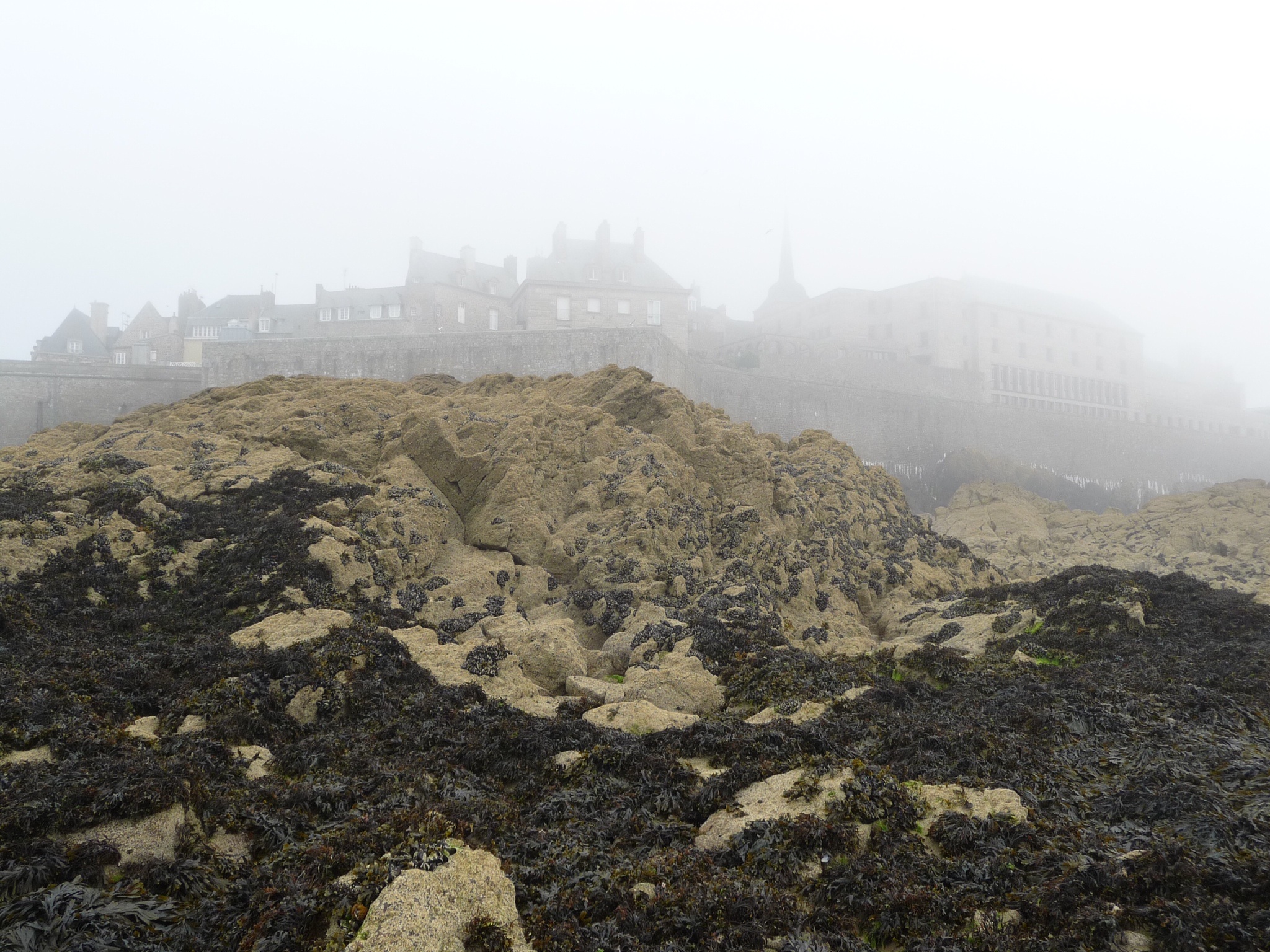
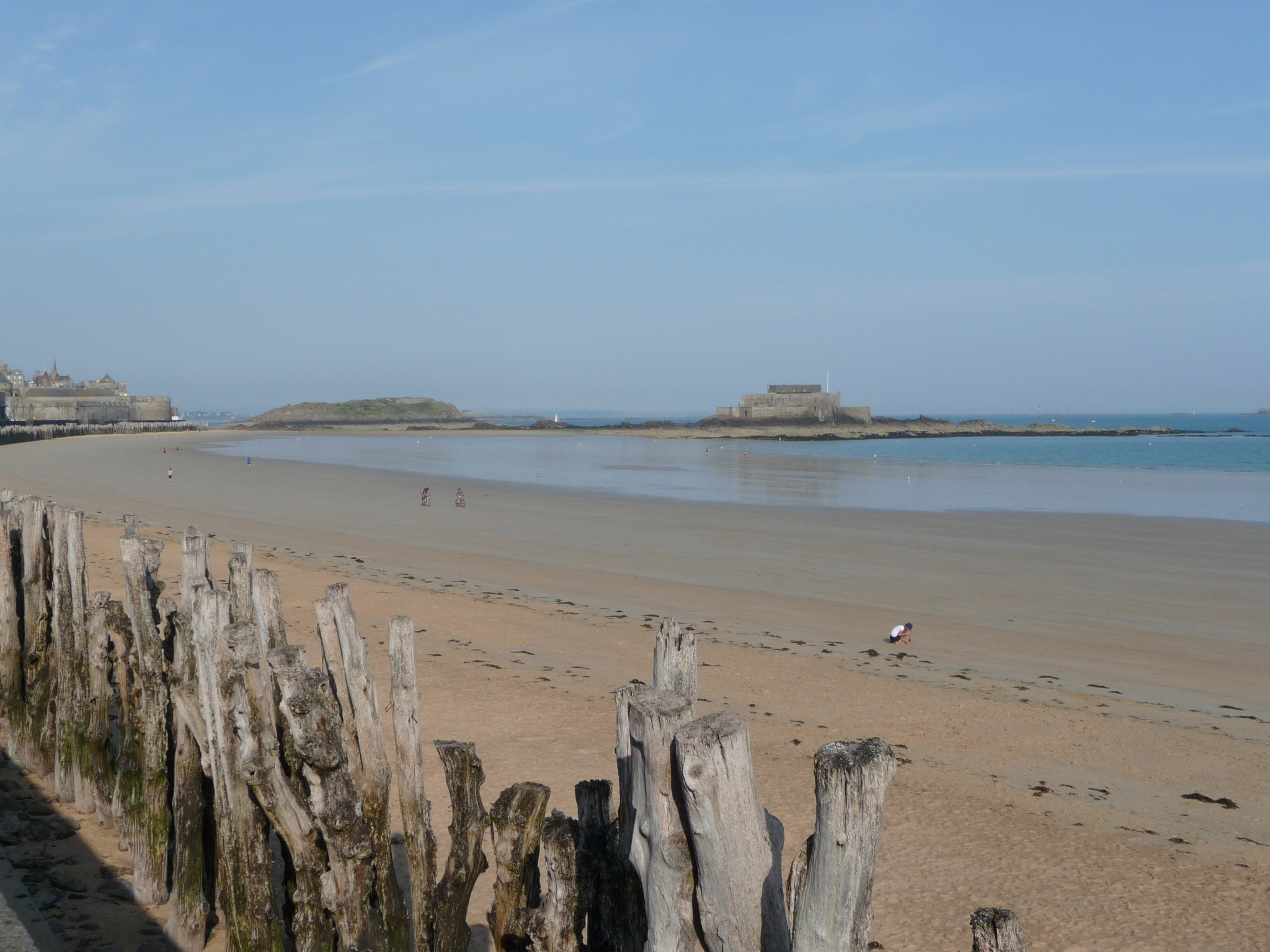
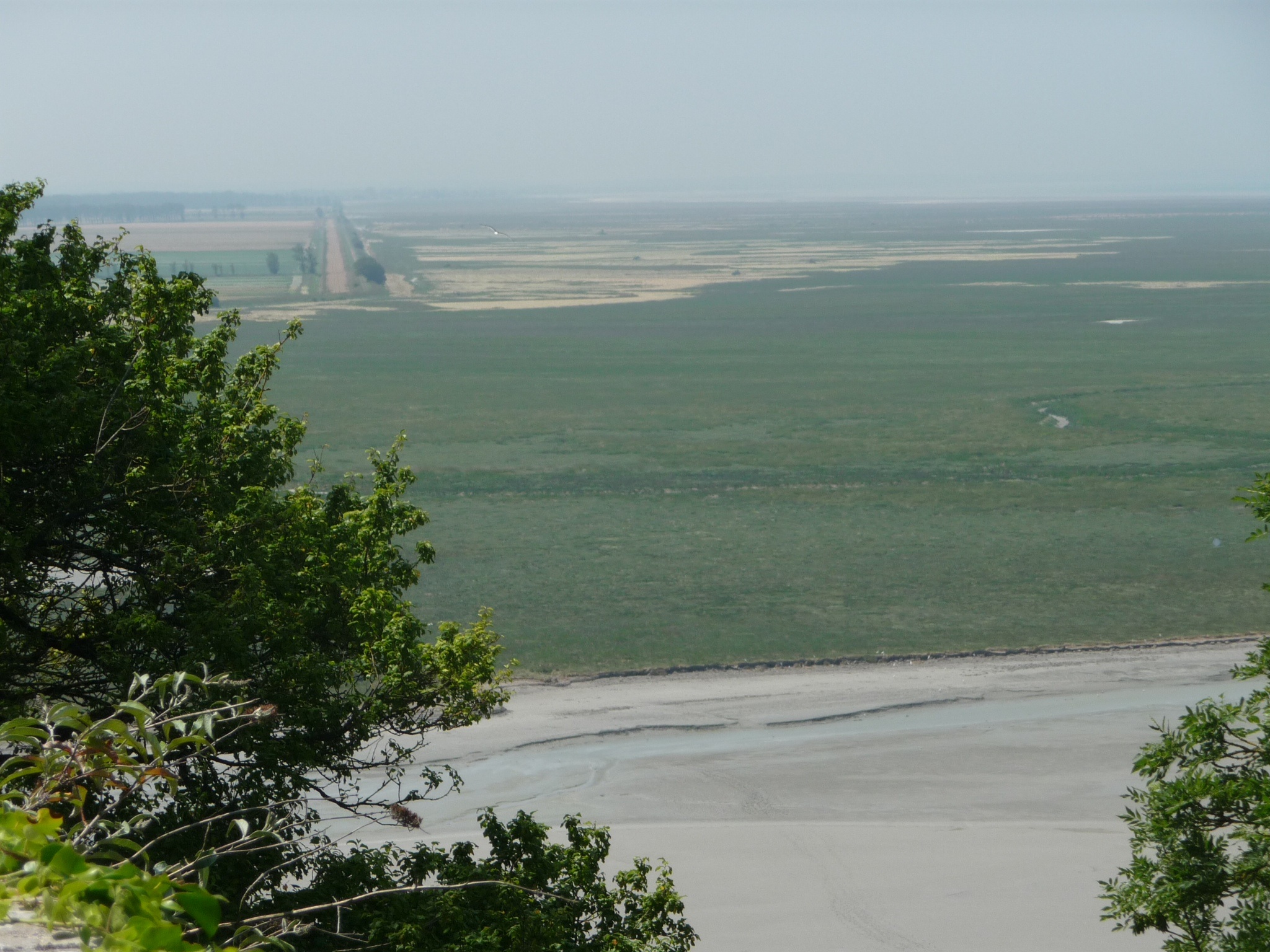
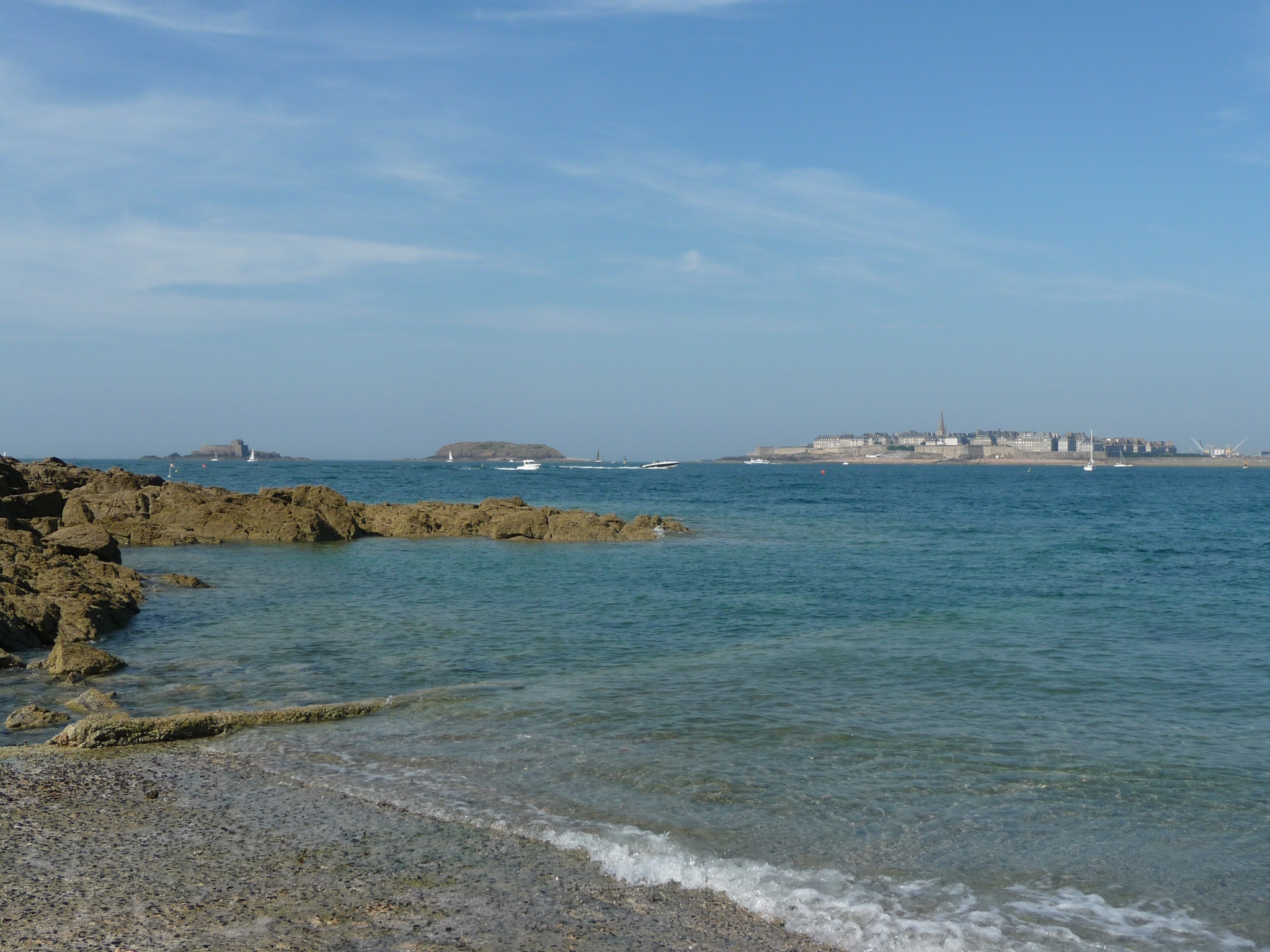
It was around 8:30pm and the fog had well and truly rolled in. We made it out to one of the forts but had to keep watch of the tide – the currents are very strong between the mainland and the forts so its a six hour wait if you’re stranded.
Once back on the mainland we walked the top of the wall before stopping for a scallop galette (savoury crêpe) and cidar in the walled town; crepes being the speciality of the region. Saint-Malo was heavily bombed during the Second World War and so had undergone a substantial amount of renovation to get it to it’s glory of today.
I had a laugh when we were getting our bus back to the hostel and a guy was having a ‘Letitia moment’ – we heard “oh shit, missed it” from an English guy talking to himself at the bus timetable. He’d clearly missed his last bus home but no doubt he’d get there one way or another.
On arrival back to the hostel we met our other roomies – Barbara from Paris and Laura from Brisbane. It was 11:00pm and still light – it certainly felt safe to be out late with plenty of others taking advantage for the extra light but I was going to find it a challenge to get used to.
I had spoken too soon about the beautiful sunny days – awoke to what seemed a pretty set in fog. One of the draws to Mont St Michel was to admire the imposing Abbey from afar so I thought it prudent to delay the visit a day in the hope it would clear.
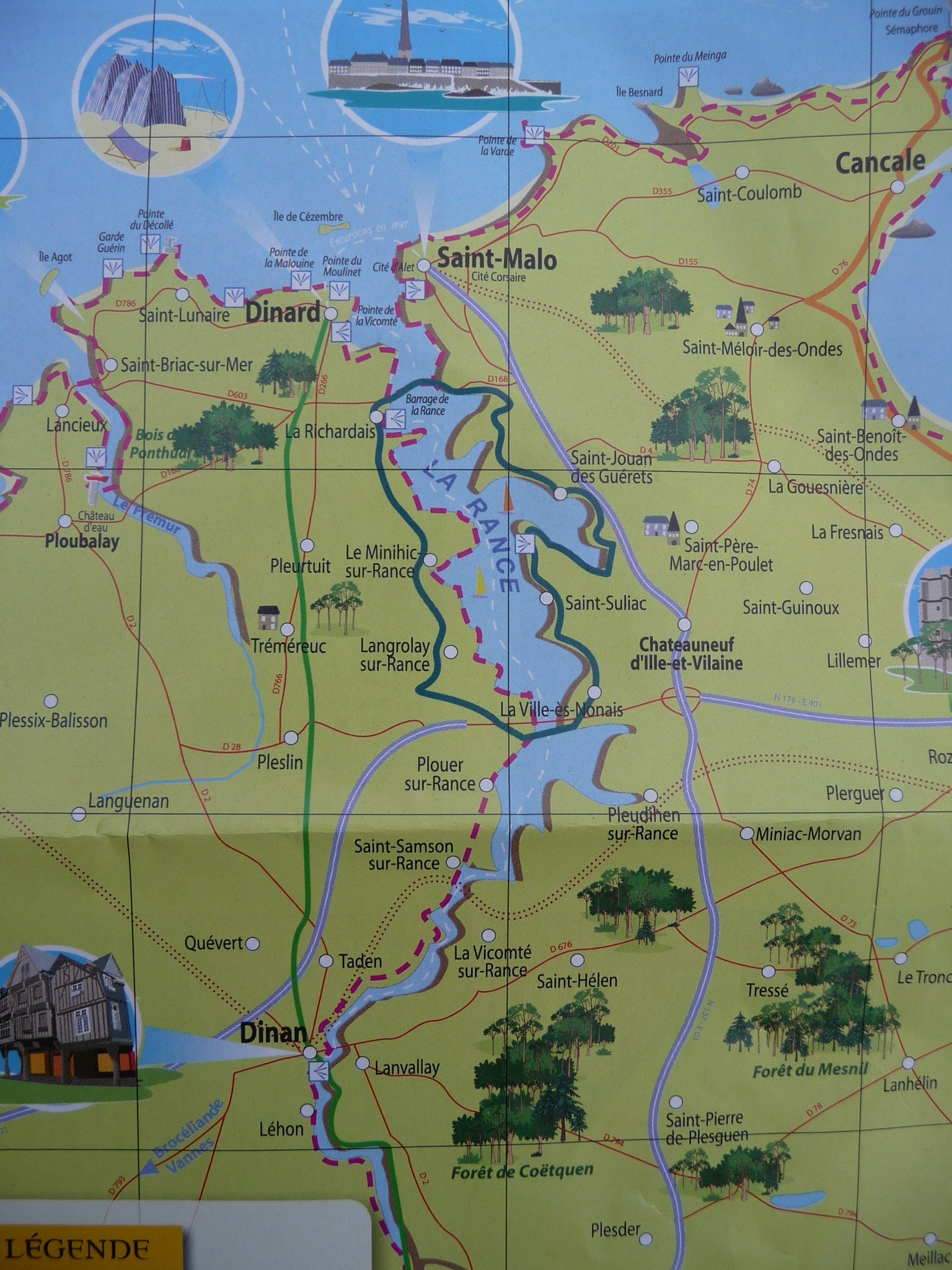
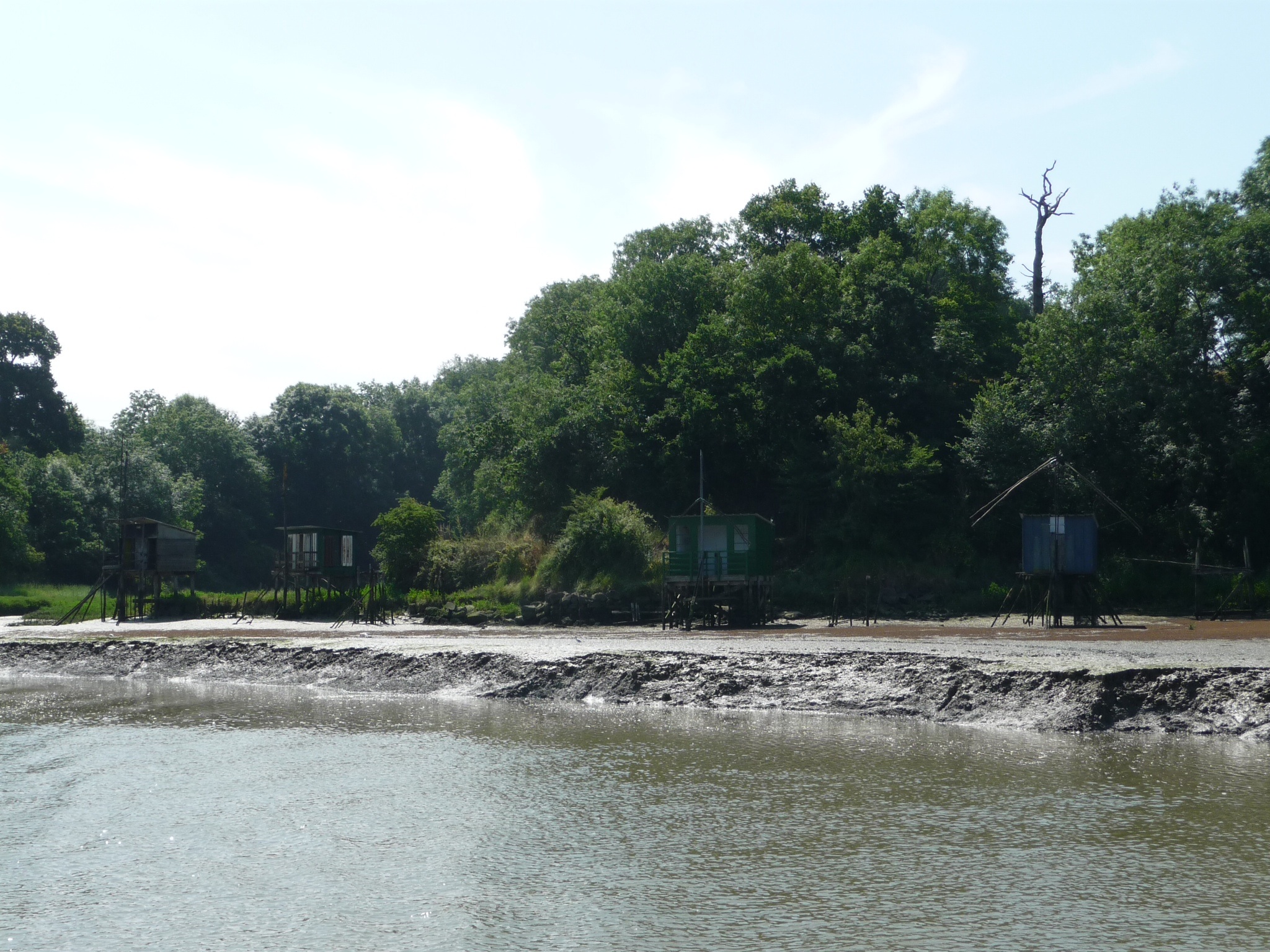
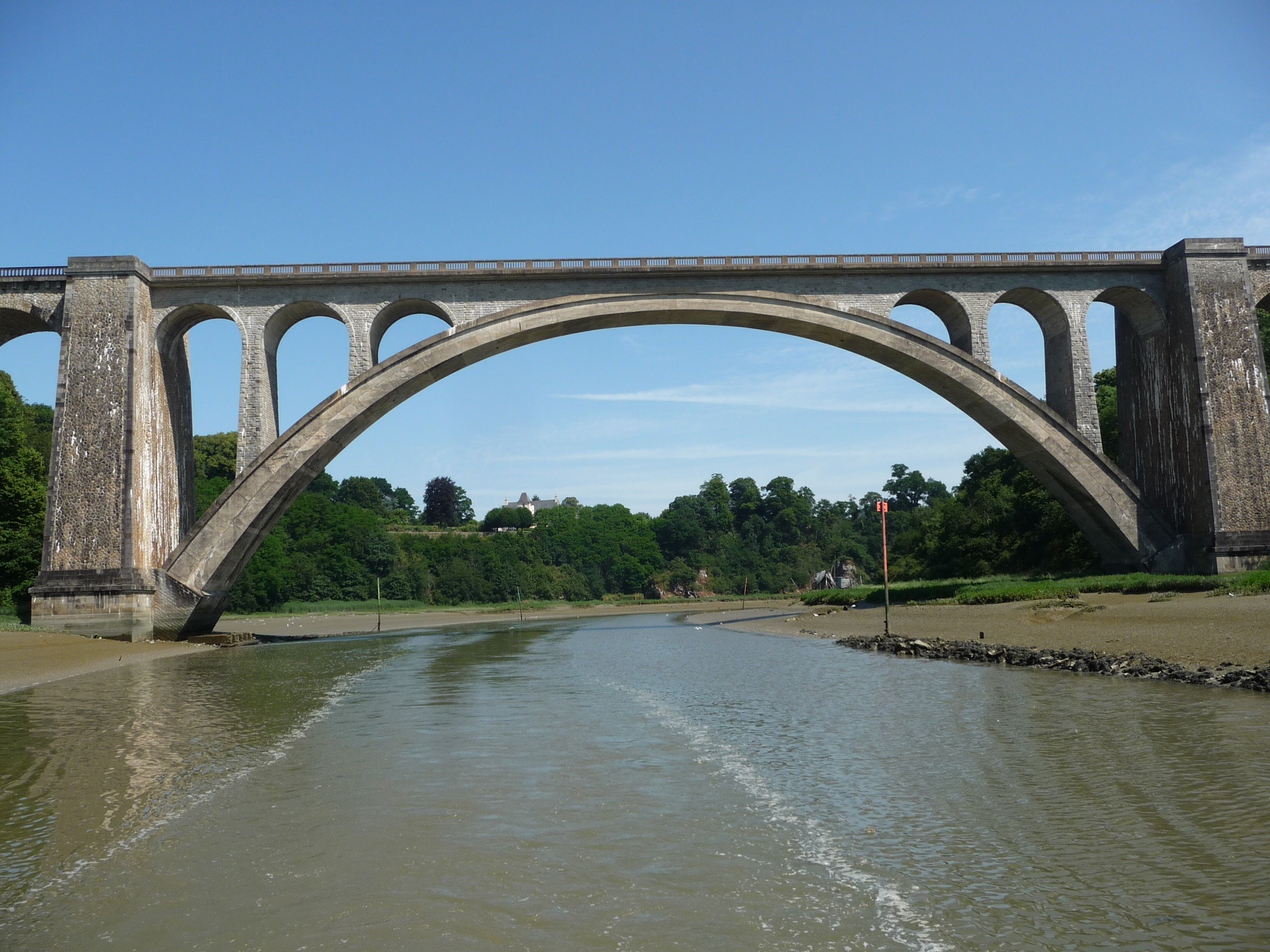
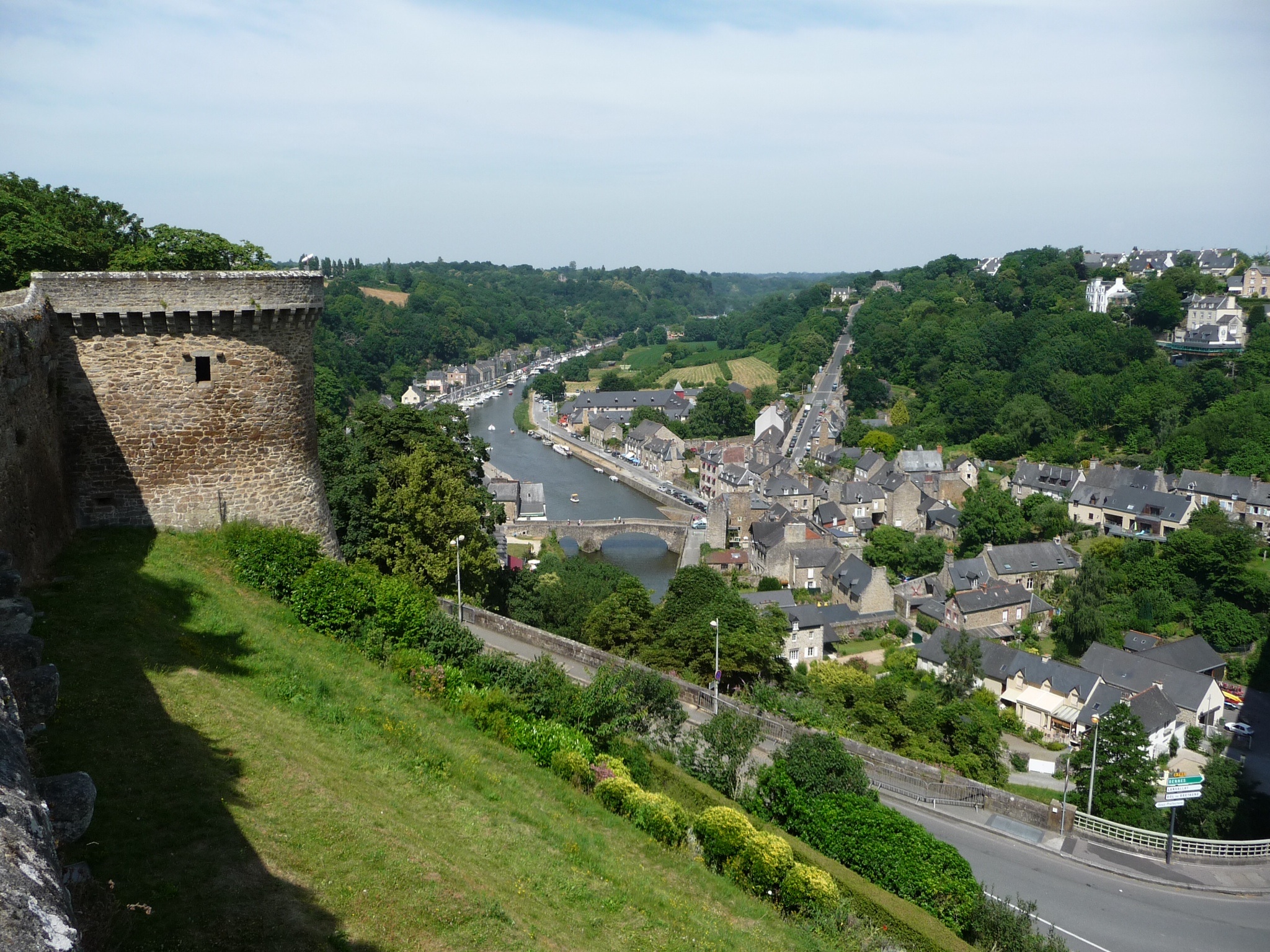
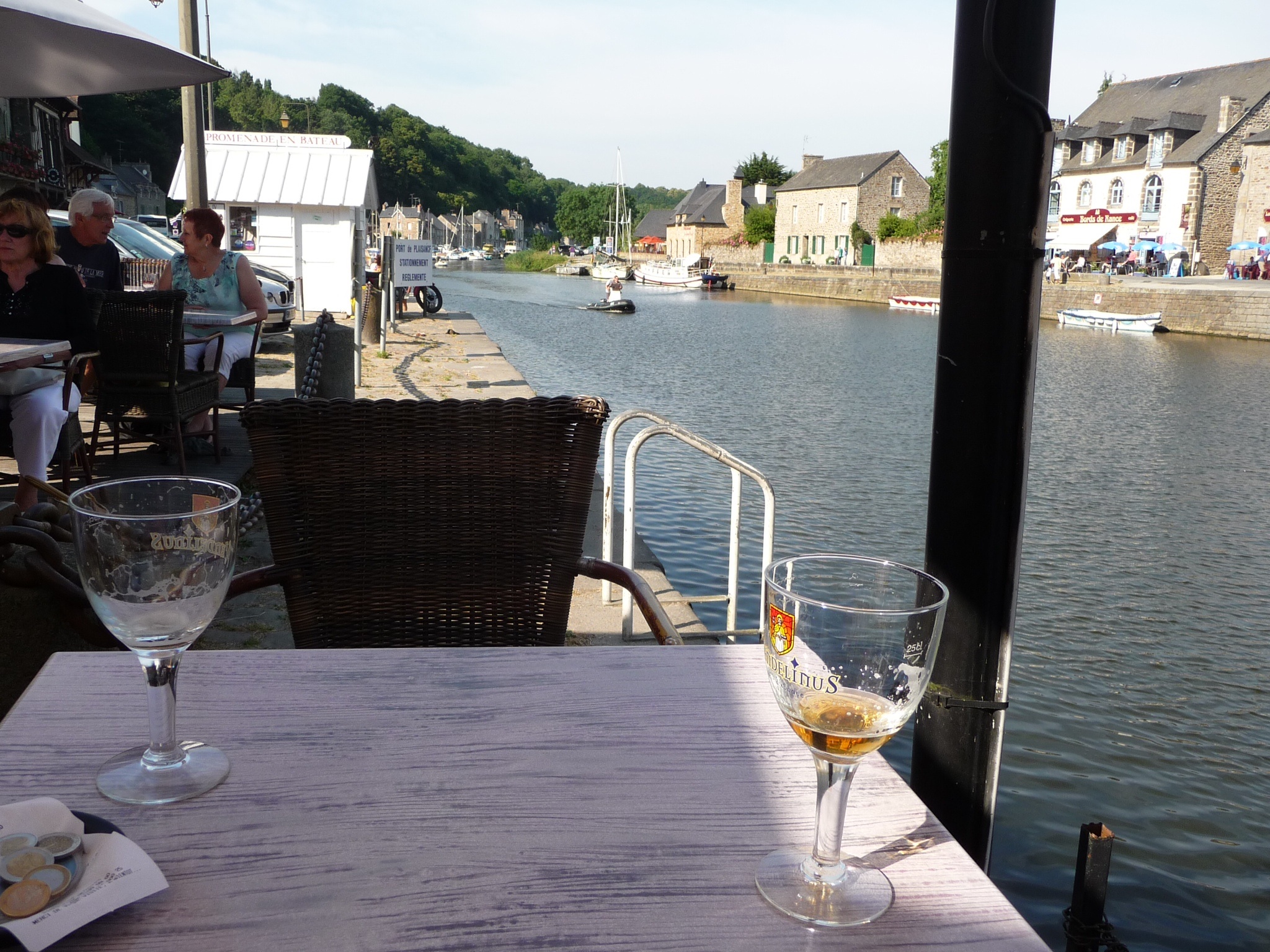
Liz had planned a boat cruise down the Rance River to Dinan so I tagged along with her. It was a lovely cruise but I wasn’t much of a travel companion as I kept napping on my seat; the flight and long days catching up!  Thankfully the fog was lifting as we cruised further inland enabling us to see the lovely houses along the river, the fishing sheds and the local anglers with rods that made it appear they were beach surfing for Taylor!
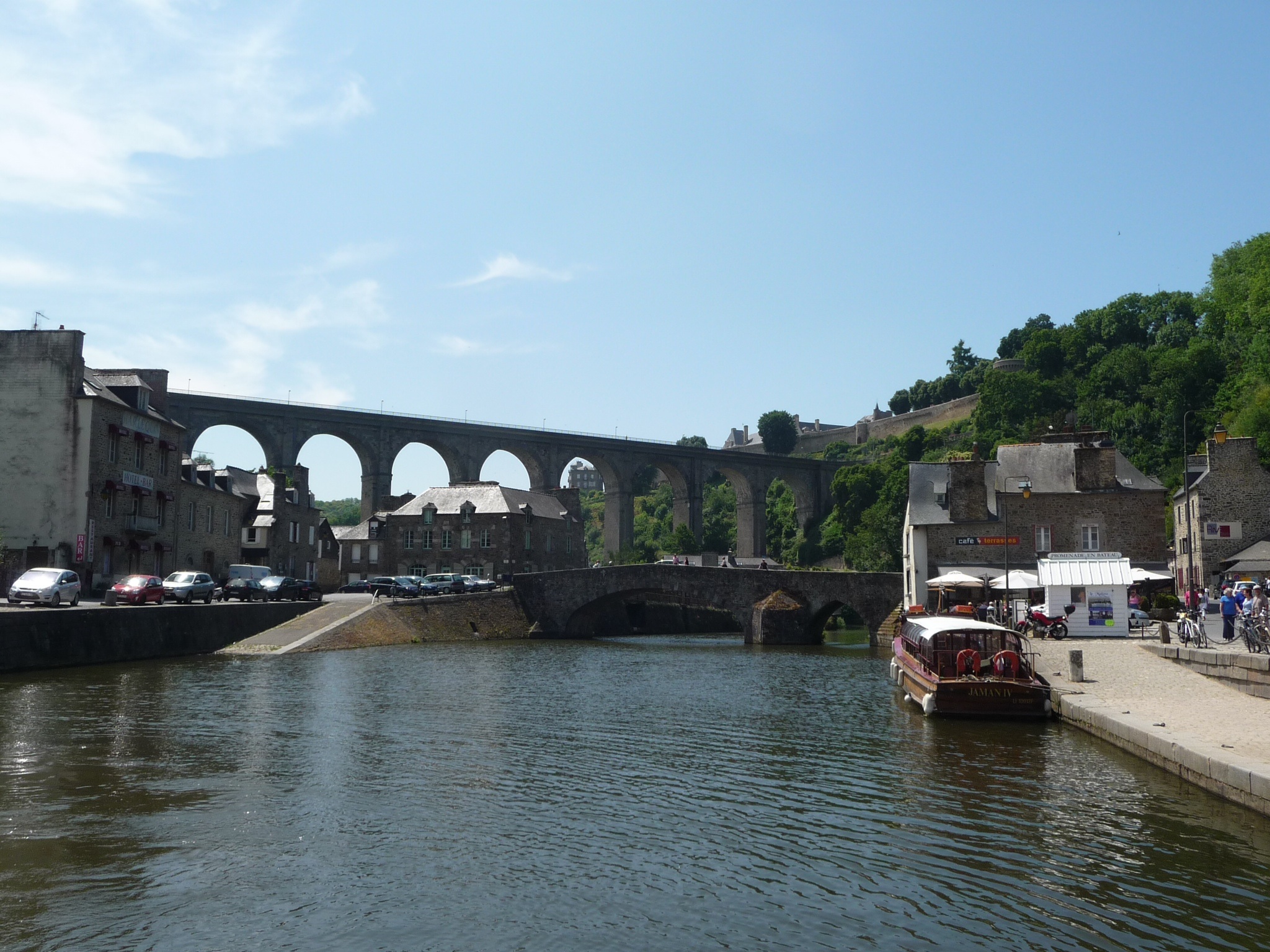
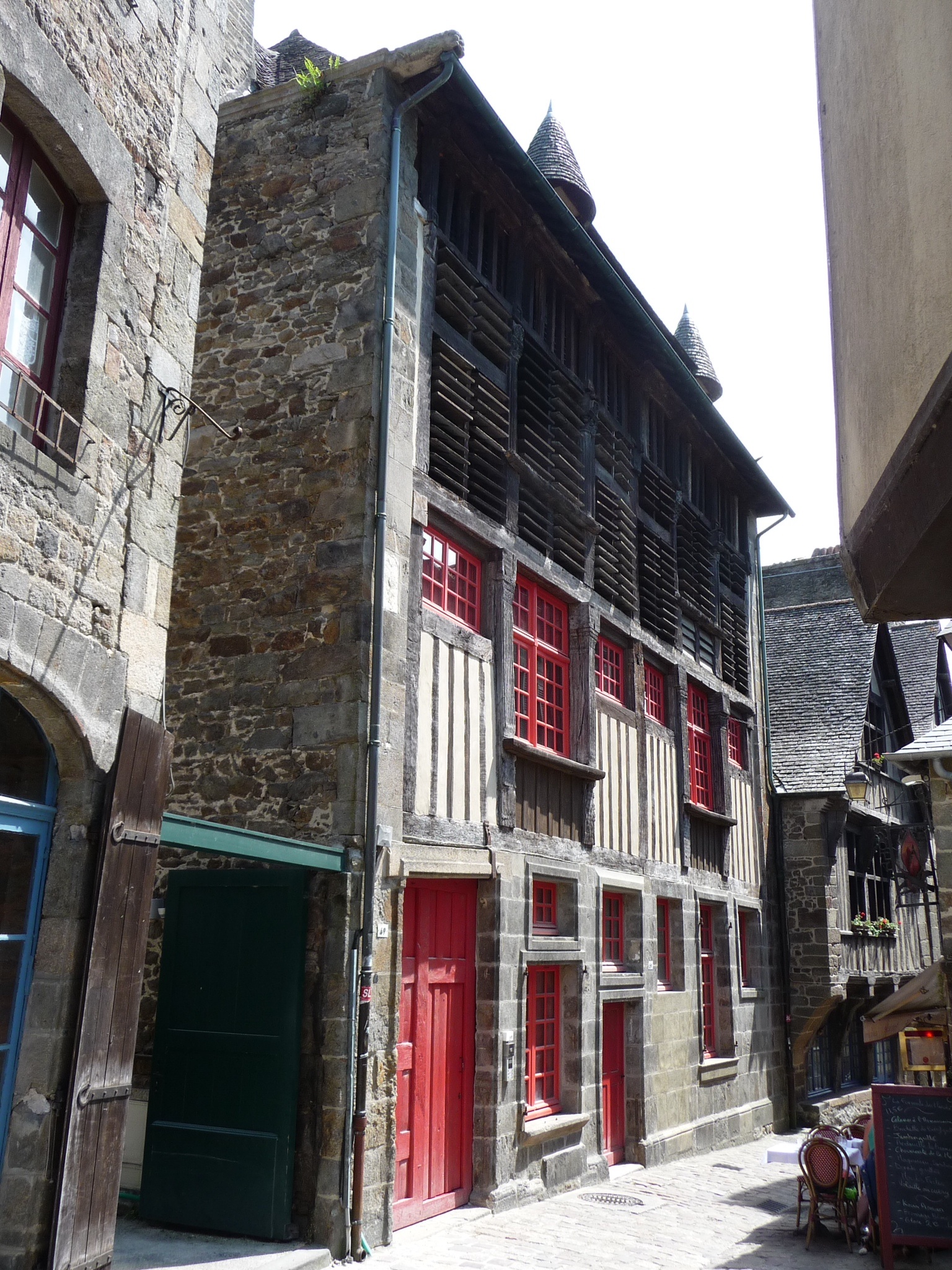
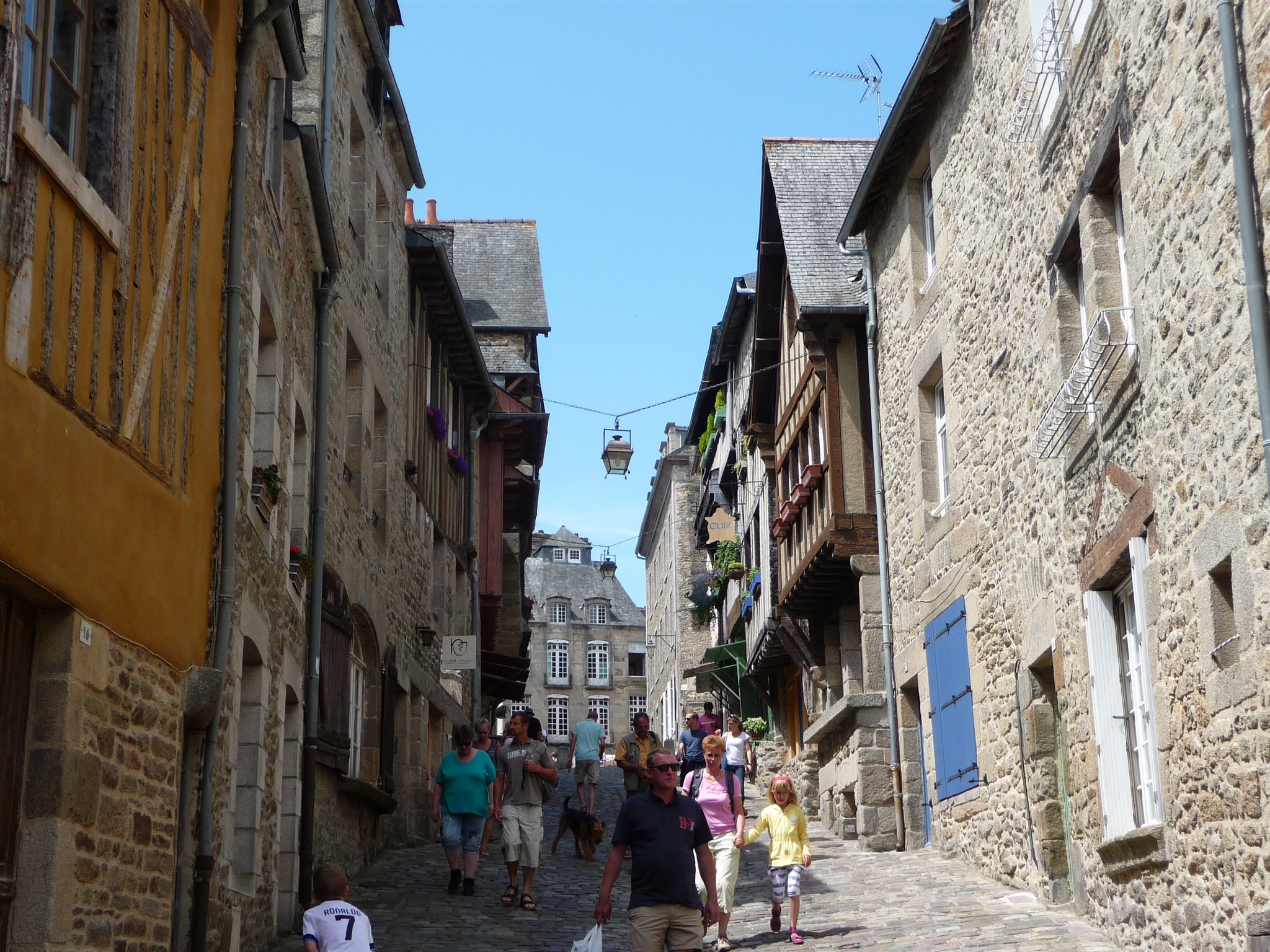
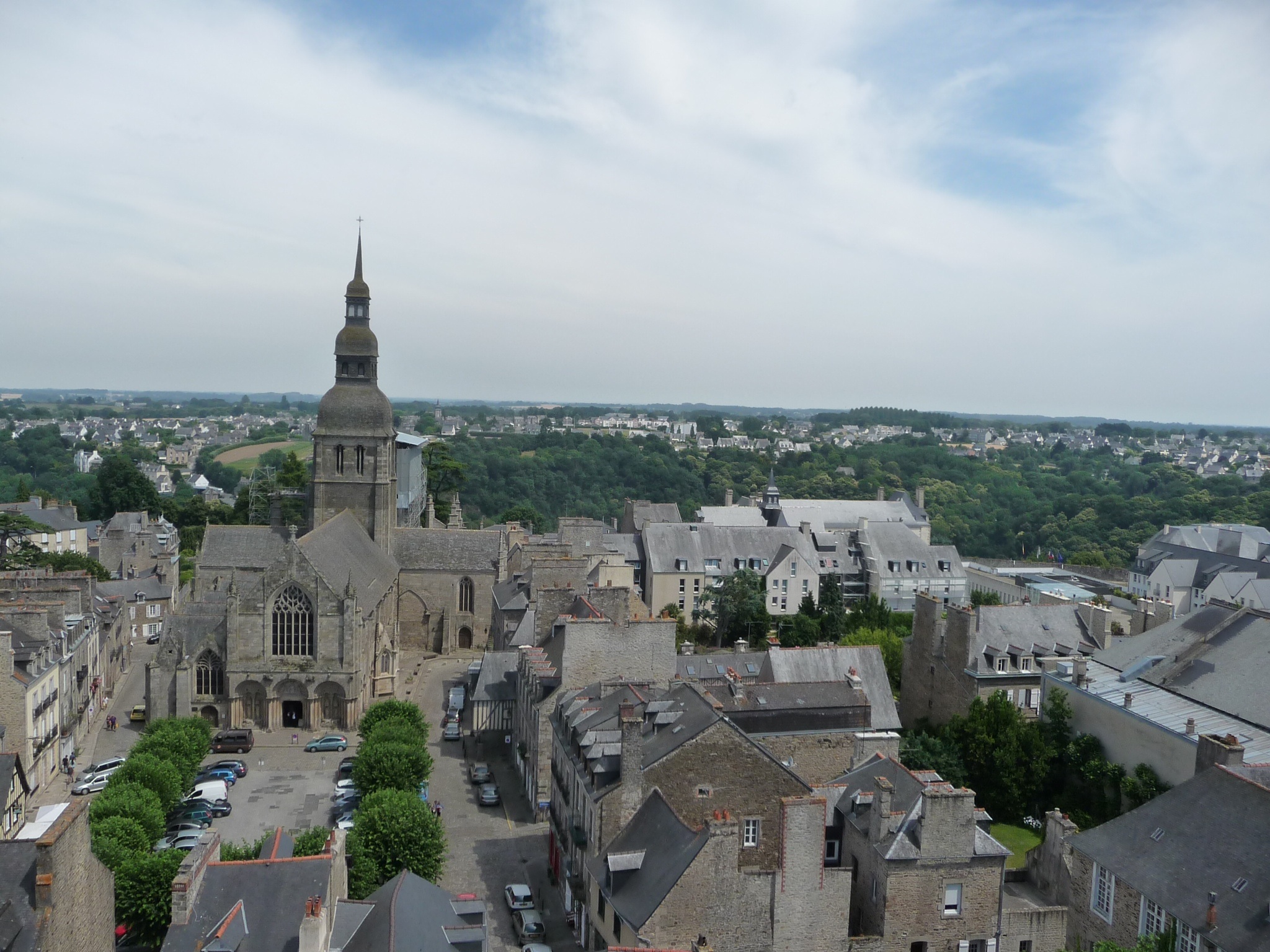
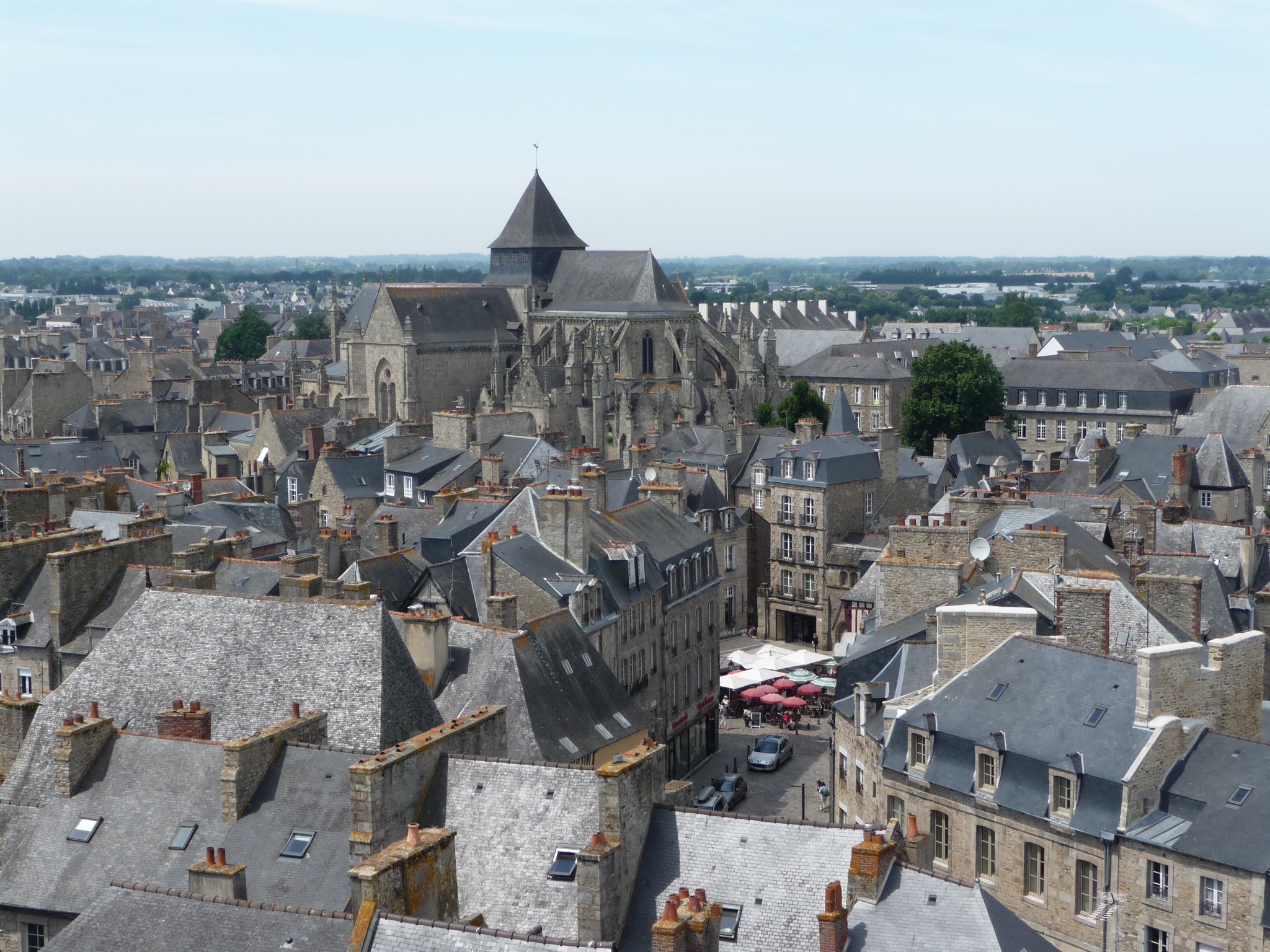
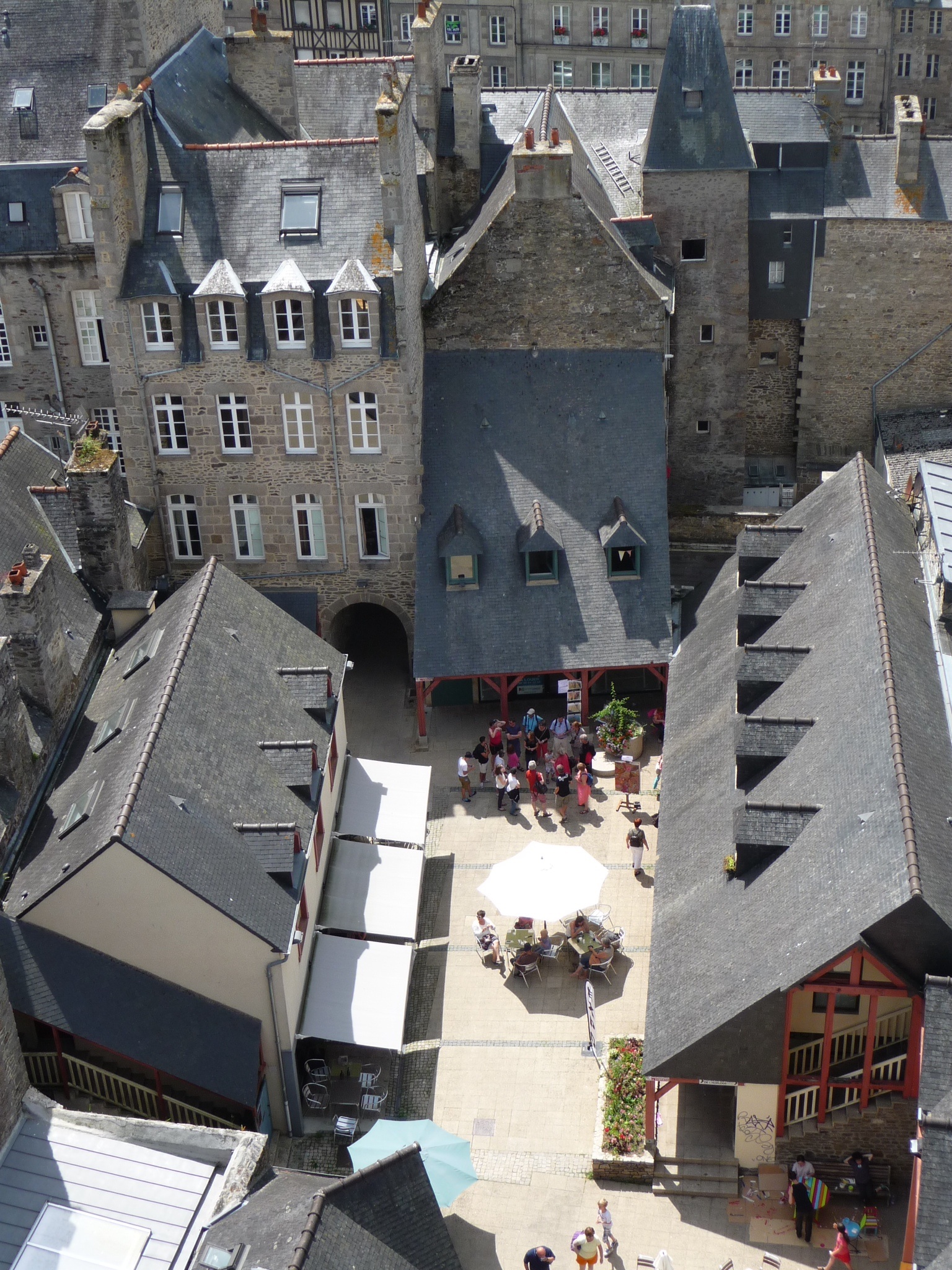
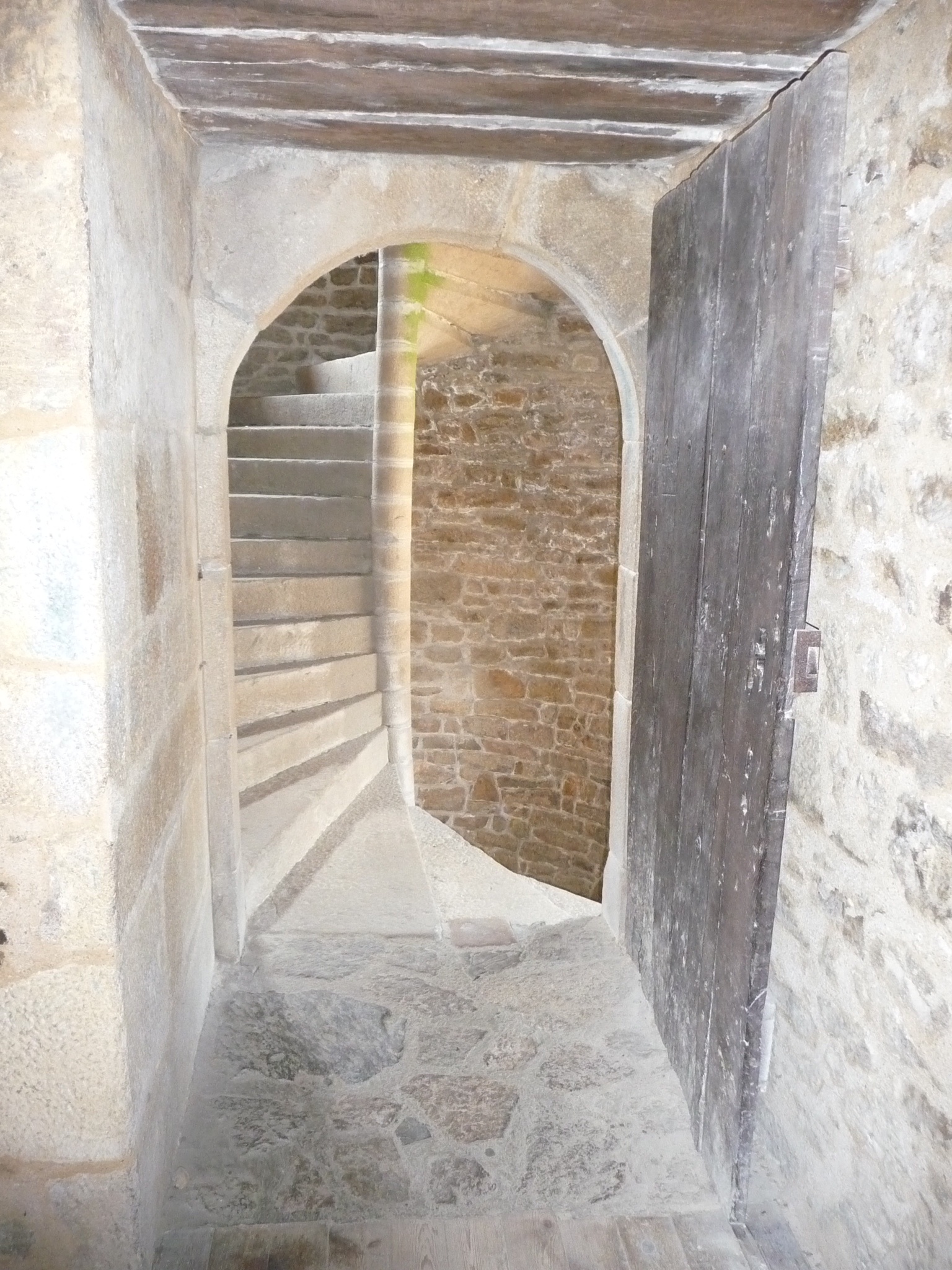
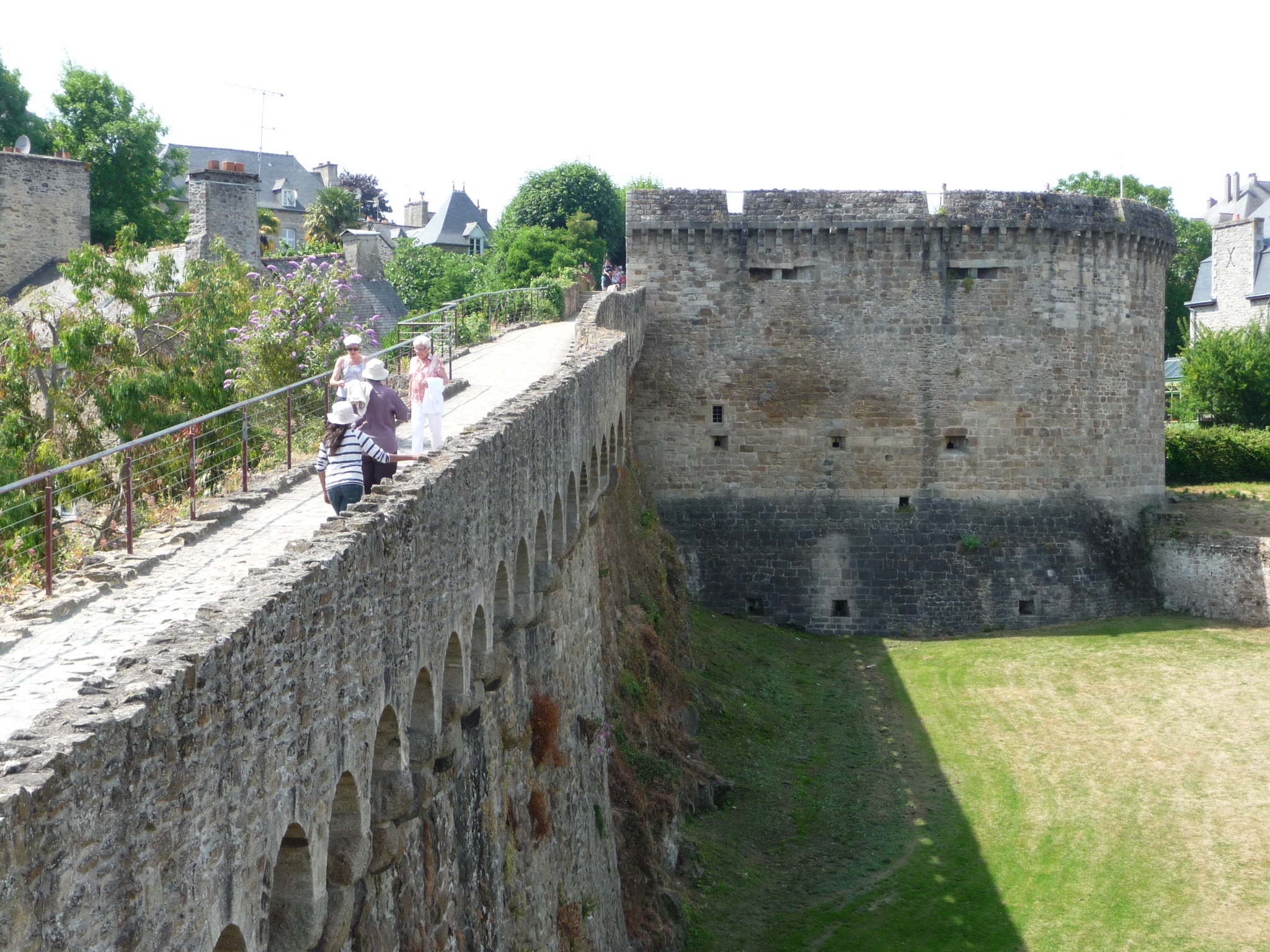
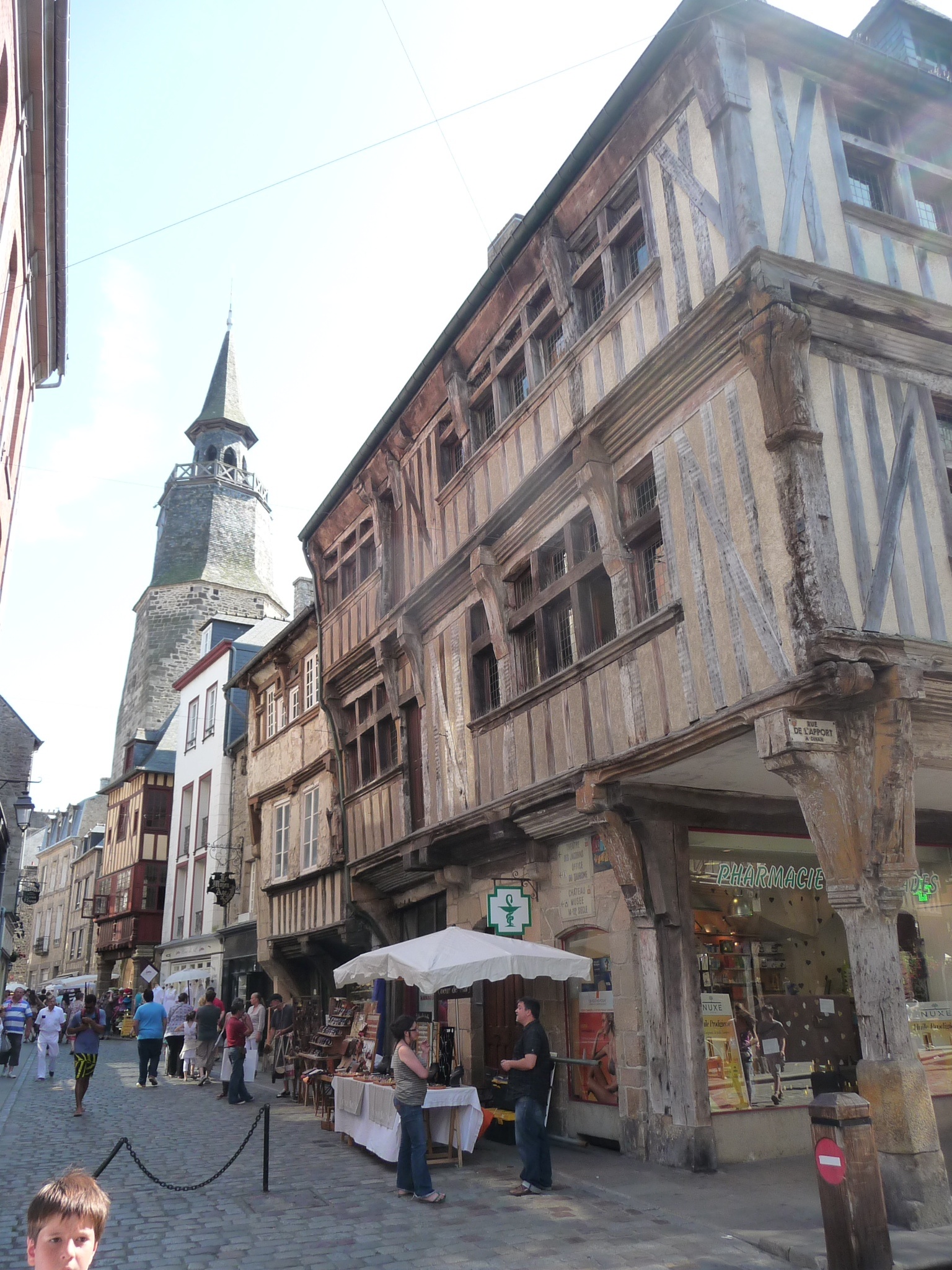
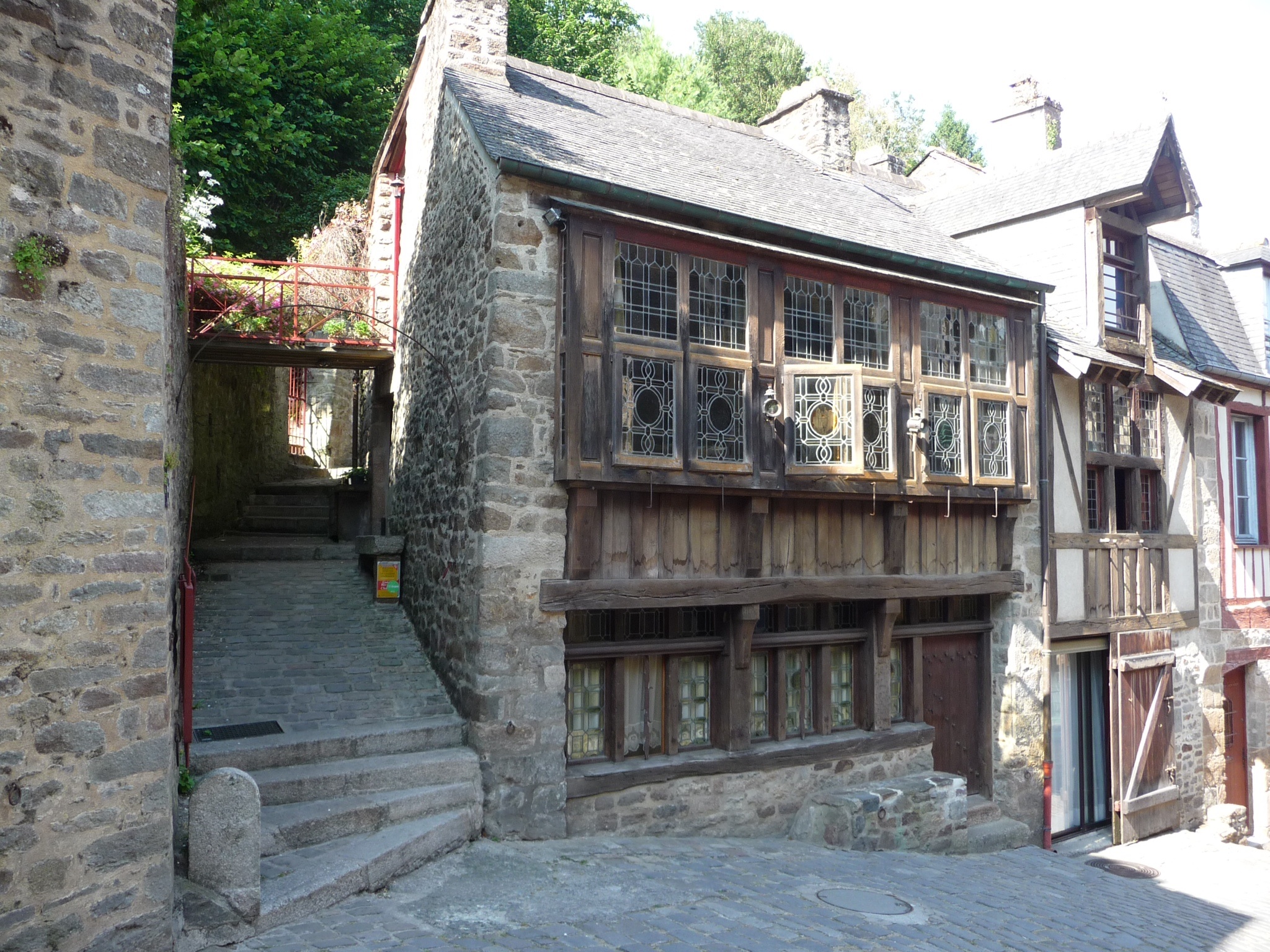
Dinan was a lovely medieval town, which served as a coordination centre for the local forestry and agriculture activities in the 1500s. The ramparts had been built in the 1200s.
The waterways proved expensive to maintain and so in the 1700s all money was cut off to continue their maintenance – potentially impacting the economy of the town. In response the town proposed it become a prison town (I doubt anyone would propose such in today’s times) and so it came to hold 2 000 prisoners of war (Dutch, English and Spanish) in the prison tower.
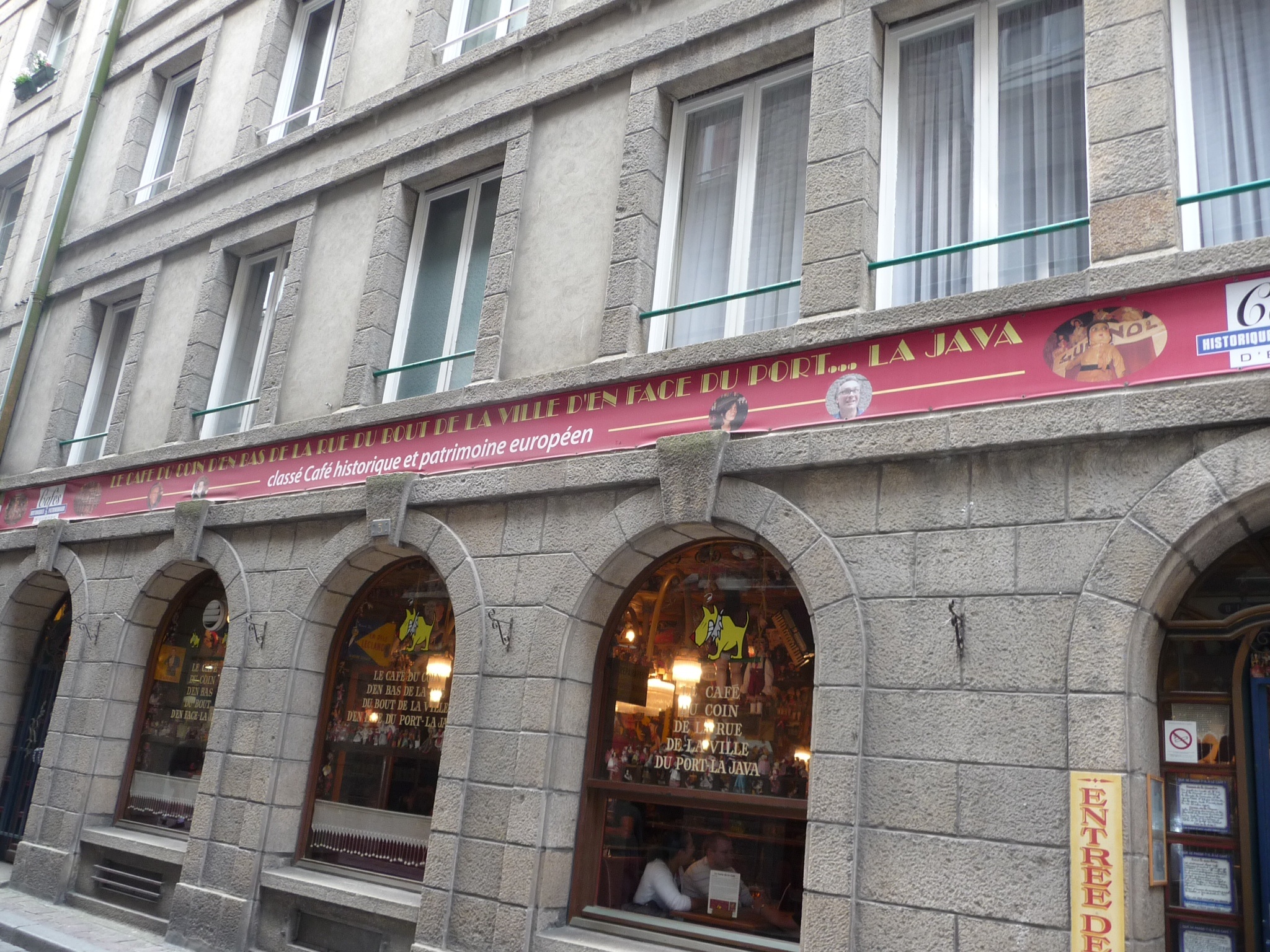
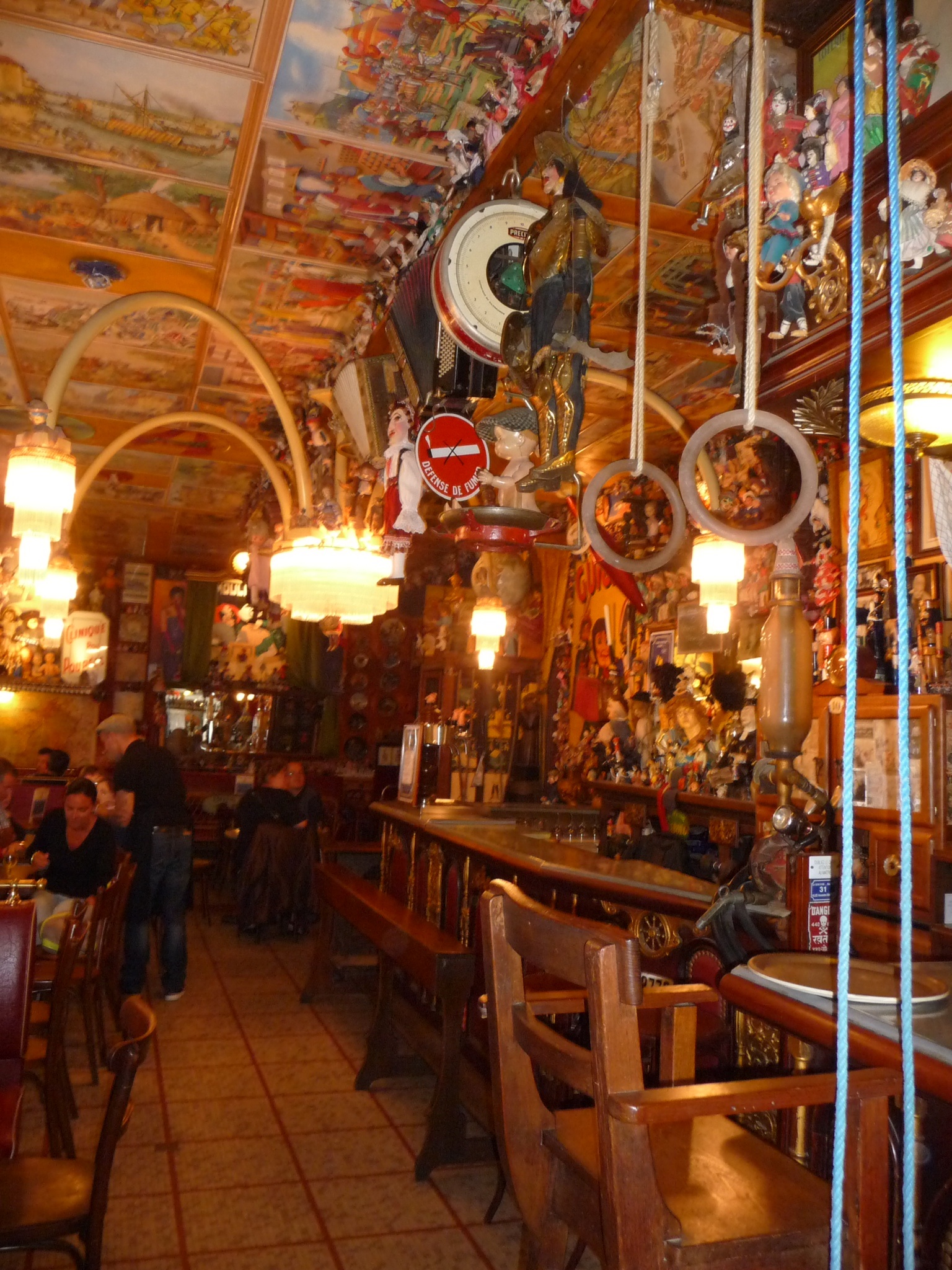
We got back to Saint-Malo by bus and popped into the bar/cafe that is claimed (and I believe it) to have the longest name – Le Cafe du Coin de La Rue de la Ville du Port la Java (essentially its location in the town).  I’d defy anyone to text that one as their meeting spot!  It was very cute with its eclectic collection of figures and paintings. The bar stools were in the form of swings – figured they must have a really good public liability insurance policy or a very strict responsible serving of alcohol policy.
I had another bus laughing opportunity – this time as I watched the same guy from the night before get off and head directly to the timetable – he was a quick learner!!!
I had arranged to go to Mont St Michel the next day with Barbara.  Communication was a challenge given her limited english and my complete absence of French. Thankfully Barbara had little trouble understanding English just speaking it so you can guess who did all the talking!
The bus trip into the Normandy region was lovely – again passing farmers’ fields and old stone buildings evoking images of long lunches with family and friends under the shade of the leafy trees. Jim, if you haven’t already been to this region you might like to add it onto one of your trips as I think you’d really like it.
I was impressed by the number of female bus drivers – would have been equal number with males. Barbara indicated it was quite common and in response to them being considered safe and careful drivers.  My opinion of the French had just gone up a notch.
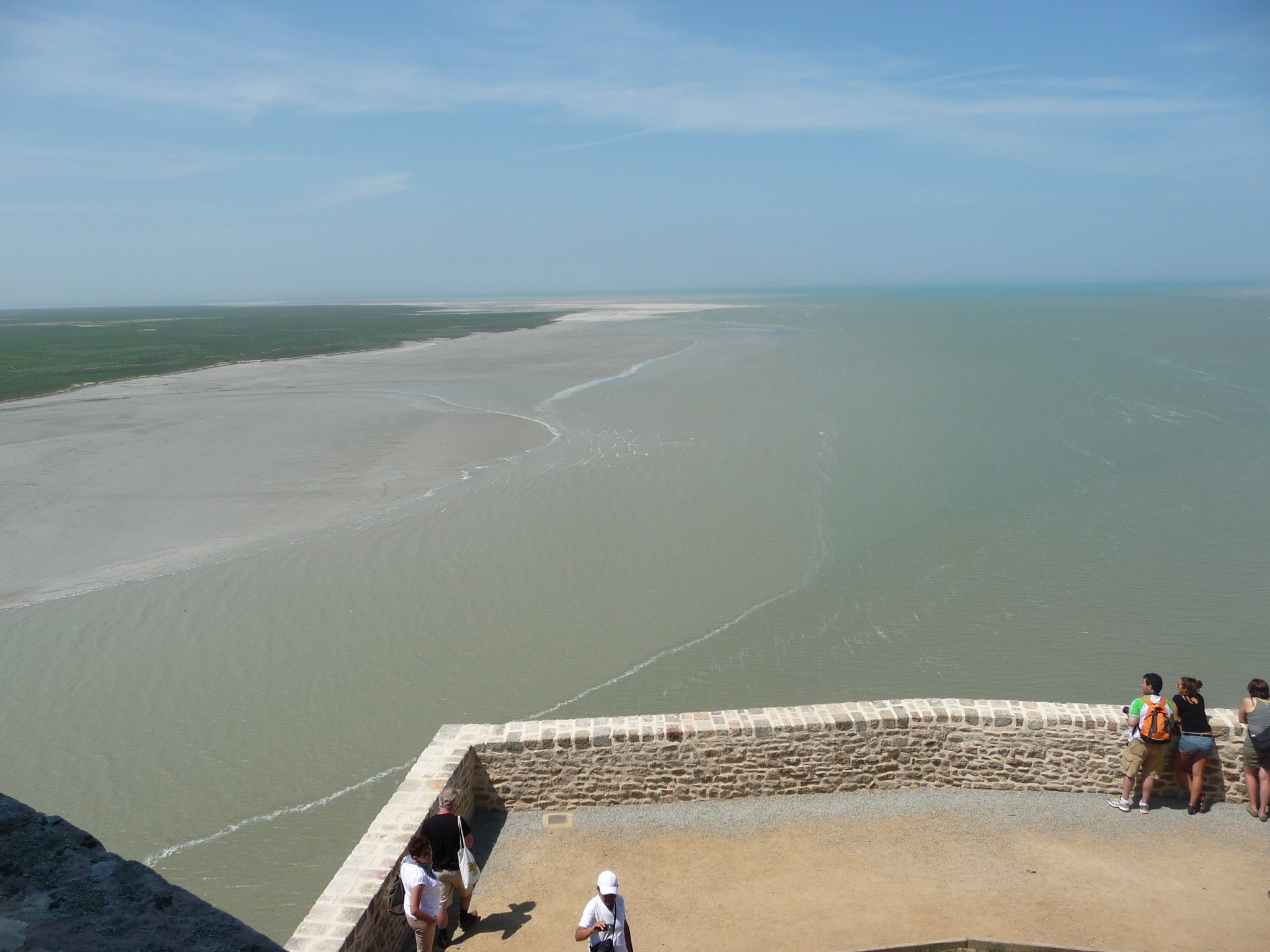
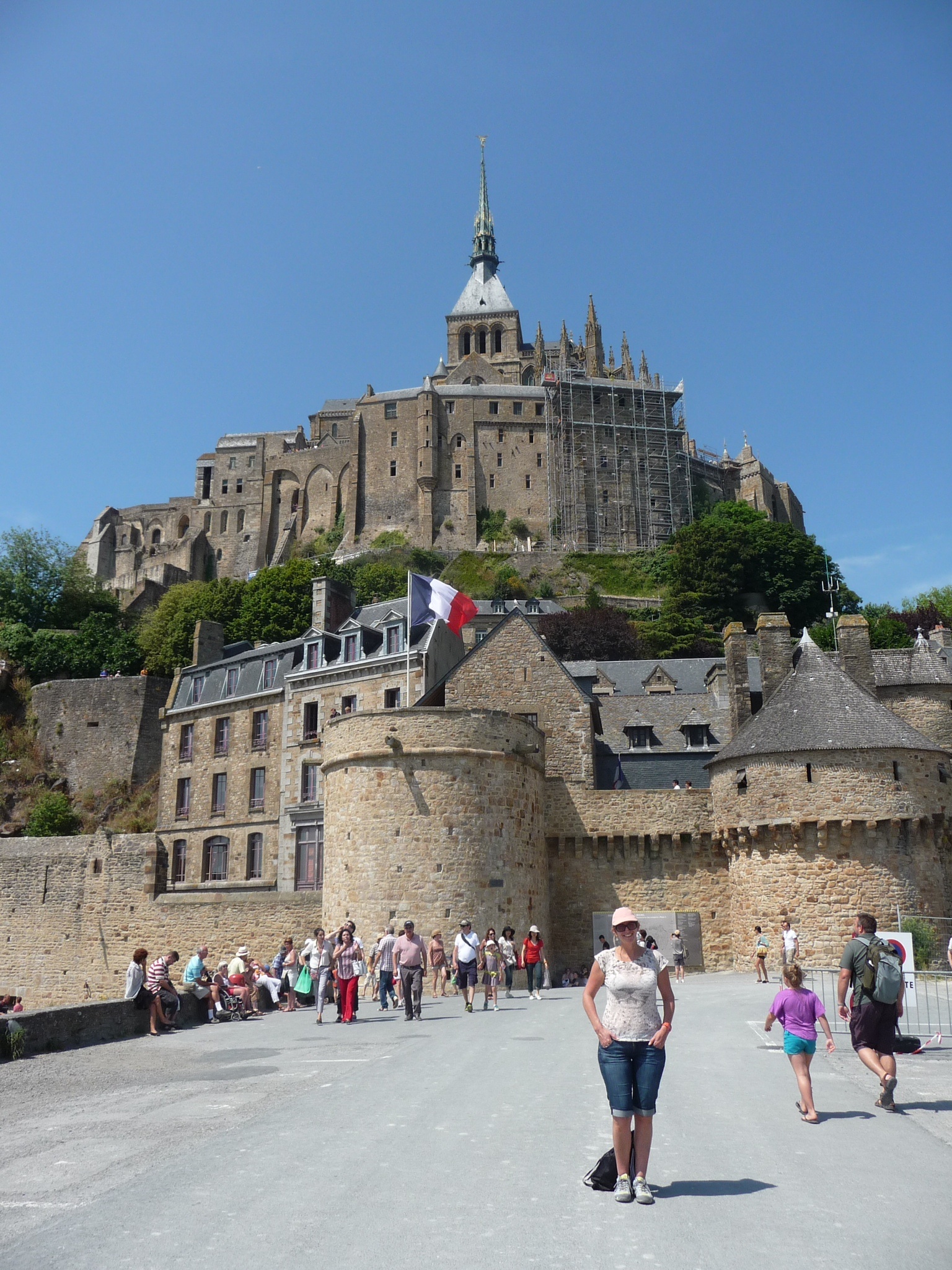
There was no fear of fog today, we had arrived at Mont St Michel on a beautiful sunny day. We went our own ways for the visit knowing that we’d each need information in our own languages. I picked up a museum package and started off at the home of Betrand du Guesclin, Knight from the 14th century, and his wife, Tiphaine de Raguenel, who was famous for reading the destiny ore world in the stars.
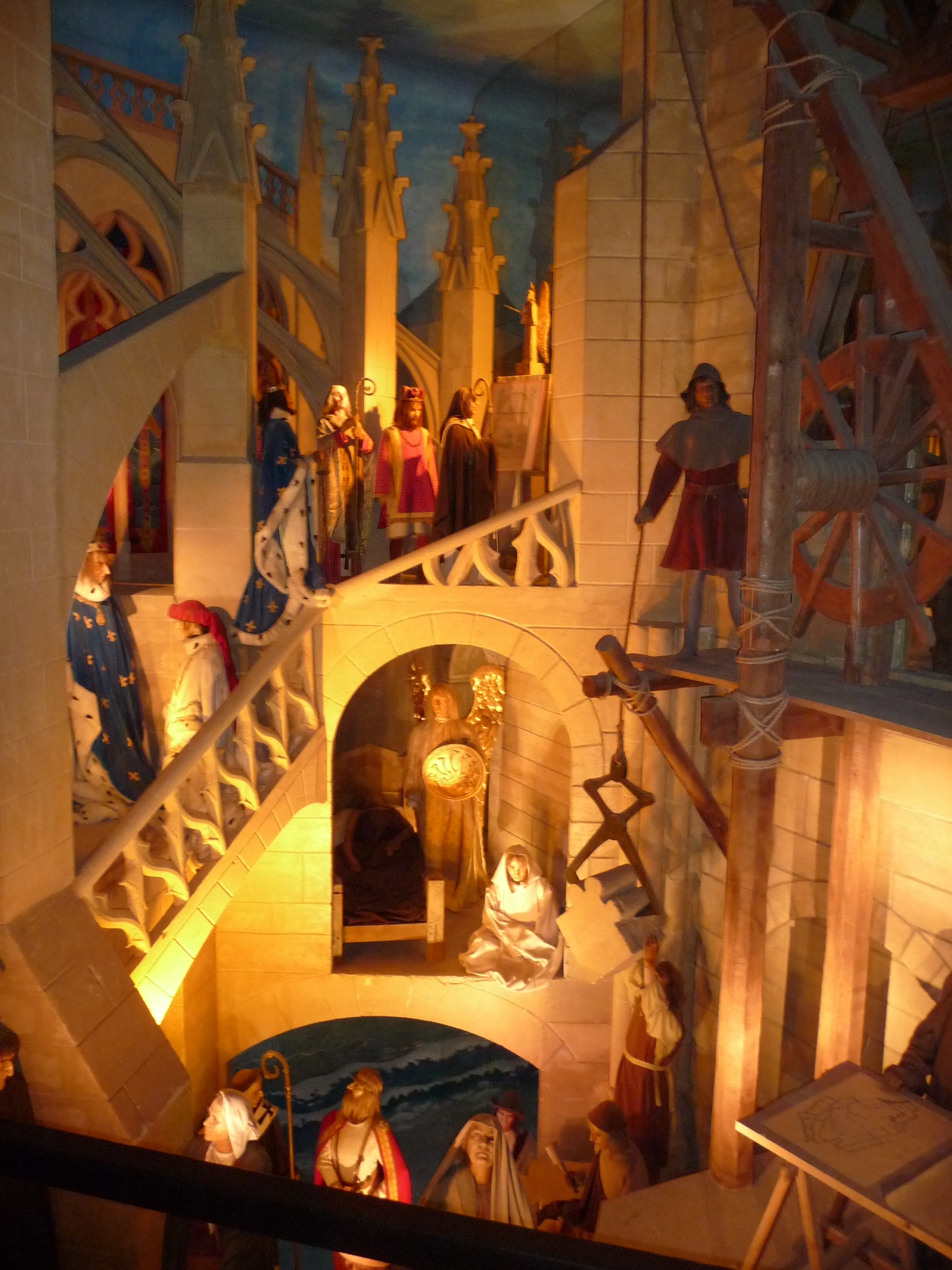
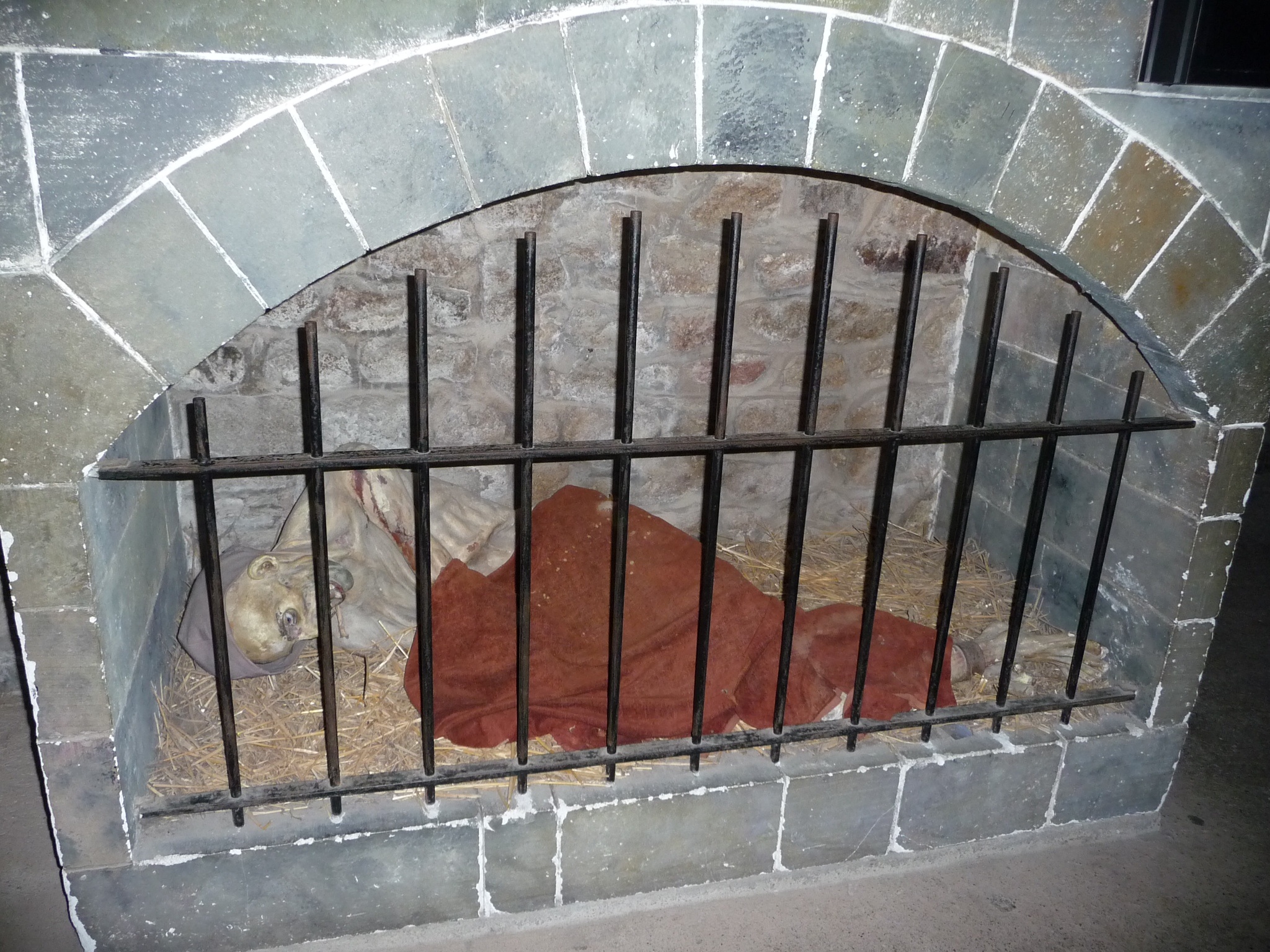
From the home I visited the historical museum and dungeons, which contained wax figures depicting life within the abbey and its surrounds. There were 600 prisoners detained in the abbey until Bonaparte put an end to it being a prison in 1863 in response to public pressure. There was a display of a fellow who was being starved to death for speaking out against the rulers of the day – note to those of you who’ve done a night or two for the privilege of protesting!
The Abbey was certainly a popular tourist destination – it was a 45 minute wait to get a ticket but well worth it.
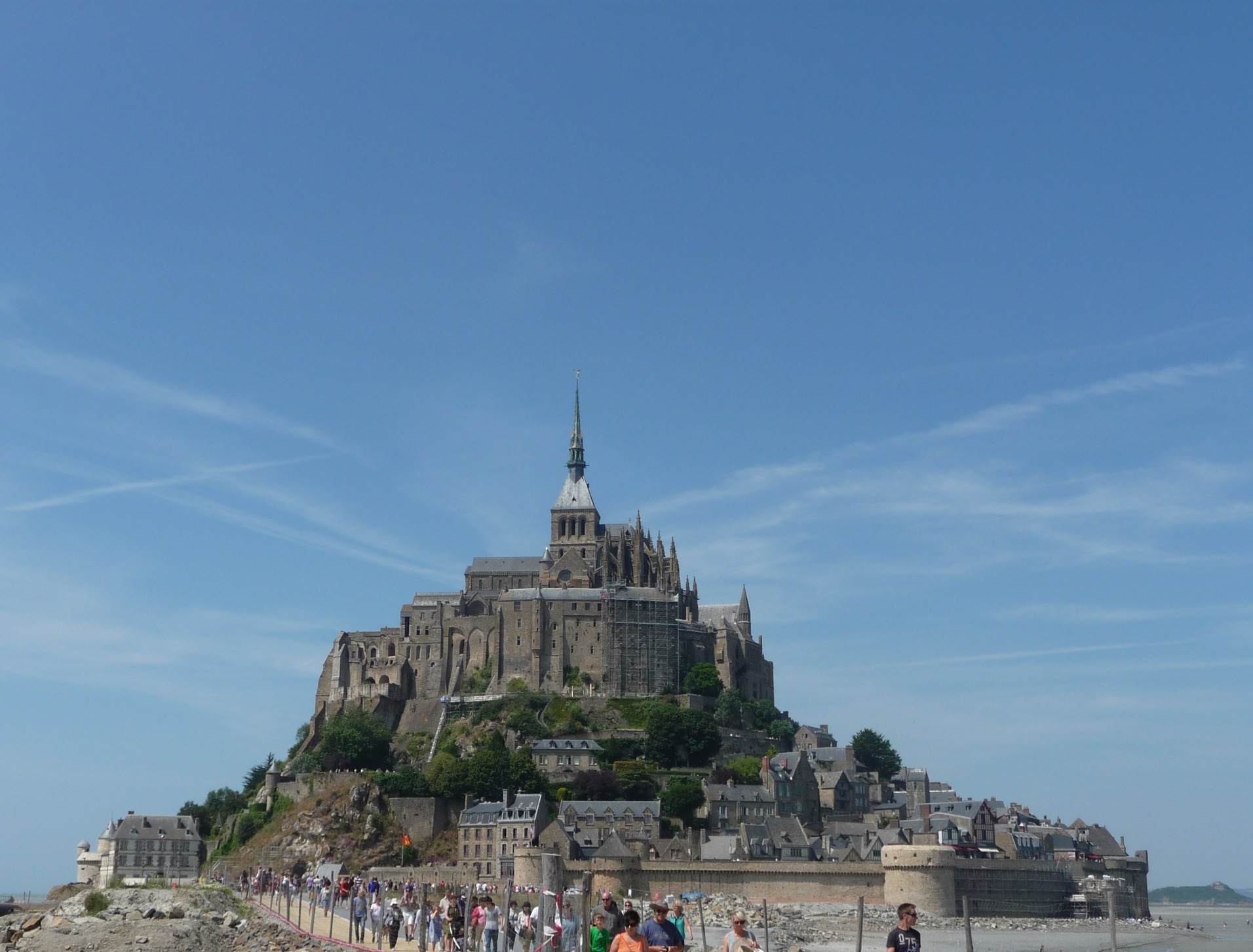
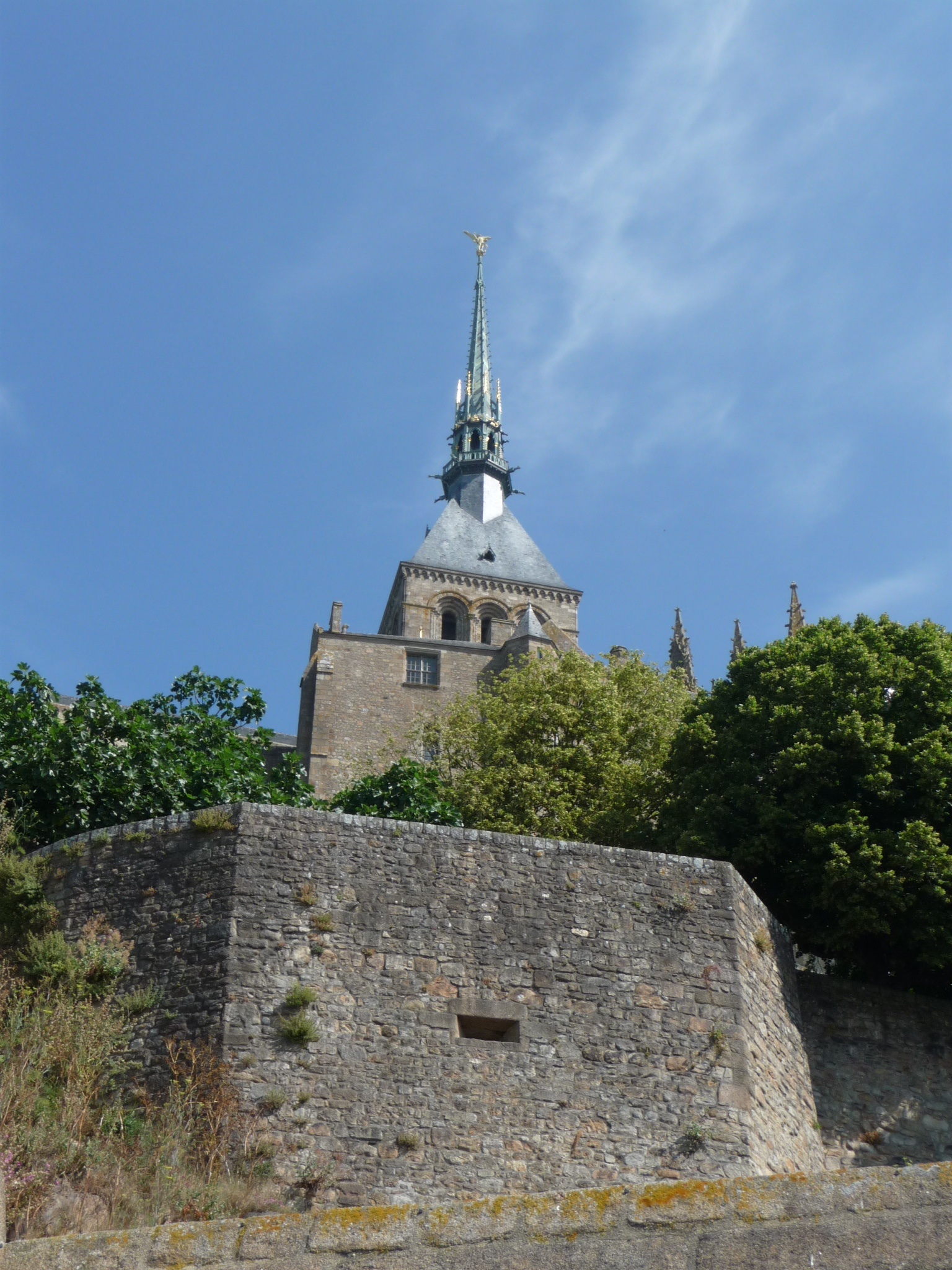
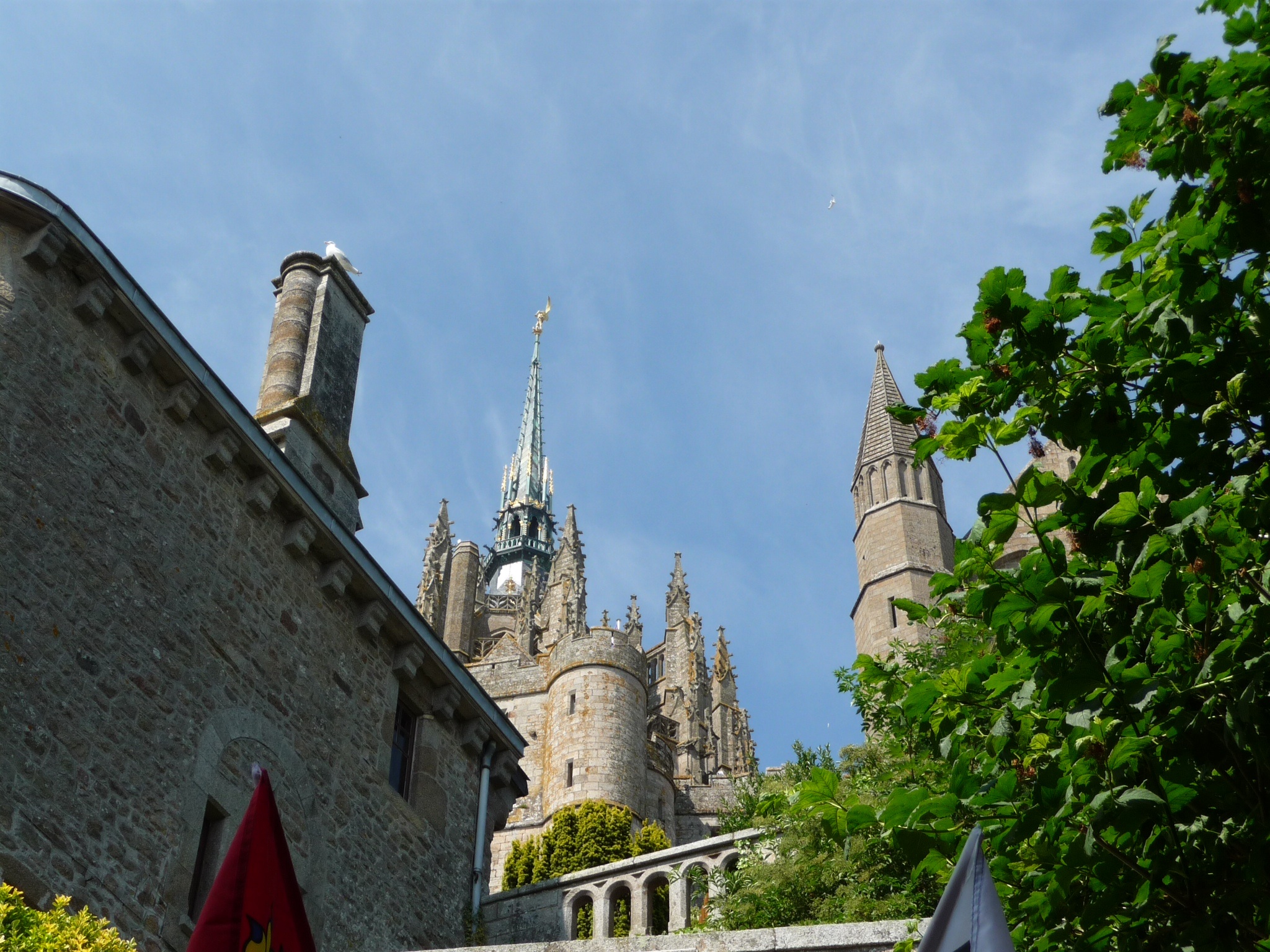
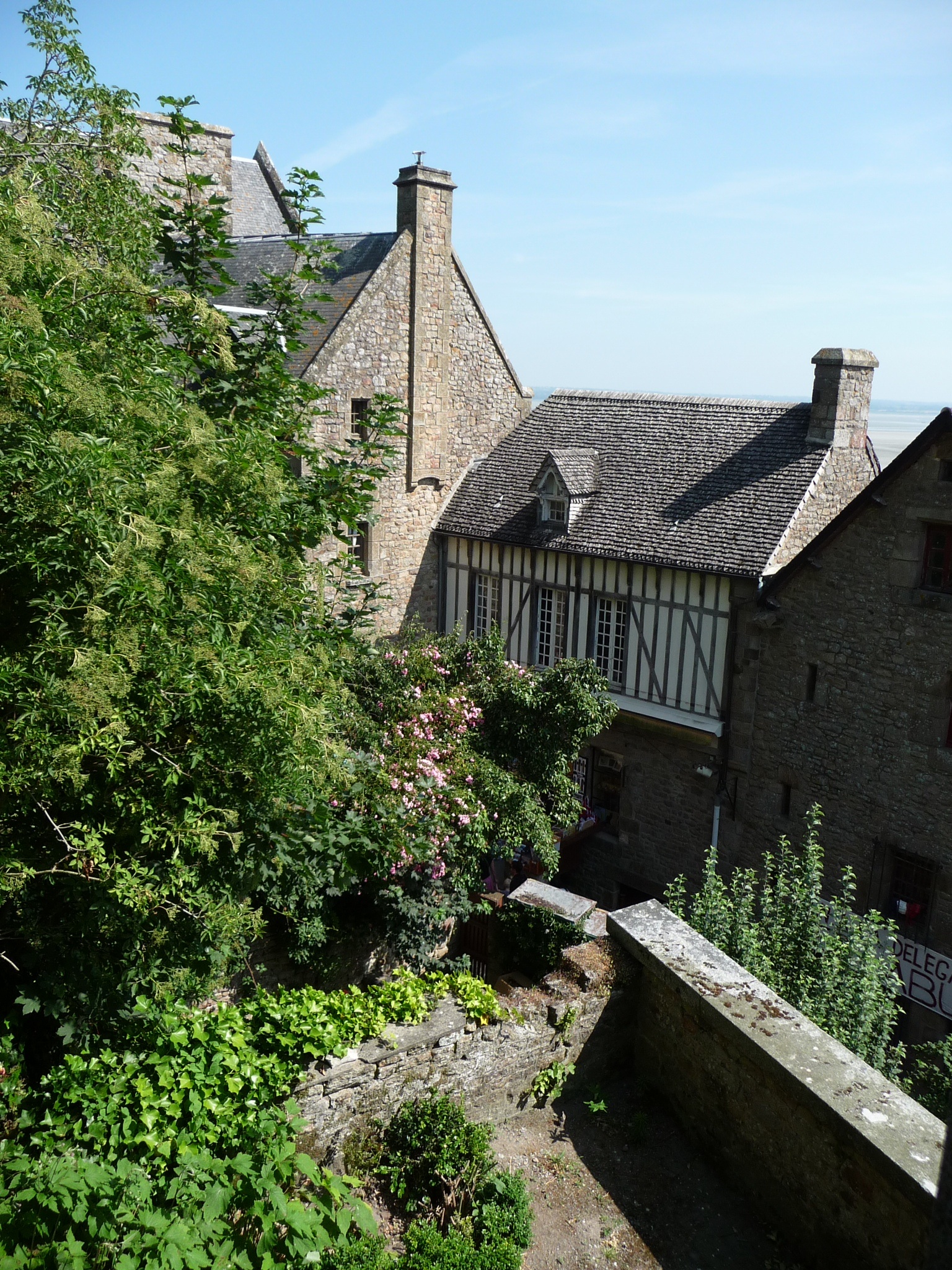
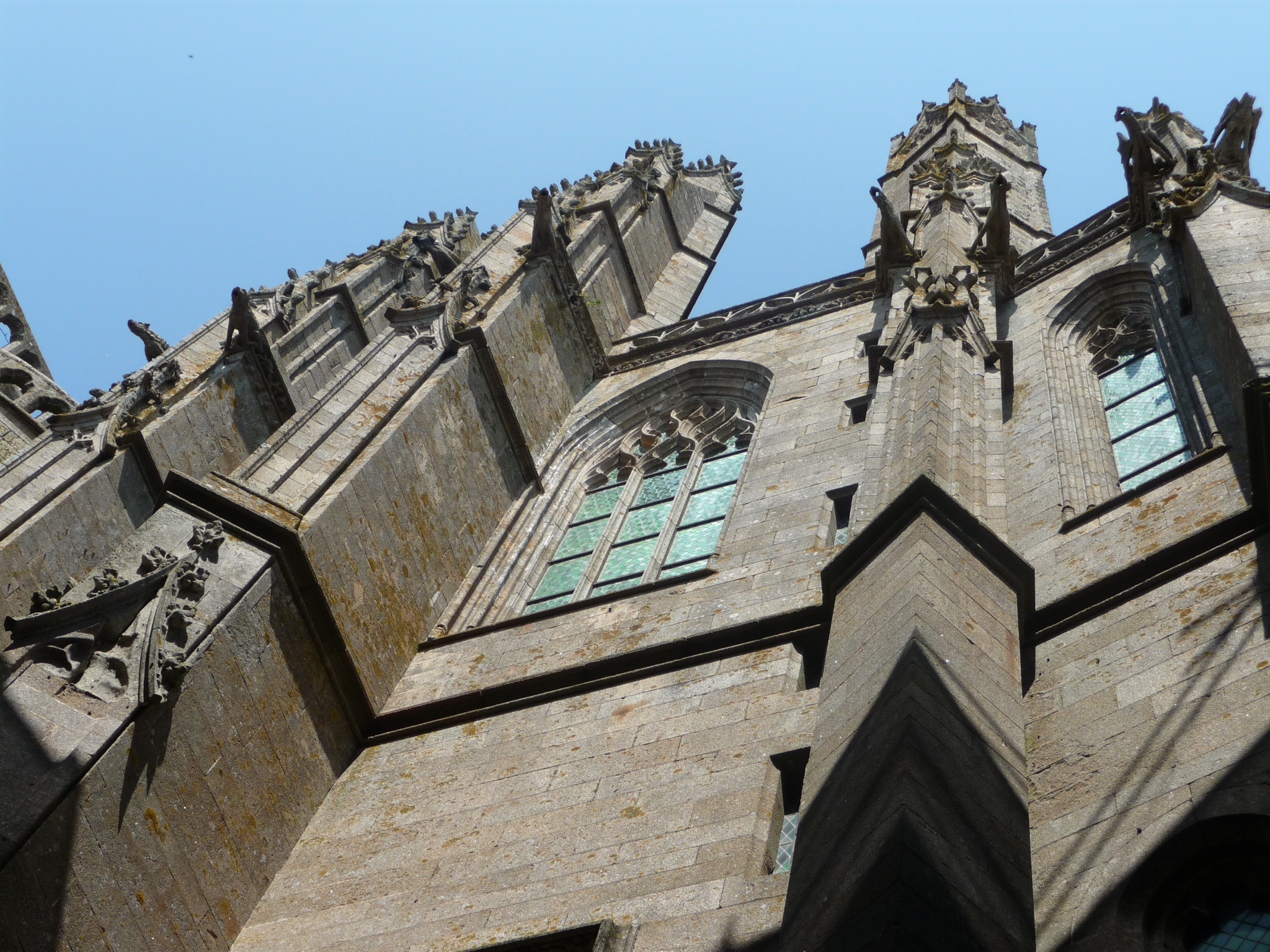
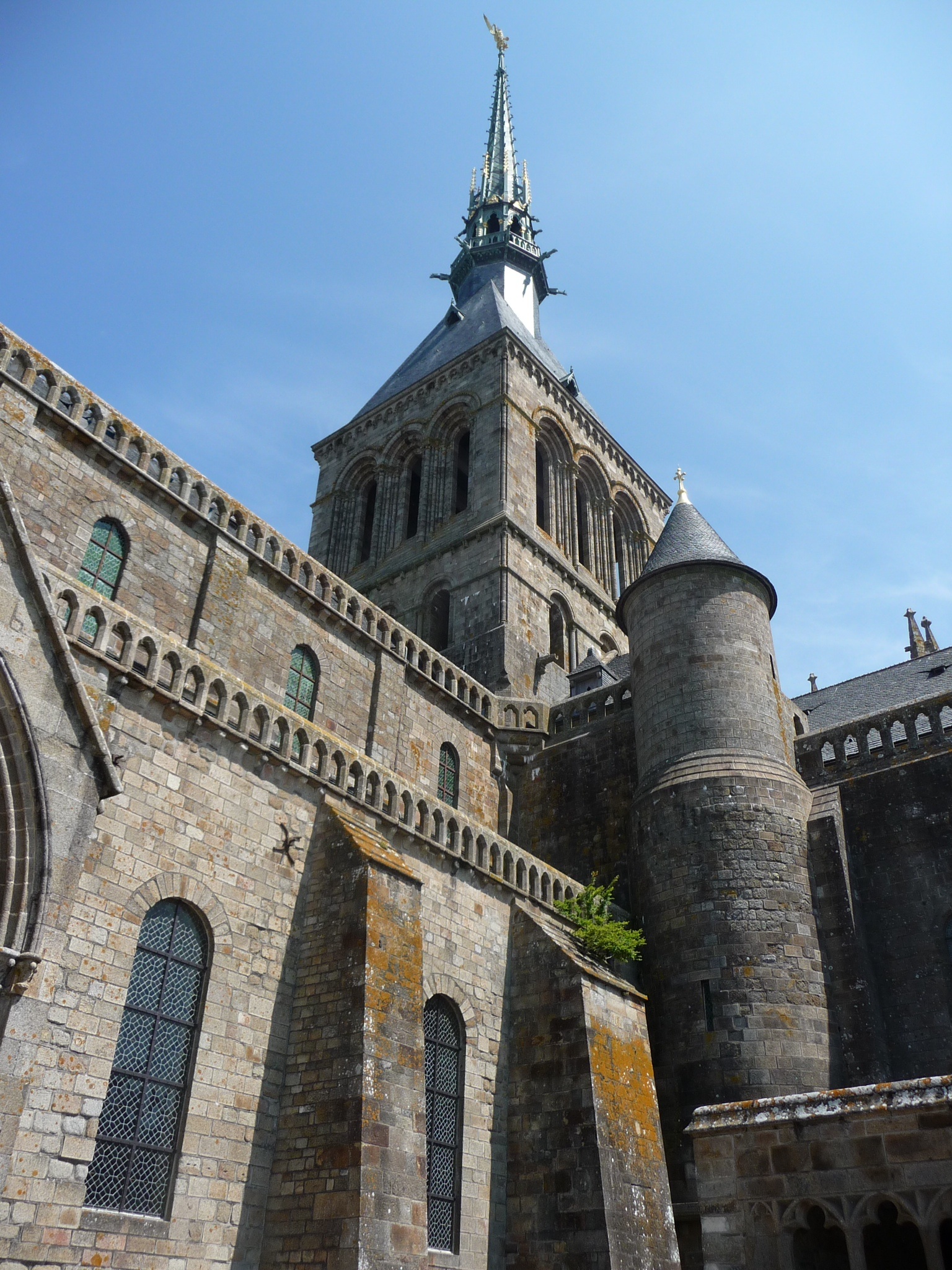
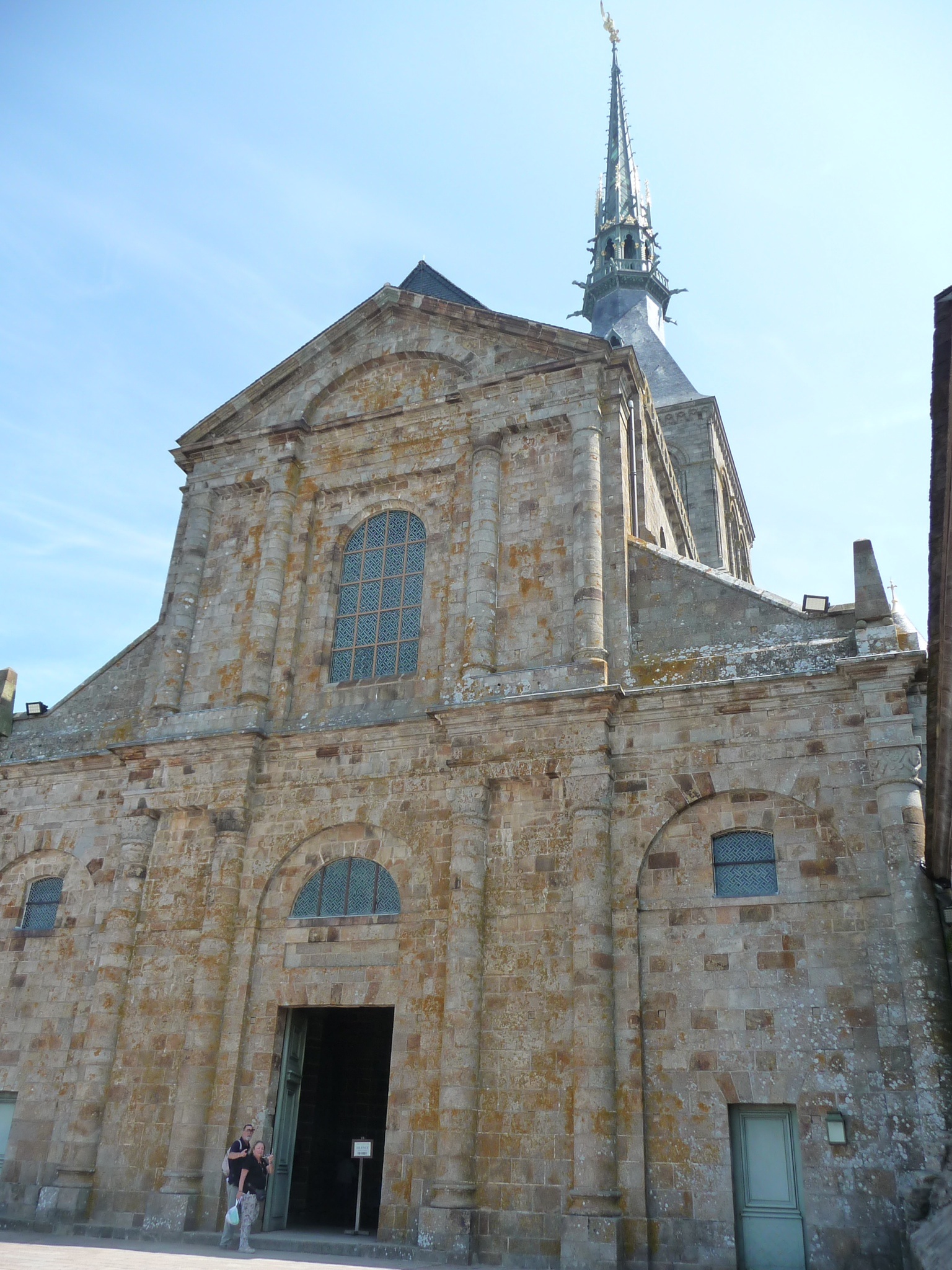
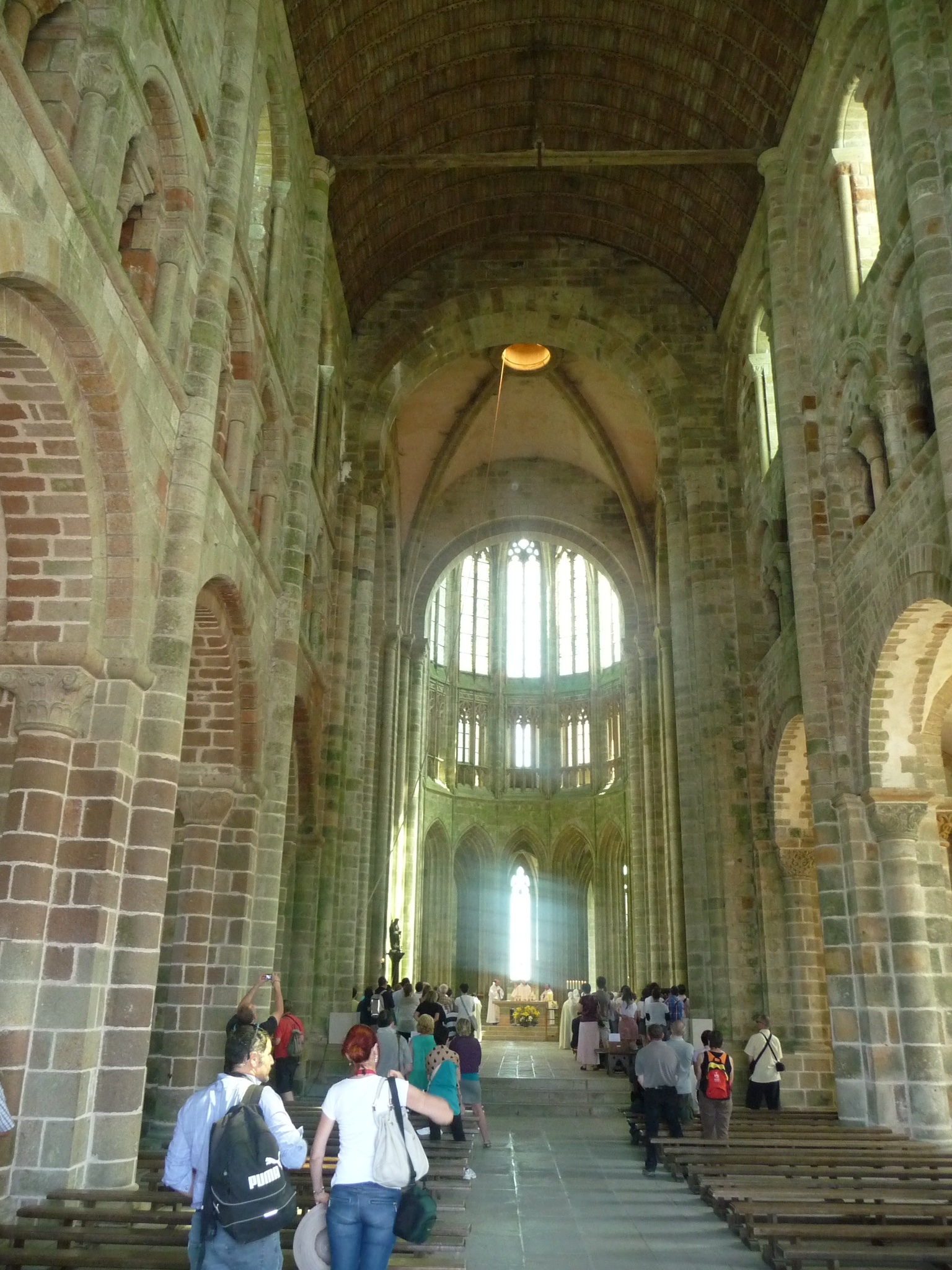
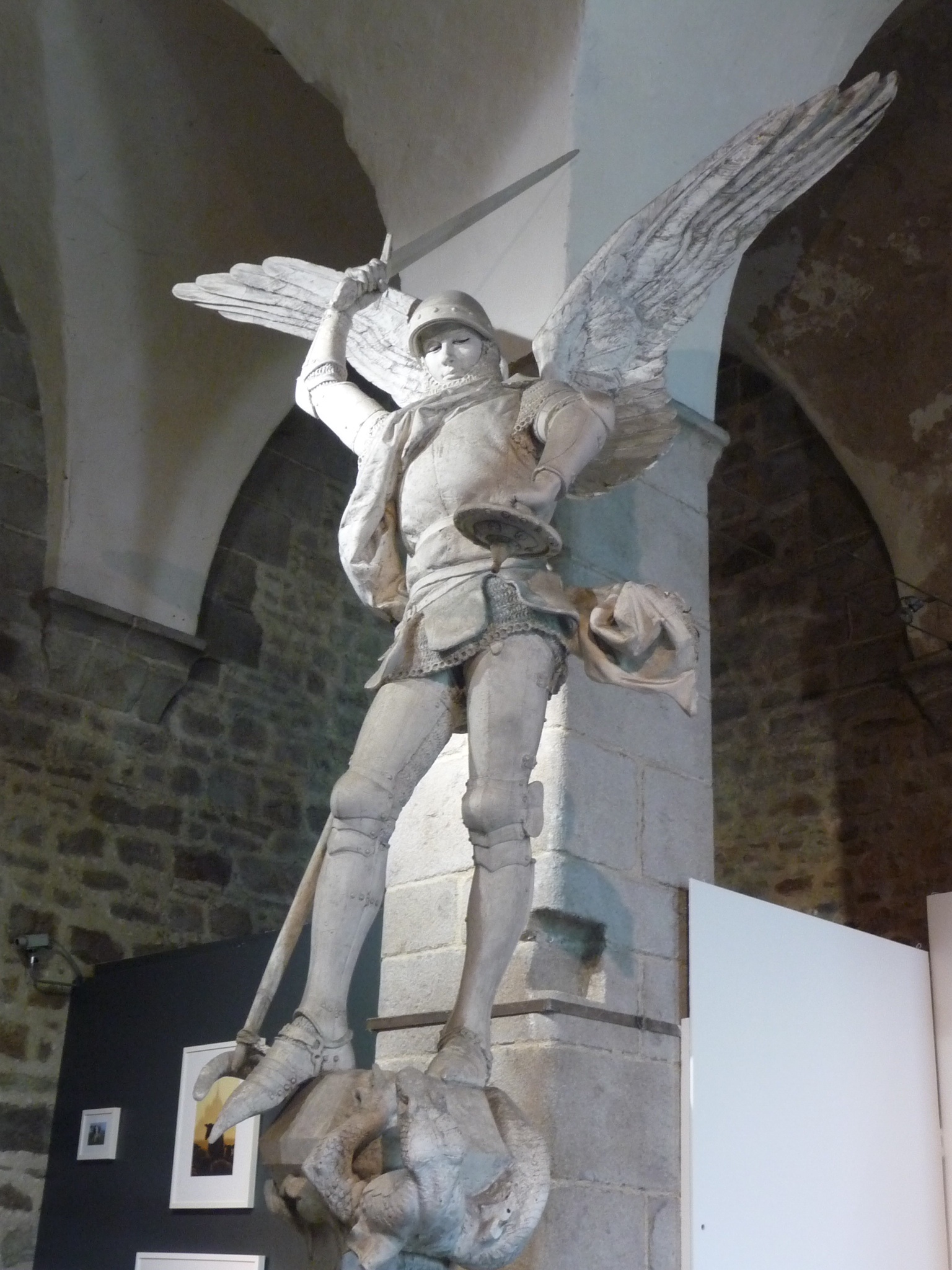
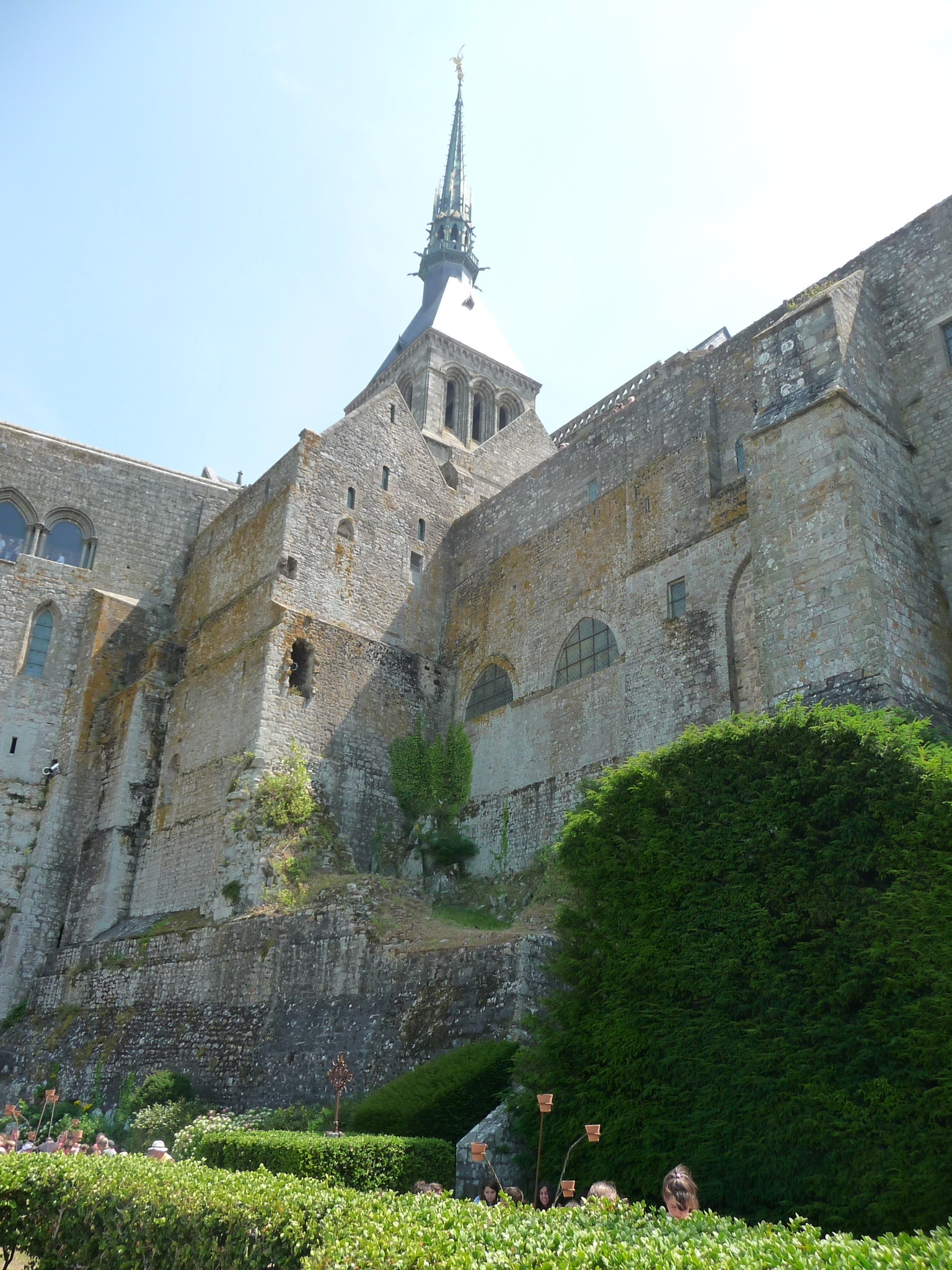
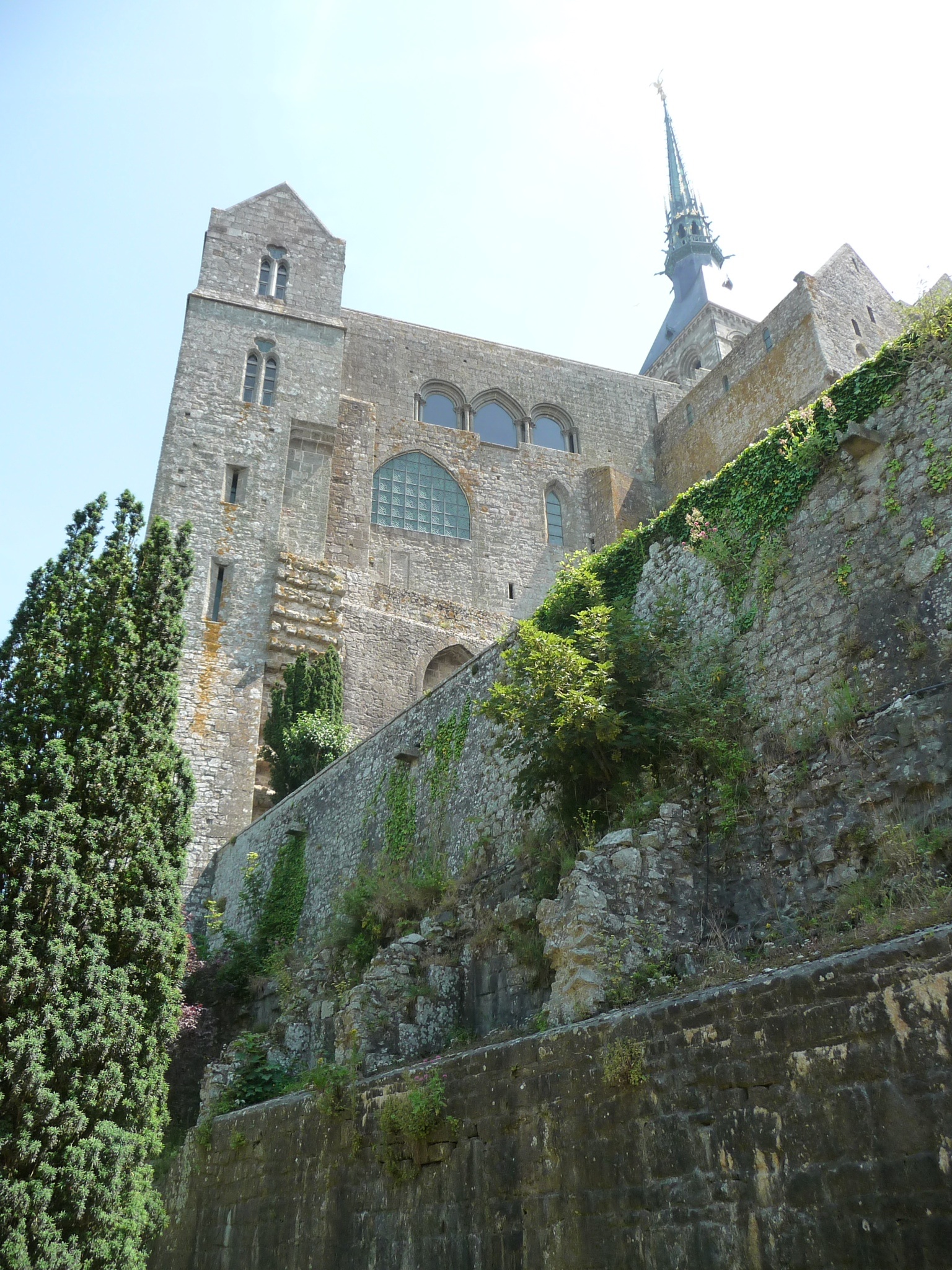
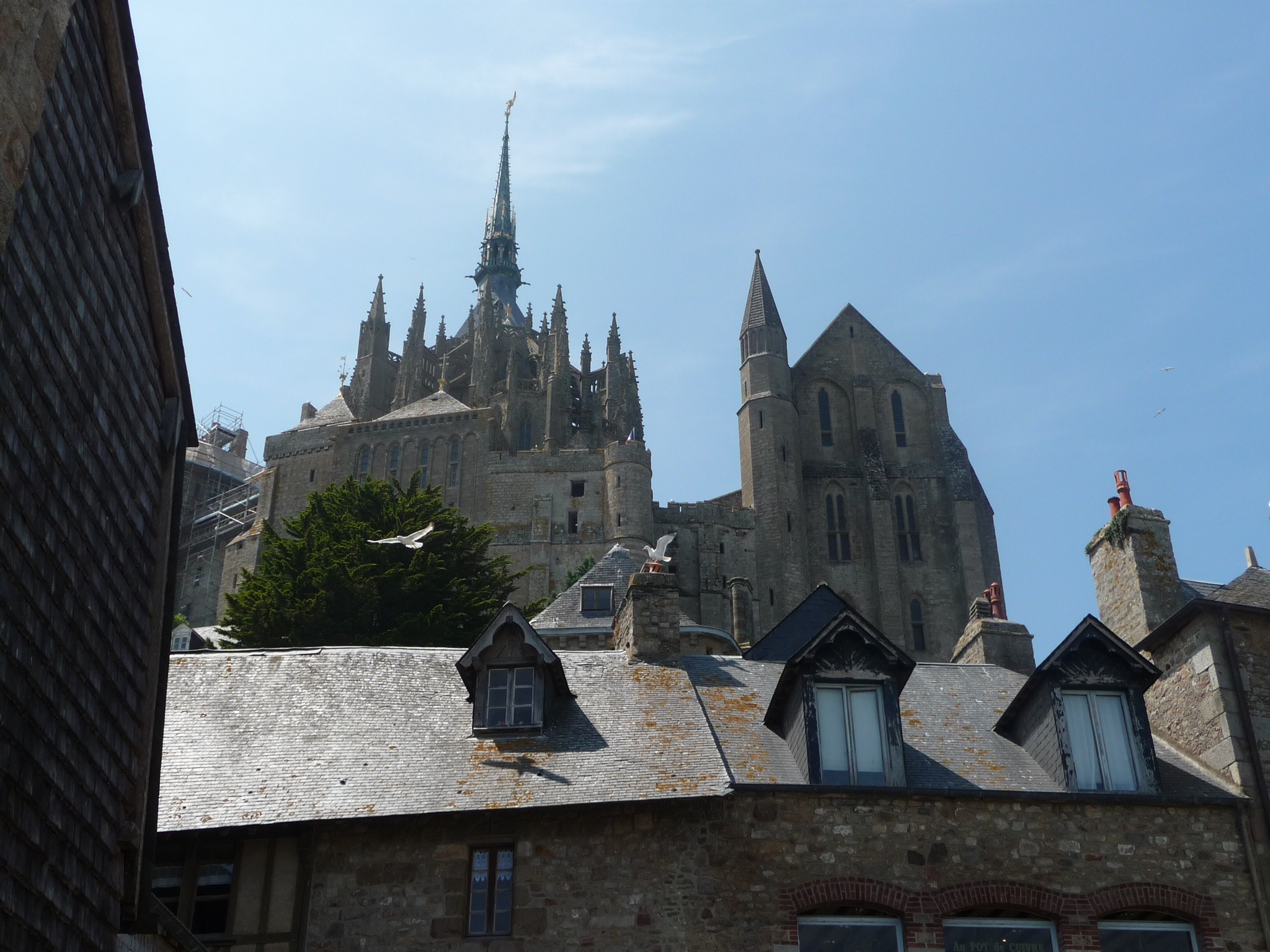
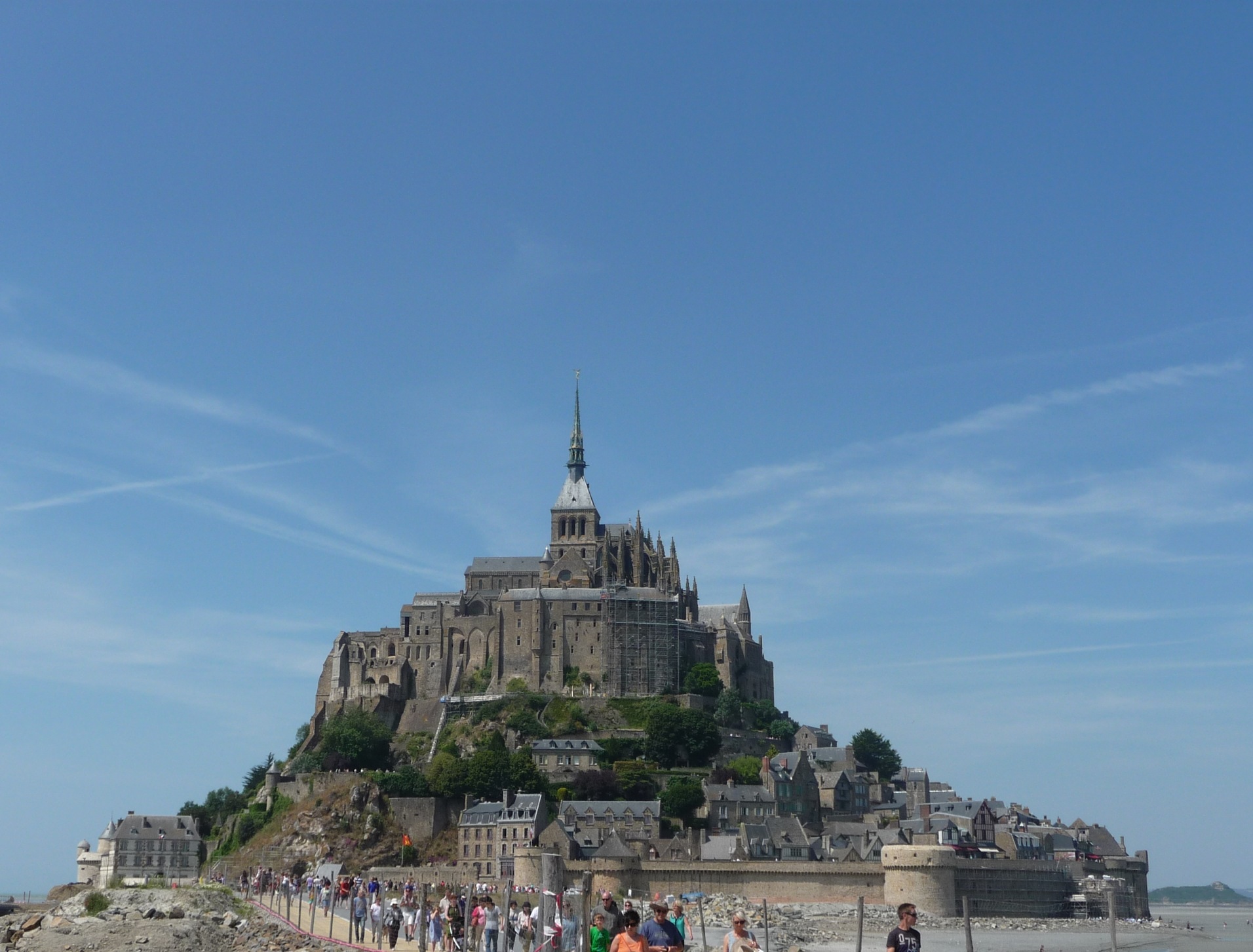
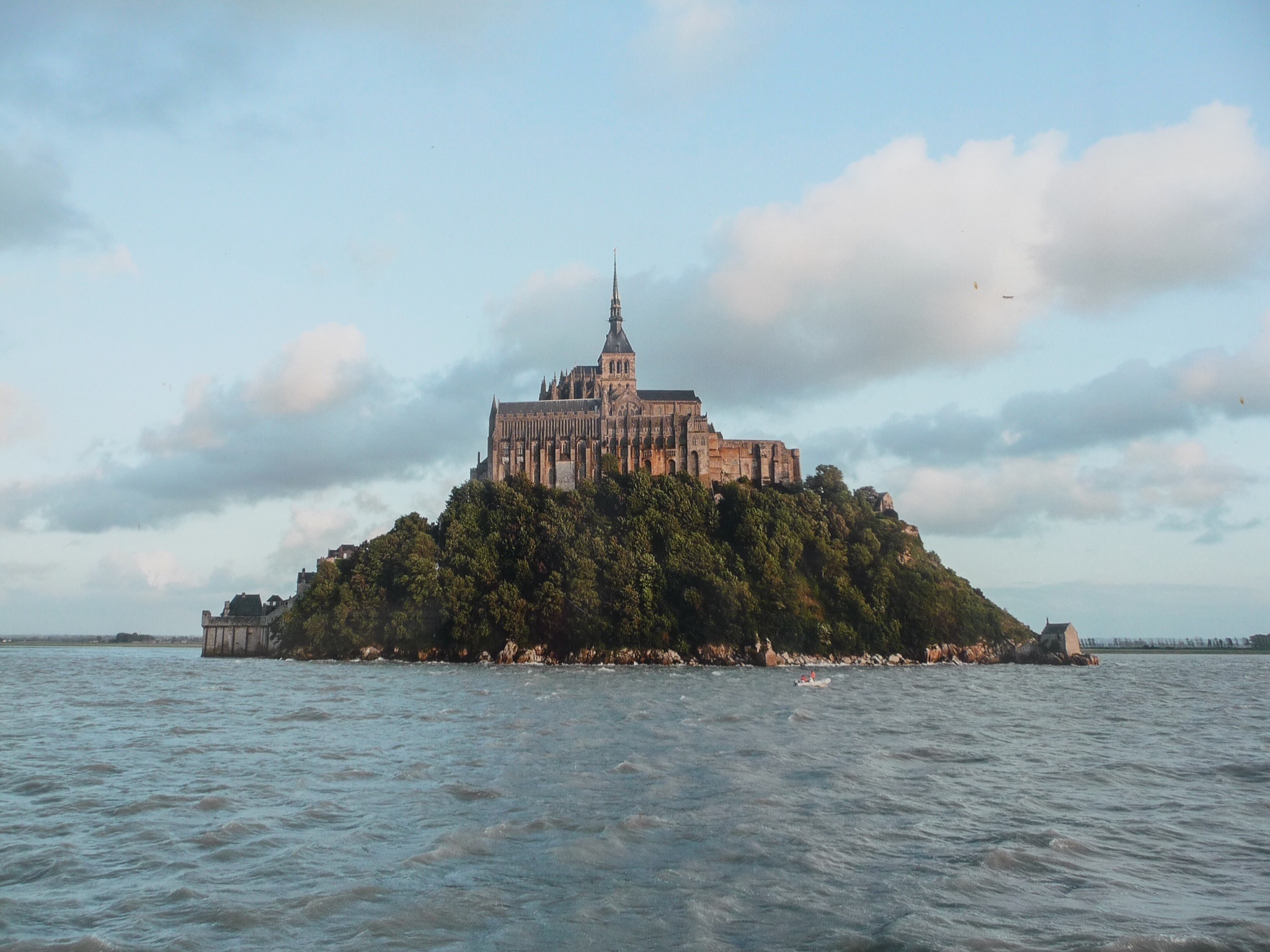
The Abbey was listed as a UNESCO world heritage site in 1979.  It had been constructed in different stages, commencing in 708, on Mont Tomb in honour of the archangel, Saint Michael. The Benedictine monks had settled in the Abbey in the 10th century and the village grew around it. It had been an impregnable fortress during the various assaults by the English and is a mixture of Romanesque and Gothic architecture as a result of it progressive construction over centuries.
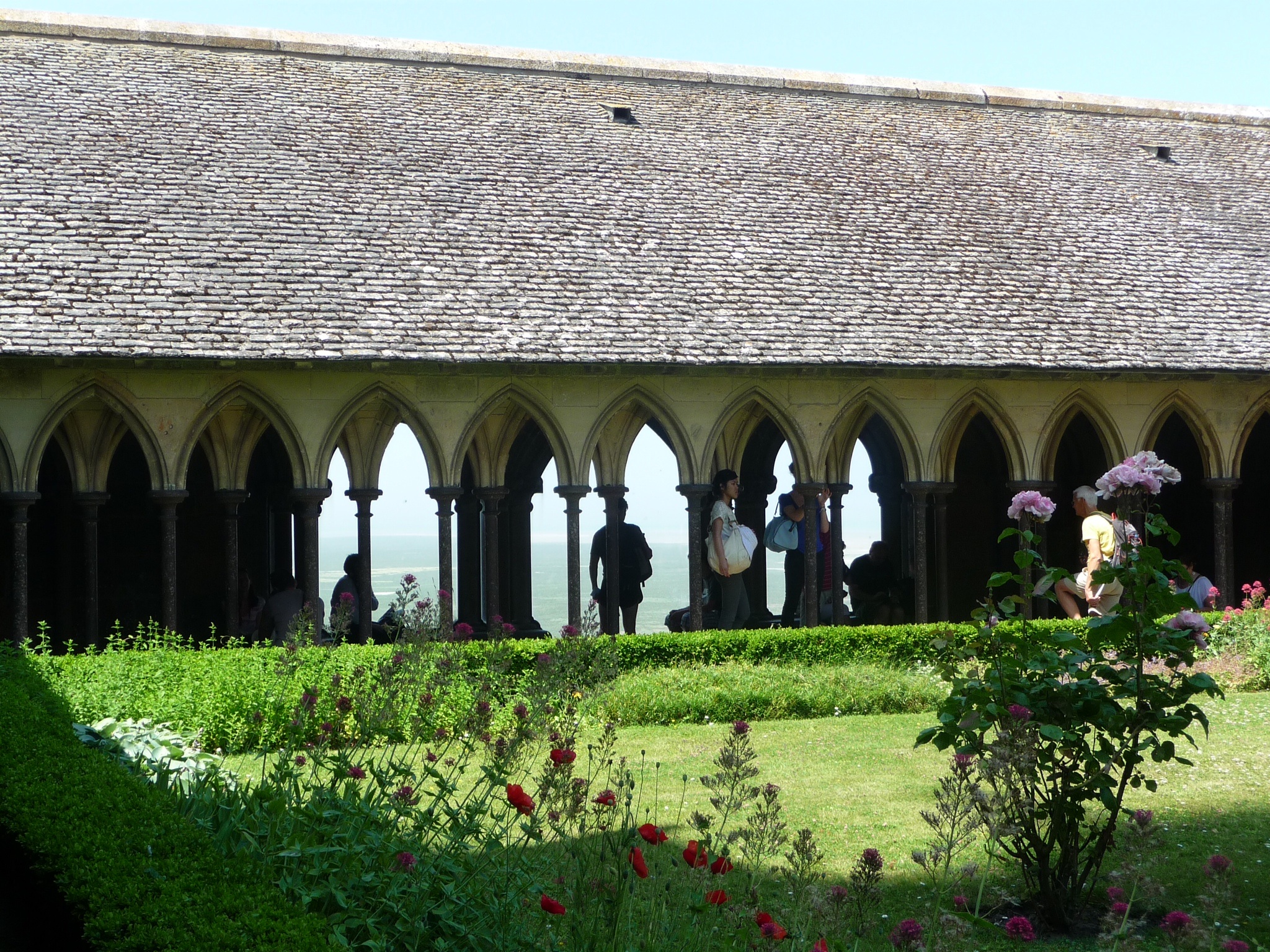
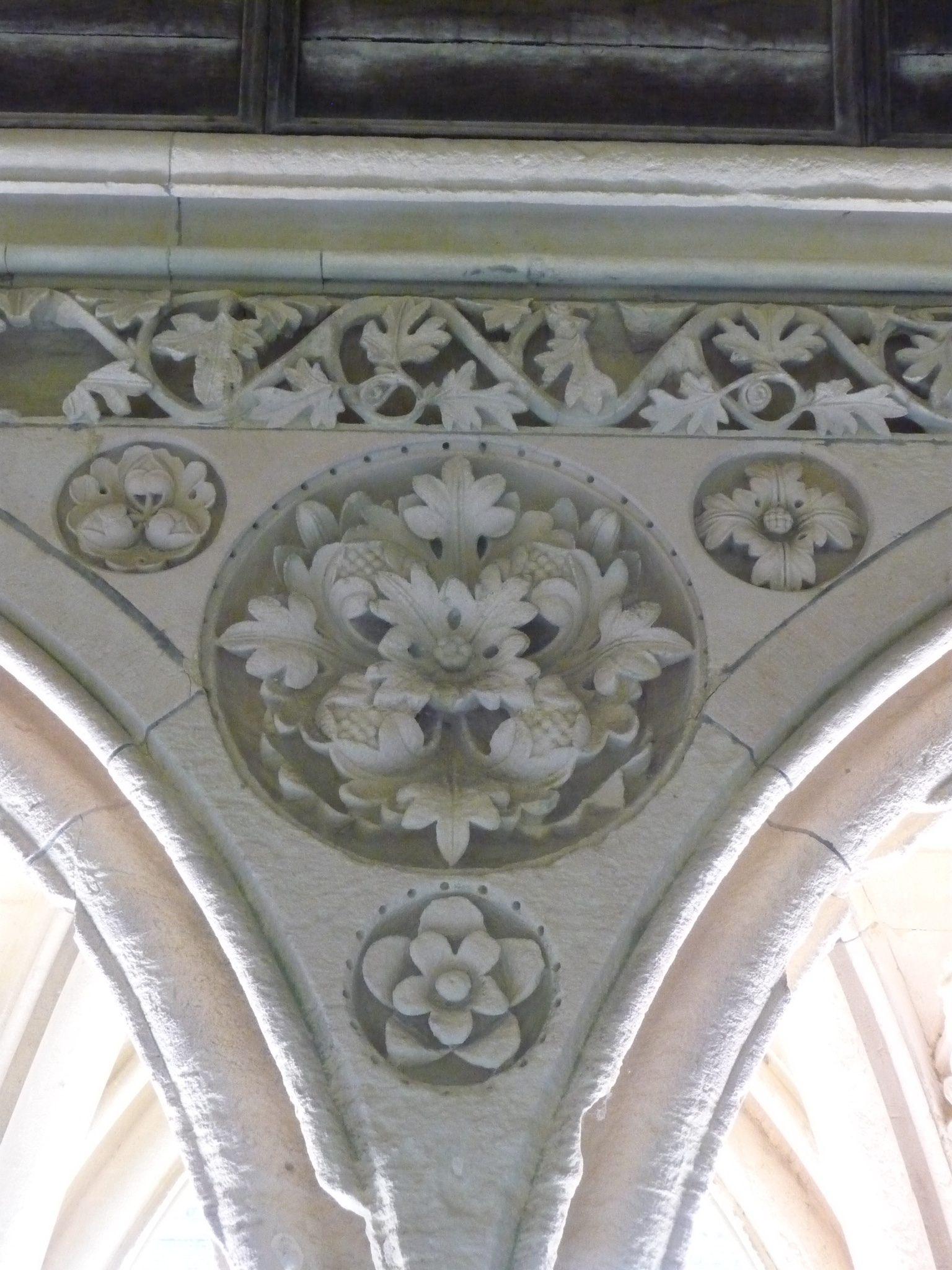
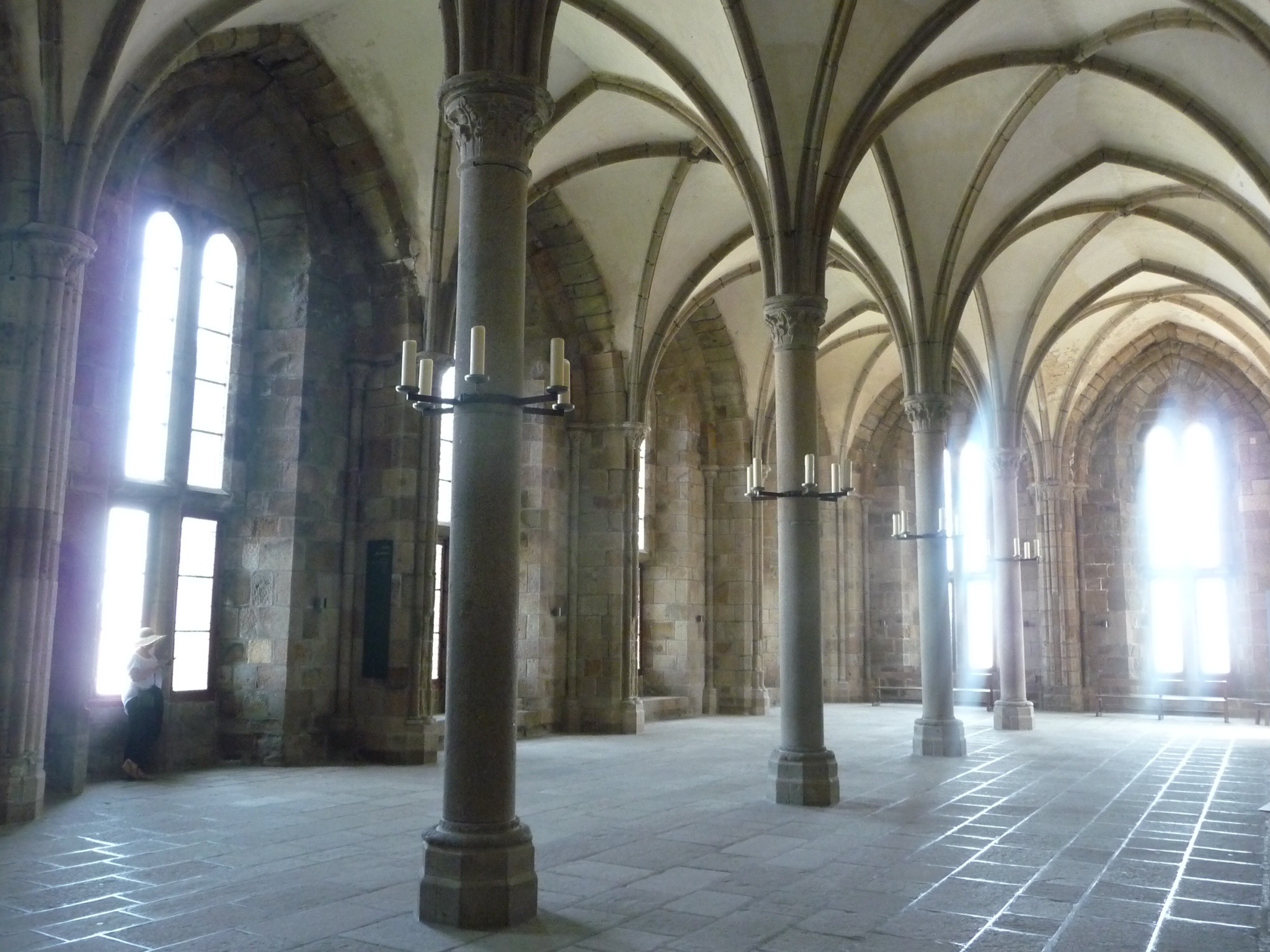
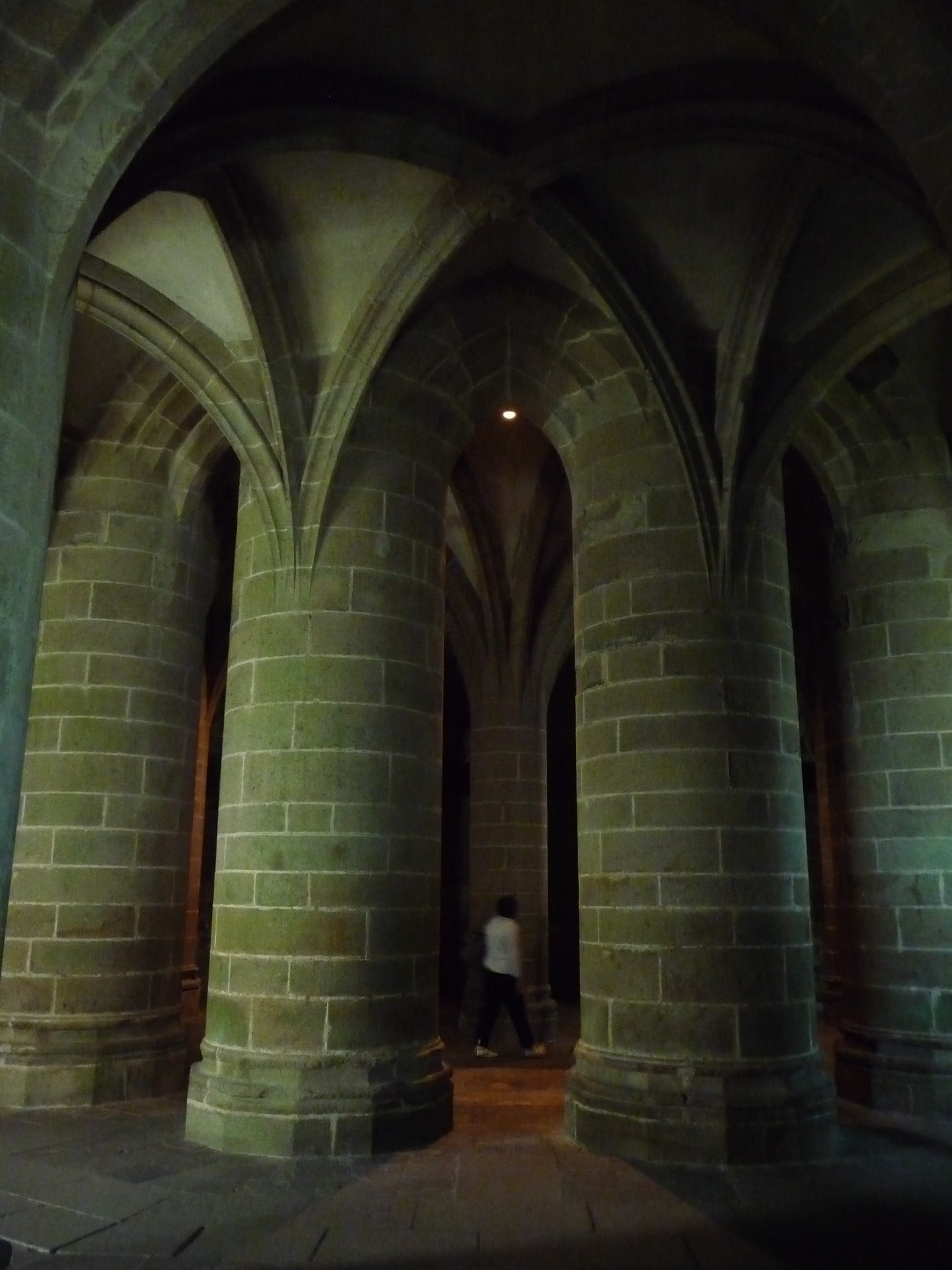
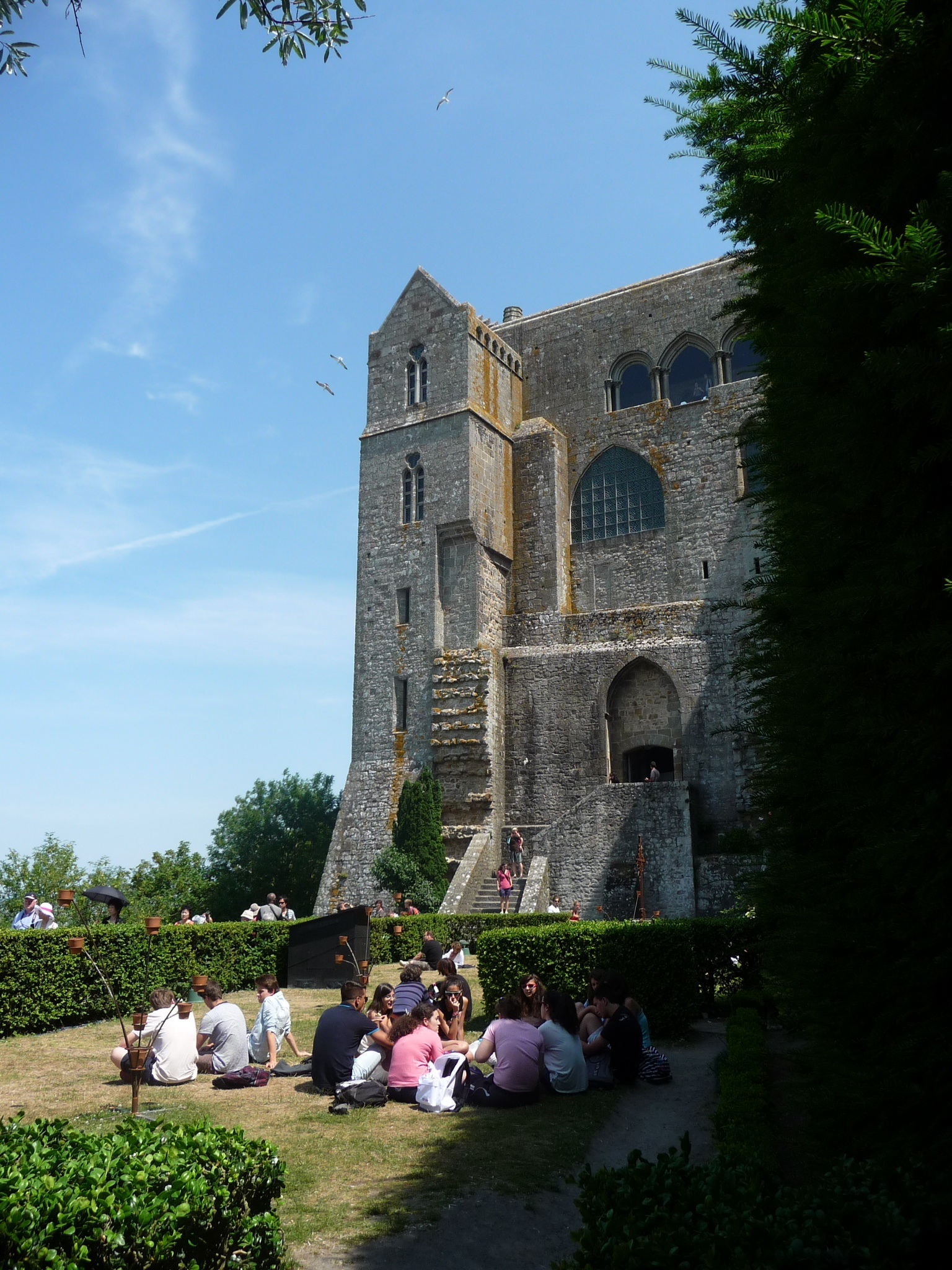
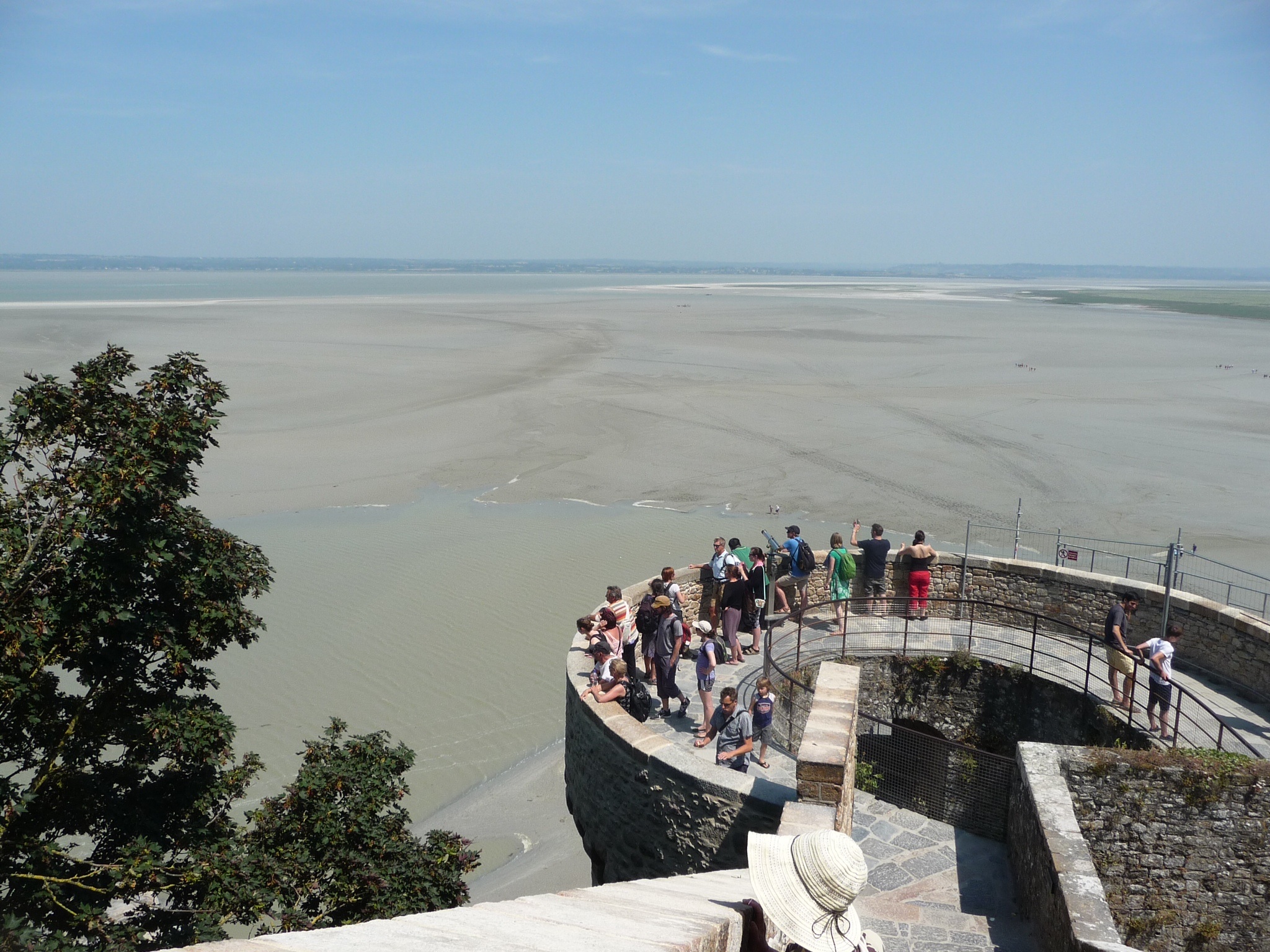
The cloisters of the Abbey were lovely with their views over the bay and the scale of the columns used in the crypts to support the various areas above were very impressive.
I enjoyed my lunch in one of the gardens before following the ramparts to visit the maritime museum and then to meet up with Barbara for our journey home.
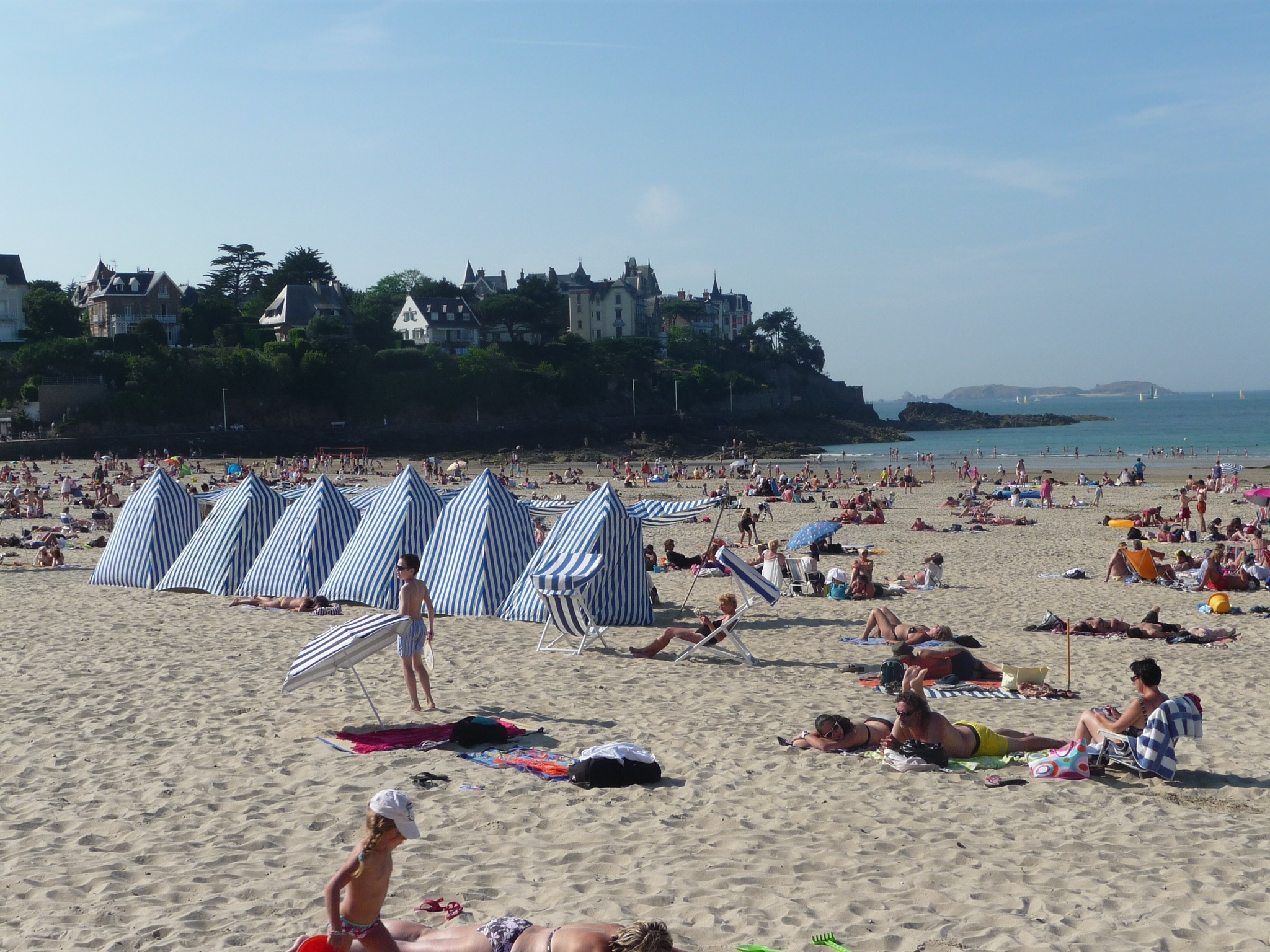
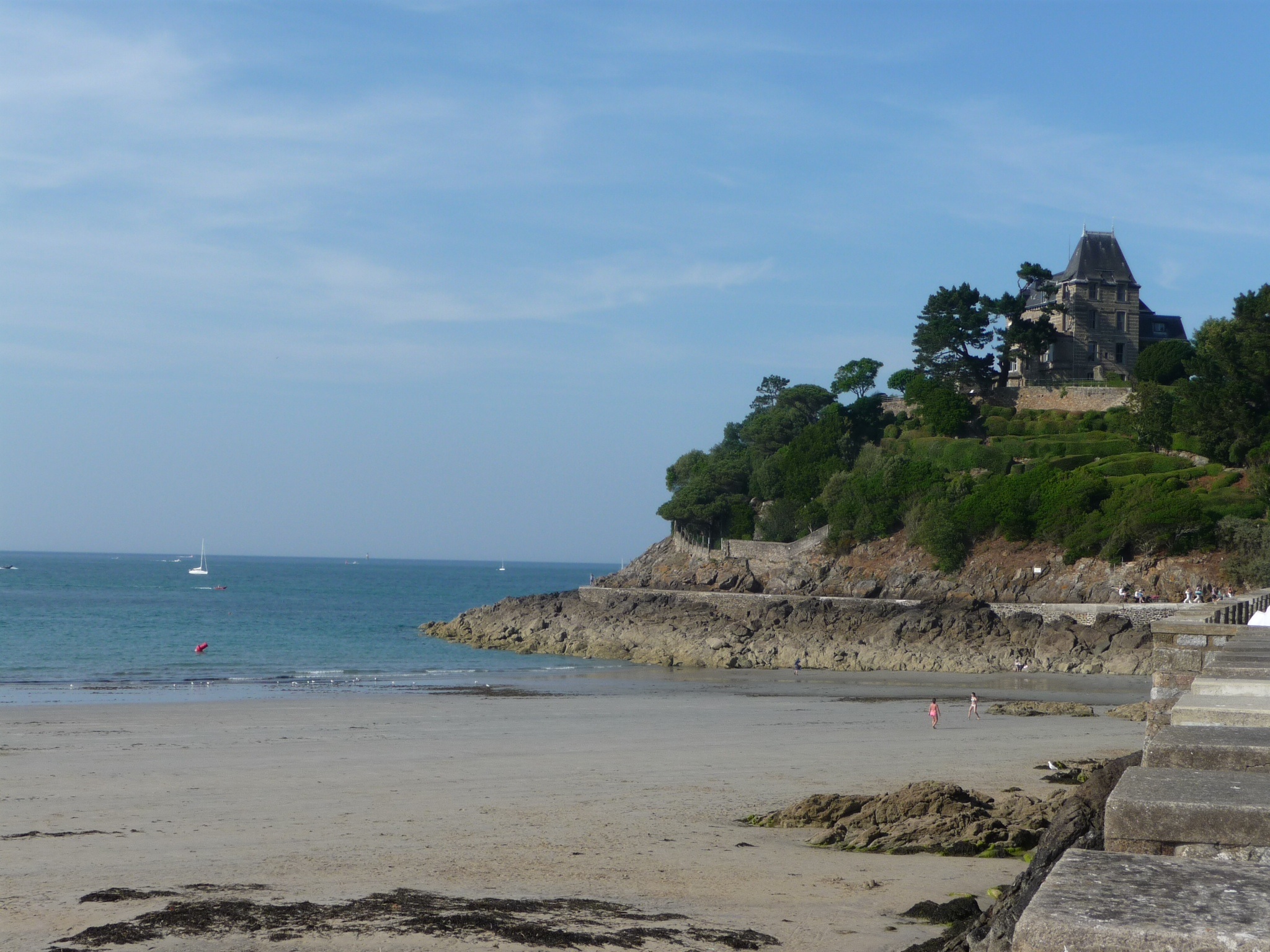
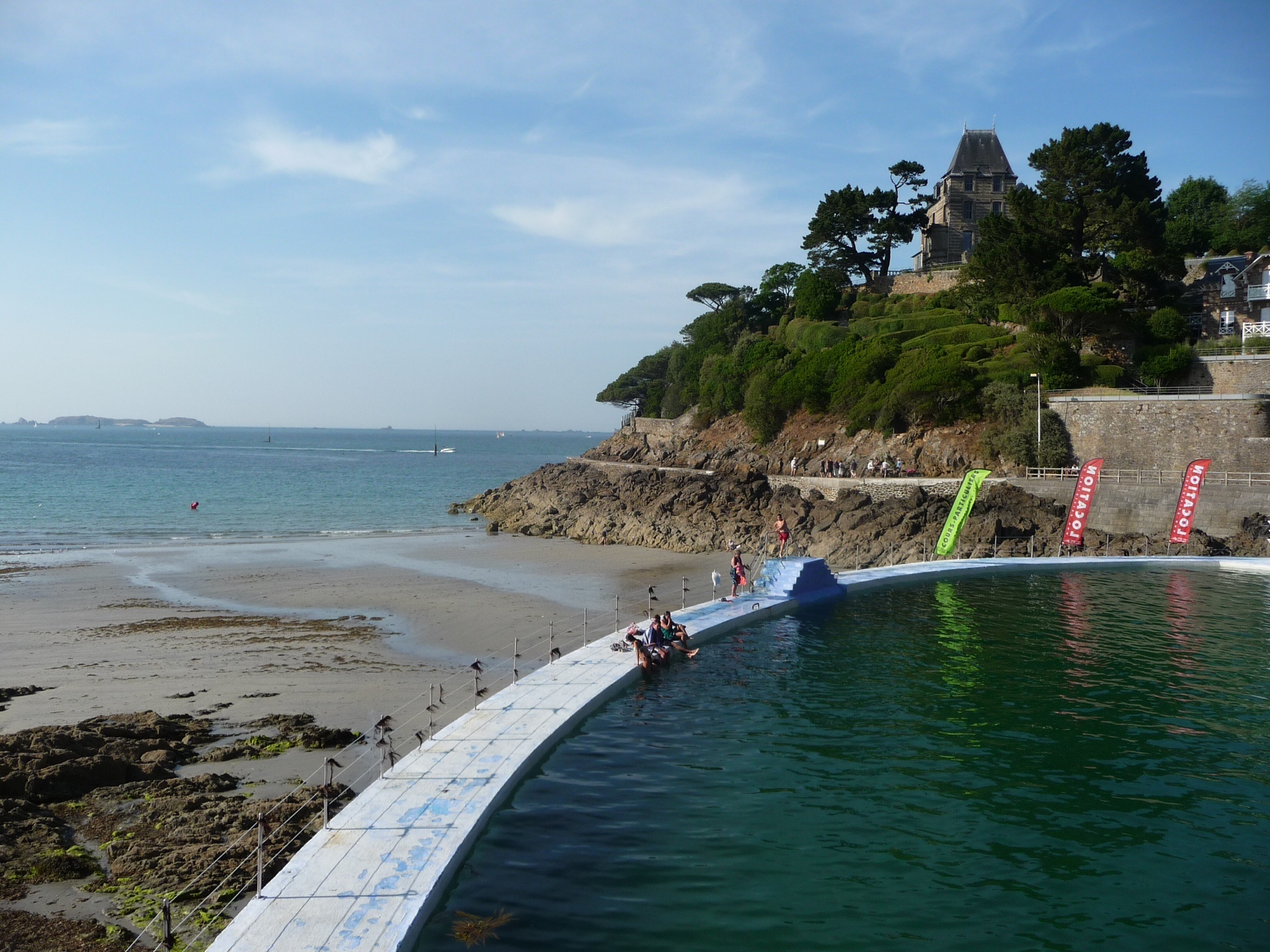
With plenty of light left I decided to visit Dinard by bateau bus (bay taxi) from Saint-Malo. The town was established by the English in the 18th century. I enjoyed a stroll down the Clare de Lune Promenade, picturing how Picasso had captured these beach scenes in his paintings – particularly the striped beach tents.
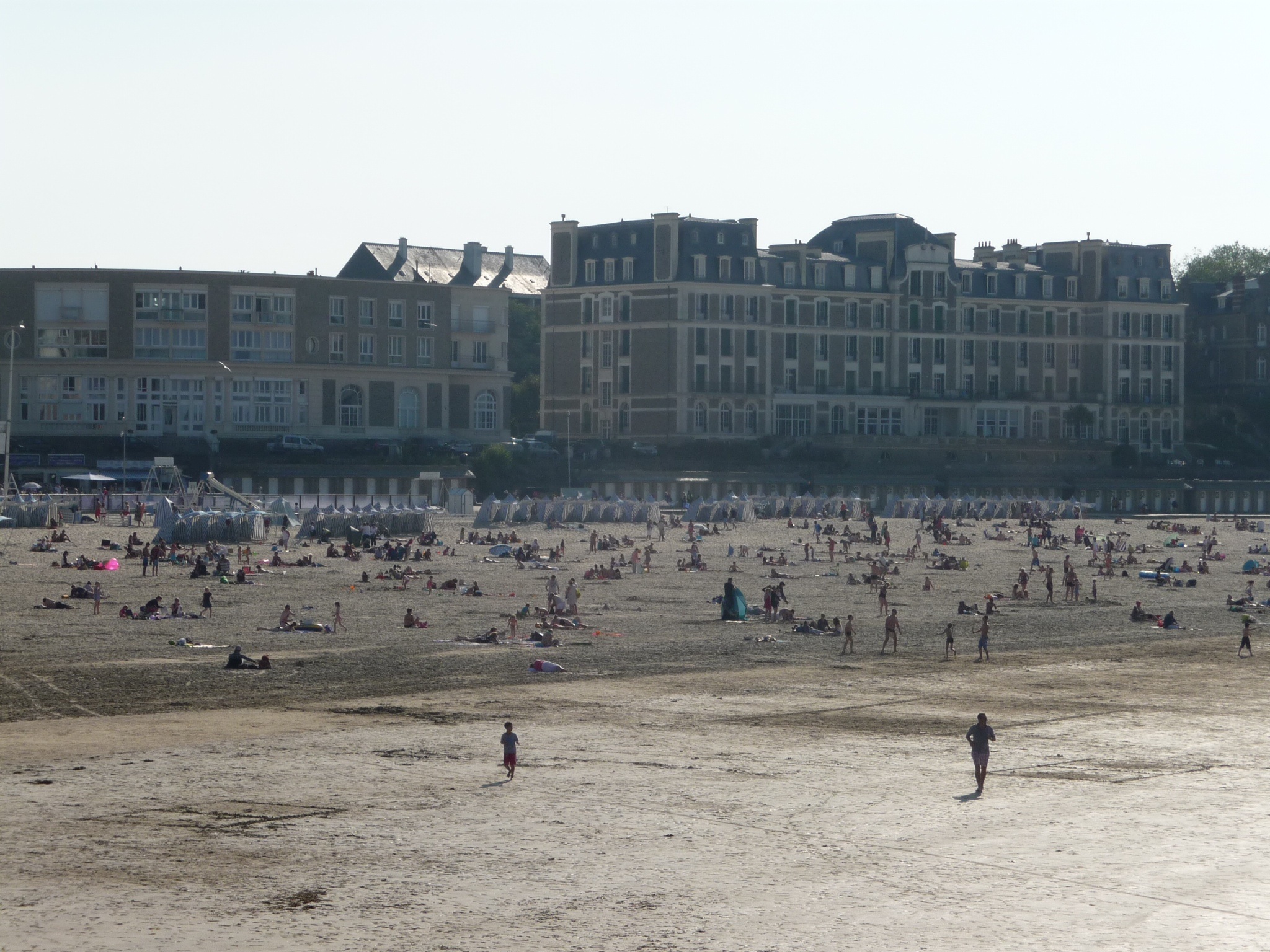
It was 7:30pm and there was no sign of the beach becoming deserted any time soon; in fact it seemed to be filling more in the time I was there. The stretch of beach between the water and line of beach tents clearly illustrated the big tides that are experienced here on the Brittany beaches.
While making my dinner I enjoyed a chat with Steve, from England, and Laura. Laura had recently had her iPhone and wallet stolen so we were onto travel stories. Close theft encounters on buses led us to crazy bus driver stories. Steve relayed his bus experiences in Peru – three accidents in the space of seven days; reaching the point that he couldn’t sleep on buses anymore; I wasn’t surprised but grateful that none of mine had crashed.
I was leaving the next morning bound for Amsterdam. I’d had a lovely short break in France, meeting some lovely people along the way. Brittany had ended up having more areas of interest than I had realised and I had only touched the surface.
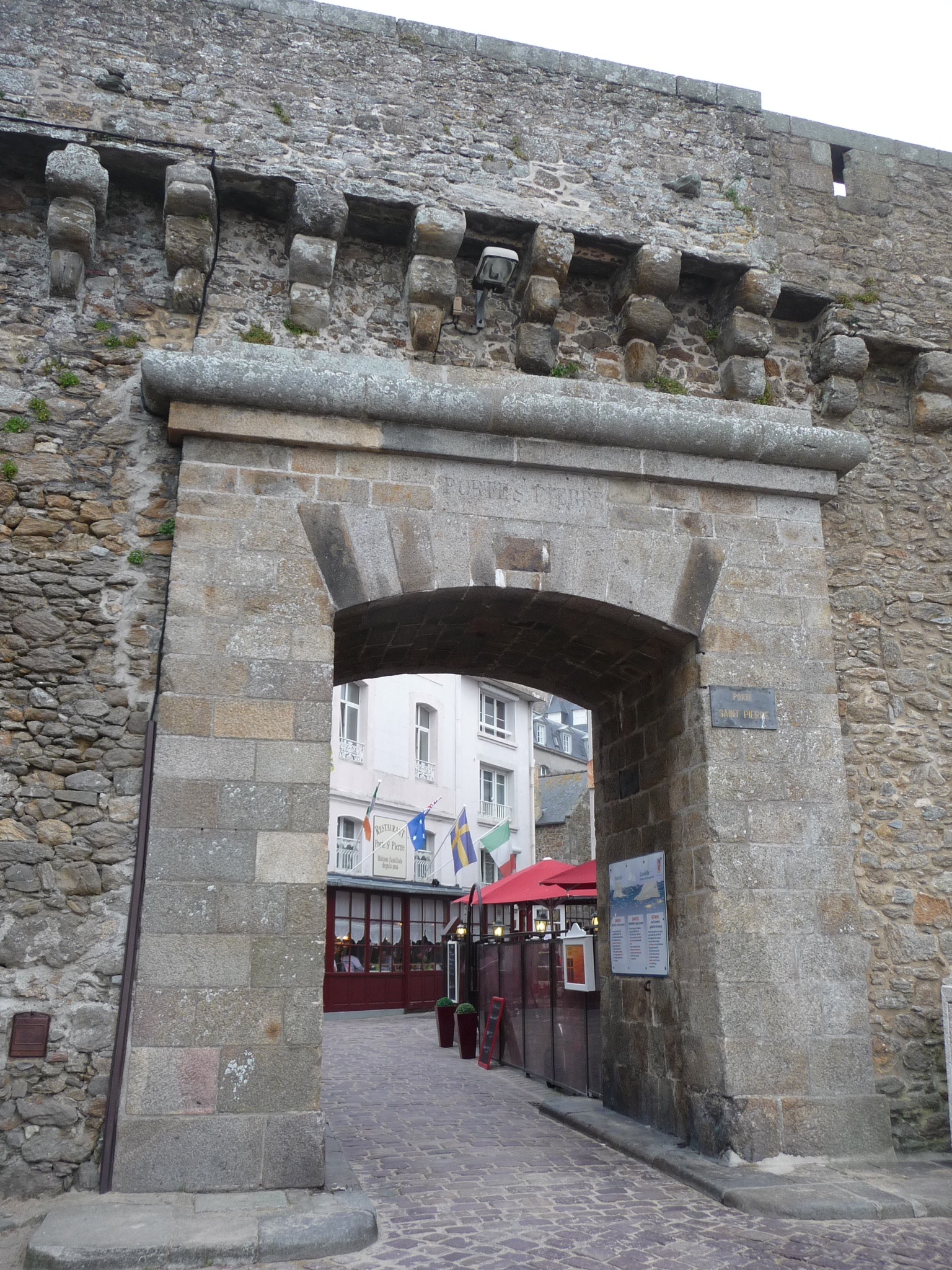
The gates to the old walled city of Saint-Malo

The gates to the old walled city of Saint-Malo

The fort peeping through the fog

The fort peeping through the fog

image

image

Looking back to Saint-Malo

Looking back to Saint-Malo

image

image

image

image

image

image

image

image

Privateers - sanctioned pirates helping to protect the city during assaults by the English

Privateers – sanctioned pirates helping to protect the city during assaults by the English

The Black Pearl?  Johnny, Johnny??

The Black Pearl? Johnny, Johnny??

image

image

image

image

image

image

image

Dinan

Dinan

image

image

image

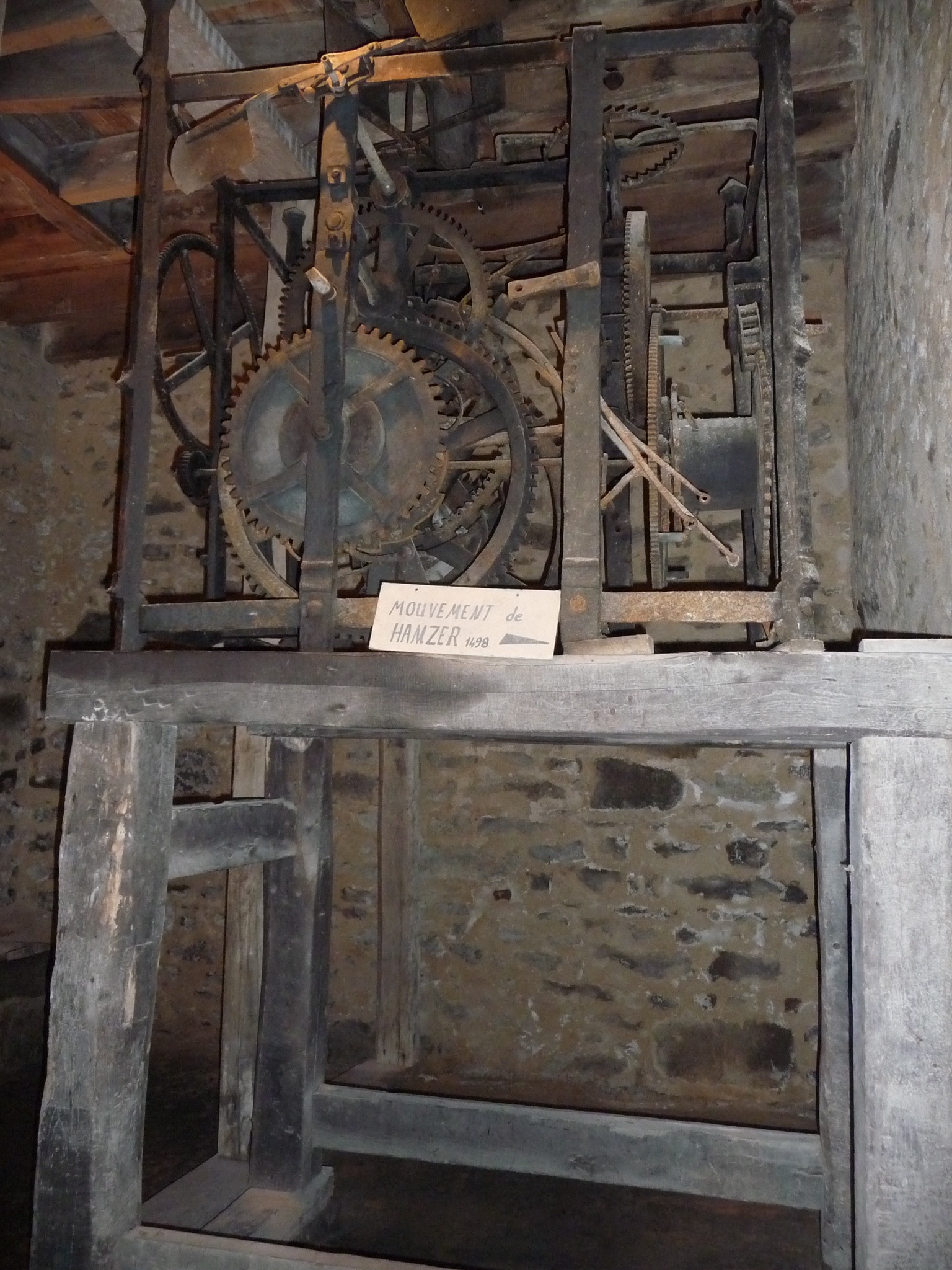
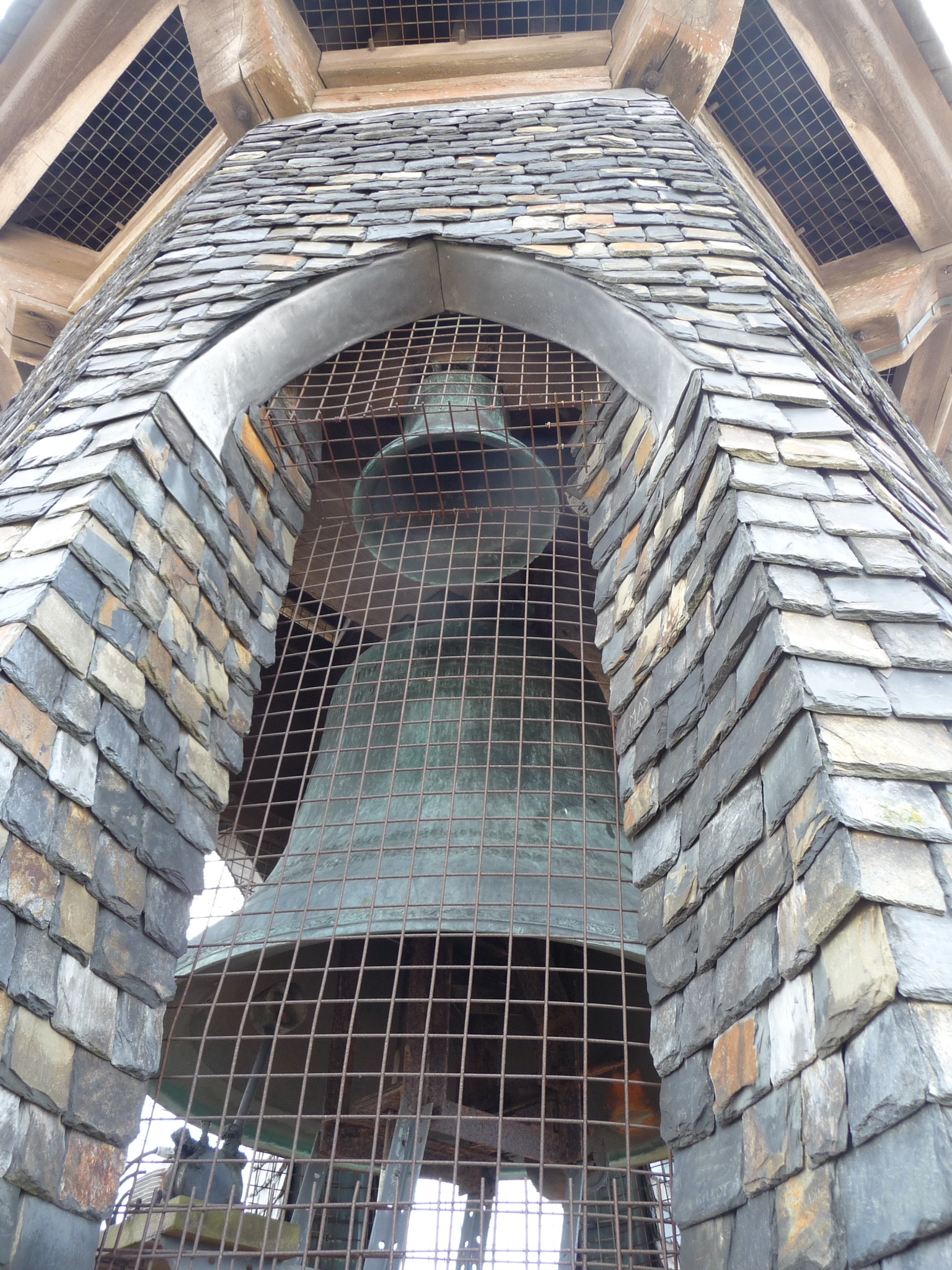
Wheel to wind the clock tower bells

Wheel to wind the clock tower bells

image

image

image

image

image

image

image

image

image

The prison tower

The prison tower

They're coming!!!

They’re coming!!!

image

image

image

image

image

image

Longest cafe/bar name?

Longest cafe/bar name?

image

image

image

Mont St Michel

Mont St Michel

image

image

image

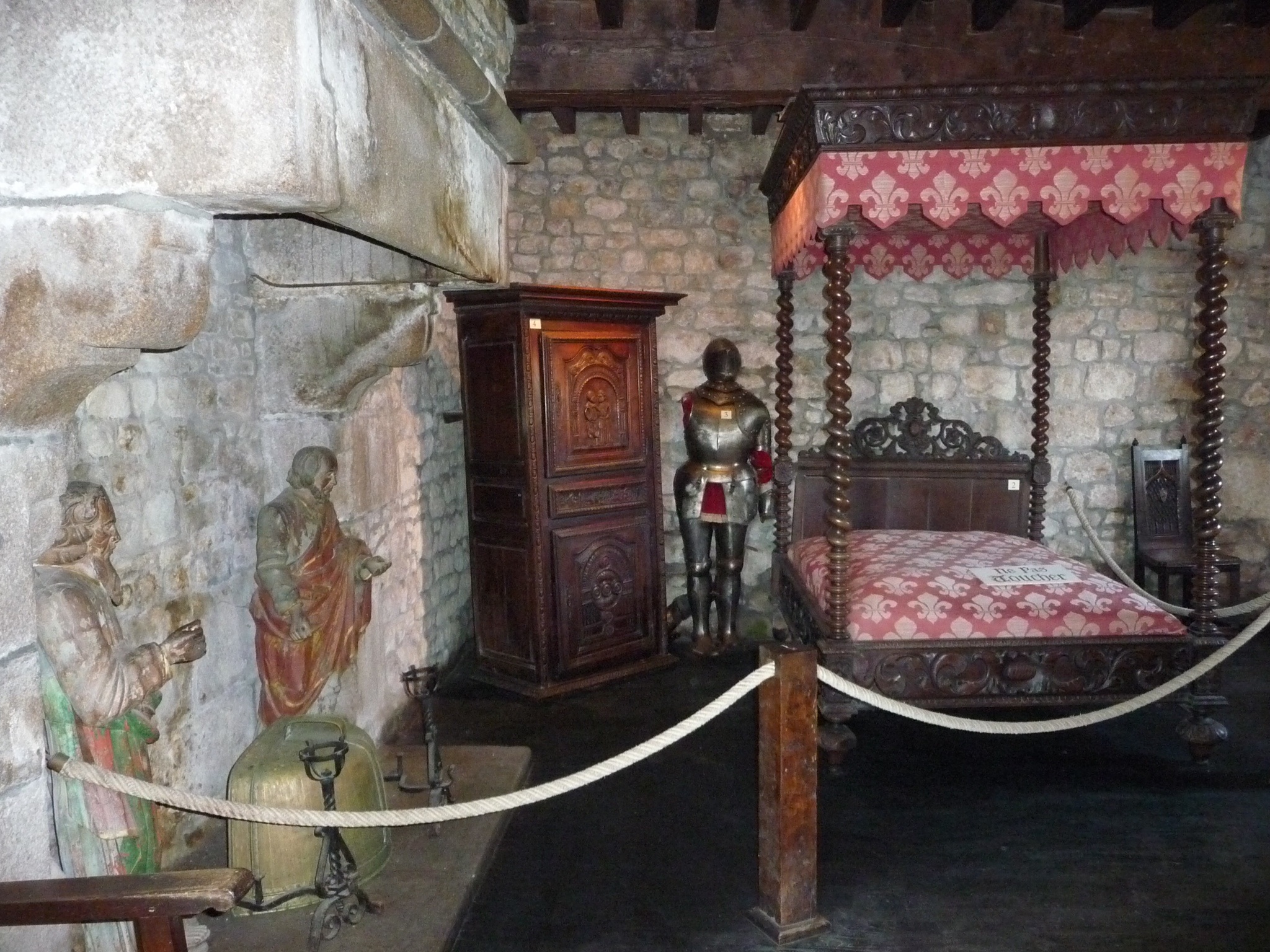
Bedroom of Betrand du Guesclin

Bedroom of Betrand du Guesclin

image

image

image

image

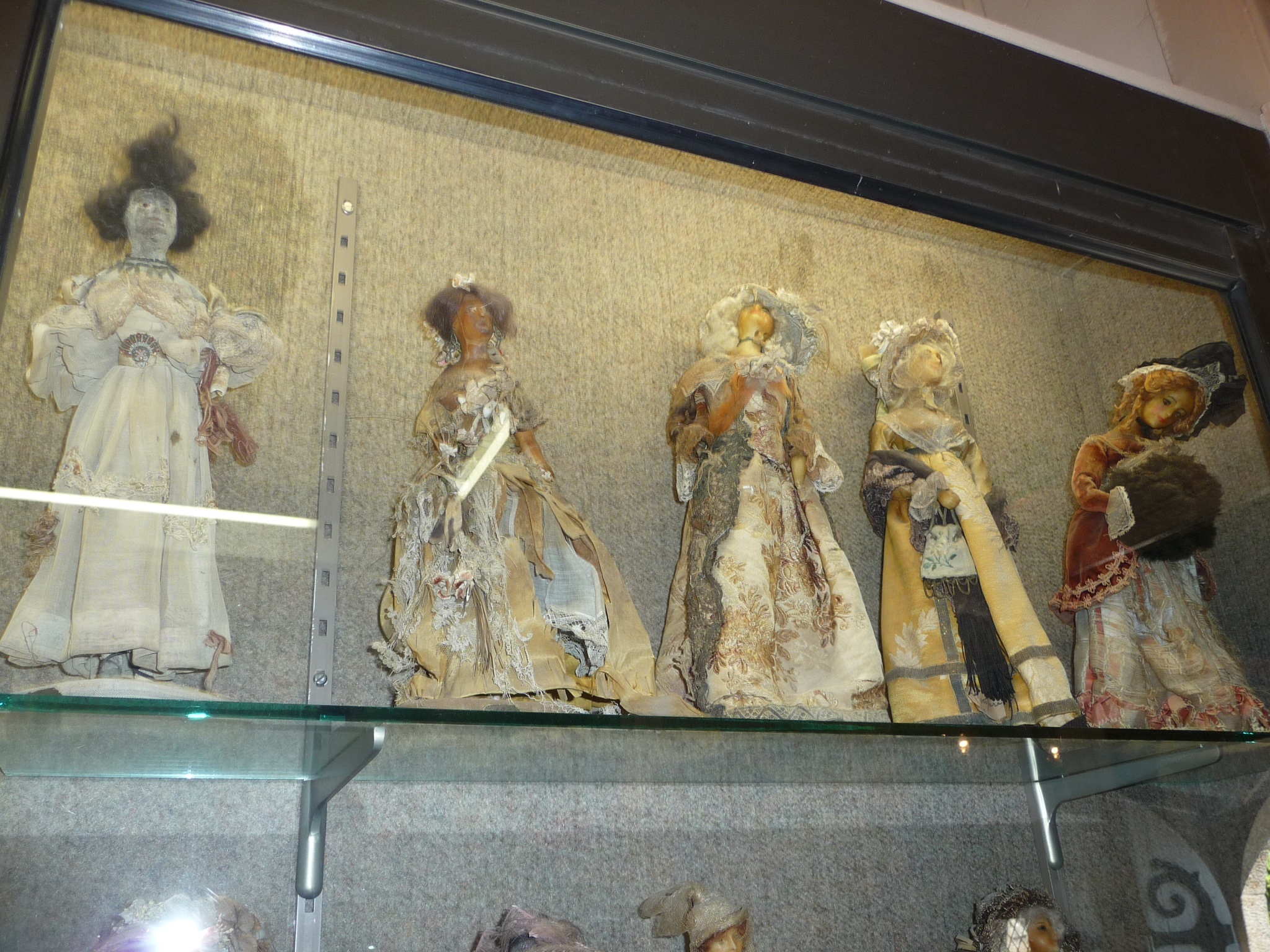
Wax figures depicting life in the Abbey

Wax figures depicting life in the Abbey

Pamphleteer convicted to die of starvation for criticising the government of King Luis XVth

Pamphleteer convicted to die of starvation for criticising the government of King Luis XVth

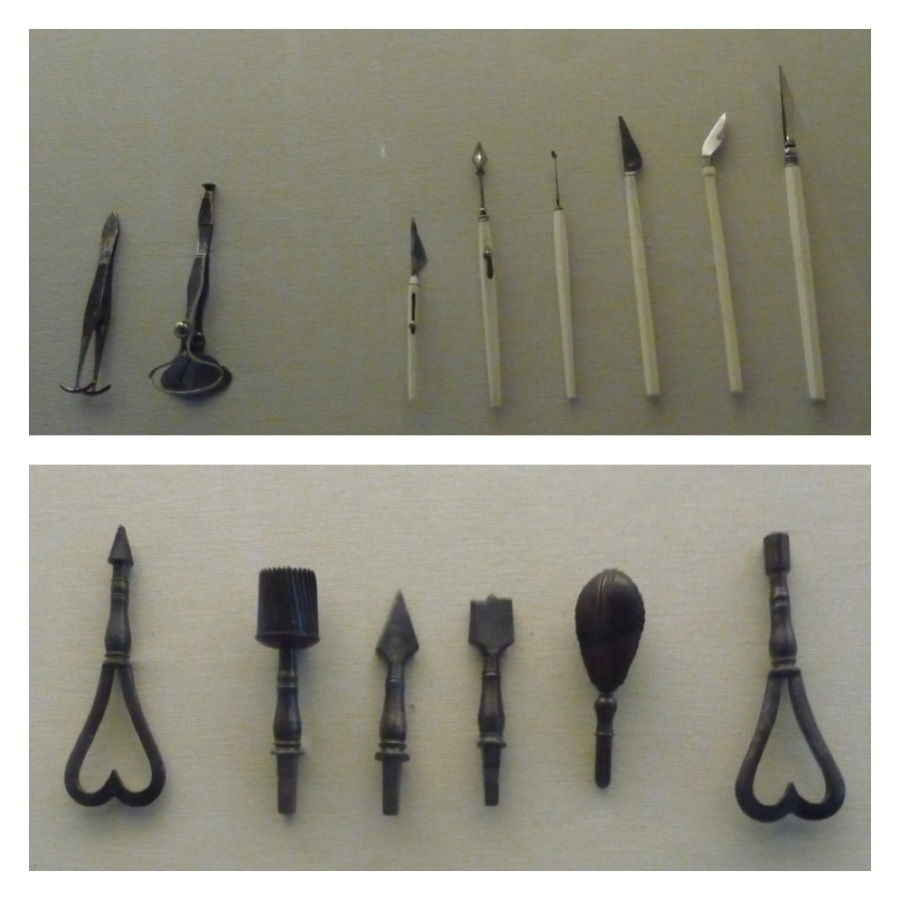
The barbers must have been kept busy

The barbers must have been kept busy

The Abbey

The Abbey

image

image

image

image

image

image

image

image

image

image

image

image

image

image

image

image

image

image

image

image

image

image

image

image

image

image

image

image

image

Saint-Malo from across the bay

Saint-Malo from across the bay

The beach of Dinard, which inspired Picasso

The beach of Dinard, which inspired Picasso

image

image

image

image

image

image

image

image

Posted in Uncategorized | 1 Comment

Farewelling South America from Buenos Aires

They say Buenos Aires is the Paris of South America – well I guess the people who had just gotten off the Air France flight were going to put that theory to the test!
The taxi driver Paddy, my airbnb host had arranged, was waiting for me as promised – that hurdle overcome.  I was so relieved to be in Buenos Aires after the overnight at the Santiago airport. Sergio, my driver, insisted on staying with me until Madelena, the airbnb guest next door (quite a community happening in this place), turned up to let me in.
I was staying in Recoleta, an affluent area of the city, sandwiched between the theatre district and the shopping precincts. Paddy’s apartment was lovely – tastefully decorated and homely – perfect.
Having had limited sleep in the airport overnight (would have been much worse had it not been for my wonderful friend Lyndall getting me onto an earlier flight out of Santiago), I went out for a walk to orient myself around the area I was staying in. It was then back for a good night’s sleep in preparation for hitting the more heavy duty sights in the morning. Paddy had been a great help in giving me advice on the best things to see and when.
What do they say?  The best laid plans….forgot to reset my phone which was doubling as my alarm clock!  Ok, so missed the free city tour … plan B…..Teatro Colon. Maybe not. It was Argentinian holiday time so the English tours had been cut back to one a day in order to give the locals opportunity to visit and I had missed the tour for the day.  Couldn’t argue with that – I’m sure we’d expect the same. With my instructions to return at 9am the next morning for a ticket I thought it best to visit the major plaza in Buenos Aires – Plaza de Mayo.
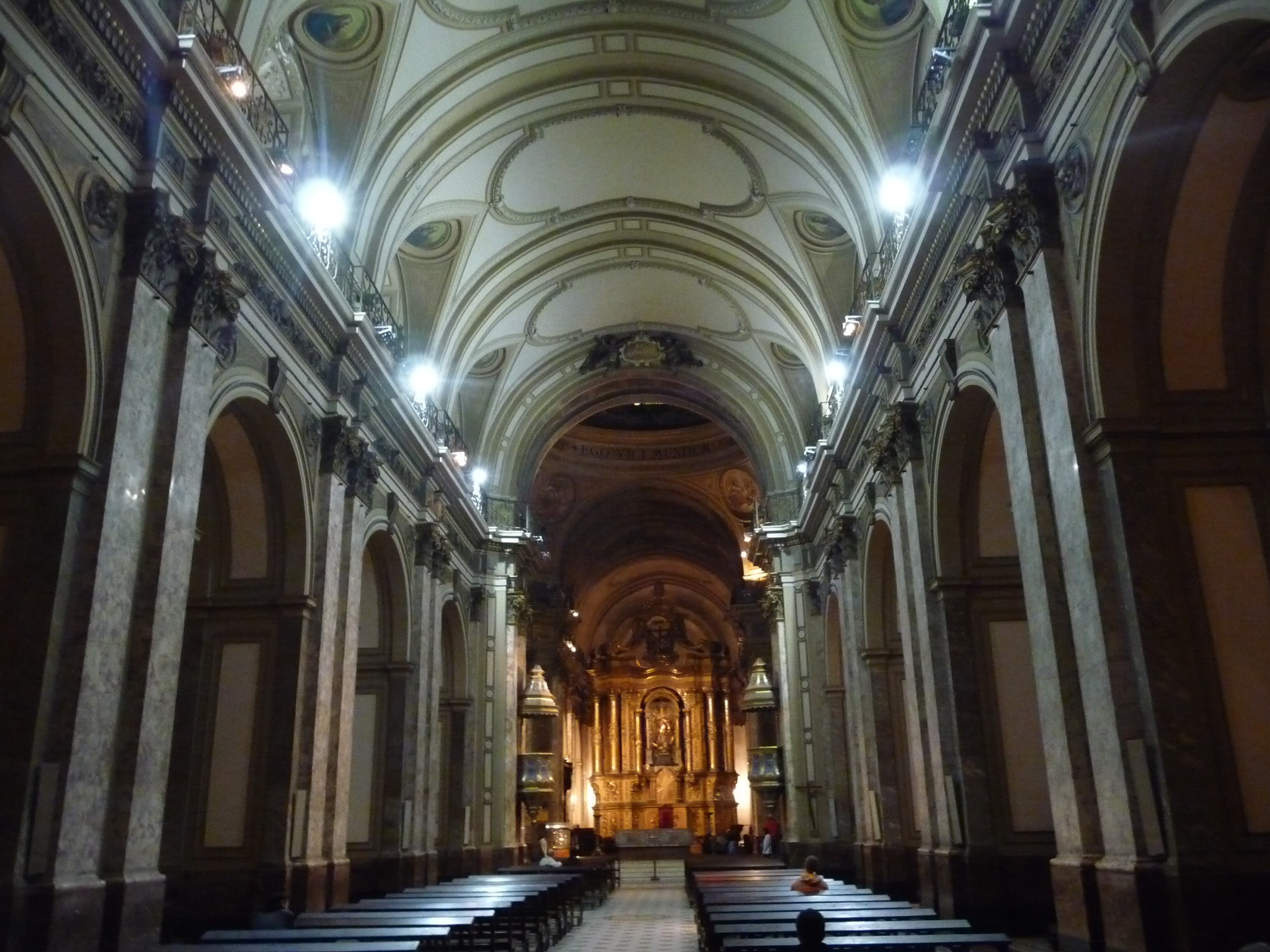
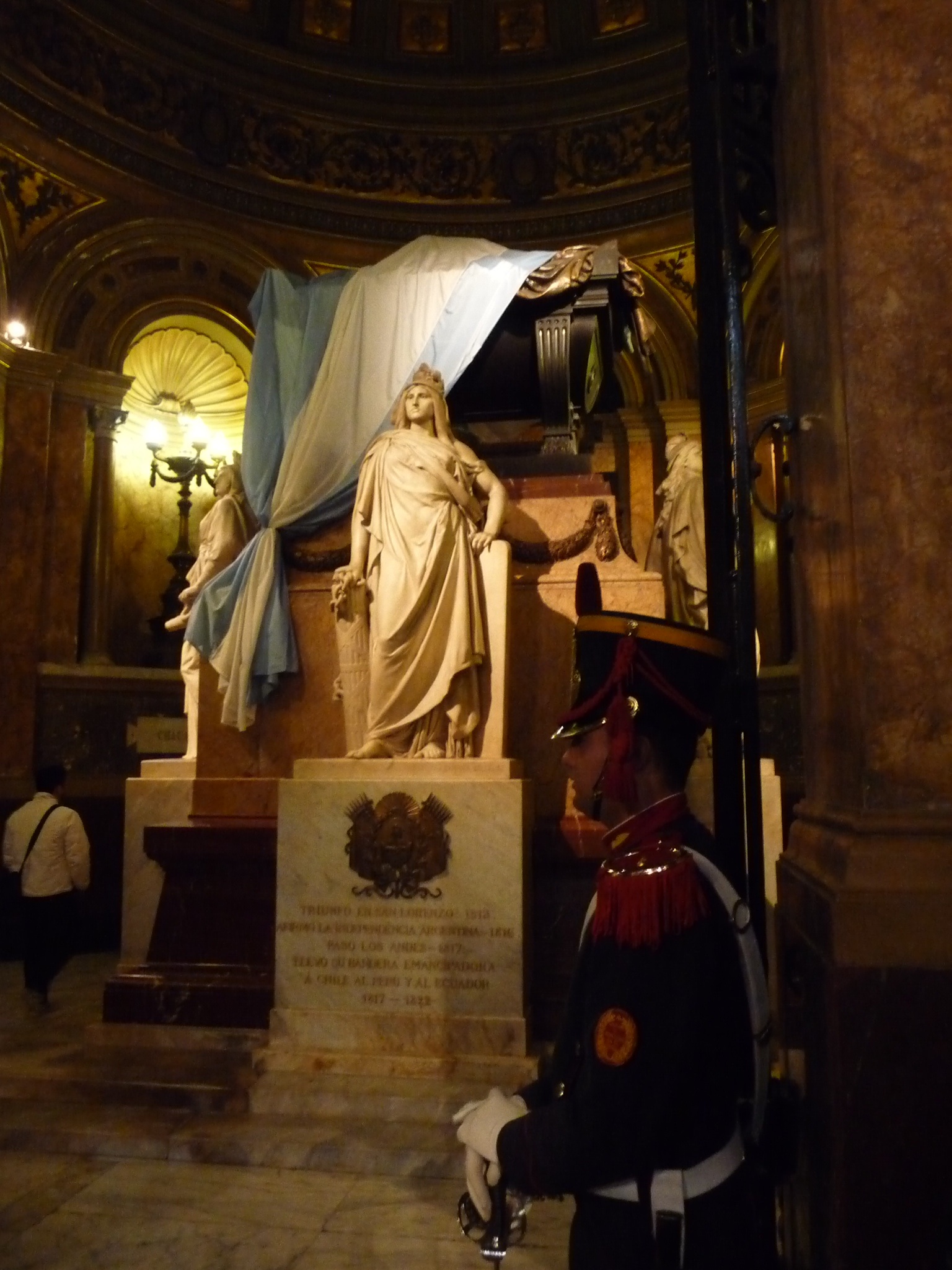
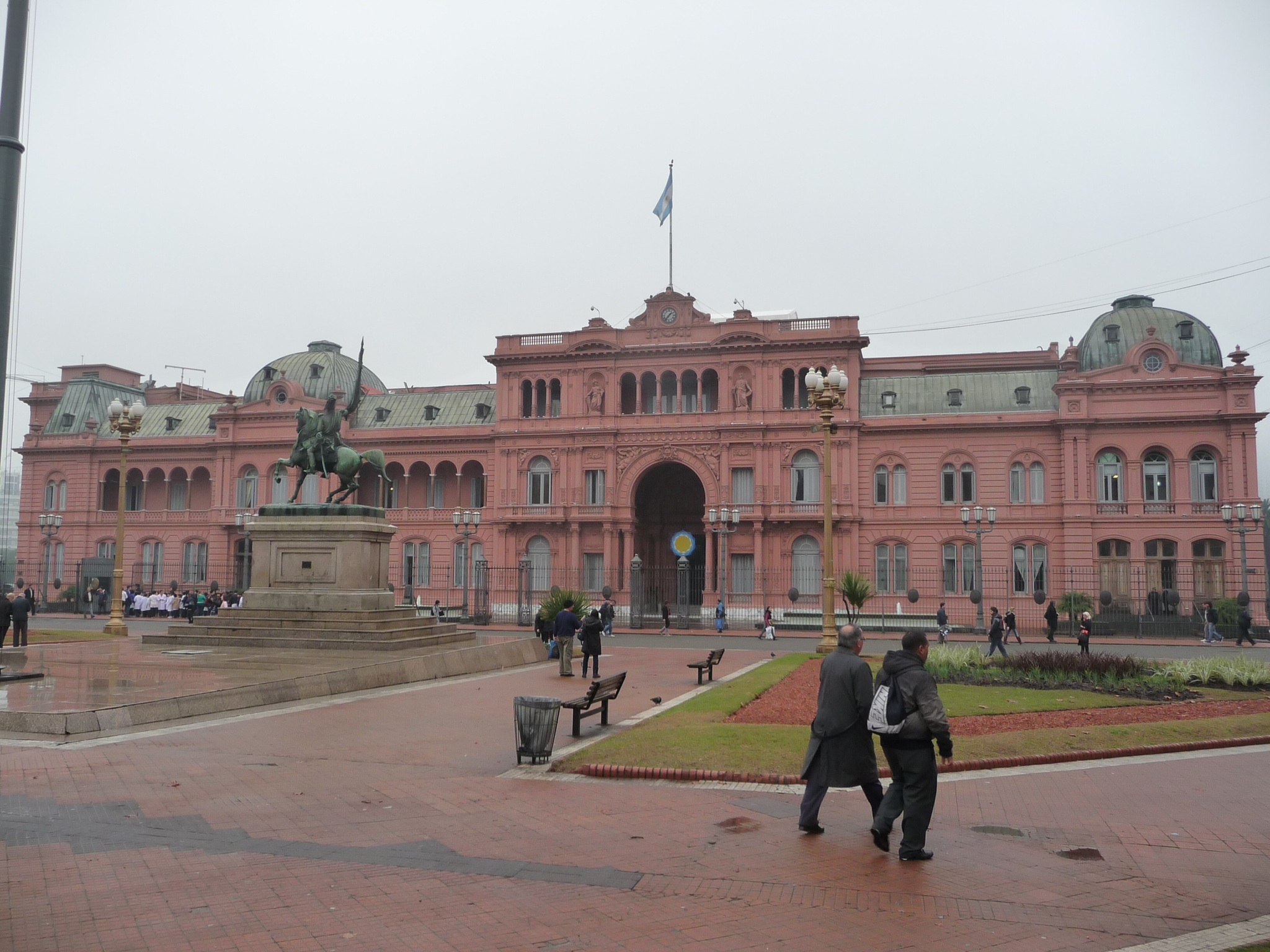
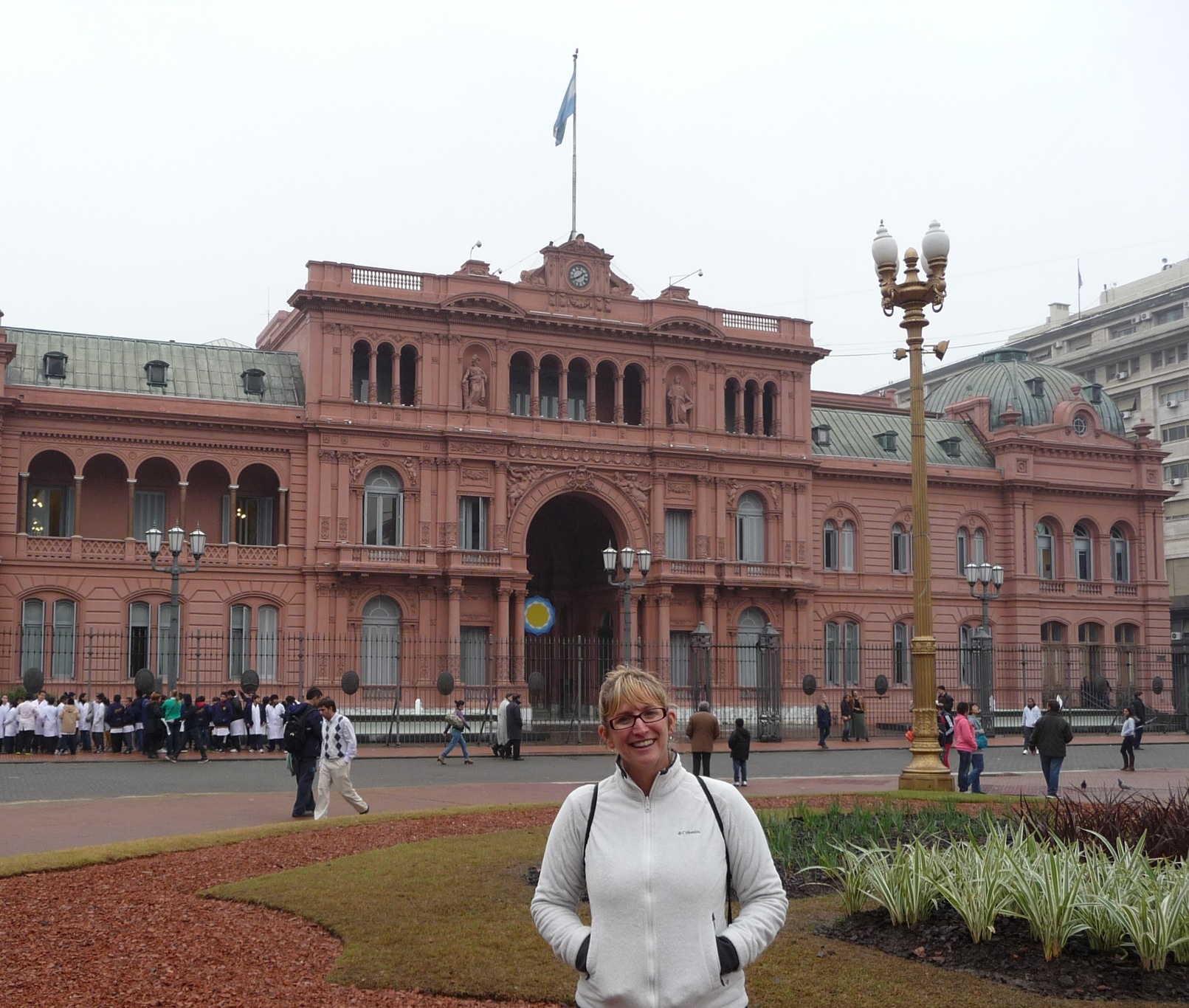
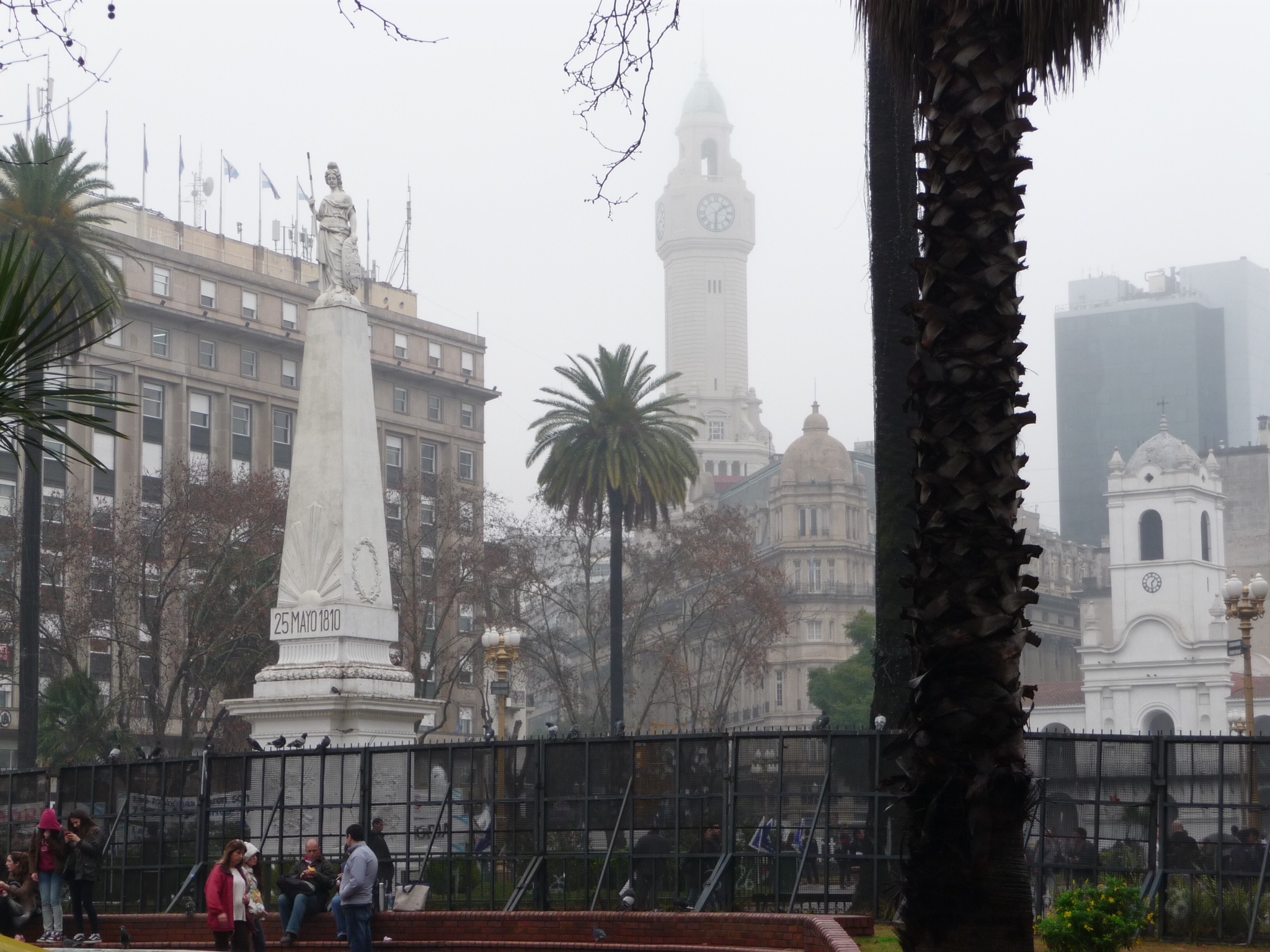
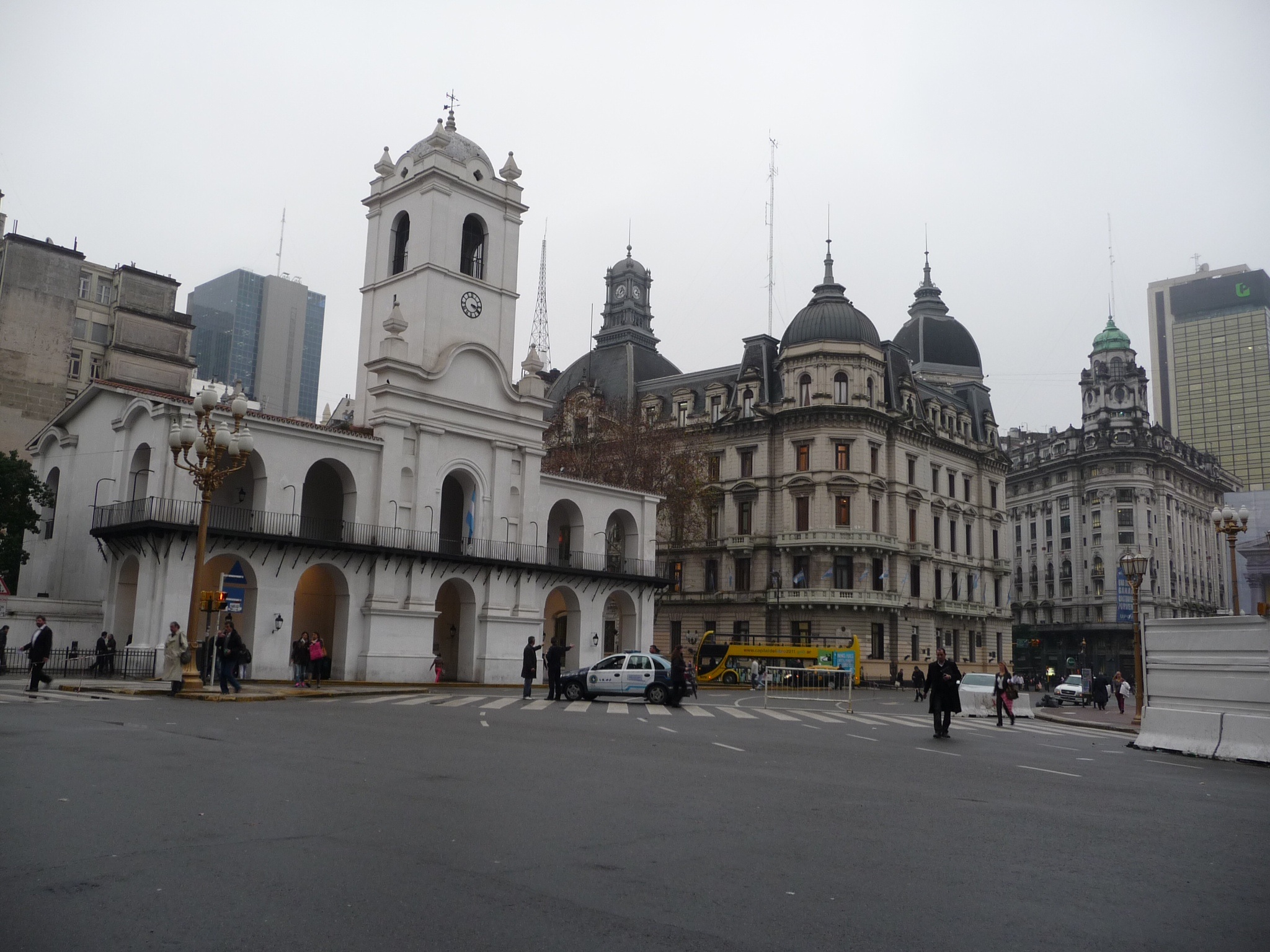
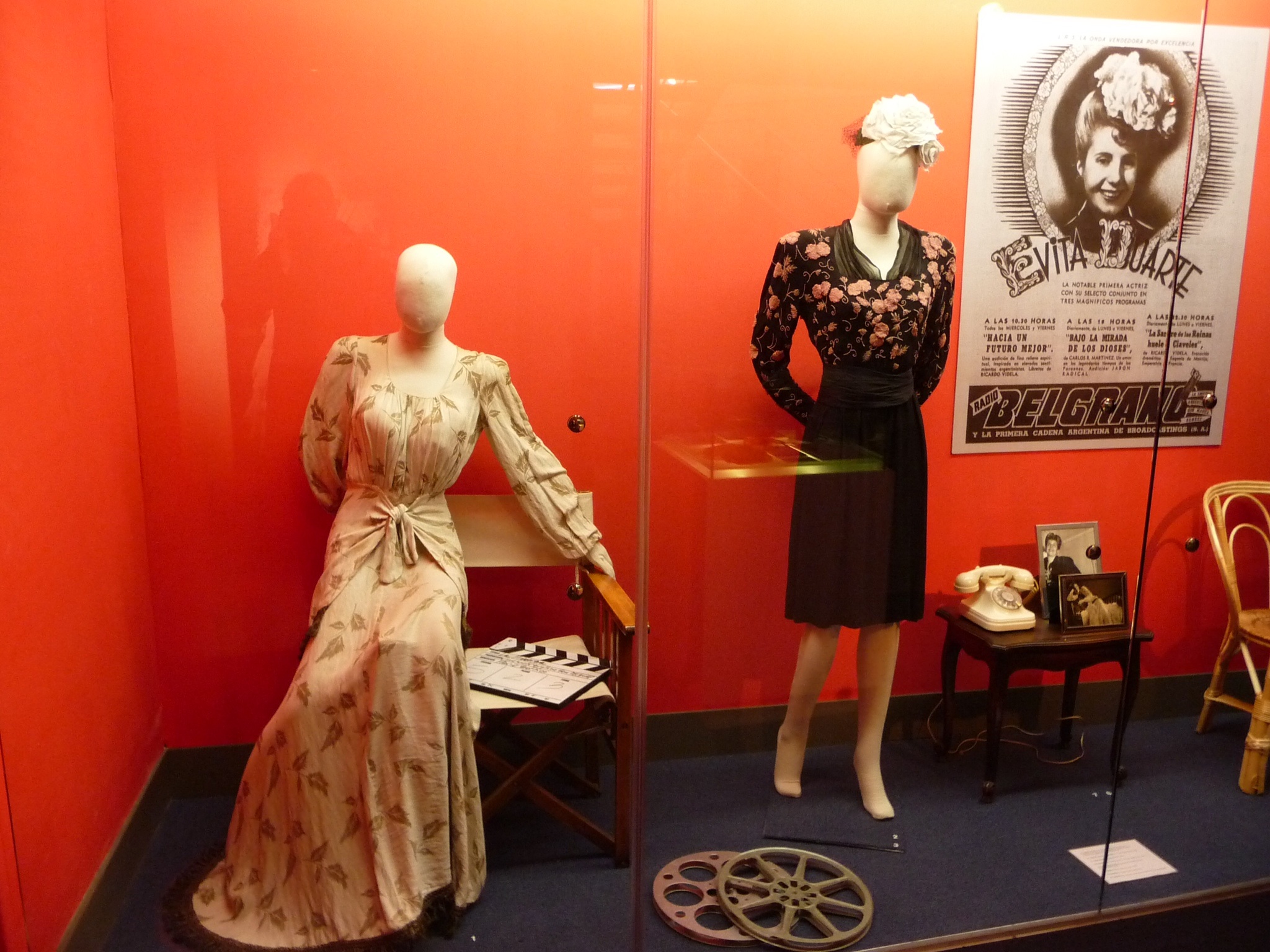
The Plaza is surrounded by the Metropolitan Cathedral, the Cabildo (former institution of the colonials) and the Casa Rosada (Pink House – Government House). It was from the Pink House that Eva Peron, along with her president husband, made many a impassioned speeches to the workers of Argentina. The Cathedral houses the remains of General San Martin (liberator of Argentina, Chile and Peru), venerated by the constant armed guard.
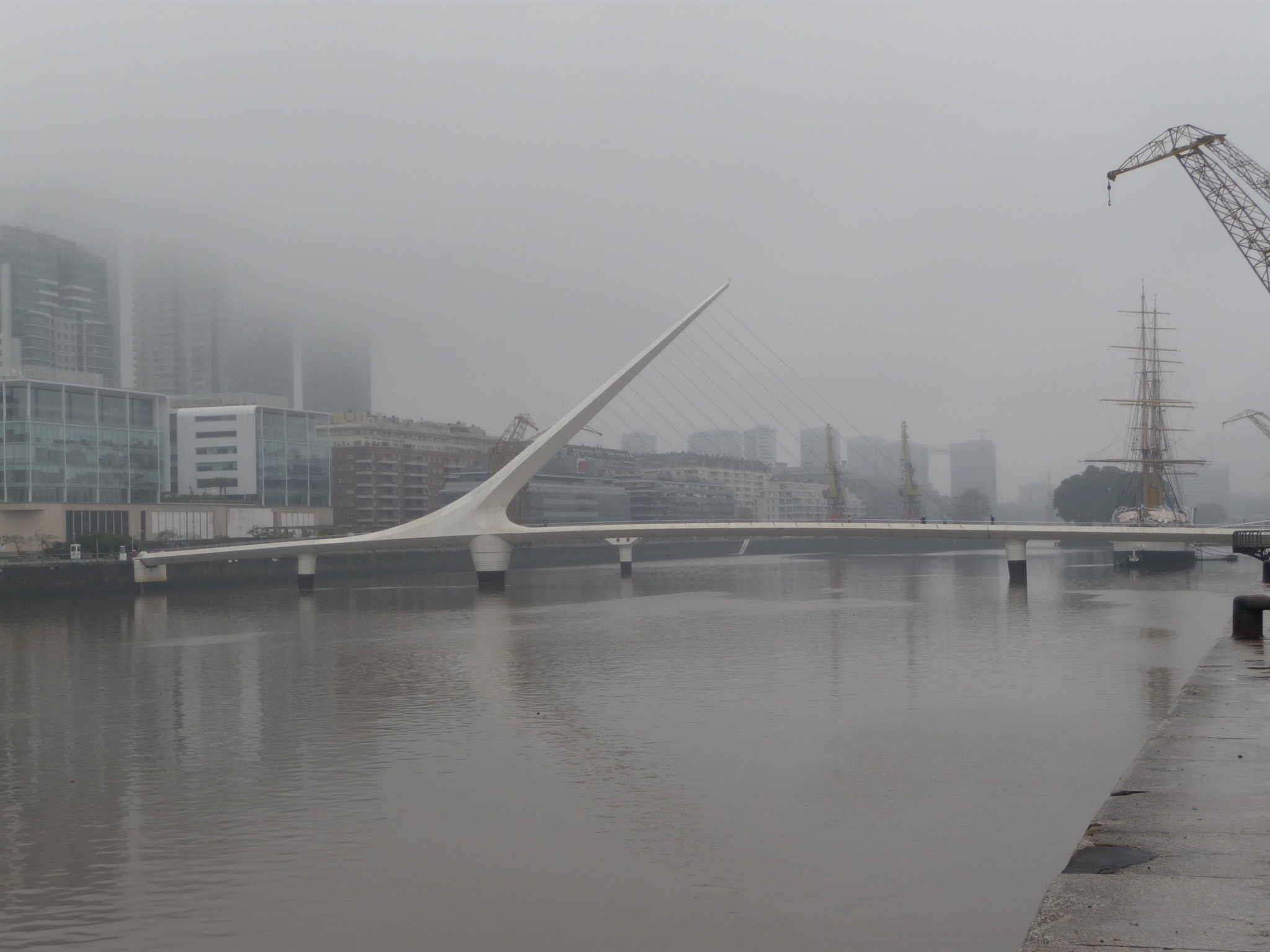
It was a little rainy but I pressed onto Puerto Madero, a wharf precinct established in the old ship loading area.  The newly constructed bridge, the Puente de la Mujer, was an interesting piece of architecture – it pivots in the middle to let ships through and was designed to replicate a couple tango dancing.
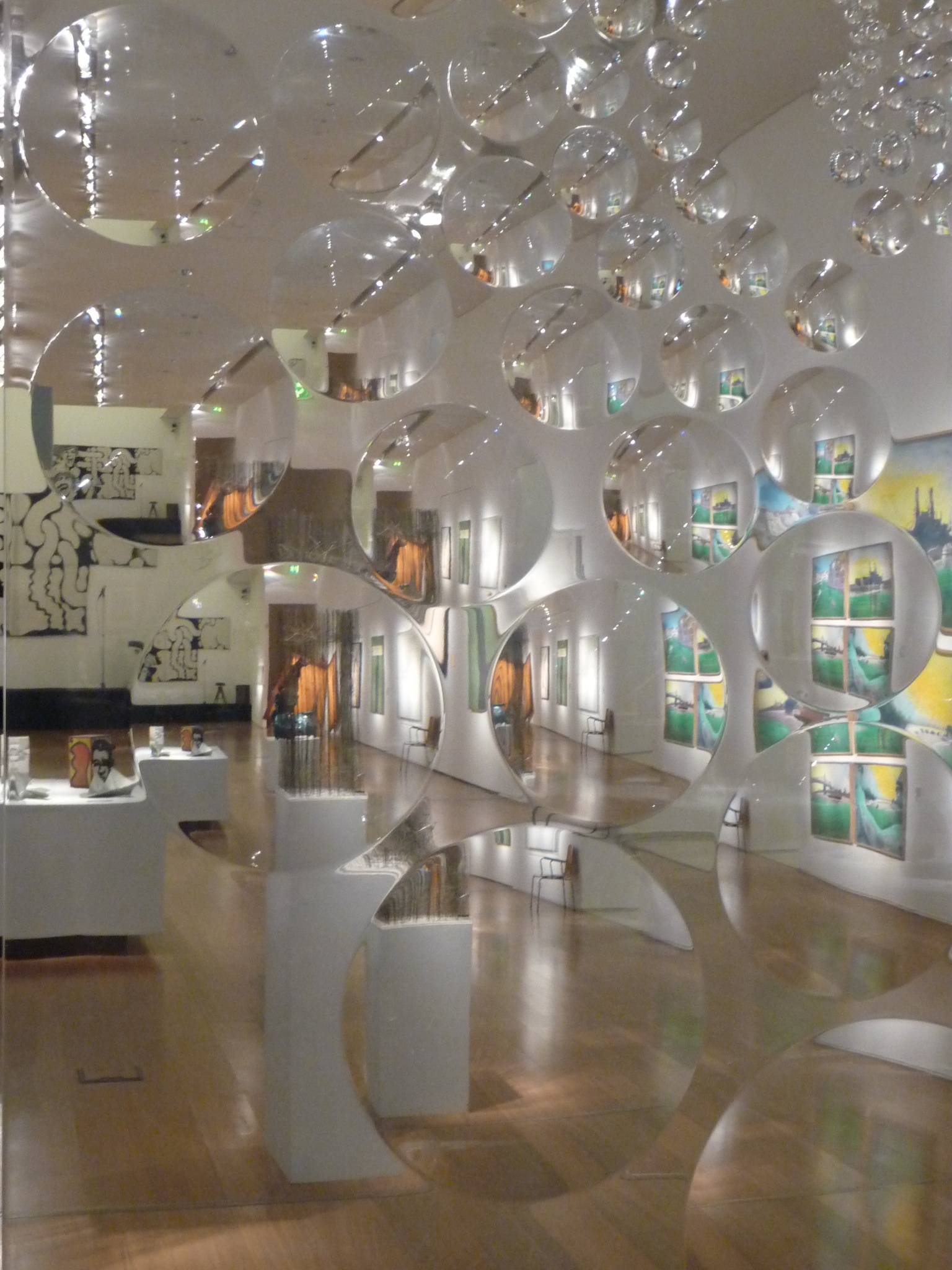
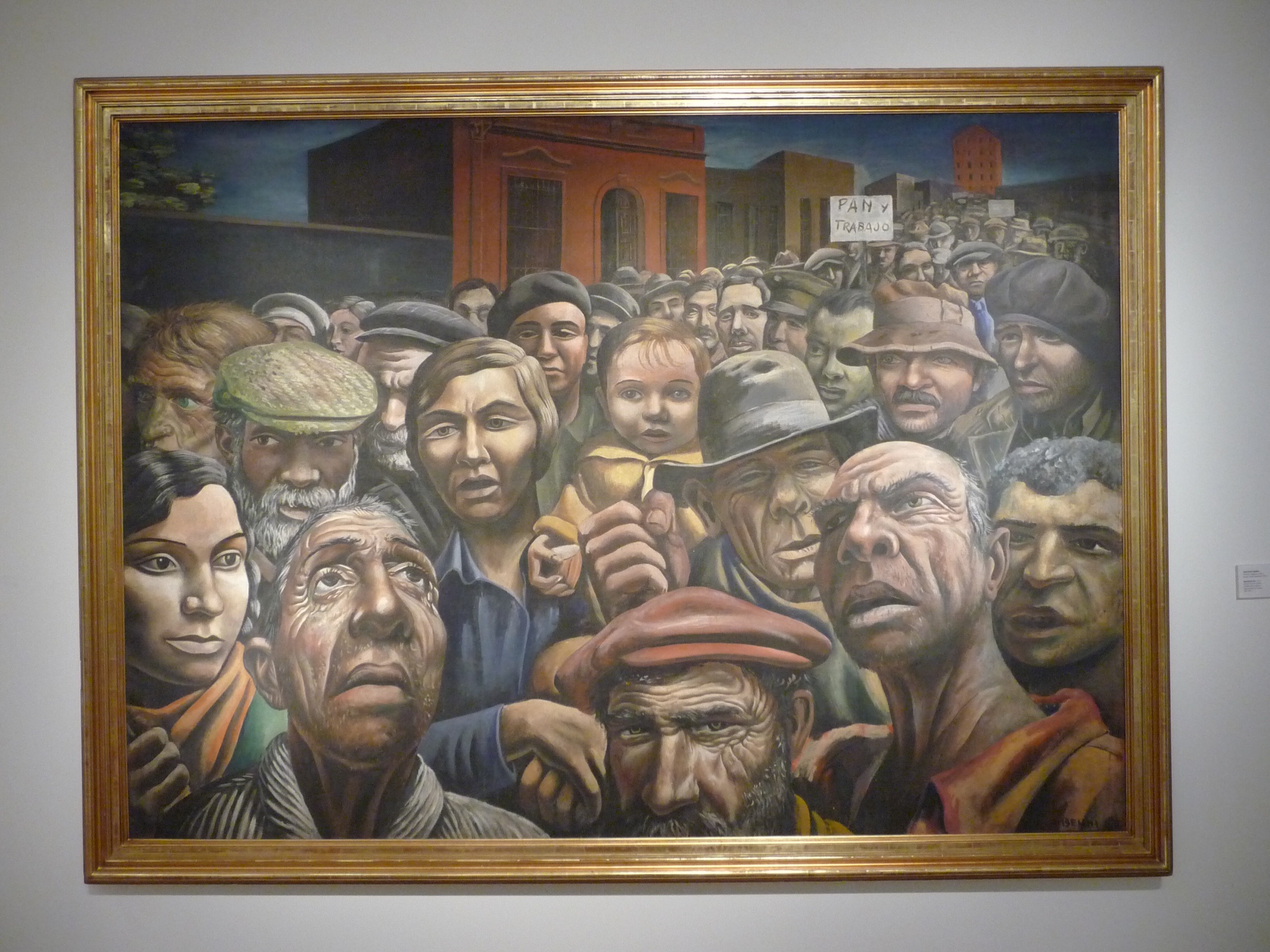
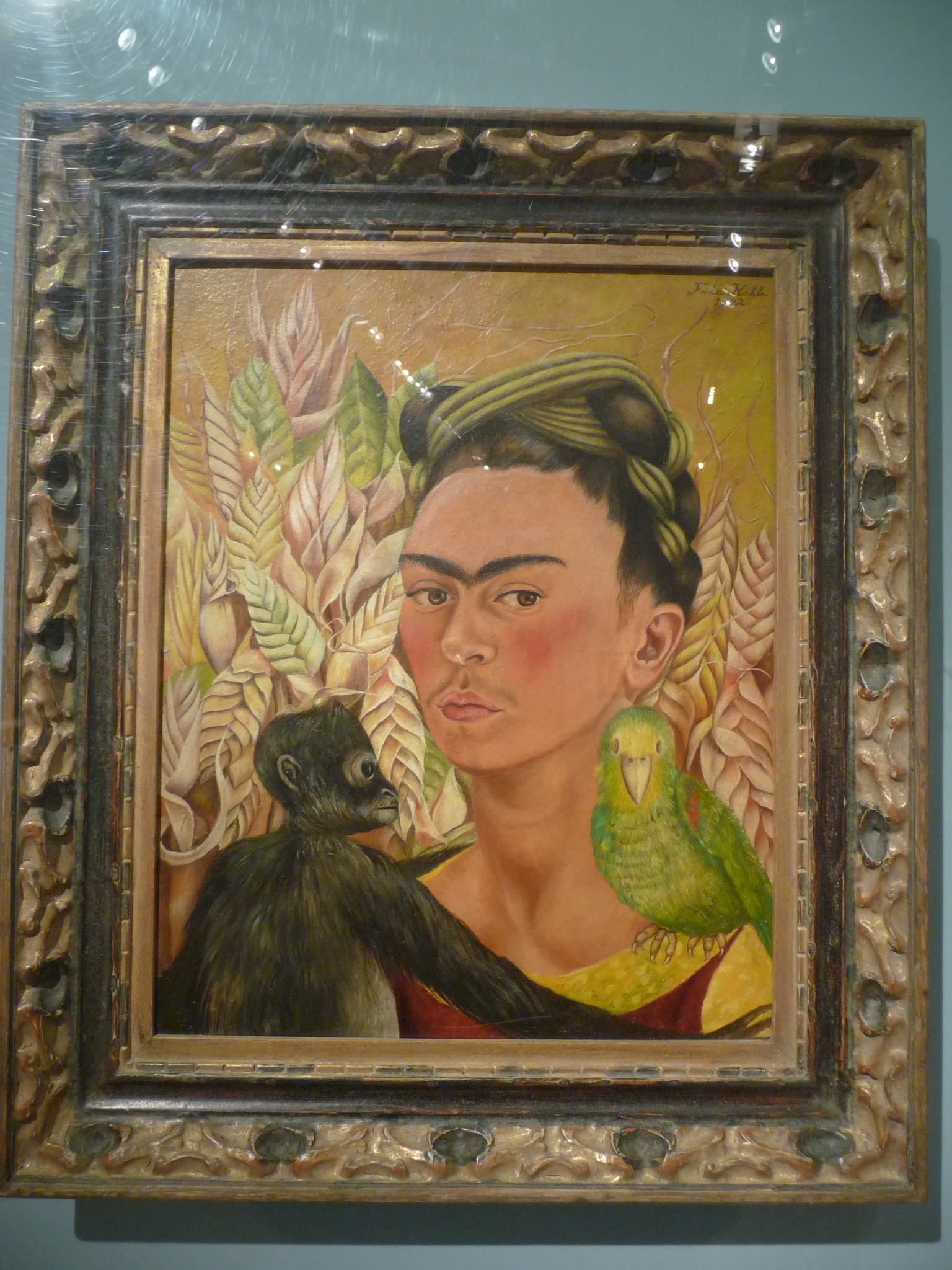
I knew that the Argentinians were renowned for their long nights so I decided to wing a visit to the Museo de Arte LatinoAmericano de Buenos Aires (MALBA), which proved successful. I had to line up a bit to get in the actual building but once in had plenty of time to mosey around the great displays. I liked the work of local artist Antonio Berni and was pleased to see a piece from Mexican artist, Frida Kahlo, in the exhibition.
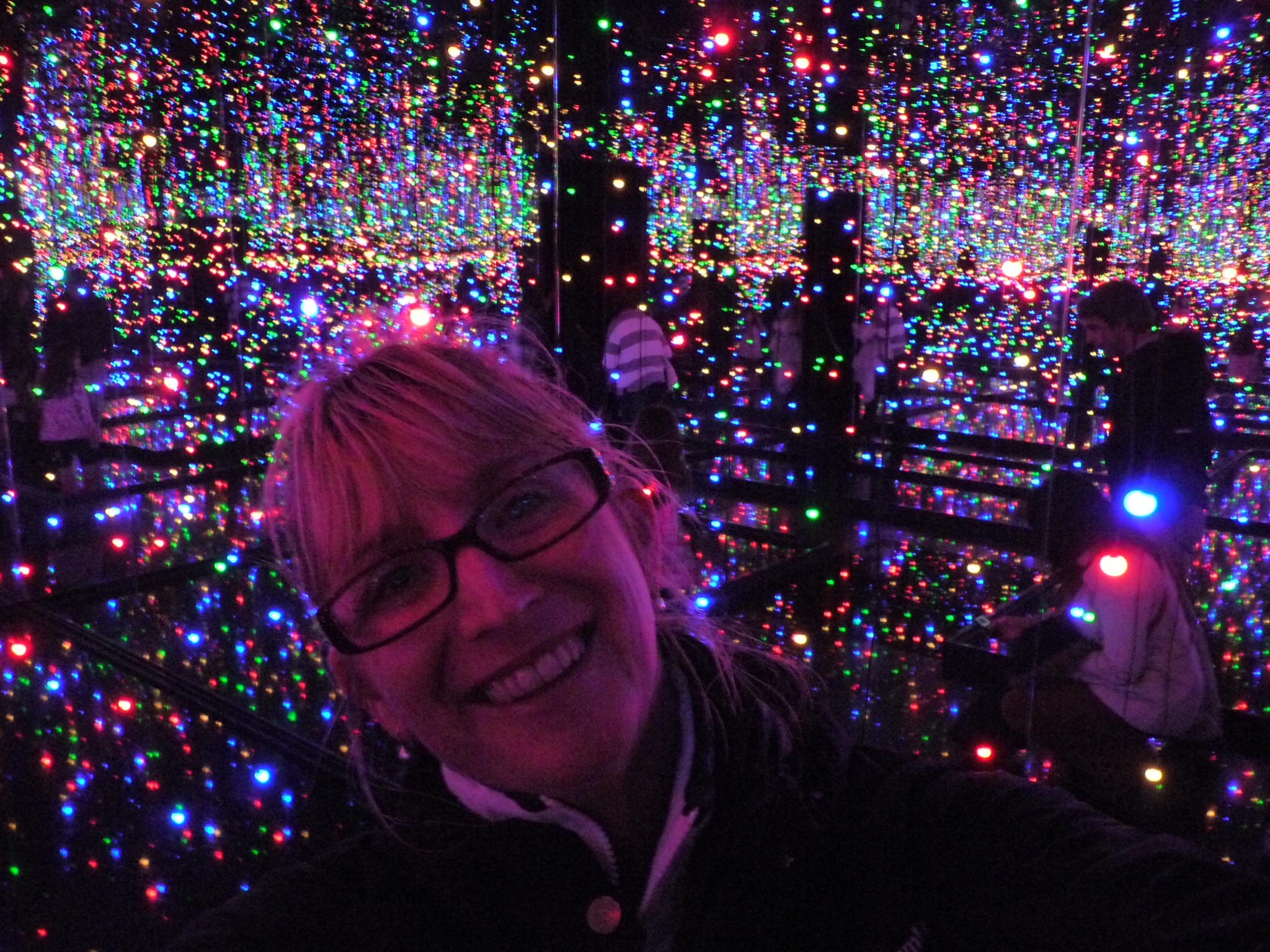
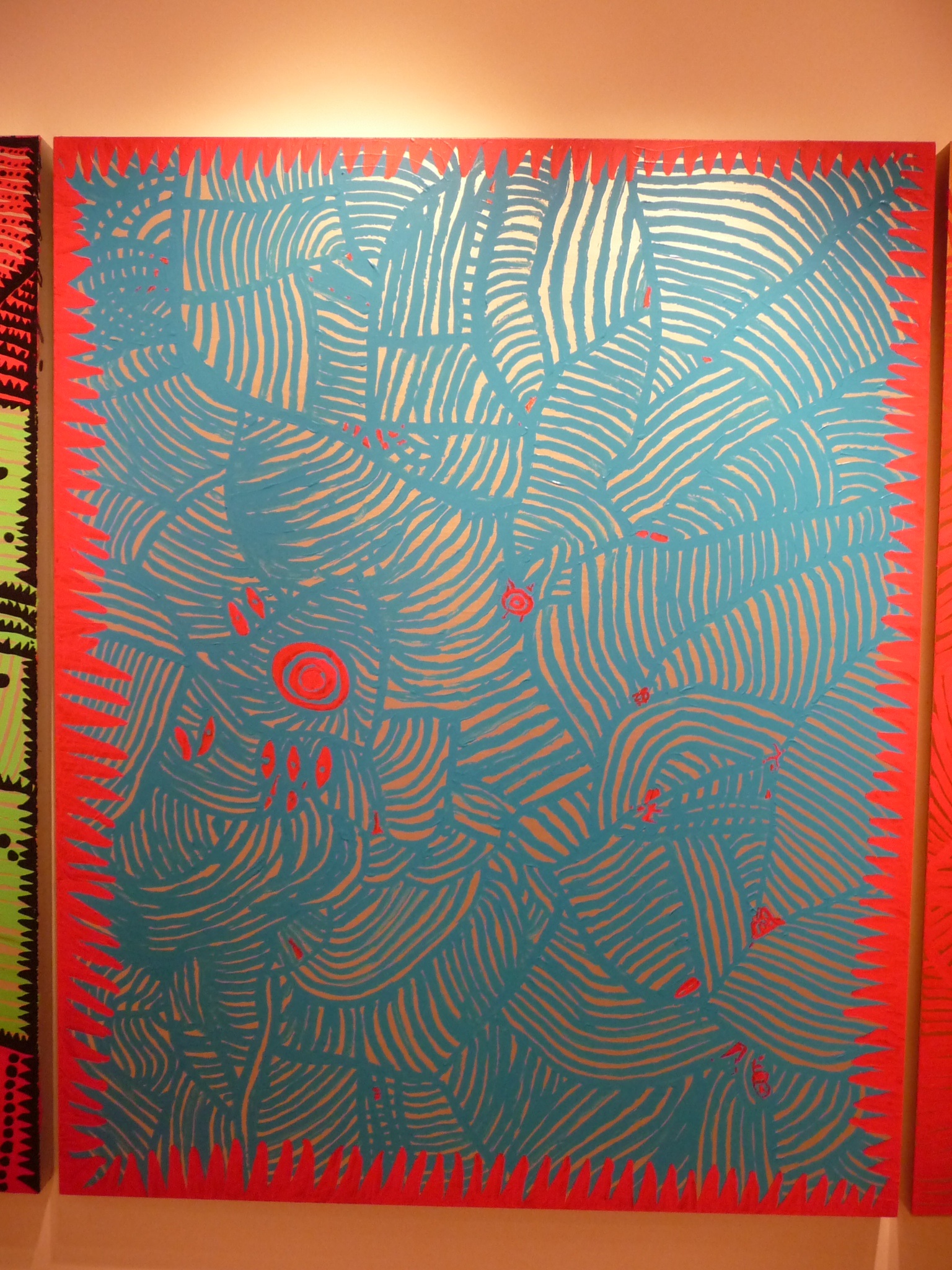
The works of Yayoi Kasuma was visiting the MALBA, which was a nice treat. Her work was certainly out there – in keeping with the fact that she had self-exiled to a mental institution in the 70s because of her ongoing hallucinations.
It was a relatively small collection (being a private collection) but beautifully presented. As is usual in modern art galleries it had interesting wares, including a locally made leather kangaroo pen and pencil holder!
Did I mentioned there are shops everywhere?  The Argentinians clearly love to shop – they even have a Tupperware shop – doesn’t that go against the party plan sales approach??
Alarm set to the correct time I managed to make it to the Teatro Colon in time to get a ticket for the 11am session. Calle Florida was nearby and the leather shops were calling – alas nothing grabbed me.
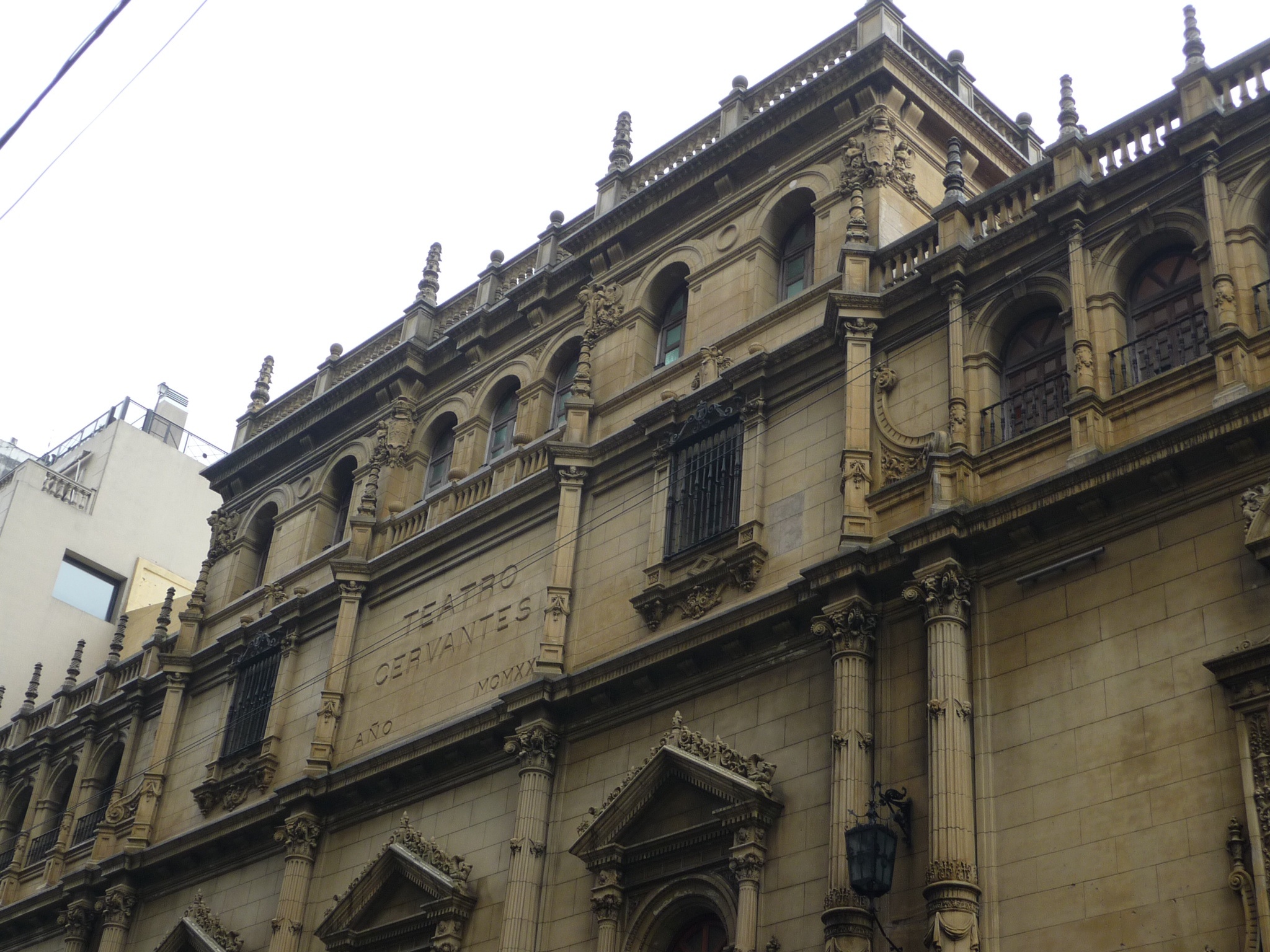
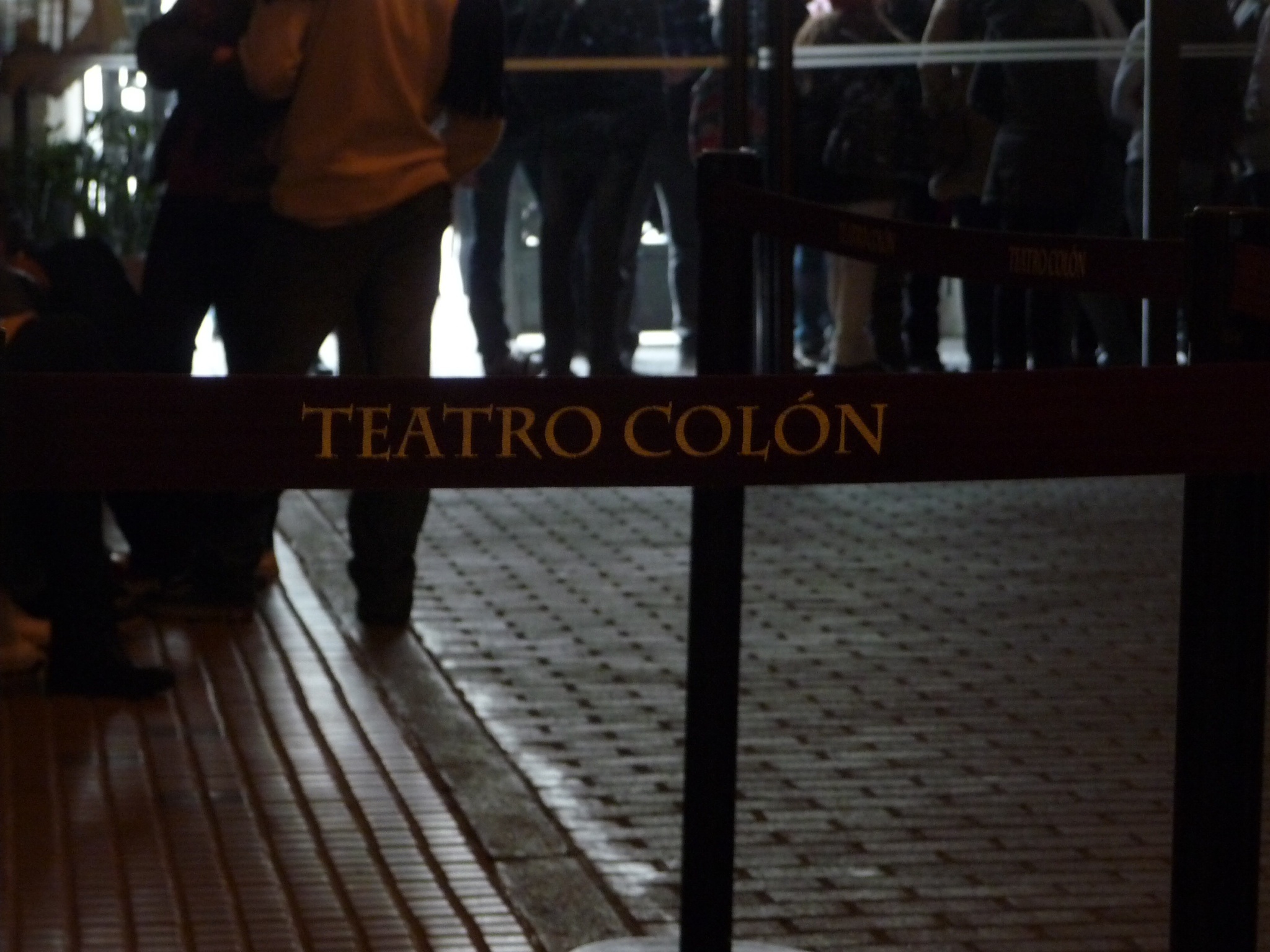
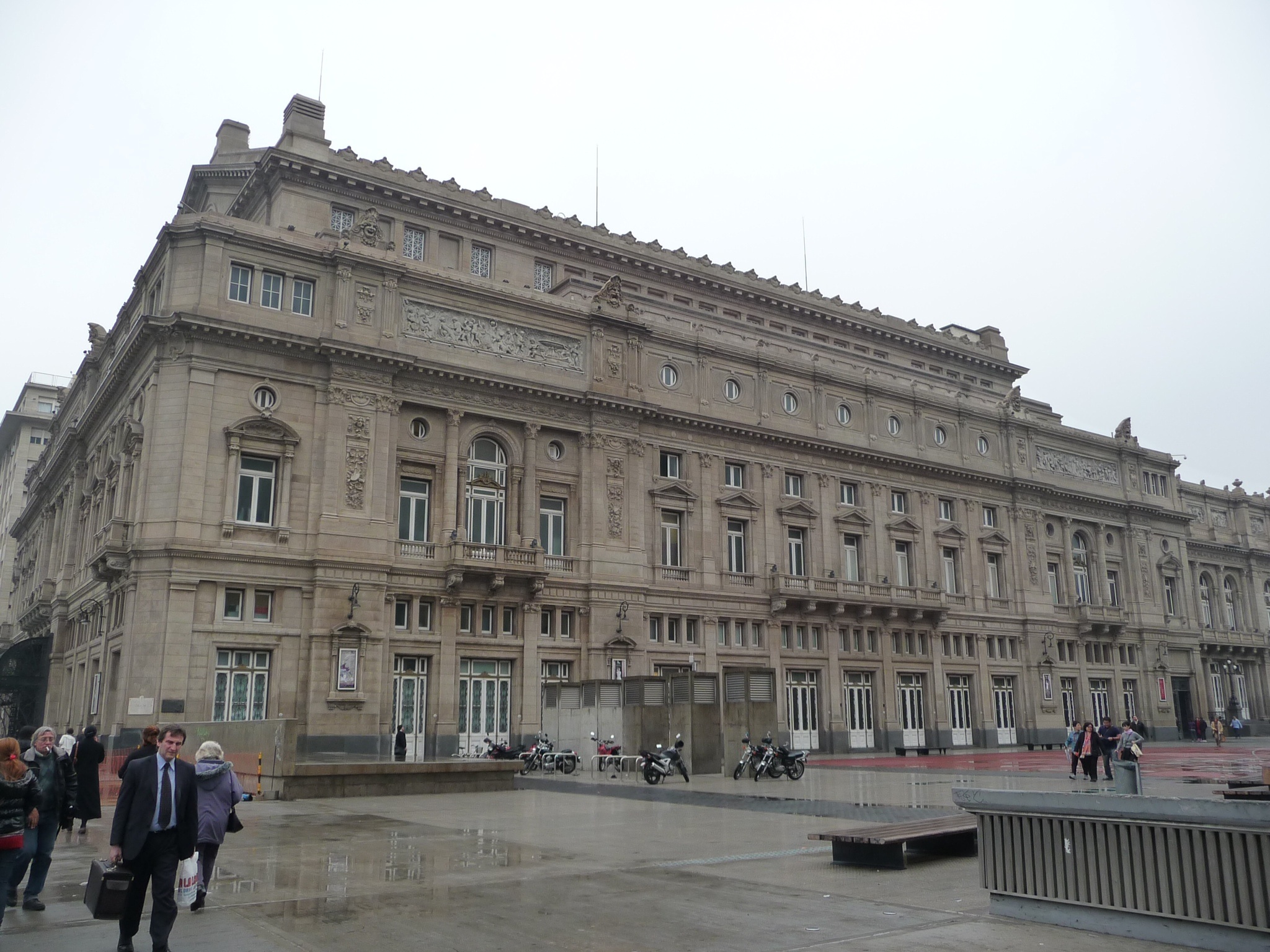
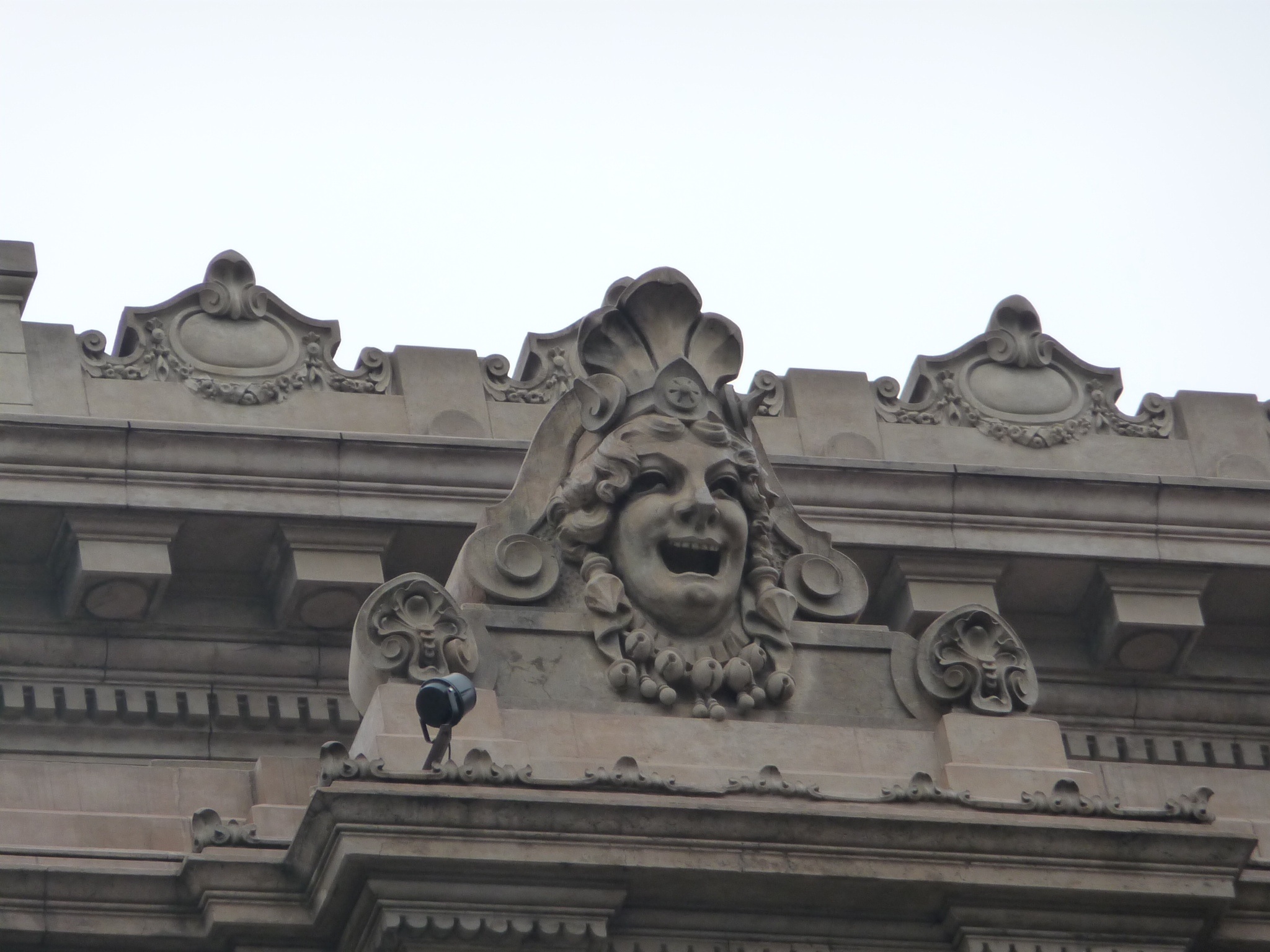
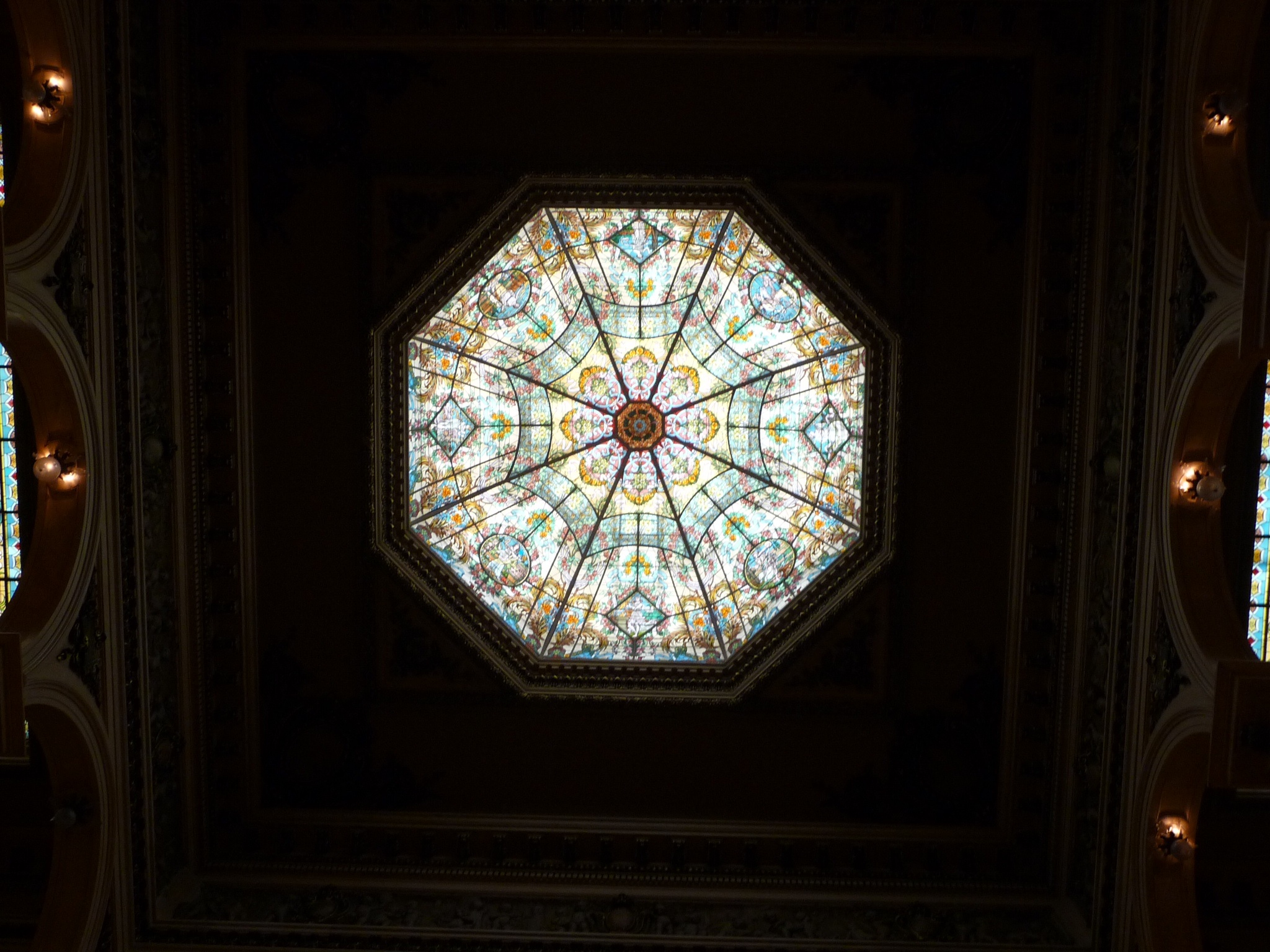
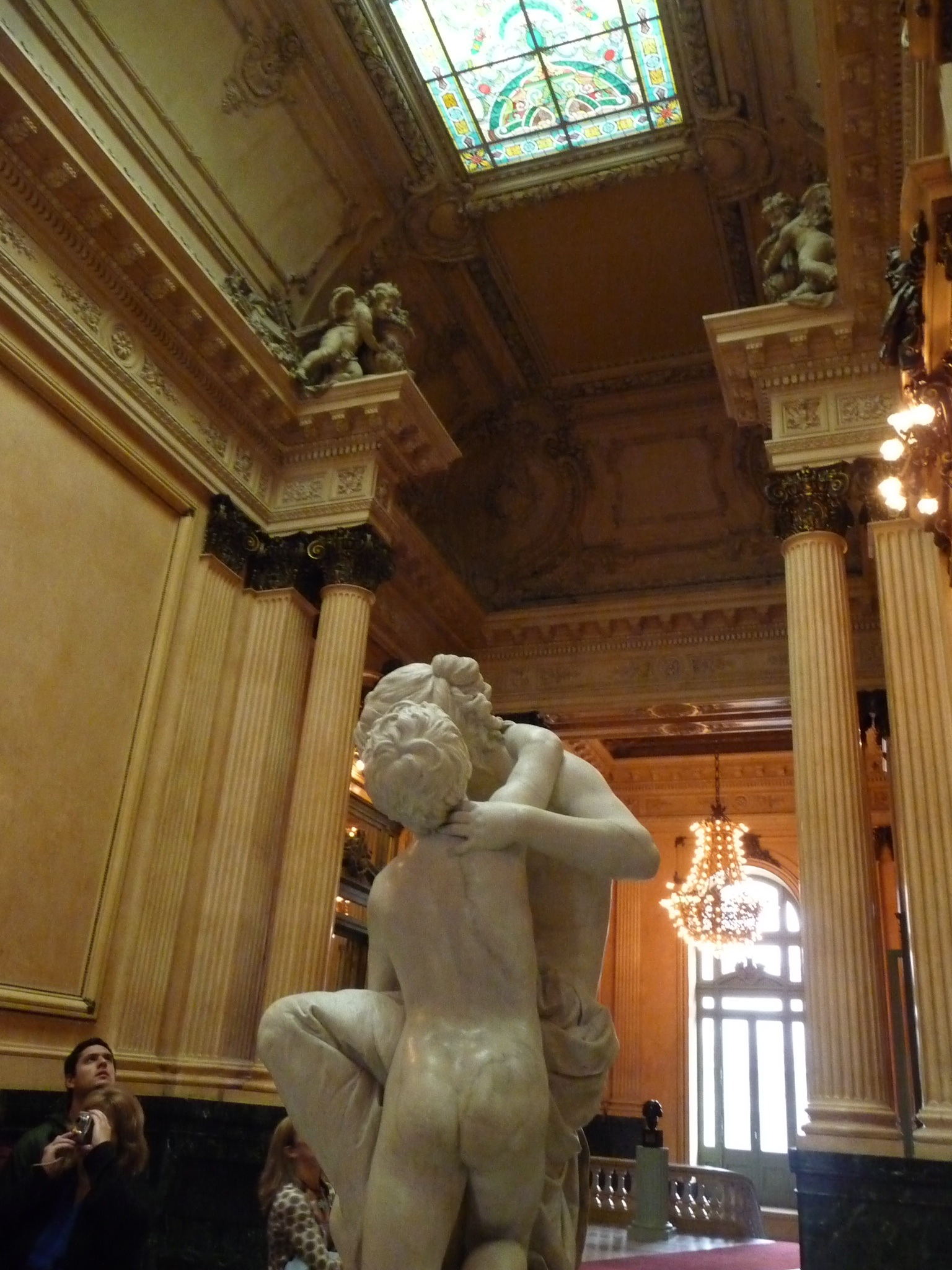
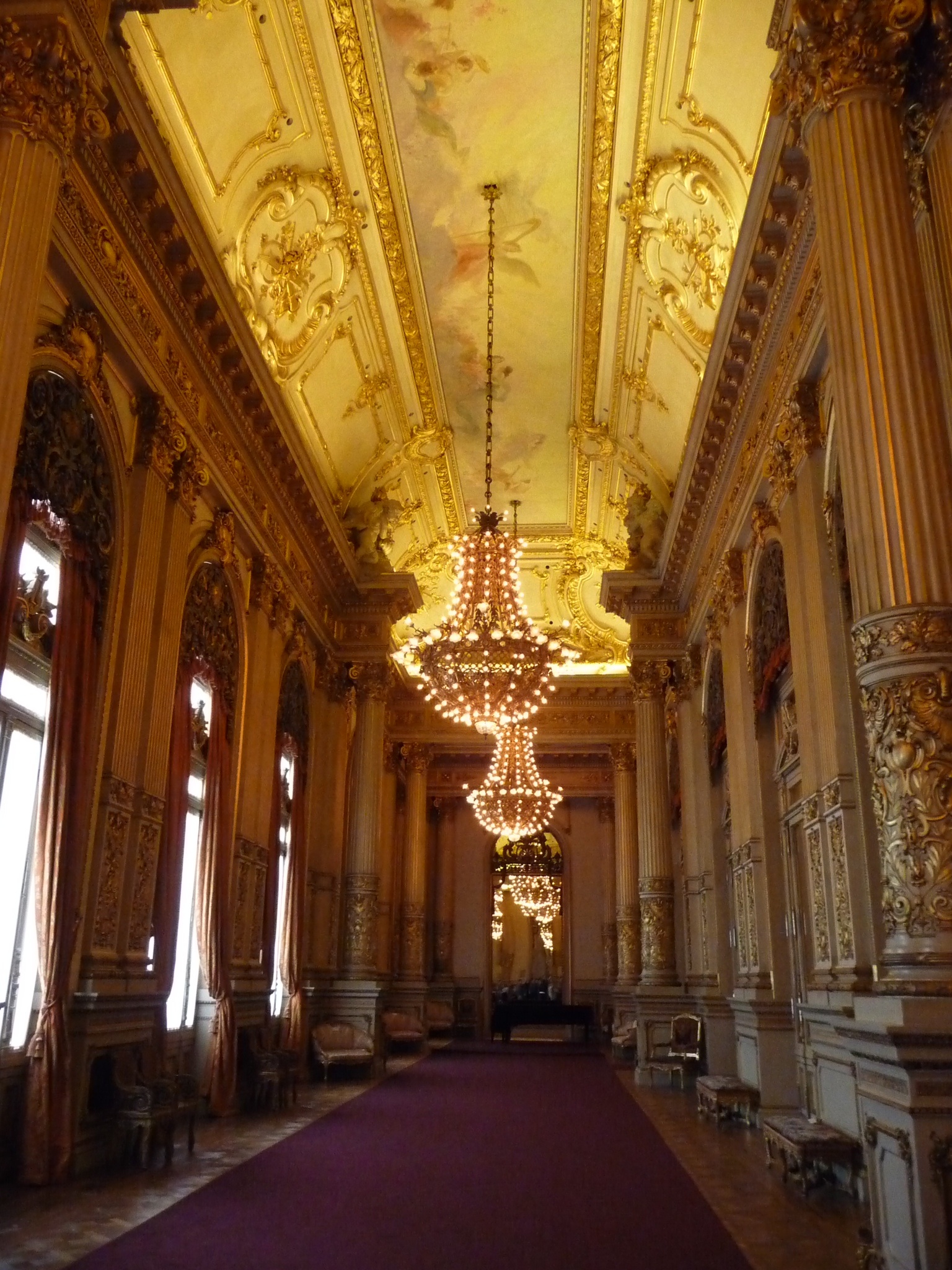
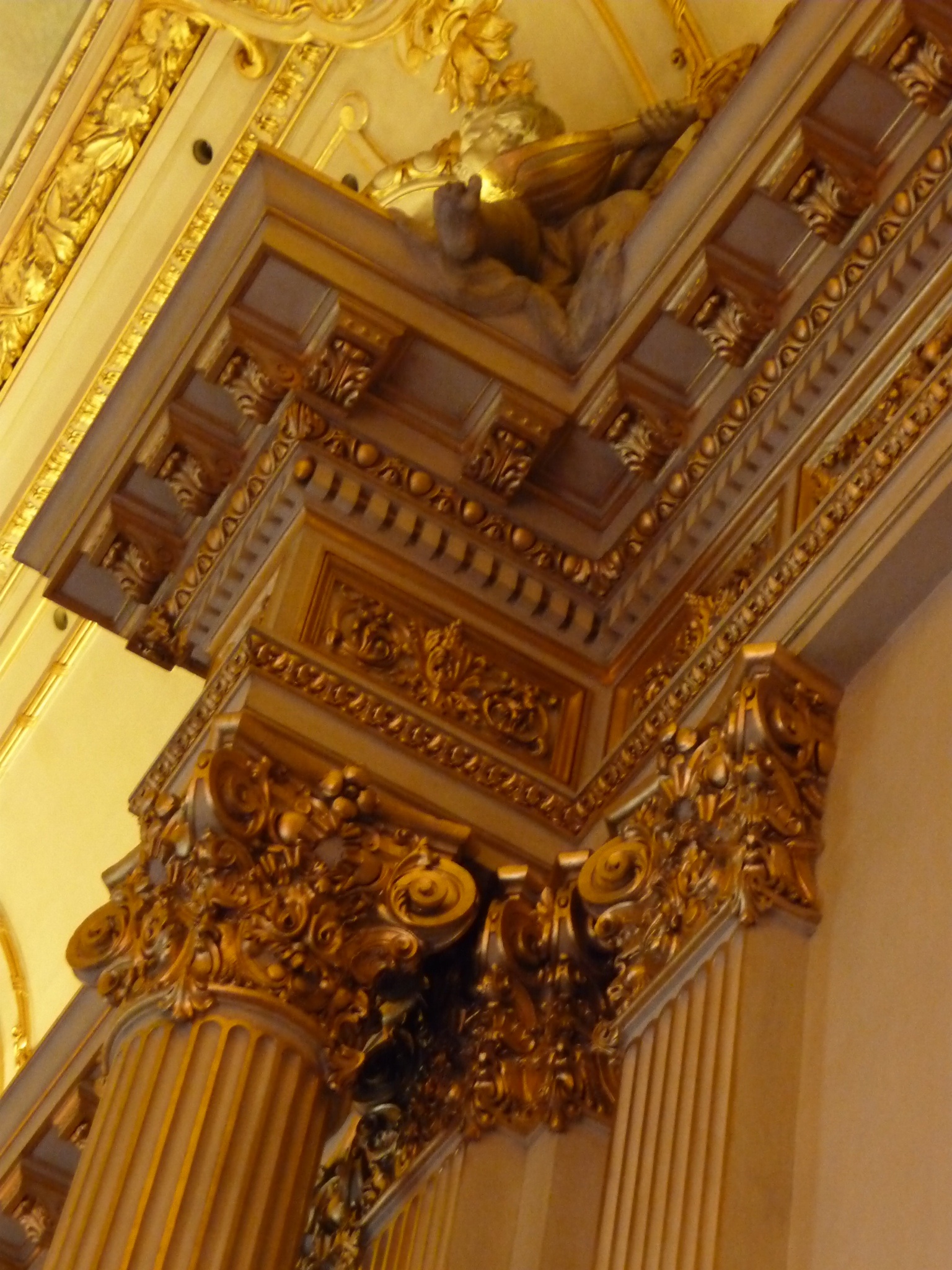
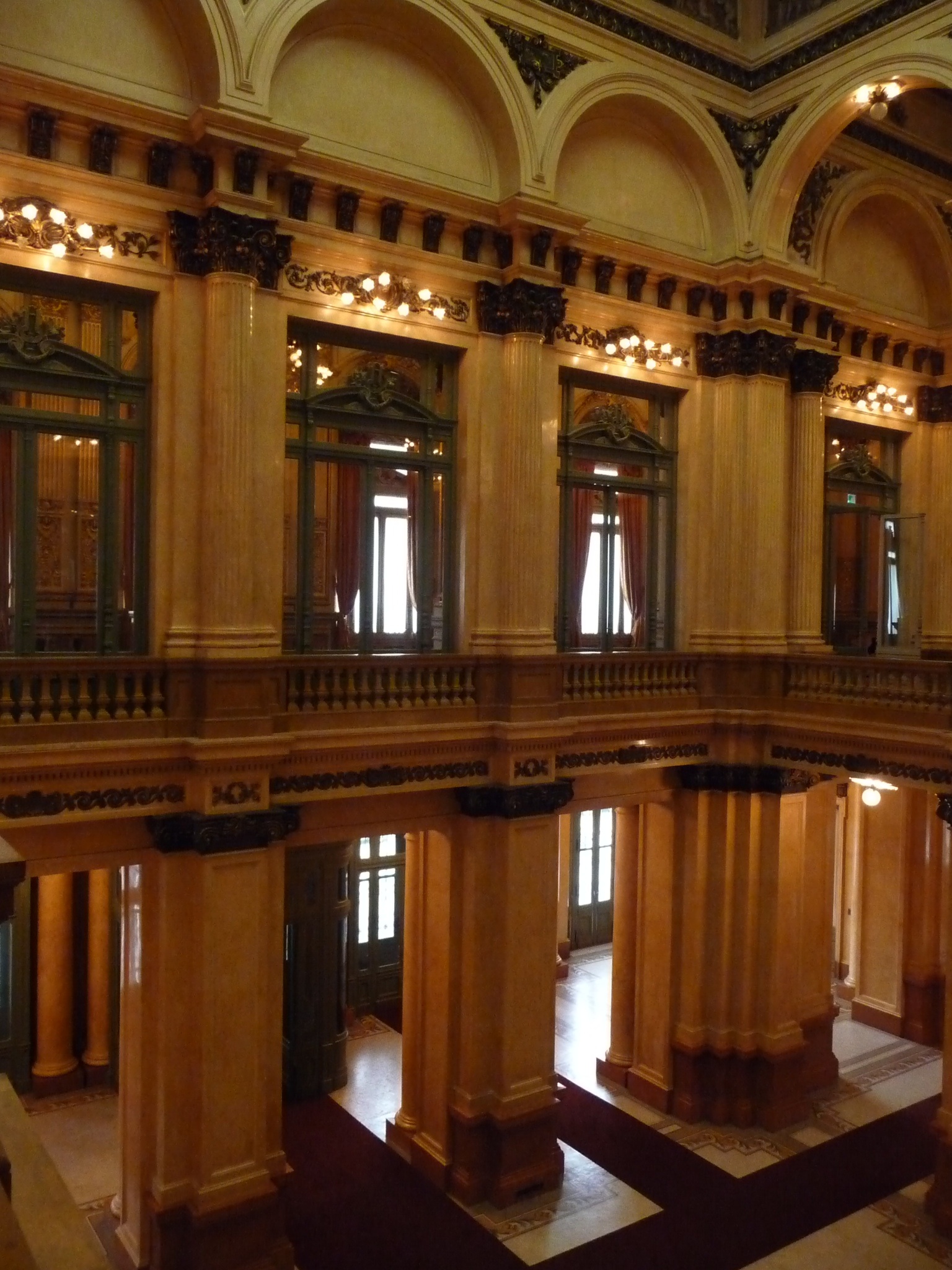
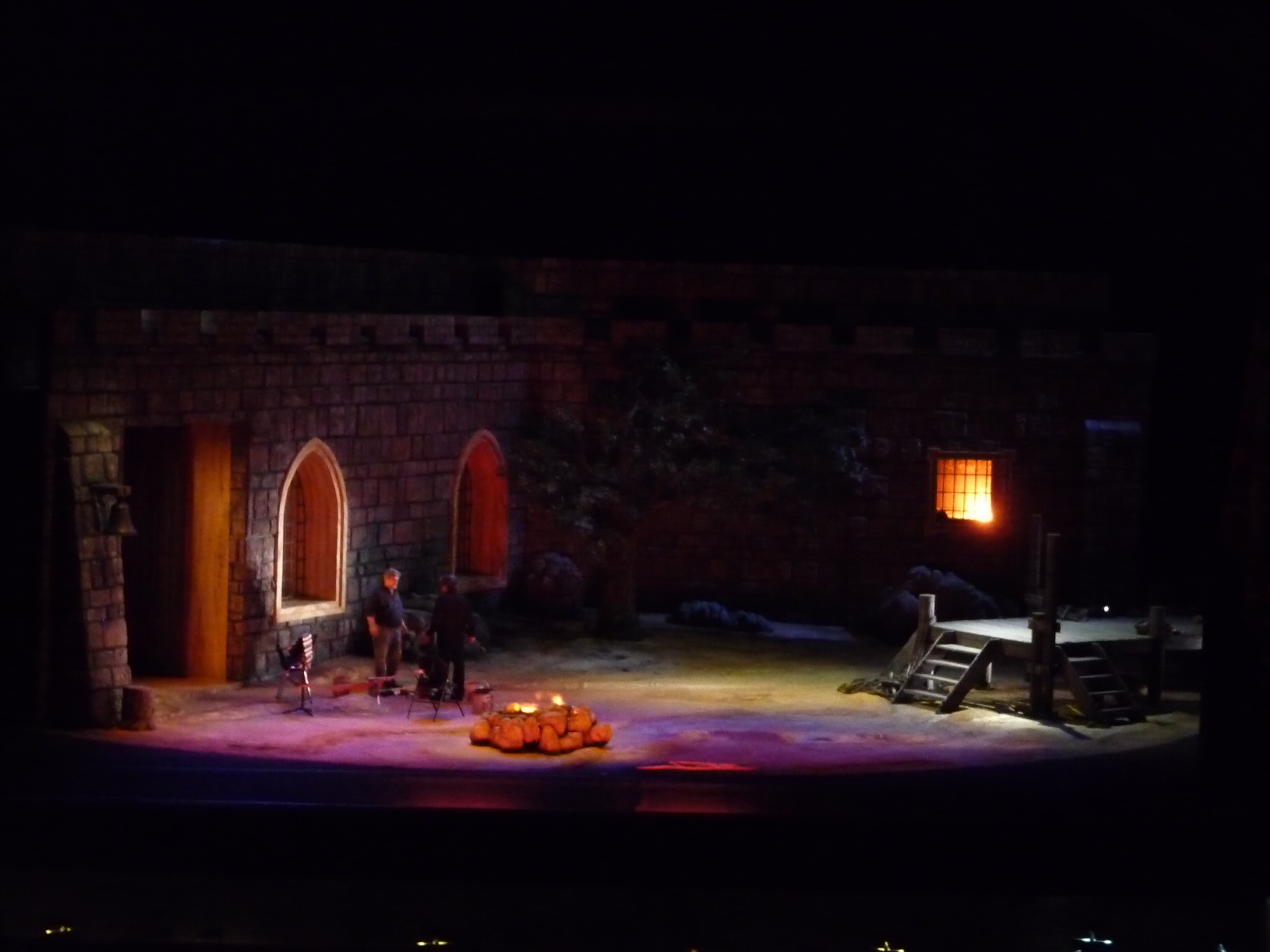
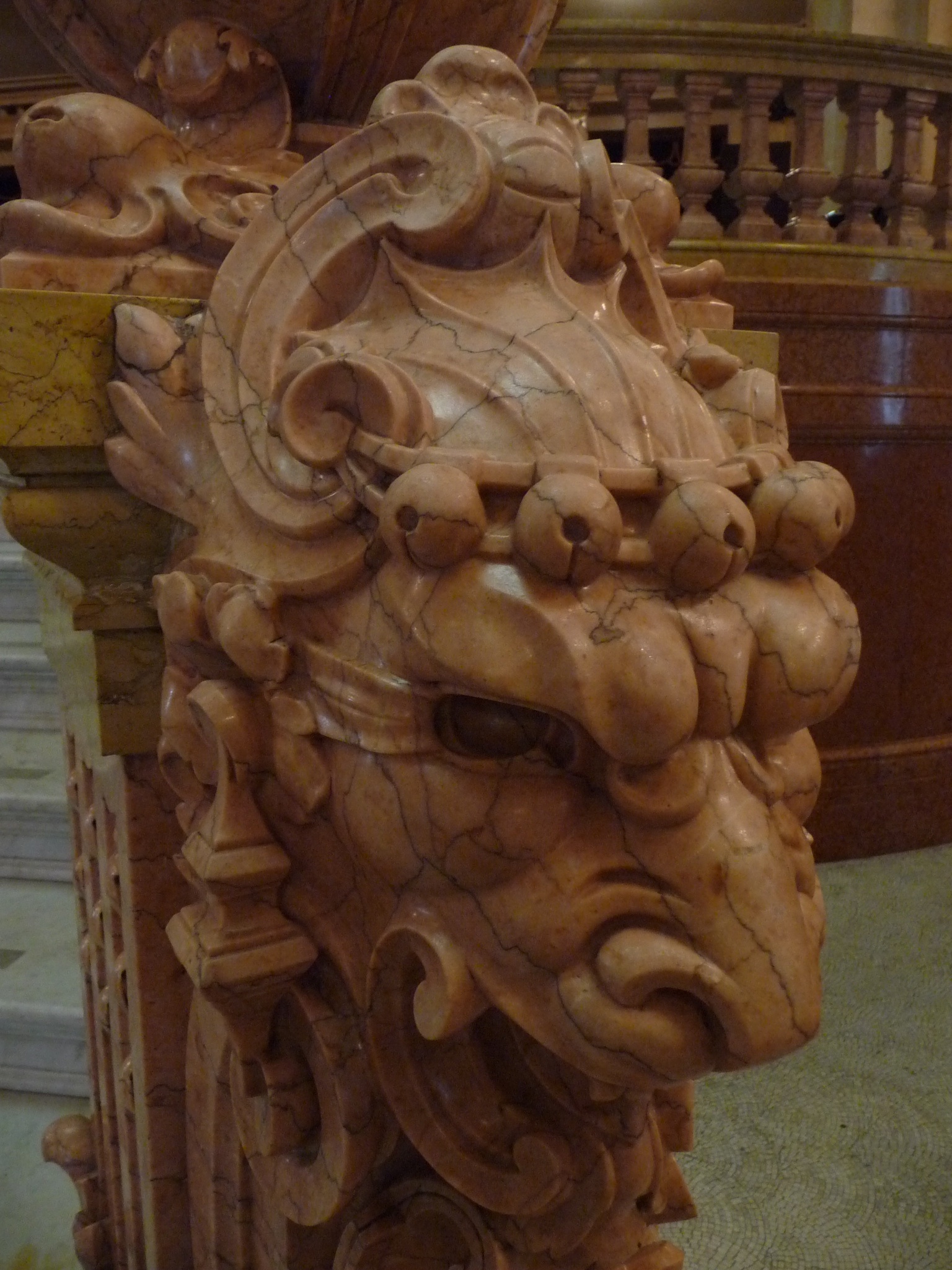
Back to the theatre. It took 20 years to build and had three different architects during its construction – the first two dying at the age of 44 but the last making it to 60 shedding the theory of the Curse of the Colon!  The theatre was inaugurated in 1908 with a production of Aida. The theatre has 3 000 seats and is beautifully decorated with marble and gold leaf throughout. The auditorium is in a horseshoe helping create wonderful acoustics.  We were fortunate enough to enter the auditorium during a light rehearsal and stage changing practice – Othello was showing in the next week.
Funnily enough the most prestigious seat in the house, the Presidents box, only sees 70% of the stage – guess its about being seen not what you see. There were black grates down beside the orchestra pit, which were used by widows in their two years of mourning (unable to congregate with the general community unlike the widowers who of course were out and about looking for their nest wife).
First theatre I’ve come across that sells standing only tickets. It was truly grand and the locals were clearly very proud of the restoration that had been done to the theatre in recent years, rightfully so – it is certainly in the league of the best opera houses of the world – Vienna State Opera House and Le Scala among them.
Time to see dead people!  Again!  The Recoleta Cemetery is one of the top attractions in Buenos Aires. The cemetery was essentially filled after a yellow fever epidemic in 1873 so the only crypts now available are those that have fallen into disrepair and taken by the government. It is like a city (similar but bigger scale to the one I’d visited in Punta Arenas, Chile). It sits on five hectares of land and contains 4870 mausoleums all of which have crypts.
At the entry you are greeted by the mausoleum of General Alvear who introduced laws abolishing slavery at birth. Another interesting mausoleum was the one of General Guido who had led the war against the Spanish in Peru – his mausoleum was made of rocks from the Andes, reflecting the trek the army had made during the war. His body now rests alongside San Martin in the Cathedral.
Then of course there was the crypt containing the remains of Eva Perón (Duarte), the reason most people visit the cementerio. The ‘shrine’ is very low key (some would say appropriate given her socialist views in life) and has only been her home since 1971 (her death being in 1952) because of political manoeuvrings to keep her body away from Argentinians who might otherwise continue the Peronist ideals. She even managed to be buried under another name in Italy for a while. She now rests in her family’s plot, who were apparently not great fans of her husband.
It seemed fitting after that visit that I should visit the Evita Museum. Evita had died of cancer of the uterus (as did Peron’s first wife) at the age of 33. In that short time she had been a leader of the people and a strong advocate for women’s rights – setting up foundations for women in transit to shelters and lobbying for women to have the right to vote (achieved some 40 odd years after Australia). The museum gave an interesting display of Evita’s life while at  the same time remained very silent on the politics of the day and her husband, President Juan Peron.
I was close to the very hip area of Palermo so I had to pop by for a look in the shops – I was being tortured by the price of leather – shoes, handbags – all so cheap for such good quality.  It was Friday night so the bars were overflowing and while tempted to plonk myself in one of them I feared my feet were so tired I may not be able to convince them to get me home!  Needless to say it was a night in for me.
My last day of exploring South America. I had saved the boho area of San Telmo for today, figuring it would be a little more lively on the weekend. It was a great area; interesting architecture, shops and cafes.
San Telmo was the affluent area of town in bygone years before an epidemic broke out and all of the residents moved across to Recoleta. Now it’s going through the usual boom that these areas experience once the general population cottons onto it being a good thing. I really liked the random groups of musicians banging, stringing or blowing out their tunes on the streets. They seemed to be genuinely enjoying what they were doing, that is, not doing it just to draw a crowd and tips.  It was here that I enjoyed my last empanada in South America.
La Boca was my next destination for the day. The guidebooks talk about it being the home of artists hanging out in their bright metal clad homes. The bright metal clad homes certainly exist but any sign of artists is long gone. It is now a very touristy area which, given the number of smiling happy faces I encountered there, is liked by many but it wasn’t my cup of tea at all.  I hadn’t found the street recommended by Claudine, my Patagonia travel buddy, so perhaps that would have shone a different light on it.  I did enjoy catching a bit of tango but again it was all on show for the tourists so not really a traditional experience.  Needless to say I didn’t last long there.
It was my last opportunity to pick up some Argentinian leather and while I’d been unsuccessful finding a jacket I knew there were shoes aplenty waiting for my purchase. After a little dabble in Galleria Paradiso I headed home with my purchases wondering where on earth I was going to fit them in my pack!  Where there’s a will there’s a way.
Paddy had kindly ordered my cab so there was nothing left to do but finish this blog before my departure. I had enjoyed Buenos Aires and concluded it was more a mix of Paris, Madrid and New York – all favourite places of mine so obviously it was up there.
This is it – my final day in South America.  It’s Sunday so the streets are deathly quiet as I make my way to the airport – the locals have been out partying.  It’s hard to believe this day has arrived. I’ve certainly covered a great deal during these 18 weeks and have thought a bit about what have been my favourites as I know I’ll be asked so here they are, in order visited not necessarily order of most favourite.
1. Easter Island, Chile – a chance to walk amongst giants
2. Perito Merino, Argentina – blue glacier spilling into the lake – magical
3. Mt FitzRoy, El Chalten, Argentina – a spectacular trek rewarded with a stop at a beautiful lake adjoining a mountain glacier
4. Tayrona National Park, Colombia – the beaches so unspoilt
5. Galápagos Islands, Ecuador- the once in a lifetime opportunity to get that close to wildlife
6. Inca Trail to Machu Picchu, Peru – a trek rewarded with spectacular scenery and a chance to walk the paths of the Incas
7. Machu Picchu, Peru – a lost city in the clouds
8. Nasca Lines – the mystery of how the lines were made over such significant distances
9. Salar de Uyuni, Bolivia – a natural wonder that’s expansiveness leaves you in continual wonderment
10. Iguaçu Falls, Argentina/Brazil – a reminder of the powers of nature
Of course every place I visited had something wonderful to offer so I almost feel I am betraying them making this list.  The only place I can say I really wanted out of was Potosi, Bolivia. It was very cold, the city was filled with diesel fumes and I found the knowledge of the oppression in the mines too much.  The tours have been fantastic, having made some wonderful new friends, and my time alone, particularly in Colombia, made for some fun times too.
Now it’s off to a more familiar part of the world, Europe. Adios me hermosa amigo. It will certainly be a contrast to what I’ve experienced in South America but will no doubt bring lots of good times so … talk to you on the other side….
Teatro Cervantes

Teatro Cervantes

Metropolitan Cathedral

Metropolitan Cathedral

General San Martin's mausoleum

General San Martin’s mausoleum

Casa Rosada

Casa Rosada

'Evita's balcony'

‘Evita’s balcony’

image

image

image

image

Puente de la Mujer

Puente de la Mujer

image

image

Cabilito

image

Enjoying the MALBA

Enjoying the MALBA

Antonio Berni

Antonio Berni

Frida Kahlo

Frida Kahlo

Stepping into Yayoi's world

Stepping into Yayoi’s world

image

Dog walker in coffee shop?

Dog walker in coffee shop?

Calle Florida

Calle Florida

image

image

image

image

image

image

image

image

image

image

Before and after a lot of work with a toothbrush!

Before and after a lot of work with a toothbrush!

image

The light rehearsal

The light rehearsal

image

image

Recoleta Cementario

Recoleta Cementario

image

image

image

image

General Guido's mausoleum

General Guido’s mausoleum

image

image

image

image

image

image

image

Soon to be taken no doubt

Soon to be taken no doubt

image

image

image

The mausoleum of the Duarte family

The mausoleum of the Duarte family

image

image


p


image


image

The Evita Museum

The Evita Museum

image


image


image


image

A bit of music on the streets of San Telmo

A bit of music on the streets of San Telmo

image


image

La Boca

La Boca

image


image


image


image


image

imagep

Posted in Uncategorized | 4 Comments

Reconquering Brazil

The landscape was unsurprisingly green, given the amount of rain, as we ventured out of Paraguay towards Foz do Iguaçu. Our border crossing into Brazil occurred in Ciudad del Este, the large duty free city in South America, a city of sky scrapers. The first notable one we encountered was unfinished; seems it wasn’t until it reached its 15th floor of construction that the local authorities realised it didn’t have local authority approval and so stopped its further construction, it now stands as an eye-sore at the entry to the city.
Foz was the spot that Finn’s harem grew, with the addition of Lea and Rachel from Western Australia and Hanna and Louise from the UK. I think he was amused by it, having lost his wife to cancer only a couple of months before.
We awoke to blue skies – hardly believing our eyes!
Before hitting the falls we visited the Parque de Aves, a sanctuary of beautiful birds from Brazil and other parts of the world – parrots, macaws, flamingoes, hummingbirds, toucans and even some cassowaries!  Again I stayed away from the anaconda cages, determined to not lay my eyes on one this trip.
I took the option of a helicopter flight over the falls. It was spectacular, the expansiveness and power of them clearly evident from the sky. We had a great view of both the Brazilian and the Argentinian side.  There are a total of 275 falls across a length of 1.5km with some falls being up to 72m deep. They have a beautiful cascading effect across the cataracts.
With that excitement out of the way and a clearer understanding of what we were going to encounter we excitedly drove into the park (passing a native agüti, scavenging by the roadside, along the way) to walk the misty boardwalks. The Brazilian side of the falls certainly gave you a good appreciation of the width of the falls, which were running so fast the Devil’s Throat walkway had been closed for safety reasons – it looked under serious threat from the pressure of the passing water.  The little squirrel like Coatis were having a great time feasting on people’s leftovers – quite happy to take off with any dangling bags.
We celebrated our fabulous day with a few drinks at a local bar before some of us headed to the supermarket for dinner.  This was our first per kilo meal (buffet style weighed before you eat it) and it brought back childhood memories of trips to the City Coles cafeteria with my Grandma.
The next morning we went to the Argentinian side of the falls. Our first introduction to them was via a walk along a boardwalk at the top of the falls.  They really are breathtaking from this side as you’re right on top of them.
Those of us who had opted for the boat ride under the falls then hopped into the back of the truck that would take us down to the river. We drove through some of the 67 000 hectares of national park on the Argentinian side before jumping into a large zodiac for a ride up to the base of the Devil’s Throat and under some of the others we’d walked above earlier. We’d been warned we’d get soaked so had prepared well. The ride was certainly exhilarating!
We were told that the falls normally flow at 1 700 cubic metres per second but that the day before (day of our visit on the Brazilian side) they were flowing at 15 000 cubic metre dropping to 9 000 the day of our Argentinian visit – certainly explained the power of the falls!
Our final leg for the day was a walk around the lower part of the falls where we encountered more of the coatis from the day before and towards the gate we encountered brown capuchin monkeys; it had been a day for it all!
Each part of the falls had been different and each absolutely gorgeous – definitely ranked as another highlight of my trip.
With the falls seen we started to make our way to Rio. We had a few stops in between, the first being Curitiba, which we reached by overnight bus.
I managed to get a good night’s sleep on the bus so while waiting for the others to wake at the hotel I headed off to explore a bit. The city was established in 1693 and now had a large university population. The buildings were quite eclectic with a mix of art nouveau and gothic architecture.
I spent the day with Rosie and Isabella checking out the sights from the hop-on hop-off bus. The bus started in Praca Tiredentes, where the cathedral is located. Our first stop was the Jardim Botanico – lovely grounds with a wire like greenhouse dominating the park.
Having had our botanical fix we chose a bit of culture with the Museu Oscar Niemeyer, the largest museum in Brazil. Oscar designed the building in his signature style (he’d integrated an ‘eye’ that functions as an exhibition room).  Oscar had been the town planner / architect of the new capital, Brasilia. His style was undoubtedly futuristic based on his architectural models we had seen at the museum.
Our visit to the museum was well timed with a temporary exhibition by Dutch artist MC Escher. I’d always liked his work and was expecting to see some on the European leg of the trip so a nice surprise. I also really enjoyed the works by local Curitibano artist Violeta Franco – one of a number of Curitibano artists who’d broken away in the mid 1900s to create their own abstract form of art.
With a bit more time left before the threatening storm hit we headed to the Bosque Alemão, a public area dedicated to the German immigrants of Curitiba. We enjoyed trying to put together the tale of Hansel and Gretel, written in Portuguese, as we walked through ‘The Woods’. Quaint.
The city was filled with memorial areas – for the Italians, Polish, Arabs, Ucranians and the Indians of the Guarani nation. Who hadn’t settled here?
And then down came the rain (…and washed it all away…) prompting a night in before the early morning bus to Sao Paolo.
Sao Paolo is huge – estimated to have between 17 and 24 million inhabitants, makings it the largest in The Americas and the Southern Hemisphere and seventh largest in the world by population. We stayed in the tranny district of the city – making for a colourful time.
The sad thing was the number of homeless people – I could only think that their number contributed to the reason for the vagueness of the population size. I went off and visited St Paul’s cathedral – impressive building but right beside residential buildings in a terrible state of disrepair.
Having arrived on a Sunday and the day of the Confederation Cup final between Brazil and Spain it was pretty quiet around town with most museums closed so my final stop was the Italia Tower where, from the 38th floor, you get a fabulous view of the city.  While the views from the top bar were fabulous, I declined – I couldn’t justify paying the additional $15AUD cover charge for a drink!
Of course the game that night provided a good excuse to head to the nearby Brahma Bar for a few ales amongst the local futball lovers – we obviously barracked for Brazil who thrashed Spain, creating a very happy bar of people!
Our last stop before Rio was Paraty, a lovely colonial port town complete with cobblestone streets. All through the bus trip the clouds came and went giving us hope for some sunshine. Alas, rain it was to be. The first evening I indulged in a little too much cachaca (rum spirit in the caipirinhas) with Finn and our new friends from the restaurant, Aussies Ruth and her 8 year old son who were travelling for a year or two.
I was pretty fragile the next day so it was a low key day for me, managing to only venture around the streets for african influenced tapioca flour savoury crepes.  The town was very colourful with plenty of reminders of its history as one of the key ports used to bring in the African slaves.
Our night with Ruth had revealed that we had been fortunate indeed with the timing of our visit to the falls. The park had been closed at the time of Ruth’s visit – seems they had been closed the day after our visit because of safety concerns arising from the high flow of water. We’d seen news reports showing flooding in areas, obviously impacting them from upstream. Felt even more lucky to have visited the amazing place, I would have been quite devastated had they been closed.
We awoke to blue skies – yeh – off to Rio de Janeiro!
Our last bus trip. All of the bus trips on the trip had been wonderful. I felt I’d seen and experienced so much more than I would had I flown between destinations.
I knew we were in Rio when we started passing colourful floats in storage yards – and the Sambadrome, where all the action other than the parades happens during carnivale and of course we were greeted with a view of the statue of Christ the Redeemer, perched high on Corcovado.
We dumped our bags and then went out for an orientation of the city. The graffiti was impressive in Lapa, the area in which we were staying. Apparently it is a result of council intervention – art spaces provided as a distraction from drug use.
With the clear skies and a bit of light left a number of us headed for Sugarloaf, the top of a large rock jutting out to the sea, reached by two cable cars. The cable car system was established in 1912 and has since become the star attraction in Rio enabling wonderful views of Ipanema, Copacabana and Guanabara Bay and inland toward Corcovado and the Tijuca Forest.  The views were magical. We had arrived before sunset and left after sunset so got to enjoy the views with the changing lights. In the dark, the lit statue of Christ appears to sit suspended in the sky over Rio, no doubt designed to have this effect.
We were in Rio, and we were staying in the party district, so had to see some samba!  Headed out to a bar recommended by Cristina. It was fun watching the locals do their thang.  The moves were impressive from both the men and women; quite a workout and there’s no doubt – Latin Americans have rhythm!  I didn’t dare venture near the dance floor for fear of embarrassing myself – I was quite content watching the dancing and flirting that was going on around us.
Another glorious day so this time we headed for Corcovado, reaching it by funicular. More wonderful views atop Rio from the toes of the statue of Christ. The statue was erected to mark the 100th anniversary of the independence of Brazil from Portugal (1822). It’s not hard to see why it was established recently as one of the new wonders of the world. Again the views were superb.
With some confidence on using the buses a number of us headed back into town to visit the spaceship like Metropolitan Cathedral. It had interesting acoustics; we sat and listened to some Afro Brazilians singing. Apparently only 50% of Brazilians are catholic, the rest being of evangelistic faiths. Quite a contrast to the countries conquered by the Spanish under the decree by the pope of the day.
An area known to be a more seedy part of town has Selarón’s Steps. The steps, coved in cut tiles, are the work of an artist who lives on the avenue of the steps.  He got sick of the grimey look of the steps and so chose to tile them himself. Apparently he still repairs any that are broken and sells his own art to pay for the maintenance.
The steps led us up to a part of Santa Teresa that had the Parque das Ruinas, ruins of a mansion with fabulous views of the city, and the adjoining Museu da Chácara do Céu, the former mansion of art collector Castro Maya. The house itself was gorgeous – architectural style similar to Frank Lloyd Wright.
The day was finished off with a visit to the Jardim Botanico, lush grounds with some interesting garden structures, before a farewell dinner with the group and a few farewell drinks out with Cristina. This was it – tour over – 65 days  through five countries with the only constants being Cristina and me. I’d had a great time, having met lovely people who I knew would remain friends.
The next morning I ventured over to my new accommodation in Ipanema, airbnb accommodation with Rafaella and Gustavo. The apartment was lovely, while small it was beautifully decorated and carried the outside in through its lovely big windows. I knew immediately I was going to enjoy the next four days.
The sun was shining so what else could I do but go to the beach?  I’d arranged to meet up with Heather, Rose and Finn at Copacabana so made my way along the esplanade.  Observing along the way the  great sand sculptures, men’s sculpted bodies and women in all shapes and sizes wearing itsy bitsy teeny weenie bikinis!
I was going to have my gringo siren on when I stepped out in my bikinis – they’d been marketed in Australia as Brazilian but I now realised that the brainiac marketer that came up with that had never been to Rio!  I was confident I could fashion up something a little more appropriate after all I had a pair of shoelaces and hair band to work with.
One thing I did know was that I had no need to worry about how I’d look with the extra weight I’d  gained, these beaches are clearly about tans not body size!
Heather, Rose, Finn and I enjoyed a caipirinha at one of the beach kiosks, toasting the end of a good trip. We all agreed it was a beautiful spot, the rocky outcrops at the end of each beach really making it special.
I was thankfully for being able to enjoy Rio in such sunshine – I had a woken to another glorious day. This time I trundled off on Rafaella’s old push bike to meet Finn up the beach for oysters straight off the fish monger; he opened them for us at the counter and we proceeded to give them a squeeze of lime before devouring them – a great way to start the day.
After a bit of people watching with Finn (you could sit all day doing this in Rio) I headed off on the bike for a visit to Leblon. The cycle path runs along the beach so you get a real feel for the various sections of the beaches.  The hippie section had the odd dreadlocks wearing dude wandering around, the gay section was full of gorgeous men playing volleyball and the family section had a fenced off mobile kids area.
The path was pretty full; you had to give way to the ‘Billy Ice’ bicycles, which were selling bags of ice to the beach tents.
My evening was pretty low key with me opting to watch the Aussie movie The Square; a good tale about how, what seems like a, simple low risk crime can go terribly wrong.
Again I woke to a beautiful day. I’d been told that there was a local market on Saturdays so headed down for some more souvenirs for the family. It was then onto the beach. I hired a beach chair and umbrella from one of the beach tents for a whole 10 soles ($6).  The beach is the penultimate place to people watch – there were no budgie smugglers to be seen just good old swimming trunks or board shorts – quite a contrast to the girls’ swimwear.
During my afternoon stroll I was fortunate enough to pass some of the very dark and glossy (sweaty) men using the fixed gym presses along the esplanade – etiquette had clearly dictated that they were only for beefcakes.
The ground is really flat in most of Rio so they make full use of the bicycles with them not only delivering ice but also being the primary mode of transport for the delivery of people’s grocery orders.
Bossanova is the beach thing for Sundays – bars set up for small bands or record shops with bands playing out the front. It was lovely to sit and listen to.
I took Gustavo’s suggestion and headed to the rock at the end of Ipanema Beach for sunset. He’d said it was a Sunday ritual of Cariocas (people from Rio) which was confirmed by the number of people up there and the stalls that had set up to service the gatherers – I was impressed with the mobile wood fired pizza guy.
I then followed this up with dinner with Finn by the lake, which neither of us had yet visited. I was wrapped as I got to try the Bahia dish of Moquena (fish stew) which I wasn’t up to trying during our stay in Paraty. Of course we farewelled over a caipirinha and a few more laughs!  I knew he’d been grateful for my friendship during the tour as had I his – although he did reveal that he had secretly wished another guy had joined the tour with us as had I!
I felt my lolling around on the beach a little indulgent (I know – why???) so the next day I headed back into the centre of town to check out the municipal theatre and the national history museum. Poor research on my part – Museum was closed on Mondays!  On the upside, I got to see a very seedy side of the town that I would not otherwise.
From there I ventured up to Santa Teresa for a stroll around the very bohemian village (think West End/Newtown) before stopping for a wine in a cute bar full of eclectic pieces of furniture and artefacts. I caught the bus and metro back towards Ipanema.  By that stage the rain had set in; of course I got lost in the dark as I dashed in and out of the rain eventually make it home albeit a little latter than planned and drenched!
This was it – last day in Rio. After a cycle up to the end of Copa beach and a quick pack I walked to the esplanade for my last caipirinha in Brazil – it had been a longtime between these and the ones enjoyed with Kath and Sev over in Brazil’s motherland, Portugal, and no doubt it would be a long time until the next.
I concluded while sipping my caipirinha that I could live in Rio – interesting city precincts and plenty of beaches to escape to on the weekends – there were another five or so within relatively easy reach, which I hadn’t even touched contented at Ipanema.
So I farewelled the lovely little Ipanema apartment and headed for the airport. Armed with my shiny new purple converse (the cheapies from Colombia had served me well but were crying for a break).  I’m off to my last destination in South America, Buenos Aires – is it the Paris of South America?
Parque de Aves, Foz do Iguacu

Parque de Aves, Foz do Iguacu

image
image
image
image
image
image
image
image
image
image
image
image
image
image
image
image
image
image
image
image
image
image
image
image
image
image
Iguacu Falls from the helicopter

Iguacu Falls from the helicopter

image
image
image
The Falls from the Brazil side

The Falls from the Brazil side

image
image
image
Devil's Throat walkway under pressure

Devil’s Throat walkway under pressure

image
image
Scavenging Coati

Scavenging Coati

image
image
image
The Falls from the Argentinian side

The Falls from the Argentinian side

image

image

image

image

image

image

image

image

image

Agüti

Agüti

Former Curitiba Municipal Hall

Former Curitiba Municipal Hall

Catedral

Catedral

image

Jardim Botanico

Jardim Botanico

image

image

image

image

Museu Oscar Niemeyer

Museu Oscar Niemeyer

image

Looking at some Escher looking at me!

Looking at some Escher looking at me!

image

Violeta Franco

Violeta Franco

image

Hansel and Gretel trail at Bosque Alemão

Hansel and Gretel trail at Bosque Alemão

image

Sao Paolo reminds everyone that we're all equal!

Sao Paolo reminds everyone that we’re all equal!

Sao Paolo Theatre

Sao Paolo Theatre

image


image


image

Catedral Metropolitana de Sao Paolo

Catedral Metropolitana de Sao Paolo

image


image


image

Views of the city from Tower Italia

Views of the city from Tower Italia

image

image

image

image

image

Now I'm a soccer fan?

Now I’m a soccer fan?

Dinner with the crew in Paraty

Dinner with the crew in Paraty

image

image

image

image

image

image

image

image

image

image


Cable car to Sugarloaf Mountain

Cable car to Sugarloaf Mountain


image

image

image

image

image

image

image

image

image

image


Corcovado

Corcovado

image

image

image

image

image

image


Catedral de Sao Paolo

Catedral de Sao Paolo

image

image


Selarón's Steps

Selarón’s Steps

image

image

image

image

image

Parque das Ruinas

Parque das Ruinas

Some art at Museu Chácãra do Céu

Some art at Museu Chácãra do Céu

image

Henri Matisse

Henri Matisse

image

Jardim Botãnico

Jardim Botãnico

image

image

image

image

image

image

A final farewell photo - Finn and his harem

A final farewell photo – Finn and his harem

Ipanema beach midweek

Ipanema beach midweek

image

image

Resurfacing the futbal field

Resurfacing the futbal field

Fish mongers at the beach

Fish mongers at the beach

image

image

Ipanema pumping on the weekend

Ipanema pumping on the weekend

image

Leblon Beach

Leblon Beach

Bikinis anyone?

Bikinis anyone?

image


image

image

Teatro Municipal

Teatro Municipal

image

image

It won't be long...

It won’t be long…

Arcos de Lapa

Arcos de Lapa

image

image

image

image

image

Posted in Uncategorized | 1 Comment